Wyoming Paid Up Lease Pooling Provision
Overview of this form
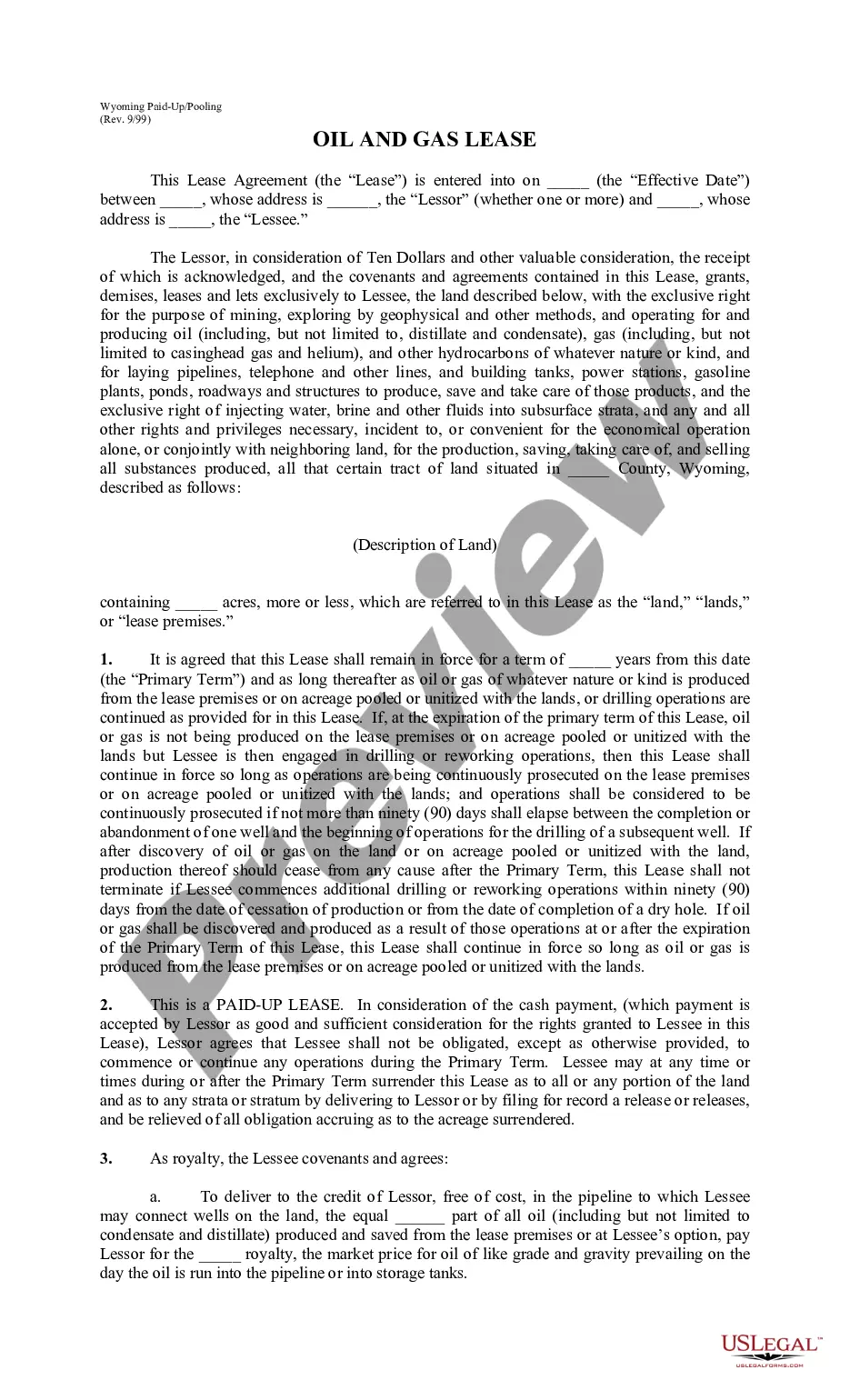
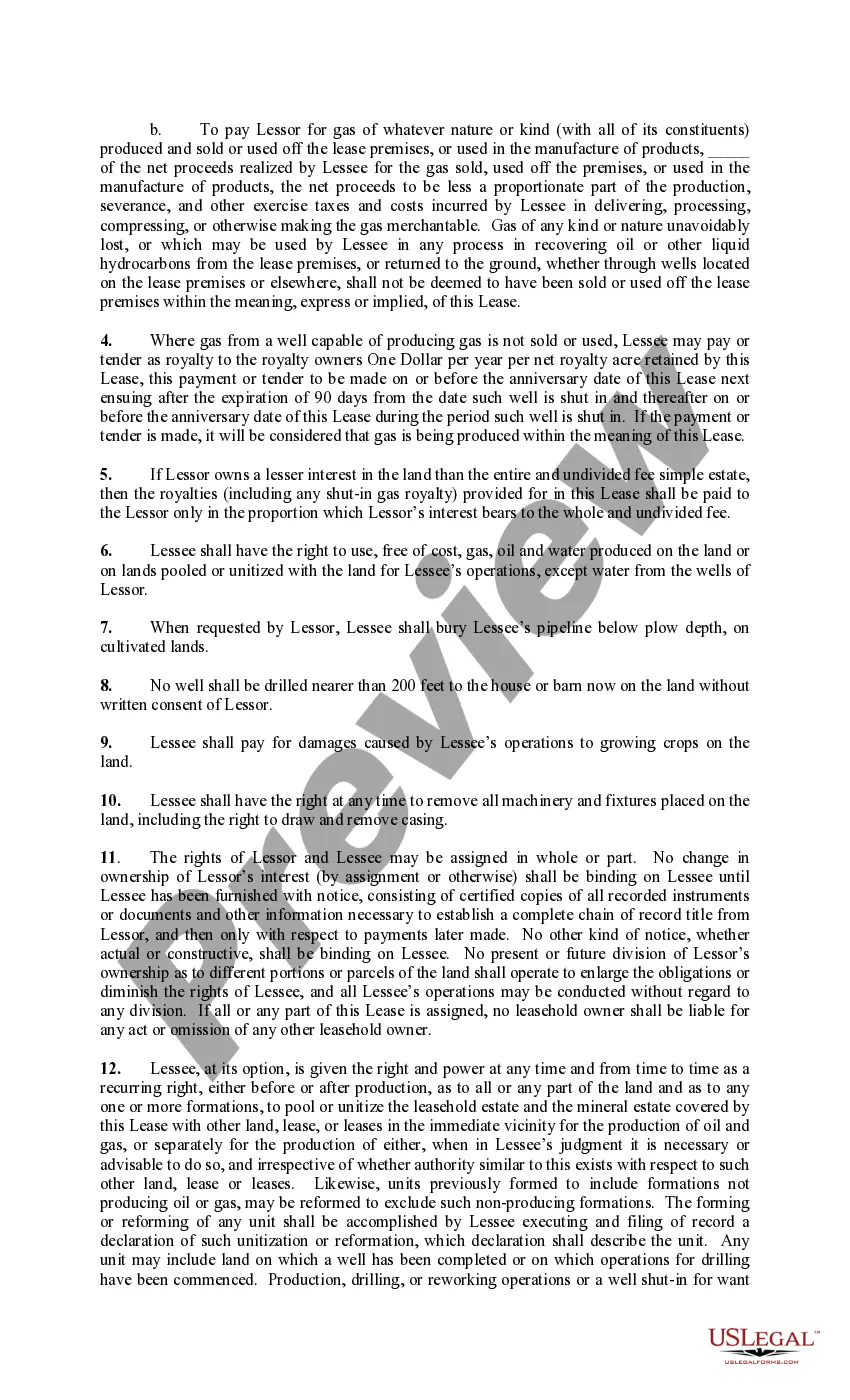
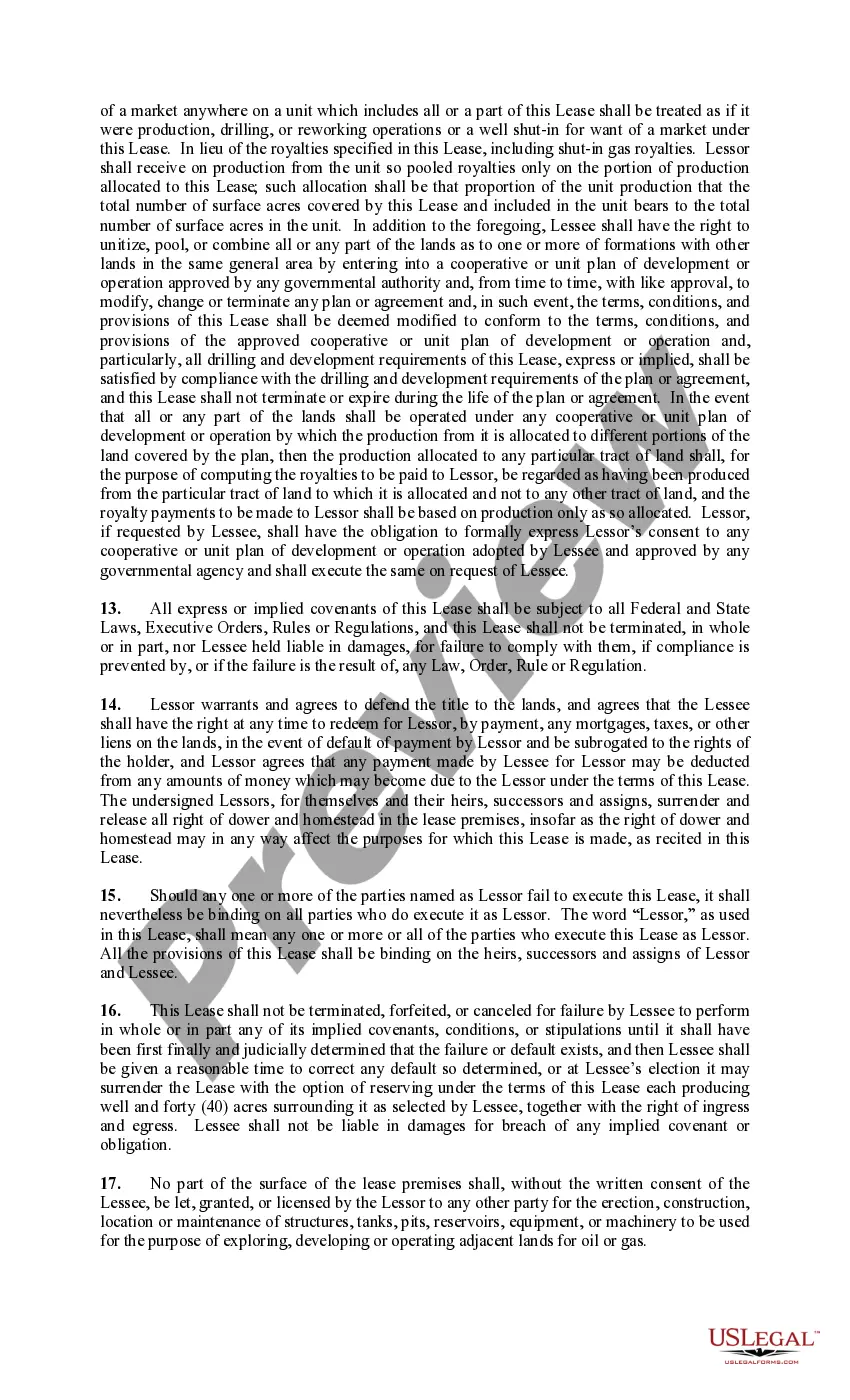
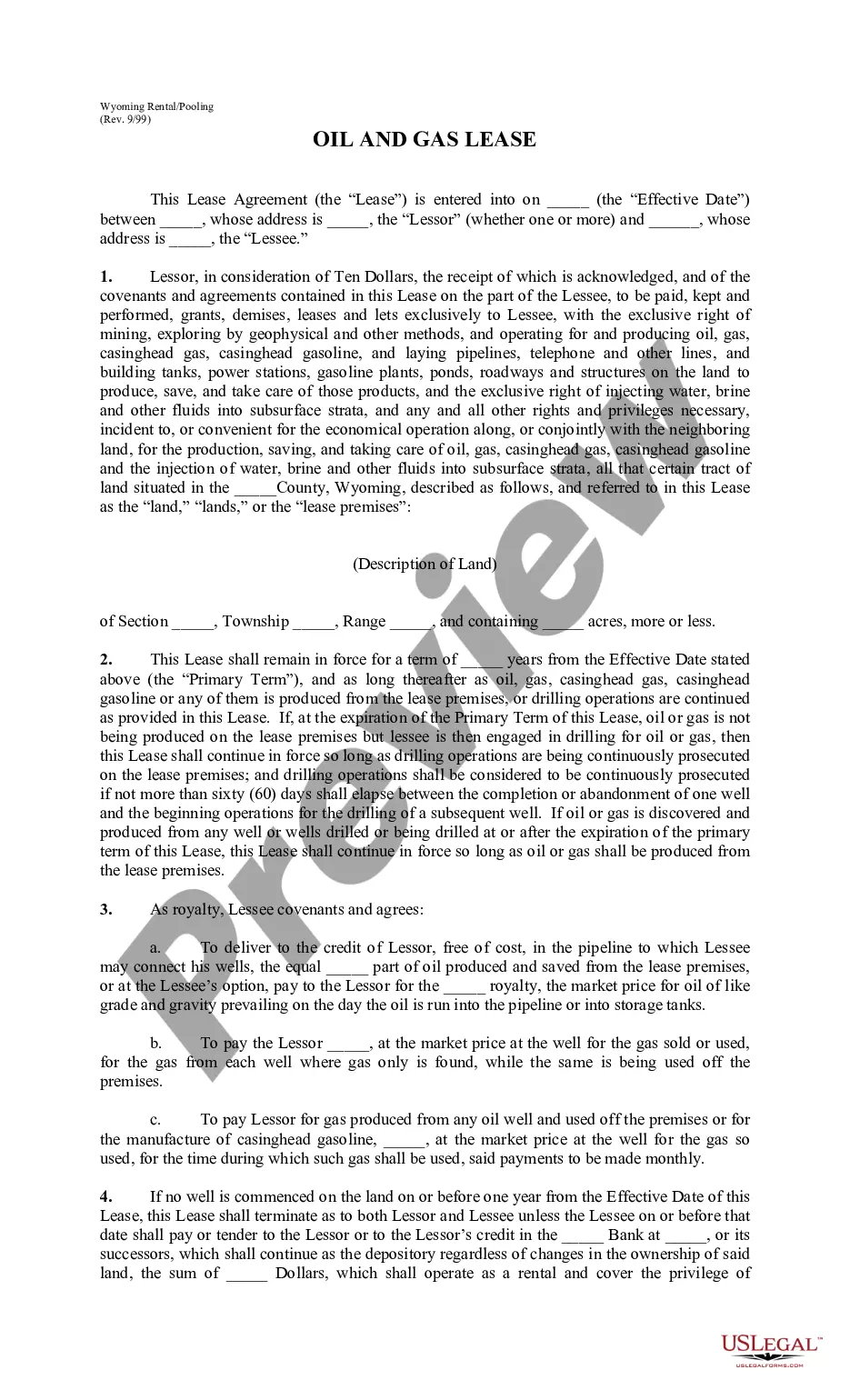
The Paid Up Lease Pooling Provision is a legal document used in Wyoming to create a lease agreement between a lessor and a lessee for the exploration and production of minerals, such as oil and gas. This type of lease is considered "paid up," meaning the lessee is not obligated to perform operational duties during the lease term, which differentiates it from traditional lease agreements that often require ongoing work in exchange for the lease. The provision also allows for pooling, enabling the lessee to combine resources from multiple property areas to enhance mineral extraction efficiency.
Form components explained
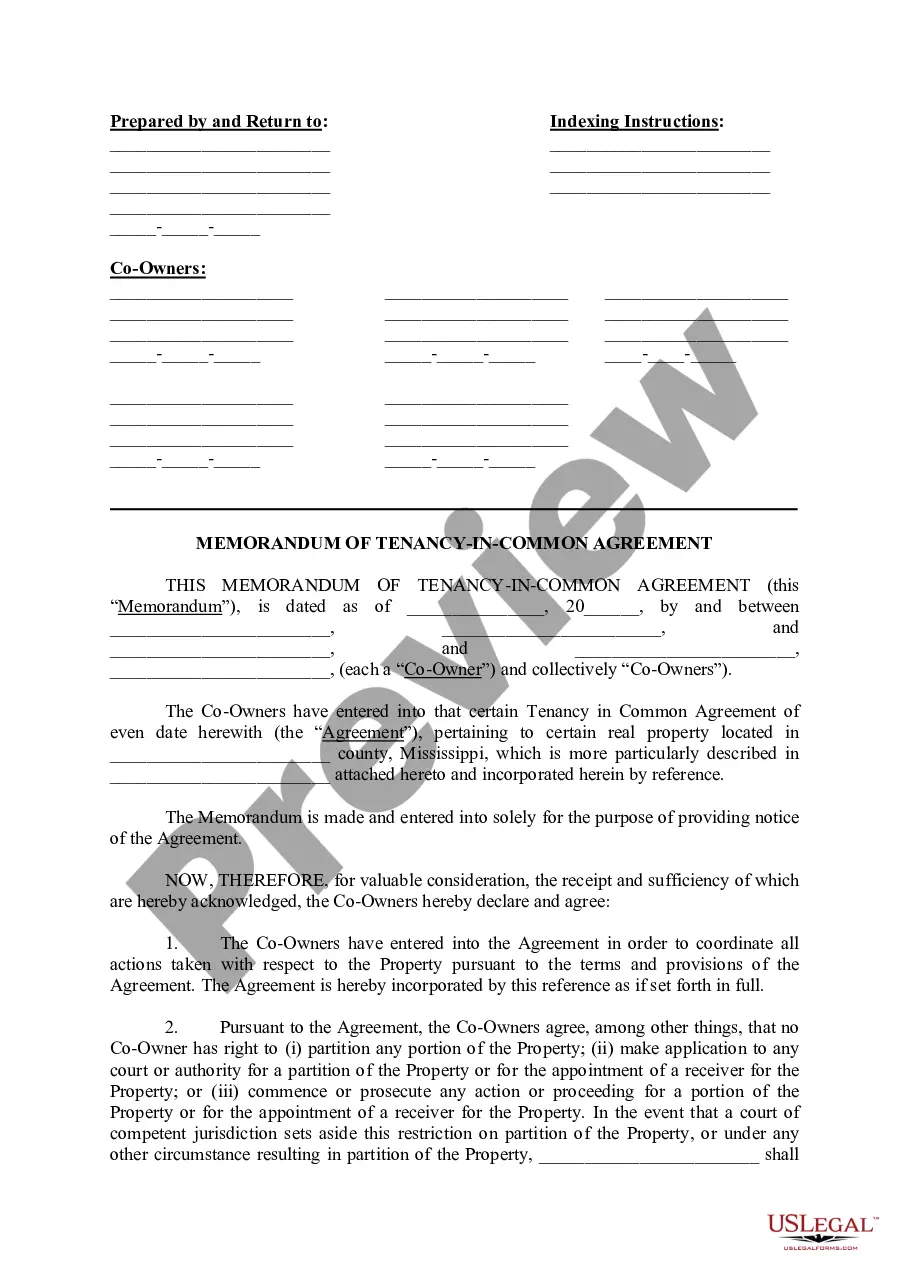
- Details of the lessor and lessee, including their addresses.
- Description of the land being leased for mineral exploration and extraction.
- Duration of the lease and conditions for its continuation beyond the primary term.
- Royalty agreements specifying the compensation structure for the lessor.
- Provisions for infrastructure use, such as pipelines and roads, necessary for operations.
- Rights for pooling or unitization of the leasehold with adjacent lands for efficient resource production.
Situations where this form applies
This form is ideal for landowners in Wyoming who wish to lease their property for oil, gas, or other mineral extraction without the obligation of the lessee to perform drilling or exploration activities during the lease term. It is also suitable for lessees seeking to simplify the lease agreement process and secure the right to extract minerals while leveraging multiple properties through pooling provisions.
Who can use this document
This form is intended for:
- Landowners looking to lease their land for mineral extraction in Wyoming.
- Companies or individuals in the oil and gas industry interested in obtaining drilling rights.
- Legal professionals assisting clients with mineral lease negotiations.
- Investors seeking to secure mineral rights without an obligation for ongoing operations.
Completing this form step by step
- Identify the parties by entering the names and addresses of the lessor and lessee.
- Clearly describe the property being leased, including the total acreage and exact location.
- Specify the term length of the lease and any continuation provisions after the primary term.
- Detail the royalty agreements concerning oil, gas, and other minerals extracted.
- Ensure all signatures are completed where indicated to validate the agreement.
Is notarization required?
To make this form legally binding, it must be notarized. Our online notarization service, powered by Notarize, lets you verify and sign documents remotely through an encrypted video session.
Get your form ready online
Our built-in tools help you complete, sign, share, and store your documents in one place.
Make edits, fill in missing information, and update formatting in US Legal Forms—just like you would in MS Word.
Download a copy, print it, send it by email, or mail it via USPS—whatever works best for your next step.
Sign and collect signatures with our SignNow integration. Send to multiple recipients, set reminders, and more. Go Premium to unlock E-Sign.
If this form requires notarization, complete it online through a secure video call—no need to meet a notary in person or wait for an appointment.
We protect your documents and personal data by following strict security and privacy standards.

Make edits, fill in missing information, and update formatting in US Legal Forms—just like you would in MS Word.

Download a copy, print it, send it by email, or mail it via USPS—whatever works best for your next step.

Sign and collect signatures with our SignNow integration. Send to multiple recipients, set reminders, and more. Go Premium to unlock E-Sign.

If this form requires notarization, complete it online through a secure video call—no need to meet a notary in person or wait for an appointment.

We protect your documents and personal data by following strict security and privacy standards.
Mistakes to watch out for
- Failing to accurately describe the leased property, which can lead to disputes.
- Not specifying the term and conditions for the lease, leading to potential misunderstandings.
- Overlooking signature requirements, which can render the lease invalid.
Why use this form online
- Convenience of downloading the form for immediate use without the need for in-person visits.
- Editability to customize the document to fit specific agreements and terms.
- Access to legally reviewed documents drafted by licensed attorneys, ensuring reliability.
Looking for another form?
Form popularity
FAQ
Annualized Wages for Demand Occupations Interestingly, within these five occupations, "part-time" appears to be concisely defined by respondents to the Wyoming Wage Survey as between 18 and 20 hours per week while "full-time" varies much more, between 34 and 43 hours per week.
Wyoming youth may work no more than eight hours during any given 12-hour period. Additionally, minors may not work between the hours of pm and am when school stands in session the next morning.
What is considered a full-time employee under California Law? With the introduction of the Affordable Care Act came along the new full-time employeeor one who works at least 30 hours a week or at least 130 hours a month.
Like many states, Wyoming has a law that protects this right. Such laws are commonly known as right-to-work laws. The Wyoming law makes it illegal to condition employment on union membership or nonmembership or the payment or nonpayment
The average weekly hours over the period must not exceed: 2022 for a full-time employee, 38 hours or 2022 for an employee other than a full-time employee, the lesser of: 38 hours the employee's ordinary hours of work in a week.
Unemployment claims for payment are filed weekly. You can file for weekly benefits by calling (307) 473-3789 and using the Interactive Voice Response (IVR) systems.
Wyoming is an at-will state, so all employees who are employed for an indefinite period are presumed to be employees at will.
If you are eligible to receive unemployment, your weekly benefit rate is 4% of your earnings in the highest paid quarter of the base period. The current maximum is $508 per week; the minimum weekly benefit amount is currently $36. Ordinarily, you may receive benefits for a maximum of 26 weeks.