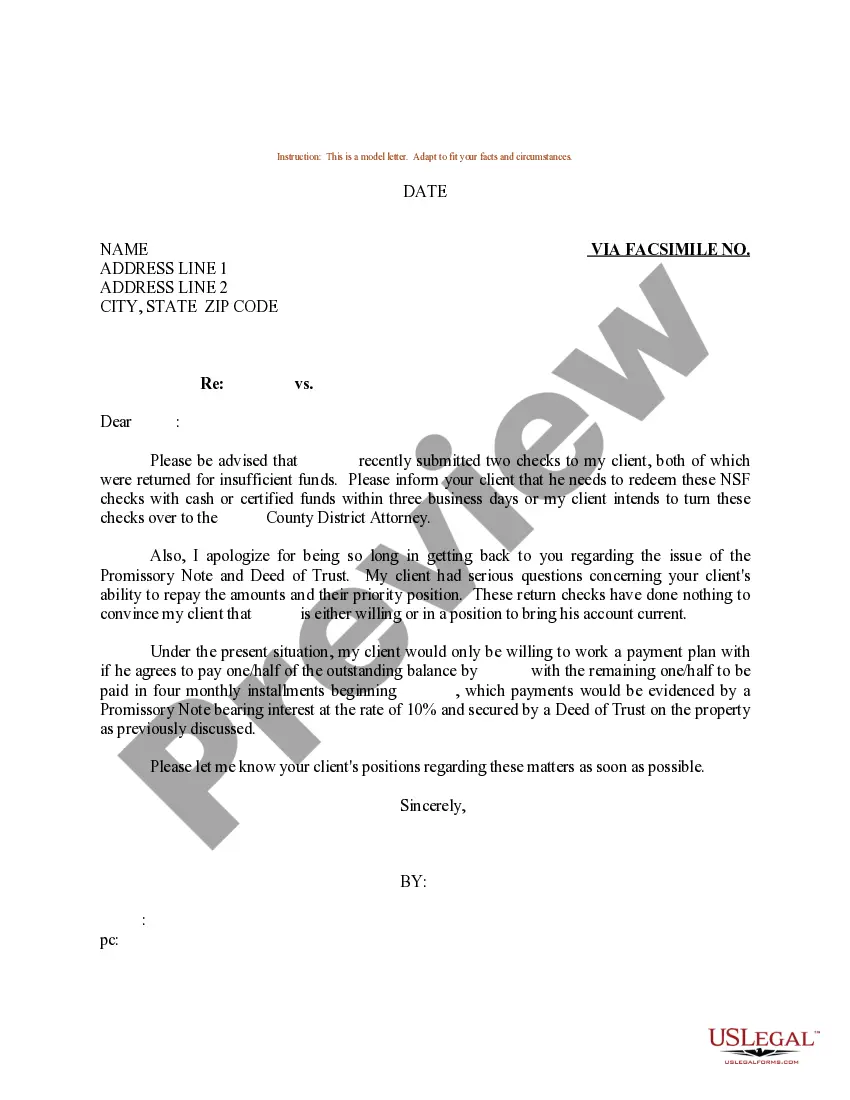
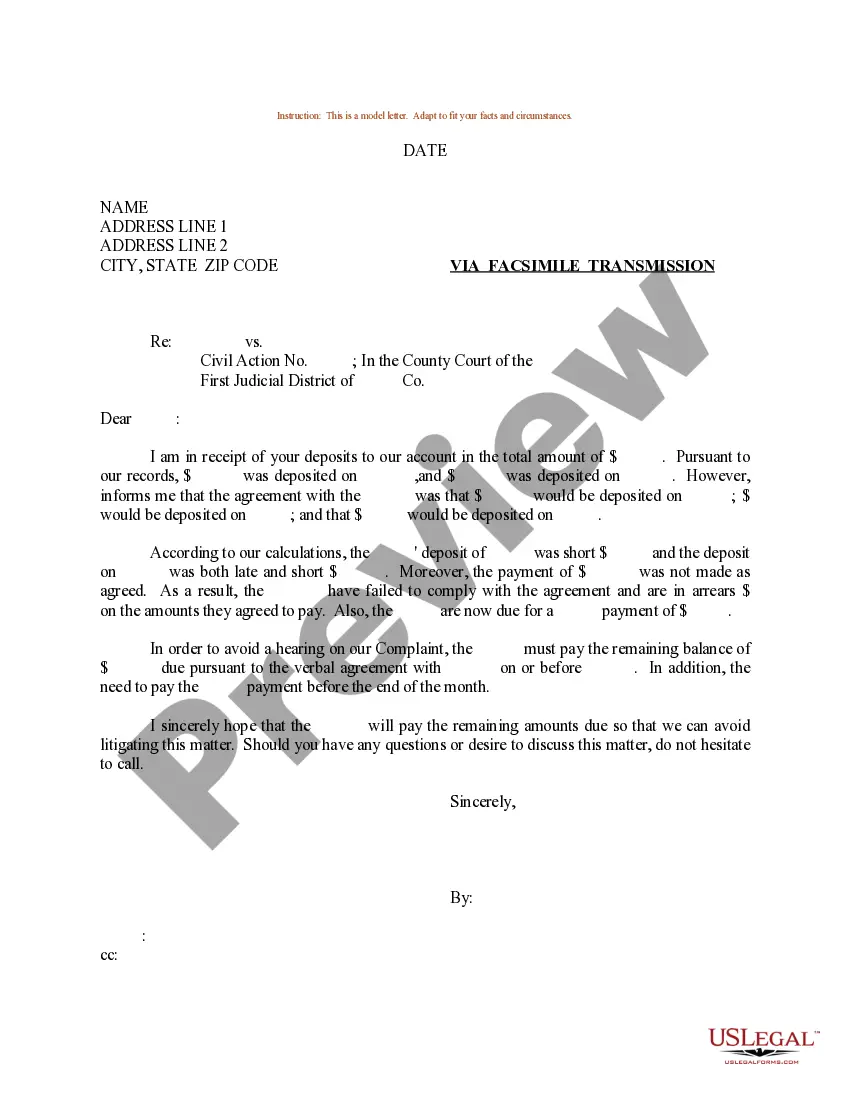
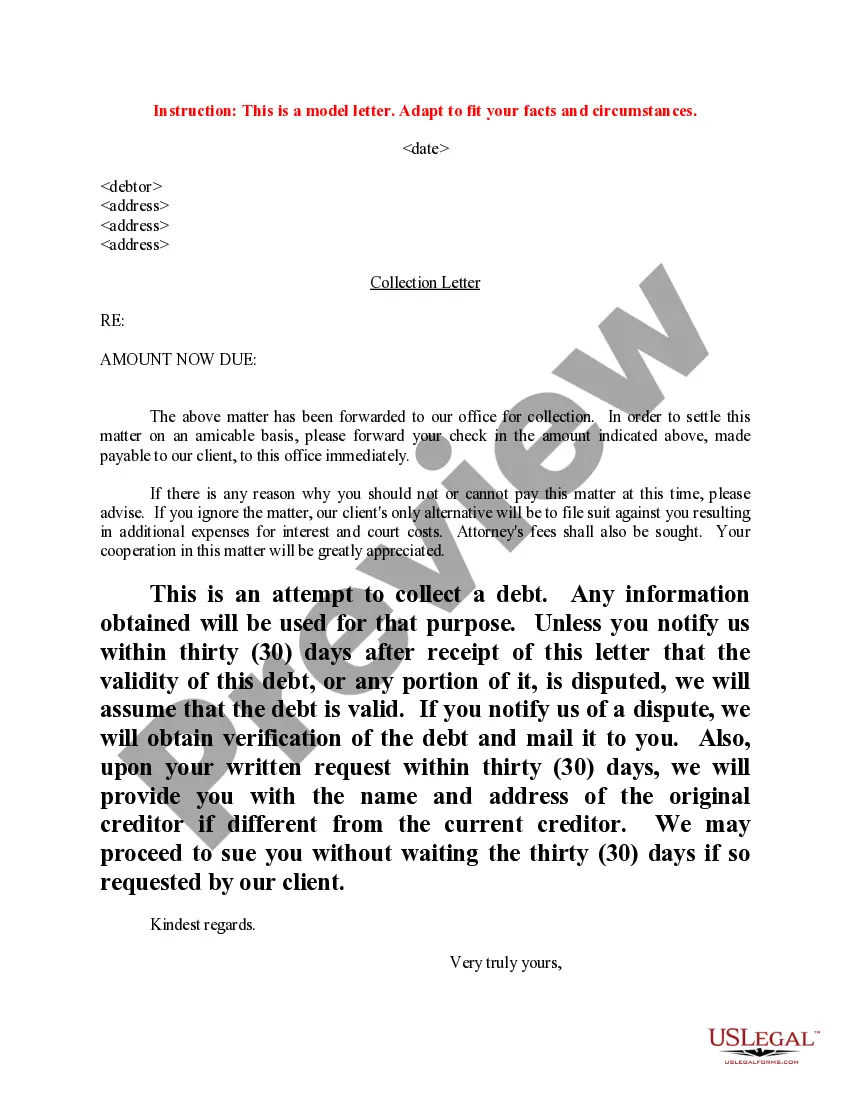
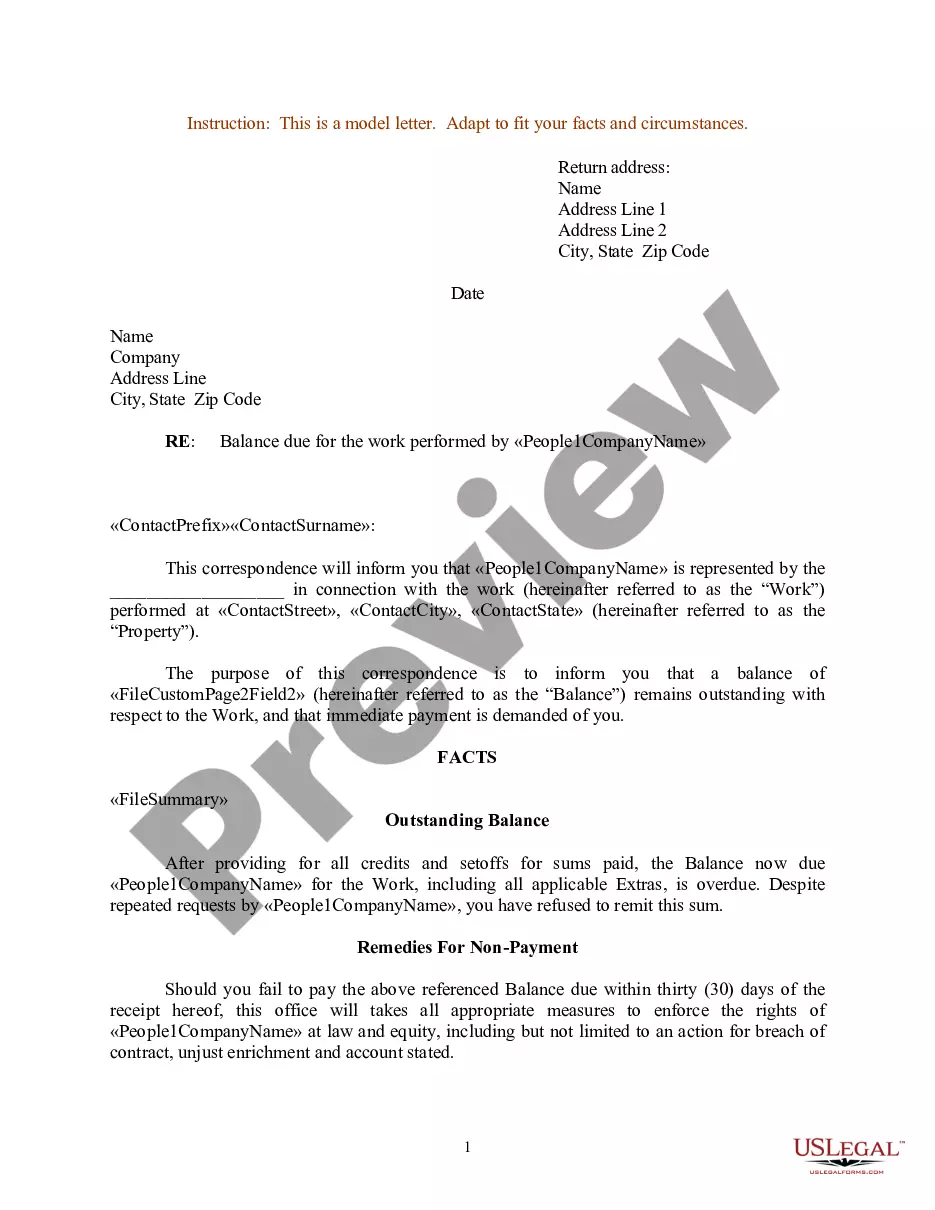
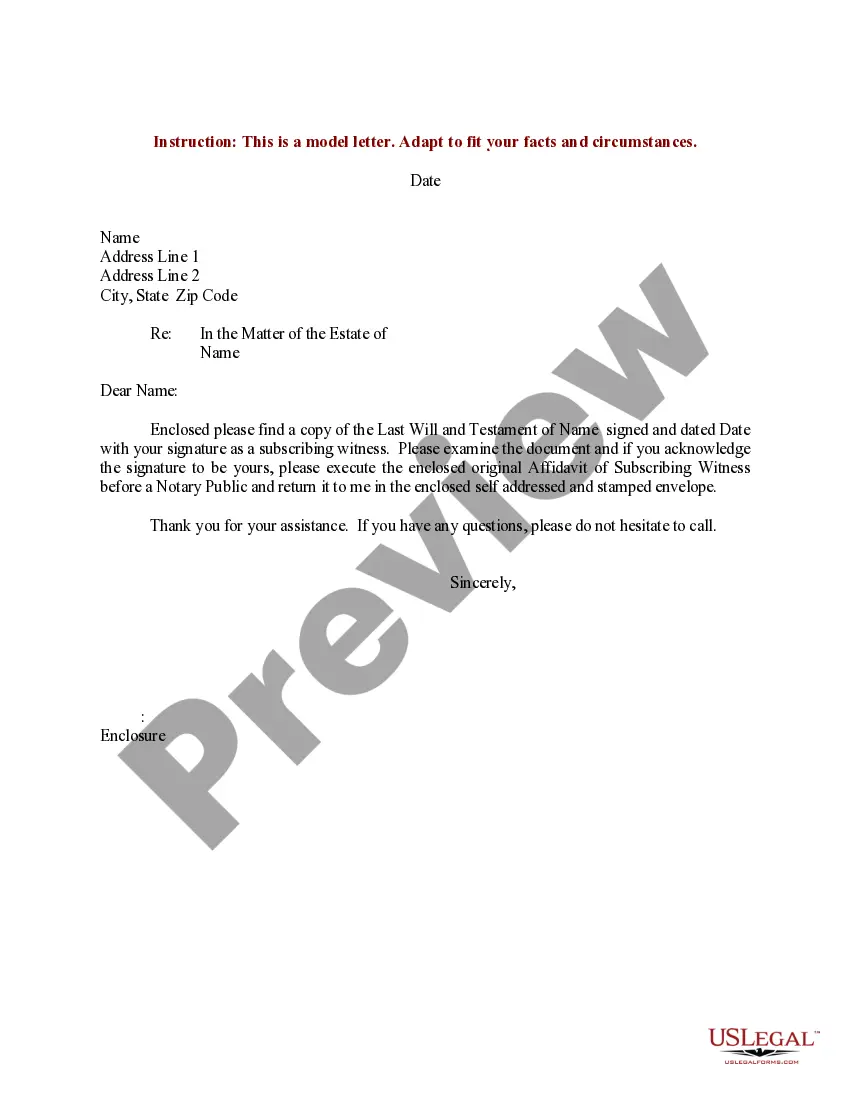
West Virginia Sample Letter for Insufficient Funds
Description
Get your form ready online
Our built-in tools help you complete, sign, share, and store your documents in one place.
Make edits, fill in missing information, and update formatting in US Legal Forms—just like you would in MS Word.
Download a copy, print it, send it by email, or mail it via USPS—whatever works best for your next step.
Sign and collect signatures with our SignNow integration. Send to multiple recipients, set reminders, and more. Go Premium to unlock E-Sign.
If this form requires notarization, complete it online through a secure video call—no need to meet a notary in person or wait for an appointment.
We protect your documents and personal data by following strict security and privacy standards.

Make edits, fill in missing information, and update formatting in US Legal Forms—just like you would in MS Word.

Download a copy, print it, send it by email, or mail it via USPS—whatever works best for your next step.

Sign and collect signatures with our SignNow integration. Send to multiple recipients, set reminders, and more. Go Premium to unlock E-Sign.

If this form requires notarization, complete it online through a secure video call—no need to meet a notary in person or wait for an appointment.

We protect your documents and personal data by following strict security and privacy standards.
Looking for another form?
How to fill out Sample Letter For Insufficient Funds?
Finding the correct legal document template can be challenging.
Of course, there are numerous templates available online, but how do you locate the legal form you need.
Utilize the US Legal Forms website. This service offers thousands of templates, including the West Virginia Sample Letter for Insufficient Funds, suitable for both business and personal purposes. All forms are reviewed by professionals and comply with federal and state regulations.
If the form does not suit your requirements, use the Search area to find the appropriate form. Once you are confident that the form is suitable, select the Purchase now option to obtain the form. Choose the pricing plan you want and enter the necessary information. Create your account and pay for the order using your PayPal account or credit card. Select the document format and download the legal document template to your device. Complete, modify, print, and sign the obtained West Virginia Sample Letter for Insufficient Funds. US Legal Forms is the largest repository of legal forms where you can find a variety of document templates. Leverage the service to acquire professionally crafted paperwork that adheres to state requirements.
- If you are already registered, Log In to your account and click on the Acquire option to download the West Virginia Sample Letter for Insufficient Funds.
- Use your account to search for the legal forms you have purchased previously.
- Go to the My documents tab in your account and retrieve another copy of the document you need.
- If you are a new user of US Legal Forms, here are simple steps for you to follow.
- First, ensure you have selected the correct form for your city/county.
- You can preview the form using the Review option and read the form description to confirm it is the right one for you.
Form popularity
FAQ
Are There Fees for Bounced Checks? When there are insufficient funds in an account, and a bank decides to bounce a check, it charges the account holder an NSF fee. If the bank accepts the check, but it makes the account negative, the bank charges an overdraft fee.
A bounced check may or may not affect your credit score. If the check bounces, and you pay it promptly, it will likely not be reported to a credit bureau. However, if the check bounces, and you fail to cover it, the check may be passed on to a collections agency.
Key Takeaways A returned payment fee is a charge incurred when a consumer bounces a payment. Payments may be returned because of insufficient funds in a consumer's account, closed accounts, or frozen accounts. Banks and other financial institutions charge their consumers returned payment fees.
Yes, you can get overdraft fees waived at many financial institutions, but it may depend on the bank. Some banks may have a formal process for fee waivers or may provide auto-deposits from connected accounts. Here are some steps for getting overdraft fees refunded: Simply ask for a refund.
A returned check fee (also called a bounced check fee) is a cost that must be paid when a payment made by check can't go through or bounces. Writing a bad check can cost anywhere between $35 to $70. However, as the receiver of the check, you generally don't have to worry about paying any of the returned check fees.