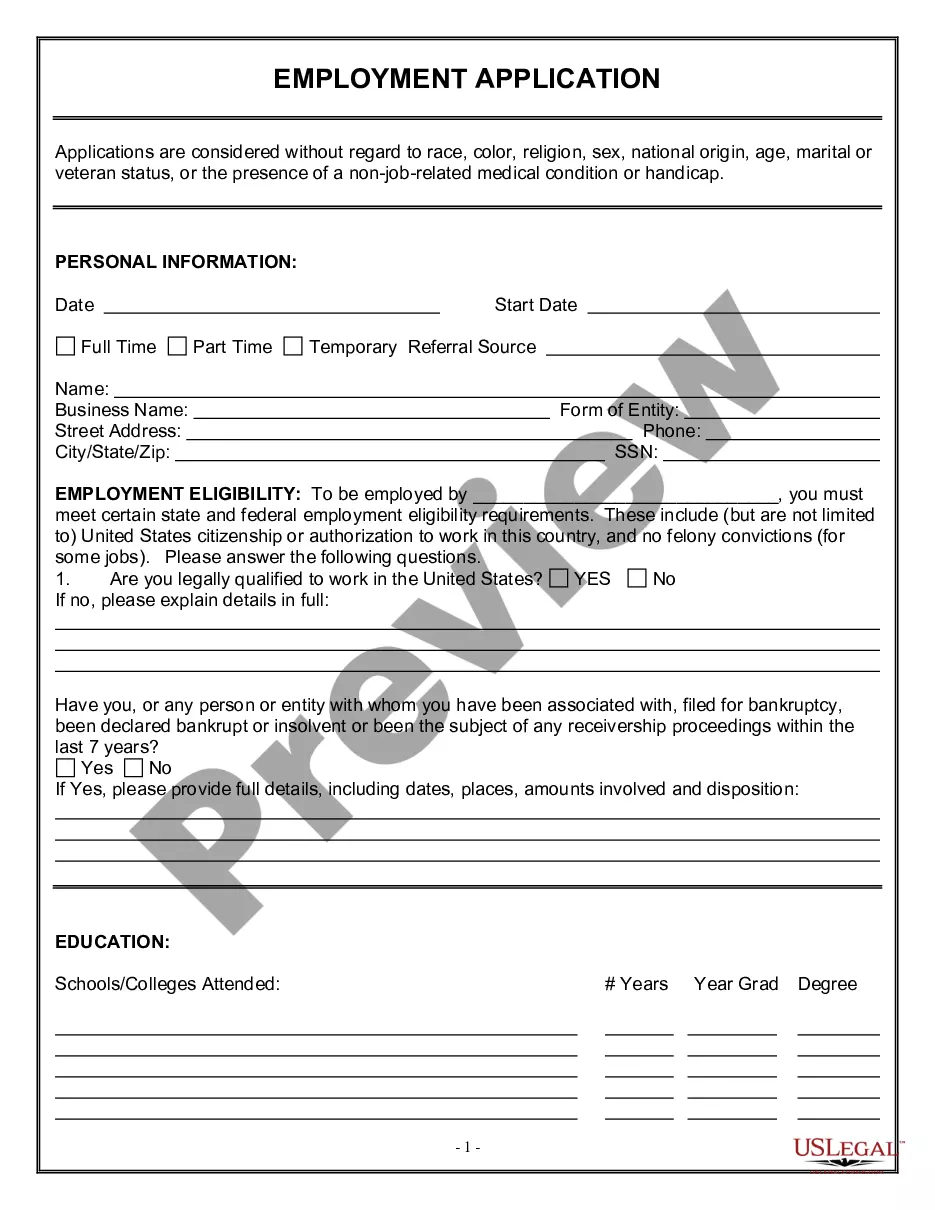
West Virginia Employment Application for Police Officer
Description
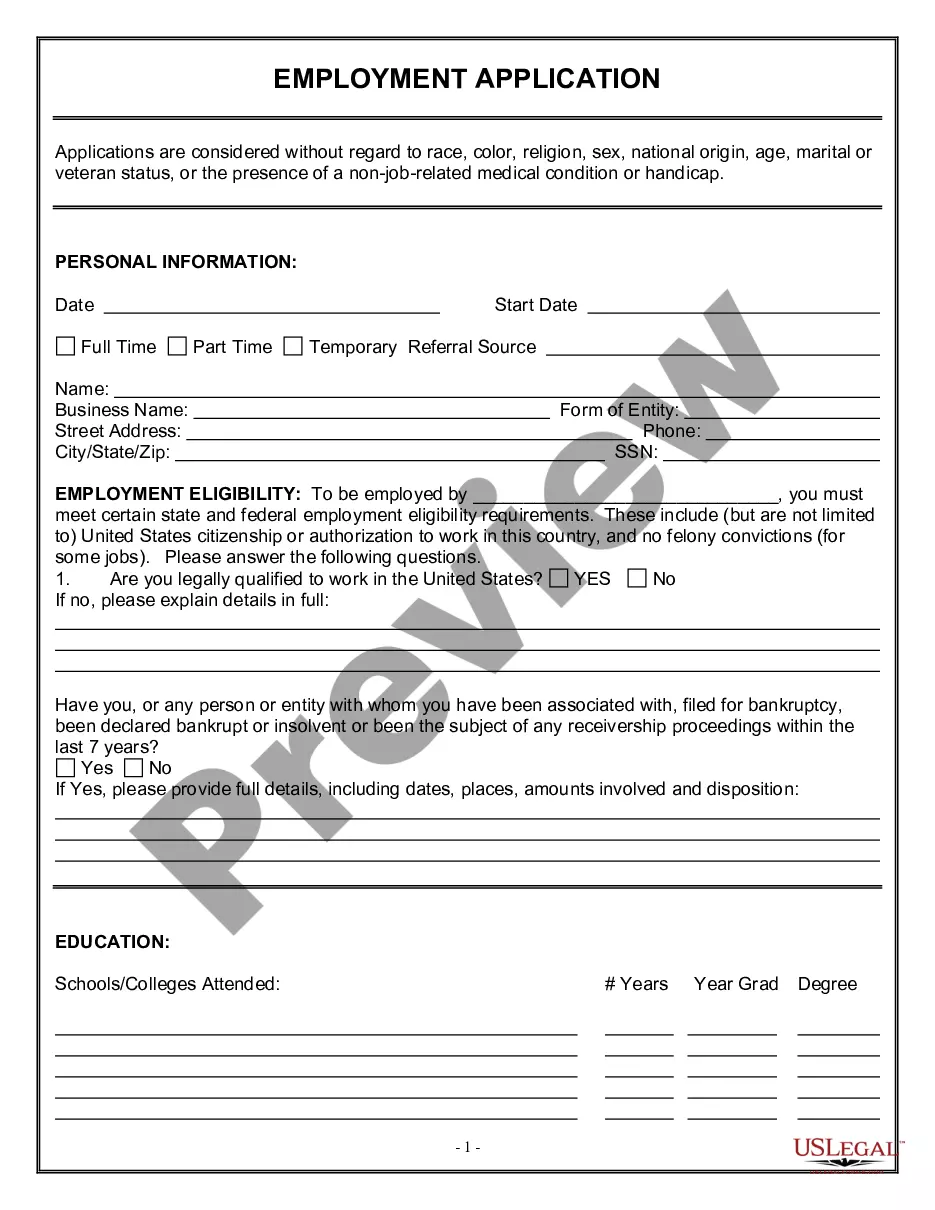


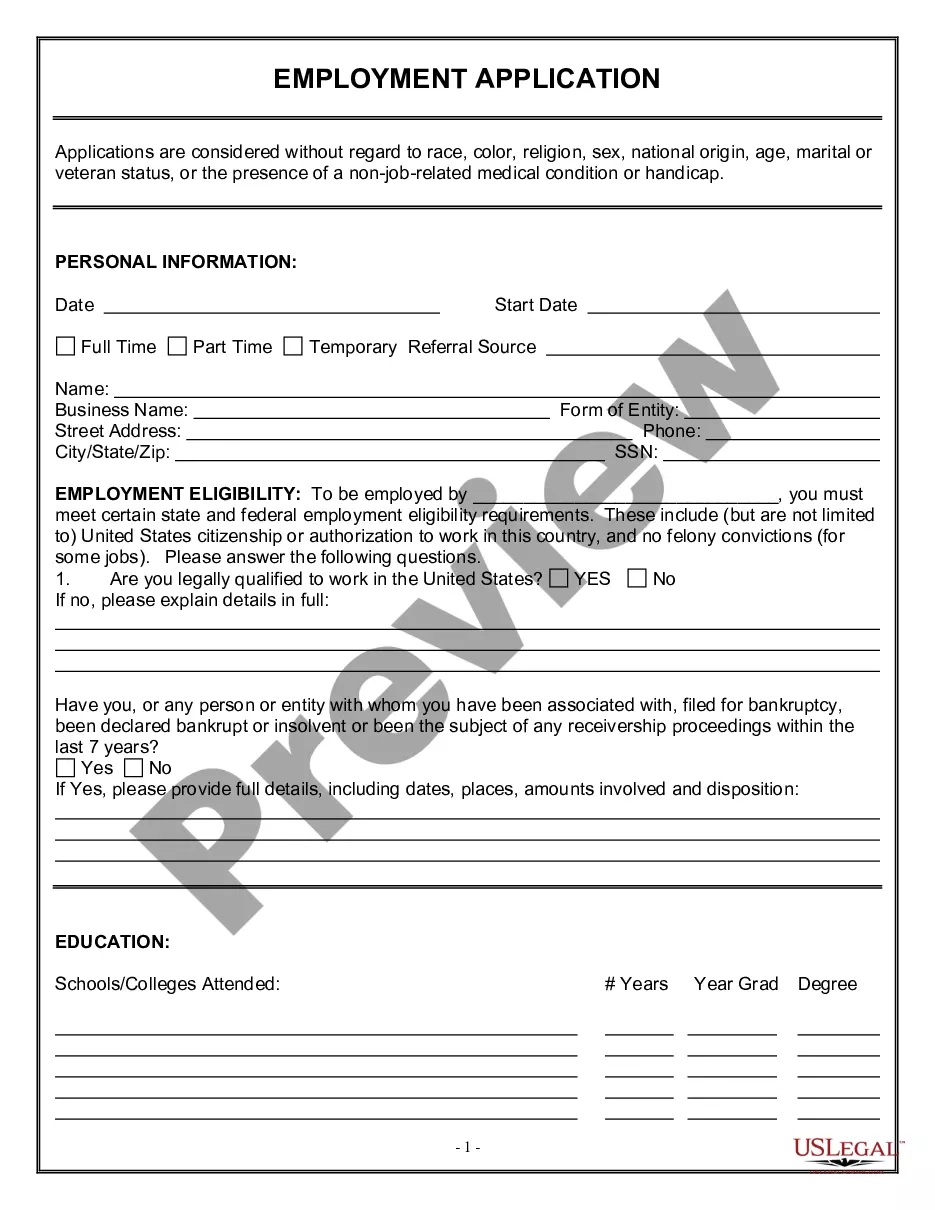
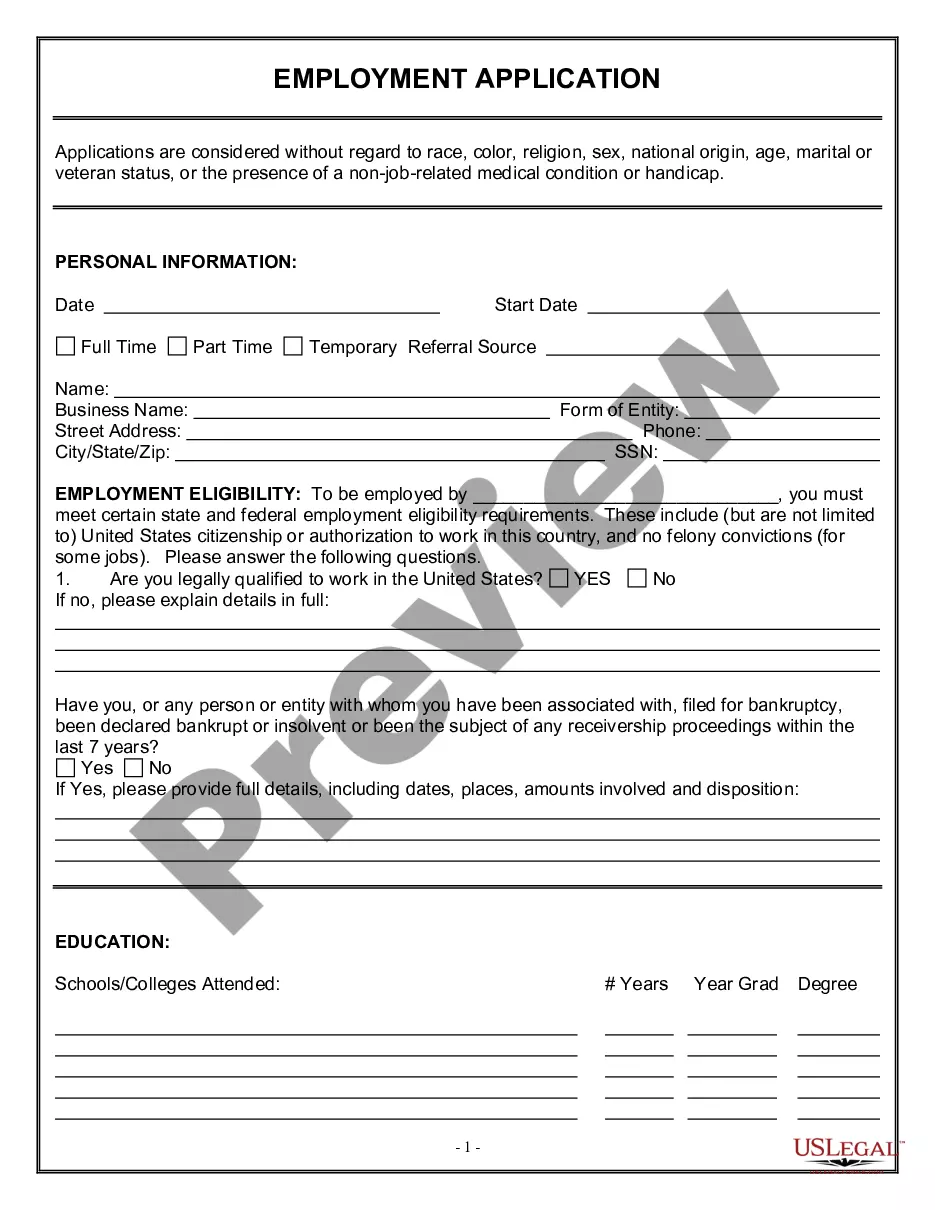
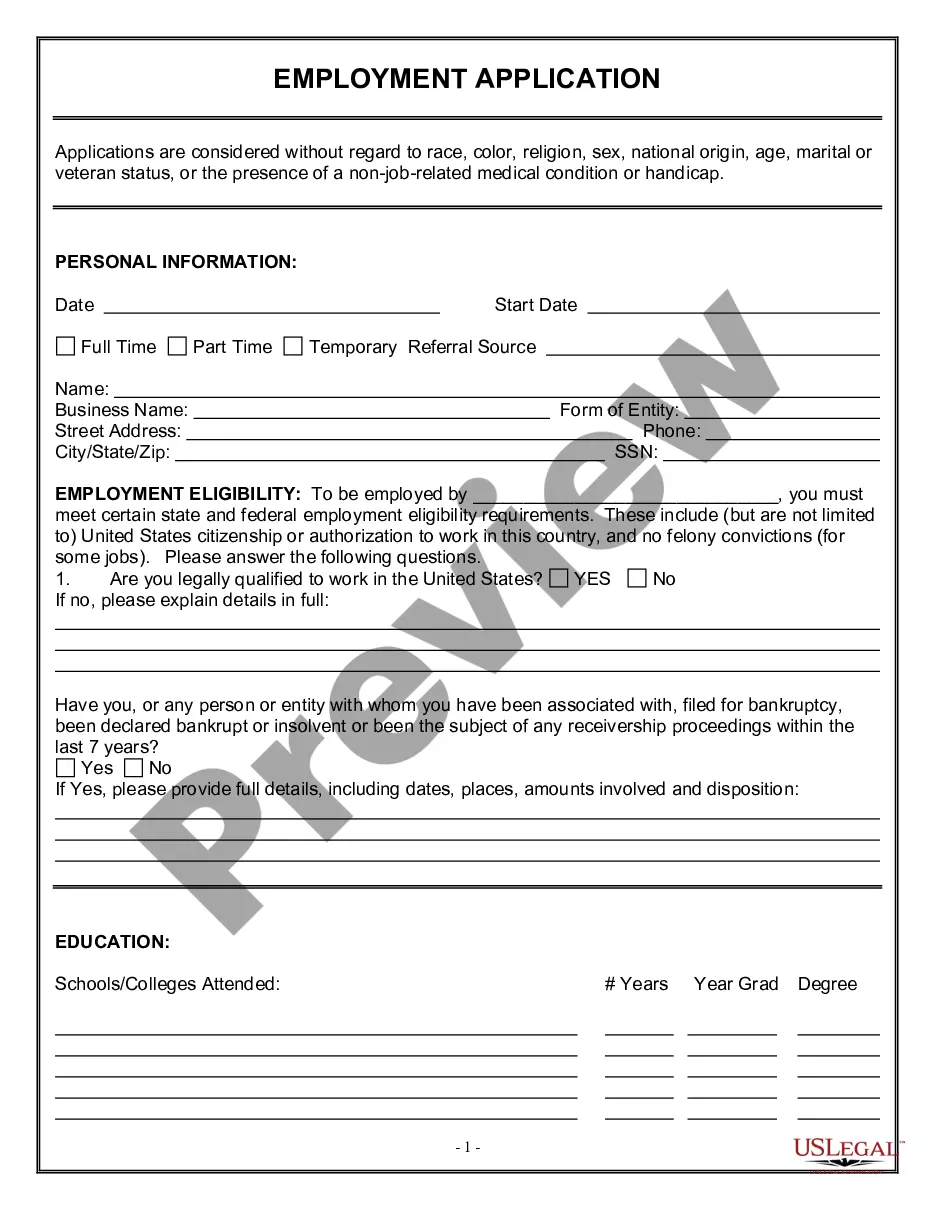
Get your form ready online
Our built-in tools help you complete, sign, share, and store your documents in one place.
Make edits, fill in missing information, and update formatting in US Legal Forms—just like you would in MS Word.
Download a copy, print it, send it by email, or mail it via USPS—whatever works best for your next step.
Sign and collect signatures with our SignNow integration. Send to multiple recipients, set reminders, and more. Go Premium to unlock E-Sign.
If this form requires notarization, complete it online through a secure video call—no need to meet a notary in person or wait for an appointment.
We protect your documents and personal data by following strict security and privacy standards.

Make edits, fill in missing information, and update formatting in US Legal Forms—just like you would in MS Word.

Download a copy, print it, send it by email, or mail it via USPS—whatever works best for your next step.

Sign and collect signatures with our SignNow integration. Send to multiple recipients, set reminders, and more. Go Premium to unlock E-Sign.

If this form requires notarization, complete it online through a secure video call—no need to meet a notary in person or wait for an appointment.

We protect your documents and personal data by following strict security and privacy standards.
Looking for another form?


How to fill out Employment Application For Police Officer?
If you need to finalize, obtain, or create authentic document templates, utilize US Legal Forms, the primary collection of authentic forms that are accessible on the web.
Leverage the site’s user-friendly and convenient search function to locate the documents required.
Various templates for corporate and personal purposes are organized by categories and states, or keywords.
Step 3. If you are dissatisfied with the form, use the Search field at the top of the screen to find alternative versions of the legal form template.
Step 4. Once you have located the form you require, click the Purchase now button. Choose the payment plan you prefer and enter your information to sign up for an account.
- Use US Legal Forms to find the West Virginia Employment Application for Police Officer in just a few clicks.
- If you are already a US Legal Forms user, Log In to your account and click on the Download button to get the West Virginia Employment Application for Police Officer.
- You can also access forms you have previously downloaded from the My documents section of your account.
- If this is your first time using US Legal Forms, follow the instructions below.
- Step 1. Ensure you have selected the form for your appropriate city/state.
- Step 2. Utilize the Preview feature to review the form’s details. Don’t forget to read the description.
Form popularity
FAQ
How much does a State Trooper make in West Virginia? As of , the average annual pay for a State Trooper in West Virginia is $51,125 an year. Just in case you need a simple salary calculator, that works out to be approximately $24.58 an hour. This is the equivalent of $983/week or $4,260/month.
The resident training period for a cadet is approximately 25 weeks. Training may also be conducted at any other State Police facility as the need arises. Cadets are required to reside at the Academy. Meals and lodging are provided at no cost.
How much does a State Trooper make in West Virginia? As of , the average annual pay for a State Trooper in West Virginia is $51,125 an year. Just in case you need a simple salary calculator, that works out to be approximately $24.58 an hour. This is the equivalent of $983/week or $4,260/month.
Time to complete this education training ranges from 4 hours to 4 months depending on the qualification, with a median time to complete of 4 months. The cost to attend West Virginia State Police Academy ranges from $200 to $5,000 depending on the qualification, with a median cost of $2,000.
Minimum Requirements to be a Police Officer in West VirginiaMust be at least 21 years of age on date of hire.Must be a high school graduate or have a GED.Completed Basic Police Training Course.Completed Medical History Statement/Medical Examination Report.Meet physical or mental condition.More items...
Normally the class is held at the West Virginia State Police Academy, Institute, WV. It is approximately 15 weeks in length. After completing the academy training the officer attends Orientation Training and is placed in the Field Training Program.
The average salary for a police officer is $37,970 per year in West Virginia.
Become a West Virginia State TrooperAre between 21 and 39 years of Age or will be 21 years of age by the projected employment date: January 25, 2022.Graduated from High School or have GED.Are legally authorized to work in the United States.Have held a valid driver's license for the last two years.More items...
Police officers may patrol the streets on foot or in squad cars; control traffic; or work as detectives investigating crimes. At the police station officers may be assigned to work in the crime laboratory or the records department. All officers file reports of incidents, and many testify at trials and hearings.
The resident training period for a cadet is approximately 25 weeks. Training may also be conducted at any other State Police facility as the need arises. Cadets are required to reside at the Academy.