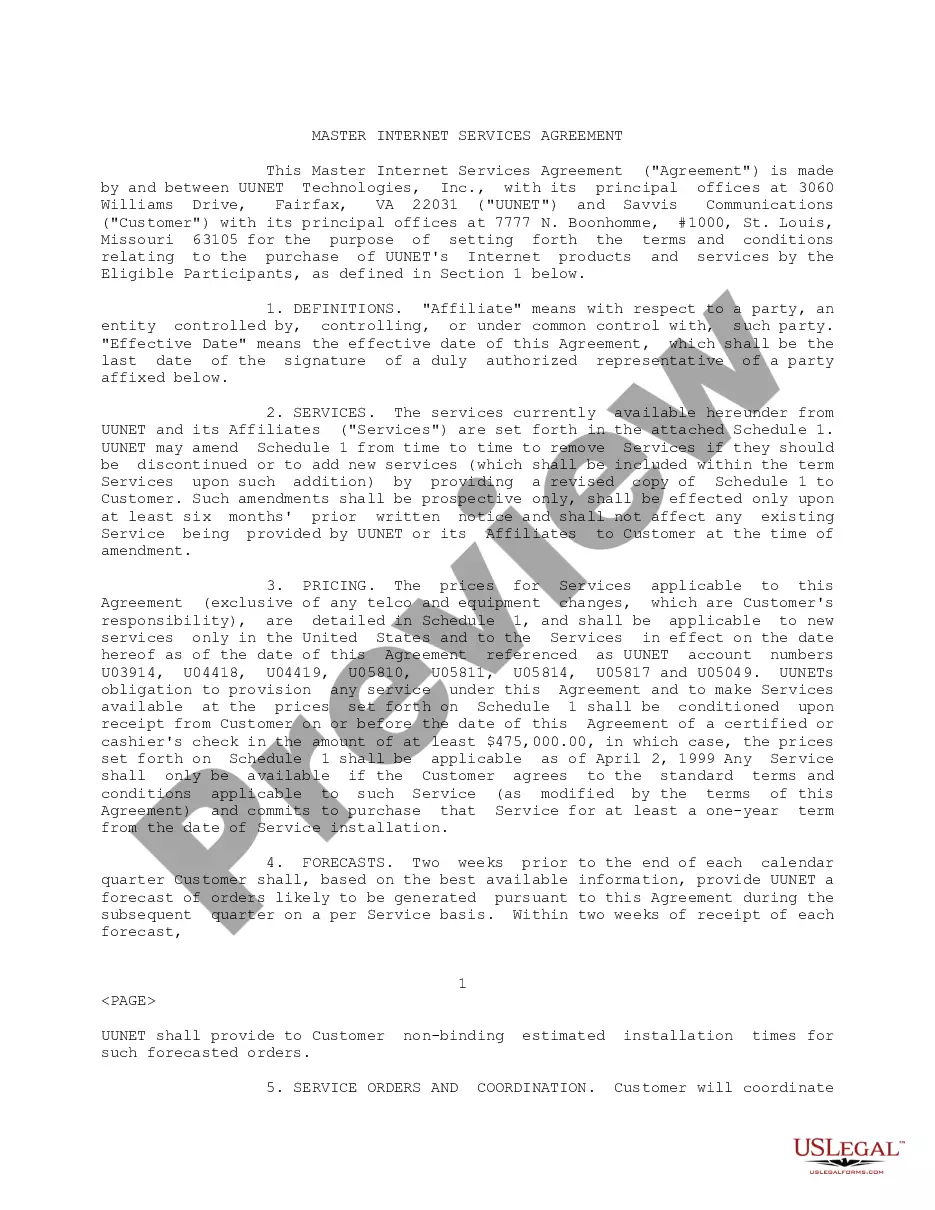
Wisconsin Stockholder derivative actions
Description
Get your form ready online
Our built-in tools help you complete, sign, share, and store your documents in one place.
Make edits, fill in missing information, and update formatting in US Legal Forms—just like you would in MS Word.
Download a copy, print it, send it by email, or mail it via USPS—whatever works best for your next step.
Sign and collect signatures with our SignNow integration. Send to multiple recipients, set reminders, and more. Go Premium to unlock E-Sign.
If this form requires notarization, complete it online through a secure video call—no need to meet a notary in person or wait for an appointment.
We protect your documents and personal data by following strict security and privacy standards.

Make edits, fill in missing information, and update formatting in US Legal Forms—just like you would in MS Word.

Download a copy, print it, send it by email, or mail it via USPS—whatever works best for your next step.

Sign and collect signatures with our SignNow integration. Send to multiple recipients, set reminders, and more. Go Premium to unlock E-Sign.

If this form requires notarization, complete it online through a secure video call—no need to meet a notary in person or wait for an appointment.

We protect your documents and personal data by following strict security and privacy standards.
Looking for another form?




How to fill out Stockholder Derivative Actions?
Are you currently in a place the place you require paperwork for either organization or personal purposes just about every time? There are a variety of lawful papers web templates accessible on the Internet, but locating ones you can depend on isn`t easy. US Legal Forms provides a huge number of form web templates, like the Wisconsin Stockholder derivative actions, which can be composed to fulfill state and federal specifications.
In case you are previously familiar with US Legal Forms website and possess a free account, basically log in. Following that, you may acquire the Wisconsin Stockholder derivative actions web template.
Unless you offer an account and wish to begin to use US Legal Forms, adopt these measures:
- Get the form you will need and make sure it is for the appropriate city/county.
- Make use of the Review option to analyze the form.
- Browse the description to ensure that you have chosen the appropriate form.
- In case the form isn`t what you`re searching for, take advantage of the Lookup discipline to discover the form that fits your needs and specifications.
- If you get the appropriate form, just click Purchase now.
- Choose the pricing strategy you need, submit the required details to produce your bank account, and buy the order using your PayPal or credit card.
- Decide on a handy paper structure and acquire your copy.
Locate all of the papers web templates you may have purchased in the My Forms food list. You can get a further copy of Wisconsin Stockholder derivative actions any time, if possible. Just go through the essential form to acquire or print out the papers web template.
Use US Legal Forms, one of the most comprehensive collection of lawful forms, to save lots of efforts and steer clear of mistakes. The assistance provides appropriately made lawful papers web templates that you can use for a range of purposes. Generate a free account on US Legal Forms and commence producing your daily life easier.
Form popularity
FAQ
Firstly, a shareholder has to seek permission from the court to commence derivative proceedings. The court must refuse to grant permission if it considers there is no prima facie case. If permission is not refused at that stage then the court will order the application for permission to be served on the company.
Remedies commonly sought in derivative actions include corporate governance reforms designed to prevent future fiduciary misconduct, the removal of officers or directors whose misconduct injured the corporation, monetary payments to remedy damages incurred by the company, and repayment of funds obtained illegally.
A shareholder (stockholder) derivative suit is a lawsuit brought by a shareholder or group of shareholders on behalf of the corporation against the corporation's directors, officers, or other third parties who breach their duties. The claim of the suit is not personal but belongs to the corporation.
Examples of successful derivative actions may include lawsuits against directors or officers for mismanagement of funds, failure to divulge material information, or breach of fiduciary duty.
A shareholder (stockholder) derivative suit is a lawsuit brought by a shareholder or group of shareholders on behalf of the corporation against the corporation's directors, officers, or other third parties who breach their duties. The claim of the suit is not personal but belongs to the corporation.
What is the difference between a stockholder's derivative suit and a class action? A derivative lawsuit is brought by a shareholder of a corporation for the benefit of the corporation. A shareholder's class action lawsuit is brought by a shareholder for the benefit of themselves and the other shareholders.
The derivative action is the route by which shareholders, usually minority shareholders, are able to enforce the company's rights where directors have breached their duties (since in these circumstances it is unlikely that the directors, who usually act on behalf of the company, will want to take action).