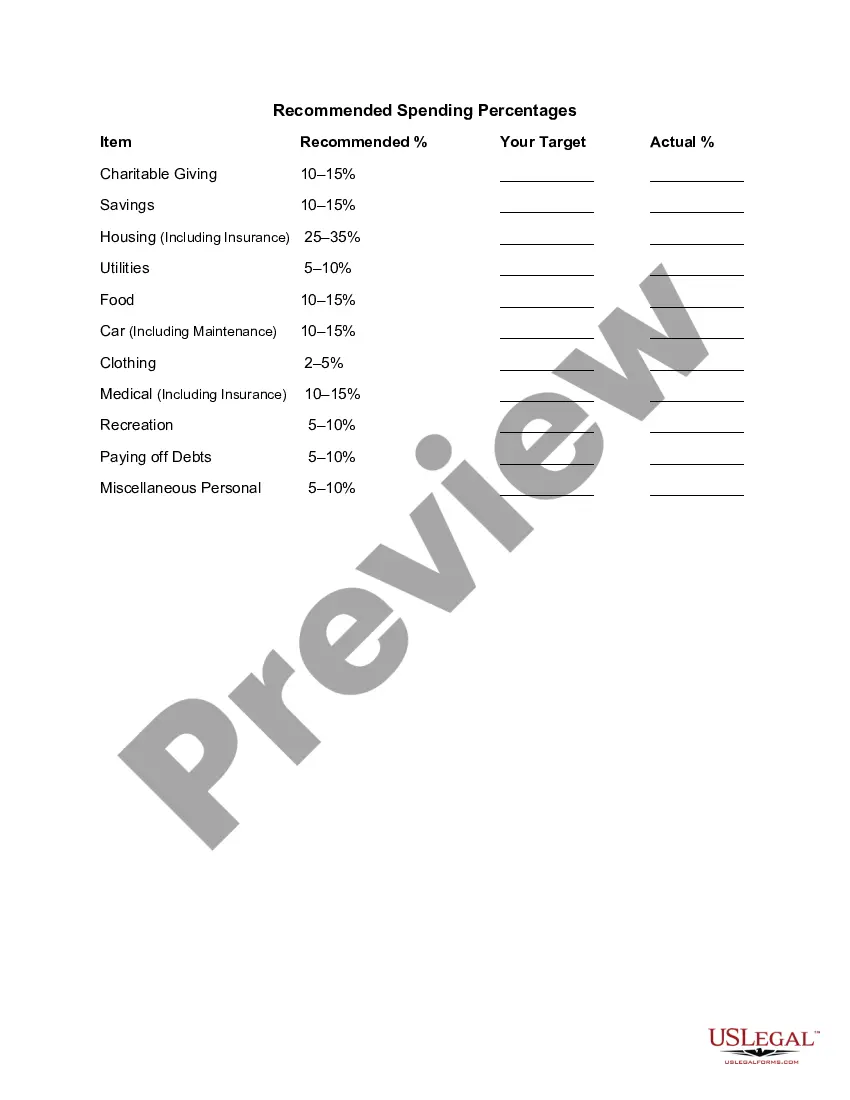
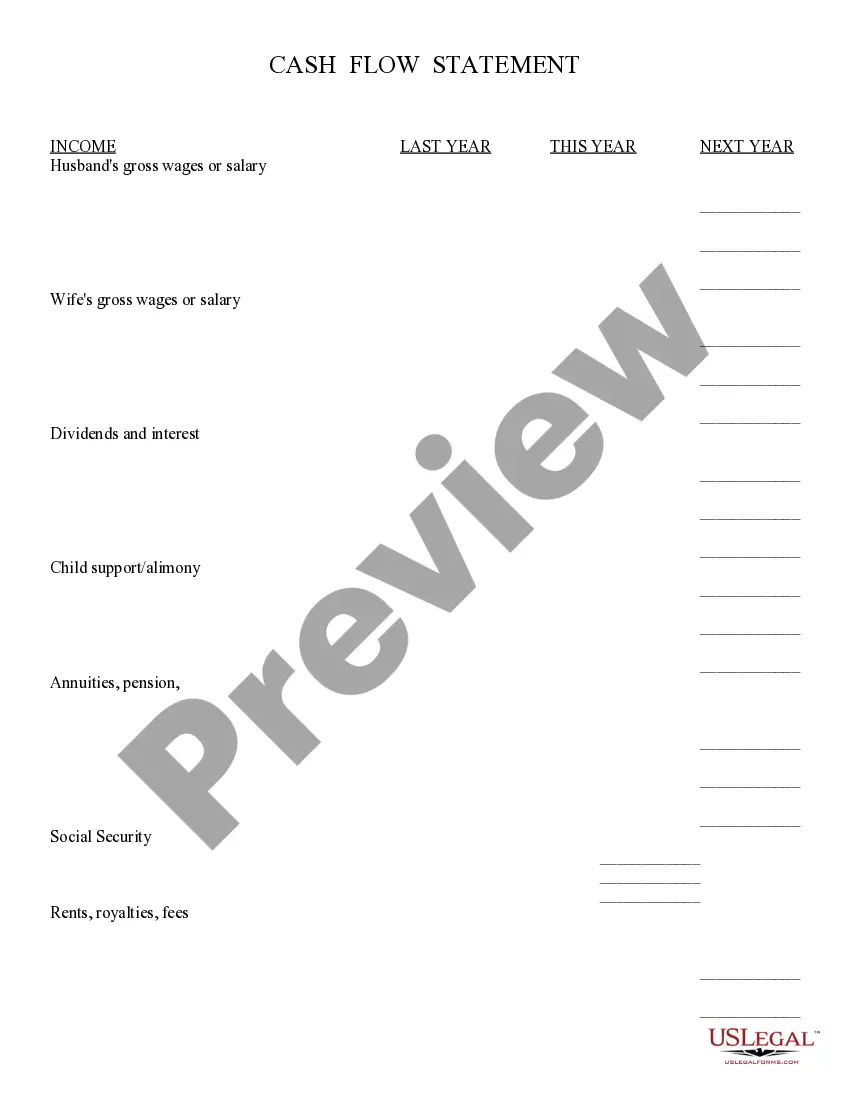
Wisconsin Recommended Spending Percentages
Description
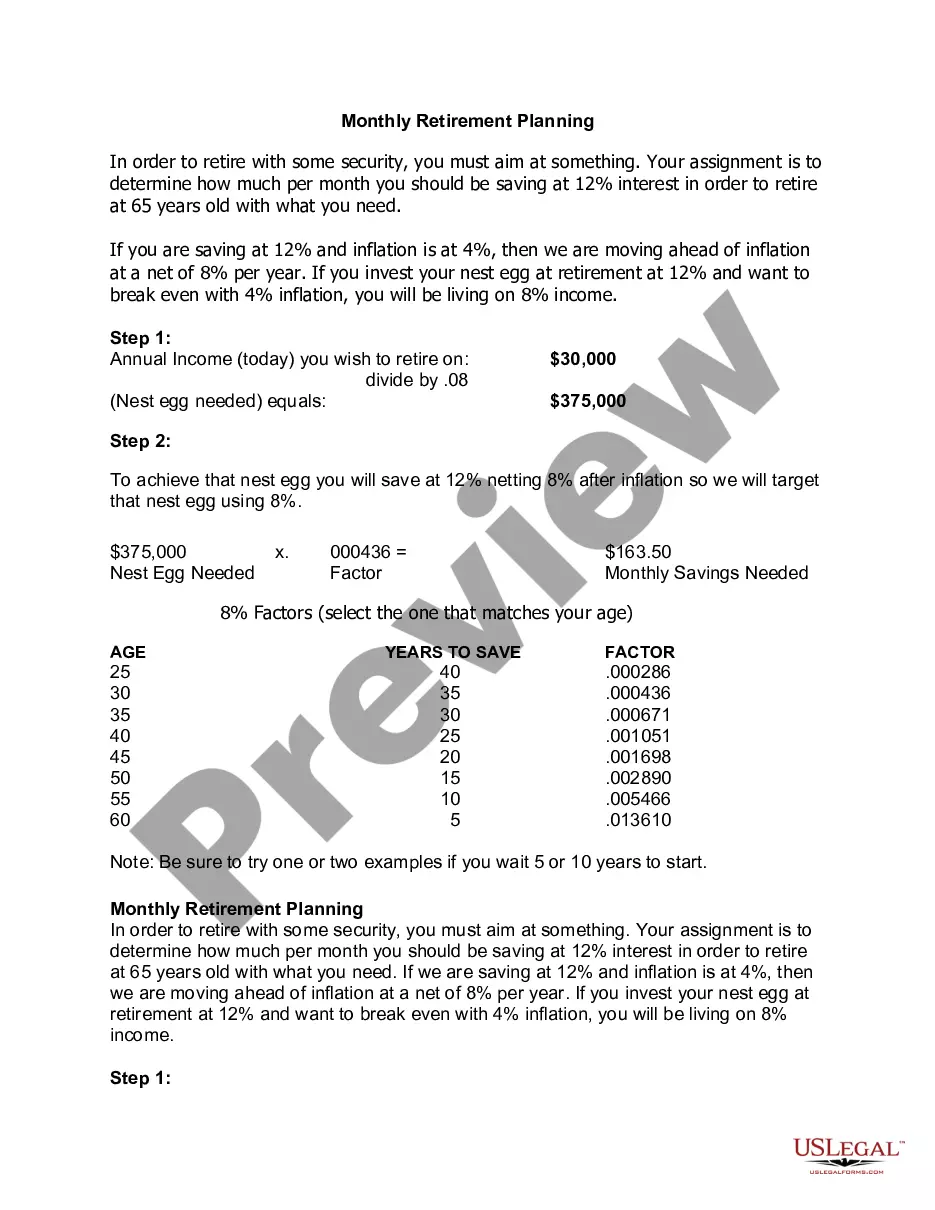
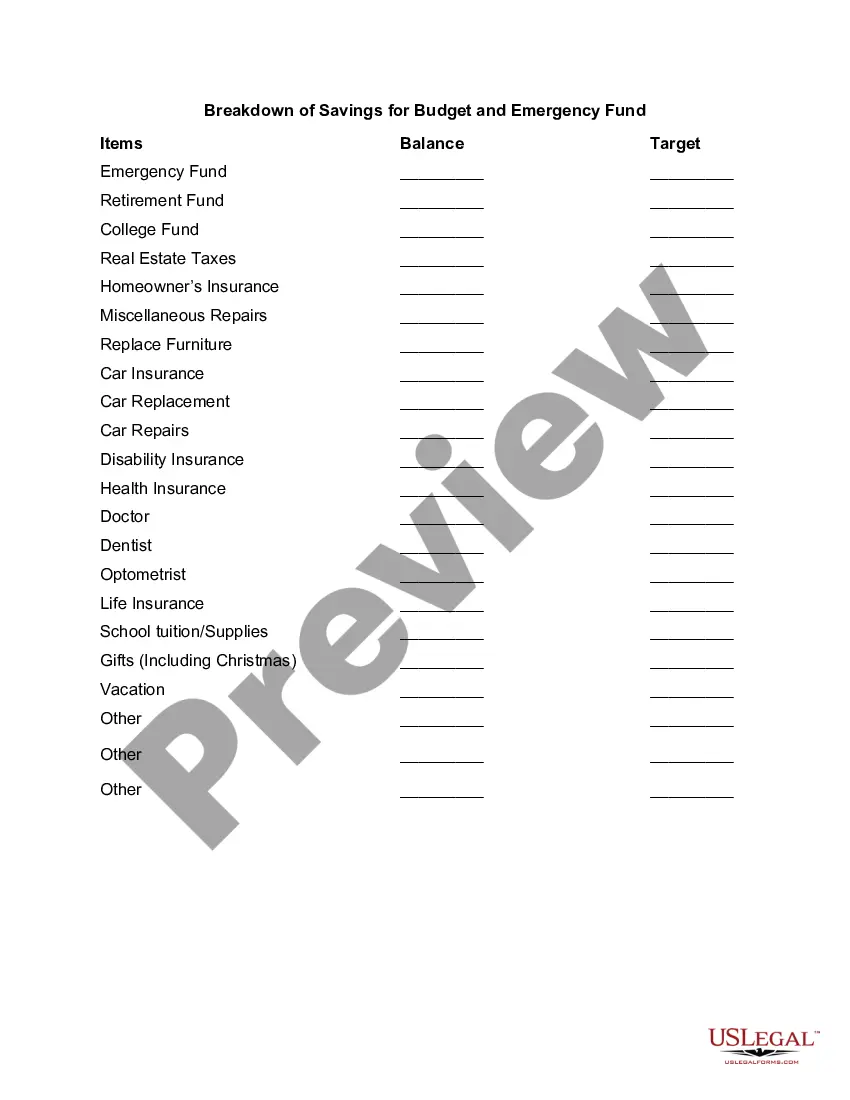
Get your form ready online
Our built-in tools help you complete, sign, share, and store your documents in one place.
Make edits, fill in missing information, and update formatting in US Legal Forms—just like you would in MS Word.
Download a copy, print it, send it by email, or mail it via USPS—whatever works best for your next step.
Sign and collect signatures with our SignNow integration. Send to multiple recipients, set reminders, and more. Go Premium to unlock E-Sign.
If this form requires notarization, complete it online through a secure video call—no need to meet a notary in person or wait for an appointment.
We protect your documents and personal data by following strict security and privacy standards.

Make edits, fill in missing information, and update formatting in US Legal Forms—just like you would in MS Word.

Download a copy, print it, send it by email, or mail it via USPS—whatever works best for your next step.

Sign and collect signatures with our SignNow integration. Send to multiple recipients, set reminders, and more. Go Premium to unlock E-Sign.

If this form requires notarization, complete it online through a secure video call—no need to meet a notary in person or wait for an appointment.

We protect your documents and personal data by following strict security and privacy standards.
Looking for another form?
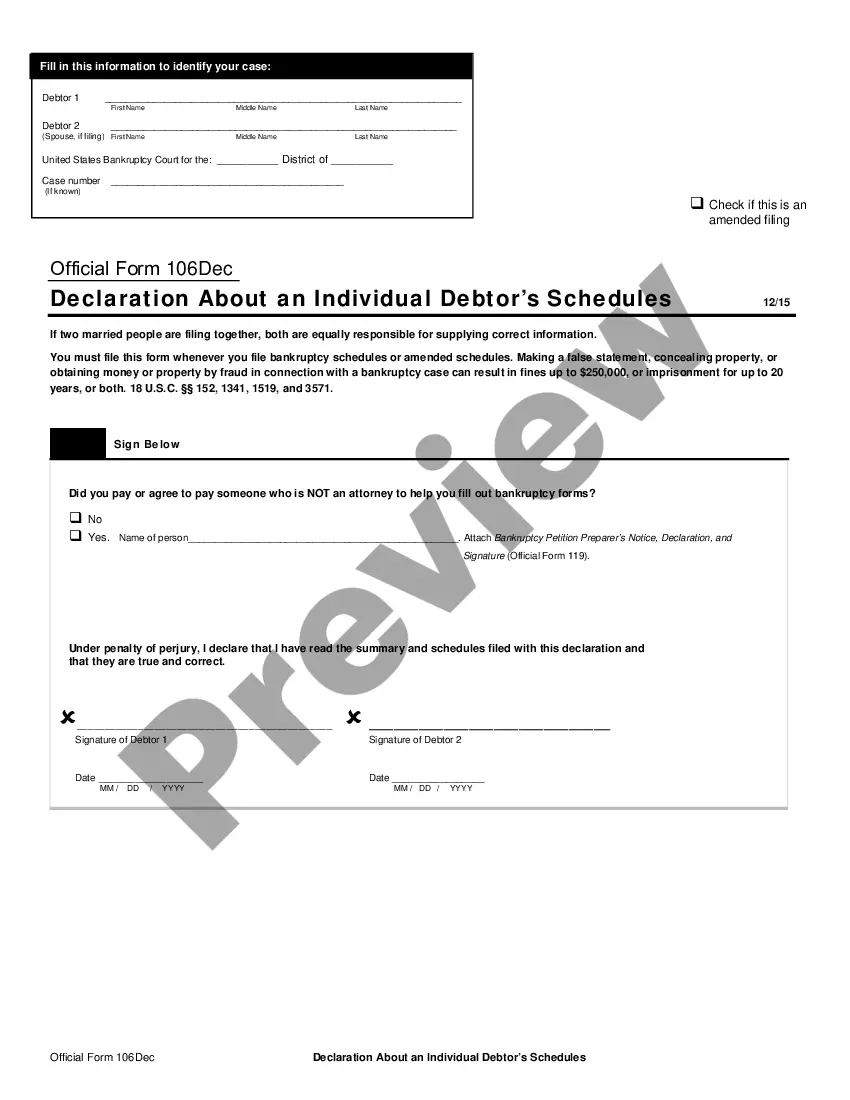
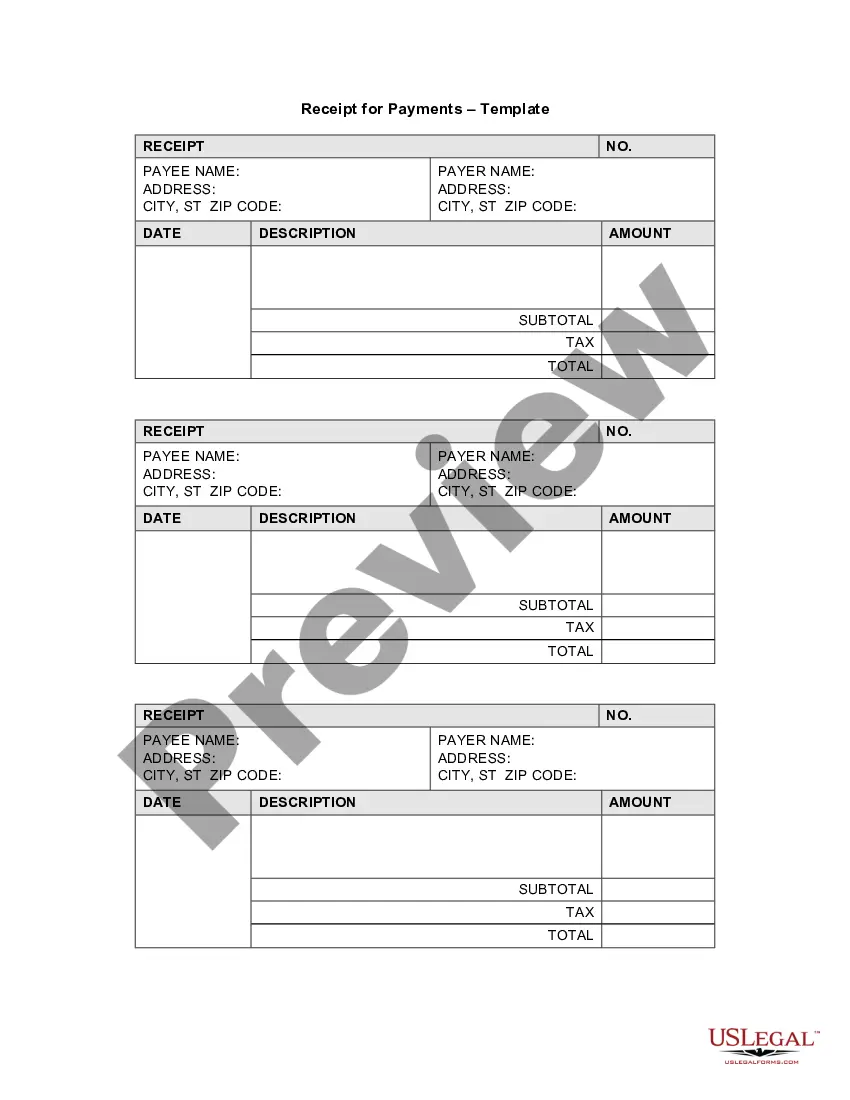




How to fill out Recommended Spending Percentages?
If you need to total, obtain, or print legal document templates, utilize US Legal Forms, the largest collection of legal forms, available online.
Take advantage of the site’s simple and user-friendly search to find the documents you need.
A selection of templates for business and personal purposes is categorized by type and state, or keywords.
Every legal document template you purchase is yours indefinitely.
You will have access to all forms you downloaded in your account. Go to the My documents section and select a form to print or download again.
- Use US Legal Forms to find the Wisconsin Recommended Spending Percentages with just a few clicks.
- If you are already a US Legal Forms user, Log In to your account and click the Download button to access the Wisconsin Recommended Spending Percentages.
- You can also retrieve forms you previously downloaded in the My documents tab of your account.
- If you are using US Legal Forms for the first time, follow the instructions below.
- Step 1. Ensure you have selected the form for your specific city/state.
- Step 2. Utilize the Preview option to browse the form’s content. Be sure to review the description.
- Step 3. If you are dissatisfied with the form, use the Search field at the top of the screen to find other forms in the legal form template.
- Step 4. Once you have found the form you want, click on the Buy now button. Choose your preferred pricing plan and enter your information to create an account.
- Step 5. Complete the transaction. You can use your credit card or PayPal account to finalize the transaction.
- Step 6. Select the format of the legal form and download it to your device.
- Step 7. Fill out, modify, and print or sign the Wisconsin Recommended Spending Percentages.
Form popularity
FAQ
Like most states, Wisconsin's tax revenue on the state and local level comes primarily from property, sales and income taxes, with local entities particularly reliant on property taxes.
In Wisconsin in fiscal year 2015, 48.1 percent of total tax revenues came from income taxes. Education accounted for 30.5 percent of state expenditures in fiscal year 2015, while 19.3 percent went to Medicaid.
Wisconsin's largest spending areas per capita were public welfare ($2,340) and elementary and secondary education ($2,110). The Census Bureau includes most Medicaid spending in public welfare but also allocates some of it to public hospitals.
Wisconsin's current budget Wisconsin enacted its FY 2022-2023 biennial budget in July 2021. The enacted budget included $19.1 billion in general fund spending for FY 2022 $20.3 billion in FY 2023.
State and local governments spend most of their resources on education, health, and social service programs. In 2019, about one-third of state and local spending went toward combined elementary and secondary education (22 percent) and higher education (9 percent).
Wisconsin Tax Revenue Most (but not all) taxes paid by Wisconsin residents go into the General Fund.
Compared to other states, Wisconsin gets a larger share of its revenue from the property tax and income tax, and a smaller share from sales and excise tax, and corporate income tax.
State and local governments collect tax revenues from three primary sources: income, sales, and property taxes. Income and sales taxes make up the majority of combined state tax revenue, while property taxes are the largest source of tax revenue for local governments, including school districts.
Every year, the state spends money on public services and programs such as education, social services, transportation, and economic development. This spending must be approved every two years by the Legislature and enacted by the Governor in the biennial budget.
The 5 major sources of revenue for the Government are Goods and Services Tax (GST), Income tax, corporation tax, non-tax revenues, union excise duties . You can read about the Taxation System in India Types, GST, VAT, Objectives, Limitation in the given link.