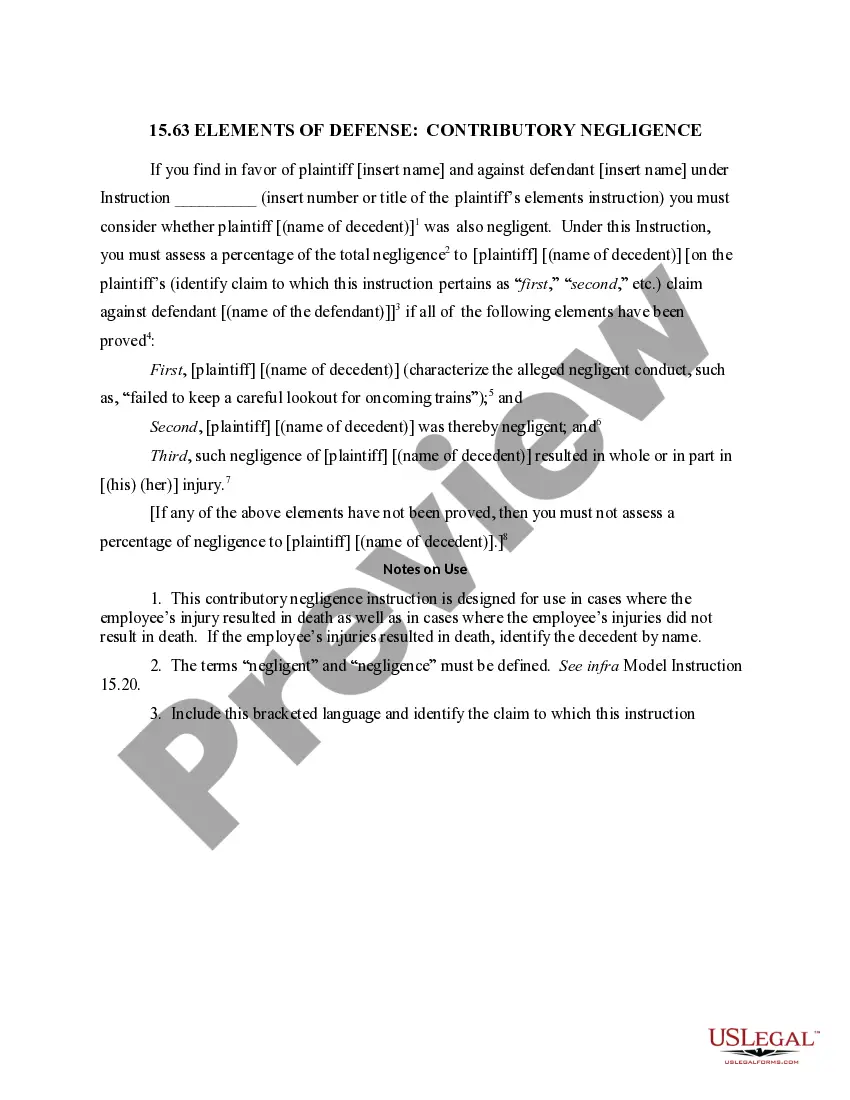
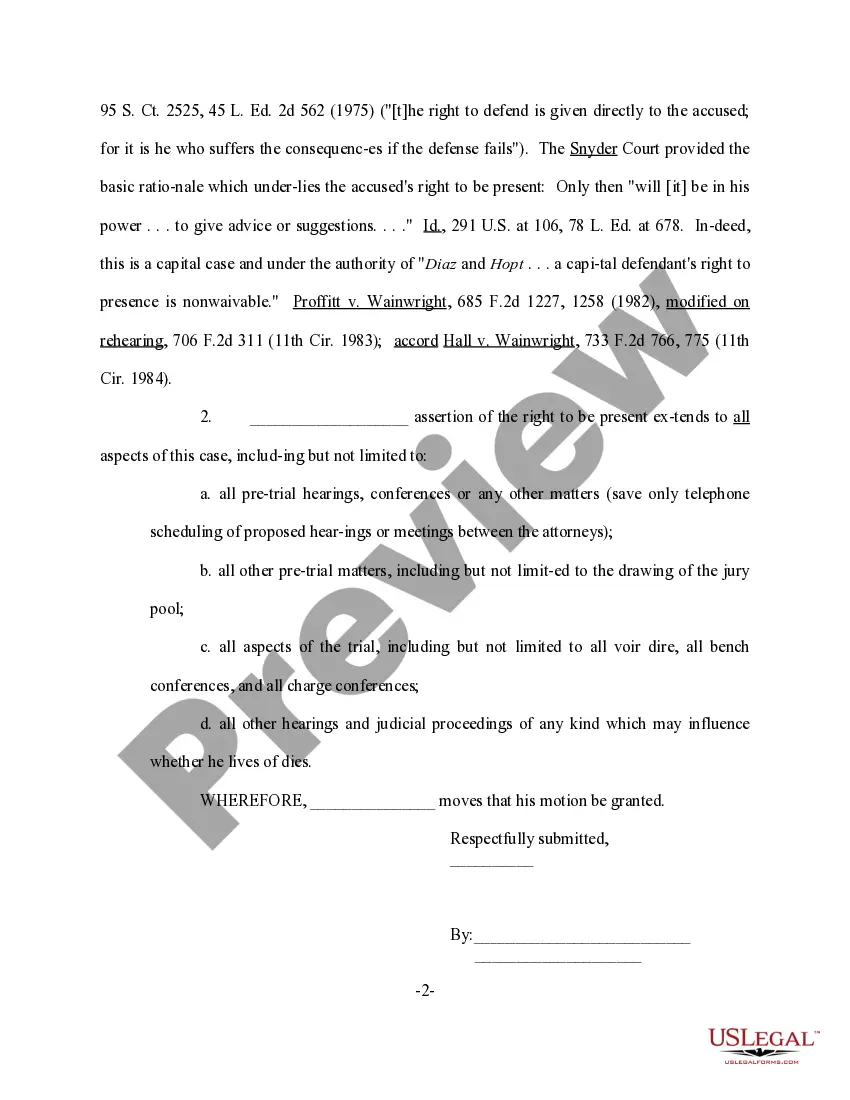
Wisconsin Assertion of Right to Be Present
Description
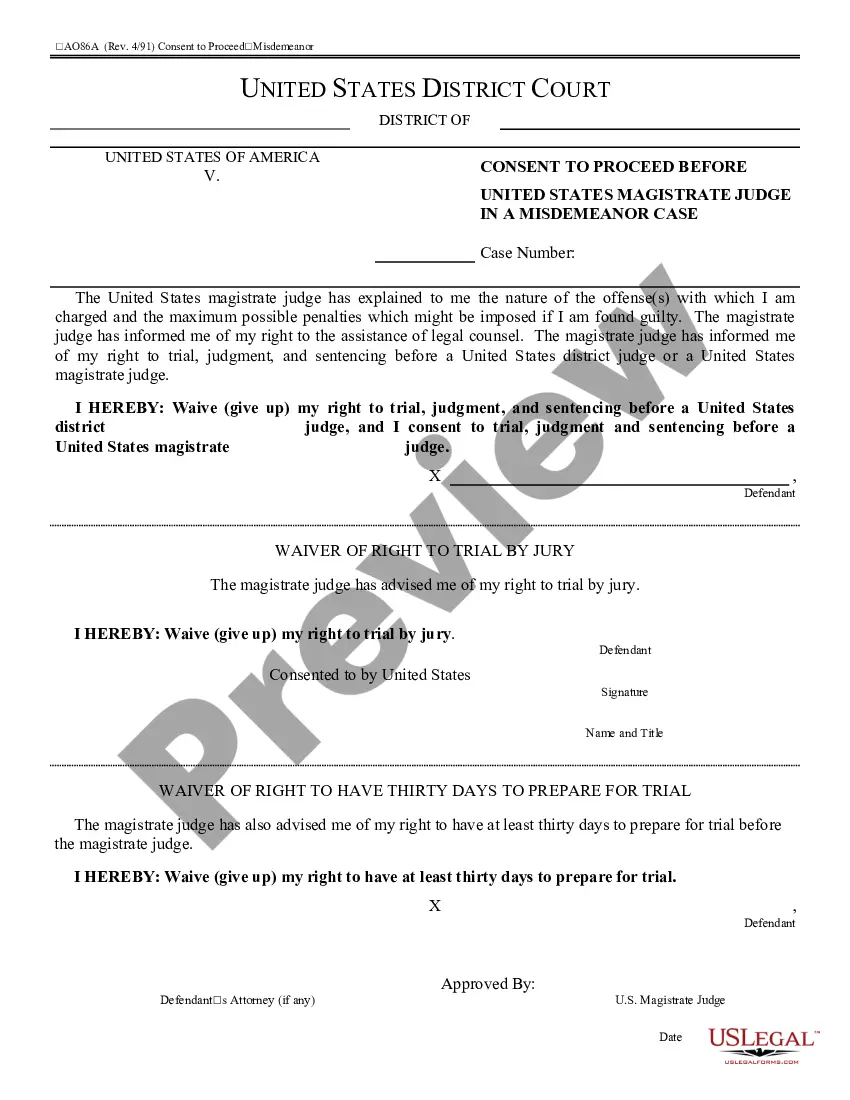
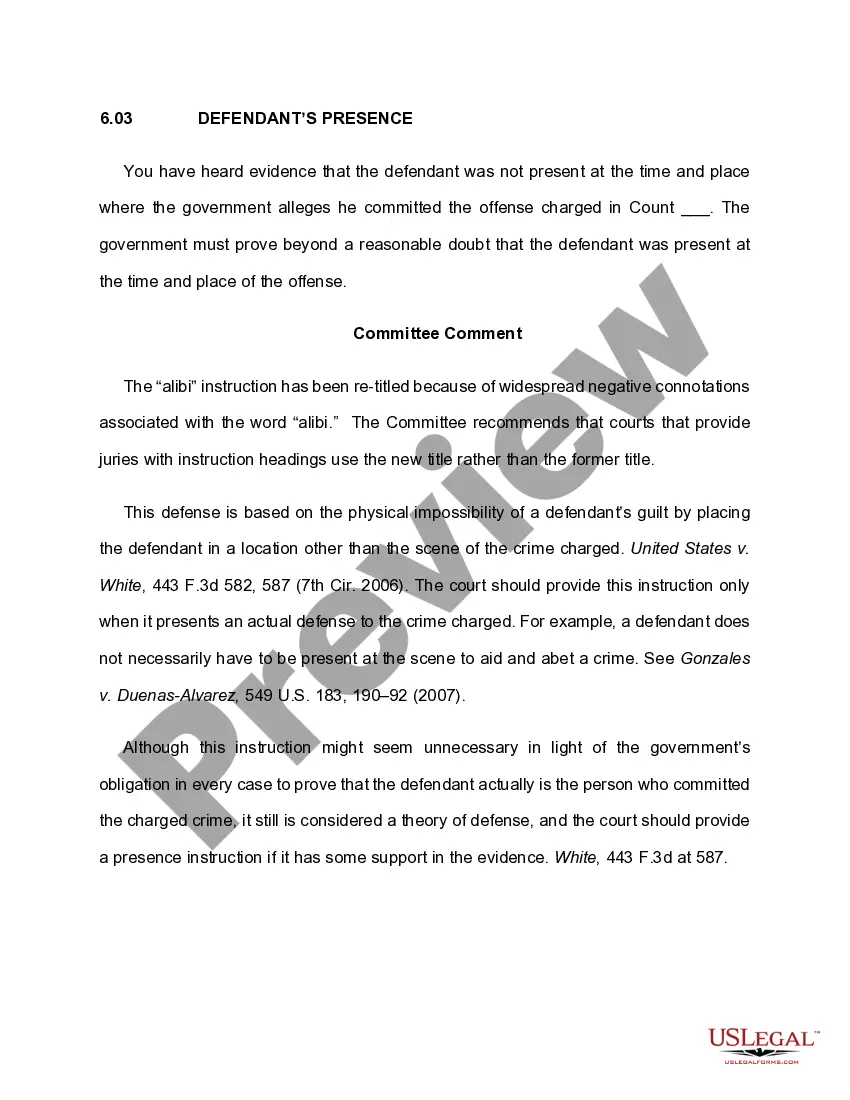
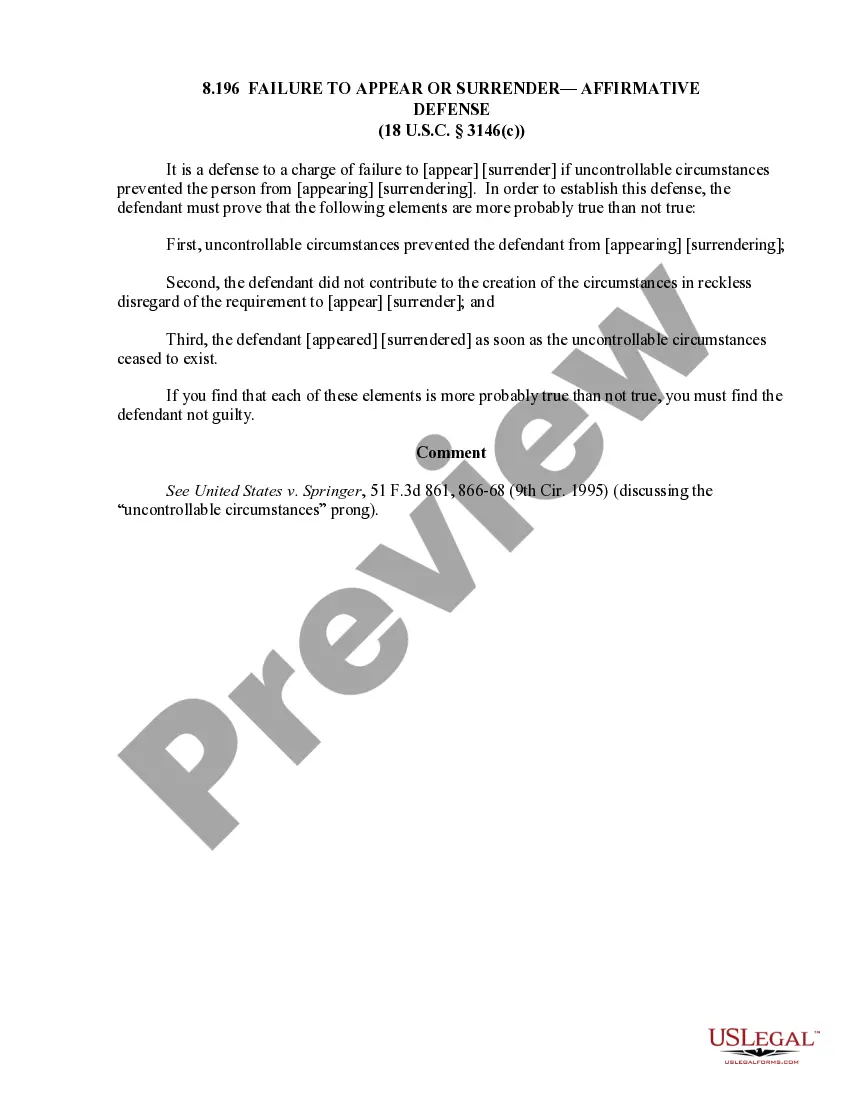
Get your form ready online
Our built-in tools help you complete, sign, share, and store your documents in one place.
Make edits, fill in missing information, and update formatting in US Legal Forms—just like you would in MS Word.
Download a copy, print it, send it by email, or mail it via USPS—whatever works best for your next step.
Sign and collect signatures with our SignNow integration. Send to multiple recipients, set reminders, and more. Go Premium to unlock E-Sign.
If this form requires notarization, complete it online through a secure video call—no need to meet a notary in person or wait for an appointment.
We protect your documents and personal data by following strict security and privacy standards.

Make edits, fill in missing information, and update formatting in US Legal Forms—just like you would in MS Word.

Download a copy, print it, send it by email, or mail it via USPS—whatever works best for your next step.

Sign and collect signatures with our SignNow integration. Send to multiple recipients, set reminders, and more. Go Premium to unlock E-Sign.

If this form requires notarization, complete it online through a secure video call—no need to meet a notary in person or wait for an appointment.

We protect your documents and personal data by following strict security and privacy standards.
Looking for another form?
How to fill out Assertion Of Right To Be Present?
It is feasible to dedicate time online searching for the legal document template that meets the state and federal criteria you require. US Legal Forms provides thousands of legal documents that are reviewed by experts.
It is easy to download or print the Wisconsin Assertion of Right to Be Present from my services. If you already possess a US Legal Forms account, you can Log In and click on the Download button. After that, you can fill out, modify, print, or sign the Wisconsin Assertion of Right to Be Present.
Every legal document template you obtain is yours indefinitely. To get another copy of a purchased form, navigate to the My documents tab and click on the appropriate button. If you are using the US Legal Forms website for the first time, follow the straightforward instructions below: First, ensure that you have selected the correct document template for the region/city you choose. Review the form description to confirm you have selected the right form. If available, use the Review button to examine the document template as well.
Utilize professional and state-specific templates to manage your business or personal requirements.
- If you want to find another version of the form, use the Search section to locate the template that suits your needs and requirements.
- Once you have identified the template you need, click Buy now to proceed.
- Select the pricing plan you need, enter your details, and create an account on US Legal Forms.
- Complete the purchase. You can use your credit card or PayPal account to pay for the legal document.
- Choose the format of the document and download it to your device.
- Make changes to the document if necessary. You can fill out, modify, sign, and print the Wisconsin Assertion of Right to Be Present.
- Download and print thousands of document templates using the US Legal Forms website, which offers the largest collection of legal documents.
Form popularity
FAQ
The prohibition against unreasonable searches and seizures is not limited to criminal cases. It applies in forfeiture actions arising out of ordinance violations. Milwaukee v. Cohen, 57 Wis.
Self-incrimination is the intentional or unintentional act of providing information that will suggest your involvement in a crime, or expose you to criminal prosecution. The Fifth Amendment provides protection to individuals from being compelled to incriminate themselves.
For a defendant to invoke double jeopardy protection after successfully moving for a mistrial, the prosecutor must have acted with intent to subvert the double jeopardy protection to gain another chance to convict or to harass the defendant with multiple prosecutions. State v. Quinn, 169 Wis.
Section 14 - Feudal tenures; leases; alienation. All lands within the state are declared to be allodial, and feudal tenures are prohibited.
SECTION 8. [As amended Nov. 1870, April 1981, and April 2023] (1) No person may be held to answer for a criminal offense without due process of law, and no person for the same offense may be put twice in jeopardy of punish- ment, nor may be compelled in any criminal case to be a witness against himself or herself.
The confrontation right protects defendants at trial, when guilt or innocence is at stake. The confrontation clause does not require confrontation of witnesses at suppression hearings. State v. Zamzow, 2017 WI 29, 374 Wis.
Under Wis. Stat. § 904.04(2)(b)1. ?evidence of any similar acts by the accused ? is admissible without regard to whether the victim of the crime that is the subject of the proceeding is the same as the victim of the similar act.?
(1) The supreme court shall have superintending and administrative authority over all courts. (2) The supreme court has appellate jurisdiction over all courts and may hear original actions and proceedings. The supreme court may issue all writs necessary in aid of its jurisdiction.