Wisconsin Notice of Access
About this form
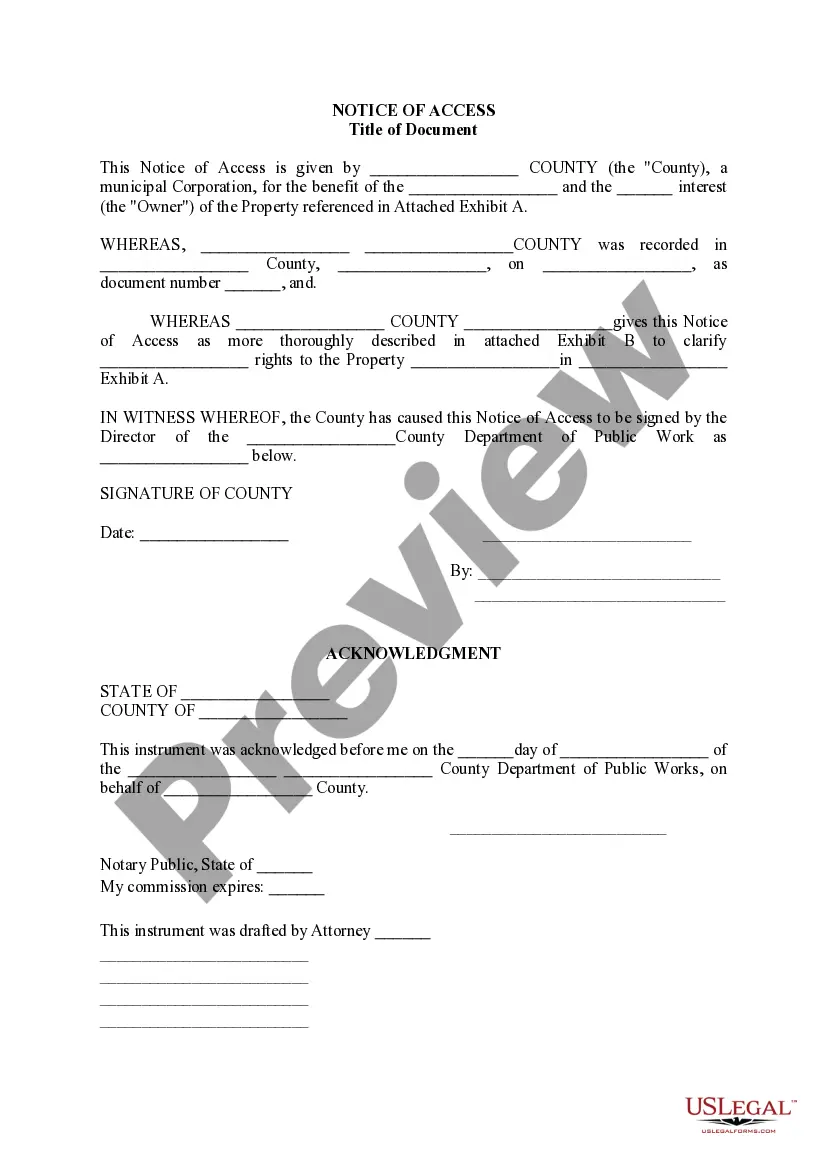
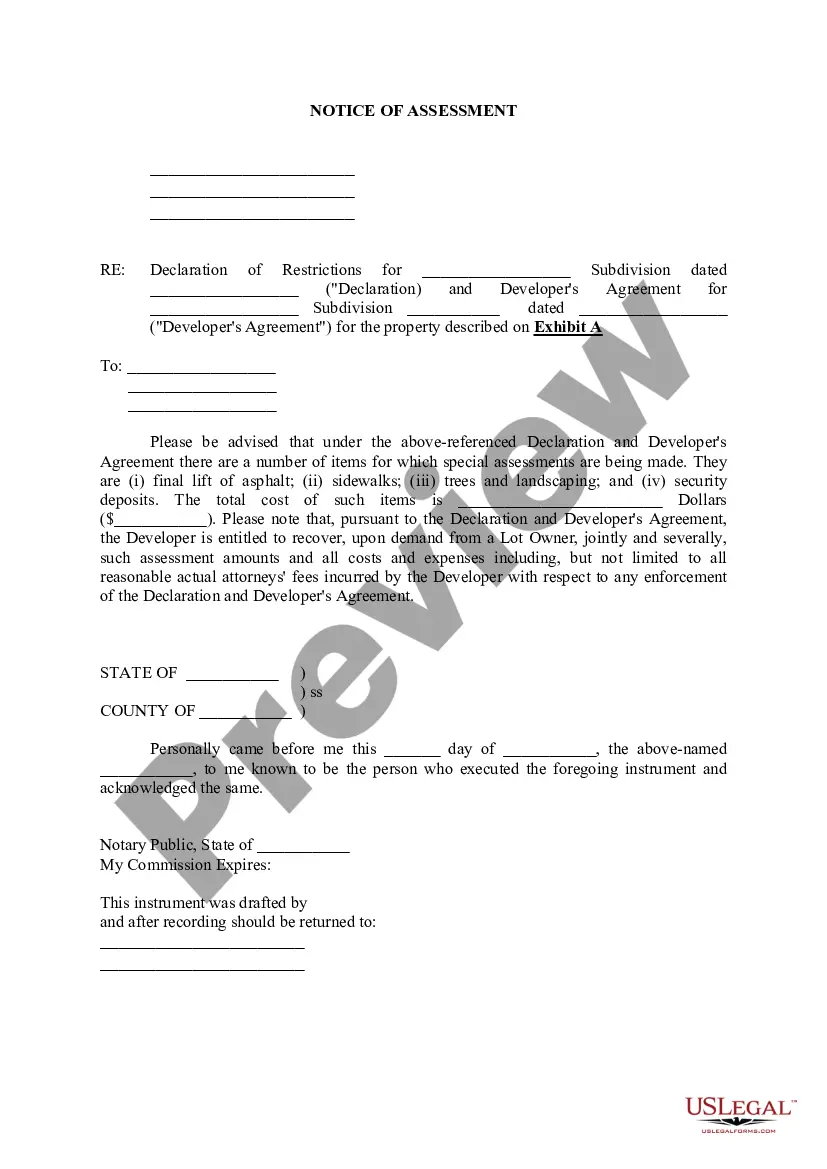
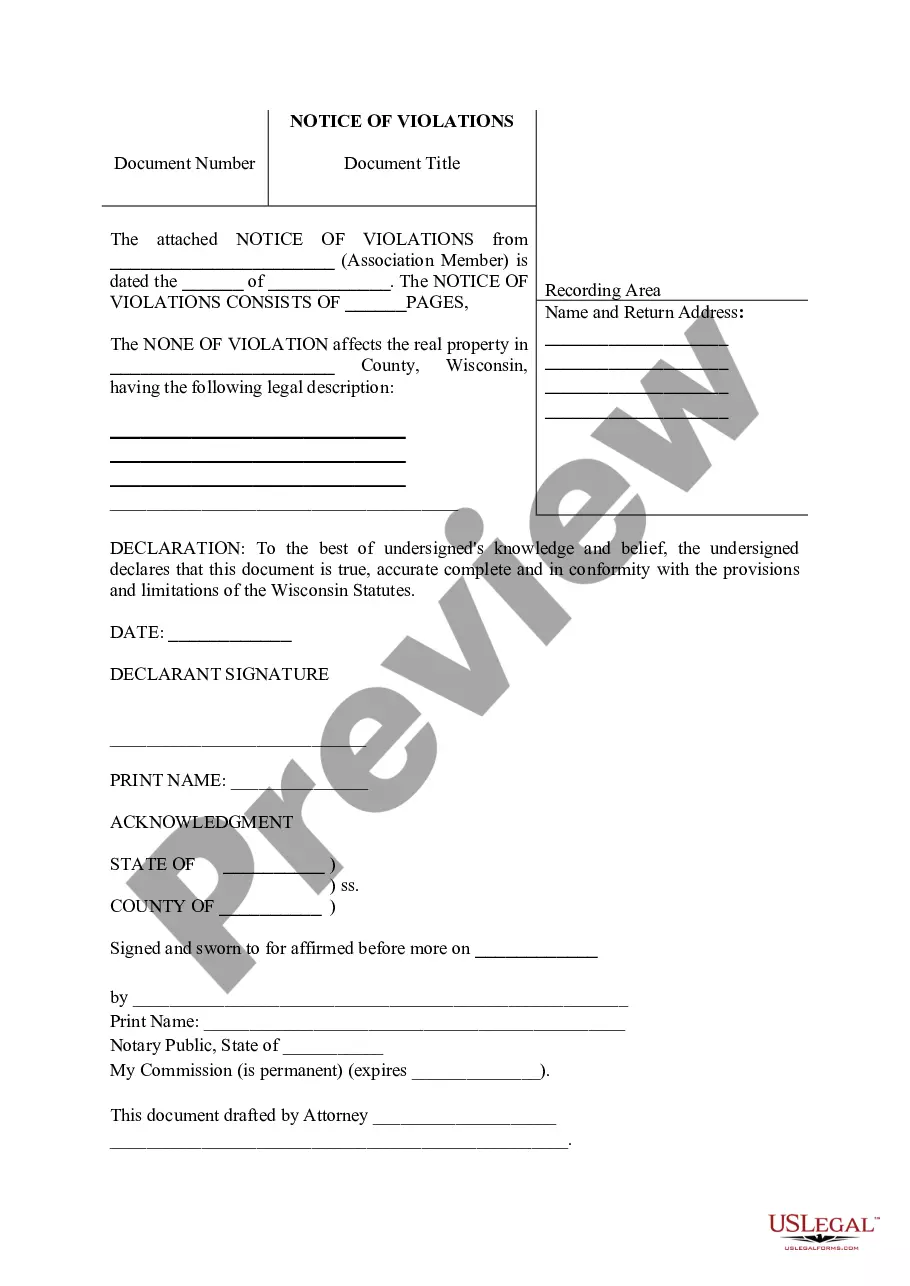
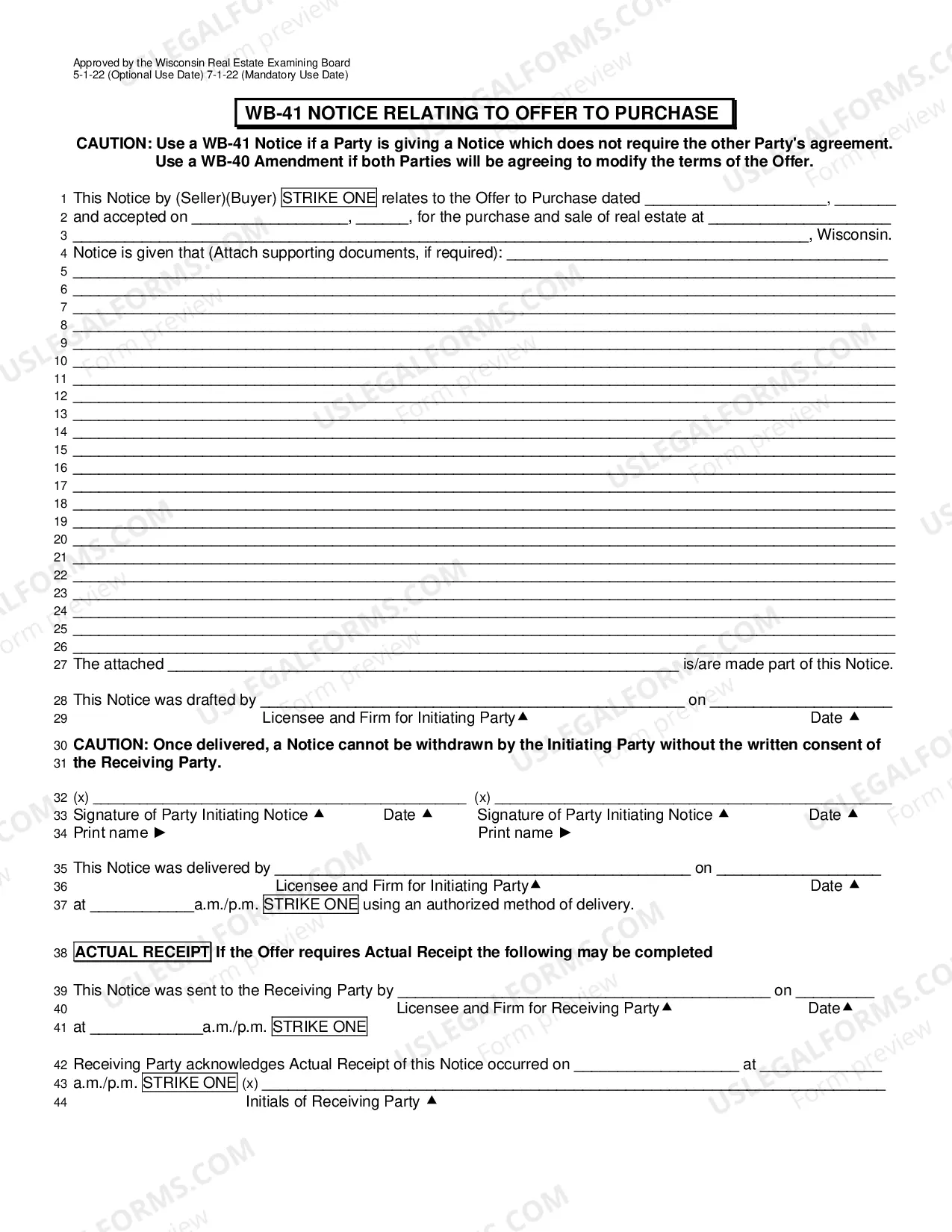
The Notice of Access is a legal document provided by a county to inform an owner of property about the county's rights to access the property. This form serves to clarify the rights pertaining to the property and distinguishes itself from other notices by being specifically issued by a county for public works purposes. Proper use of this form ensures that the property owner is aware of their rights and the county's intentions regarding access.
What’s included in this form
- Title of Document: Identifies the document as a Notice of Access.
- County and Owner Information: Includes the names of the county and the property owner.
- Details of Record: Specifies the recording details of previous relevant documents.
- Description of Access Rights: Clarifies the nature of the access being granted as specified in attached exhibits.
- Signature Section: Requires the signature of the appropriate county official.
- Acknowledgment Section: Provides space for notarization to validate the document.
Common use cases
This form is necessary when a county needs to notify a property owner about the authorization to access their property for purposes such as maintenance, inspection, or construction. It is typically used during projects that require access to public land or private properties, ensuring that property rights are respected while allowing the county to fulfill its responsibilities.
Intended users of this form
- County officials responsible for public works and maintenance projects.
- Property owners who need to be informed about county access rights.
- Legal representatives handling property access issues on behalf of counties or owners.
Steps to complete this form
- Identify the involved parties by filling in the names of the county and the property owner.
- Specify the property details in the provided fields and attach any necessary exhibits.
- Enter the relevant recording information for record-keeping purposes.
- Obtain the signature from the Director of the County Department of Public Works.
- Complete the acknowledgment section and have it notarized if applicable.
Is notarization required?
Yes, this form must be notarized to be legally valid. Notarization verifies the identities of the parties involved and witnesses the signing of the document. US Legal Forms offers integrated online notarization services, providing 24/7 availability through secure video calls, making the process simple and efficient.
Get your form ready online
Our built-in tools help you complete, sign, share, and store your documents in one place.
Make edits, fill in missing information, and update formatting in US Legal Forms—just like you would in MS Word.
Download a copy, print it, send it by email, or mail it via USPS—whatever works best for your next step.
Sign and collect signatures with our SignNow integration. Send to multiple recipients, set reminders, and more. Go Premium to unlock E-Sign.
If this form requires notarization, complete it online through a secure video call—no need to meet a notary in person or wait for an appointment.
We protect your documents and personal data by following strict security and privacy standards.

Make edits, fill in missing information, and update formatting in US Legal Forms—just like you would in MS Word.

Download a copy, print it, send it by email, or mail it via USPS—whatever works best for your next step.

Sign and collect signatures with our SignNow integration. Send to multiple recipients, set reminders, and more. Go Premium to unlock E-Sign.

If this form requires notarization, complete it online through a secure video call—no need to meet a notary in person or wait for an appointment.

We protect your documents and personal data by following strict security and privacy standards.
Mistakes to watch out for
- Failing to provide accurate property details, which can lead to disputes.
- Not obtaining a signature from the designated county official.
- Omitting the necessary notarization, where required, which may invalidate the document.
Benefits of completing this form online
- Convenient and quick access to legal templates, saving time and effort.
- Editable forms allow users to customize details easily.
- Reliable legal documents drafted by licensed attorneys to ensure compliance.
Quick recap
- The Notice of Access serves as a formal notification from a county about its rights to access a property.
- This form is vital in maintaining clear communication between county authorities and property owners.
- Proper completion and notarization of the document ensure its legal enforceability.
Looking for another form?


Form popularity
FAQ
In Wisconsin, a landlord can evict a tenant for a variety of reasons, such as tenant nonpayment of rent or violation of rental or lease agreement term. Depending on the circumstances, a tenant facing an eviction may have the legal grounds, or a defense, to challenge the eviction.
The Tenant Doesn't Make Enough Income. The Tenant Smokes. The Tenant Has a Pet. The Tenant's Income Isn't Verified. The Tenant Has Been Convicted of a Crime. The Tenant Does Not Have Rental History. The Tenant Has a History of Damaging Property and Not Paying Rent. The Tenant Provides False Information.
Yes, your tenant is within their rights to refuse you access to the property. In a lot of cases, tenants will refuse because the date and time isn't convenient for them and will suggest an alternative date or ask you to rearrange. However, some tenants will persistently try to obstruct you from entering the property.
Eviction Process for No Lease / End of Lease In the state of Wisconsin, if tenants hold over, or stay in the rental unit after the rental term has expired, then the landlord must give tenants notice before evicting them. This can include tenants without a written lease and week-to-week and month-to-month tenants.
Wisconsin does not have statutes or regulations regarding the time of year (e.g., winter) that you may not evict a tenant assuming of course that rent is late and/or there are material violations of the lease.
If the tenant refuses, you are permitted to send them a notice to agree or quit the property. The tenant refusing you access constitutes a breach in the lease agreement, so they could be evicted if they continue to deny access.
Landlords are prohibited from harassing or retaliating against tenants who exercise their legal rights. In Wisconsin, the landlord must not terminate, refuse to renew a lease, or fine a tenant for complaining to the landlord regarding the deposit, complaining to a government agency, or exercising a legal right.
Wisconsin landlords must provide at least 12 hours' notice before entering a property. This notice requirement does not apply in the case of emergencies.
In Wisconsin, tenants are legally able to withhold rent. The tenant may withhold rent for failure to provide essential services, including, but not limited to: The landlord failing to repair.