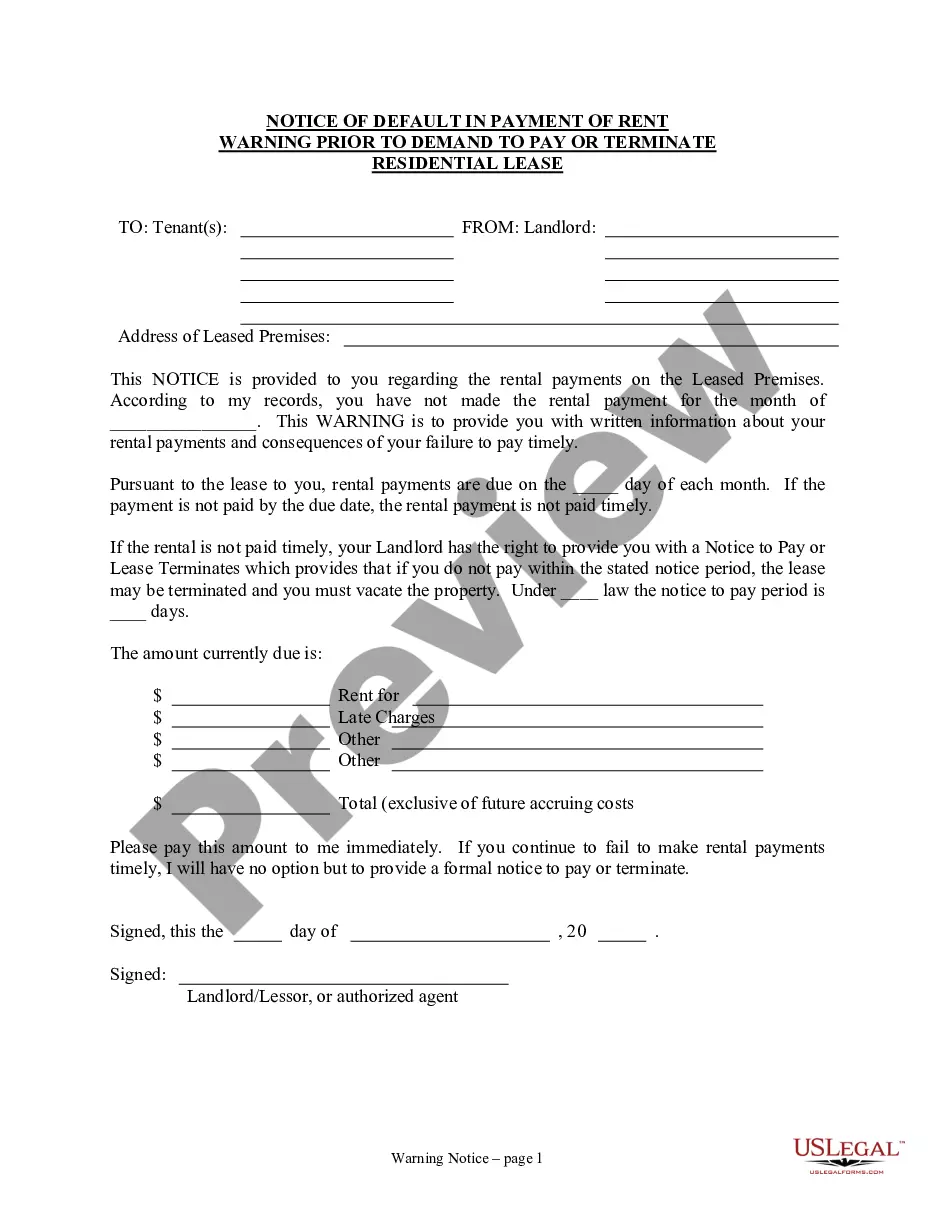
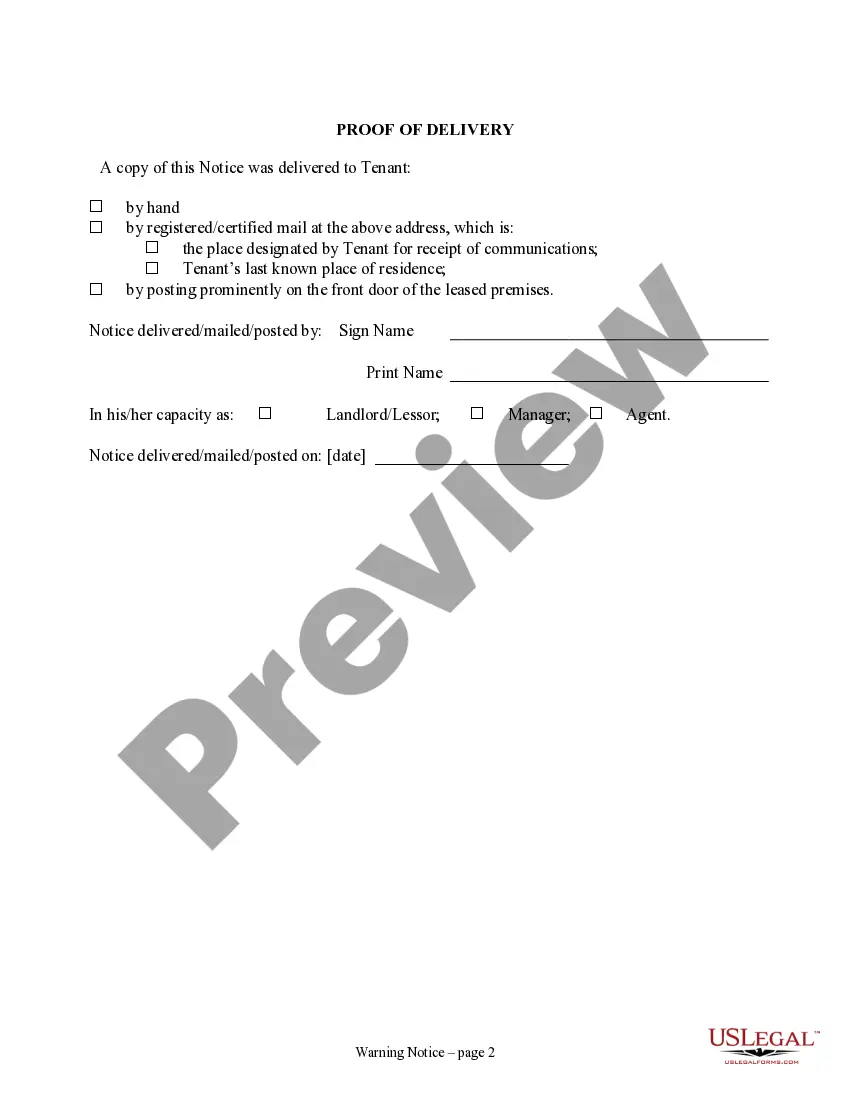
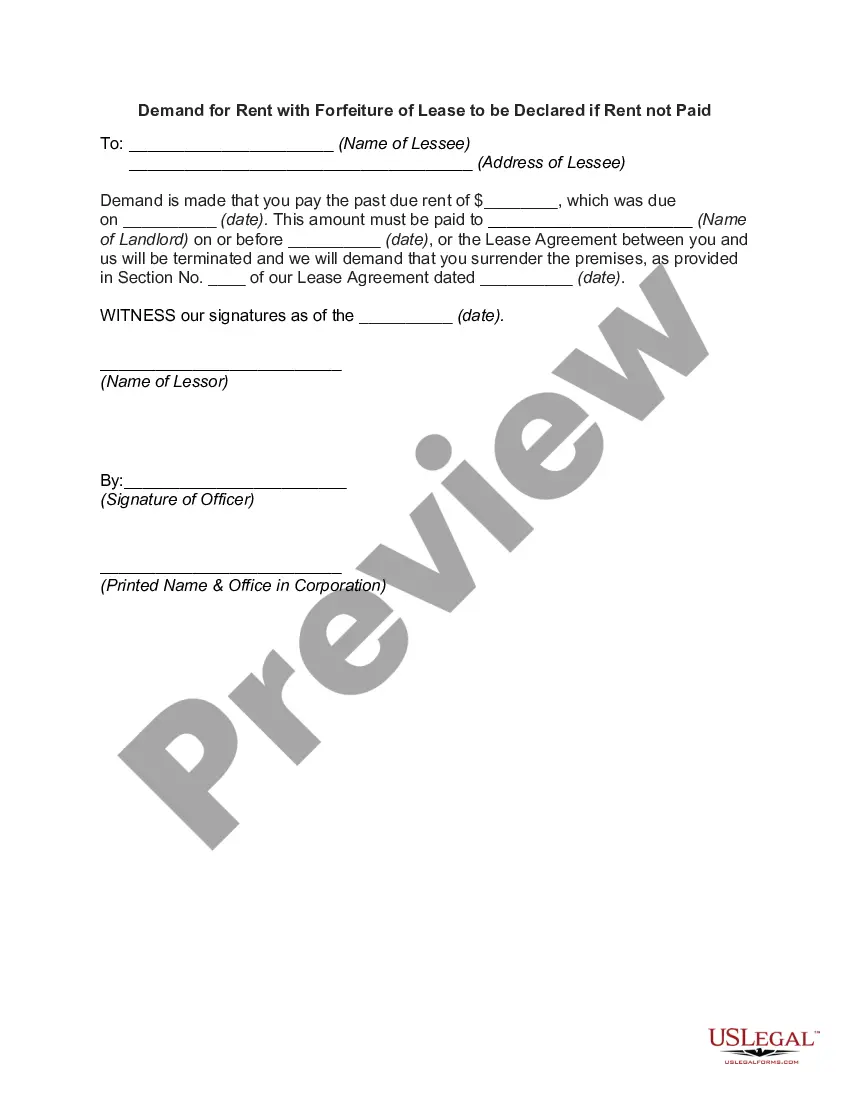
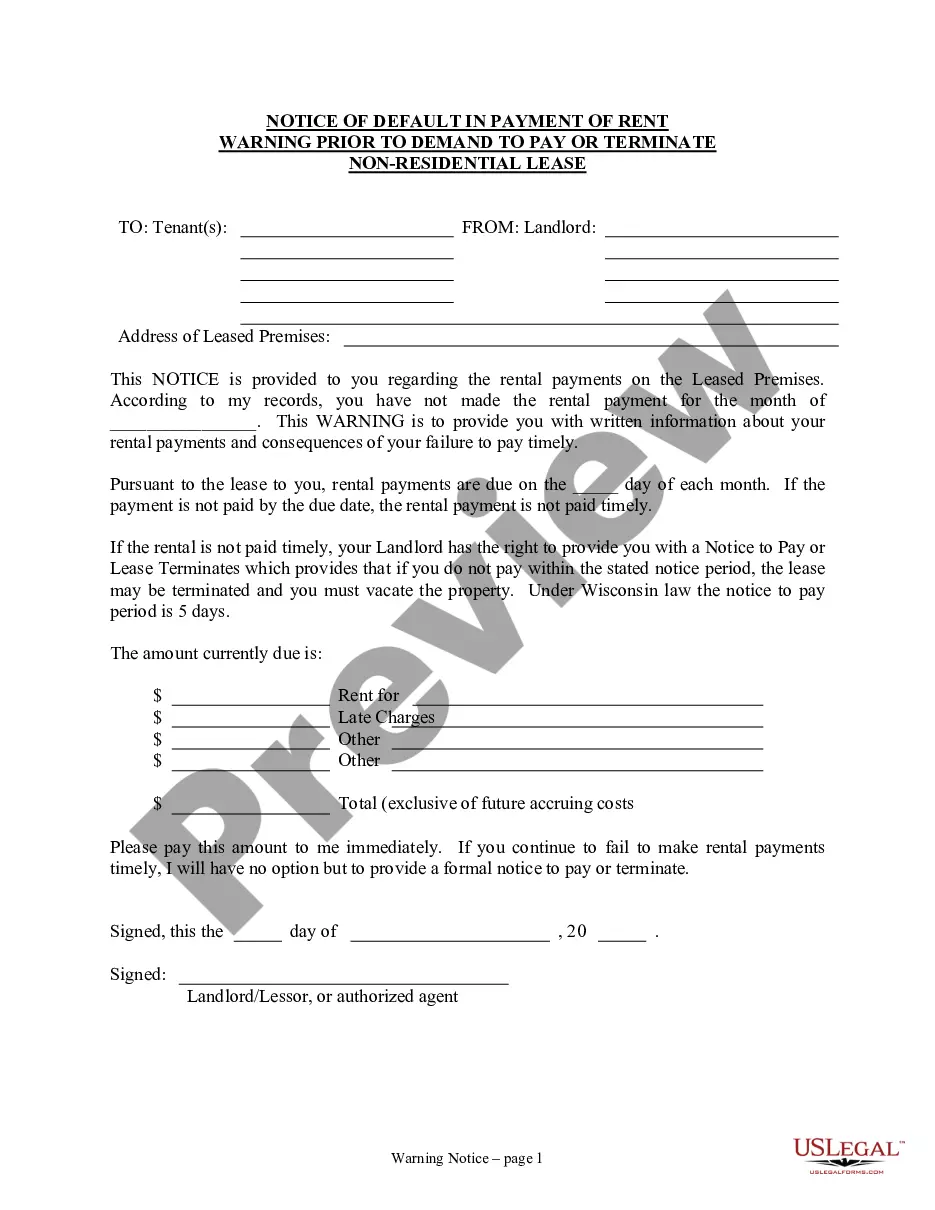
This Notice of Default in Payment of Rent as Warning Prior to Demand to Pay or Terminate for Non-Residential or Commercial Property form is for use by a Landlord to inform Tenant of Tenant's default in the payment of rent as a warning prior to a pay or terminate notice. The form advises the Tenant of the due date of rent and the consequences of late payment. This form may be used where you desire to remind the Tenant of payment terms, the default, demand payment and inform the Tenant that under the laws of this state or lease the Landlord may terminate in rent is not paid timely.
Wisconsin Notice of Default in Payment of Rent as Warning Prior to Demand to Pay or Terminate for Residential Property
State:
Wisconsin
Control #:
WI-1300LT
Format:
Word;
Rich Text
Instant download
Description
Free preview



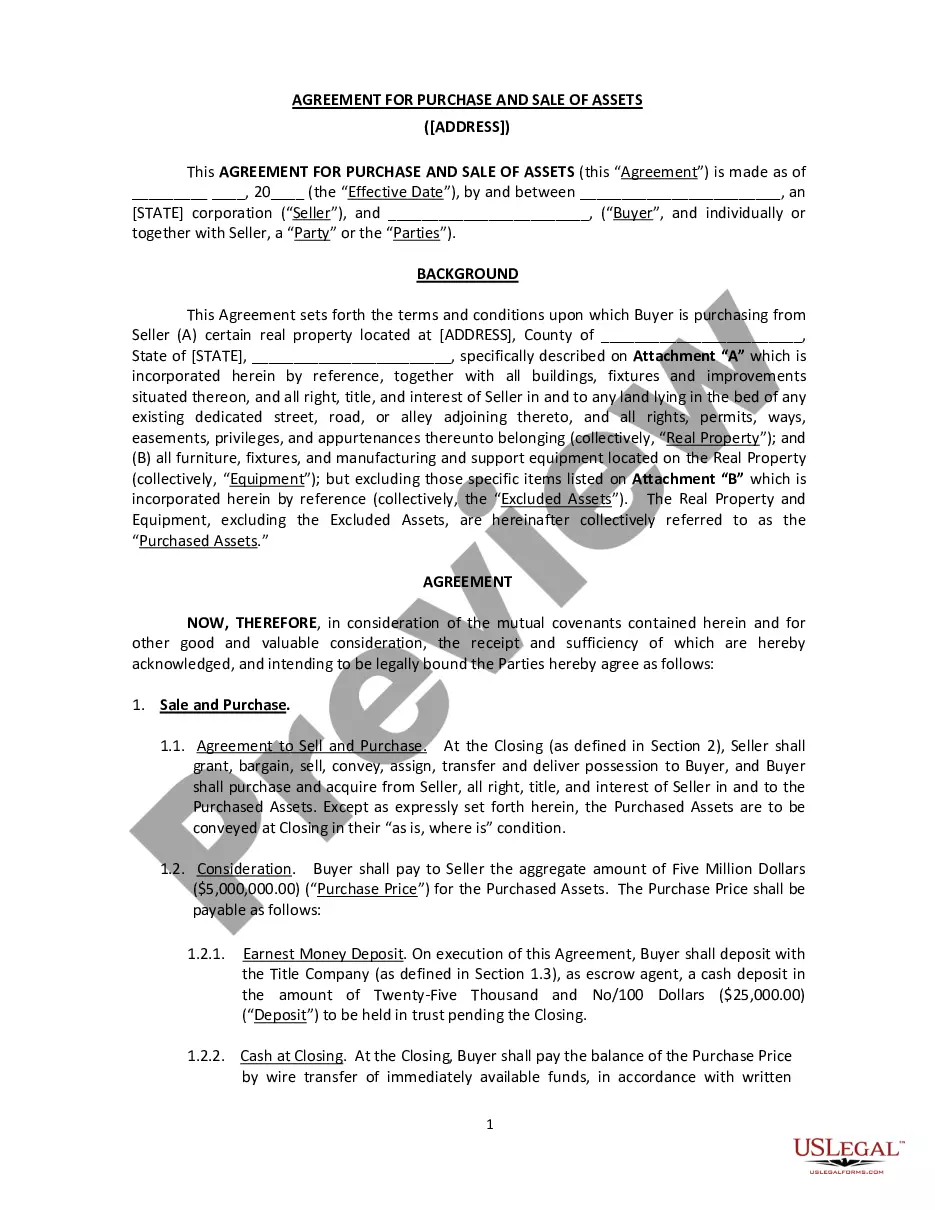
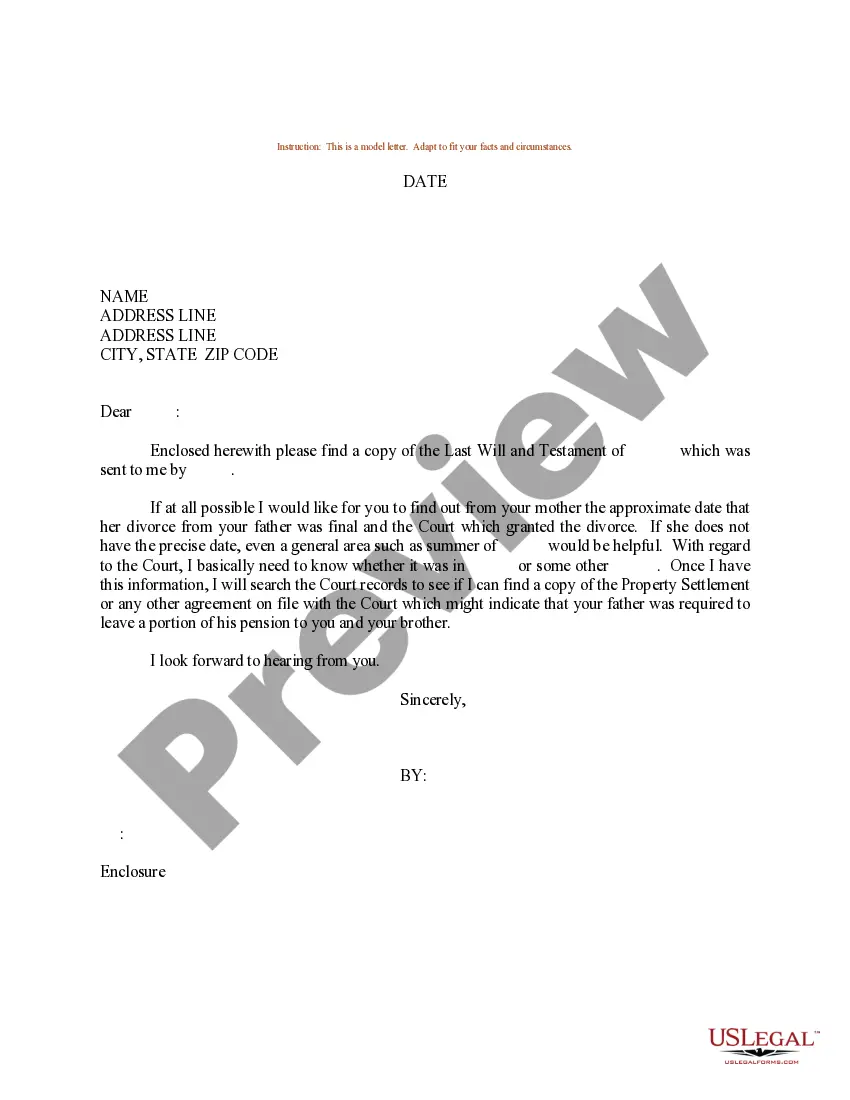
How to fill out Wisconsin Notice Of Default In Payment Of Rent As Warning Prior To Demand To Pay Or Terminate For Residential Property?
Out of the great number of services that offer legal templates, US Legal Forms offers the most user-friendly experience and customer journey while previewing forms before purchasing them. Its comprehensive catalogue of 85,000 samples is categorized by state and use for simplicity. All the documents on the service have already been drafted to meet individual state requirements by licensed legal professionals.
If you have a US Legal Forms subscription, just log in, look for the template, hit Download and get access to your Form name in the My Forms; the My Forms tab holds all your saved documents.
Keep to the guidelines listed below to obtain the form:
- Once you find a Form name, ensure it’s the one for the state you really need it to file in.
- Preview the form and read the document description just before downloading the sample.
- Look for a new template via the Search engine if the one you’ve already found isn’t correct.
- Click Buy Now and select a subscription plan.
- Create your own account.
- Pay using a card or PayPal and download the document.
When you have downloaded your Form name, you may edit it, fill it out and sign it with an web-based editor of your choice. Any document you add to your My Forms tab can be reused multiple times, or for as long as it remains the most updated version in your state. Our platform offers quick and easy access to templates that suit both legal professionals as well as their clients.
Form popularity
FAQ
Your landlord can end the let at any time by serving a written 'notice to quit'. The notice period will depend on the tenancy or agreement, but is often at least 4 weeks.
The landlord can enter at reasonable times to inspect the premises, make repairs, or show the premises to prospective tenants. The landlord usually must give 12 hours notice before entry, unless immediate entry is necessary to preserve or protect the premises, such as in case of a fire or a burst water pipe.
The moratorium is designed to protect tenants from being evicted during the COVID-19 pandemic, but it may not provide enough protection for Wisconsin's struggling renters.In order to avoid eviction, a tenant needs to provide landlords with a signed copy of the CDC declaration.
If you are renting by the month, the landlord may terminate the rental agreement by giving you a written termination notice at least 28 days before the next rent due date. You must use the same procedure in notifying the landlord of your intent to terminate the rental agreement, Wis.
In Wisconsin, a landlord can evict a tenant for a variety of reasons, such as tenant nonpayment of rent or violation of rental or lease agreement term. Depending on the circumstances, a tenant facing an eviction may have the legal grounds, or a defense, to challenge the eviction.
A. In a month-to-month tenancy, the landlord may raise the rent after giving the tenant 45 days' written notice.
In Wisconsin, tenants are legally able to withhold rent. The tenant may withhold rent for failure to provide essential services, including, but not limited to: The landlord failing to repair.
Landlords are prohibited from harassing or retaliating against tenants who exercise their legal rights. In Wisconsin, the landlord must not terminate, refuse to renew a lease, or fine a tenant for complaining to the landlord regarding the deposit, complaining to a government agency, or exercising a legal right.