Wisconsin Notice of Default in Payment of Rent as Warning Prior to Demand to Pay or Terminate for Residential Property
What is this form?
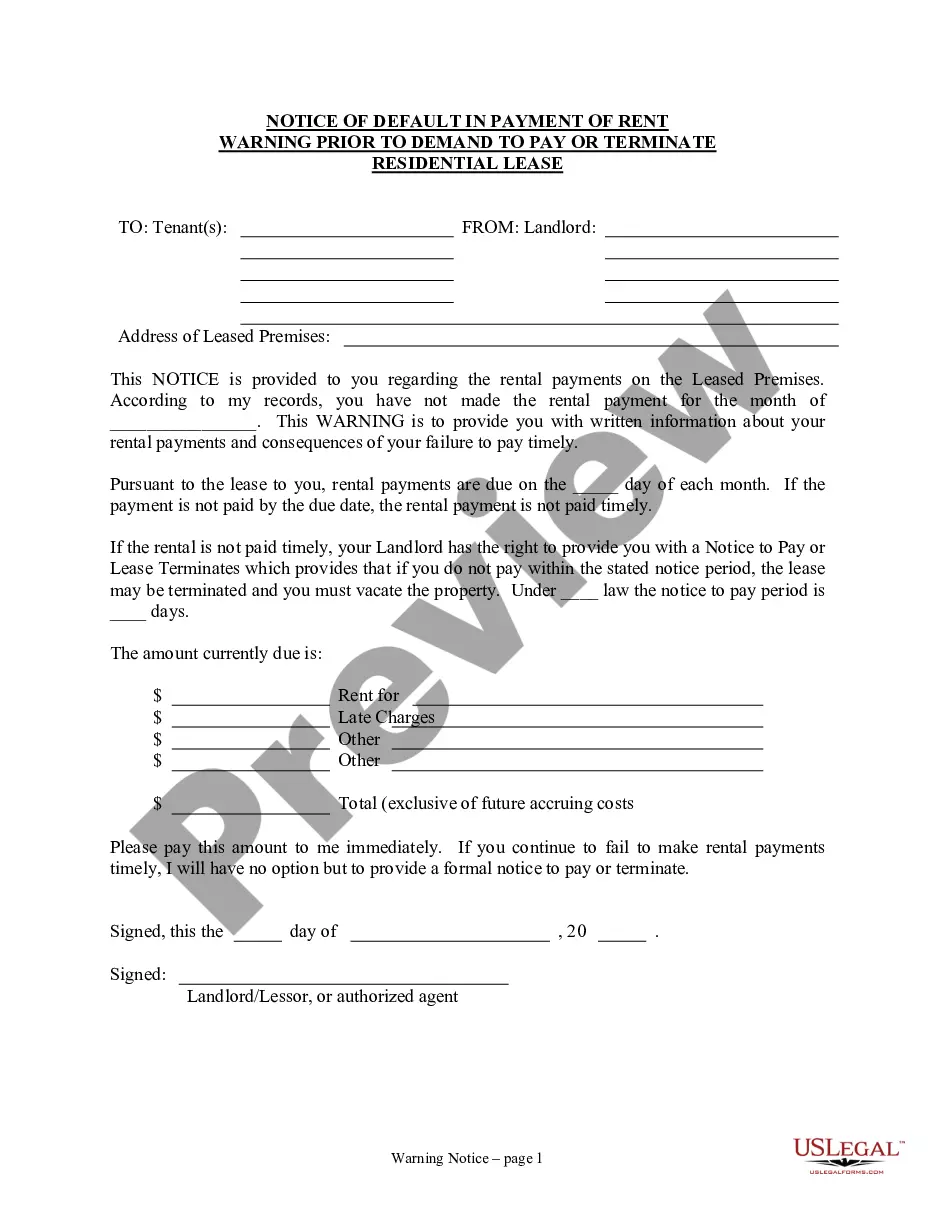
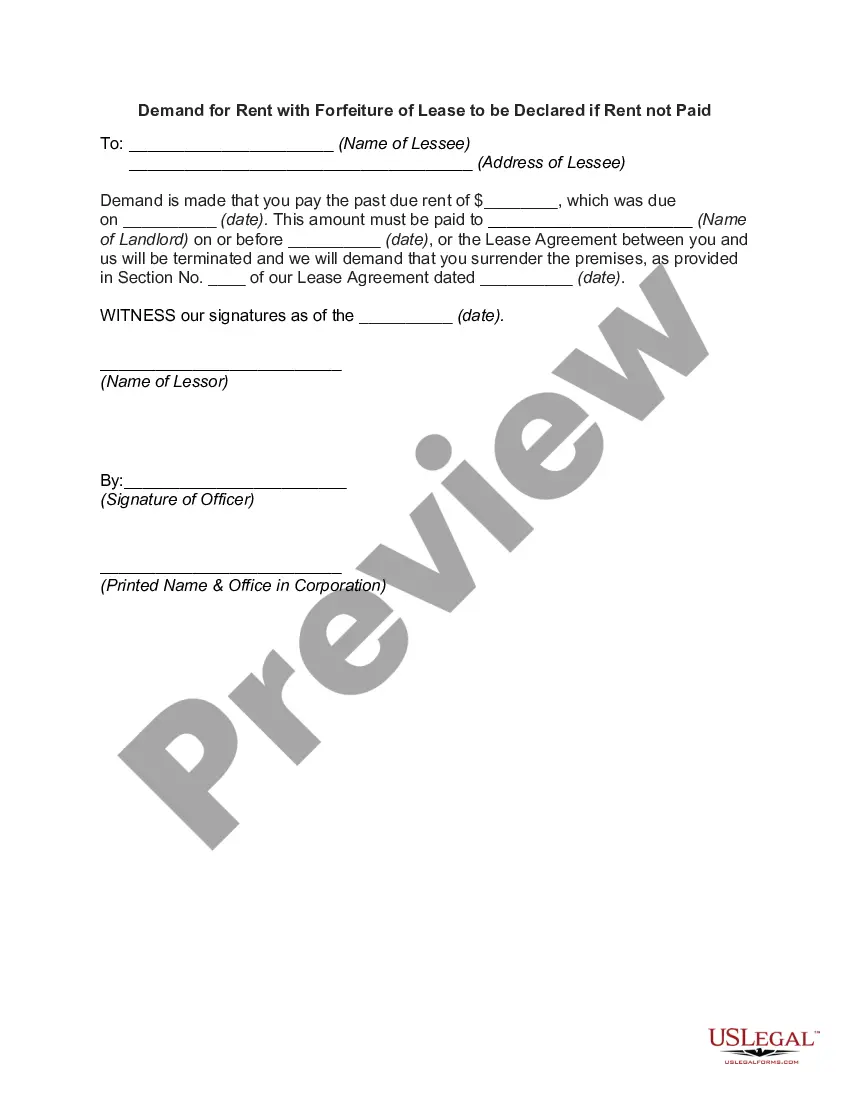
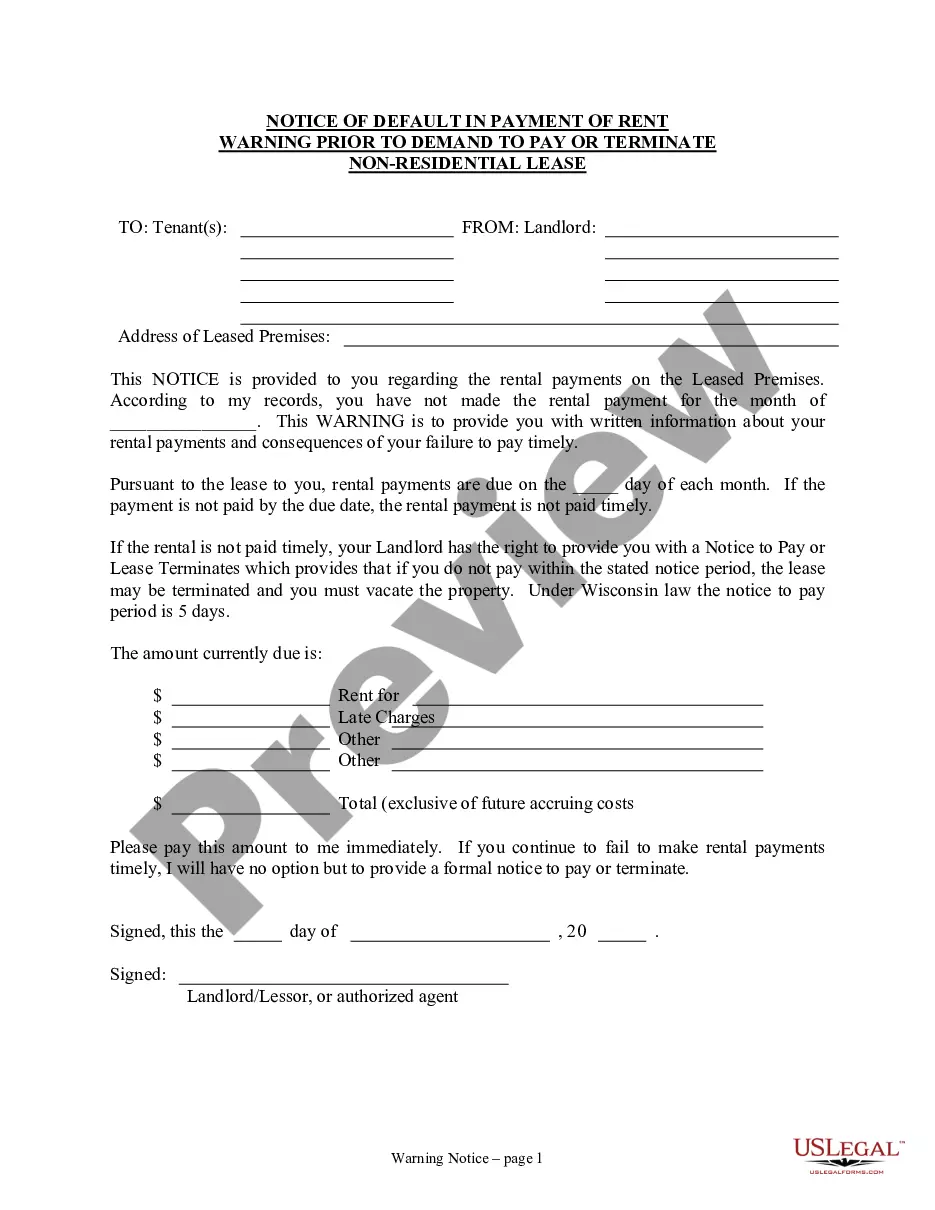
The Notice of Default in Payment of Rent as Warning Prior to Demand to Pay or Terminate for Residential Property is a legal document used by landlords to notify tenants of missed rent payments. This form serves as a formal warning before escalating to a demand for payment or lease termination. It outlines the tenant's obligation, the due date of the payment, and the potential consequences of failing to pay on time. Unlike regular rent reminders, this notice highlights legal implications and informs tenants of their rights and obligations under the lease agreement and state laws.
Key components of this form
- Landlord and tenant information: Addresses of both parties.
- Identification of the leased premises: Specific address where the tenant resides.
- Details of the missed payment: Month for which rent has not been paid.
- Due date for rent payment: Day of the month rent is due.
- Consequences of non-payment: Explanation of potential lease termination.
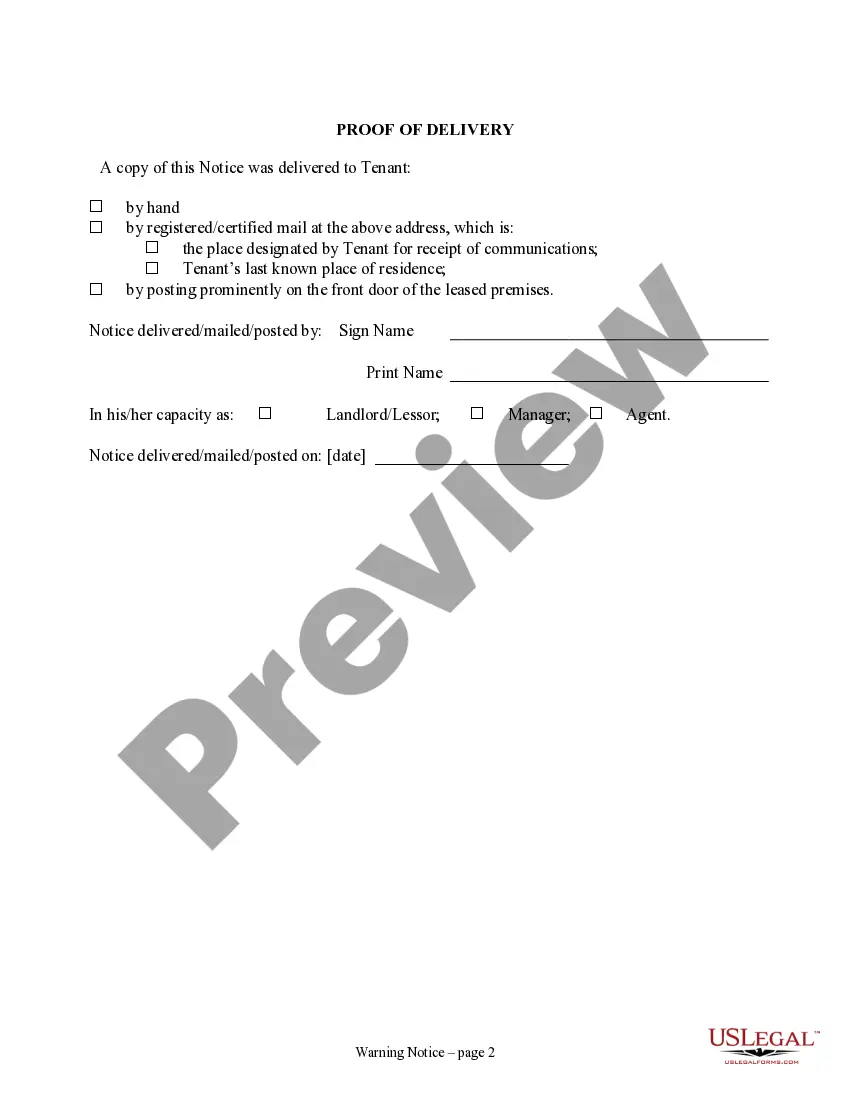
- Proof of delivery: Documentation of how the notice was delivered to the tenant.


Situations where this form applies
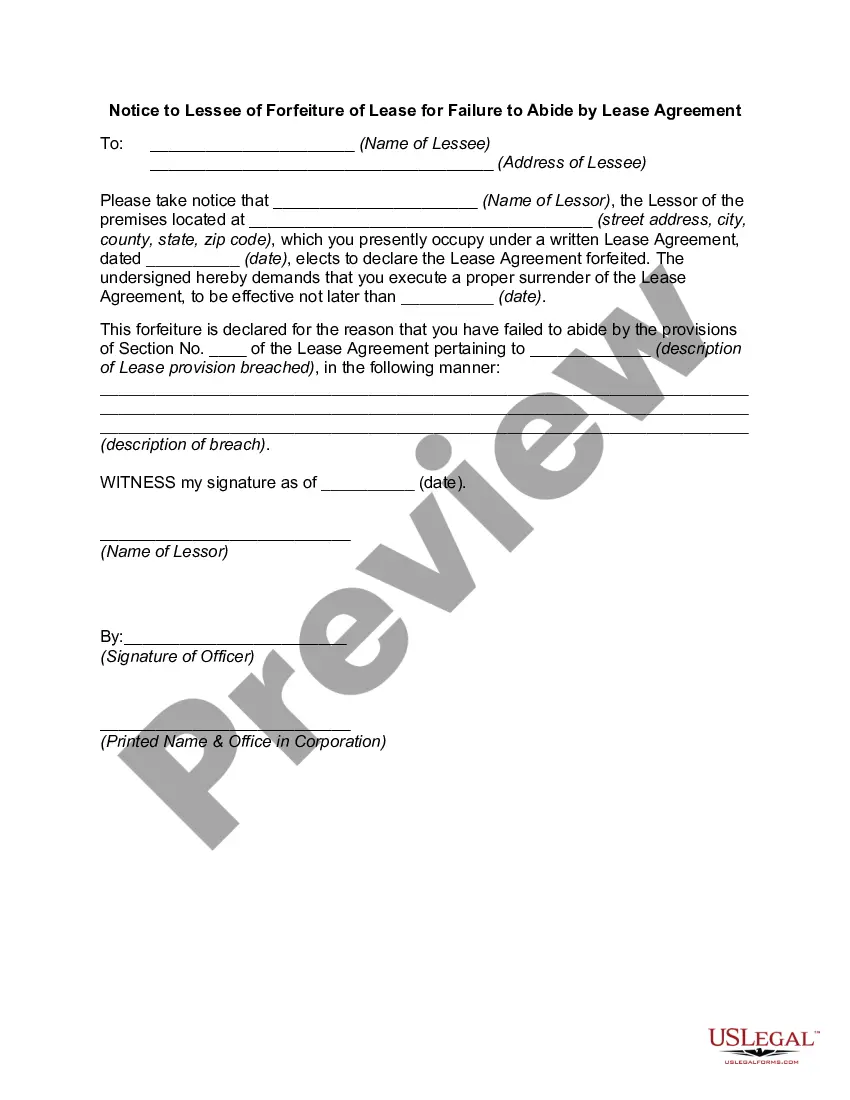
Use this form when a tenant has failed to make rent payments on time, and you want to formally notify them of the missed payment. This notice gives the tenant an opportunity to rectify the situation before any further action is taken, such as initiating a formal eviction process. It is an essential step to ensure compliance with state laws regarding tenant notifications and lease agreements.
Who should use this form
- Landlords managing residential properties.
- Property managers acting on behalf of landlords.
- Any individual leasing property who needs to enforce payment terms.
Instructions for completing this form
- Identify the parties: Enter the landlordâs and tenantâs names and addresses.
- Specify the property: Complete the address of the leased premises.
- Enter the missed payment details: Clearly state the month for which rent is overdue.
- Fill in the due date: Indicate when the rent is generally due each month.
- Detail the amounts: Include the total rent due, any late charges, and additional fees.
- Sign and date the notice: Both the landlord and the proving delivery method must be recorded.
Does this form need to be notarized?
This form usually doesn’t need to be notarized. However, local laws or specific transactions may require it. Our online notarization service, powered by Notarize, lets you complete it remotely through a secure video session, available 24/7.
Get your form ready online
Our built-in tools help you complete, sign, share, and store your documents in one place.
Make edits, fill in missing information, and update formatting in US Legal Forms—just like you would in MS Word.
Download a copy, print it, send it by email, or mail it via USPS—whatever works best for your next step.
Sign and collect signatures with our SignNow integration. Send to multiple recipients, set reminders, and more. Go Premium to unlock E-Sign.
If this form requires notarization, complete it online through a secure video call—no need to meet a notary in person or wait for an appointment.
We protect your documents and personal data by following strict security and privacy standards.
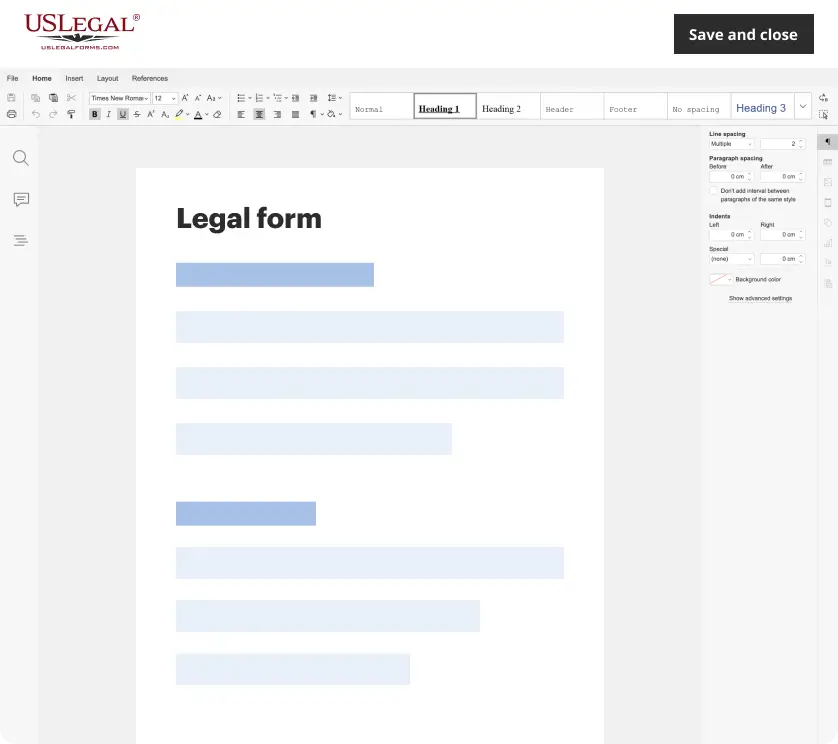
Make edits, fill in missing information, and update formatting in US Legal Forms—just like you would in MS Word.
Download a copy, print it, send it by email, or mail it via USPS—whatever works best for your next step.
Sign and collect signatures with our SignNow integration. Send to multiple recipients, set reminders, and more. Go Premium to unlock E-Sign.
If this form requires notarization, complete it online through a secure video call—no need to meet a notary in person or wait for an appointment.
We protect your documents and personal data by following strict security and privacy standards.
Mistakes to watch out for
- Failing to provide accurate tenant details or property address.
- Not specifying the exact month for which rent is overdue.
- Omitting the landlordâs signature and date, which can invalidate the notice.
- Overlooking local laws regarding the notice period before termination actions.
Benefits of using this form online
- Easy access: Download forms quickly from USLegalForms.com.
- Editability: Customize the form to fit specific situations and requirements.
- Reliability: Forms are drafted by licensed attorneys, ensuring legal validity.
Legal use & context
- This notice serves as a formal warning before initiating eviction procedures.
- Not complying with state laws regarding rent notices may jeopardize the landlord's legal standing in eviction cases.
- The tenant retains rights under the lease agreement and local laws, including the opportunity to remedy the default before eviction.
Looking for another form?
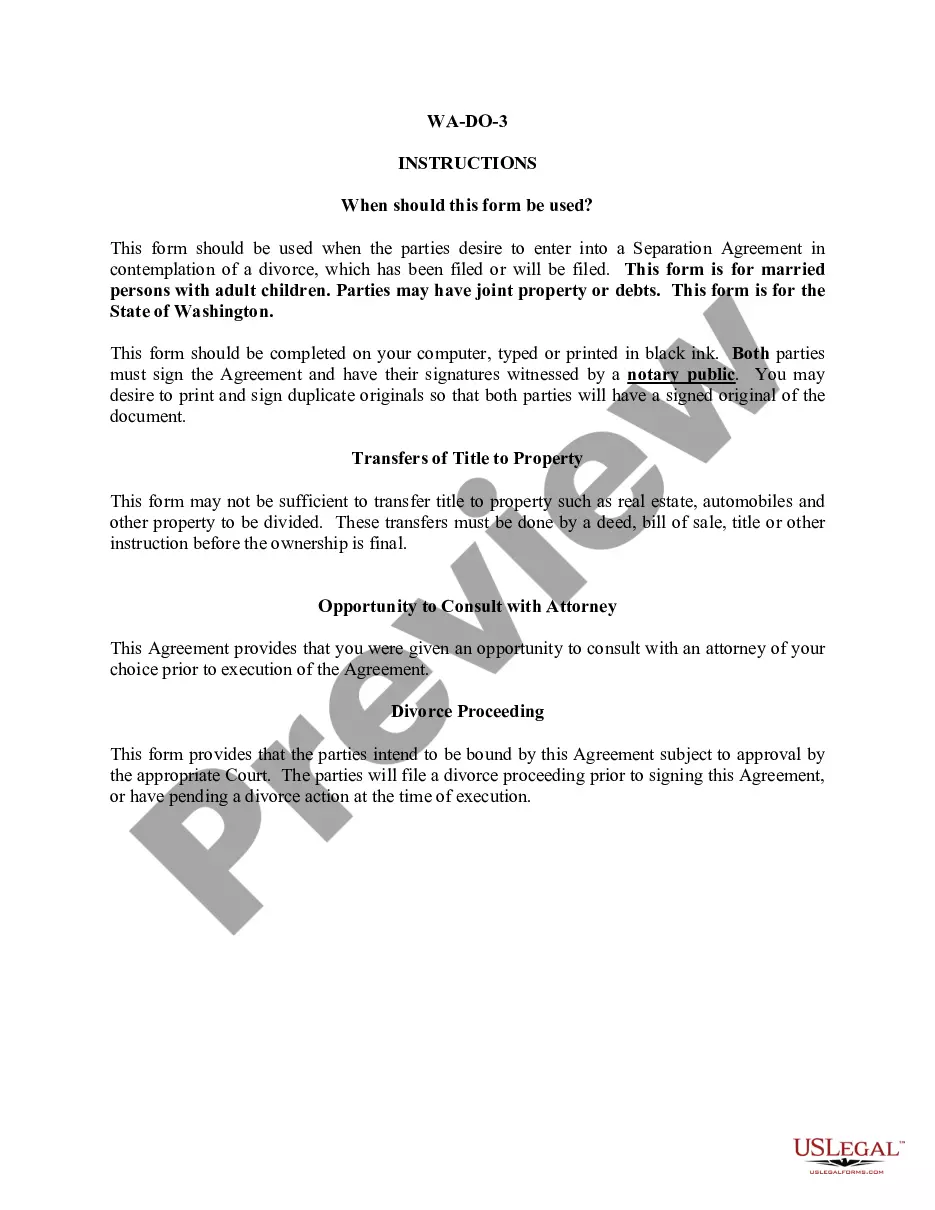
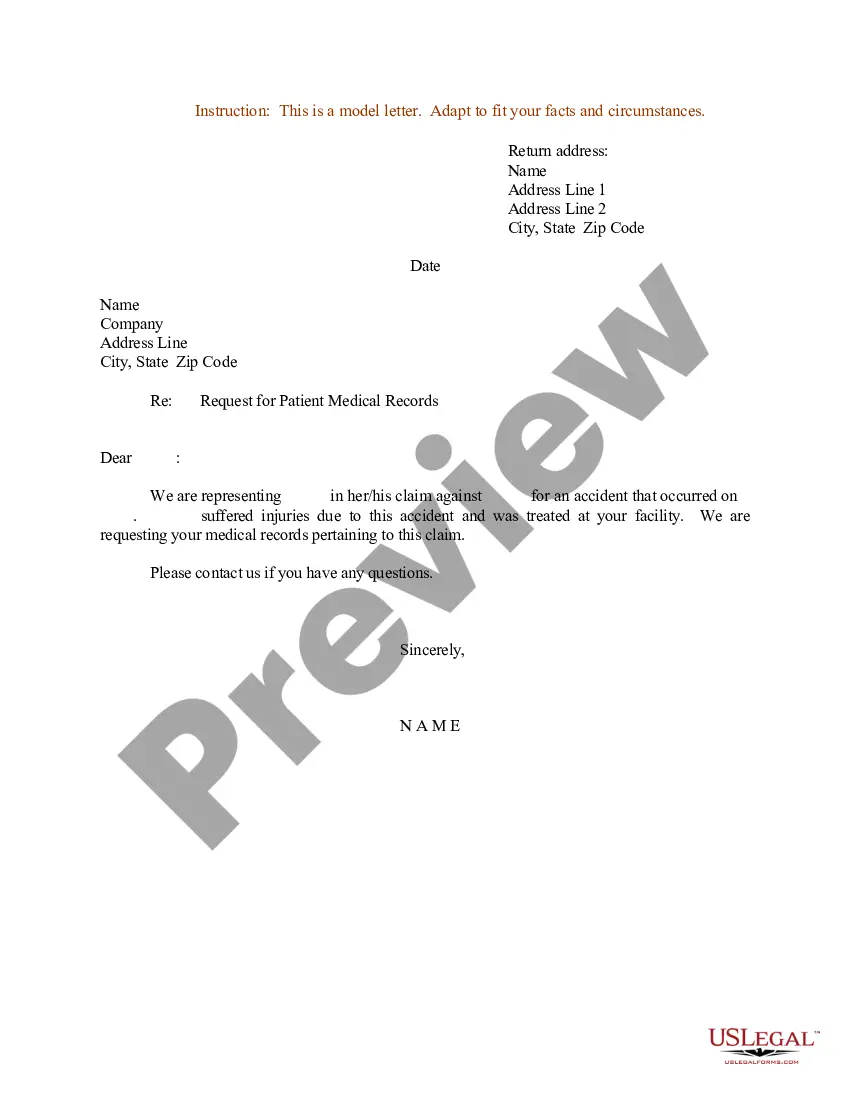
Form popularity
FAQ
Your landlord can end the let at any time by serving a written 'notice to quit'. The notice period will depend on the tenancy or agreement, but is often at least 4 weeks.
The landlord can enter at reasonable times to inspect the premises, make repairs, or show the premises to prospective tenants. The landlord usually must give 12 hours notice before entry, unless immediate entry is necessary to preserve or protect the premises, such as in case of a fire or a burst water pipe.
The moratorium is designed to protect tenants from being evicted during the COVID-19 pandemic, but it may not provide enough protection for Wisconsin's struggling renters.In order to avoid eviction, a tenant needs to provide landlords with a signed copy of the CDC declaration.
If you are renting by the month, the landlord may terminate the rental agreement by giving you a written termination notice at least 28 days before the next rent due date. You must use the same procedure in notifying the landlord of your intent to terminate the rental agreement, Wis.
In Wisconsin, a landlord can evict a tenant for a variety of reasons, such as tenant nonpayment of rent or violation of rental or lease agreement term. Depending on the circumstances, a tenant facing an eviction may have the legal grounds, or a defense, to challenge the eviction.
A. In a month-to-month tenancy, the landlord may raise the rent after giving the tenant 45 days' written notice.
In Wisconsin, tenants are legally able to withhold rent. The tenant may withhold rent for failure to provide essential services, including, but not limited to: The landlord failing to repair.
Landlords are prohibited from harassing or retaliating against tenants who exercise their legal rights. In Wisconsin, the landlord must not terminate, refuse to renew a lease, or fine a tenant for complaining to the landlord regarding the deposit, complaining to a government agency, or exercising a legal right.