Washington Storage Business Package
Overview of this form package
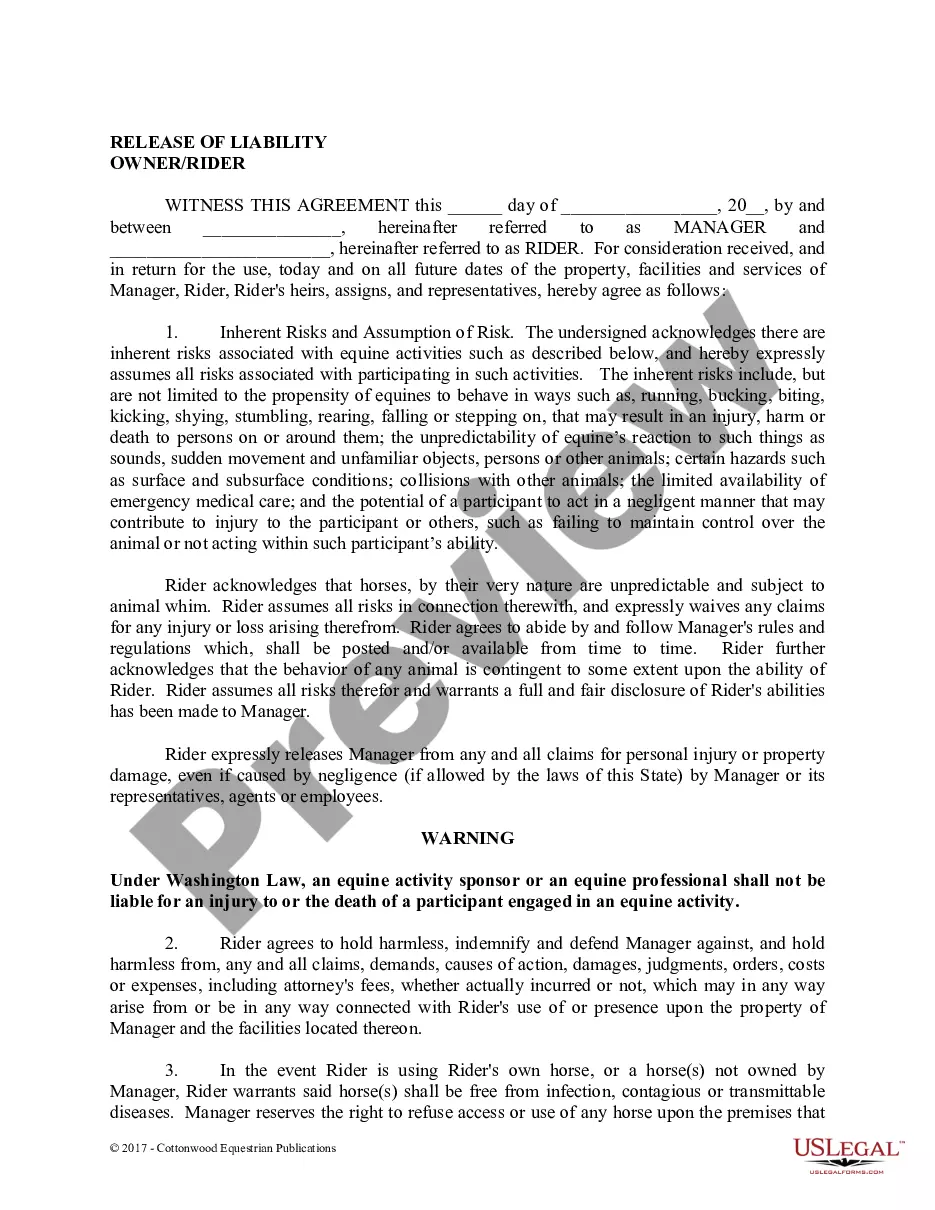
The Washington Storage Business Package is a comprehensive set of legal forms tailored for storage business owners. This package is designed to facilitate storage services while minimizing potential litigation risks. Unlike generic form packages, this specifically addresses the nuances of storage agreements and related legal requirements, providing forms necessary for various scenarios that a storage business may encounter.
Forms you’ll find in this package
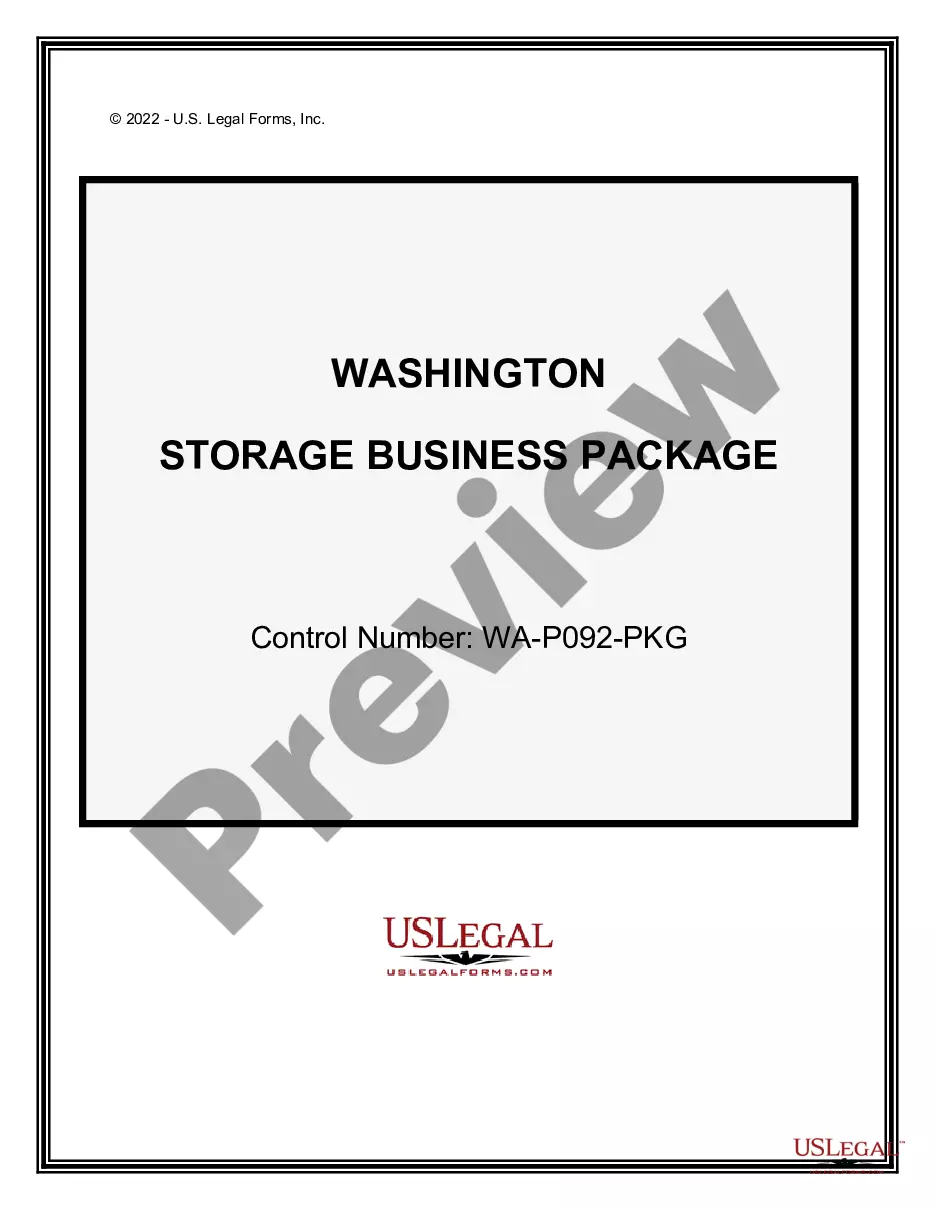
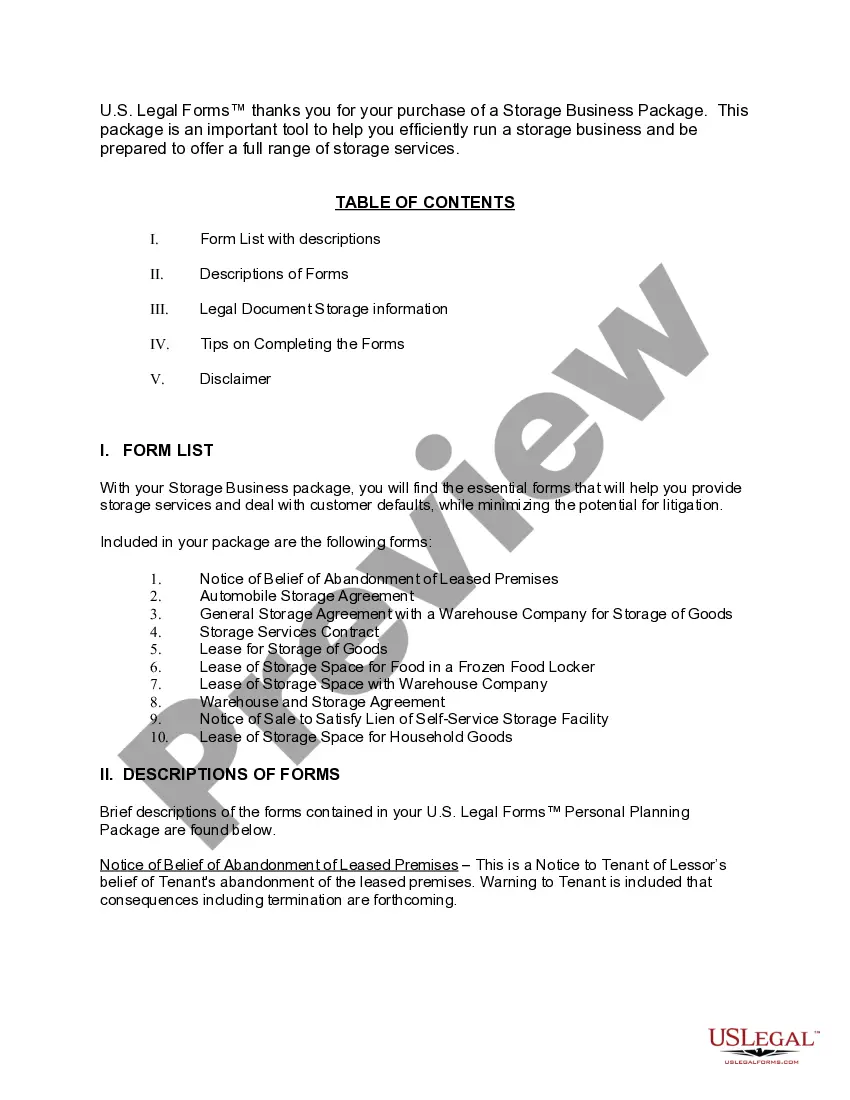
- Lease for Storage of Goods
- Notice of Sale to Satisfy Lien of Self-Service Storage Facility
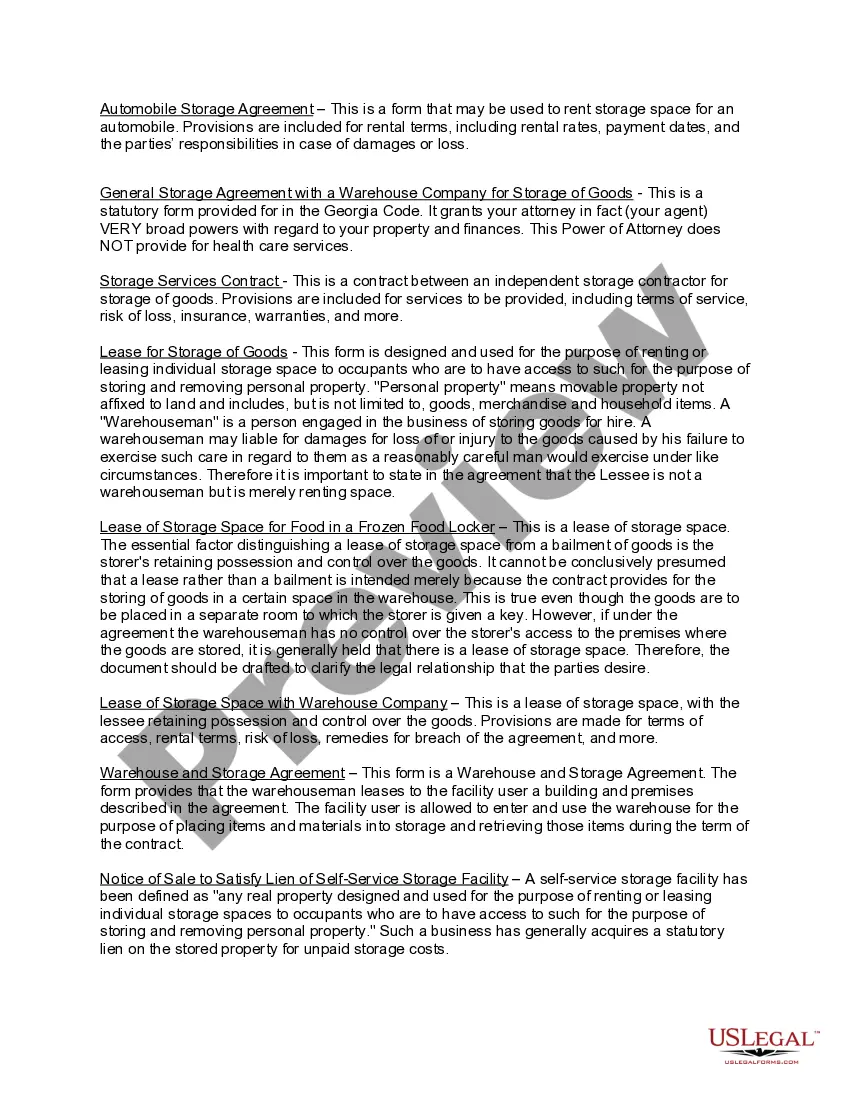
- Automobile Storage Agreement
- Lease of Storage Space for Food in a Frozen Food Locker
- Lease of Storage Space with Warehouse Company
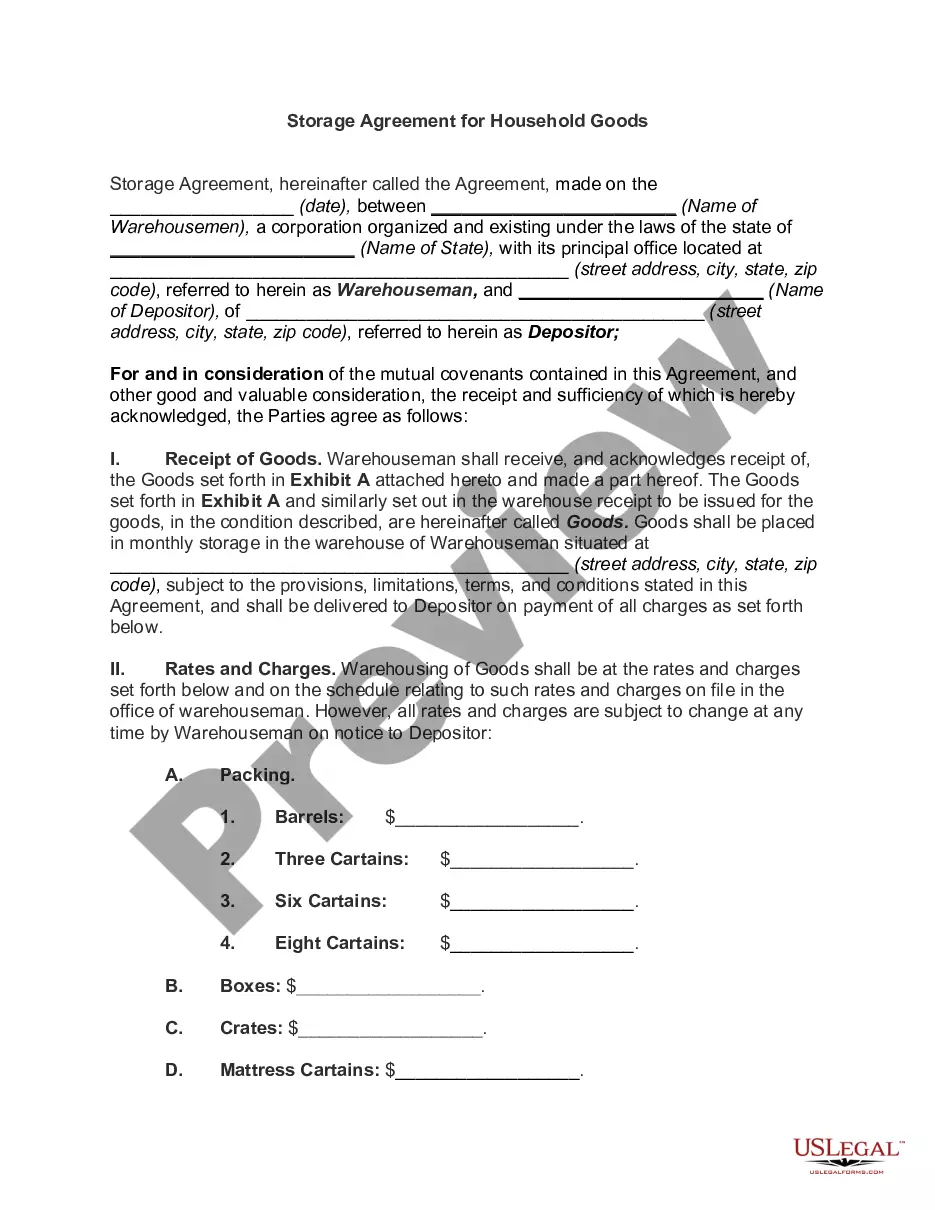
- General Storage Agreement with a Warehouse Company for Storage of Goods
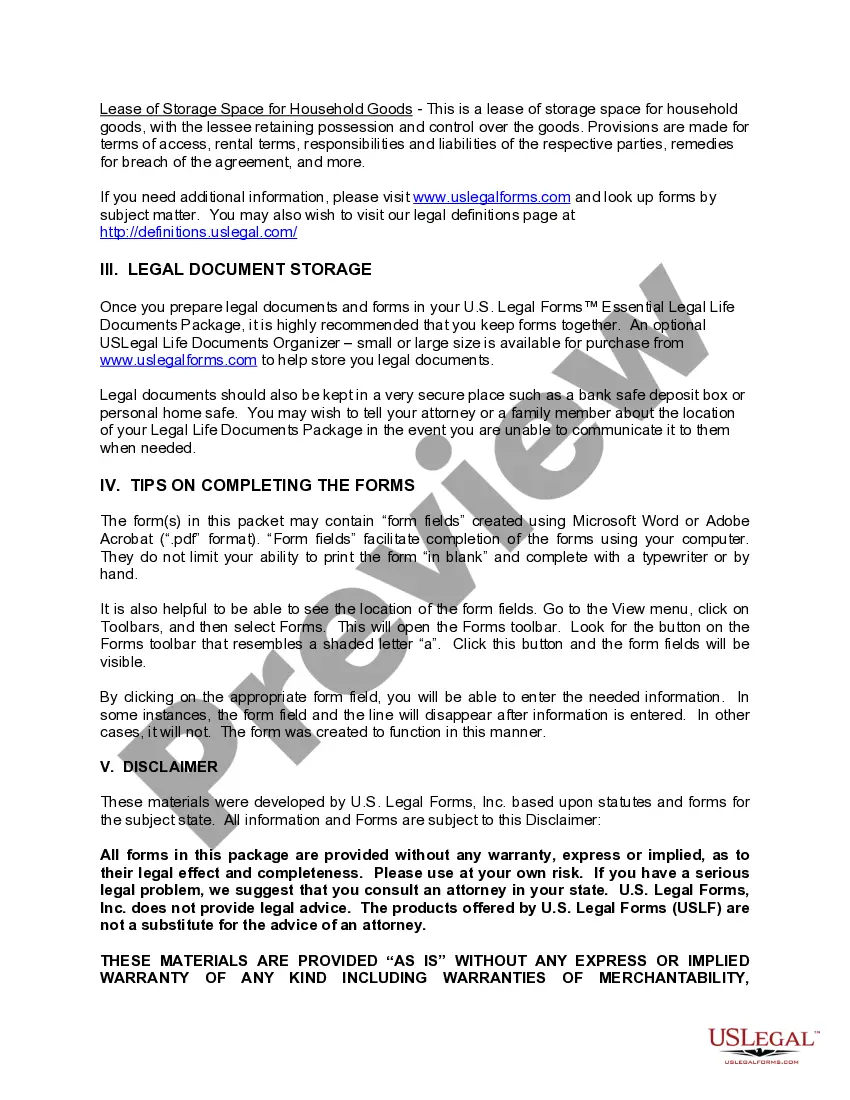
- Lease of Storage Space for Household Goods
- Warehouse and Storage Agreement
- Notice of Belief of Abandonment of Leased Premises
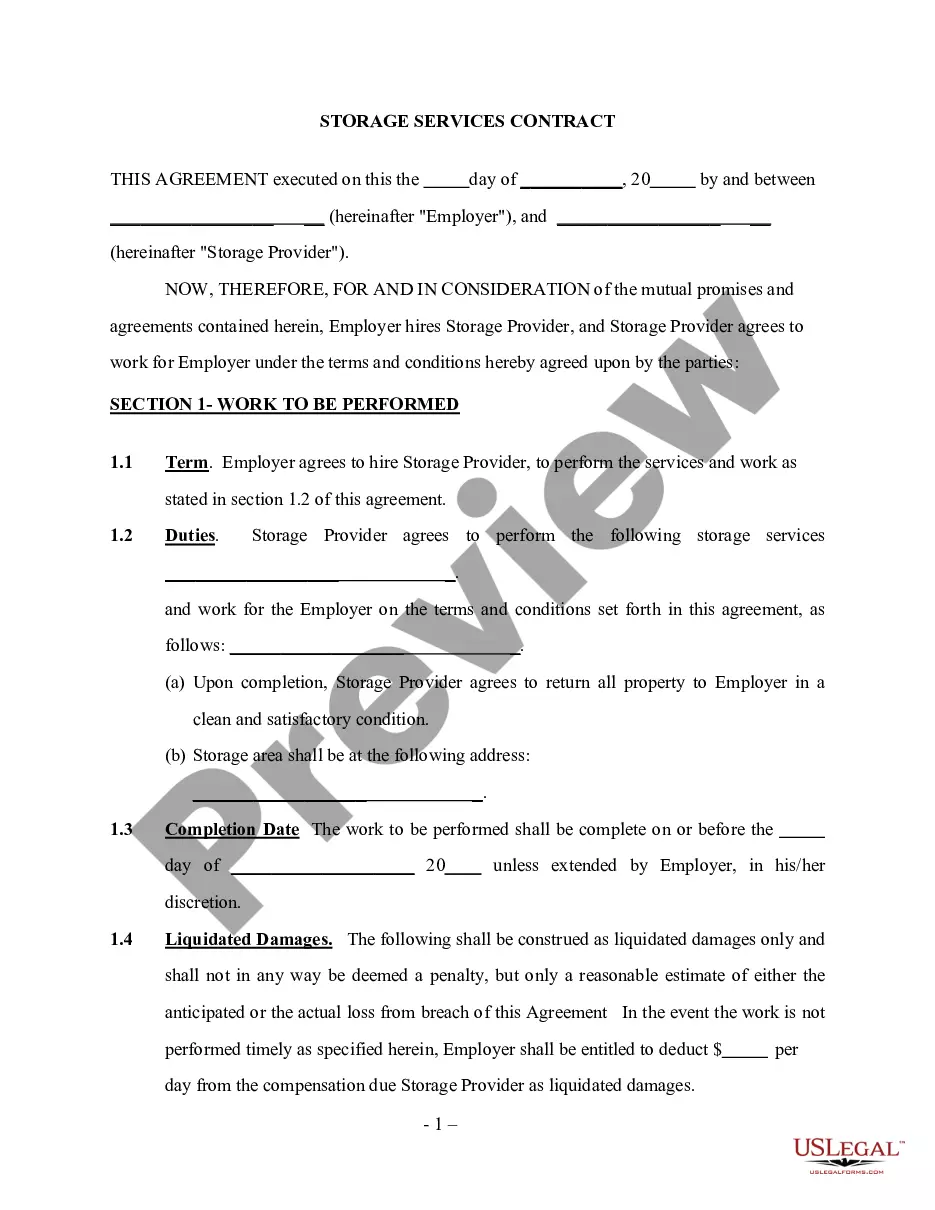
- Storage Services Contract - Self-Employed

Situations where these forms applies
This package is essential in several scenarios, including:
- Establishing storage contracts with clients for personal property, automobiles, or household goods.
- Managing customer defaults and dealing with abandoned property.
- Establishing terms for the rental or lease of storage spaces, particularly for unique items like food in frozen food lockers.
- Providing notifications for lien sales in accordance with Washington laws.
Who this form package is for
- Storage business owners in Washington state.
- Individuals and companies looking to establish legally binding agreements for storage services.
- Property managers who need to cover various types of storage transactions.
- Legal representatives assisting clients in the storage industry.
Steps to complete these forms
- Review the included forms to identify those that meet your business needs.
- Gather necessary information, including customer details, terms of service, and property specifics.
- Complete each form by entering the required information in the designated fields.
- Have all parties involved review the agreements for accuracy and clarity.
- Sign the completed forms where indicated and provide copies to all parties.
Notarization details for included forms
Forms in this package usually don’t need notarization, but certain jurisdictions or signing circumstances may require it. US Legal Forms provides a secure online notarization option powered by Notarize, accessible 24/7 from anywhere.
Get your form ready online
Our built-in tools help you complete, sign, share, and store your documents in one place.
Make edits, fill in missing information, and update formatting in US Legal Forms—just like you would in MS Word.
Download a copy, print it, send it by email, or mail it via USPS—whatever works best for your next step.
Sign and collect signatures with our SignNow integration. Send to multiple recipients, set reminders, and more. Go Premium to unlock E-Sign.
If this form requires notarization, complete it online through a secure video call—no need to meet a notary in person or wait for an appointment.
We protect your documents and personal data by following strict security and privacy standards.

Make edits, fill in missing information, and update formatting in US Legal Forms—just like you would in MS Word.

Download a copy, print it, send it by email, or mail it via USPS—whatever works best for your next step.

Sign and collect signatures with our SignNow integration. Send to multiple recipients, set reminders, and more. Go Premium to unlock E-Sign.

If this form requires notarization, complete it online through a secure video call—no need to meet a notary in person or wait for an appointment.

We protect your documents and personal data by following strict security and privacy standards.
Mistakes to watch out for
- Failing to include all necessary details in the agreements, such as rental rates and payment terms.
- Not clearly defining the rights and responsibilities of all parties involved.
- Neglecting to adjust terms based on the type of items being stored, especially for food items.
- Overlooking specific state regulations that pertain to storage facilities and landlord-tenant relationships.
Advantages of online completion
- Convenient access to legally vetted forms that can be downloaded and filled out at your own pace.
- Editability for customization to fit specific business needs.
- Reliability of documents drafted by licensed attorneys with expertise in the field of storage law.
Legal use & context
- These agreements provide a legal framework for managing storage relationships with clients.
- Properly executed forms help protect your business from potential litigation.
- Use of these forms demonstrates good business practices and compliance with Washington state laws.
Quick recap
- The Washington Storage Business Package provides a variety of essential legal forms for storage business owners.
- It is crucial for establishing contracts, managing defaults, and complying with state regulations.
- Completion of the forms should be thorough to avoid common pitfalls and ensure legal protection.
Looking for another form?
Form popularity
FAQ
Cold storage is a highly profitable business, in both developing and developed countries. There is good demand for two types of cold storage as per the storage facility. One model is used for specific products and another one is for multipurpose.
For many real estate investors, self-storage is an appealing asset class because it has large income potential with low overhead, fewer construction costs than other commercial real estate (CRE) sectors, and relatively low ongoing management.Cash flow with large income potential. Low construction and building costs.
The typical self storage development cost ranges from $34 to $42 per gross building square foot. Again, this variance is dependent on land, construction and cost of financing.
This means the containers can't be purchased with a reseller permit (WAC 458-20-211). You do not have to pay sales tax or use tax on storage containers (and other related equipment) that is rented to customers at the customer's location.
Per month Storage prices per month vary, depending on the level of demand, but are the most common way that most customers pay for the storage. Smaller units cost $50 per month. Larger self-storage units have an average cost of $300.
The Cost of Construction Once you begin construction of the building, if you're going to build single story units, you can expect to pay $25 to $40 per square foot you build. If you want a multi-story building, costs will be around $42 to $70 per square foot.
Self-storage is an excellent investment if you own land. Choose your location carefully and check out the competition. Use new (one trip) shipping containers. Use one trusted supplier and range. Invest in good container padlocks. Use standing orders or direct debits for rentals. Consider condensation treatment for containers.
Typically, a self-storage facility still makes a profit at 60% to 70% of full occupancy. Currently, the industry average occupancy stands near 90%, according to Statista. Nevertheless, experts say it takes one to two years to reach 90% capacity. Many self-storage owners run family operations.
Typically, a self-storage facility still makes a profit at 60% to 70% of full occupancy. Currently, the industry average occupancy stands near 90%, according to Statista. Nevertheless, experts say it takes one to two years to reach 90% capacity. Many self-storage owners run family operations.