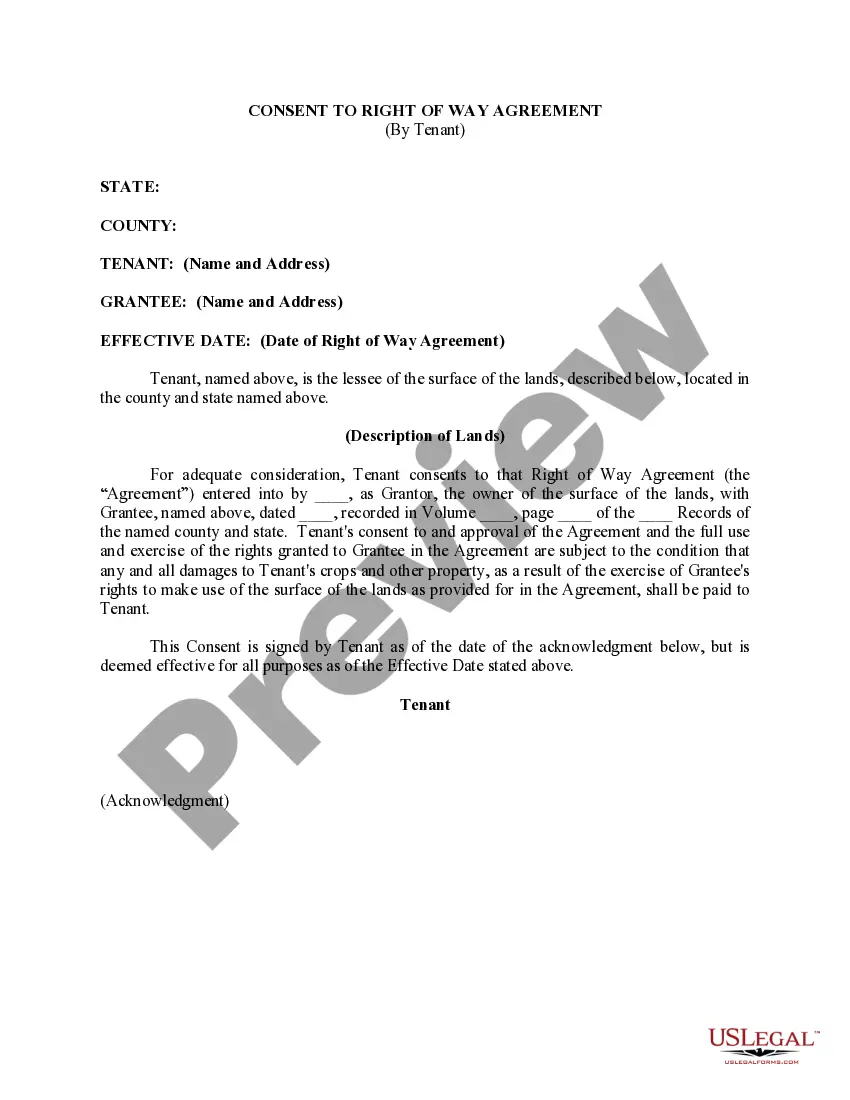
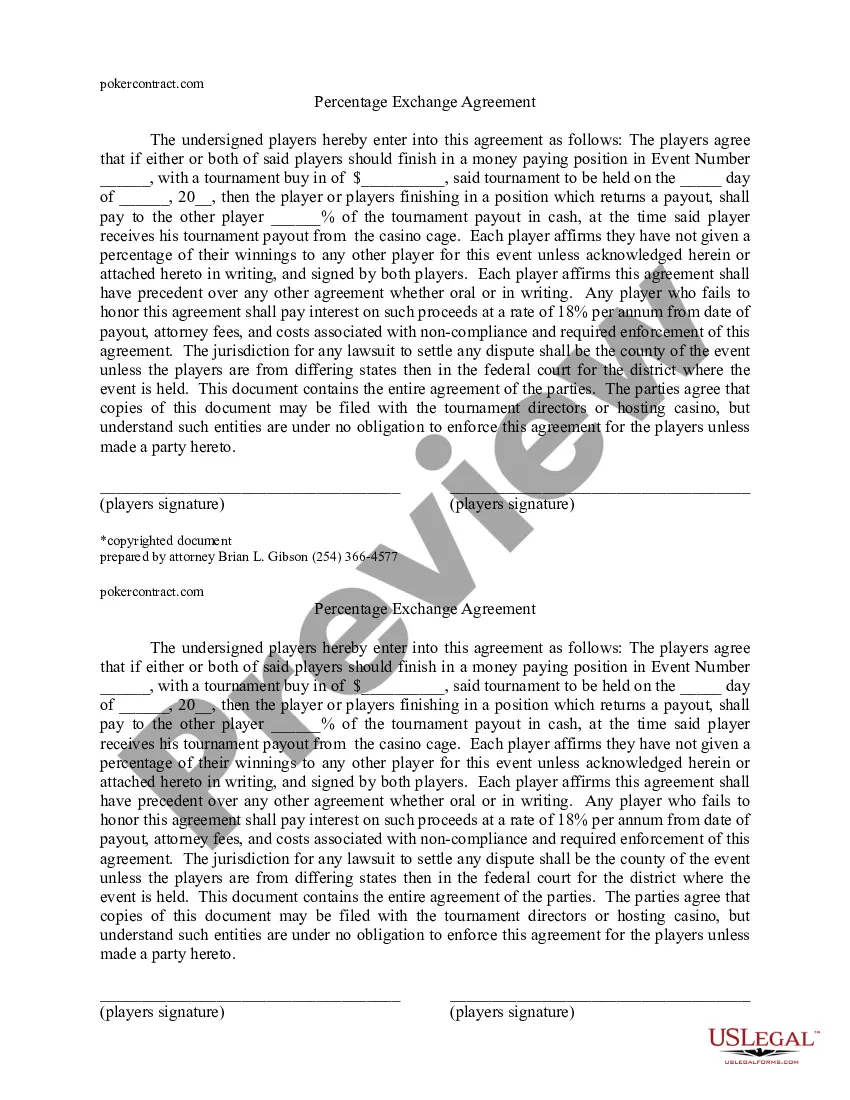
Vermont Percentage Exchange Agreement
Description
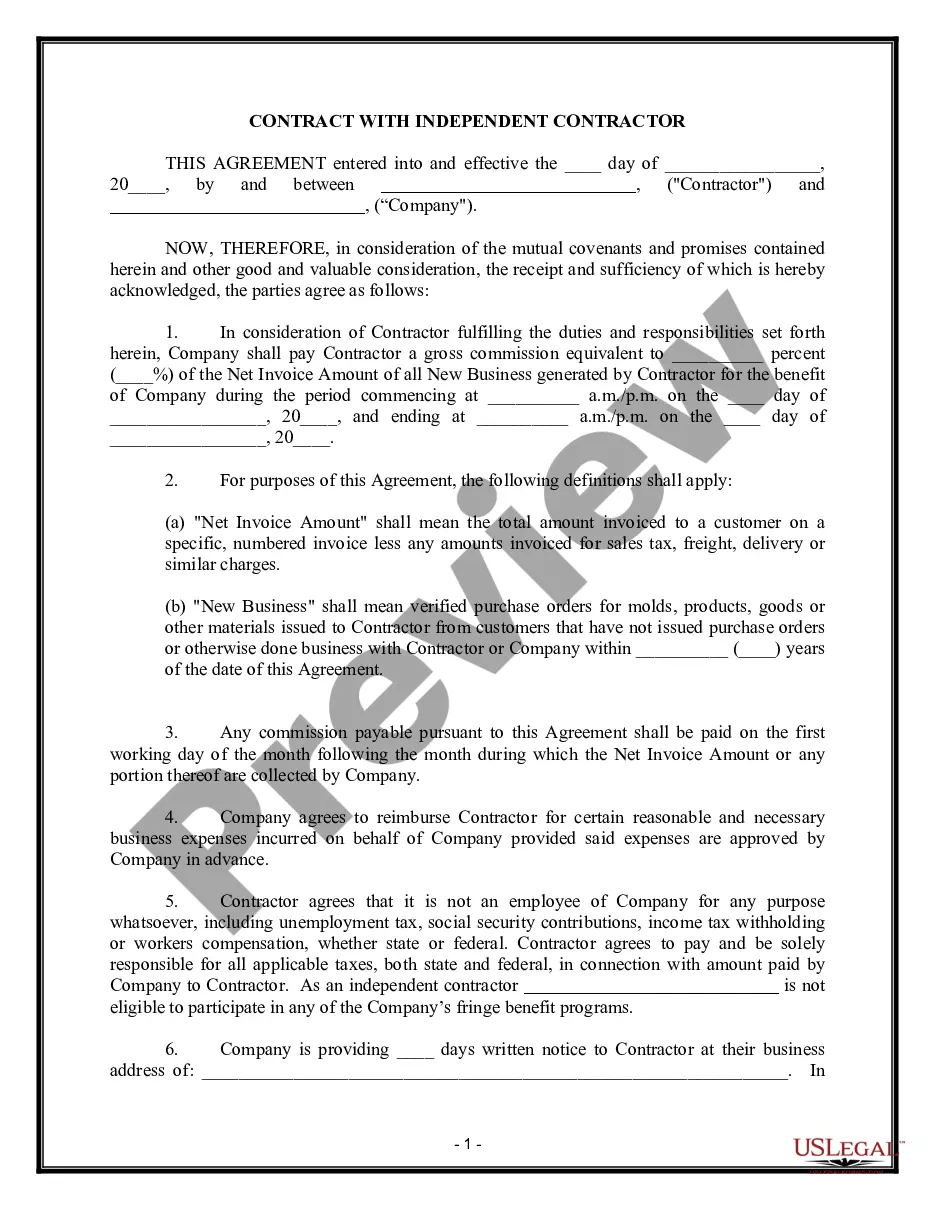
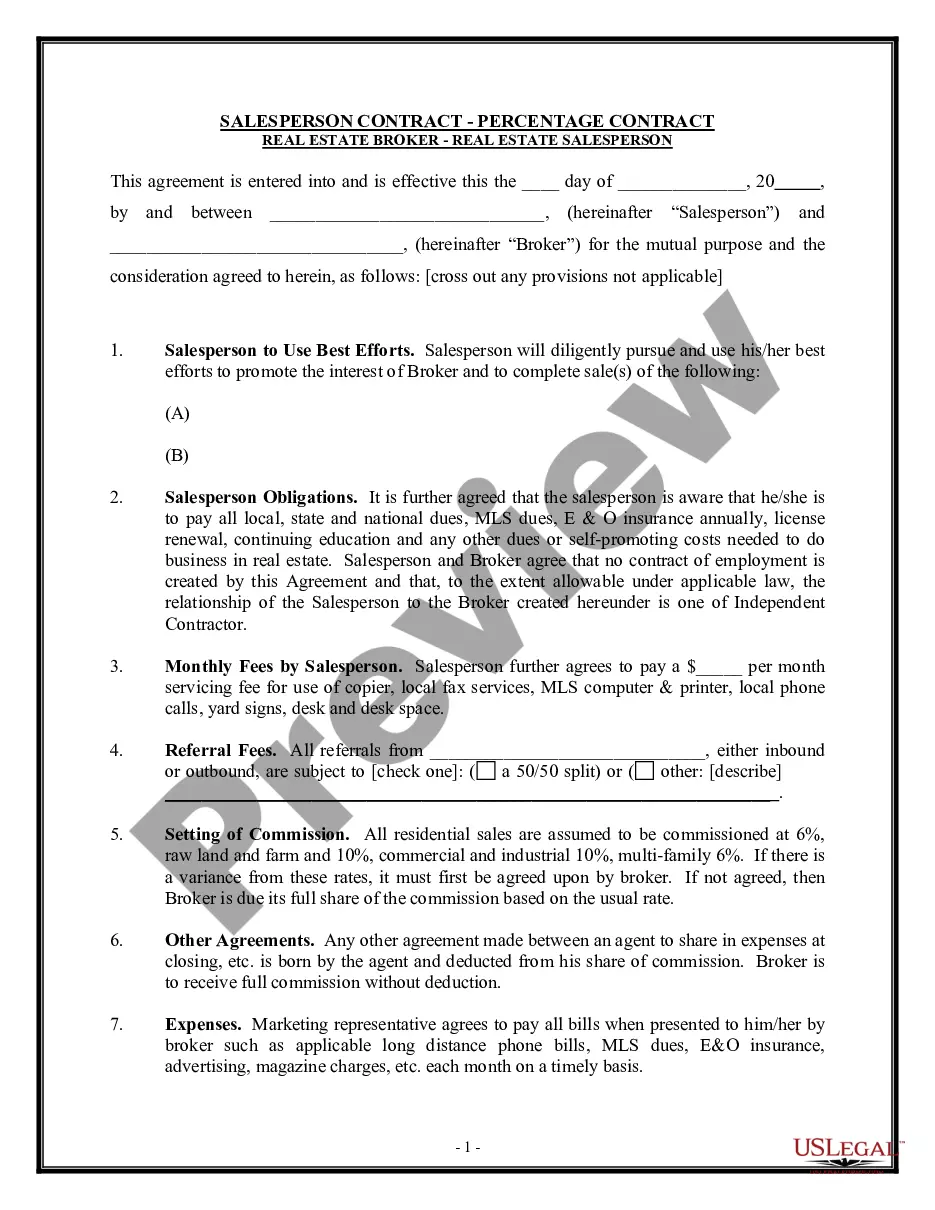
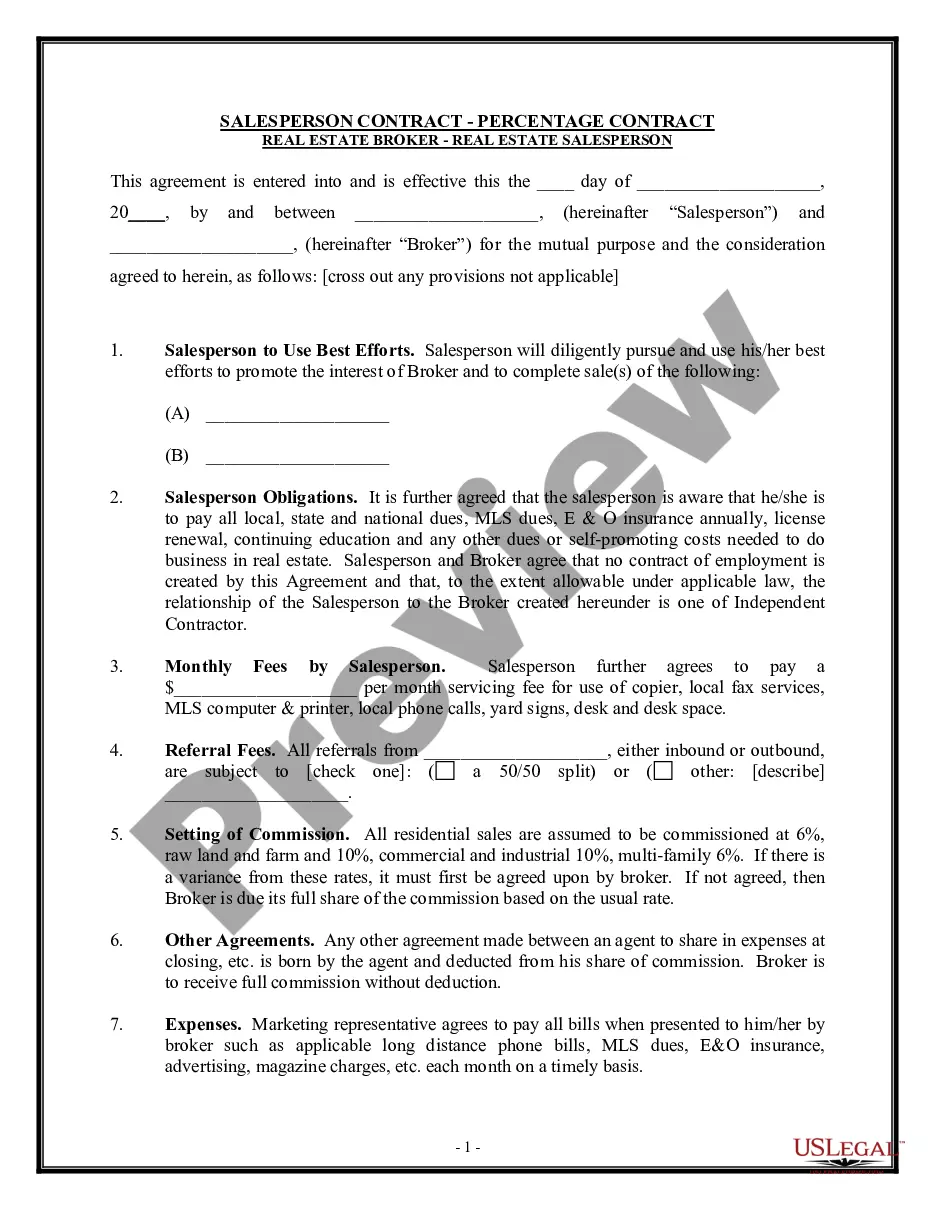
How to fill out Percentage Exchange Agreement?
Locating the appropriate legal document web template can be challenging. Clearly, there are numerous templates accessible online, but how can you find the legal form you require? Utilize the US Legal Forms website. This service provides a vast array of templates, including the Vermont Percentage Exchange Agreement, which can be utilized for both business and personal purposes. All forms are reviewed by professionals and comply with state and federal regulations.
If you are already registered, Log In to your account and click the Download button to acquire the Vermont Percentage Exchange Agreement. Use your account to browse through the legal forms you have previously purchased. Navigate to the My documents section of your account to obtain another copy of the documents you require.
If you are a new user of US Legal Forms, here are some simple steps you can follow: First, ensure you have selected the correct form for your city/region. You can review the document using the Review button and read the form description to confirm that it is suitable for you. If the form does not meet your requirements, utilize the Search field to find the appropriate form. Once you are confident that the form is correct, click the Buy now button to purchase the document. Select the payment plan you desire and enter the necessary information. Create your account and complete the transaction using your PayPal account or credit card. Choose the file format and download the legal document template to your device. Complete, modify, print, and sign the obtained Vermont Percentage Exchange Agreement.
US Legal Forms is the premier repository of legal forms where you can find various document templates. Use the service to obtain well-crafted documents that comply with state regulations.
- Locating the appropriate legal document web template can be challenging.
- Clearly, there are numerous templates accessible online.
- Utilize the US Legal Forms website.
- This service provides a vast array of templates.
- All forms are reviewed by professionals.
- If you are a new user of US Legal Forms, here are some simple steps you can follow.
Form popularity
FAQ
The in 113 tax form in Vermont is a document that relates to the reporting of property exchanges under the Vermont Percentage Exchange Agreement. This form captures essential details about the transaction and ensures proper documentation for tax purposes. Using platforms like uslegalforms can simplify the process of obtaining and completing this form accurately.
Section 113 of the Income Tax Act outlines the rules and regulations pertaining to property exchanges in Vermont. This section is particularly important for those engaged in a Vermont Percentage Exchange Agreement, as it establishes the criteria for qualifying transactions. Familiarizing yourself with this section can aid in effective tax planning.
The penalty for not complying with Section 113 can vary based on the severity of the violation. Failing to meet the requirements associated with the Vermont Percentage Exchange Agreement could lead to fines or additional tax liabilities. Staying informed and compliant can help you avoid these penalties.
The VT form 111 is a personal income tax return form utilized by residents of Vermont. This form is essential for reporting income, deductions, and credits, and it includes information relevant to the Vermont Percentage Exchange Agreement. Accurate completion of this form ensures adherence to state tax obligations.
The Section 113 deduction allows taxpayers in Vermont to reduce their taxable income based on specific criteria outlined in the law. This deduction is particularly relevant for those engaged in a Vermont Percentage Exchange Agreement, as it can help minimize tax liabilities associated with property exchanges. Always consult a tax professional to maximize your benefits.
The 183 day rule in Vermont refers to the criteria for determining residency for tax purposes. If you spend 183 days or more in Vermont during the year, you may be classified as a resident for tax purposes. Understanding this rule is essential when navigating your responsibilities under the Vermont Percentage Exchange Agreement, especially regarding tax implications.
The VT form 113 is a crucial document related to the Vermont Percentage Exchange Agreement. It is used to report the exchange of properties and ensure that the transaction adheres to state tax regulations. By completing this form, you help maintain transparency and compliance with Vermont's tax laws.
States like Vermont determine residency through various factors, including the duration of your physical presence, voter registration, and where you file taxes. Documentation such as utility bills, leases, and driver's licenses also serves as proof of residency. If you are considering a Vermont Percentage Exchange Agreement, establishing your residency status can impact your legal rights and obligations.
To avoid Vermont estate tax, you may consider strategies such as gifting assets during your lifetime or establishing irrevocable trusts. These methods can help reduce the taxable estate value. It is advisable to consult with experts in Vermont Percentage Exchange Agreements to navigate estate planning effectively and minimize tax liabilities.
In Vermont, the minimum acreage for a property to qualify for current use valuation is typically 25 acres for forest land and 10 acres for agricultural land. This designation can significantly lower your property taxes. If you plan to enter a Vermont Percentage Exchange Agreement, knowing these requirements can help you maximize your property’s value.