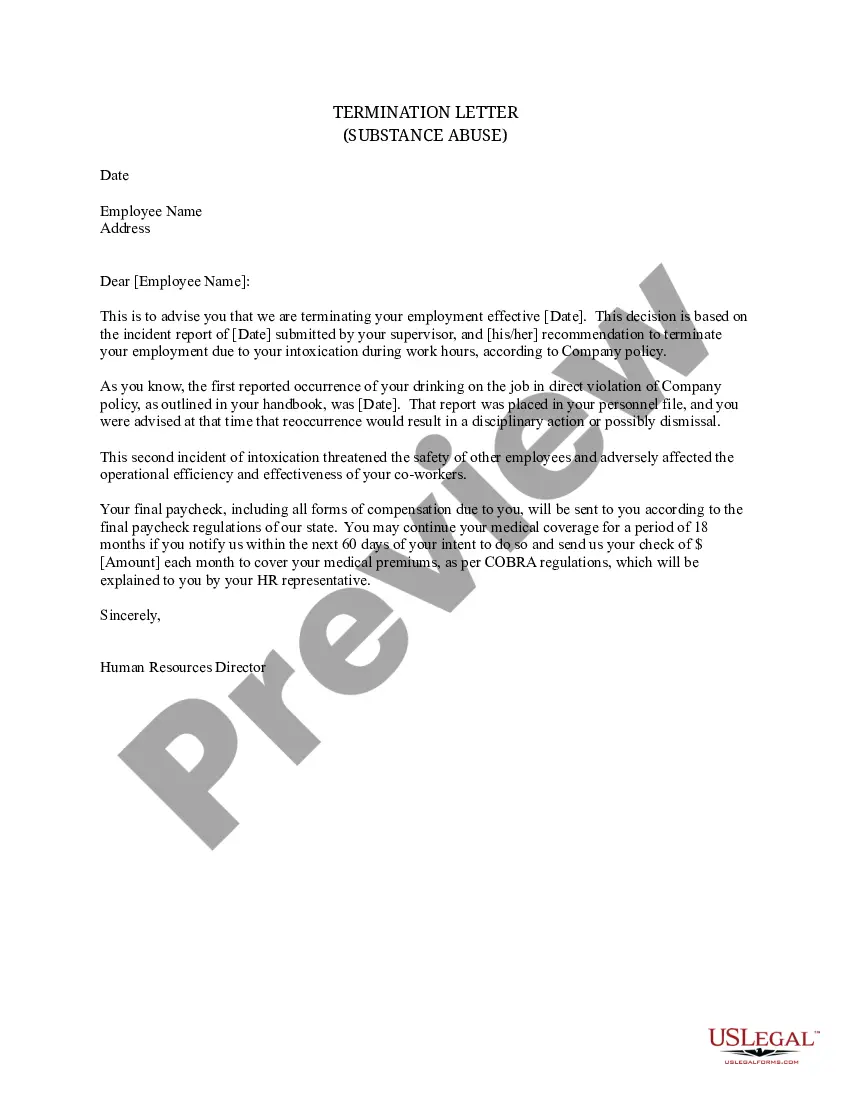
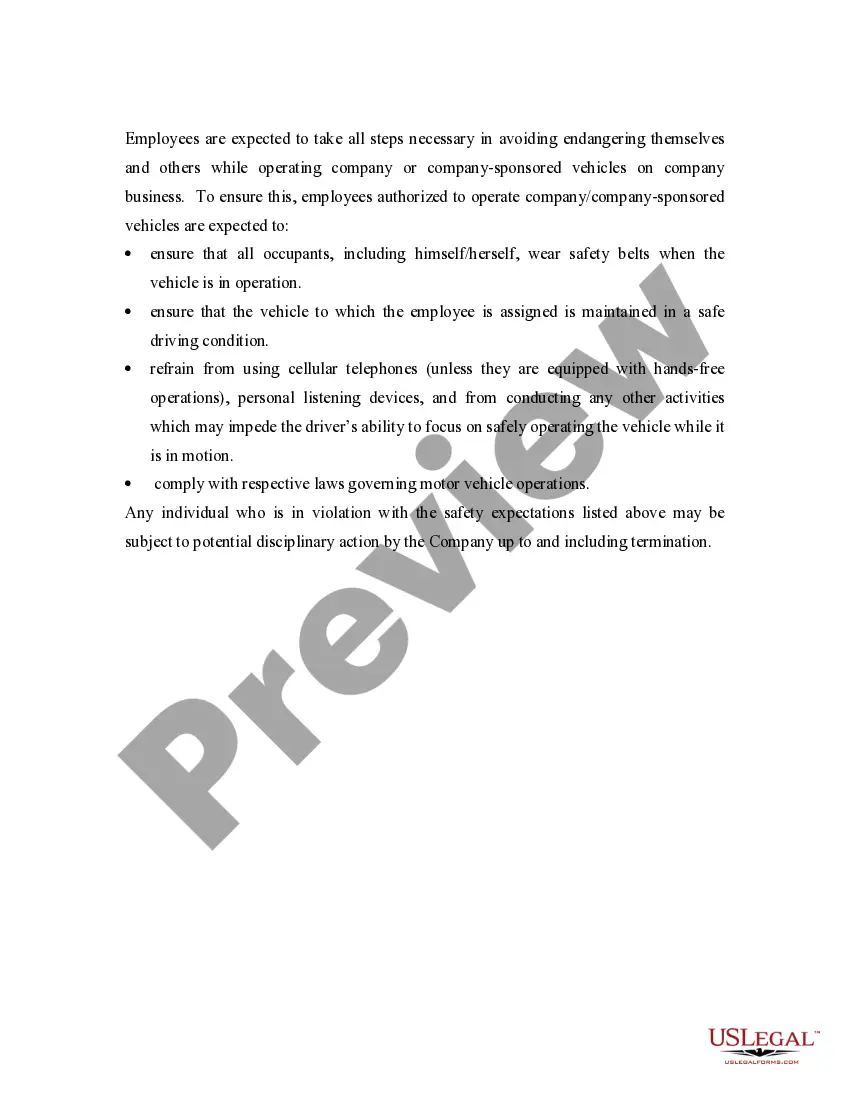
Vermont Vehicle Policy
Description
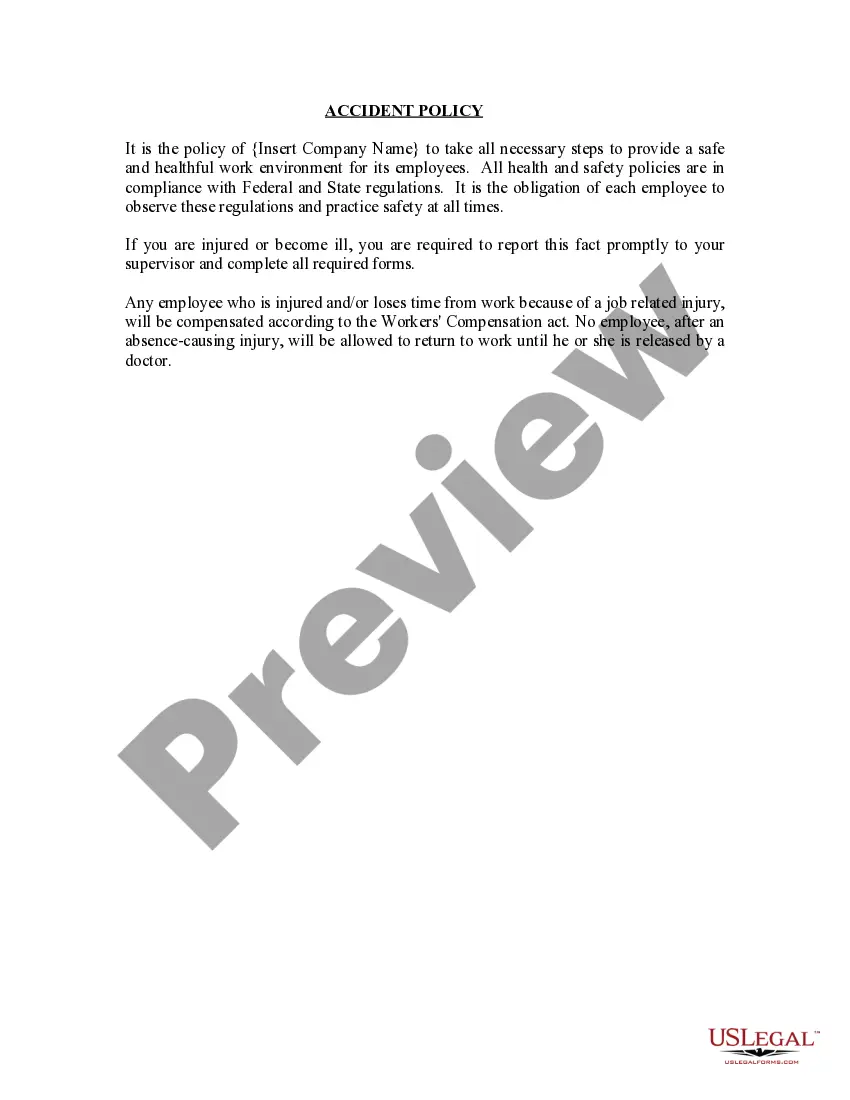
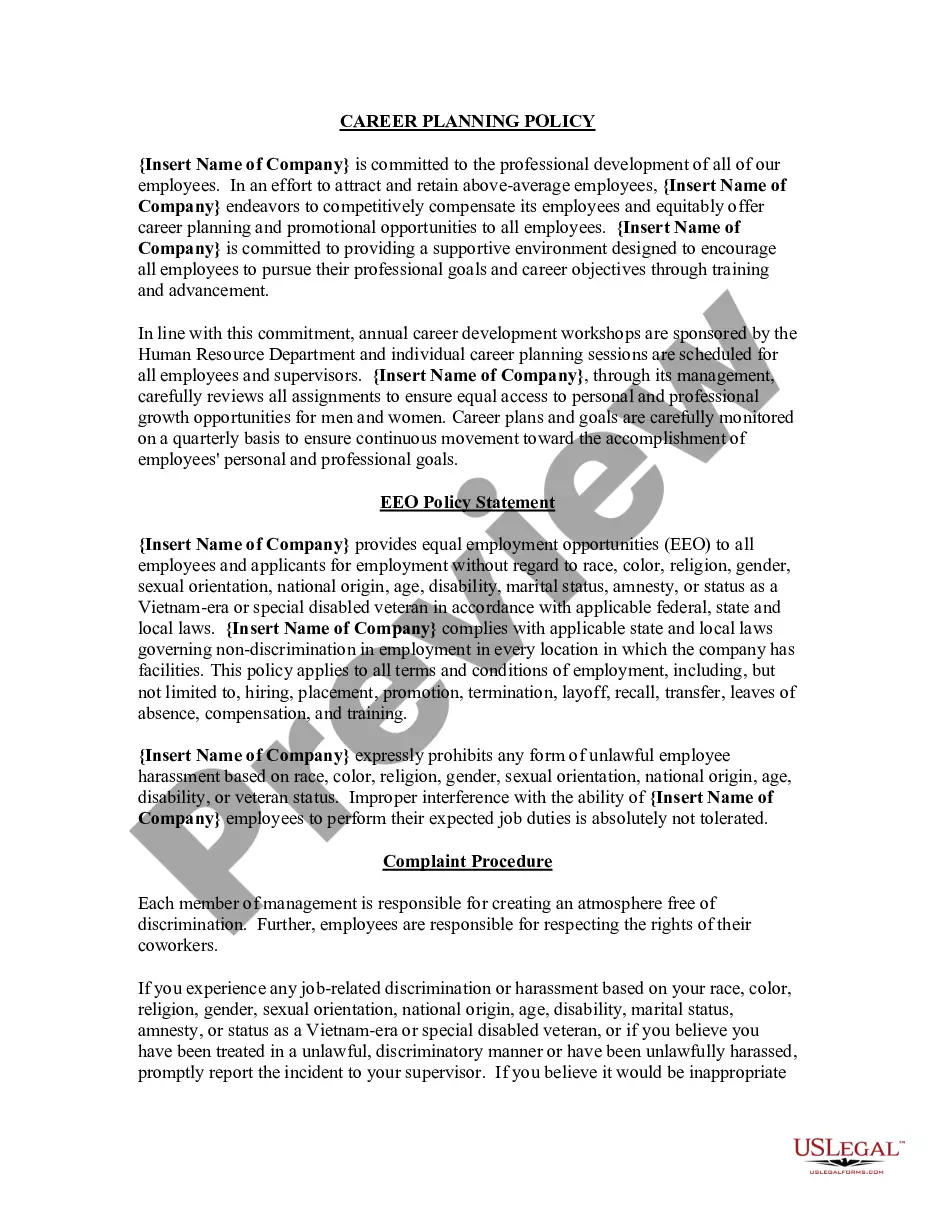
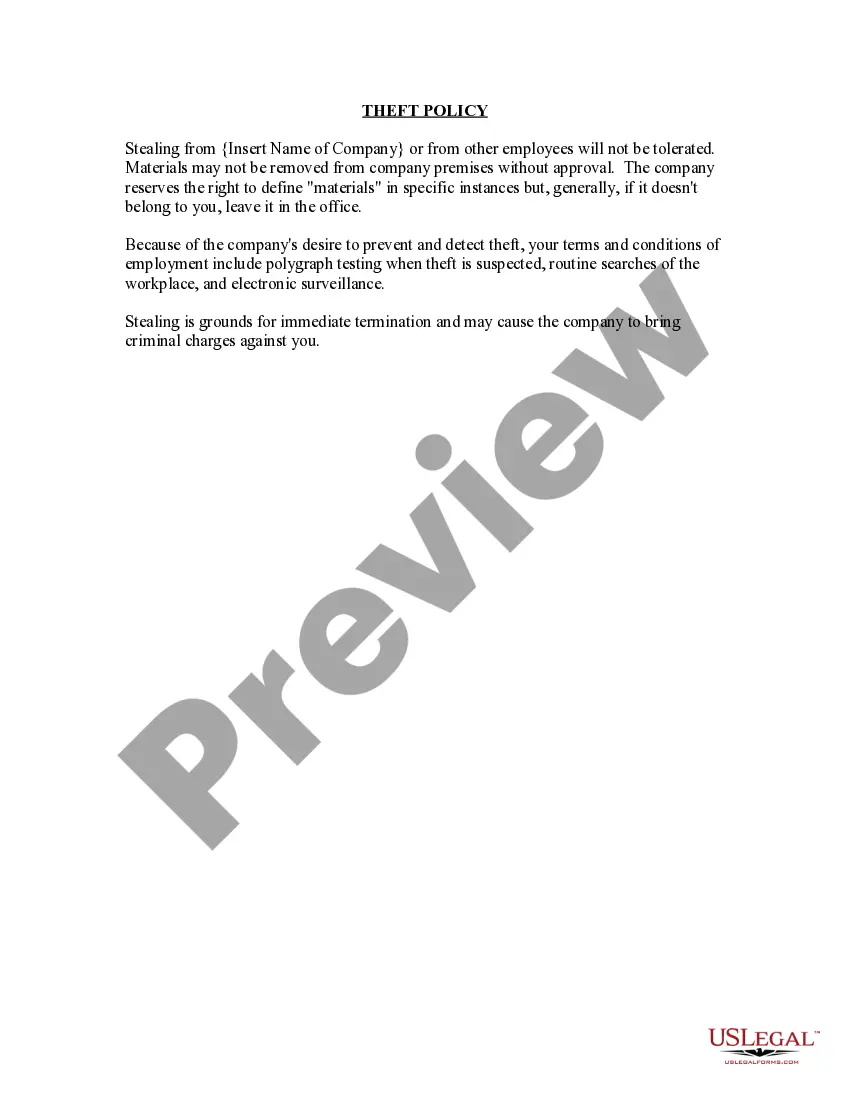
Get your form ready online
Our built-in tools help you complete, sign, share, and store your documents in one place.
Make edits, fill in missing information, and update formatting in US Legal Forms—just like you would in MS Word.
Download a copy, print it, send it by email, or mail it via USPS—whatever works best for your next step.
Sign and collect signatures with our SignNow integration. Send to multiple recipients, set reminders, and more. Go Premium to unlock E-Sign.
If this form requires notarization, complete it online through a secure video call—no need to meet a notary in person or wait for an appointment.
We protect your documents and personal data by following strict security and privacy standards.

Make edits, fill in missing information, and update formatting in US Legal Forms—just like you would in MS Word.

Download a copy, print it, send it by email, or mail it via USPS—whatever works best for your next step.

Sign and collect signatures with our SignNow integration. Send to multiple recipients, set reminders, and more. Go Premium to unlock E-Sign.

If this form requires notarization, complete it online through a secure video call—no need to meet a notary in person or wait for an appointment.

We protect your documents and personal data by following strict security and privacy standards.
Looking for another form?







How to fill out Vehicle Policy?
US Legal Forms - one of the largest collections of legal templates in the United States - offers a variety of legal document templates that you can download or create.
On the website, you can find thousands of documents for business and personal use, organized by categories, states, or keywords.
You can access the latest versions of documents like the Vermont Vehicle Policy in just a few minutes.
If the document does not fulfill your needs, use the Search box at the top of the screen to find the one that does.
If you are satisfied with the document, confirm your choice by clicking the Get now button. Then, select your preferred pricing plan and provide your credentials to register for an account.
- If you already hold a monthly plan, sign in to retrieve the Vermont Vehicle Policy from your US Legal Forms library.
- The Download button will appear on each document you view.
- You have access to all previously saved documents in the My documents section of your account.
- To utilize US Legal Forms for the first time, here are simple instructions to help you begin.
- Ensure you have selected the correct document for your city/county. Click the Review button to examine the content of the document.
- Read the document description to confirm that you have chosen the correct document.
Form popularity
FAQ
In the state of Vermont, it is illegal to drive any motor vehicle without car insurance. As the owner and operator of a vehicle, you must maintain proof of continuous insurance throughout your vehicle's registration period.
Vermont is an at-fault (or tort) state. That means the driver who causes an accident uses their insurance to pay for the other driver's bills from the collision.
If you are caught driving without insurance, you can face fines, license suspension, registration suspension and even jail time. Be sure to find an insurance policy right away if you own a car and are currently uninsured. Coverage can be expensive, but a lapse in coverage can be more expensive in the long run.
Vermont is Not a No Fault State for Car Accidents An individual who chooses not to purchase PIP coverage may seek compensation from the negligent driver's insurance provider in the event he or she is injured in an accident.
You could receive hefty fines, your insurance premiums are likely to increase, and you could even be disqualified from driving in certain circumstances.
Even though Vermont is the 2nd least populous state in the United States, Vermont's Financial Responsibility Law requires motorists to maintain liability insurance for the vehicle they drive.
Driving without evidence of financial responsibility is prohibited on the streets and highways of Vermont. Registered motorists who choose to drive uninsured are committing a traffic violation that could mean fines from $100 to $600 in total and license suspensions for an indefinite period.
Even though Vermont is the 2nd least populous state in the United States, Vermont's Financial Responsibility Law requires motorists to maintain liability insurance for the vehicle they drive.
For example, collision coverage (optional in Vermont) can pay for repairs to (or replacement of) your damaged vehicle after a car accident.
Driving without insurance is a serious offence which can result in an immediate disqualification from driving. A driving ban can often be in the region of 28 days but can also be substantially longer for repeat offences. For first offences, the Court would normally impose between 6 and 8 penalty points, but no ban.