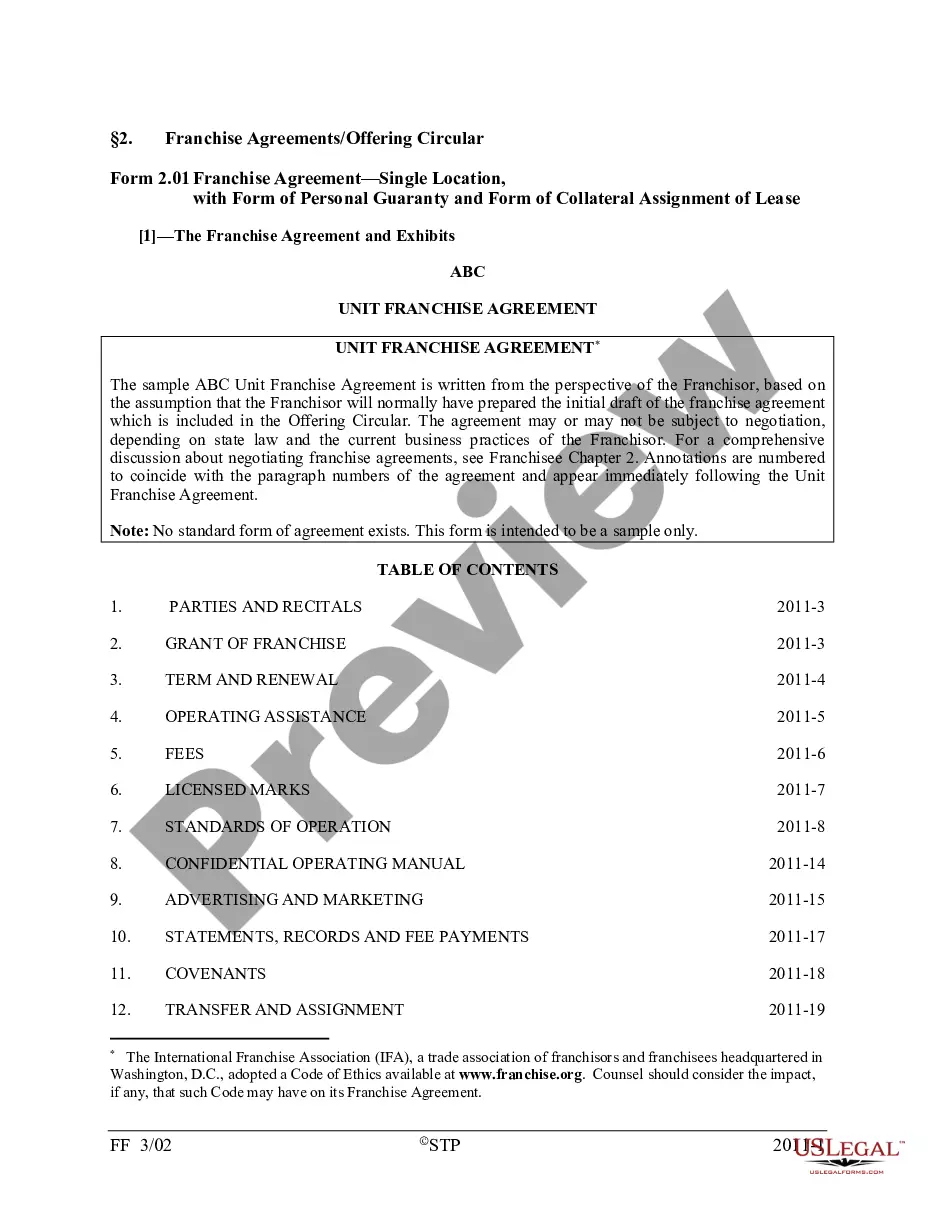
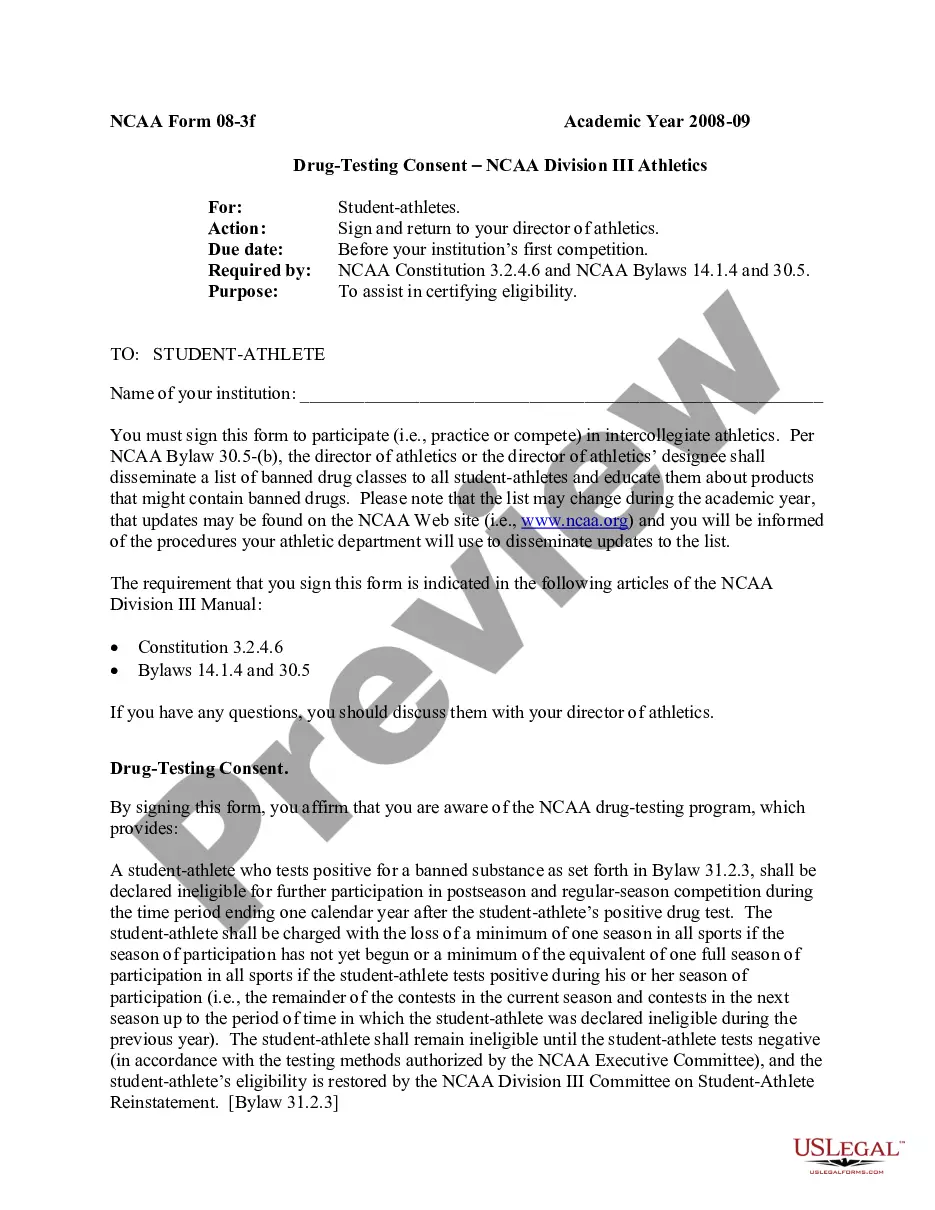
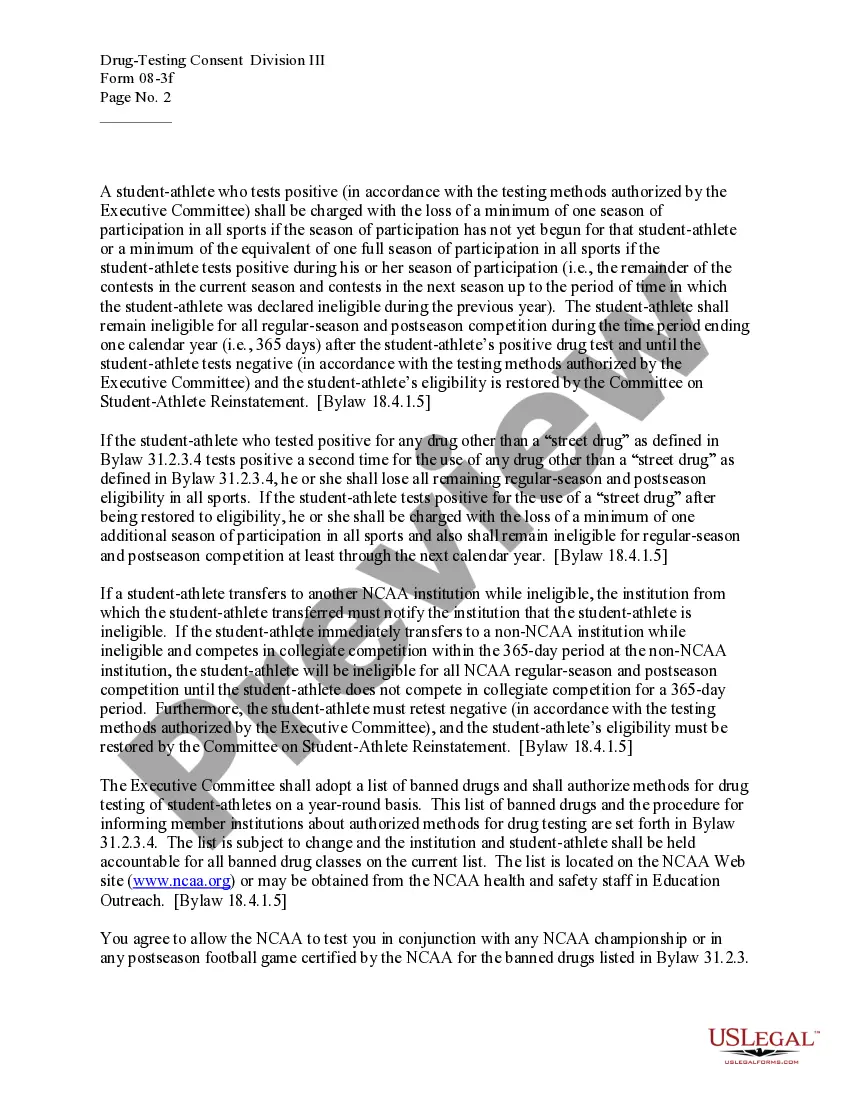
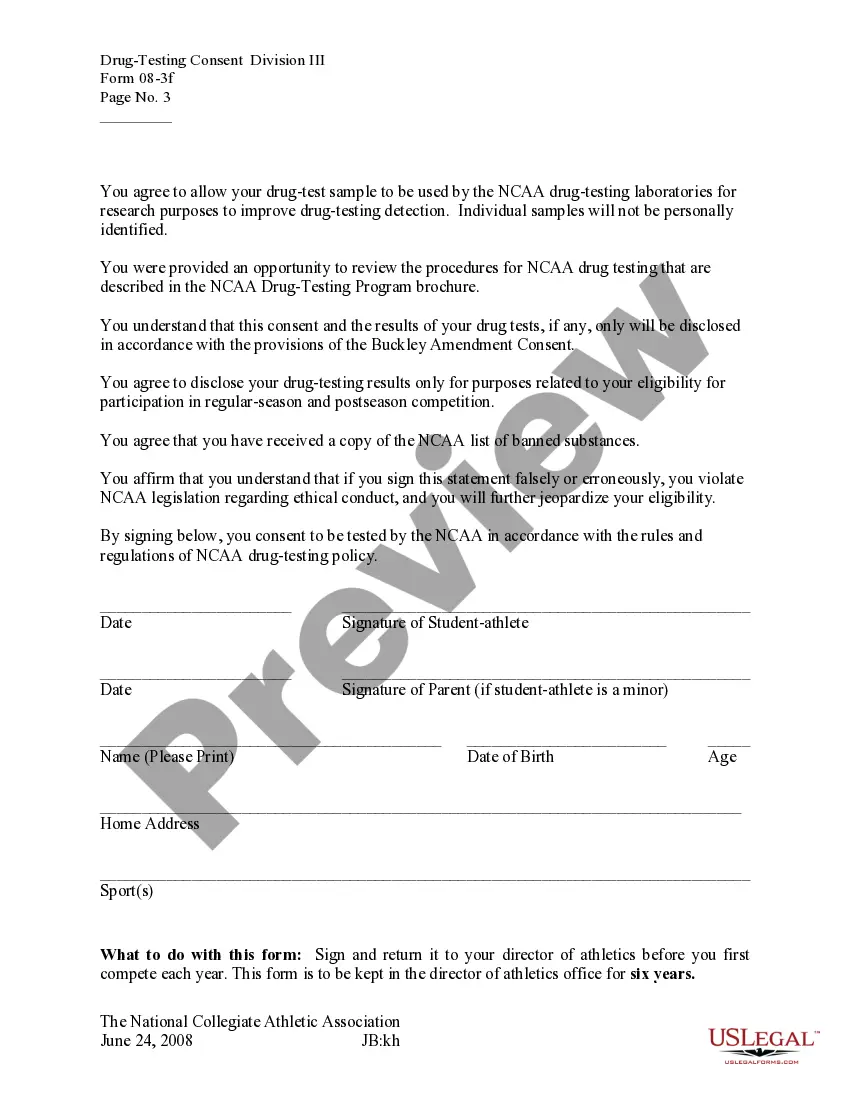
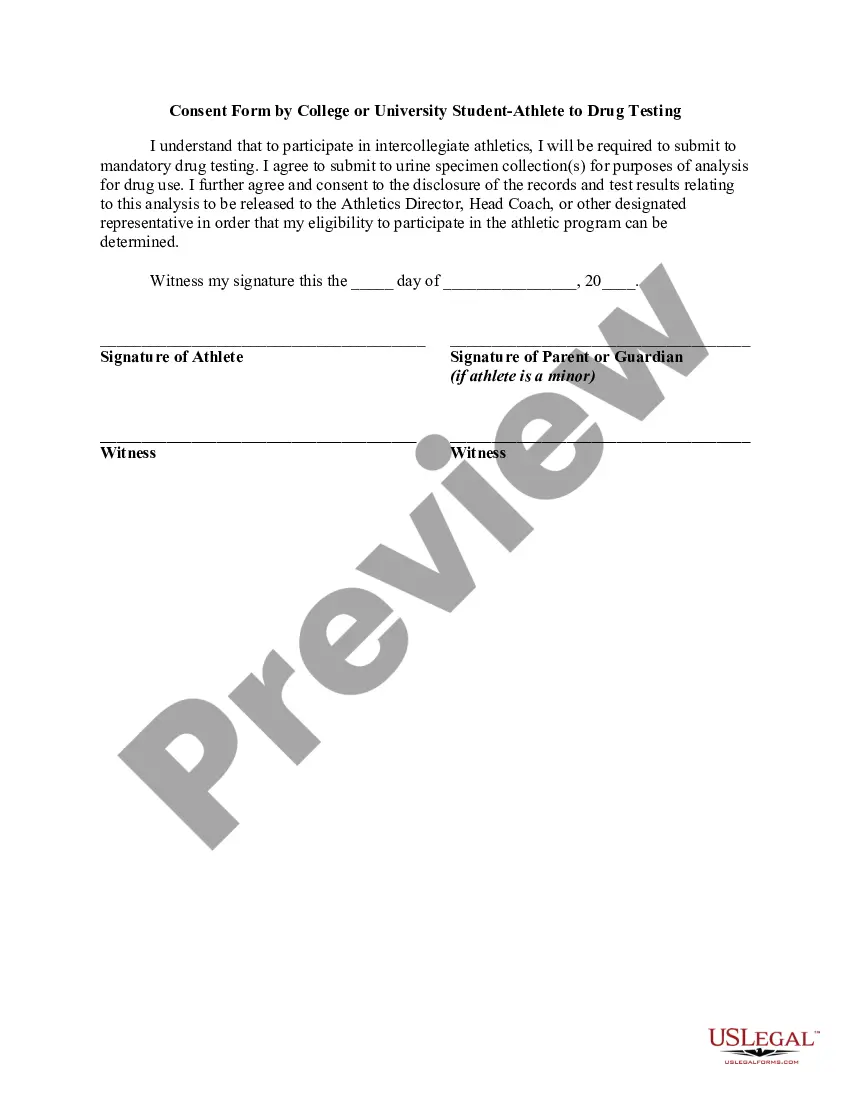
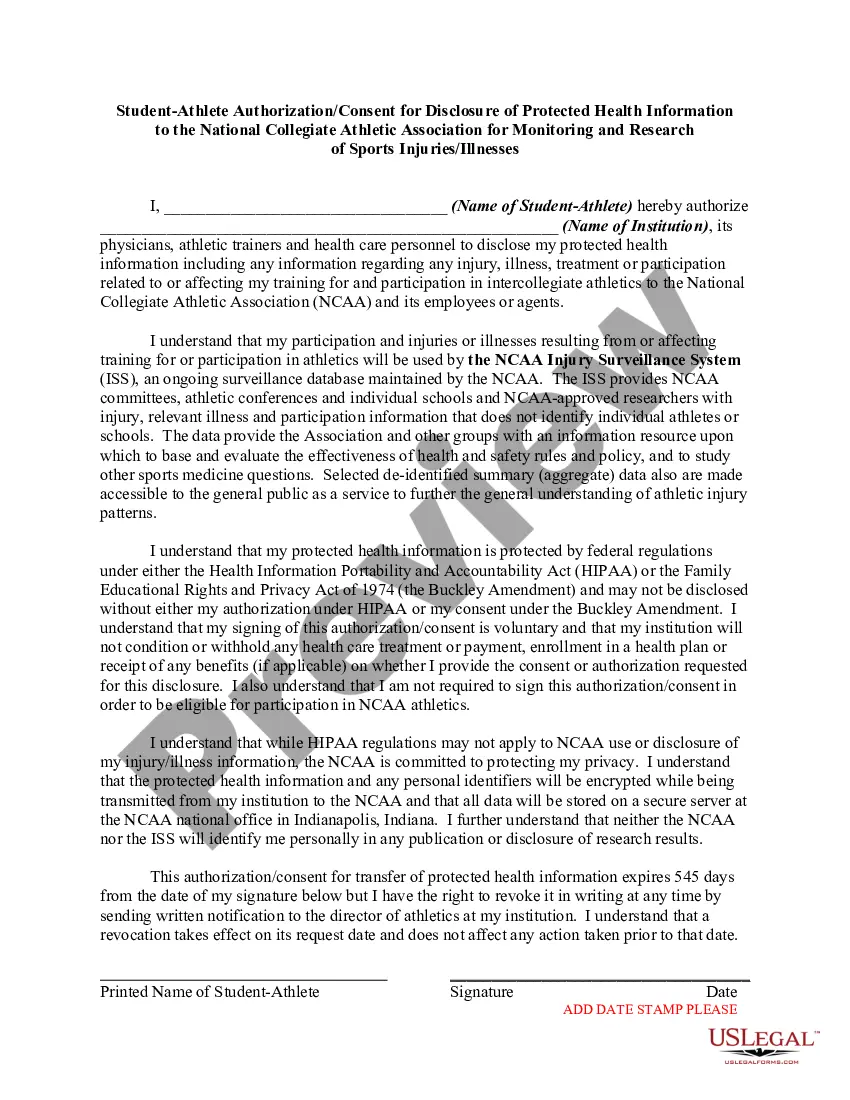
Intercollegiate student-athletes must sign a consent form in order to play college sports under the National Collegiate Athletic Association's policies.
Vermont Drug-Testing Consent for NCAA Division III Athletics
Category:
State:
Multi-State
Control #:
US-01718BG
Format:
Word;
Rich Text
Instant download
Description
Free preview
Get your form ready online
Our built-in tools help you complete, sign, share, and store your documents in one place.
Built-in online Word editor
Make edits, fill in missing information, and update formatting in US Legal Forms—just like you would in MS Word.
Export easily
Download a copy, print it, send it by email, or mail it via USPS—whatever works best for your next step.
E-sign your document
Sign and collect signatures with our SignNow integration. Send to multiple recipients, set reminders, and more. Go Premium to unlock E-Sign.
Notarize online 24/7
If this form requires notarization, complete it online through a secure video call—no need to meet a notary in person or wait for an appointment.
Store your document securely
We protect your documents and personal data by following strict security and privacy standards.

Make edits, fill in missing information, and update formatting in US Legal Forms—just like you would in MS Word.

Download a copy, print it, send it by email, or mail it via USPS—whatever works best for your next step.

Sign and collect signatures with our SignNow integration. Send to multiple recipients, set reminders, and more. Go Premium to unlock E-Sign.

If this form requires notarization, complete it online through a secure video call—no need to meet a notary in person or wait for an appointment.

We protect your documents and personal data by following strict security and privacy standards.
Looking for another form?
How to fill out Drug-Testing Consent For NCAA Division III Athletics?
Selecting the ideal legal document template may pose a challenge.
Clearly, there are numerous formats accessible on the internet, but how do you find the legal document you need.
Utilize the US Legal Forms website. The service offers a vast array of templates, such as the Vermont Drug-Testing Consent for NCAA Division III Athletics, which you can employ for both business and personal purposes.
First, ensure you have selected the correct form for your locality/county. You can browse the form using the Review button and examine the form description to confirm it is suitable for you.
- All of the forms are reviewed by experts and comply with federal and state regulations.
- If you are already registered, Log In to your account and click the Download button to receive the Vermont Drug-Testing Consent for NCAA Division III Athletics.
- Use your account to browse through the legal forms you may have previously purchased.
- Navigate to the My documents tab within your account and obtain another copy of the document you need.
- If you are a new user of US Legal Forms, here are simple instructions for you to follow.
Form popularity
FAQ
Failing a drug test in the NCAA can lead to immediate repercussions, including suspension from competitions and possible loss of scholarships. The process may involve an appeal, but the penalties are typically severe to uphold the integrity of the sport. Being informed about Vermont Drug-Testing Consent for NCAA Division III Athletics is crucial for student-athletes to navigate these challenges effectively.
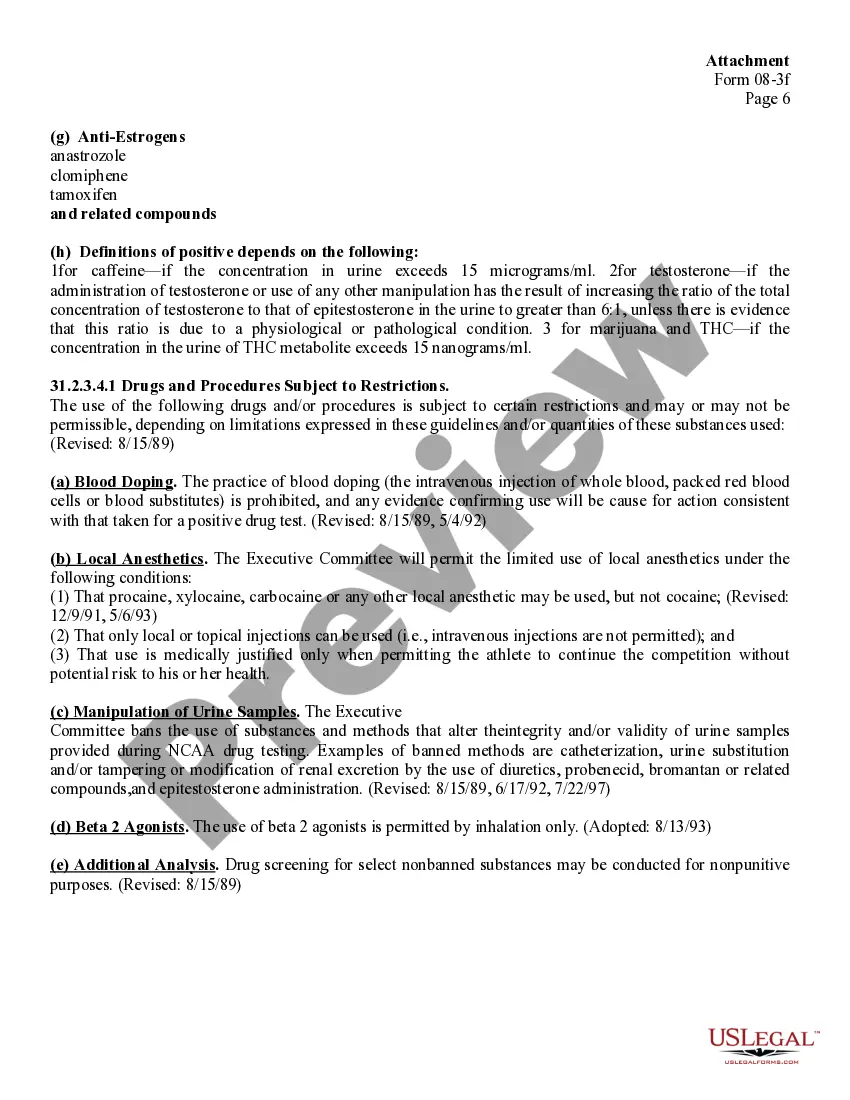
If an athlete tests positive for banned substances, they may face suspension from competitions and loss of eligibility. The NCAA has strict guidelines outlining the penalties based on the type of substance and the circumstances of the violation. Engaging with Vermont Drug-Testing Consent for NCAA Division III Athletics can help prepare athletes for potential drug testing and its consequences.
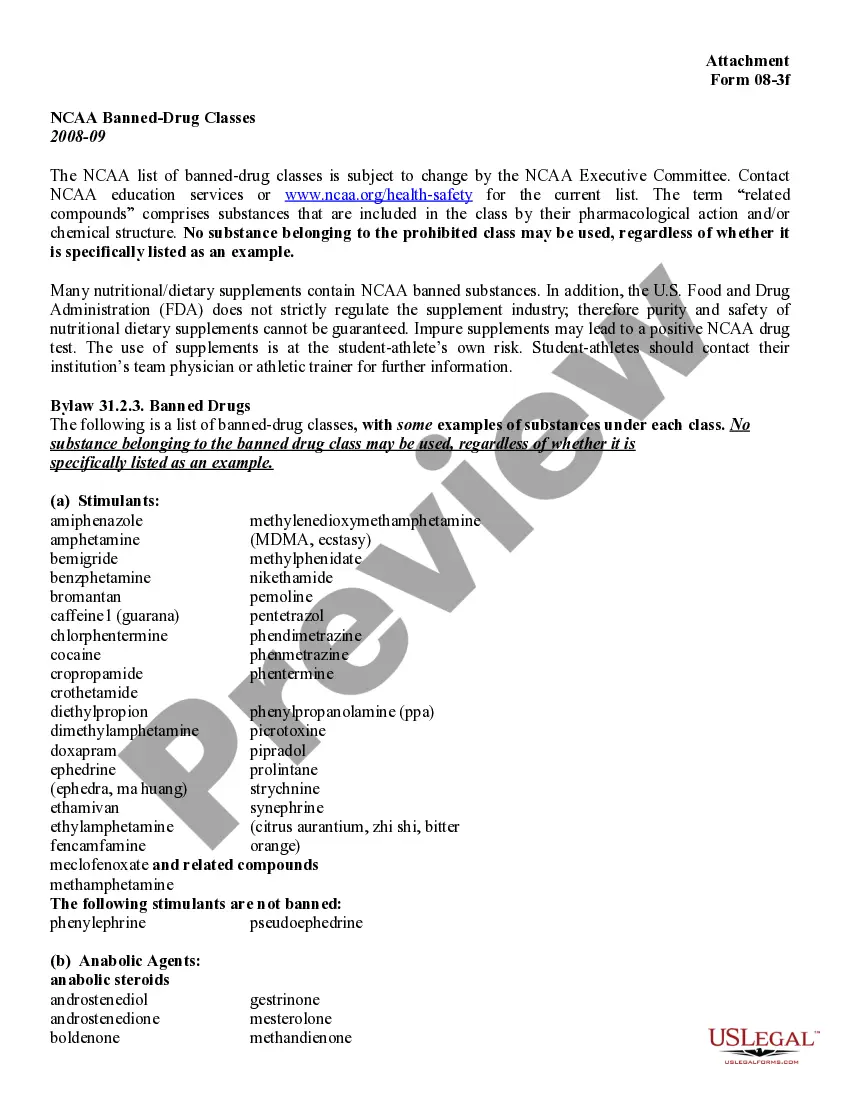
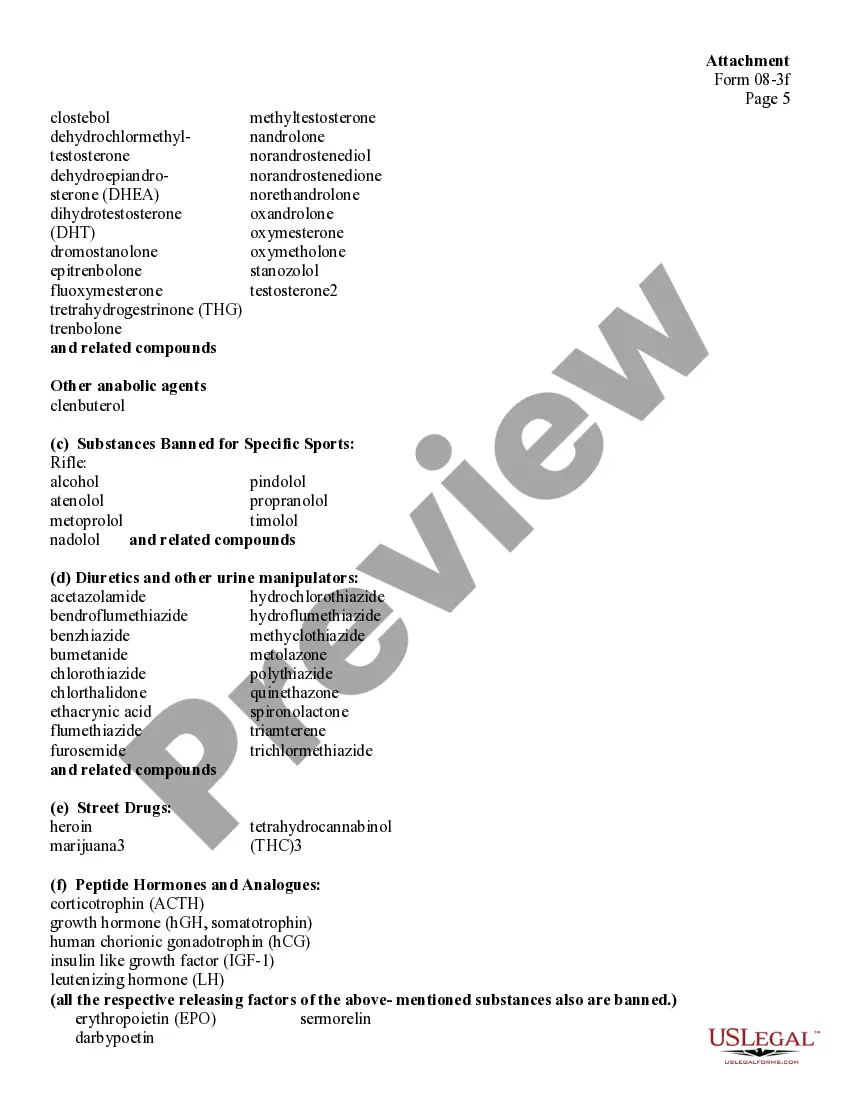
The NCAA prohibits various substances, including anabolic steroids, stimulants, and recreational drugs like marijuana. This list of banned substances evolves, so it's crucial for student-athletes to stay updated. Understanding Vermont Drug-Testing Consent for NCAA Division III Athletics helps students remain informed and compliant with these regulations.
The NCAA tests for a range of banned substances to maintain fair competition in collegiate athletics. These substances include performance-enhancing drugs, stimulants, and recreational drugs. The NCAA also monitors levels of certain prescription medications, highlighting the importance of Vermont Drug-Testing Consent for NCAA Division III Athletics to ensure compliance with regulations.
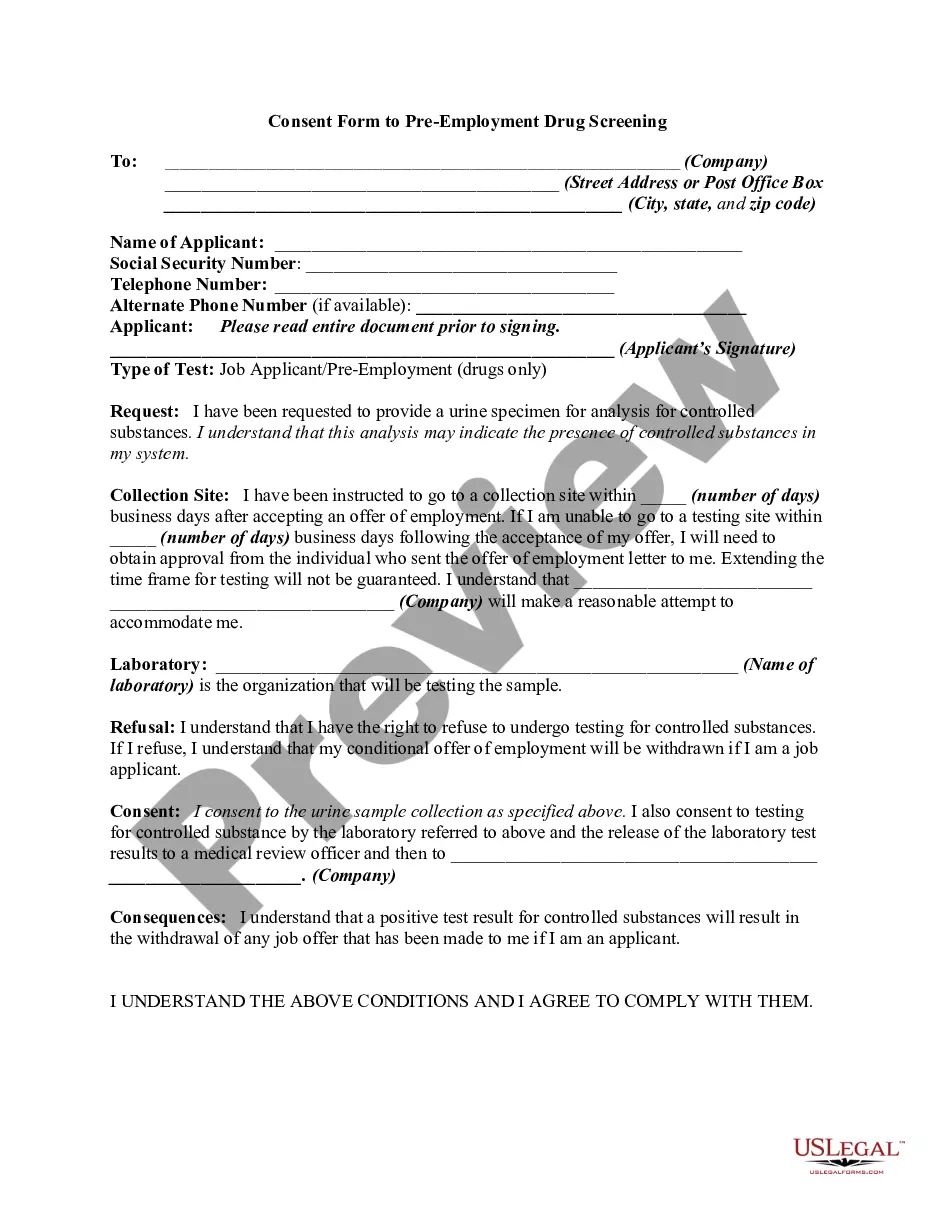
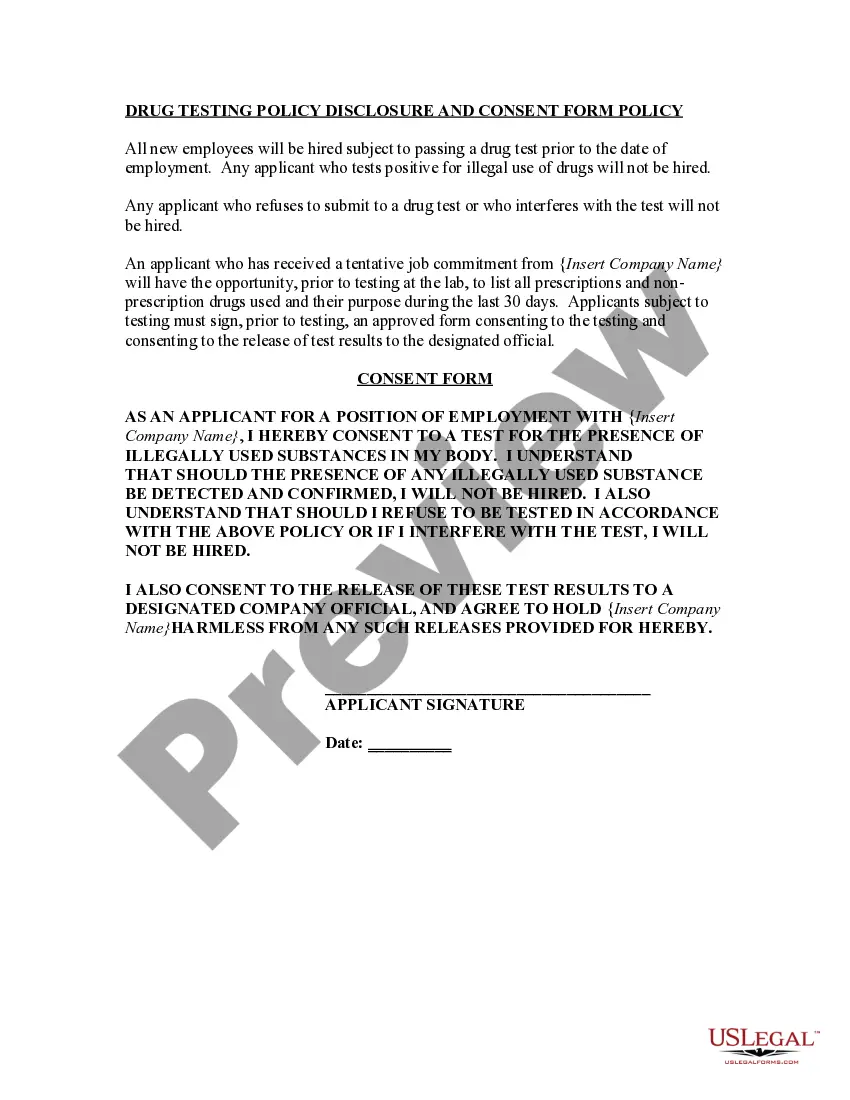
Drug testing for athletes typically involves collecting a urine or blood sample. These samples are then sent to a laboratory where they undergo testing for banned substances. Importantly, in the context of Vermont Drug-Testing Consent for NCAA Division III Athletics, athletes must provide their consent prior to testing. This process ensures fair treatment and compliance with NCAA regulations, promoting a safe and competitive sports environment.
Yes, consent is required for any drug screening in NCAA Division III athletics. Without consent, testing cannot take place, and athletes risk disqualification from participation. The Vermont Drug-Testing Consent for NCAA Division III Athletics is essential for ensuring compliance and protecting athletes' rights. By utilizing platforms like uslegalforms, athletes can easily access and complete these important consent forms, streamlining the process and ensuring they are ready for testing.
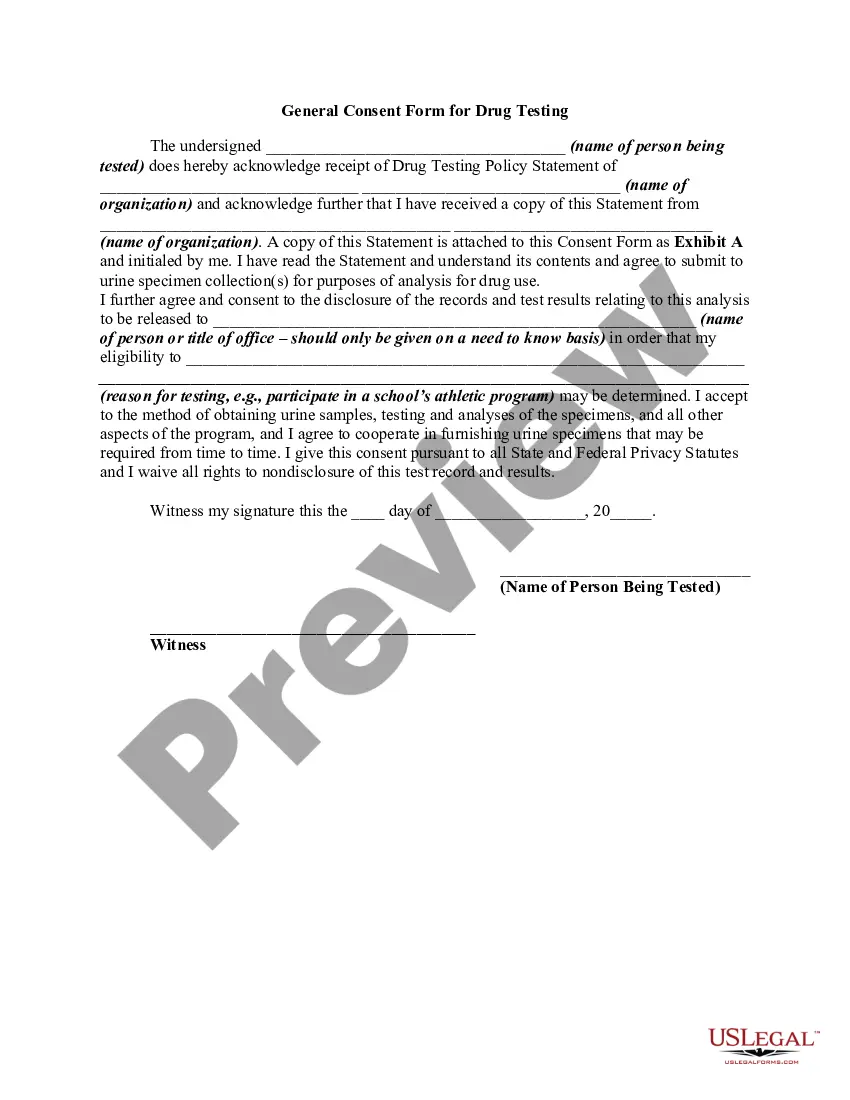
A consent form serves as a formal agreement between the athlete and the governing body overseeing drug testing. It outlines the terms of the drug testing process, protecting both the athlete's rights and the institution's compliance. By understanding and completing the Vermont Drug-Testing Consent for NCAA Division III Athletics, athletes affirm their commitment to fair play and uphold the integrity of their sport. These forms help create transparency in the testing process, fostering trust among all parties.
A drug test consent form is a legal document that an athlete signs to acknowledge their willingness to undergo drug testing. This form outlines the testing procedures, substances tested, and the repercussions for a positive result. For NCAA Division III athletes, the Vermont Drug-Testing Consent is an integral part of the eligibility process, ensuring athletes are informed and agree to the testing. Utilizing a reliable platform like uslegalforms can simplify obtaining and completing these necessary forms.
The NCAA does not provide a specific number for drug tests, but they provide guidelines on the testing process and protocols. If you're seeking information about drug testing, you can refer to the NCAA website or contact your athletic department for assistance. Understanding the Vermont Drug-Testing Consent for NCAA Division III Athletics can help you navigate this process smoothly. Accurate information leads to better preparation, ensuring athletes know what to expect.
Yes, NCAA Division III athletes are subject to drug testing as part of maintaining a level playing field in college sports. They are tested to prevent substance abuse and ensure fair competition among athletes. Adhering to the Vermont Drug-Testing Consent for NCAA Division III Athletics is vital, as it helps athletes understand the testing process and their rights. This testing approach promotes a culture of accountability and respect within collegiate athletics.