Vermont Notice of Assignment to Living Trust
What this document covers
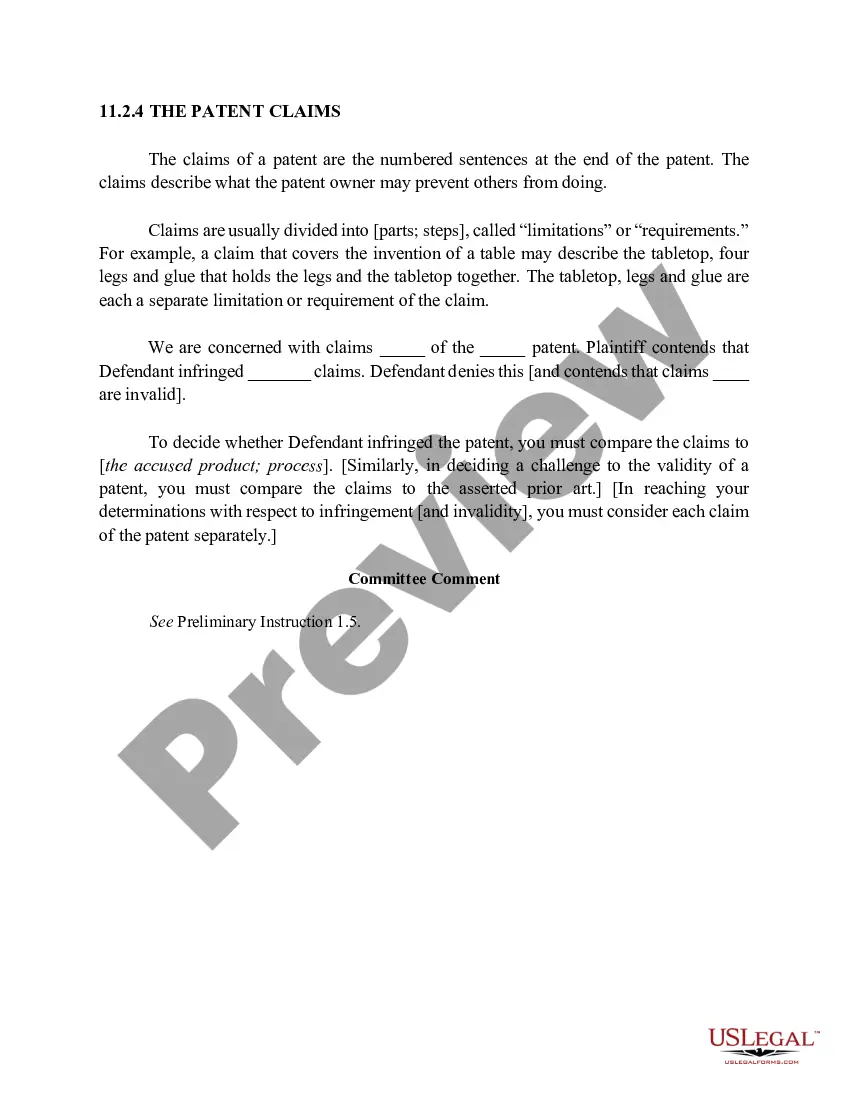
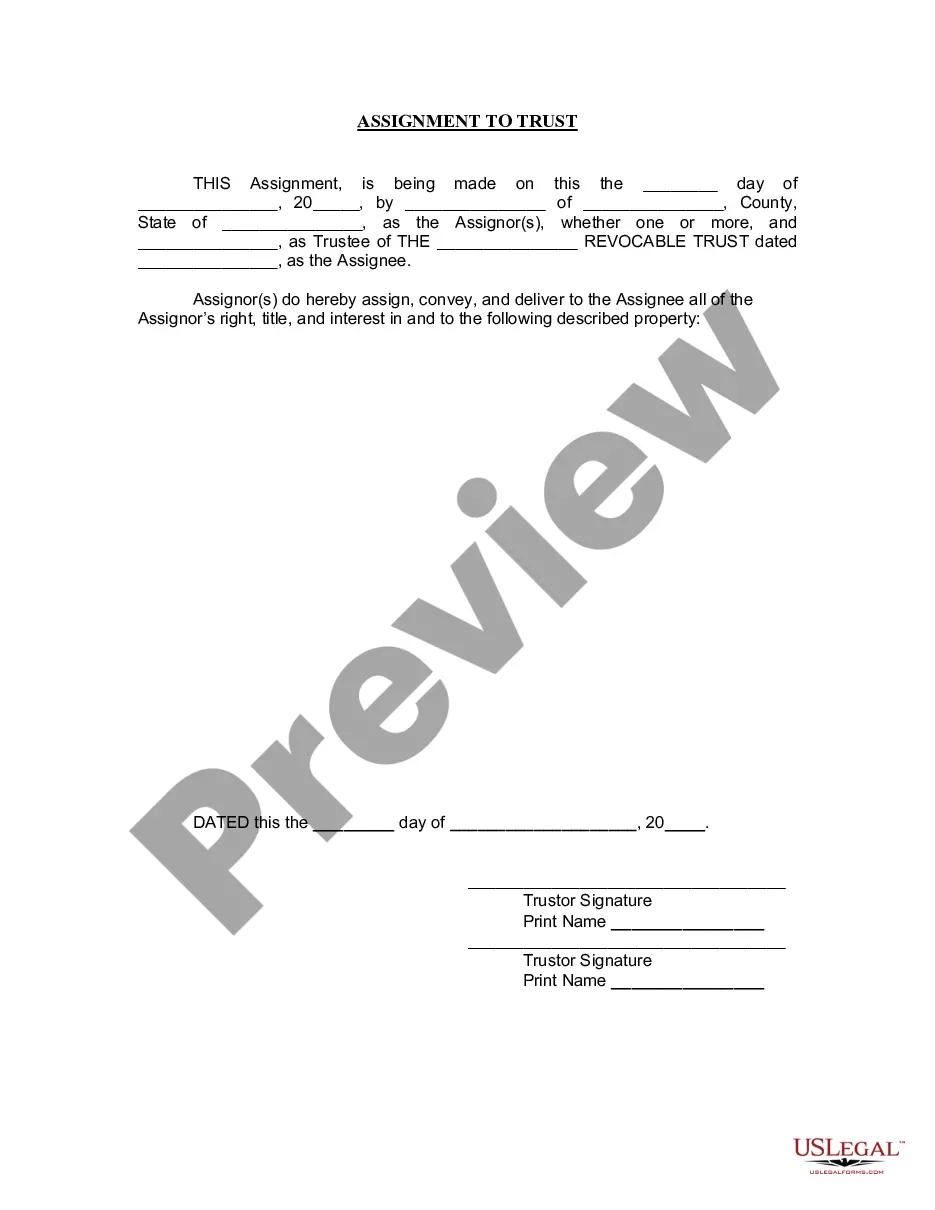
The Notice of Assignment to Living Trust is a legal form used to document the transfer of property into a living trust. Unlike a will, which takes effect after death, a living trust operates during the trustor's lifetime. This form serves as official notice that the trustor has assigned their rights, title, and interest in specific assets to the living trust, streamlining estate management and avoiding probate complications.
Key parts of this document
- Trustor(s) information: Names and details of the individual(s) creating the trust.
- Revocable trust details: Includes the title of the trust and its date of establishment.
- Property description: Specific assets being transferred into the trust.
- Signature section: Where the trustor signs to acknowledge the transfer.
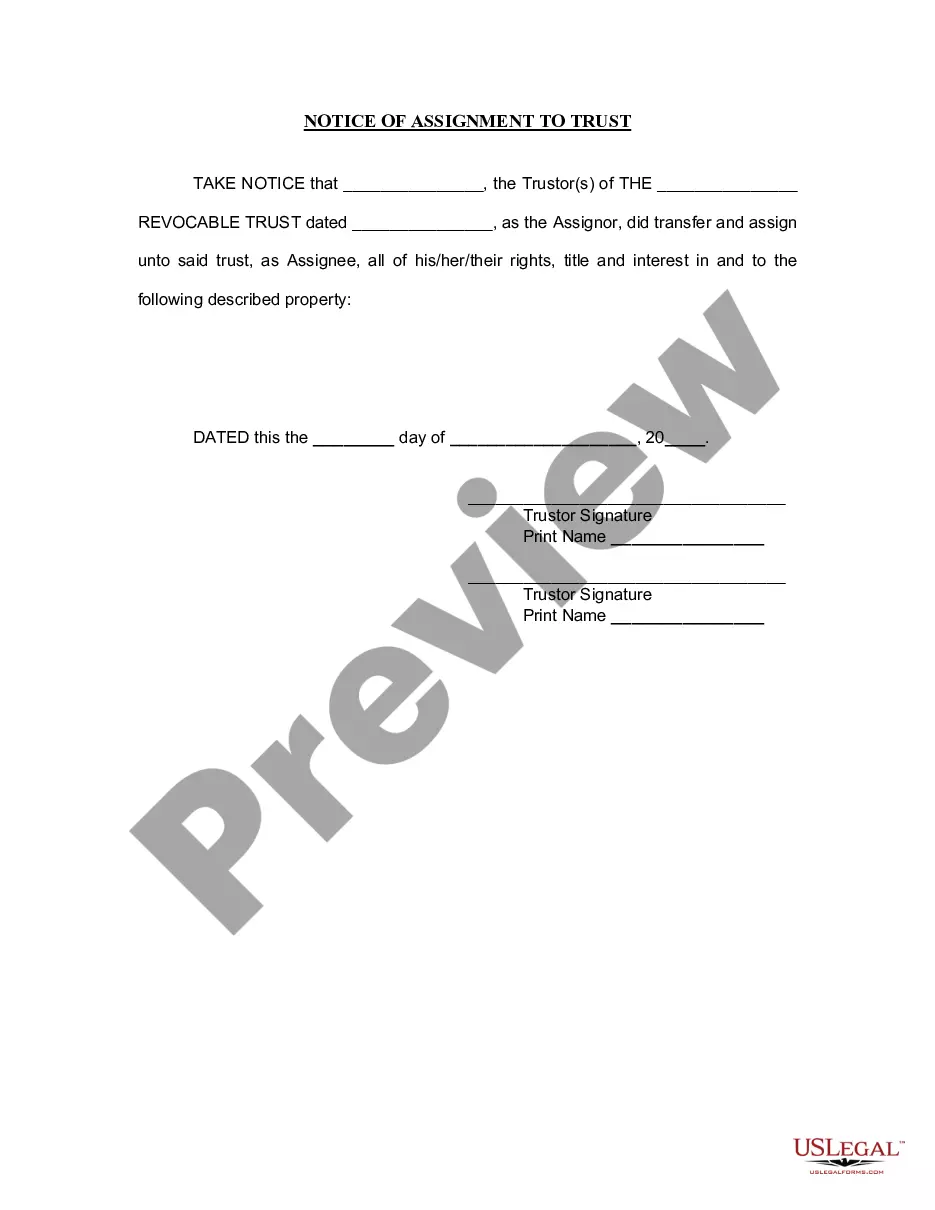
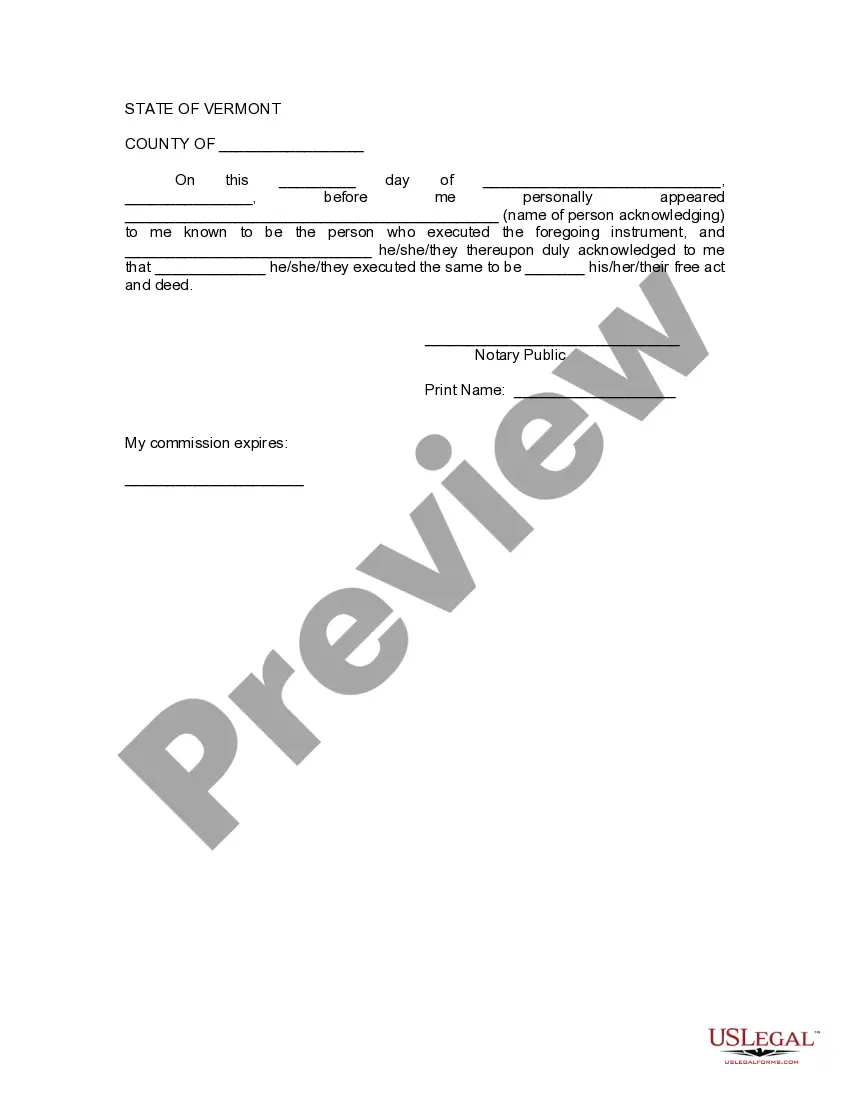
- Notary acknowledgment: Space for a notary public to verify the identity of the trustor and the signing process.
When to use this form
This form is typically used when an individual decides to transfer assets into their living trust to manage them efficiently. Situations may include moving real estate or financial accounts into the trust to ensure seamless management during their lifetime and according to their wishes after death. It is often used as part of comprehensive estate planning, especially if the trustor intends to avoid probate for specific assets.
Who can use this document
- Individuals establishing a living trust to manage their assets.
- Trustors wanting to formally document the assignment of property into the trust.
- Estate planners and attorneys assisting clients with living trusts.
Instructions for completing this form
- Identify the trustor(s) by entering their full names at the beginning of the form.
- Specify the details of the revocable trust, including its name and establishment date.
- Clearly describe the property being assigned to the trust, including necessary identification details.
- Have the trustor sign and print their name in the designated fields.
- Engage a notary public to witness the signature and provide their stamp, along with the commission expiration date.
Notarization requirements for this form
Notarization is required for this form to take effect. Our online notarization service, powered by Notarize, lets you verify and sign documents remotely through an encrypted video session, available 24/7.
Get your form ready online
Our built-in tools help you complete, sign, share, and store your documents in one place.
Make edits, fill in missing information, and update formatting in US Legal Forms—just like you would in MS Word.
Download a copy, print it, send it by email, or mail it via USPS—whatever works best for your next step.
Sign and collect signatures with our SignNow integration. Send to multiple recipients, set reminders, and more. Go Premium to unlock E-Sign.
If this form requires notarization, complete it online through a secure video call—no need to meet a notary in person or wait for an appointment.
We protect your documents and personal data by following strict security and privacy standards.

Make edits, fill in missing information, and update formatting in US Legal Forms—just like you would in MS Word.

Download a copy, print it, send it by email, or mail it via USPS—whatever works best for your next step.

Sign and collect signatures with our SignNow integration. Send to multiple recipients, set reminders, and more. Go Premium to unlock E-Sign.

If this form requires notarization, complete it online through a secure video call—no need to meet a notary in person or wait for an appointment.

We protect your documents and personal data by following strict security and privacy standards.
Mistakes to watch out for
- Failing to clearly describe the property being transferred.
- Omitting signatures or failing to have them notarized.
- Not using the correct trust name as stipulated in the original trust document.
- Assuming this form replaces other necessary estate planning documents.
Why use this form online
- Convenient access to a legally drafted template that can be filled out according to individual needs.
- Editability allows for customization of the form before download.
- Reliable source of information, ensuring that you are using a form compliant with current laws.
Looking for another form?

Form popularity
FAQ
Transferring Real Property to a Trust You can transfer your home (or any real property) to the trust with a deed, a document that transfers ownership to the trust. A quitclaim deed is the most common and simplest method (and one you can do yourself).
The first step is determining which type of trust you'll need. Next, you'll want to take stock of your assets and property. You'll also need to choose a trustee. Make the trust document. Sign the trust document in front of a notary. Put the property you want inside the trust.
Houses and other real estate (even if they're mortgaged) stock, bond, and other security accounts held by brokerages (but think about naming a TOD beneficiary instead) small business interests (stock in a closely held corporation, partnership interests, or limited liability company shares)
An estate plan that includes a trust costs $1,000 to $3,000, versus $300 or less for a simple will. What a living-trust promoter may not tell you: You don't need a trust to protect assets from probate. You can arrange for most of your valuable assets to go to your heirs outside of probate.
After the agreement has been signed, the settlor must fund his or her assets into the trust. Funding a trust involved transferring property to the trust.For some assets you will need to transfer ownership to the trust. For others, you may need to designate the trust as a beneficiary.
Cash Accounts. Rafe Swan / Getty Images. Non-Retirement Investment and Brokerage Accounts. Non-qualified Annuities. Stocks and Bonds Held in Certificate Form. Tangible Personal Property. Business Interests. Life Insurance. Monies Owed to You.
Although a typical will package costs $1,000 to $1,200, and a trust can run $2,500, a legal insurance plan like Texas Legal can save Texans hundreds or even thousands on their estate planning costs.
Assets Held in the Trustee's Name Kahane Revocable Living Trust or the Nessler Family Trust. In particular, look for a list of assets at the end of the document. It will likely be labeled Schedule A or something similar, and should list the items the person who set up the trust intended to hold in the trust.
In Texas a trust is not a legal entity. Rather, it is a legal relationship in which a trustee holds legal title for the benefit of another person called the beneficiary. Unlike a corporation, which is required to file a certificate of formation with the Secretary of State, there is no such requirement for a trust.