Virginia Land Trust Agreement

State:
Multi-State
Control #:
US-02093BG
Format:
Word; 
Rich Text
Instant download

Description

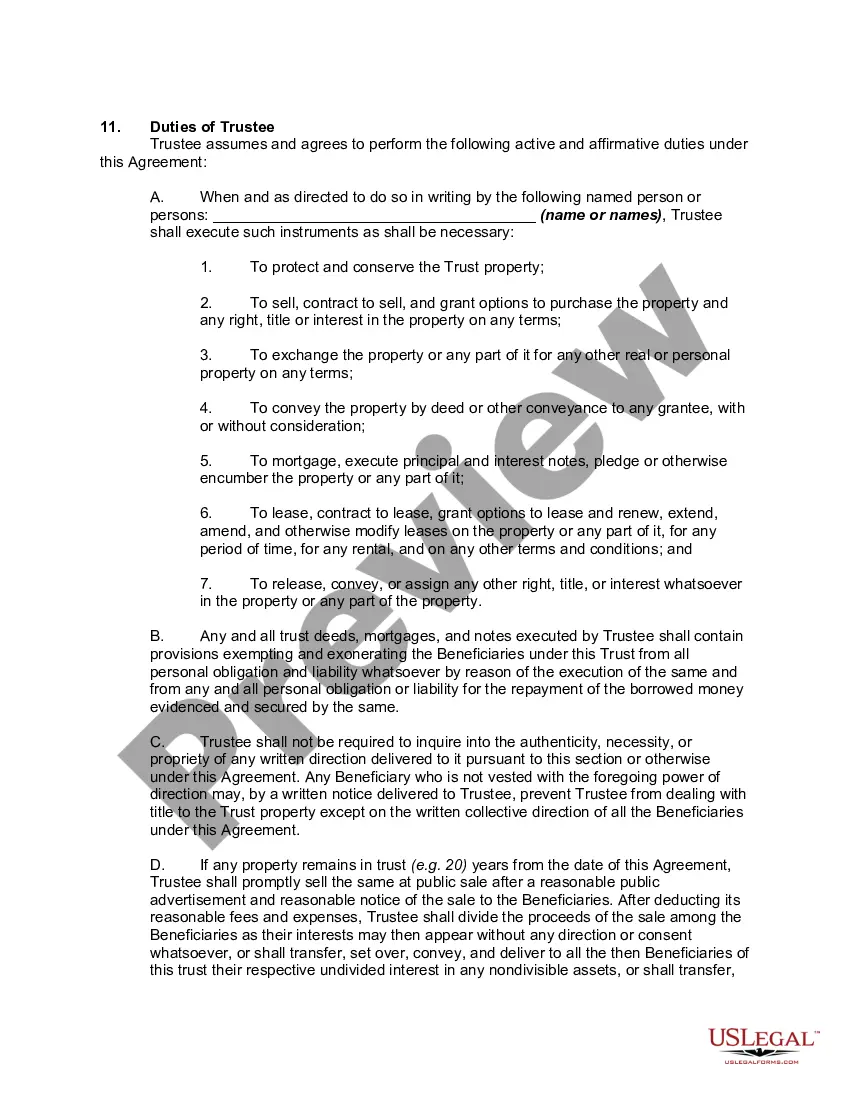
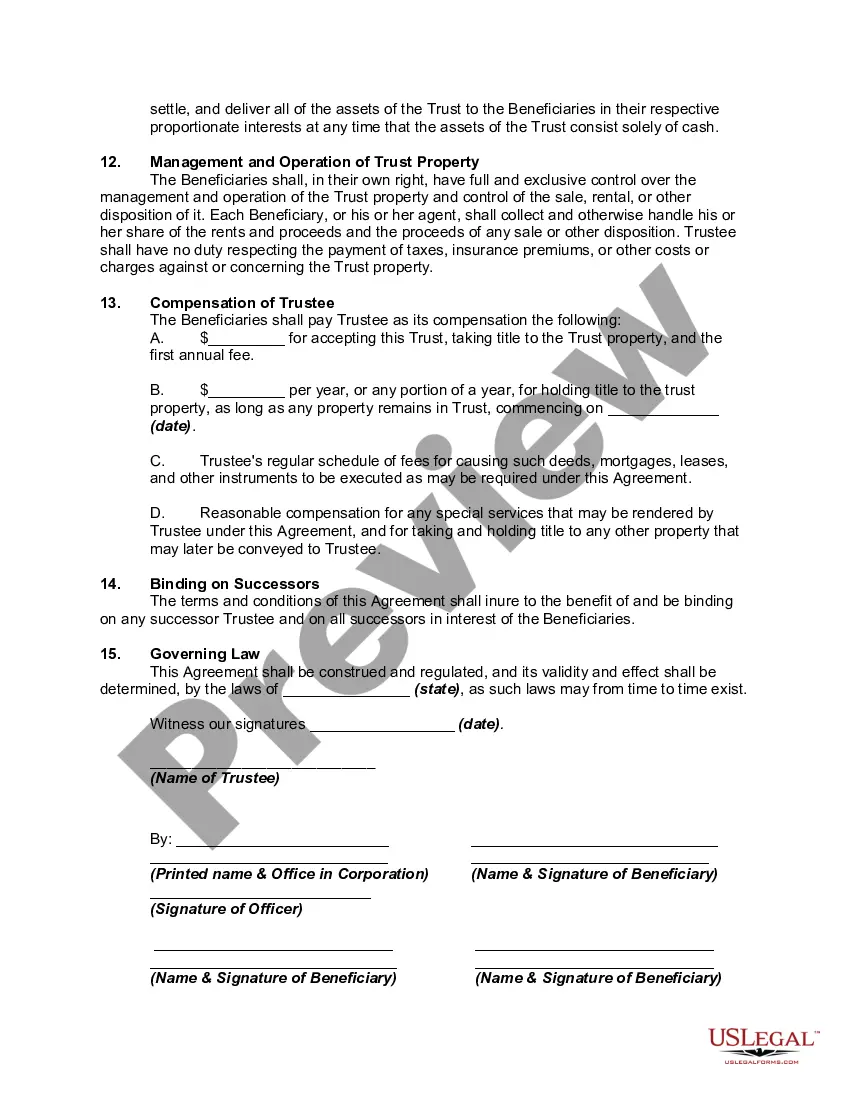
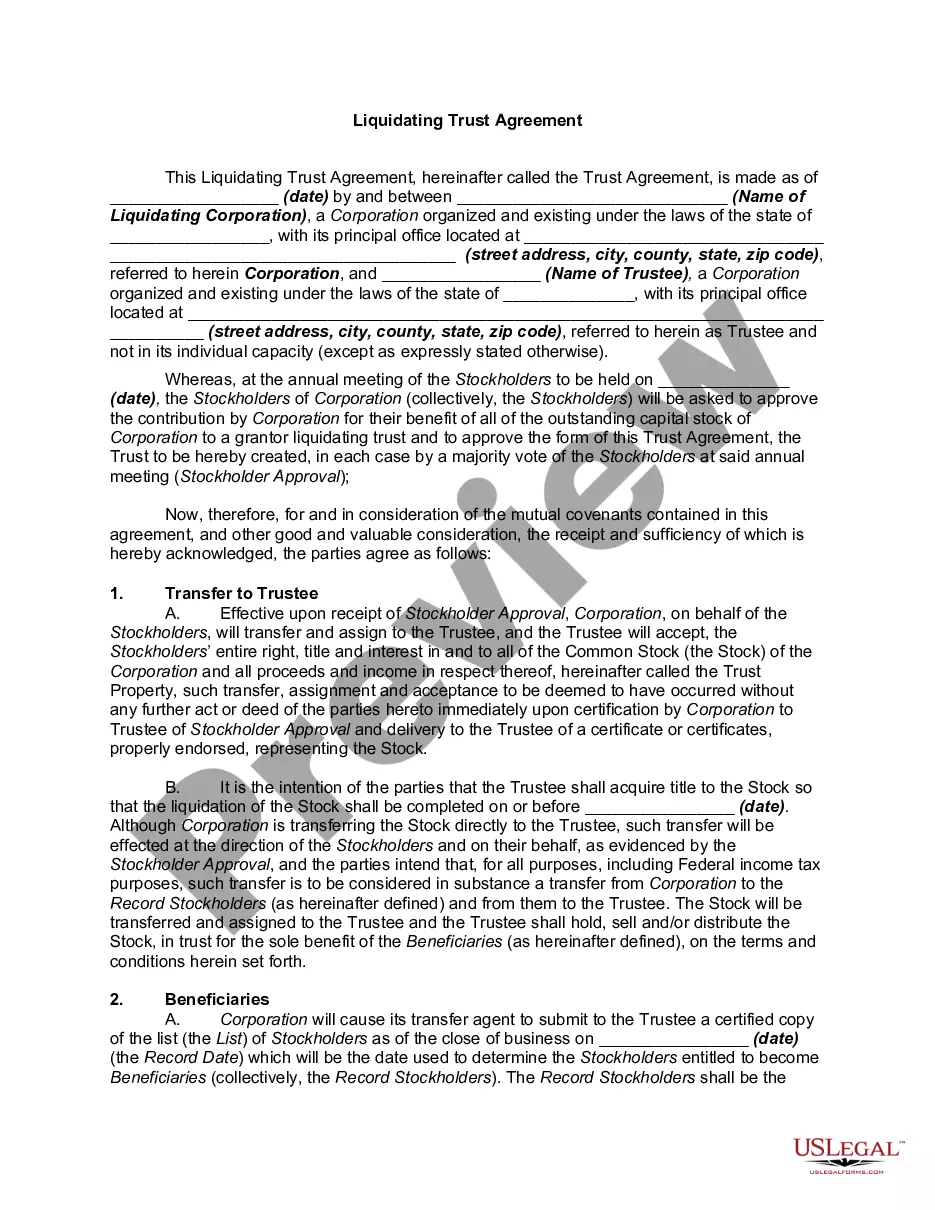
There are two basic instruments required to establish a land trust. One is a deed in trust conveying the real estate to a trustee. The other is a trust agreement defining the rights and duties of the trustee and the beneficiaries, which is mentioned in the deed of trust but is not recorded. The deed in trust should convey title to real property to a trustee and confer complete trust powers on the trustee so that the trustee can deal with third parties without reference to the trust agreement. Restrictions on the trustee's powers should be set forth in the trust agreement.


This form is a generic example that may be referred to when preparing such a form for your particular state. It is for illustrative purposes only. Local laws should be consulted to determine any specific requirements for such a form in a particular jurisdiction.
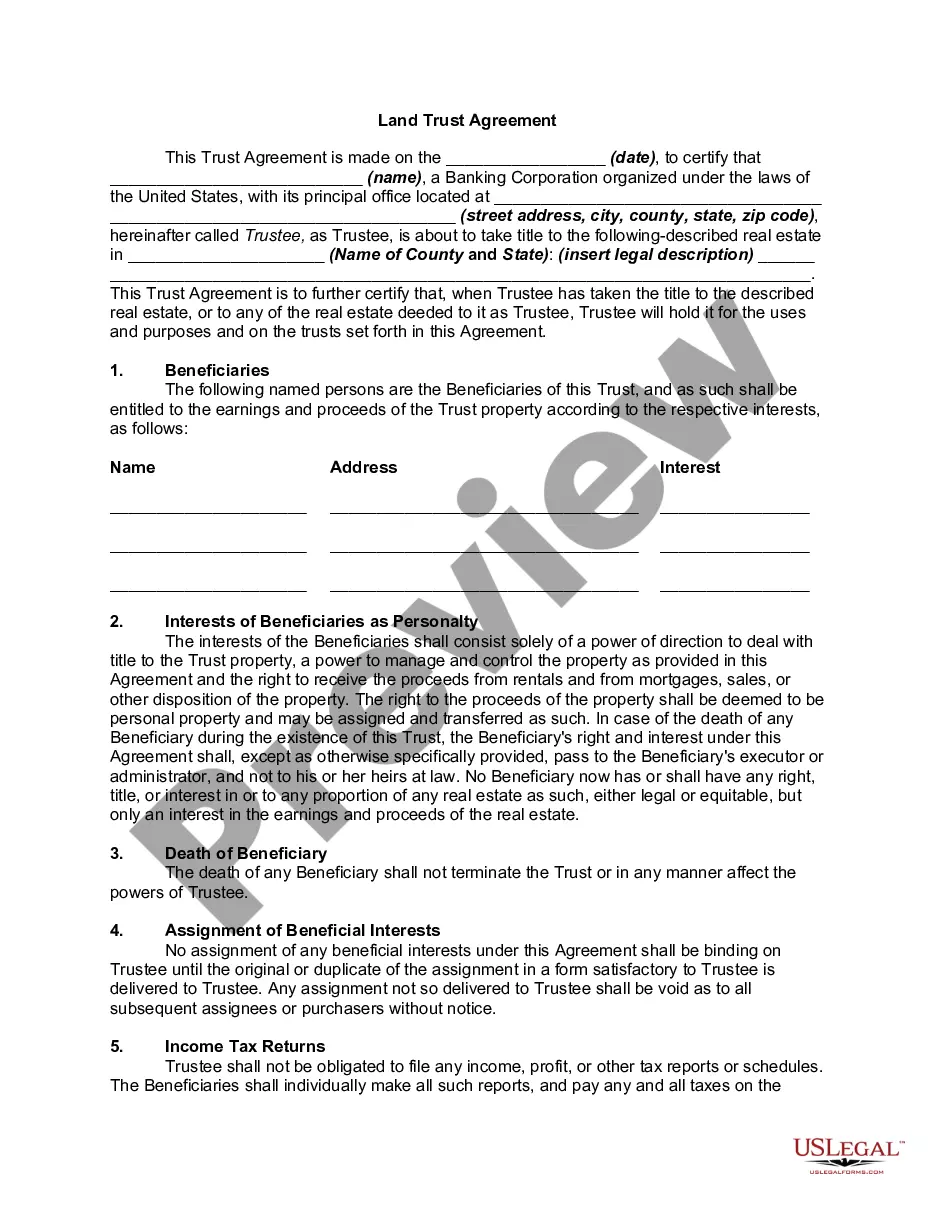
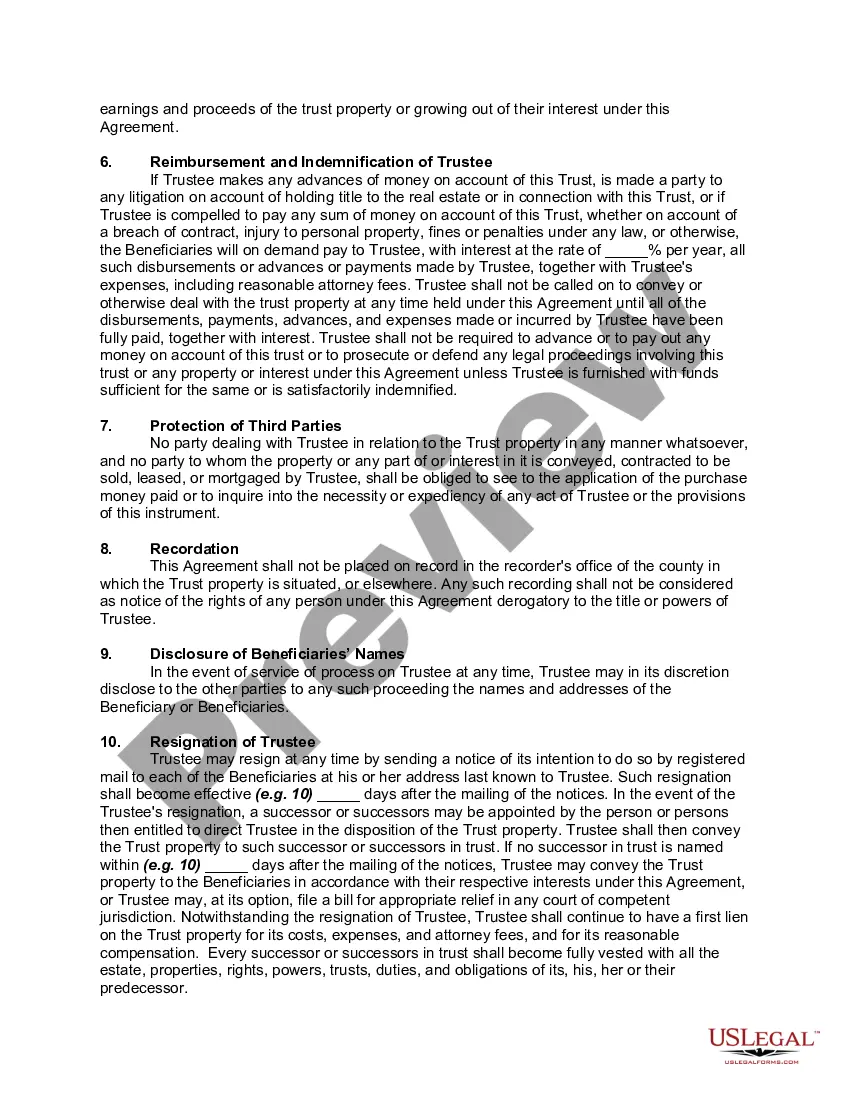
Free preview
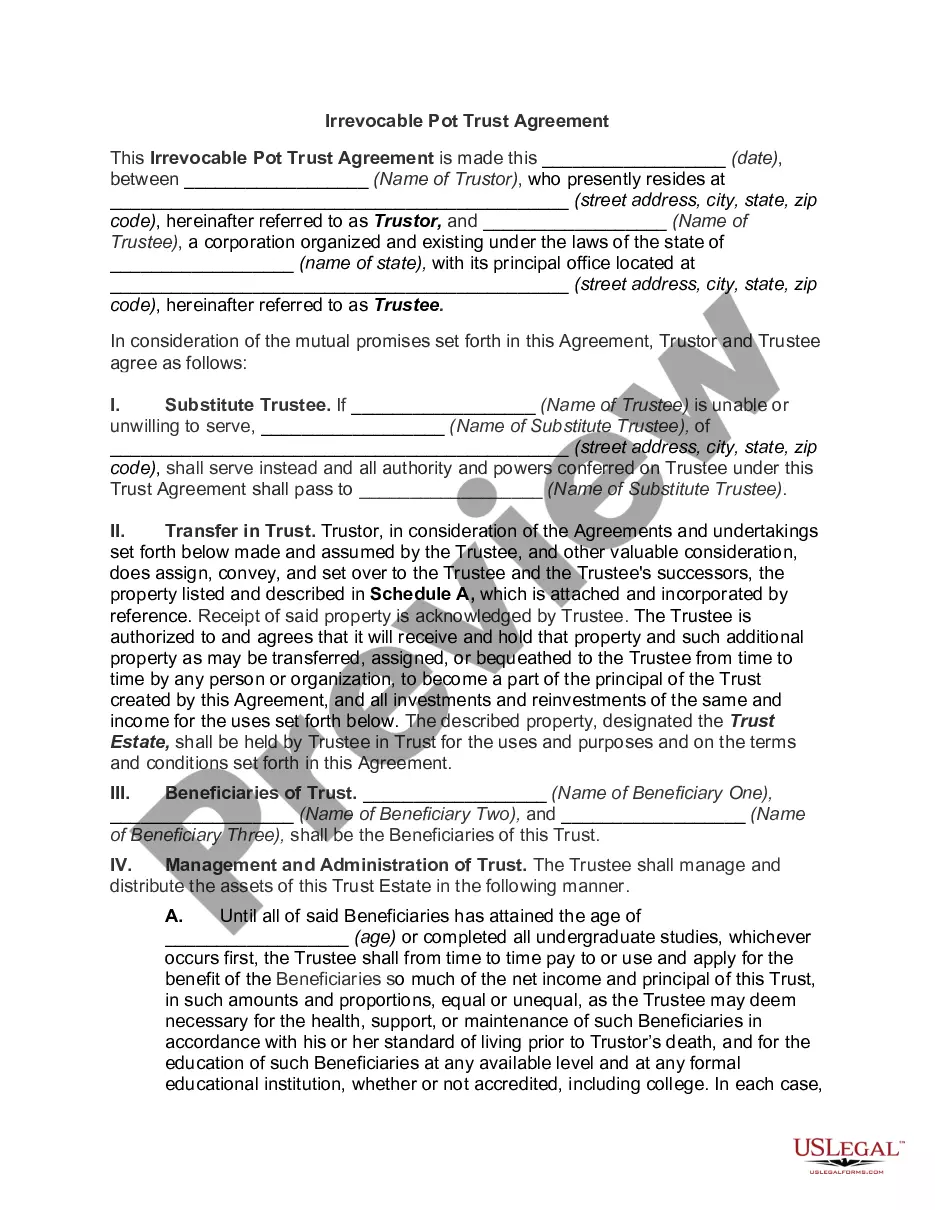
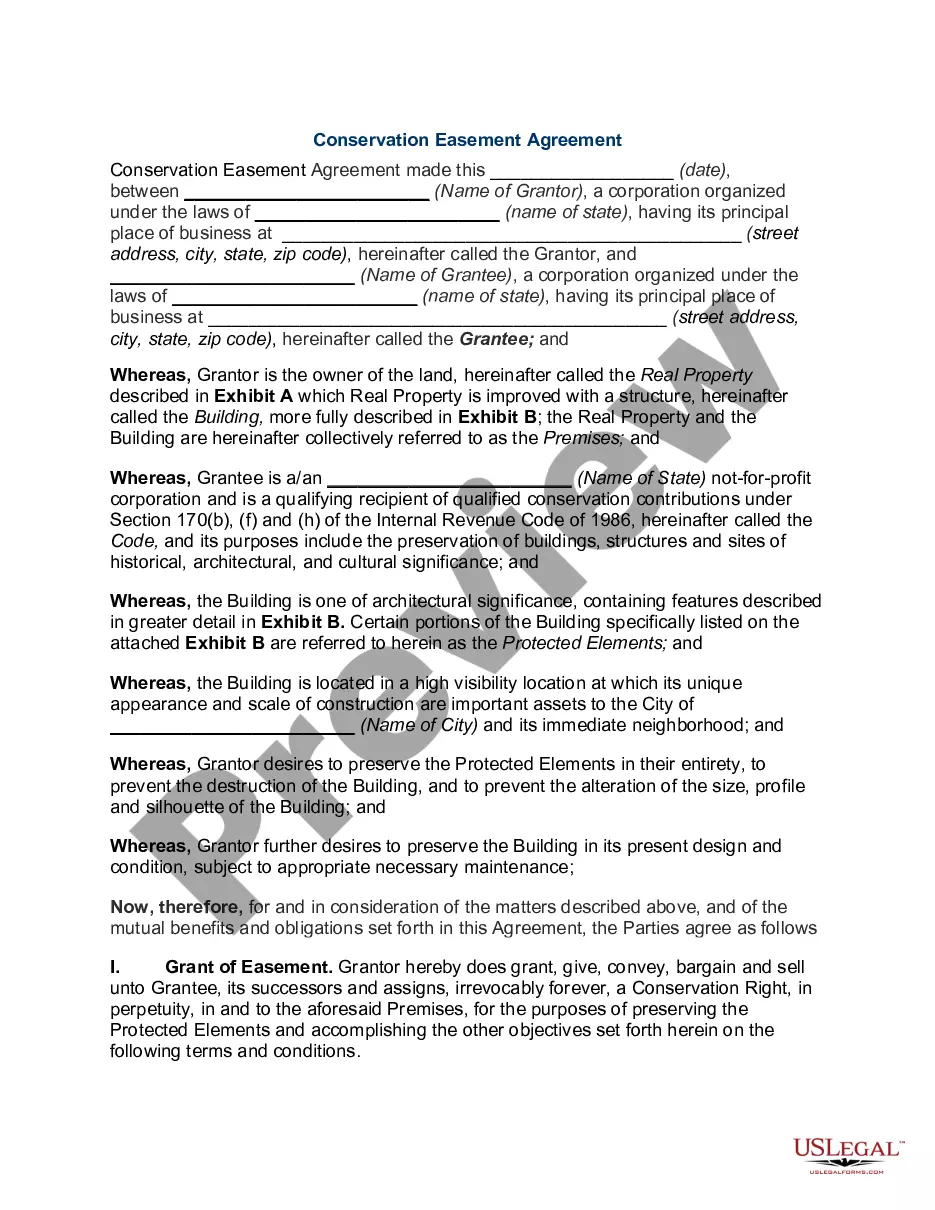
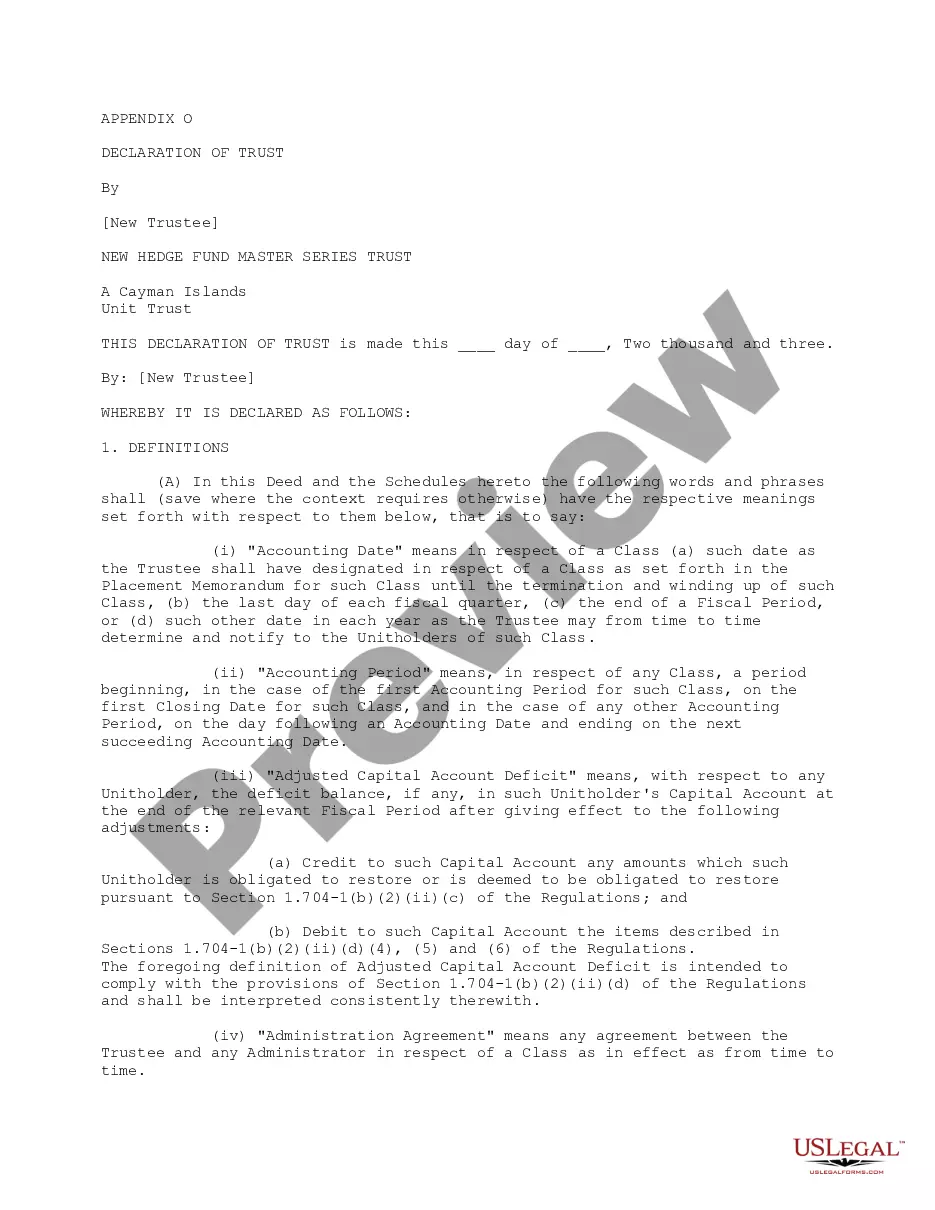
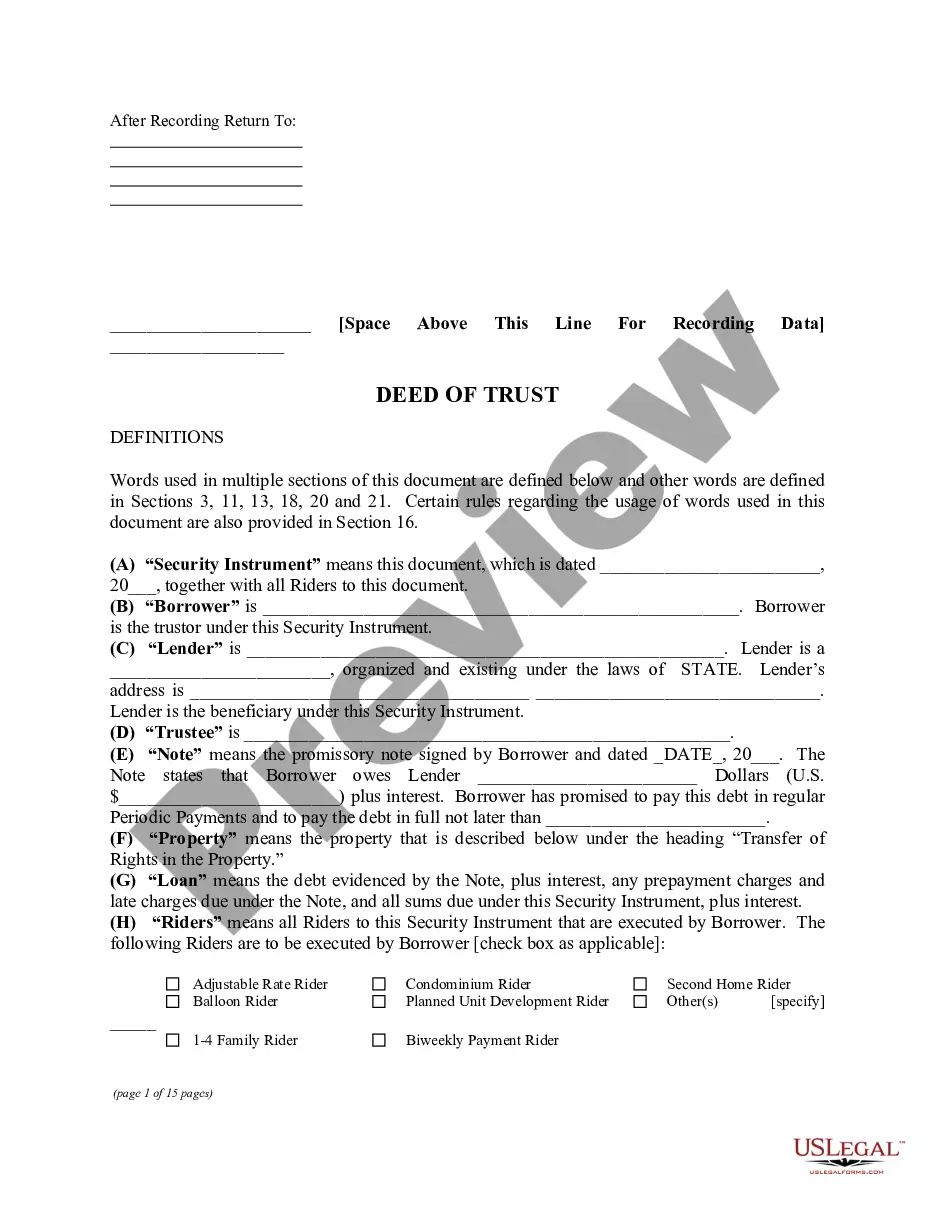
  • Preview Land Trust Agreement
  • Preview Land Trust Agreement
  • Preview Land Trust Agreement
  • Preview Land Trust Agreement
  • Preview Land Trust Agreement

How to fill out Land Trust Agreement?

You might dedicate hours online looking for the proper legal document template that meets the state and federal requirements you need. US Legal Forms offers thousands of legal documents that are assessed by experts.

You can download or create the Virginia Land Trust Agreement from their service. If you already have a US Legal Forms account, you may Log In and click on the Acquire option. After that, you can complete, modify, generate, or sign the Virginia Land Trust Agreement.

Each legal document template you obtain is yours forever. To get another copy of any purchased form, visit the My documents tab and click on the relevant option.

Choose the format of your document and download it to your device. Make adjustments to your document if possible. You can complete, modify, sign, and print the Virginia Land Trust Agreement. Download and print thousands of document templates using the US Legal Forms site, which provides the largest collection of legal forms. Utilize professional and state-specific templates to meet your business or personal needs.

  1. If you are using the US Legal Forms website for the first time, follow these simple instructions.
  2. First, ensure that you have selected the correct document template for the county/town of your choice. Review the document description to confirm you have chosen the right template.
  3. If available, use the Review option to view the document template as well.
  4. If you need to find another version of your form, use the Search section to locate the template that suits your needs.
  5. Once you have found the template you want, click Purchase now to proceed.
  6. Select the pricing plan you prefer, enter your details, and register for an account on US Legal Forms.
  7. Complete the payment process. You can use your credit card or PayPal account to purchase the legal document.

Form popularity

FAQ

Creating a land trust in Virginia requires drafting a Virginia Land Trust Agreement that defines the purpose of the trust and names a trustee. Once the agreement is in place, you must transfer ownership of the land to the trust through the appropriate legal documentation. It’s beneficial to consult with a legal expert to ensure your land trust complies with all state laws.

To transfer property into a trust in Virginia, you will need to prepare and sign a deed that conveys ownership from you to the trust. The deed must then be recorded with the local county clerk's office. This step ensures the transfer is legally recognized, allowing the Virginia Land Trust Agreement to govern the property effectively.

Transferring assets into a trust involves legally changing the ownership of the assets from you to the trust. For example, with real estate, you complete a deed that states the property is now owned by the trust. After this step, it's important to maintain accurate records of all assets included in the Virginia Land Trust Agreement for clarity on the trust's holdings.

To put your house in a trust in Virginia, start by creating a Virginia Land Trust Agreement. This document outlines the terms of the trust and names a trustee to manage the property. You will then need to transfer the title of your house to the trust. Engaging a legal professional can help ensure that the process meets all legal requirements.

Writing a trust agreement for a Virginia Land Trust Agreement involves several steps. Start by outlining your specific intentions and naming the parties involved, including trustees and beneficiaries. Then, clearly specify the management rules and distribution of assets. Finally, consulting with a professional, such as uslegalforms, can simplify this process and safeguard your interests.

A common example of a trust clause in a Virginia Land Trust Agreement is the 'Distribution Clause,' which details how assets should be distributed to beneficiaries. This clause ensures clarity and aligns the trust's operations with your overall intentions. Including precise language in these clauses helps prevent disputes and misunderstandings down the line.

While a Virginia Land Trust Agreement can be beneficial, there are some disadvantages. It may involve upfront costs for drafting the agreement and potential ongoing fees for trustee services. Additionally, once established, the flexibility to make changes can be limited, which means you should carefully consider your long-term goals before proceeding.

A qualified attorney typically prepares the trust agreement for a Virginia Land Trust Agreement. They have the knowledge to draft documents that fulfill legal requirements and accurately reflect your intentions. Involving an attorney helps avoid common pitfalls and ensures that the trust serves its intended purpose effectively.

To set up a Virginia Land Trust Agreement, you first need to define your goals for the trust. Next, select a trustee who will manage the property according to your wishes. Afterward, draft the trust agreement, outlining the terms and conditions. It's recommended to consult with a legal expert to ensure the agreement complies with state laws.

The main disadvantages of a land trust include potential fees for management and maintenance, as well as restrictions on the owner's control over the property. A Virginia Land Trust Agreement may also complicate future financial decisions if not properly structured. It's essential to consider these elements alongside the advantages before deciding on a land trust.

Trusted and secure by over 3 million people of the world’s leading companies

Virginia Land Trust Agreement