Commercial Account Analysis Form
Overview of this form
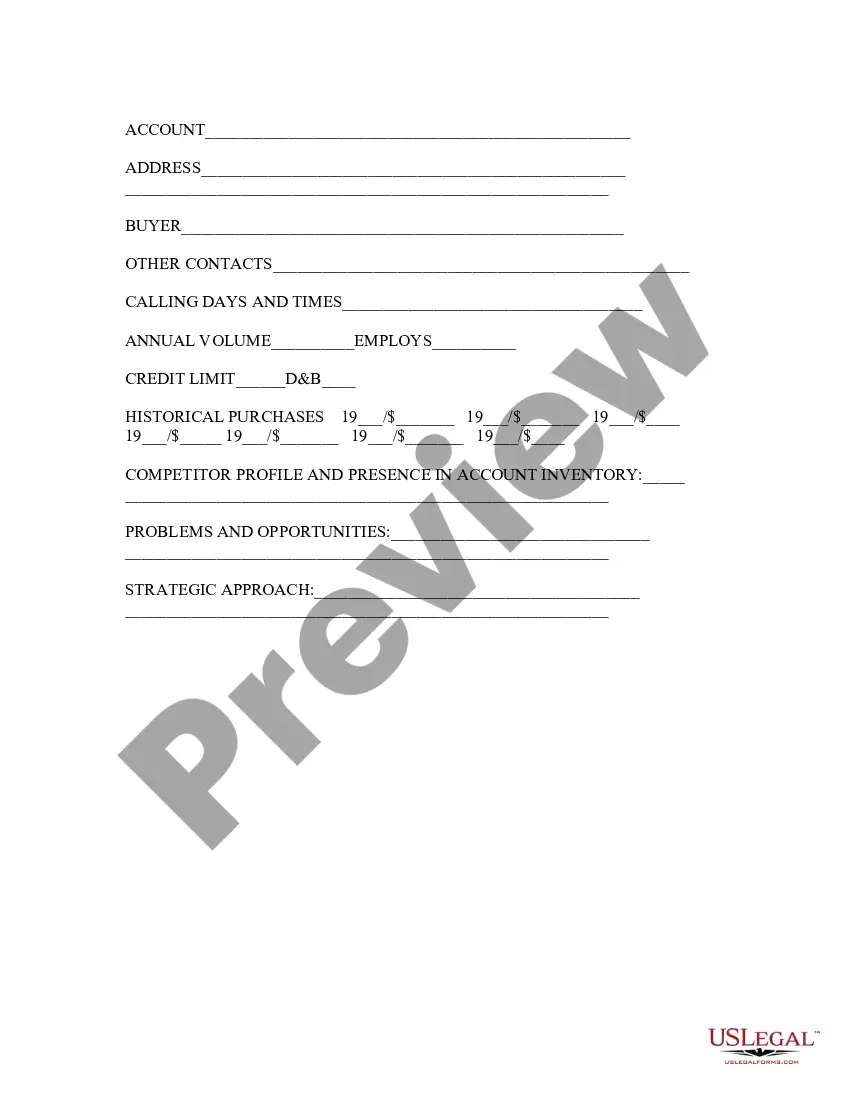
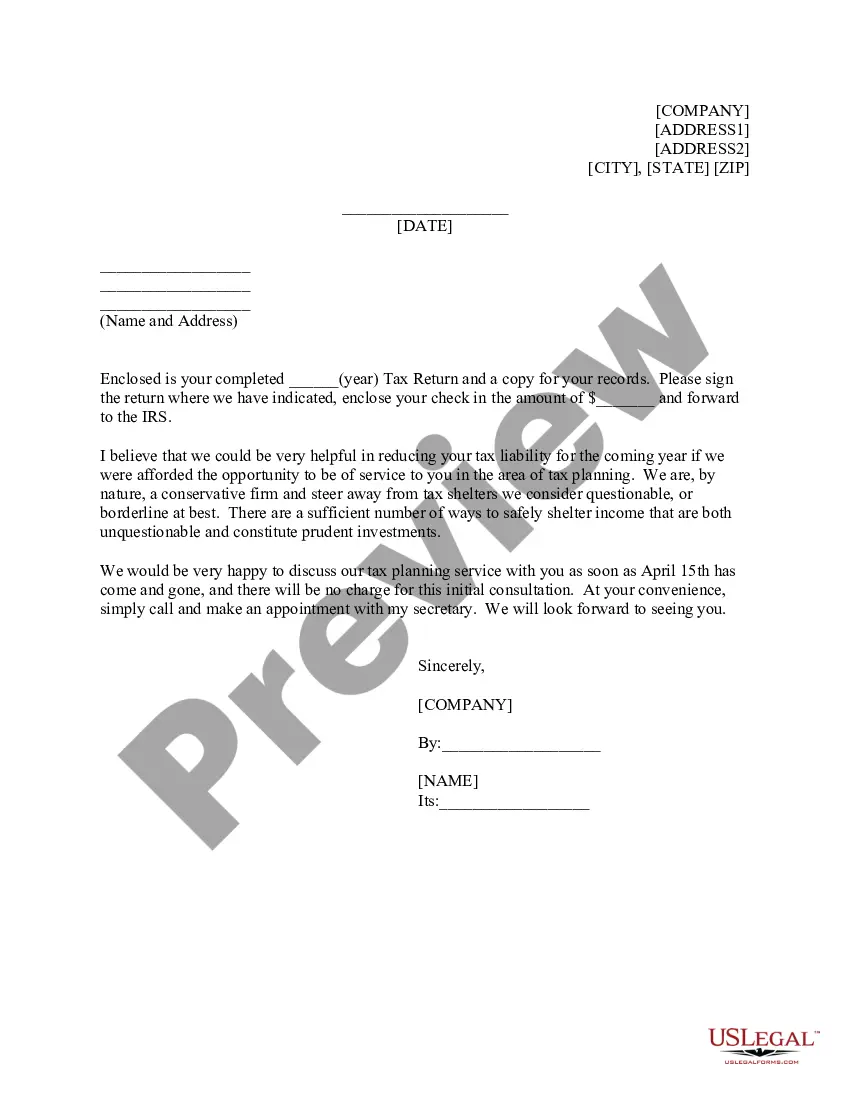
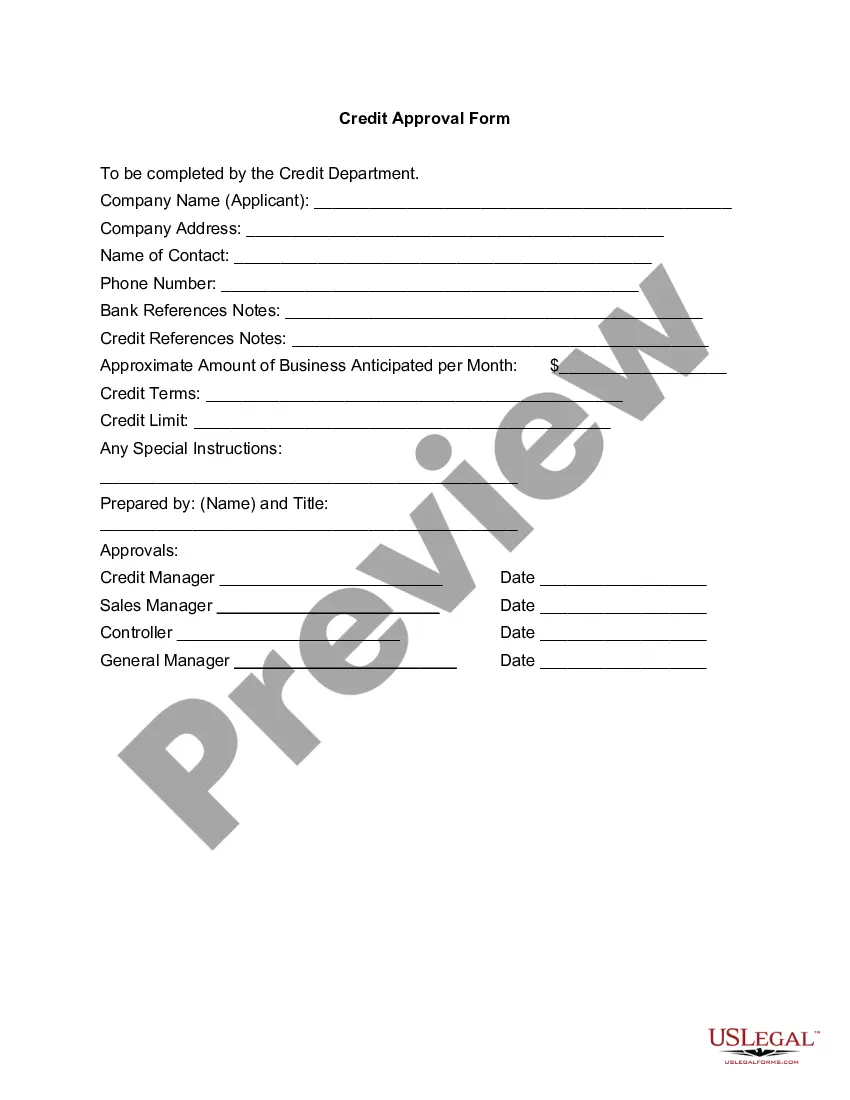
The Commercial Account Analysis Form is a vital document used by businesses to assess the creditworthiness and purchasing behavior of commercial accounts. This form provides a structured way for businesses to gather important information, such as annual volume, credit limits, and historical purchases, which helps in making informed credit decisions. Unlike other forms, this document focuses specifically on analyzing commercial credit profiles and strategizing future sales approaches.
Main sections of this form
- Buyer information: identifies the business entity involved in the transaction.
- Contact details: provides space for listing additional contacts within the account.
- Annual volume and credit limit: captures financial metrics relevant to assessing the account.
- Historical purchases: records past purchase data to analyze trends and behaviors.
- Competitor profile: assesses the market presence of competitors within the account.
- Strategic approach: outlines potential challenges and opportunities for future sales.
When to use this form
This form is beneficial when a business is considering extending credit to a commercial account or evaluating existing customer relationships. It is particularly useful during credit analysis, when preparing sales strategies, or when there is a need to assess a customer's financial history and purchasing patterns. Businesses can use this form when entering new markets or adjusting credit limits for existing accounts.
Who needs this form
- Sales teams seeking to analyze the creditworthiness of potential customers.
- Financial departments tasked with assessing credit risk and establishing credit limits.
- Business owners who want to understand customer purchasing behavior.
- Credit analysts involved in credit evaluations and risk assessment.
How to complete this form
- Identify the account by entering the name and address of the commercial buyer.
- Fill in contact details for the primary buyer and any additional contacts.
- Specify the projected annual volume and the desired credit limit for the account.
- Record historical purchase data for the specified years in the provided fields.
- Analyze the account's competitive landscape and summarize findings in the designated sections.
- Outline potential problems and opportunities, and include suggested strategic approaches.
Is notarization required?
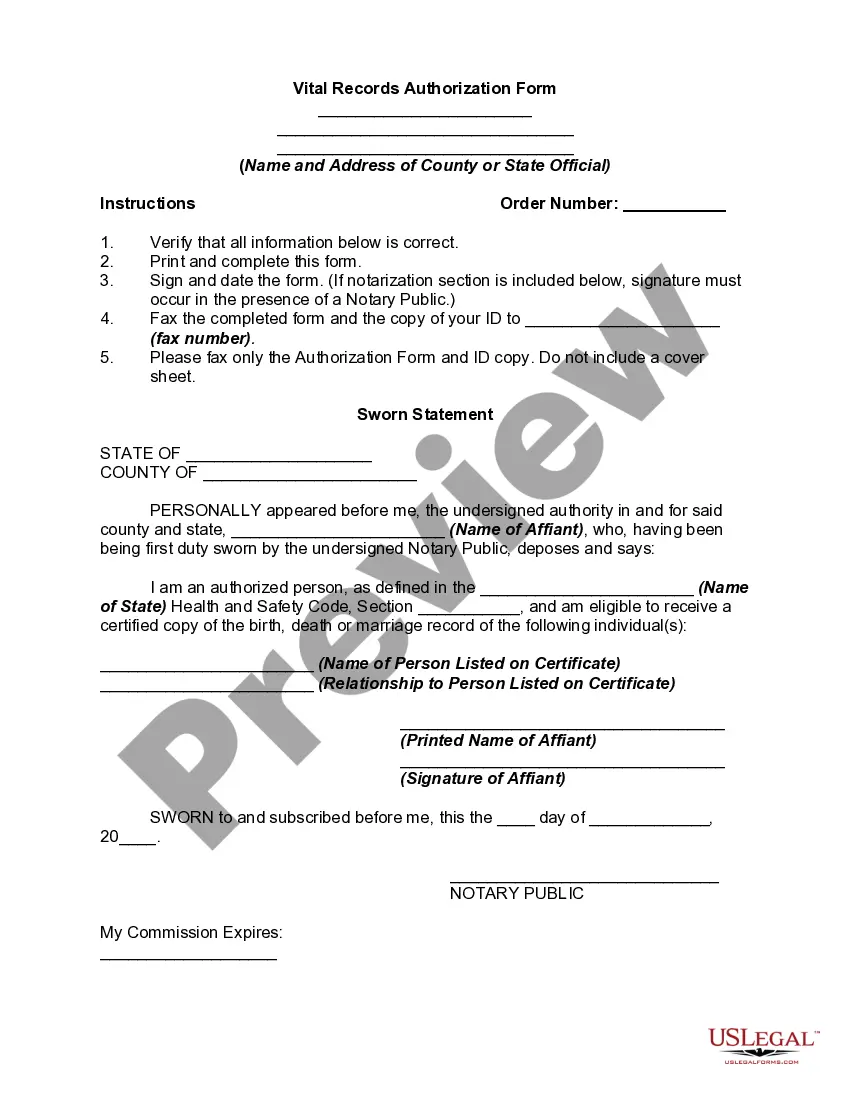
This form usually doesn’t need to be notarized. However, local laws or specific transactions may require it. Our online notarization service, powered by Notarize, lets you complete it remotely through a secure video session, available 24/7.
Get your form ready online
Our built-in tools help you complete, sign, share, and store your documents in one place.
Make edits, fill in missing information, and update formatting in US Legal Forms—just like you would in MS Word.
Download a copy, print it, send it by email, or mail it via USPS—whatever works best for your next step.
Sign and collect signatures with our SignNow integration. Send to multiple recipients, set reminders, and more. Go Premium to unlock E-Sign.
If this form requires notarization, complete it online through a secure video call—no need to meet a notary in person or wait for an appointment.
We protect your documents and personal data by following strict security and privacy standards.

Make edits, fill in missing information, and update formatting in US Legal Forms—just like you would in MS Word.

Download a copy, print it, send it by email, or mail it via USPS—whatever works best for your next step.

Sign and collect signatures with our SignNow integration. Send to multiple recipients, set reminders, and more. Go Premium to unlock E-Sign.

If this form requires notarization, complete it online through a secure video call—no need to meet a notary in person or wait for an appointment.

We protect your documents and personal data by following strict security and privacy standards.
Avoid these common issues
- Failing to gather complete contact information for all relevant parties.
- Omitting historical purchase data, which can lead to inaccurate assessments.
- Not specifying the credit limit clearly, creating confusion later.
Why use this form online
- Convenient access for immediate downloads, allowing for quick assessments.
- Editability helps customize the form to fit specific business needs.
- Reliability, as forms are drafted by licensed attorneys ensuring legal compliance.
Legal use & context
- Used to ensure informed decisions regarding credit extensions.
- Assists in complying with financial regulations concerning credit assessments.
What to keep in mind
- The Commercial Account Analysis Form is essential for assessing business creditworthiness.
- Gather detailed information on historical purchases and competitor presence.
- A comprehensive analysis helps formulate better sales strategies and manage risks.
Looking for another form?


Form popularity
FAQ
Account Analysis is a monthly statement outlining the banking services provided to your business. The statement is usually comprised of the company's average daily balance and the charges that the company incurs from the bank.
The accounting transaction analysis process in 5 steps Identify the accounts involved.Establish the nature of the accounts.Determine which account increases and which one decreases.Apply the rules of debit and credit on accounts.Record the transactions in your journal entry.
An analysis service charge is a fee based on your business banking transactions and activities from the previous month. Examples that result in an analysis service charge include, but aren't limited to exceeding your free transaction limit, wire transfers, and cash/currency services.
The main purpose of this process is to identify any trends in the company's operations and transactions, evaluate its financial performance, or detect any suspicious transactions. Regular account analysis is essential for businesses and can be performed by the company's accounting department or an external auditor.
Here's how to write a financial analysis report: Give an overview of the company.Write sales forecast and other vital sections.Determine the company's valuation.Perform risk analysis.Include summaries of financial statements.Summarize the entire report.
For example, if a five-year profitability goal is to increase profits by 40 percent, this percent becomes an account analysis benchmark for measuring success.
Account Analysis in Accounting and Banking In banking, you can think about account analysis as similar to the statements you receive for your personal bank accounts. Since it is for a company account, however, it is much more detailed and on a larger scale.