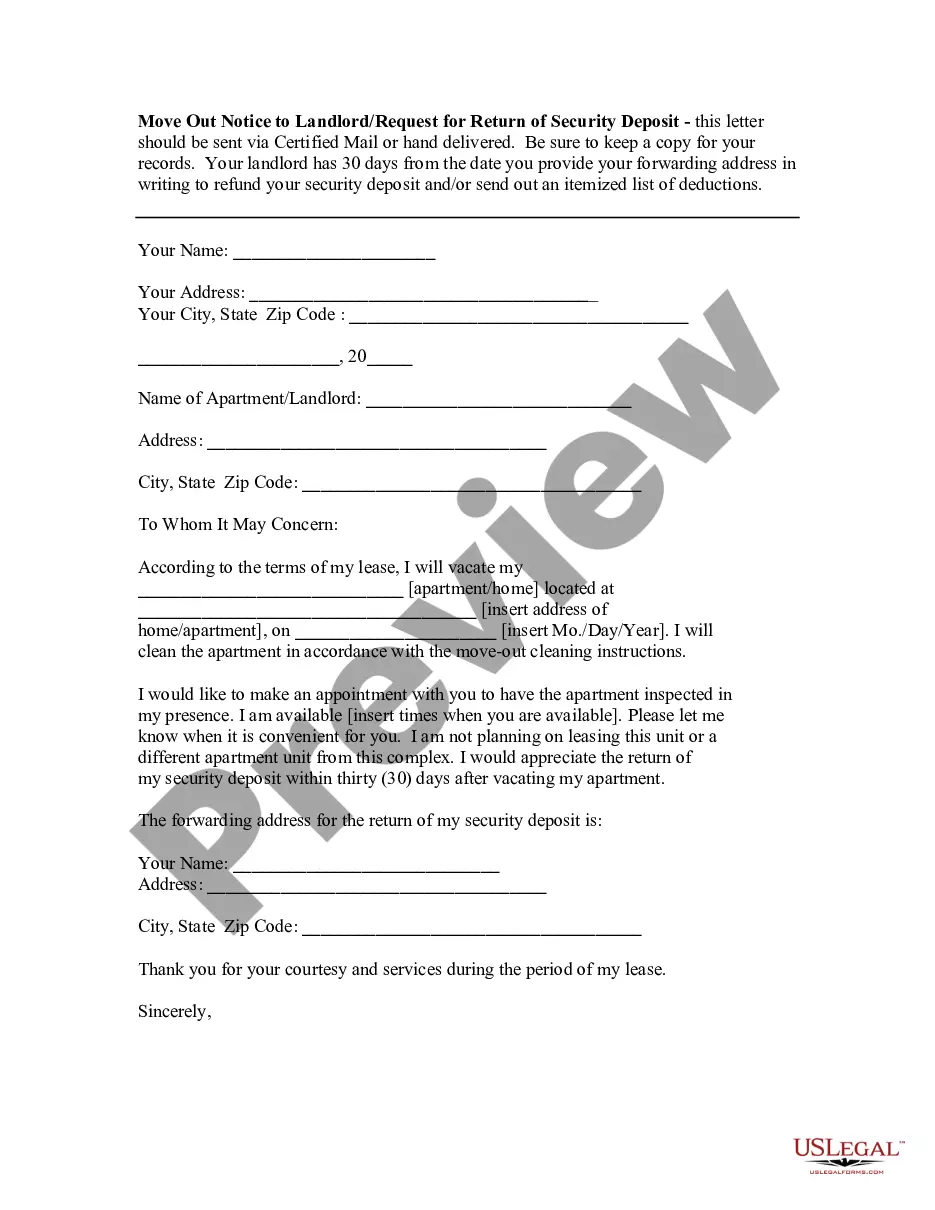
If you are planning on buying a home, condominium, townhouse, or other property, you must take note of whether any restrictive covenants will affect your ability to use your new residence.
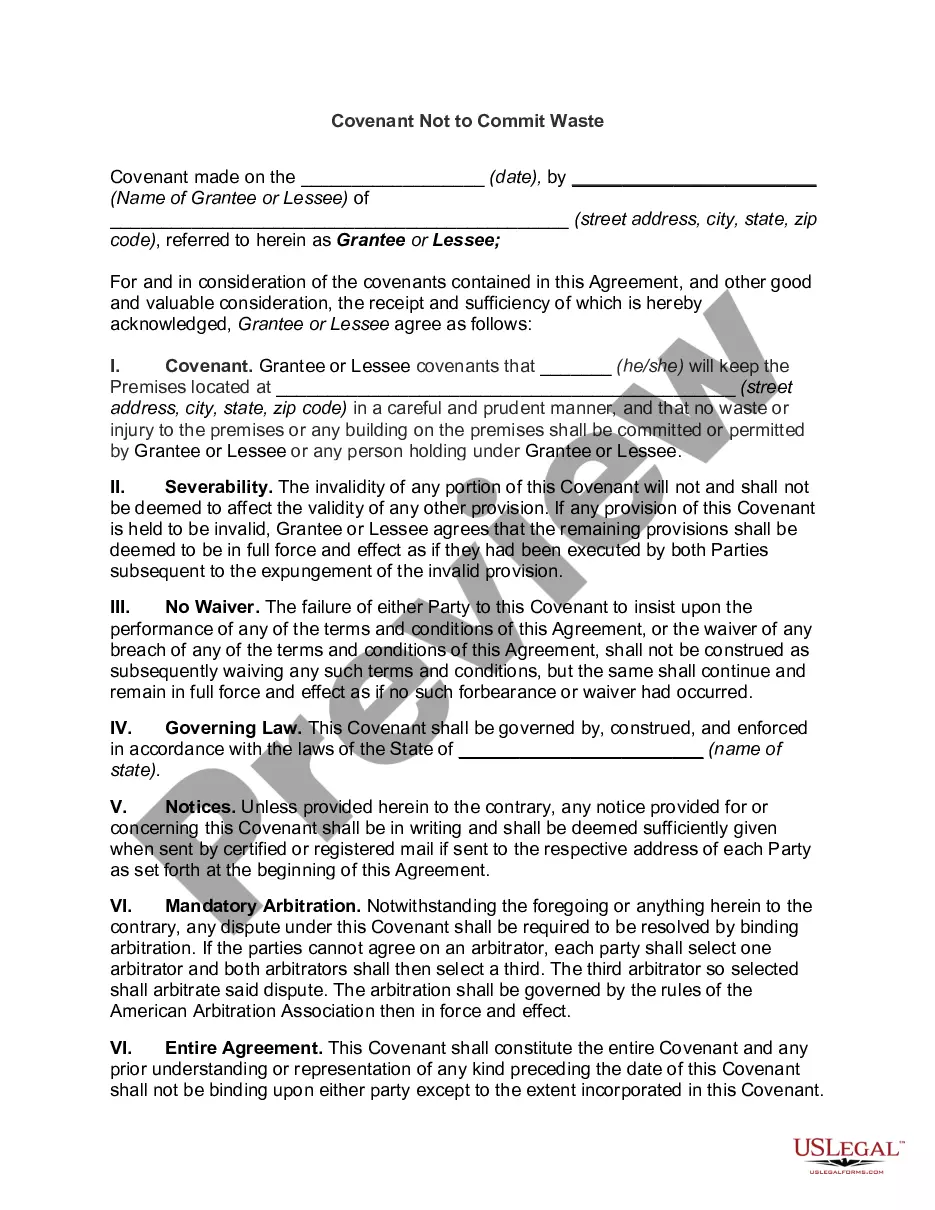
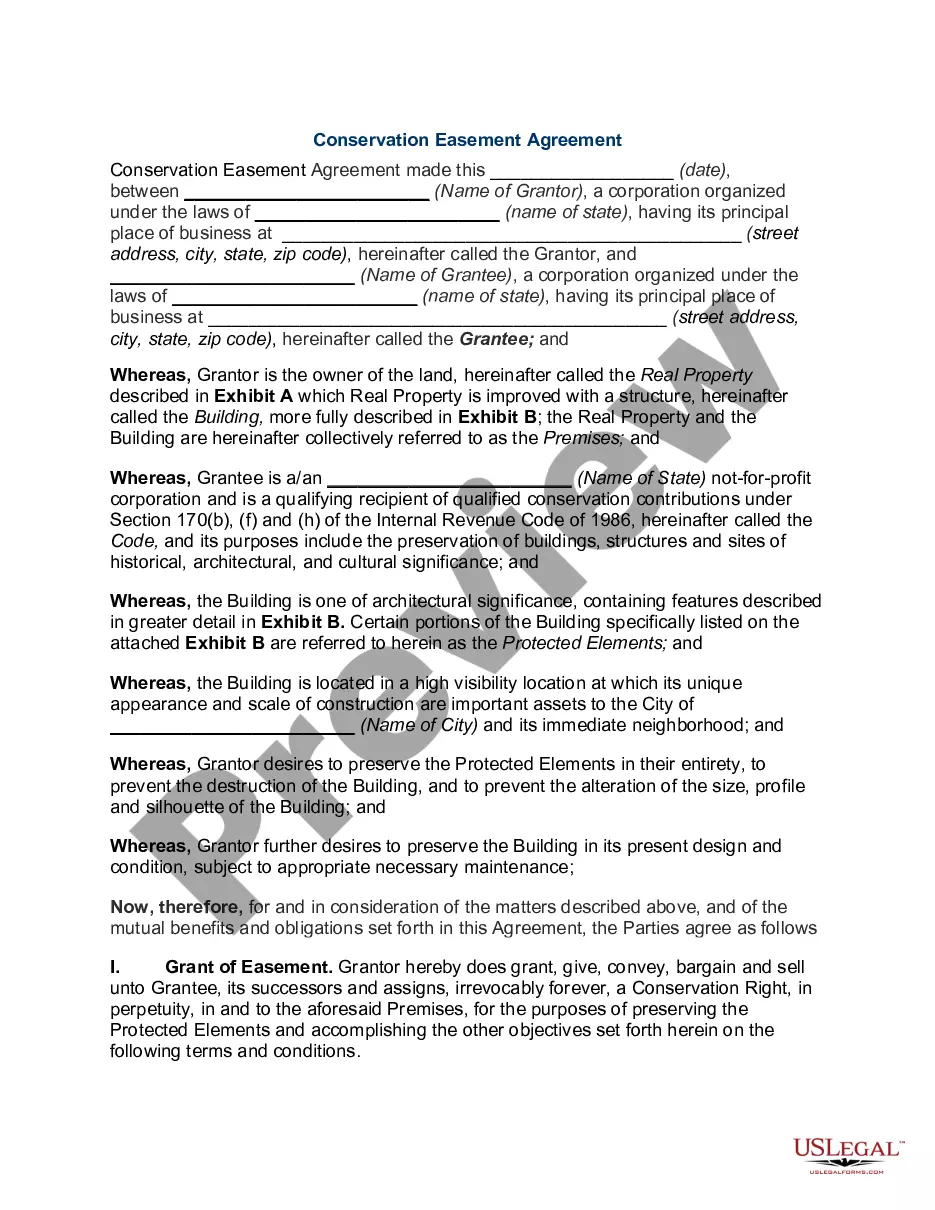
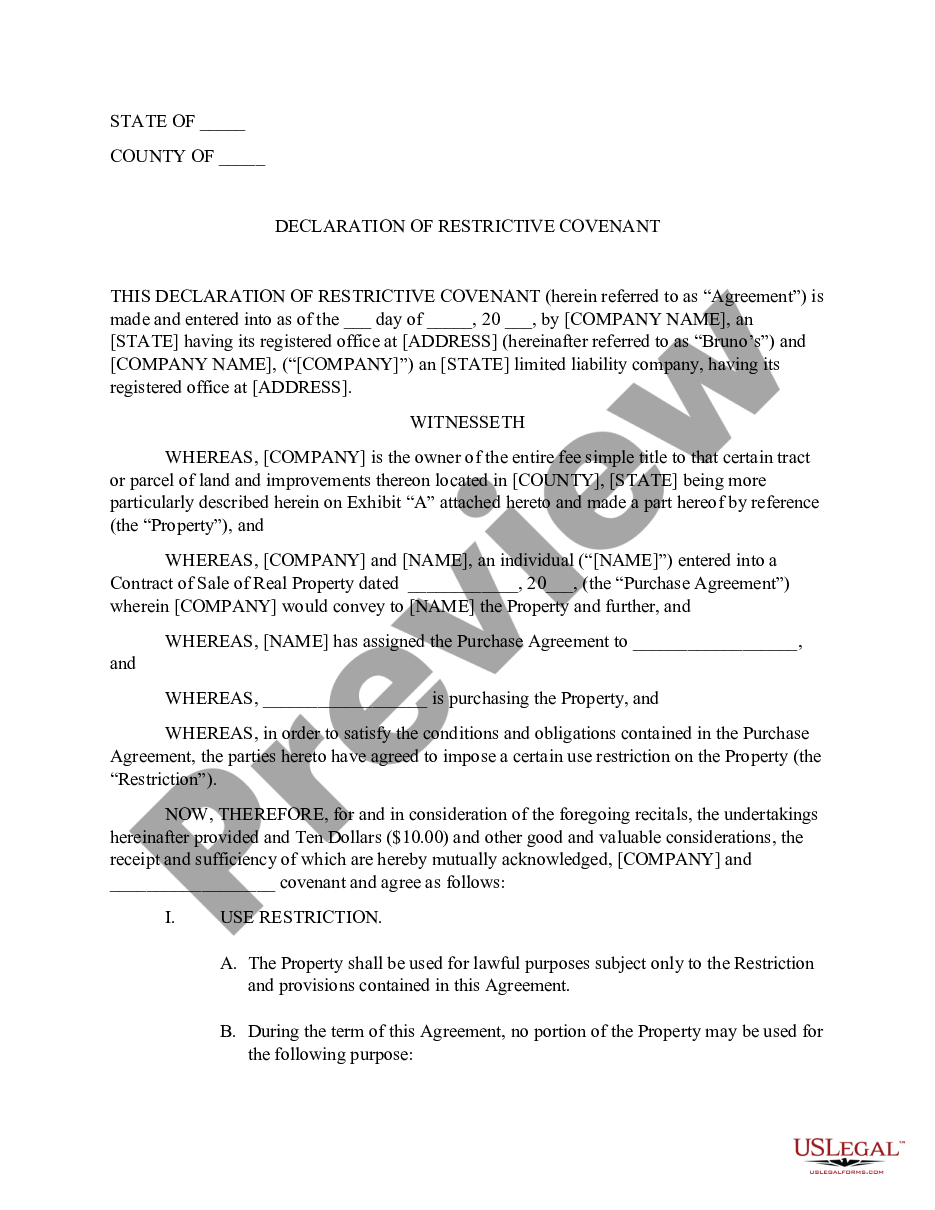
Virginia Agreement Creating Restrictive Covenants
Instant download
Description
Free preview
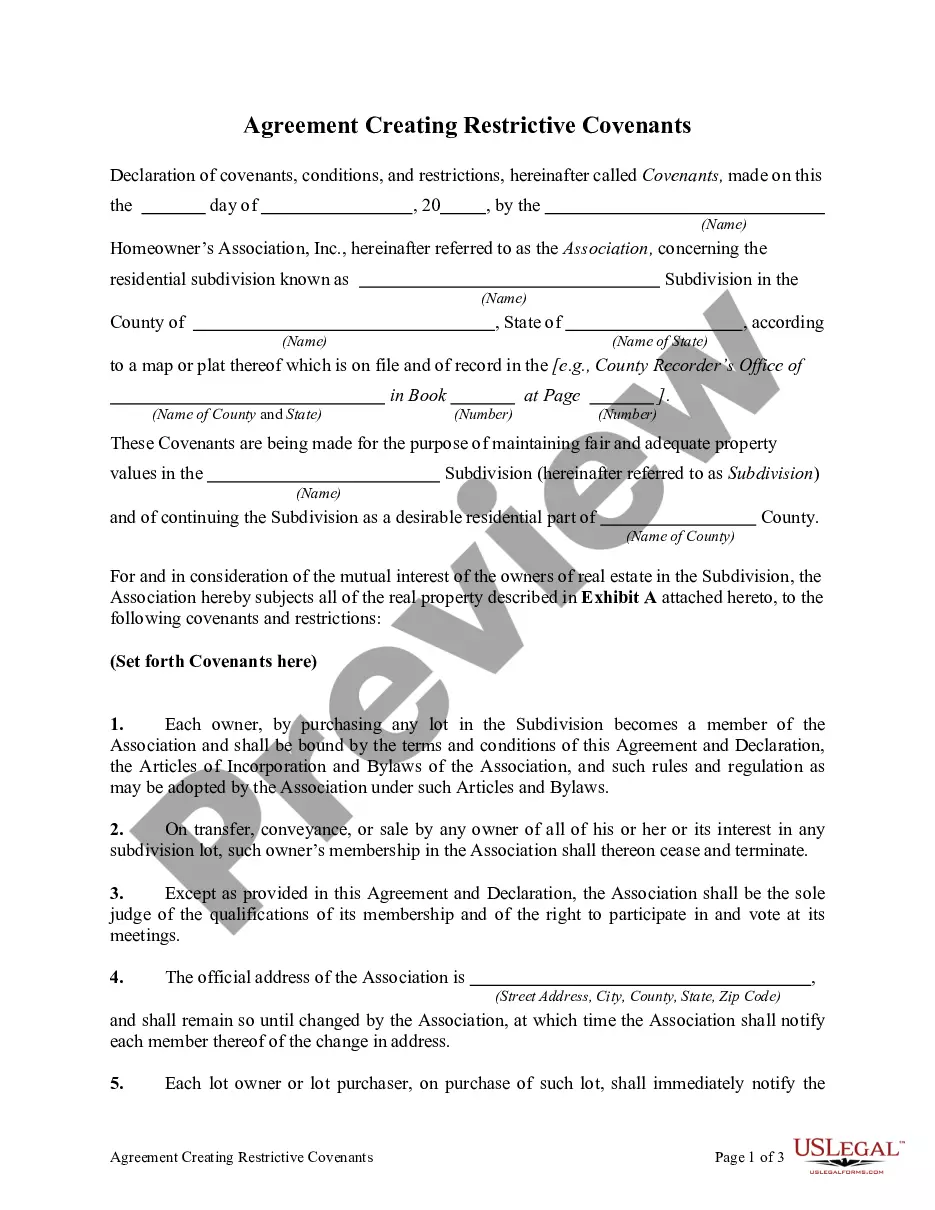
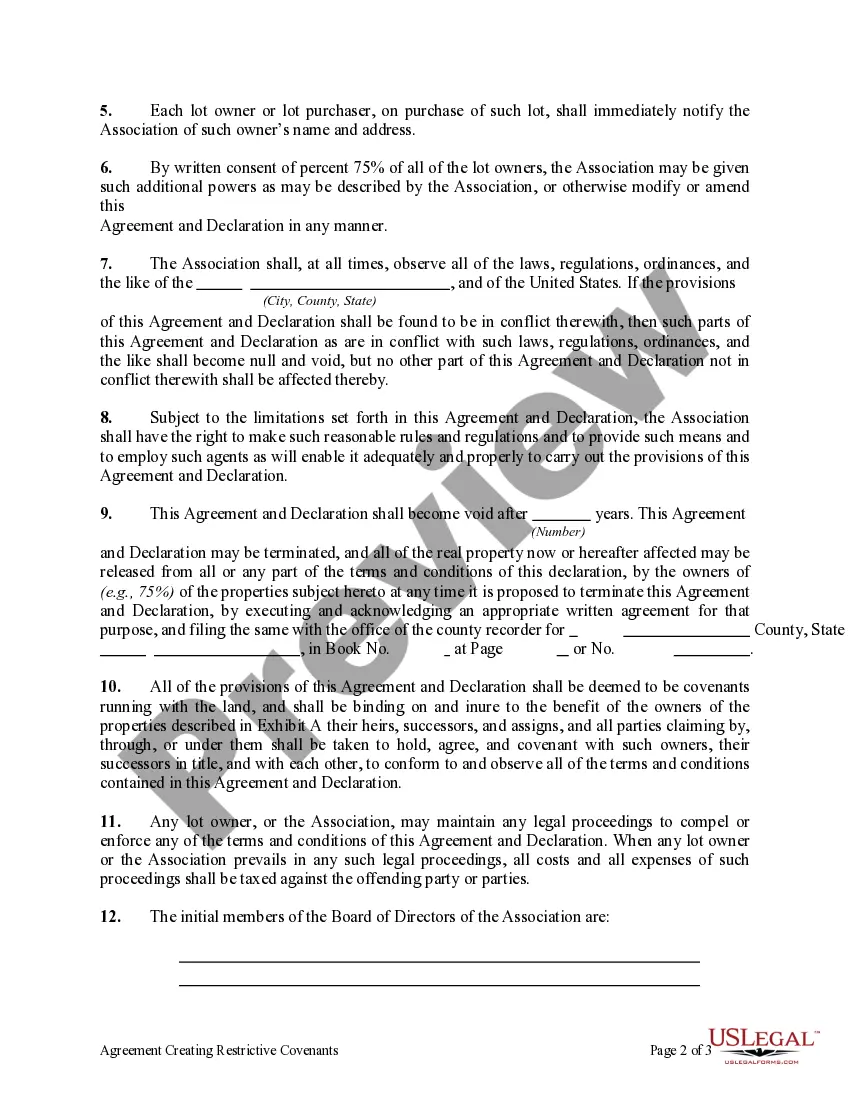
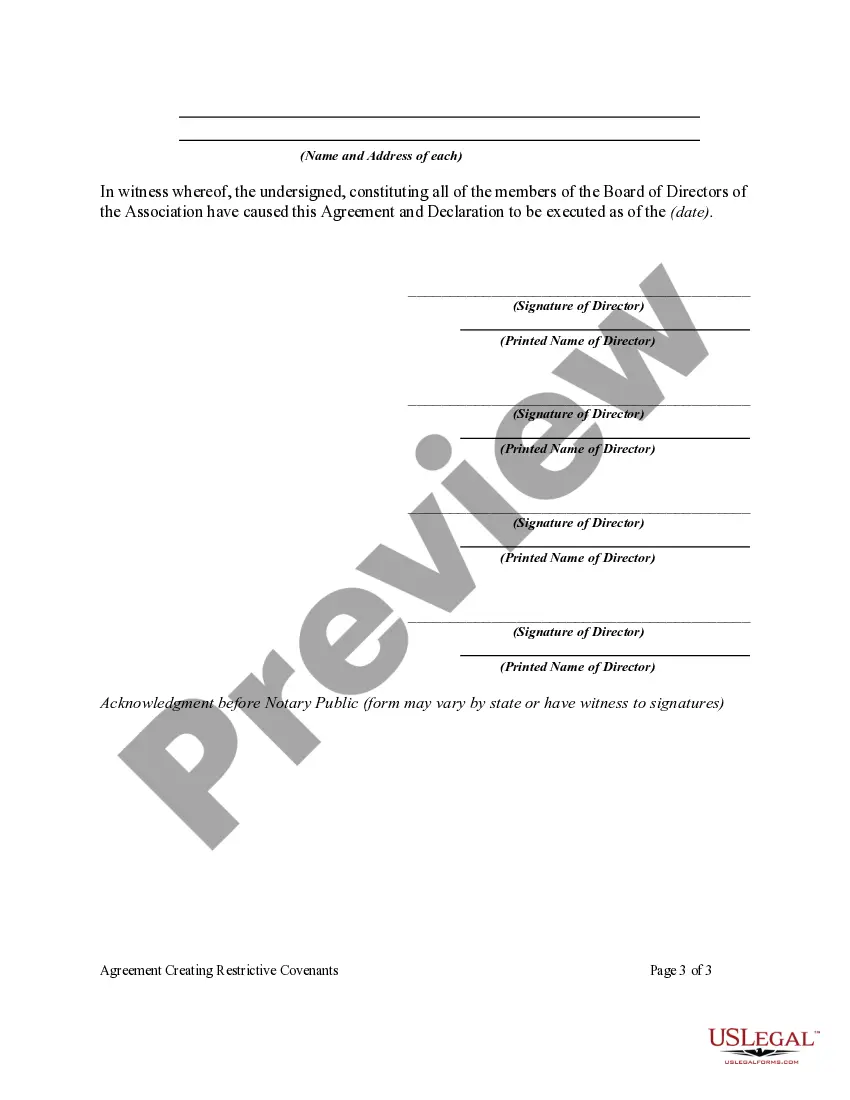

Get your form ready online
Our built-in tools help you complete, sign, share, and store your documents in one place.
Built-in online Word editor
Make edits, fill in missing information, and update formatting in US Legal Forms—just like you would in MS Word.
Export easily
Download a copy, print it, send it by email, or mail it via USPS—whatever works best for your next step.
E-sign your document
Sign and collect signatures with our SignNow integration. Send to multiple recipients, set reminders, and more. Go Premium to unlock E-Sign.
Notarize online 24/7
If this form requires notarization, complete it online through a secure video call—no need to meet a notary in person or wait for an appointment.
Store your document securely
We protect your documents and personal data by following strict security and privacy standards.

Make edits, fill in missing information, and update formatting in US Legal Forms—just like you would in MS Word.

Download a copy, print it, send it by email, or mail it via USPS—whatever works best for your next step.

Sign and collect signatures with our SignNow integration. Send to multiple recipients, set reminders, and more. Go Premium to unlock E-Sign.

If this form requires notarization, complete it online through a secure video call—no need to meet a notary in person or wait for an appointment.

We protect your documents and personal data by following strict security and privacy standards.
Looking for another form?



How to fill out Agreement Creating Restrictive Covenants?
If you wish to accumulate, acquire, or print legal document templates, utilize US Legal Forms, the largest repository of legal forms available online.
Employ the site's straightforward and user-friendly search to locate the documents you need.
Various templates for business and personal purposes are categorized by types and states, or keywords.
Step 4. Once you have found the form you need, choose the Get now button. Select your preferred pricing plan and input your information to register for the account.
Step 5. Process the payment. You may use your credit card or PayPal account to complete the transaction.
- Utilize US Legal Forms to locate the Virginia Agreement Establishing Restrictive Covenants in just a few clicks.
- If you are already a US Legal Forms user, Log In to your account and press the Acquire button to obtain the Virginia Agreement Establishing Restrictive Covenants.
- You can also access forms you previously acquired in the My documents section of your account.
- If you are using US Legal Forms for the first time, follow the steps below.
- Step 1. Ensure you have selected the form for the correct city/state.
- Step 2. Use the Review option to examine the form's content. Remember to read the description.
- Step 3. If you are dissatisfied with the form, use the Lookup field at the top of the screen to find alternative versions of your legal form format.
Form popularity
FAQ
Restrictive covenants in the labor and employment context are agreements between an employer and employee that restrict the activities of an employee following a separation of employment.
Call a Virginia Non-Compete Disputes Attorney A Virginia non-compete disputes lawyer may be able to help parties navigate these clauses and disputes involving non-compete clauses. A legal professional could draft clauses that are likely to hold up in court or help employees to evaluate the legality of their contracts.
Code § 40.1-28. (?CAPLL,? titled ?Employers to allow leave for volunteer members of Civil Air Patrol; civil remedy?), provides that employees who are volunteer members of the Civil Air Patrol are entitled to limited amounts of job-protected leave for training for or responding to emergency missions.
In Virginia, non-compete agreements are enforceable if an employer can show: the restriction is ?no greater than is necessary to protect the employer's legitimate business interest?; the agreement is not excessively severe or oppressive in restricting the employee's ability to find another job or make an income; and.
Unlawful to require payment for medical examination as condition of employment.
An individual who has not been properly classified as an employee may bring a civil action for damages against his employer for failing to properly classify the employee if the employer had knowledge of the individual's misclassification. An individual's representative may bring the action on behalf of the individual.
No employer may discharge, threaten, or otherwise discriminate or retaliate against a low-wage employee for bringing a civil action pursuant to this section.
Restrictive covenants may contain 4 different types of promises: (1) a promise not to compete with one's former employer; (2) a promise not to solicit or accept business from customers of the former employer; (3) a promise not to recruit or hire away employees of the former employer; and (4) the promise not to use or ...