Virginia Personal Effects Disposition
What this document covers
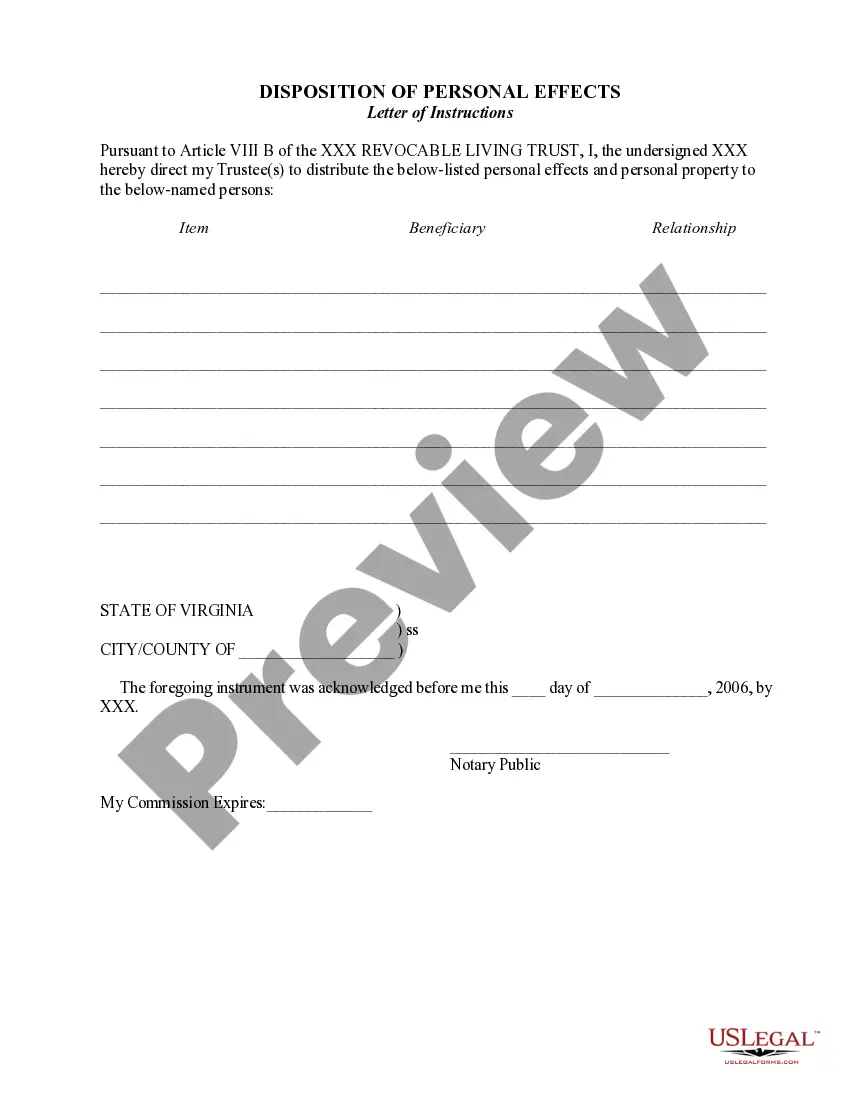
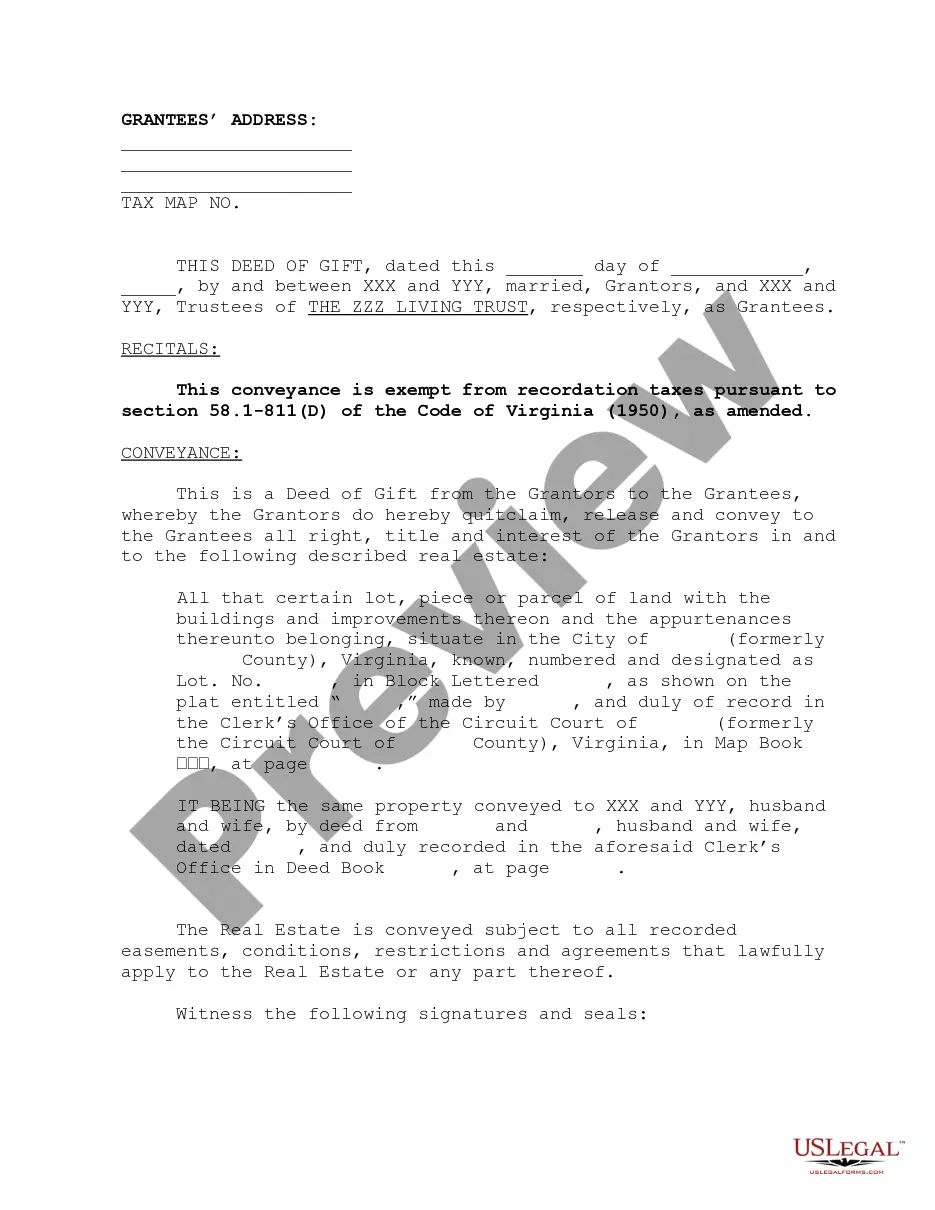
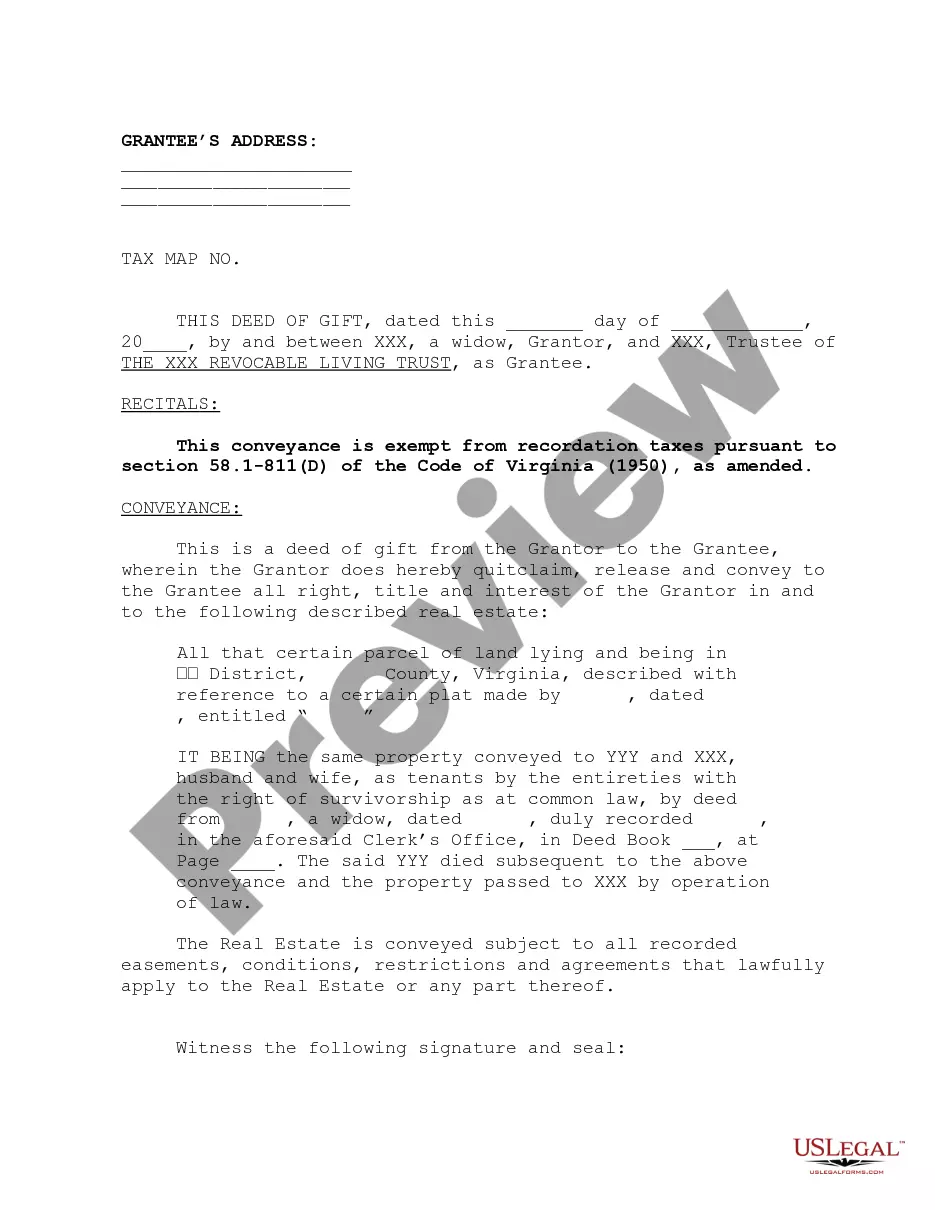
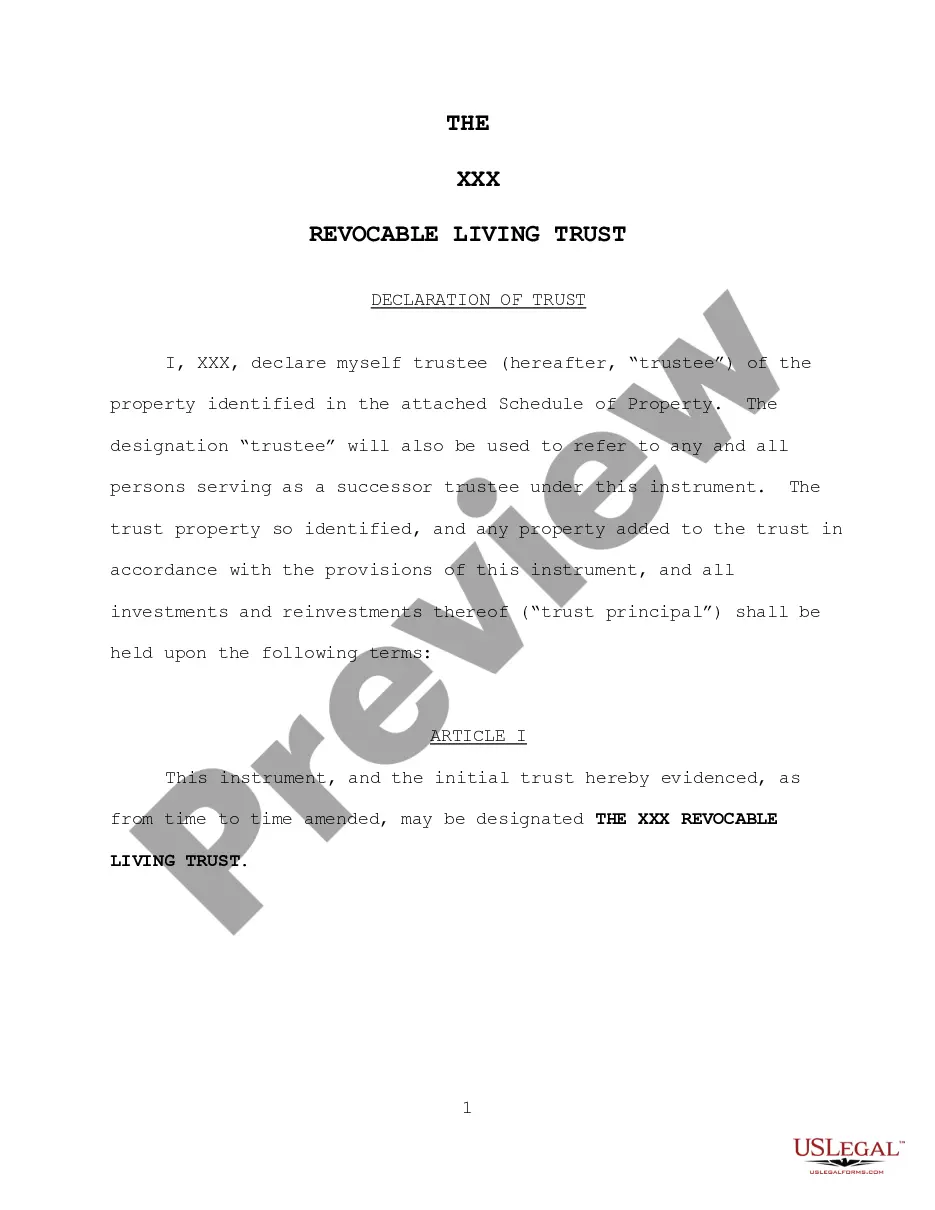
The Personal Effects Disposition form allows a Trustor to instruct their Trustee on how to distribute designated personal items and property to named beneficiaries. This form is essential for clearly outlining the distribution of personal effects, differing from more comprehensive estate planning documents like wills or trusts, which may cover various assets and liabilities.
Key components of this form
- Letter of instructions specifying the Trustor's directions to the Trustee.
- A detailed list of personal effects and property to be distributed.
- Names of beneficiaries designated to receive specific items.
- Signature of the Trustor for authenticity.
- Acknowledgment section for notarization, if required.
When to use this document
This form is used when a Trustor wishes to clearly delineate which personal items or property should be given to specific individuals after their passing. It is particularly useful in situations where a Trustor owns valuable items or wishes to avoid disputes among family members by specifying recipients for personal keepsakes and belongings.
Who can use this document
This form is intended for:
- Individuals who have created a revocable living trust and wish to add instructions for personal property distribution.
- Trustors who want to ensure their personal effects are distributed according to their wishes.
- Anyone seeking to prevent potential conflicts or misunderstandings among beneficiaries regarding personal items.
How to prepare this document
- Identify yourself as the Trustor and provide your full name.
- List each personal effect or property item you wish to distribute.
- Indicate the name of the beneficiary for each item along with their relationship to you.
- Sign and date the form to validate your instructions.
- If necessary, have the form notarized to meet legal requirements.
Notarization guidance
This document requires notarization to meet legal standards. US Legal Forms provides secure online notarization powered by Notarize, allowing you to complete the process through a verified video call, available 24/7.
Get your form ready online
Our built-in tools help you complete, sign, share, and store your documents in one place.
Make edits, fill in missing information, and update formatting in US Legal Forms—just like you would in MS Word.
Download a copy, print it, send it by email, or mail it via USPS—whatever works best for your next step.
Sign and collect signatures with our SignNow integration. Send to multiple recipients, set reminders, and more. Go Premium to unlock E-Sign.
If this form requires notarization, complete it online through a secure video call—no need to meet a notary in person or wait for an appointment.
We protect your documents and personal data by following strict security and privacy standards.

Make edits, fill in missing information, and update formatting in US Legal Forms—just like you would in MS Word.

Download a copy, print it, send it by email, or mail it via USPS—whatever works best for your next step.

Sign and collect signatures with our SignNow integration. Send to multiple recipients, set reminders, and more. Go Premium to unlock E-Sign.

If this form requires notarization, complete it online through a secure video call—no need to meet a notary in person or wait for an appointment.

We protect your documents and personal data by following strict security and privacy standards.
Mistakes to watch out for
- Failing to clearly identify each personal effect, leading to ambiguity.
- Not specifying the relationship of each beneficiary, which may cause confusion.
- Omitting the date and signature, which could render the form invalid.
- Neglecting to have the form notarized when required by state law.
Why use this form online
- Convenience of downloading and completing the form from anywhere.
- Editability of the form allows easy updates and modifications.
- Reliable templates drafted by licensed attorneys ensure legal soundness.
Looking for another form?


Form popularity
FAQ
Business Tangible Property and Vehicles Tangible personal property, as defined by state code, is all personal property not otherwise classified as intangible personal property, merchants' capital, or as short-term rental property (Code of Virginia, §58.1-3500).
Dying intestate means dying without a will. Virginia's laws of intestate succession state that when a person dies leaving a spouse and children, one-third of the person's assets pass to the spouse and two-thirds of the person's assets pass to the children.
Virginia is a common law property state. This means that in cases of intestacy, the estate is automatically inherited by the spouse.Therefore, if there is a surviving spouse, the spouse will receive the deceased's portion of all marital properties.
Heirs/Heirs at Law: the persons who would inherit the decedent's estate if the decedent died intestate, as determined by law at the time of the decedent's death.
California is a community property state, which means that following the death of a spouse, the surviving spouse will have entitlement to one-half of the community property (i.e., property that was acquired over the course of the marriage, regardless of which spouse acquired it).
WHO INHERITS THE PROPERTY OF AN INTESTATE? someone other than the surviving spouse in which case, one-third goes to the surviving spouse and the remaining two-thirds is divided among all children. f0a7 if no surviving spouse, all passes to the children and their descendants.
WHO INHERITS THE PROPERTY OF AN INTESTATE? someone other than the surviving spouse in which case, one-third goes to the surviving spouse and the remaining two-thirds is divided among all children. f0a7 if no surviving spouse, all passes to the children and their descendants.
In Virginia, the signing of a will must generally be witnessed by two competent persons, who also must sign the will in front of the testator.If the will includes a notarized Self-Proving Affidavit, the will is presumed to be properly executed and is accepted by the court without testimony from the witnesses.
When real estate is in Virginia, but outside the county having jurisdiction of probate, the will is still recorded in the county having jurisdiction.A certified copy of the will list of heirs and probate order are prepared for the person presenting the will to record in the county where the real estate is located.