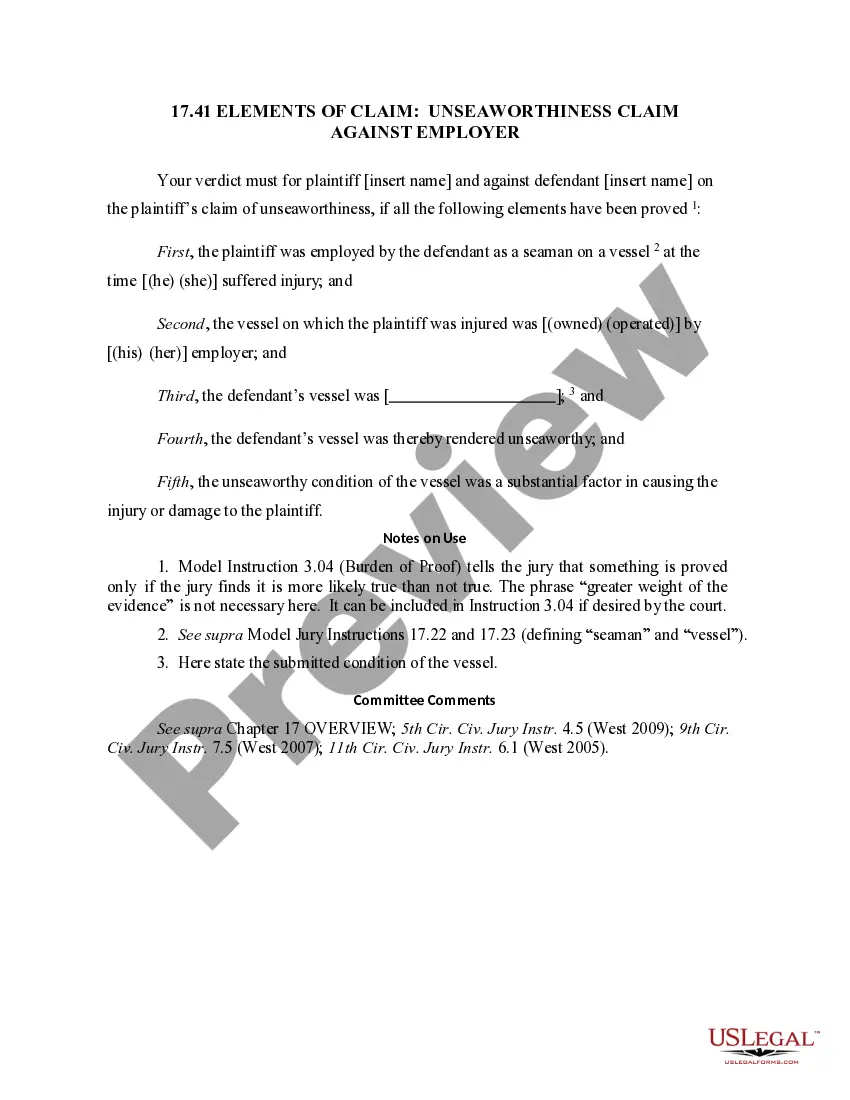
Virginia Deed of Gift to Trust by Single Widow
Understanding this form
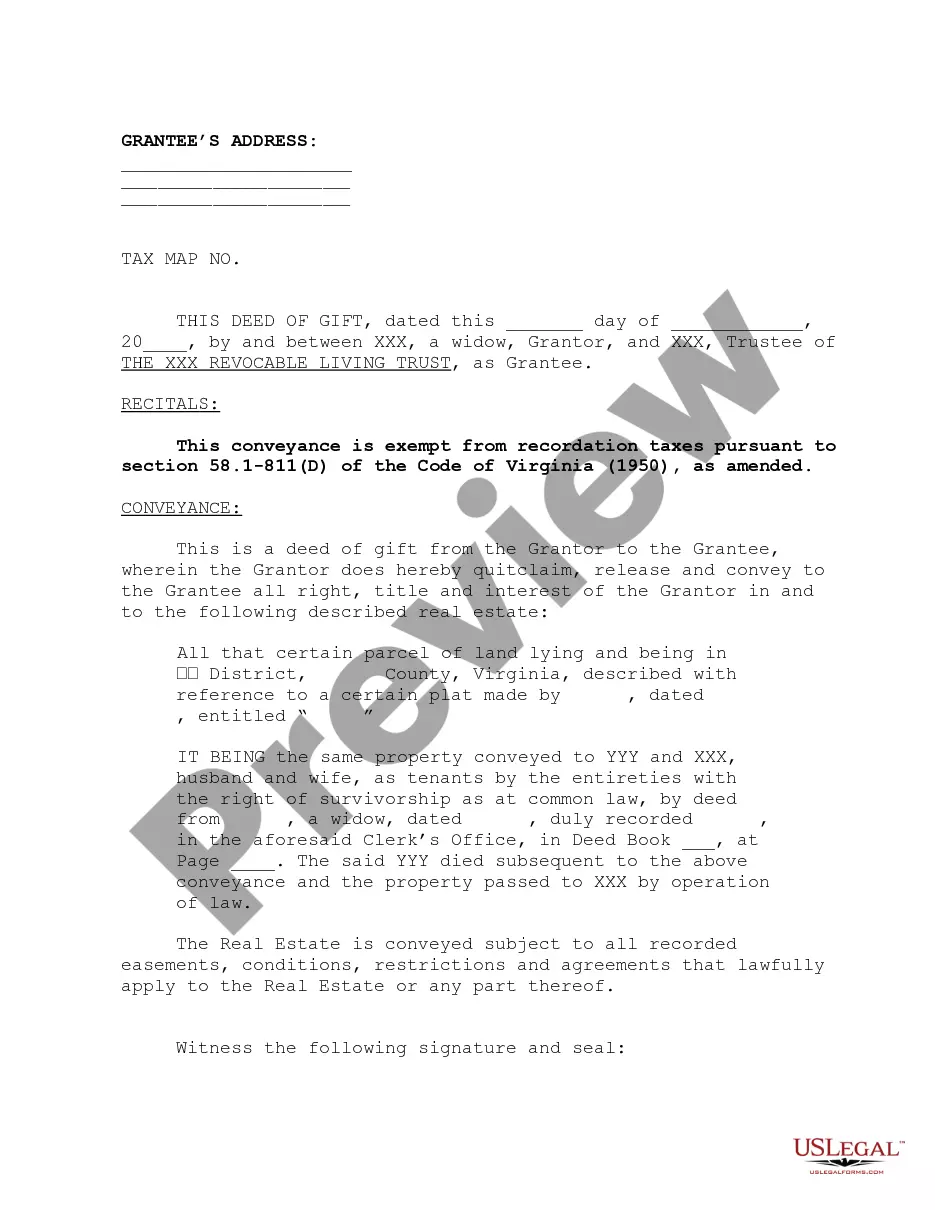
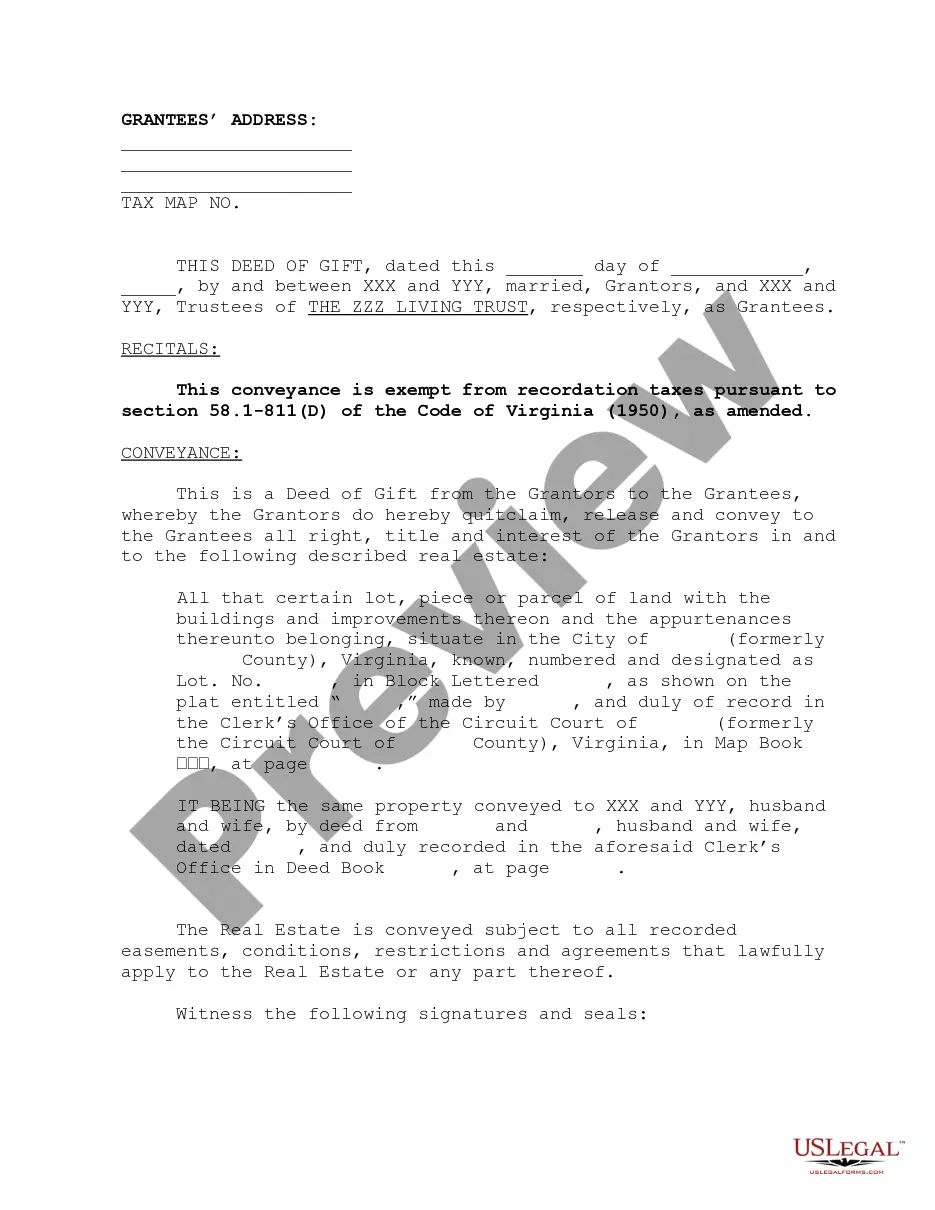
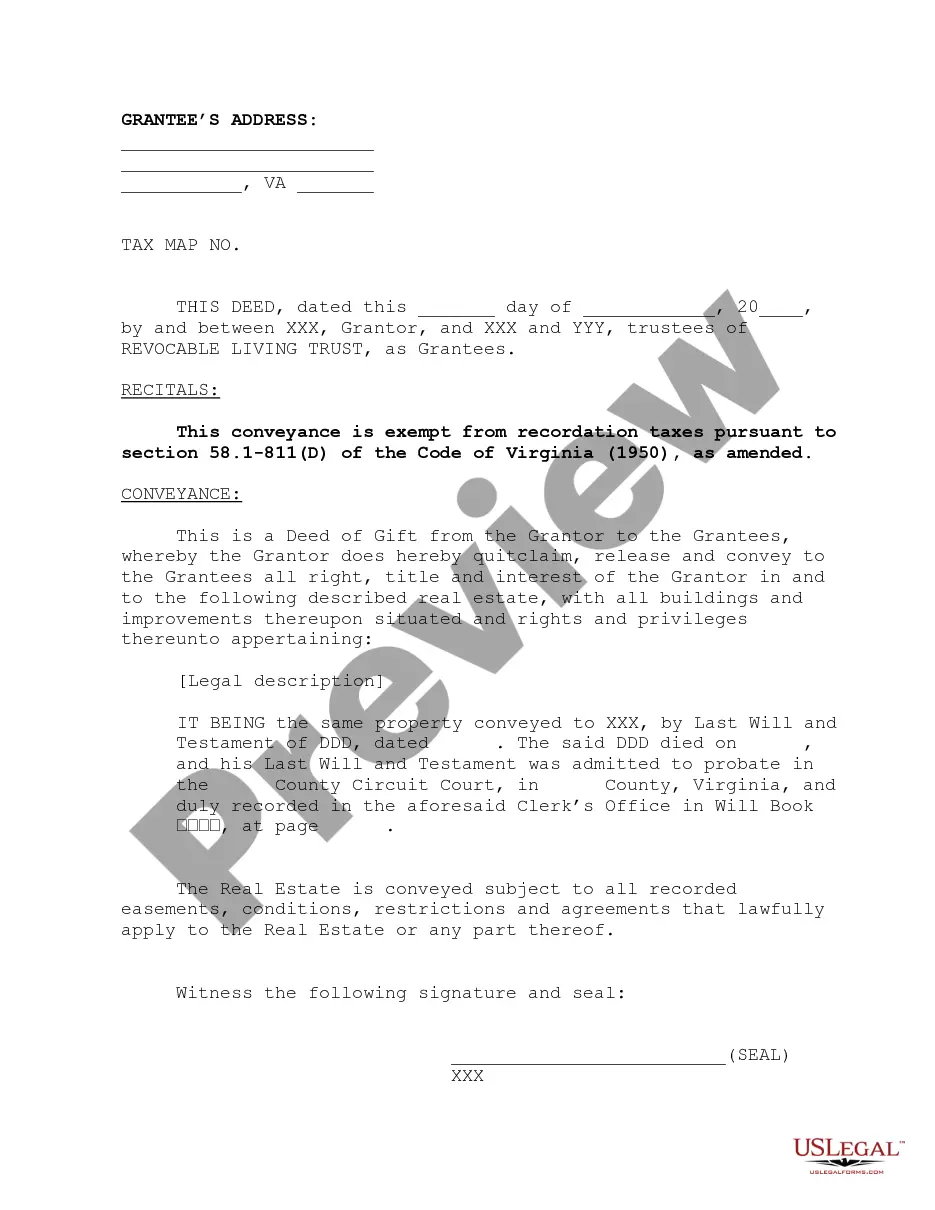
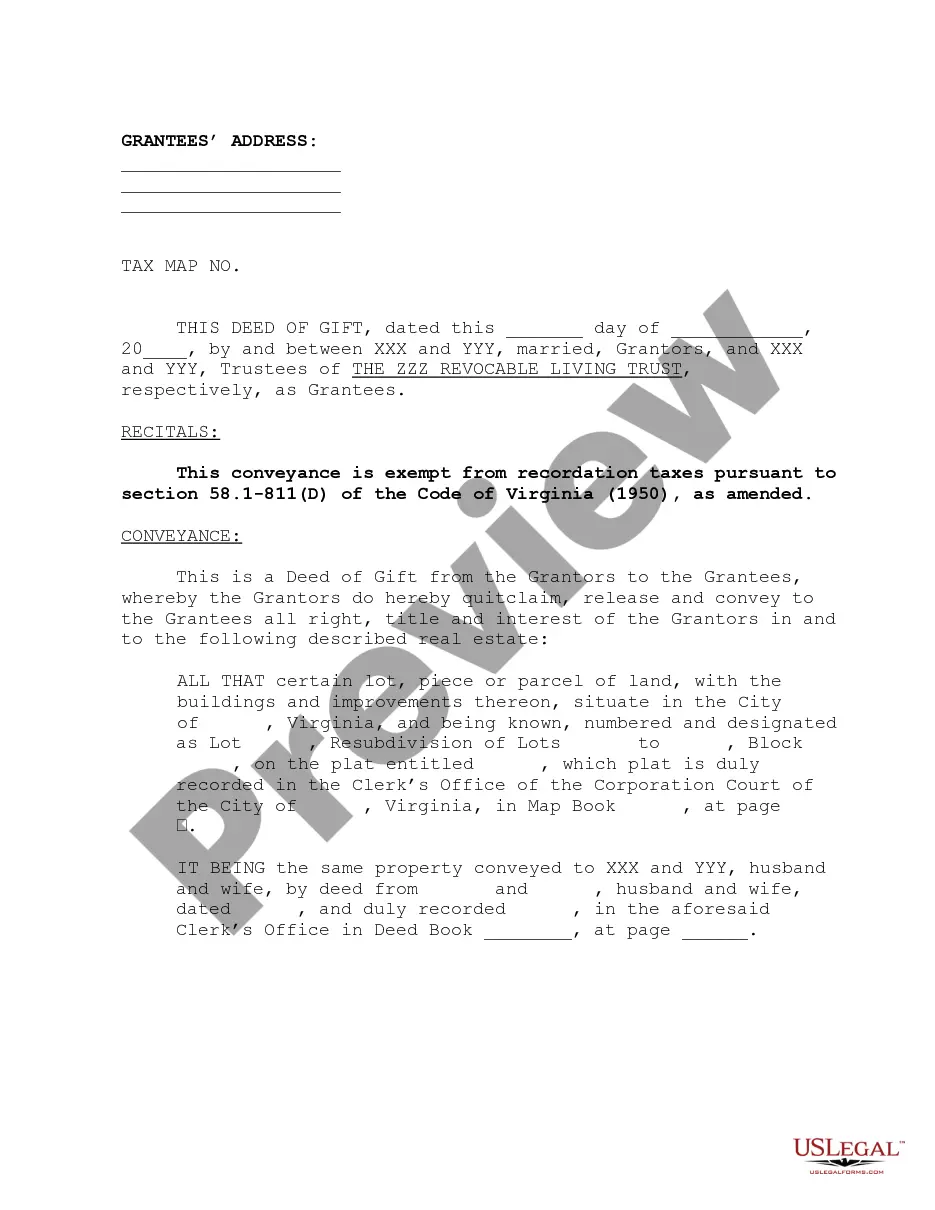
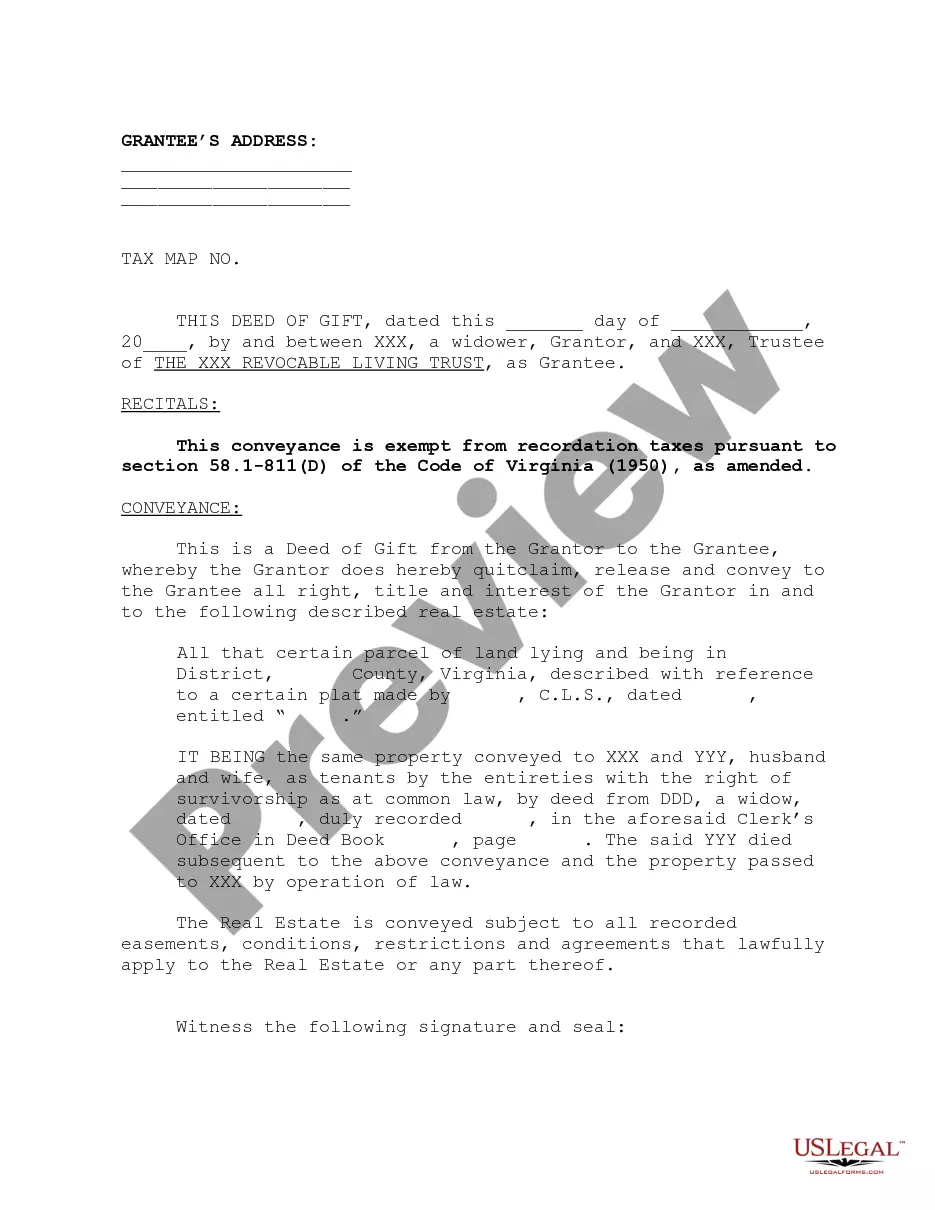
The Deed of Gift to Trust by Single Widow is a legal document used to transfer property from a single widow to the Trustee of a Revocable Living Trust. This form ensures that the conveyance of property is clear and legally binding, exempting it from certain recordation taxes. Unlike other estate planning documents, this deed specifically facilitates the gift of property into a trust, helping to avoid probate in managing the estate after the Grantor's death.
Key parts of this document
- Identification of the Grantor (single widow) and Grantee (Trustee of the trust).
- Recital section confirming the tax exemption for recordation.
- Details regarding the property being gifted, including its address and tax map number.
- Signature lines for the Grantor and the Trustee to validate the deed.
- Date of the deed to confirm the official transfer timeline.
When to use this form
This form should be used when a single widow wants to gift property to a Revocable Living Trust. It's particularly useful in situations where the Grantor desires to simplify estate management or avoid probate delays after their passing. This deed serves as a clear record of the property transfer to the trust, which can help ensure that the Grantor's wishes are honored regarding the distribution of their estate.
Who this form is for
This form is intended for:
- Single widows who own property and wish to transfer it to their Revocable Living Trust.
- Trustees managing a Revocable Living Trust seeking documentation of property transfers.
- Individuals looking to facilitate estate planning by avoiding probate on gifted properties.
How to complete this form
- Identify the parties: Fill in the names of the Grantor (single widow) and the Grantee (Trustee of the Revocable Living Trust).
- Specify the property: Enter the address and tax map number of the property being gifted.
- Confirm the date: Write down the date of the deed to establish the effective date of the property transfer.
- Sign the deed: The Grantor and Trustee must sign the document to validate the gift.
- Check for tax exemption: Note the tax exemption clause to confirm recordation tax applicability as per Virginia law.
Does this form need to be notarized?
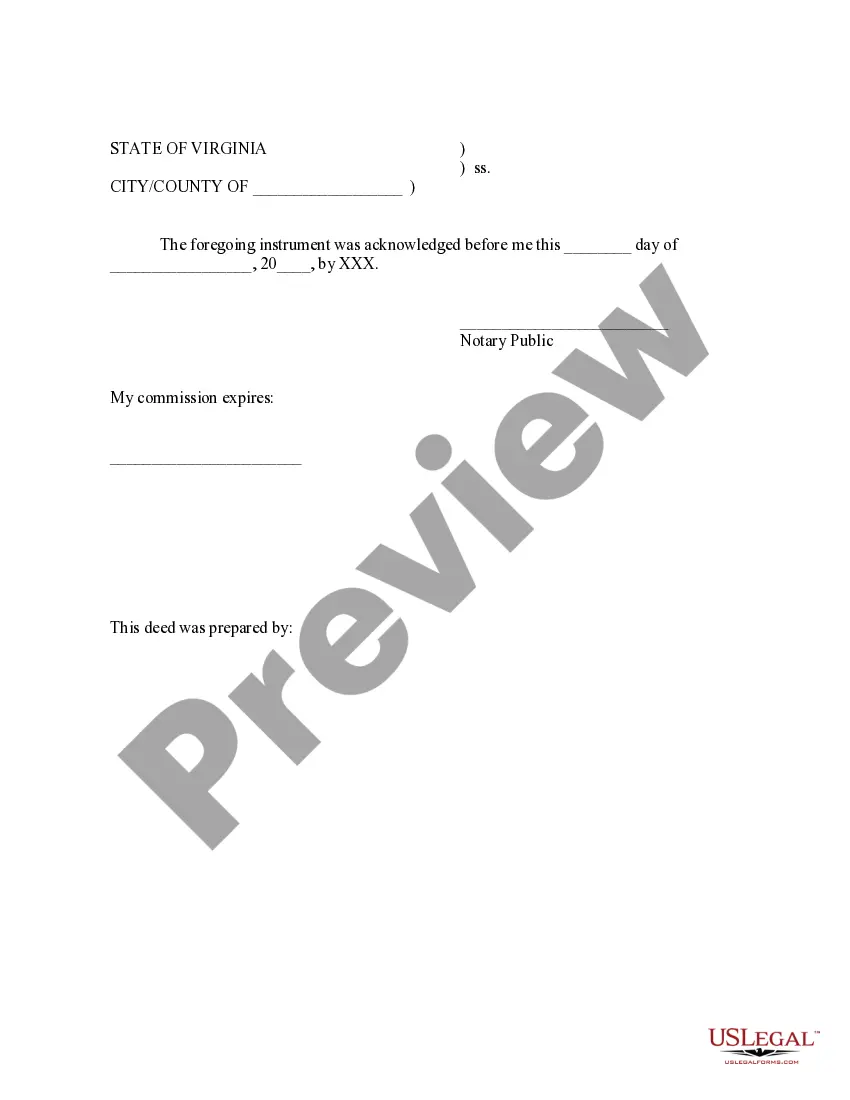
This form needs to be notarized to ensure legal validity. US Legal Forms provides secure online notarization powered by Notarize, allowing you to complete the process through a verified video call, available anytime.
Get your form ready online
Our built-in tools help you complete, sign, share, and store your documents in one place.
Make edits, fill in missing information, and update formatting in US Legal Forms—just like you would in MS Word.
Download a copy, print it, send it by email, or mail it via USPS—whatever works best for your next step.
Sign and collect signatures with our SignNow integration. Send to multiple recipients, set reminders, and more. Go Premium to unlock E-Sign.
If this form requires notarization, complete it online through a secure video call—no need to meet a notary in person or wait for an appointment.
We protect your documents and personal data by following strict security and privacy standards.

Make edits, fill in missing information, and update formatting in US Legal Forms—just like you would in MS Word.

Download a copy, print it, send it by email, or mail it via USPS—whatever works best for your next step.

Sign and collect signatures with our SignNow integration. Send to multiple recipients, set reminders, and more. Go Premium to unlock E-Sign.

If this form requires notarization, complete it online through a secure video call—no need to meet a notary in person or wait for an appointment.

We protect your documents and personal data by following strict security and privacy standards.
Common mistakes to avoid
- Failing to accurately identify the property details, such as the address and tax map number.
- Not having the document signed by both parties, which invalidates the deed.
- Overlooking the requirement to note the date of the deed.
Benefits of using this form online
- Instant access to professionally drafted legal form tailored to your needs.
- Easy editing options to customize the form for your specific situation.
- Reliable legal guidance provided by attorneys ensuring compliance with state laws.
Looking for another form?
Form popularity
FAQ
If you'd like to avoid having your property going through the probate process, it's a good idea to look into a transfer on death deed. A transfer on death deed allows you to select a beneficiary who will receive your property, but only when you've passed away.
In most cases, the surviving owner or heir obtains the title to the home, the former owner's death certificate, a notarized affidavit of death, and a preliminary change of ownership report form. When all these are gathered, the transfer gets recorded, the fees are paid, and the county issues a new title deed.
Gift made by way of movable property is required to be made in stamp paper and stamped by the notary or court. Registration of gift deed is not required in case of transfer of moveable property.Gift of immovable property which is not registered is not a valid as per law and cannot pass any title to the donee.
Any person of sound mind, and above the age of 18 can be a witness. any least two witnesses should attest in the gift deed . - Since, the said property is self acquired property of your grandfather , then he is having his right to gift you without the interfere of any other legal heirs like your father etc.
Virginia's statutory transfer on death deed became effective on July 1, 2013. These deeds are governed by the Uniform Real Property Transfer on Death Act (URPTODA), which is incorporated into the Virginia statutes at 64.2-621 et seq.
Locate the most recent deed to the property. Create the new deed. Sign and notarize the new deed. Record the deed in the land records of the clerk's office of the circuit court in the jurisdiction where the property is located.
A transfer on death deed allows you to retain full ownership during your lifetime and conveys your full interest to the Grantee upon your death.Ultimately, the decision between a life estate and transfer on death deed is dependent on why you want to transfer the property.
A Deed of Gift is a formal legal document used to give a gift of property or money to another person. It transfers the money or ownership of property (or share in a property) to another person without payment is demanded in return.Giving a gift to someone can have some Inheritance Tax implications.
Virginia allows you to leave real estate with transfer-on-death deeds, also called beneficiary deeds. You sign and record the deed now, but it doesn't take effect until your death.