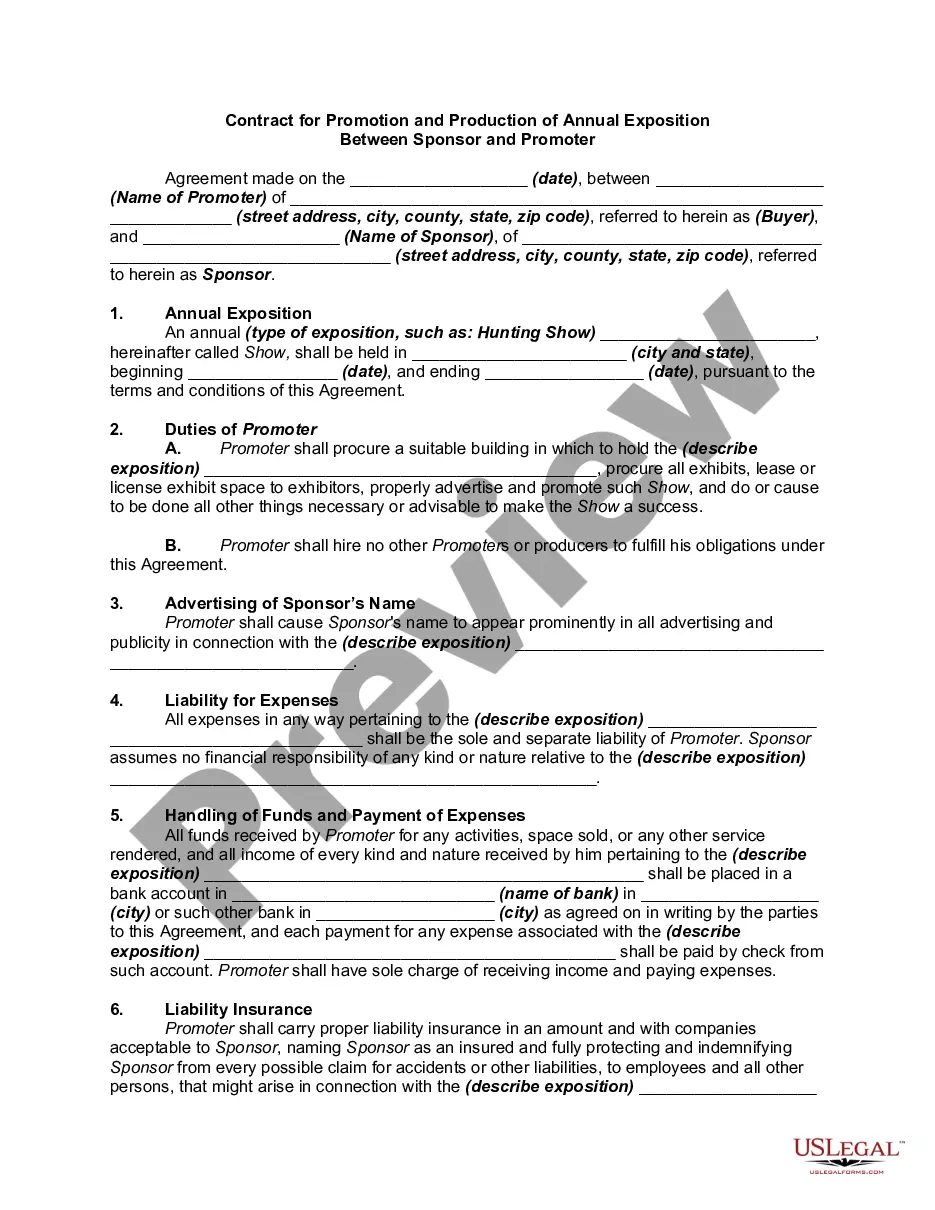
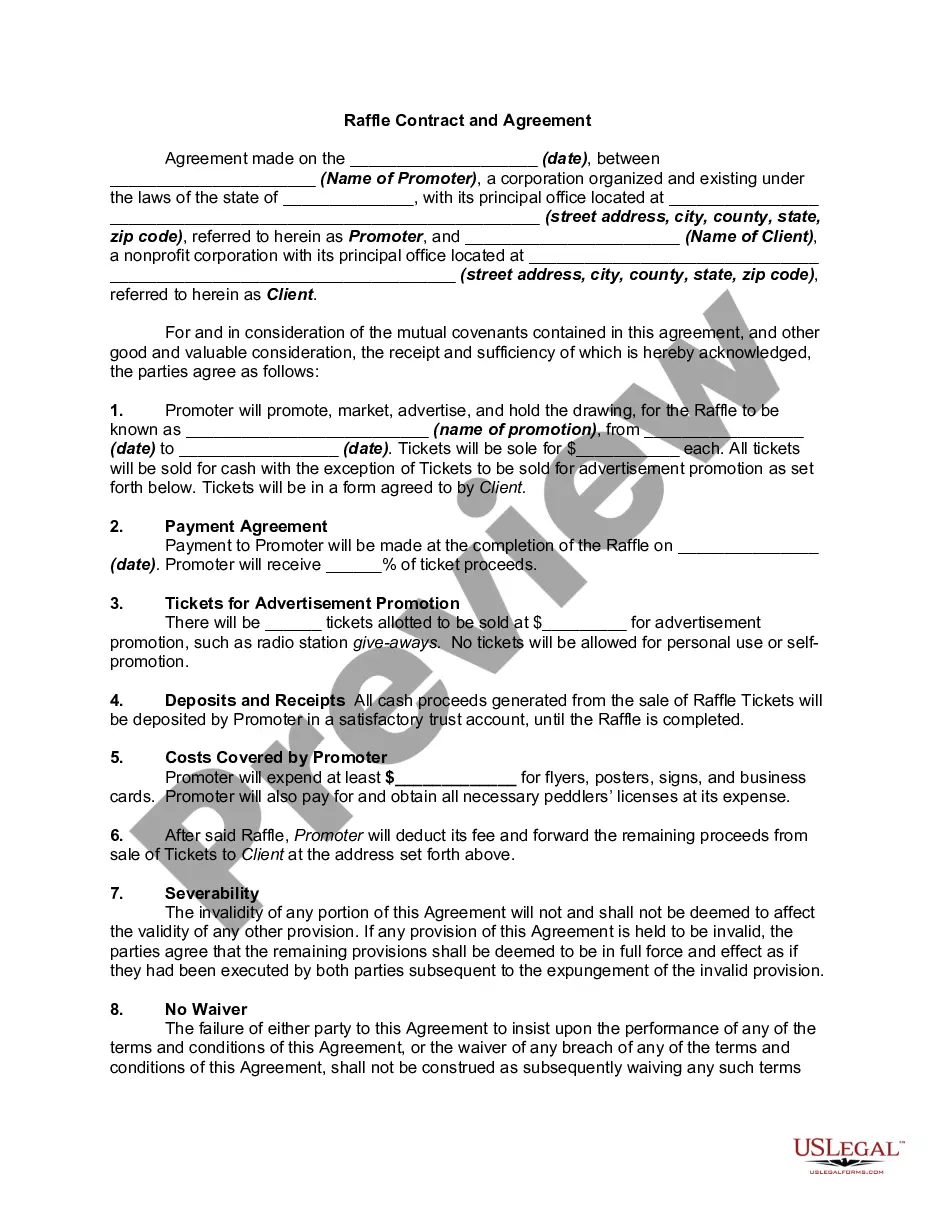
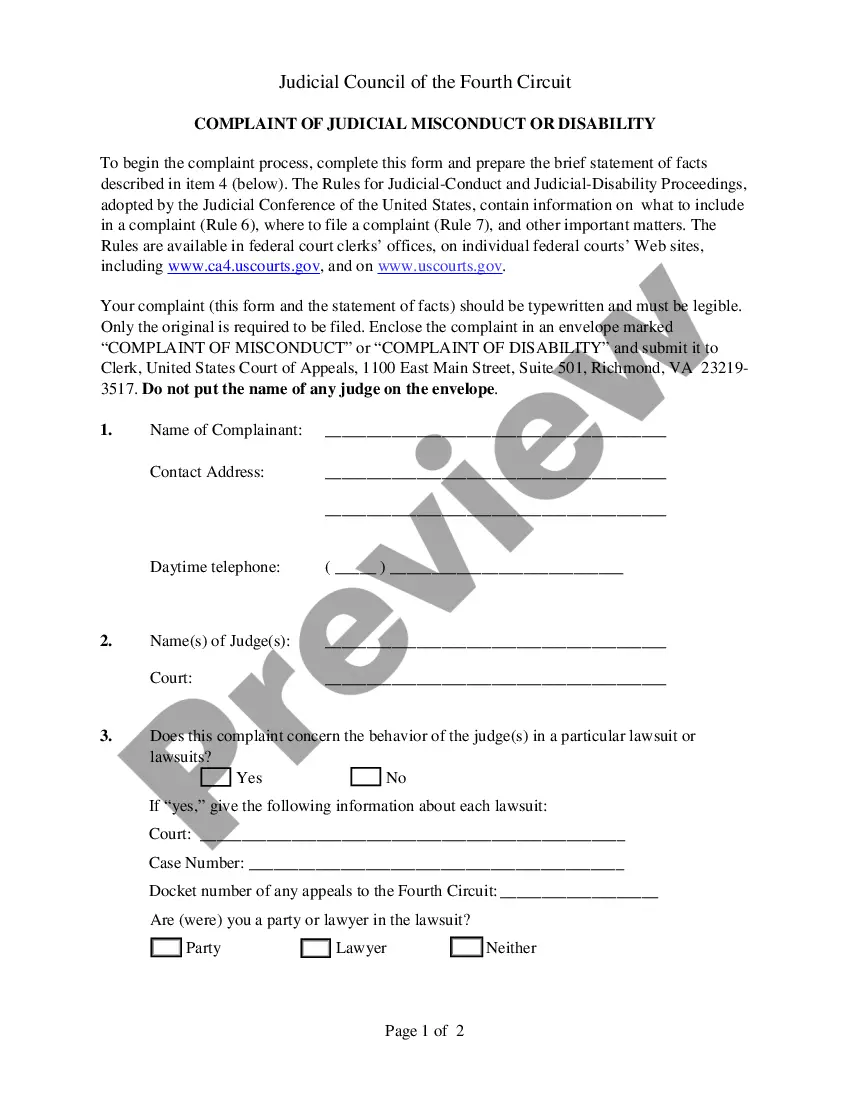
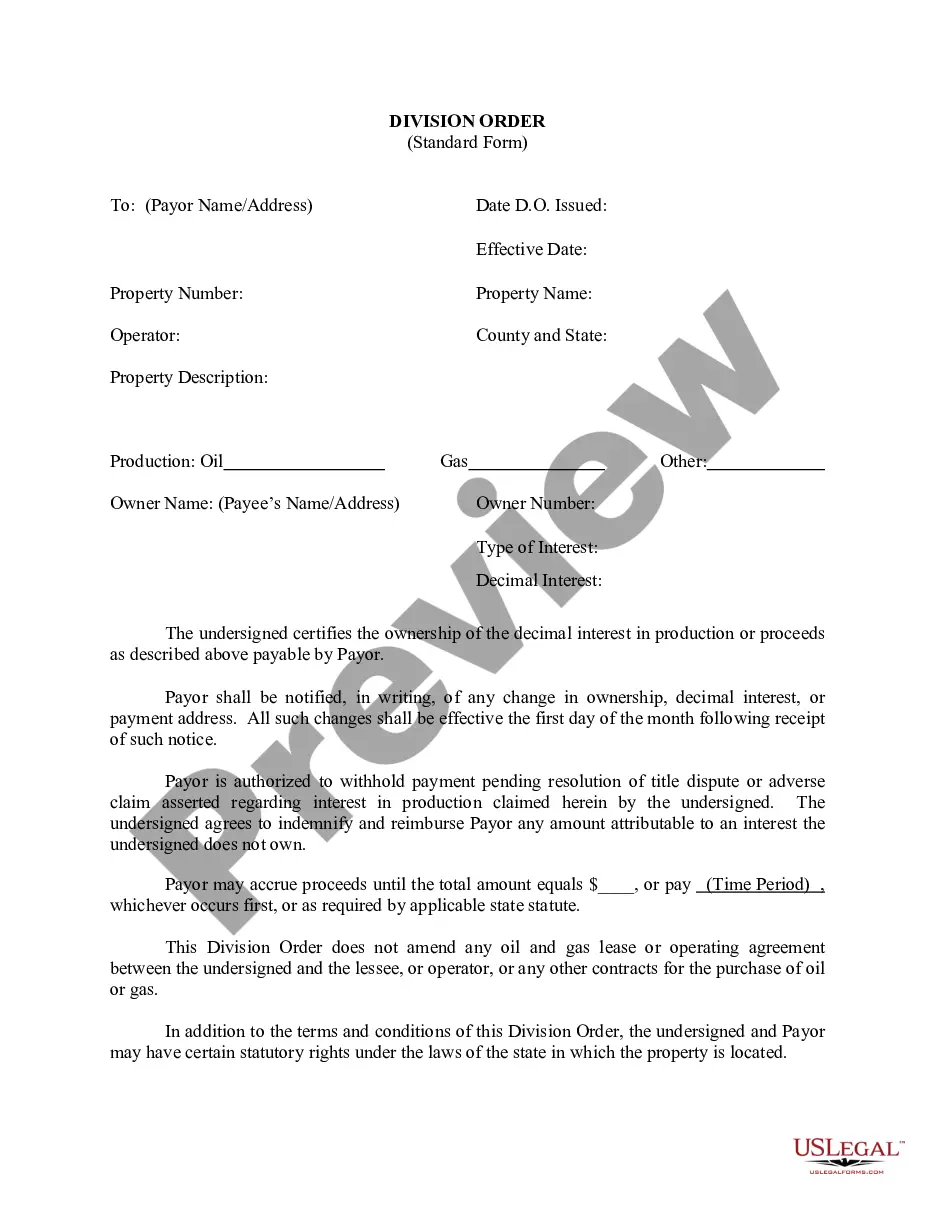
This form is a Contract for the sale of real estate for use in Virginia. It can be used for a cash sale, assumption or new loan buyer. The contract contains provisions common to a real estate transaction. No broker involved.
Virginia Contract for Sale and Purchase of Real Estate with No Broker for Residential Home Sale Agreement
Instant download
Description
Free preview
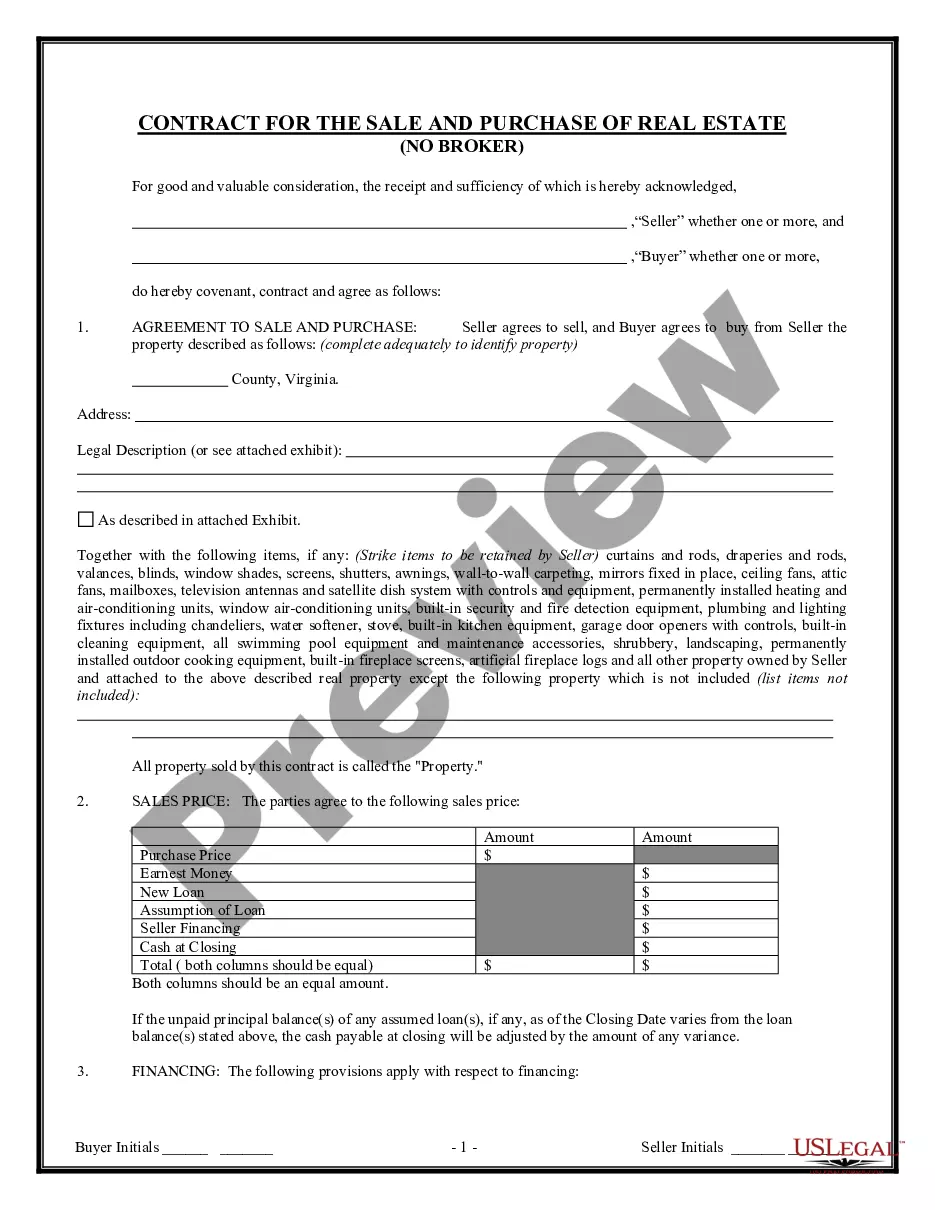

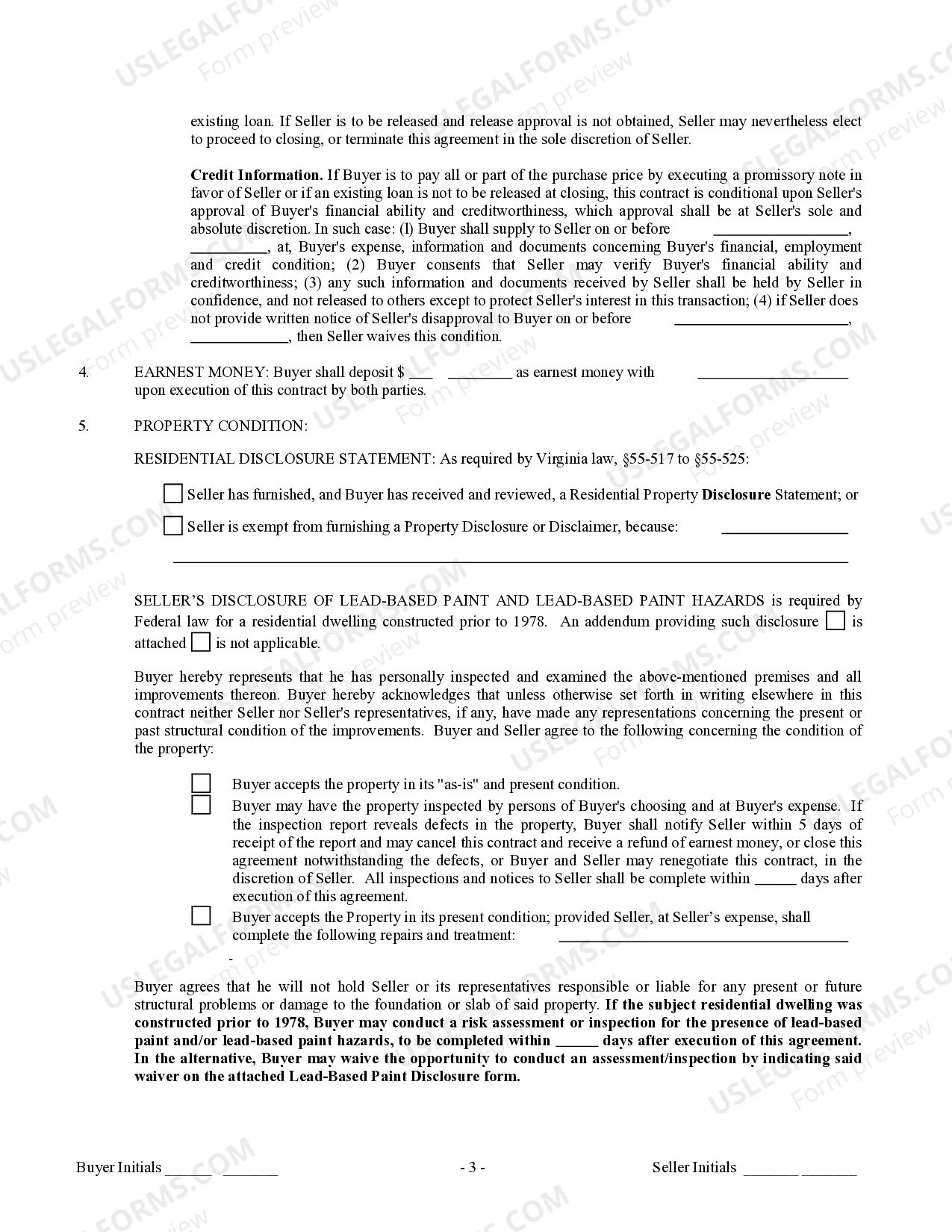


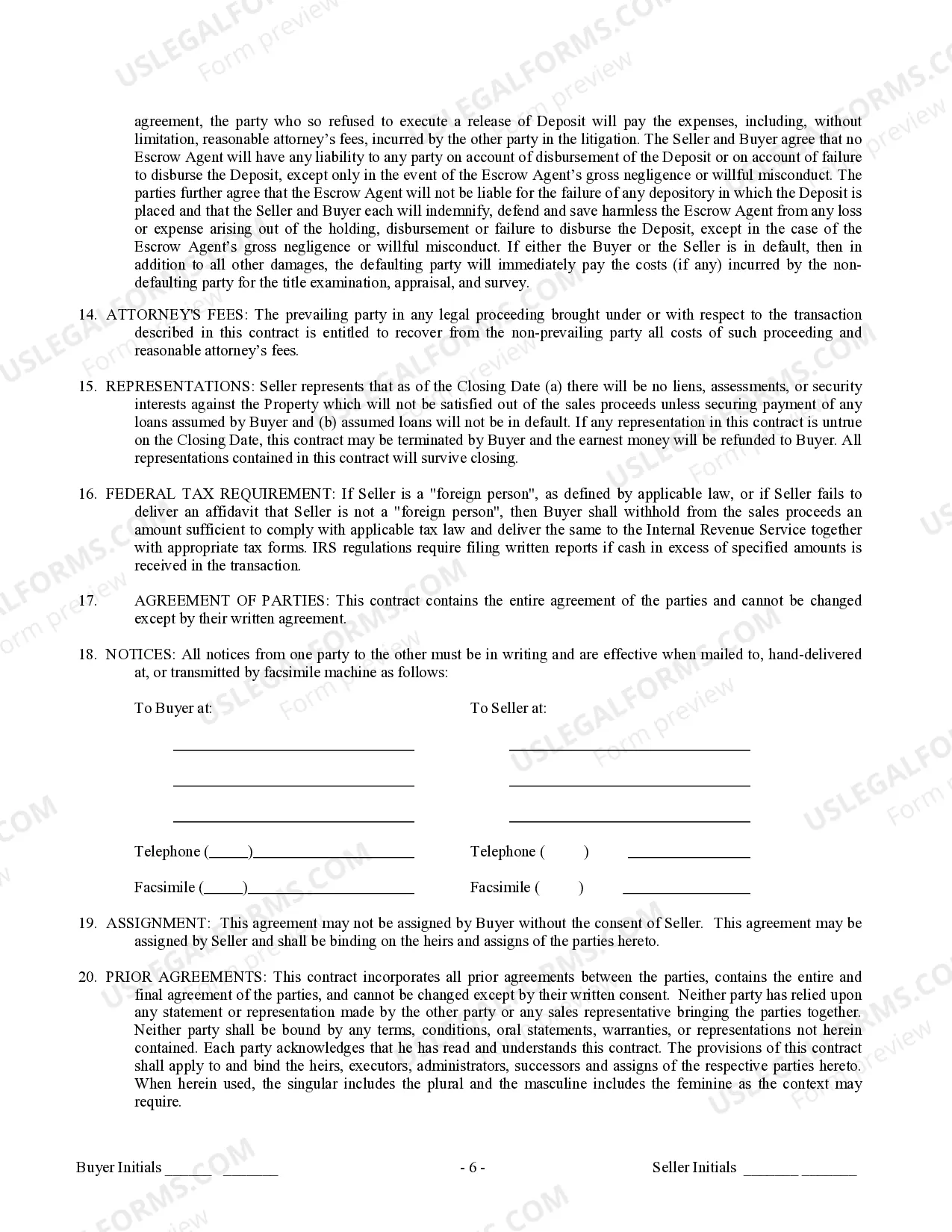
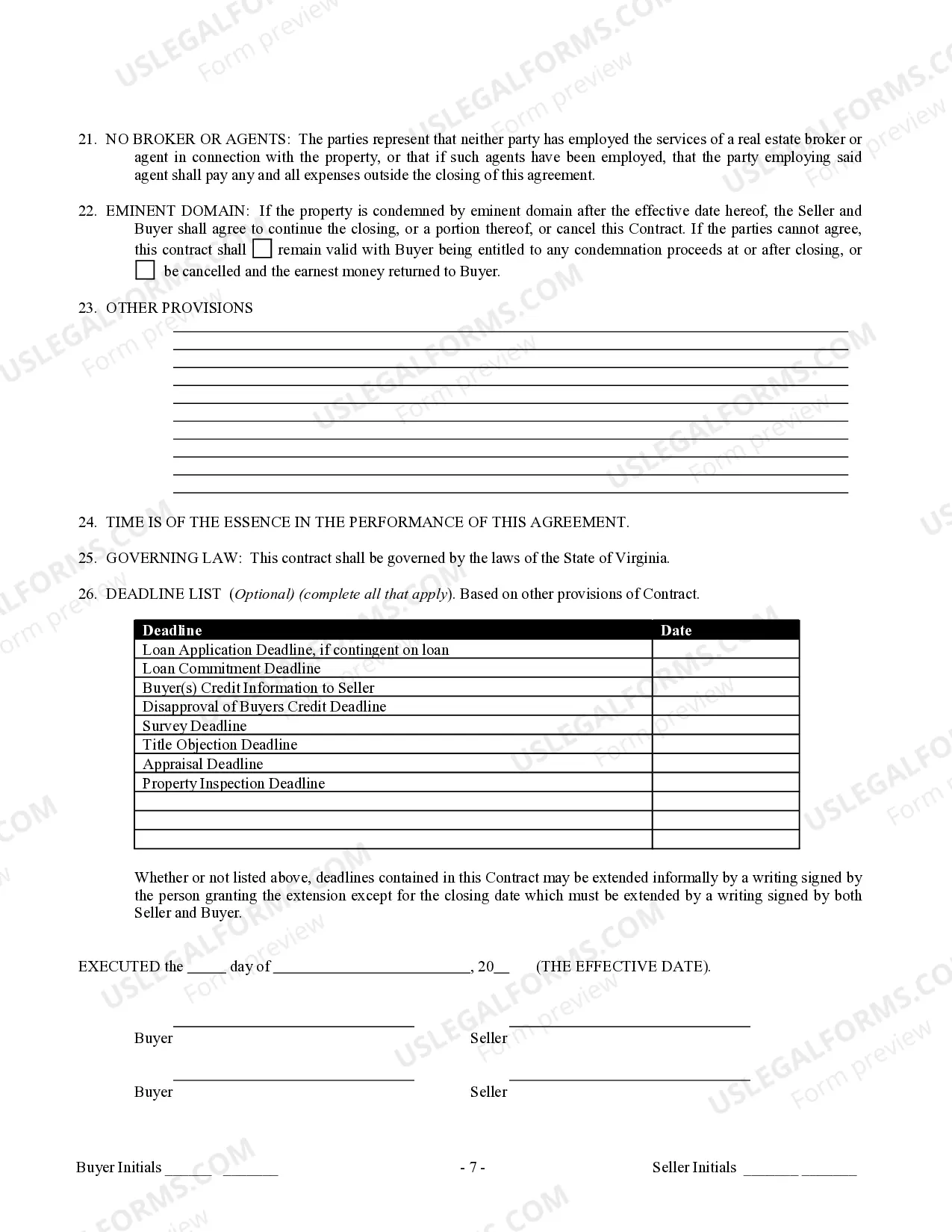
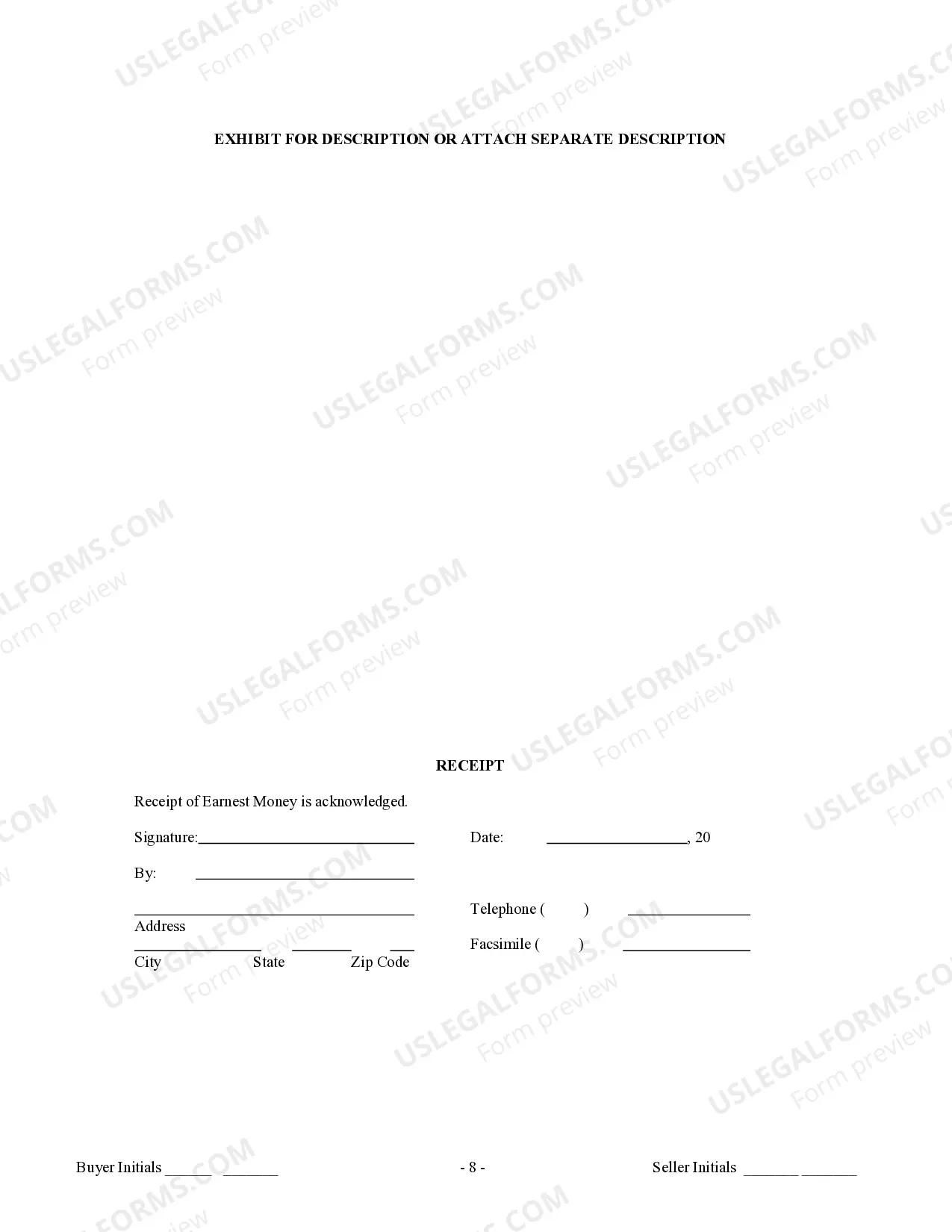
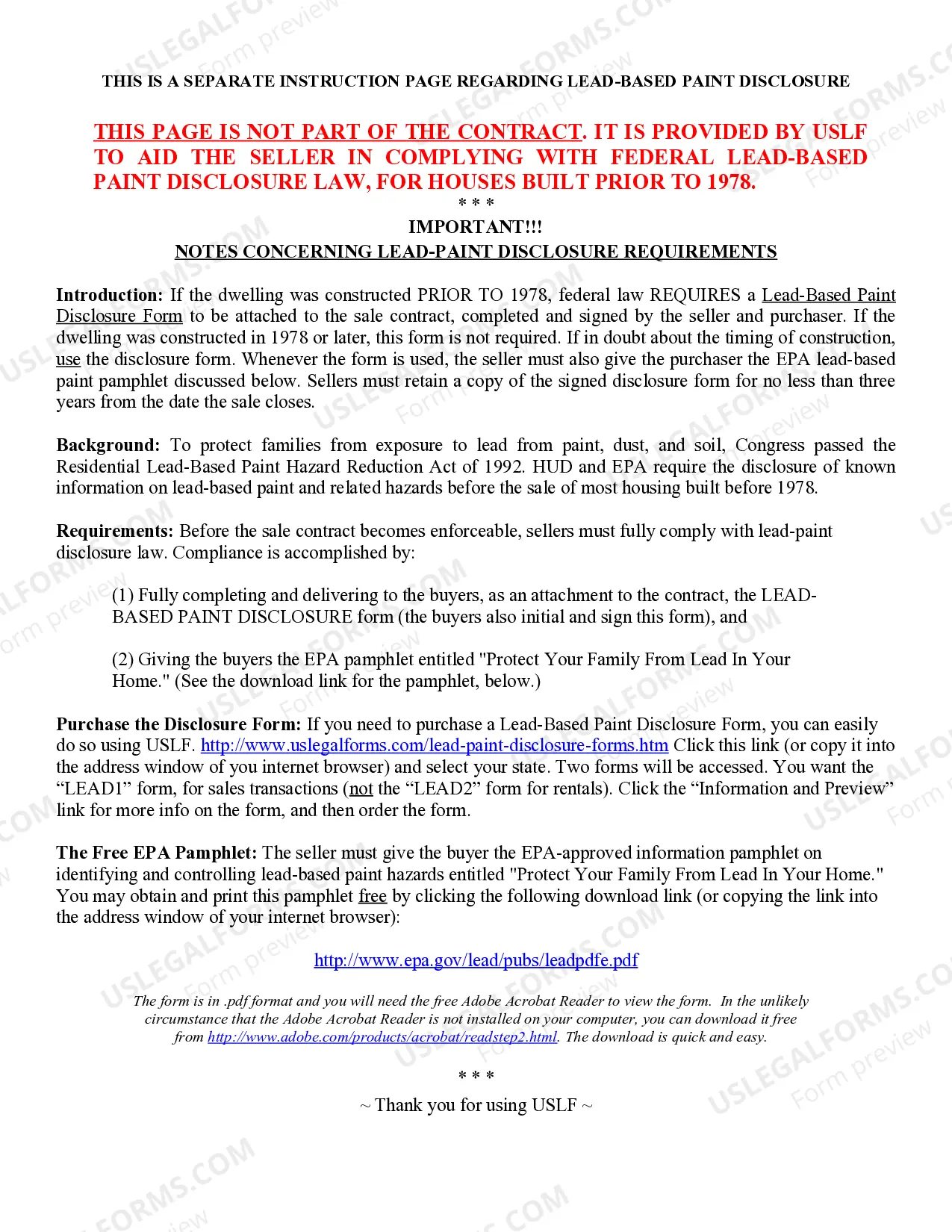
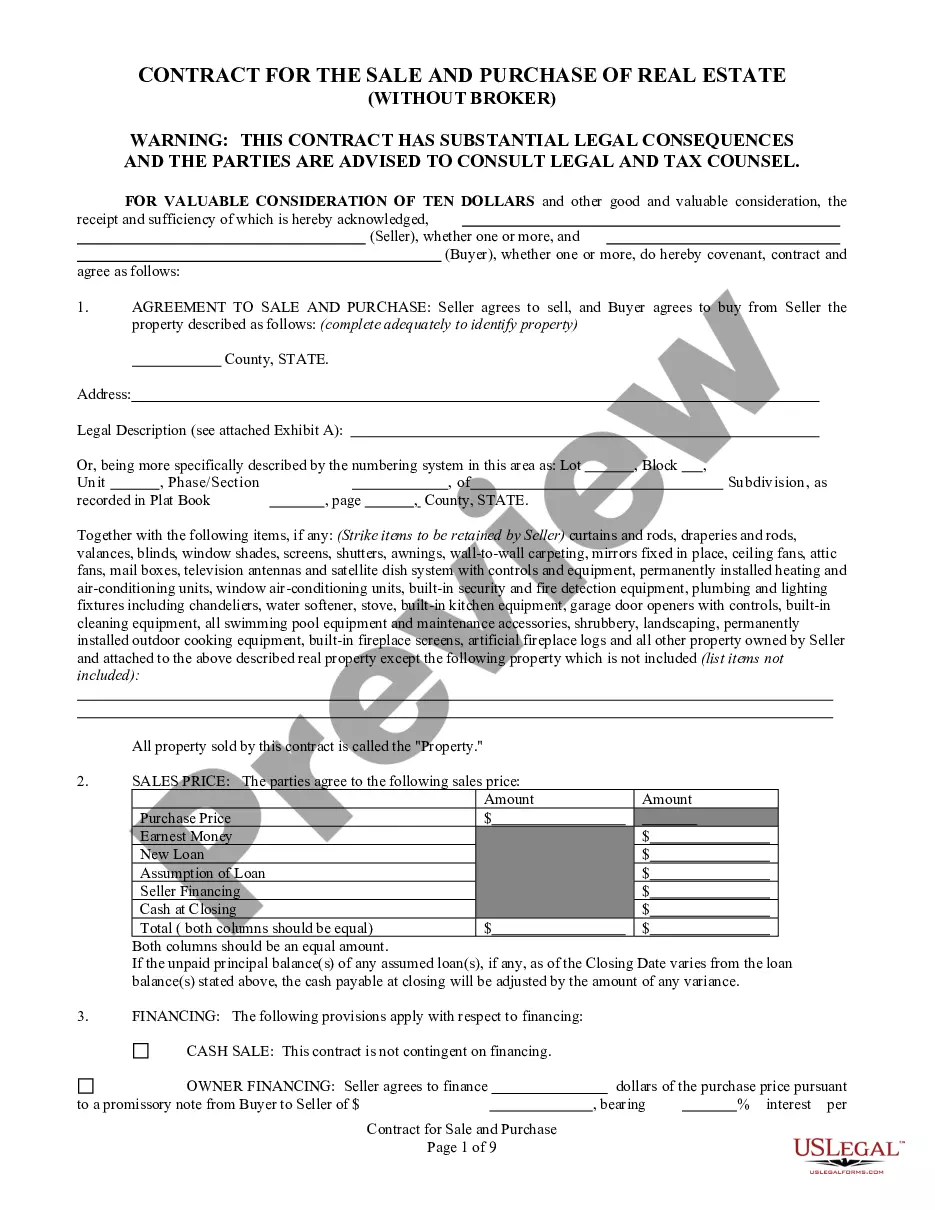
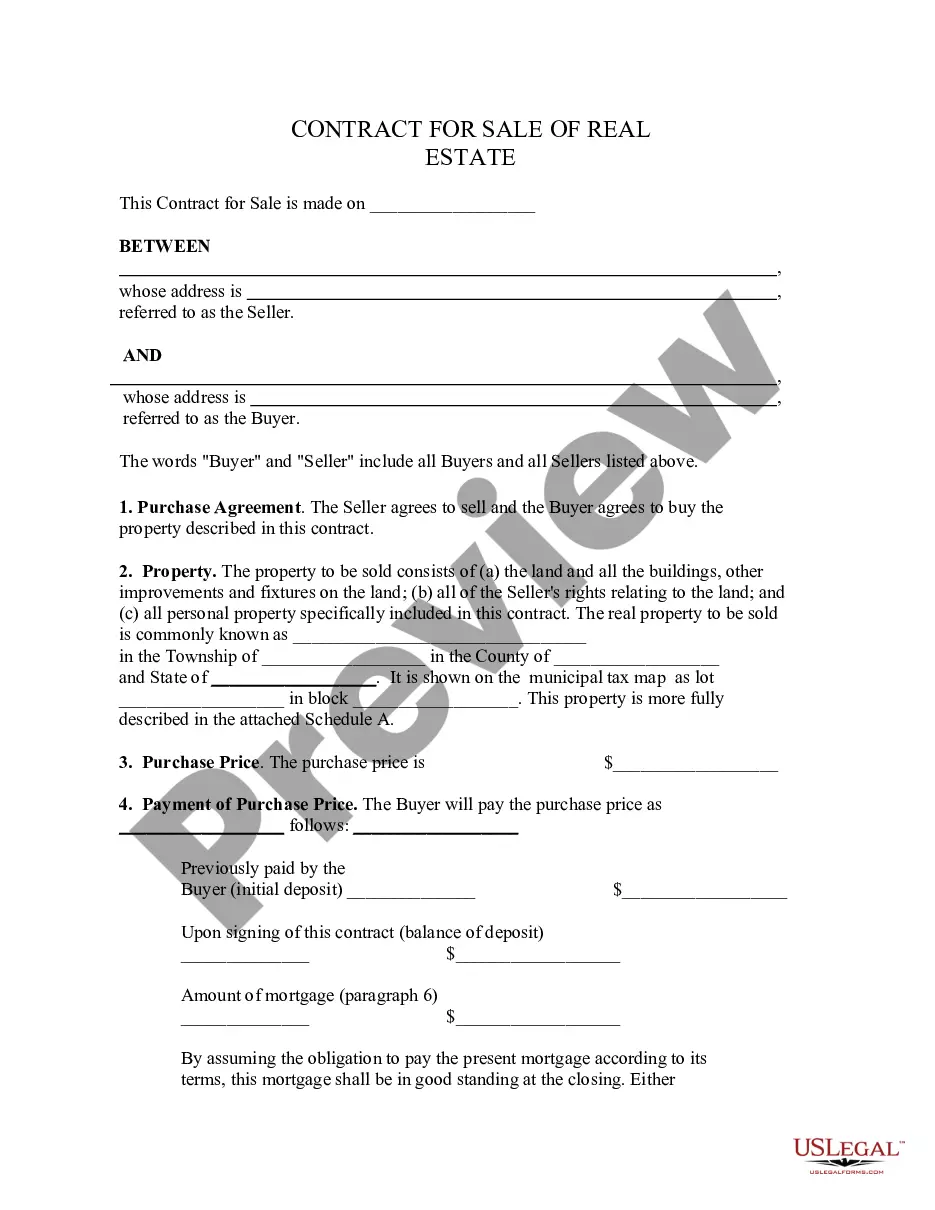
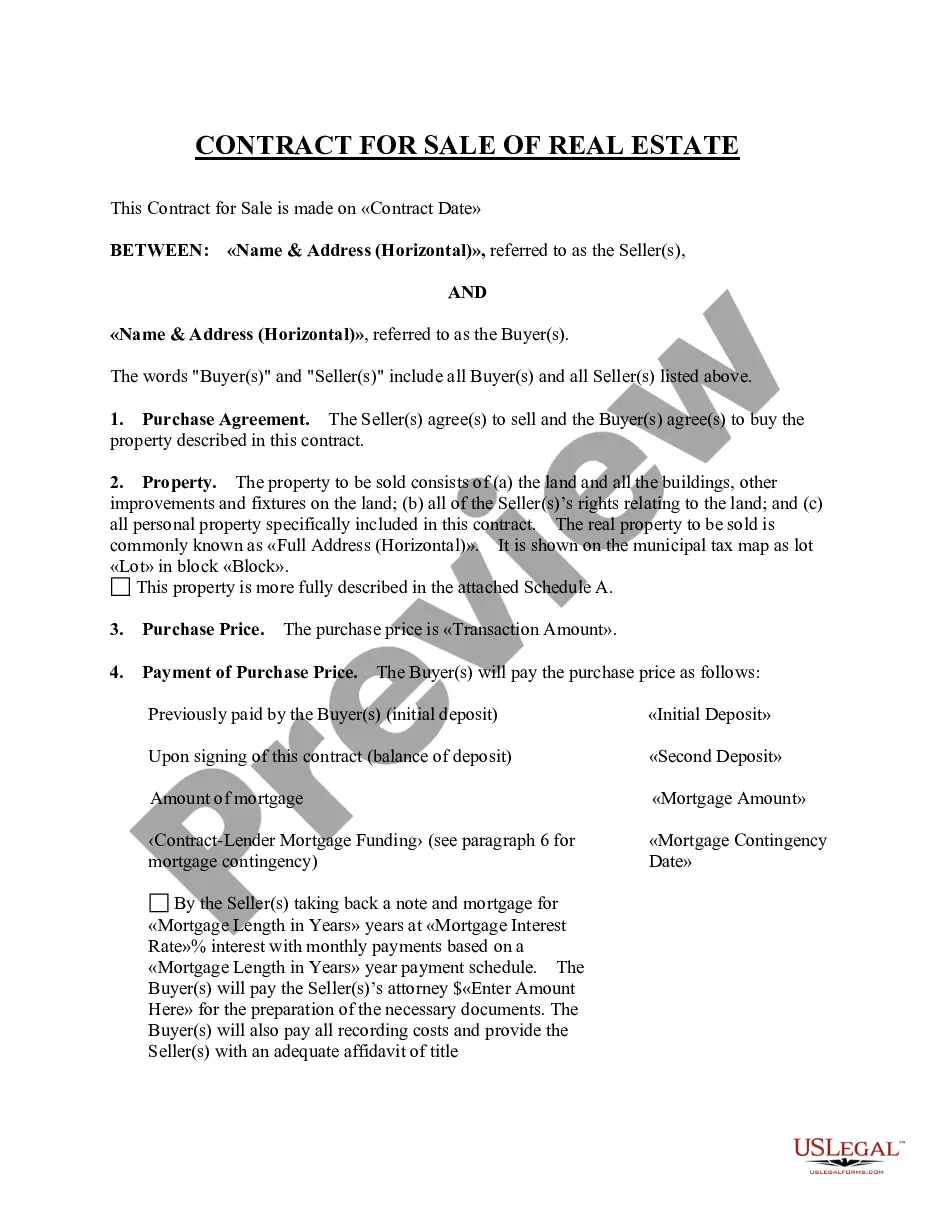
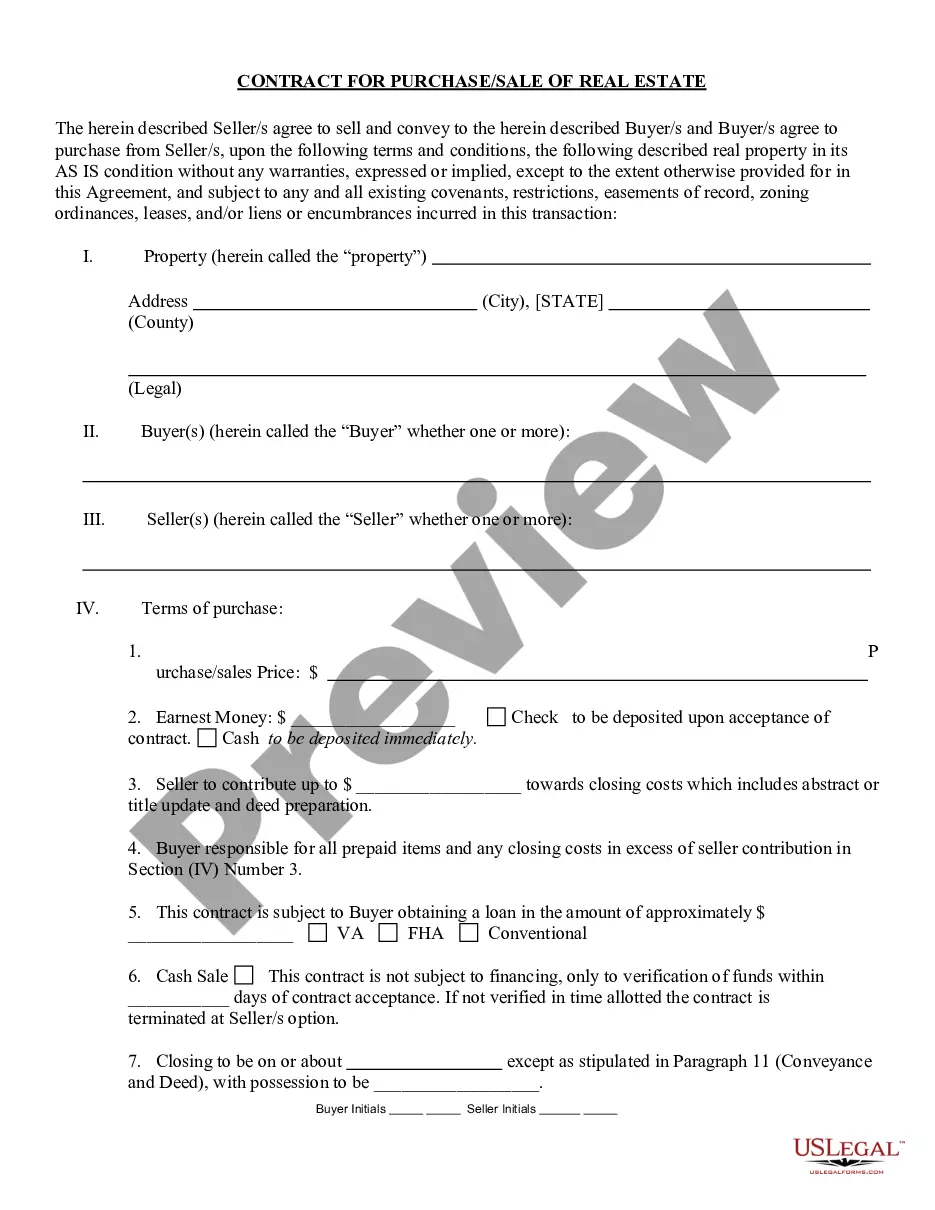
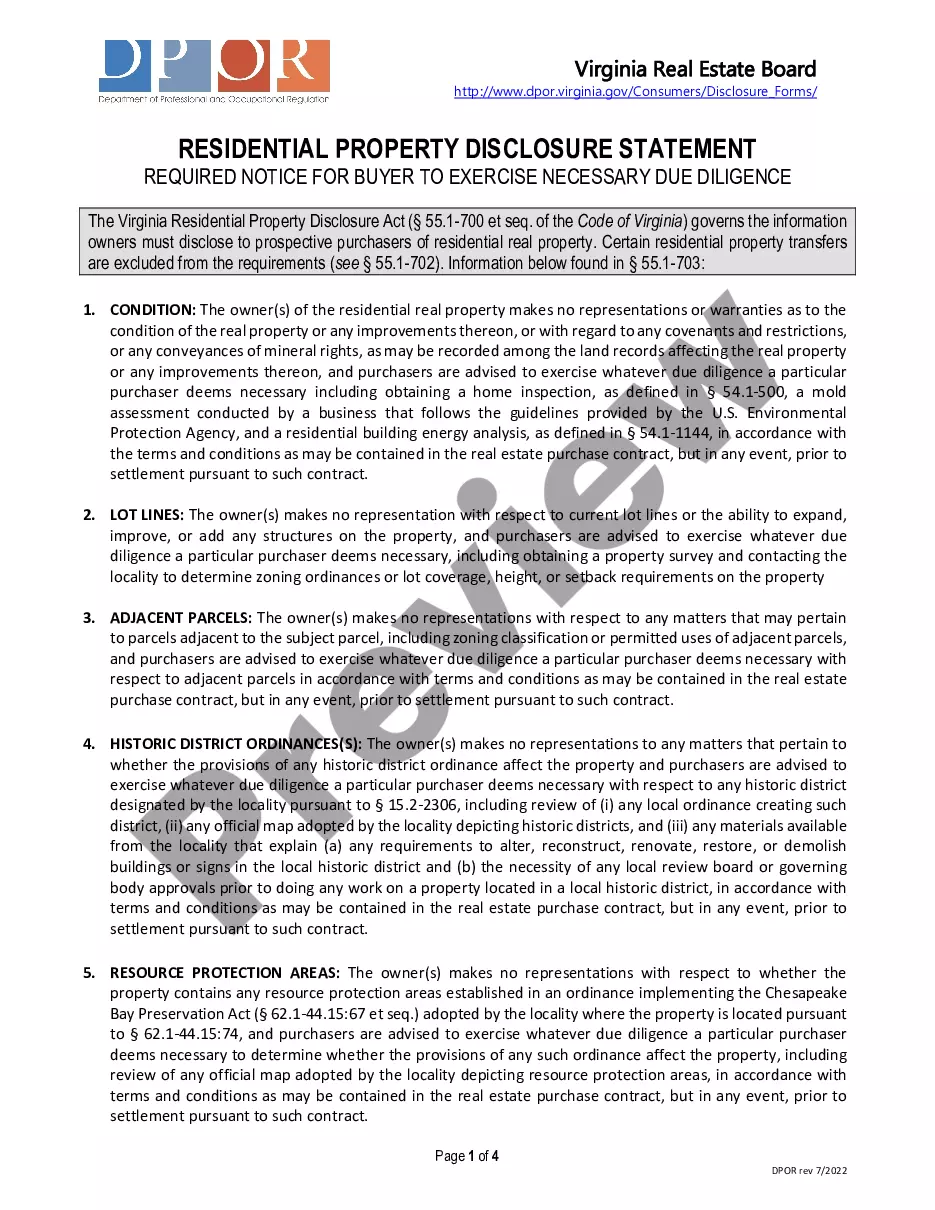



How to fill out Virginia Contract For Sale And Purchase Of Real Estate With No Broker For Residential Home Sale Agreement?
Looking for a Virginia Contract for Sale and Purchase of Real Estate with No Broker for Residential Home Sale Agreement online might be stressful. All too often, you see files which you believe are ok to use, but discover later they are not. US Legal Forms offers over 85,000 state-specific legal and tax documents drafted by professional legal professionals in accordance with state requirements. Get any form you’re searching for quickly, hassle free.
If you already have the US Legal Forms subscription, just log in and download the sample. It will immediately be included to the My Forms section. In case you do not have an account, you need to register and choose a subscription plan first.
Follow the step-by-step recommendations listed below to download Virginia Contract for Sale and Purchase of Real Estate with No Broker for Residential Home Sale Agreement from the website:
- Read the document description and hit Preview (if available) to verify if the template meets your requirements or not.
- In case the document is not what you need, get others using the Search field or the listed recommendations.
- If it is right, click Buy Now.
- Choose a subscription plan and create an account.
- Pay with a bank card or PayPal and download the document in a preferable format.
- After downloading it, it is possible to fill it out, sign and print it.
Get access to 85,000 legal forms straight from our US Legal Forms catalogue. Besides professionally drafted templates, users can also be supported with step-by-step guidelines on how to get, download, and fill out forms.
Form popularity
FAQ
An Offer to Purchase Real Estate (the "Offer") is a document that sets out the basic proposed terms and conditions between the Buyer and the Seller in a real estate transaction. Once the Offer is signed by the Buyer and the Seller, and the contained contingencies are met, it then becomes a legally binding agreement.
Once both buyer and seller sign the purchase agreement, the contract is legally binding. In many cases, however, the contract has contingencies or certain conditions that must be met in order for the sale to go through.
A valid home purchase agreement must be in writing. The contract must contain an offer and an acceptance. The purpose of the agreement must be legal. There must be an exchange of things of value (usually, it's money for property)
A real estate deal can take a turn for the worst if the contract is not carefully written to include all the legal stipulations for both the buyer and seller.You can write your own real estate purchase agreement without paying any money as long as you include certain specifics about your home.
Who Prepares The Real Estate Purchase Agreement? Typically, the buyer's agent writes up the purchase agreement. However, unless they are legally licensed to practice law, real estate agents generally can't create their own legal contracts.
1 Access The Desired Real Estate Template To Record A Purchase Agreement. 2 Introduce The Agreement, Seller, Buyer, And Concerned Property. 3 Define The Basic Terms Of The Real Estate Purchase. 4 Record Any Property The Buyer Must Sell To Complete This Purchase.
The bottom line is: Real estate contracts must always be in writing in order to be enforceable. While laws may vary from state to state, most states have a Statute of Frauds that applies. And in general, oral contracts are hard to prove and enforce, so it pays to have agreements in writing.