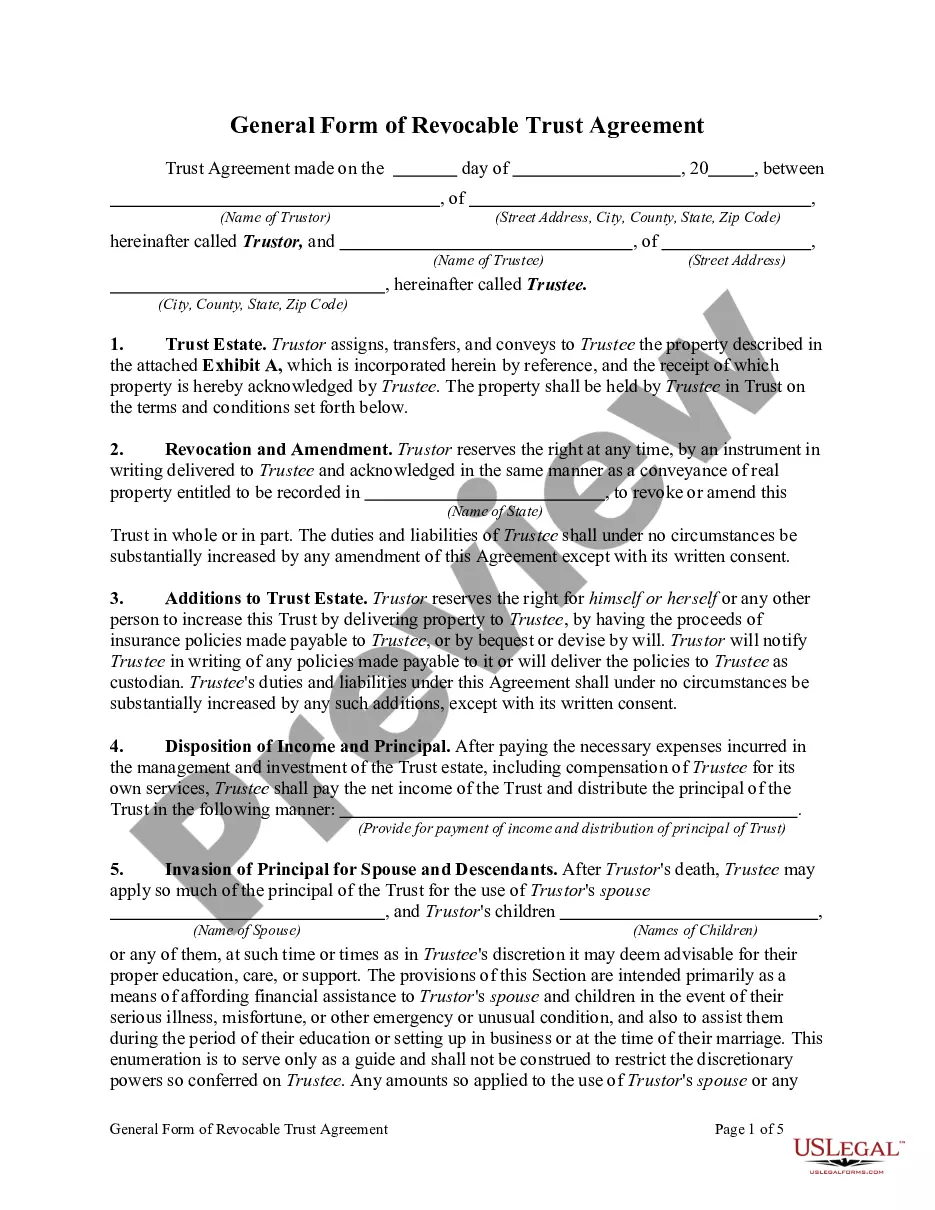
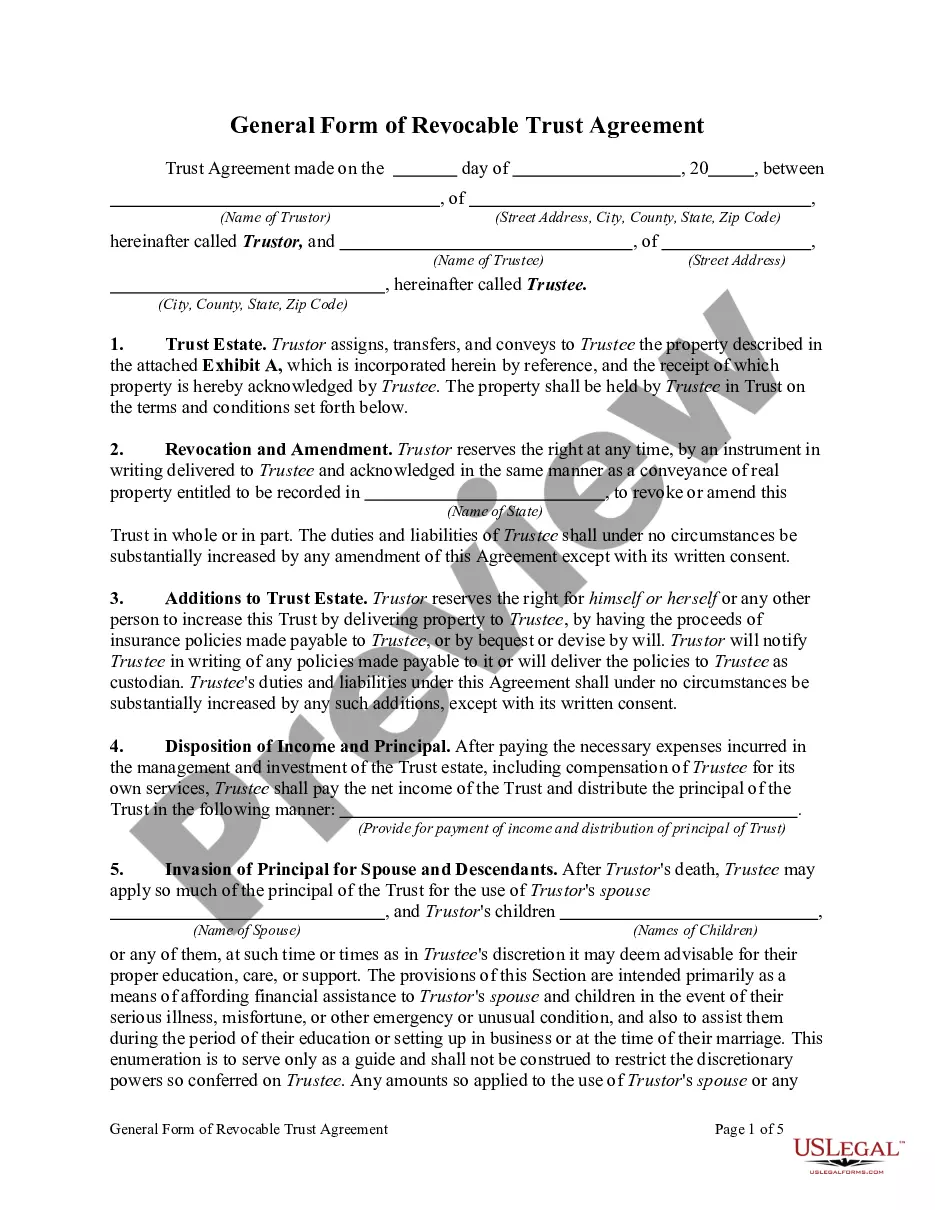
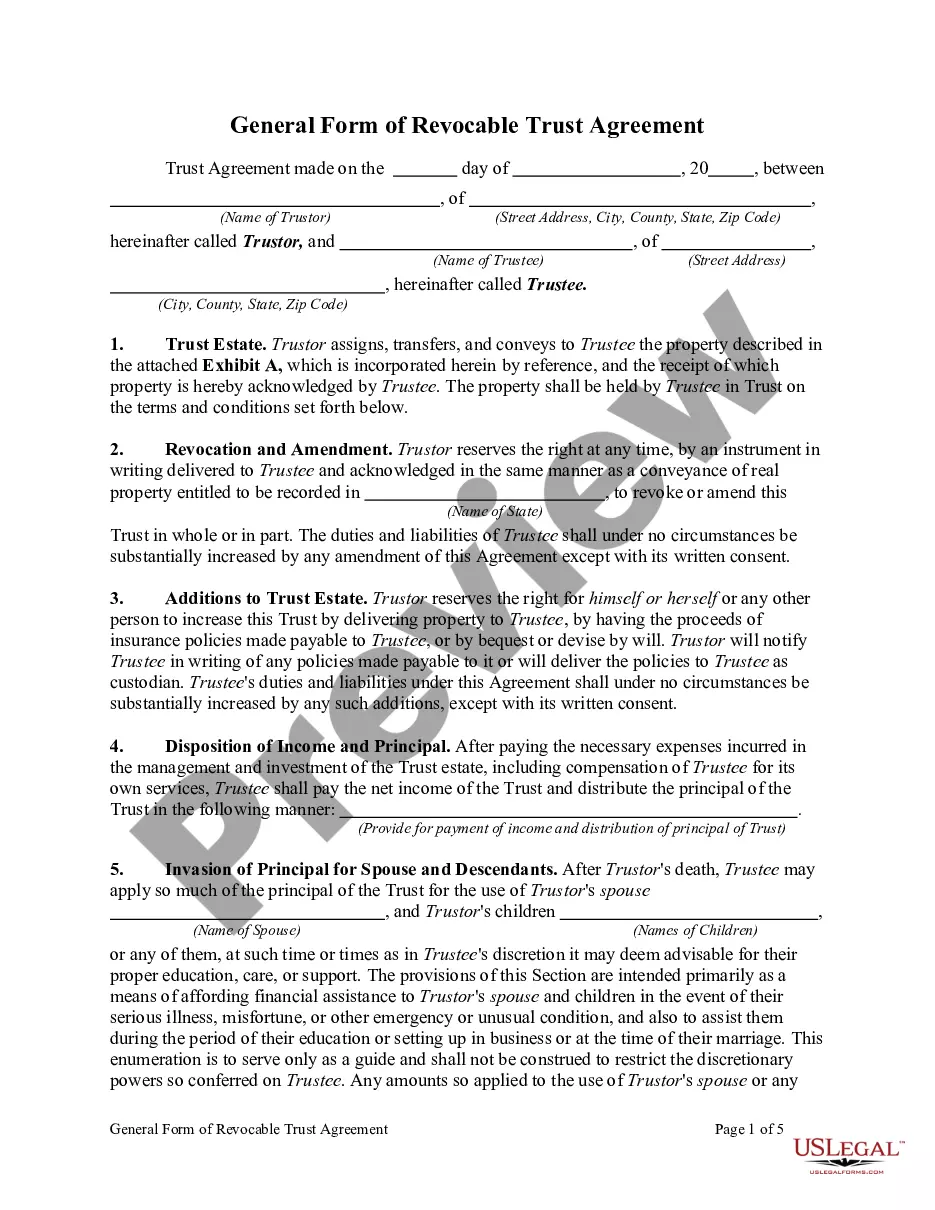
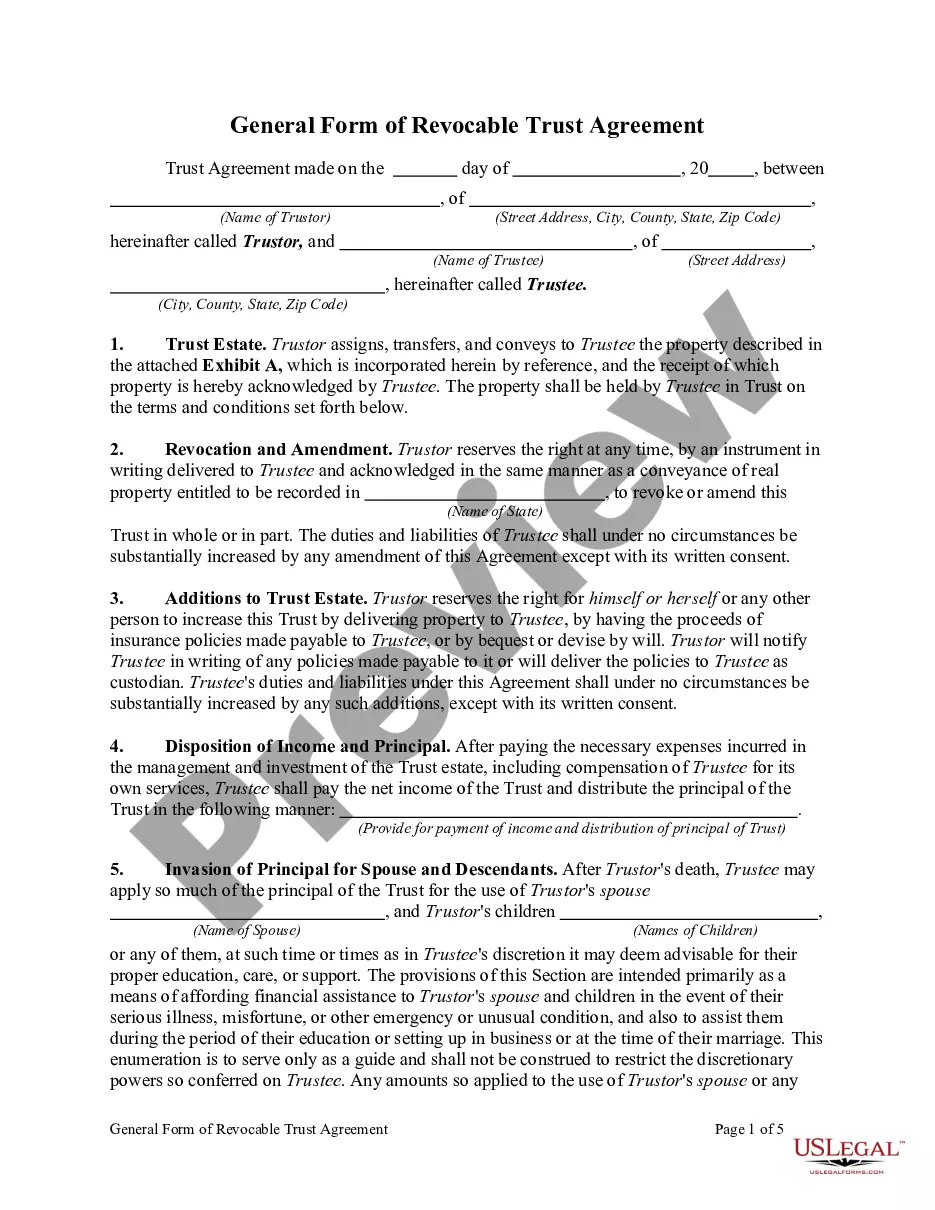
Utah Fiduciary Deed for use by Executors, Trustees, Trustors, Administrators and other Fiduciaries
Understanding this form
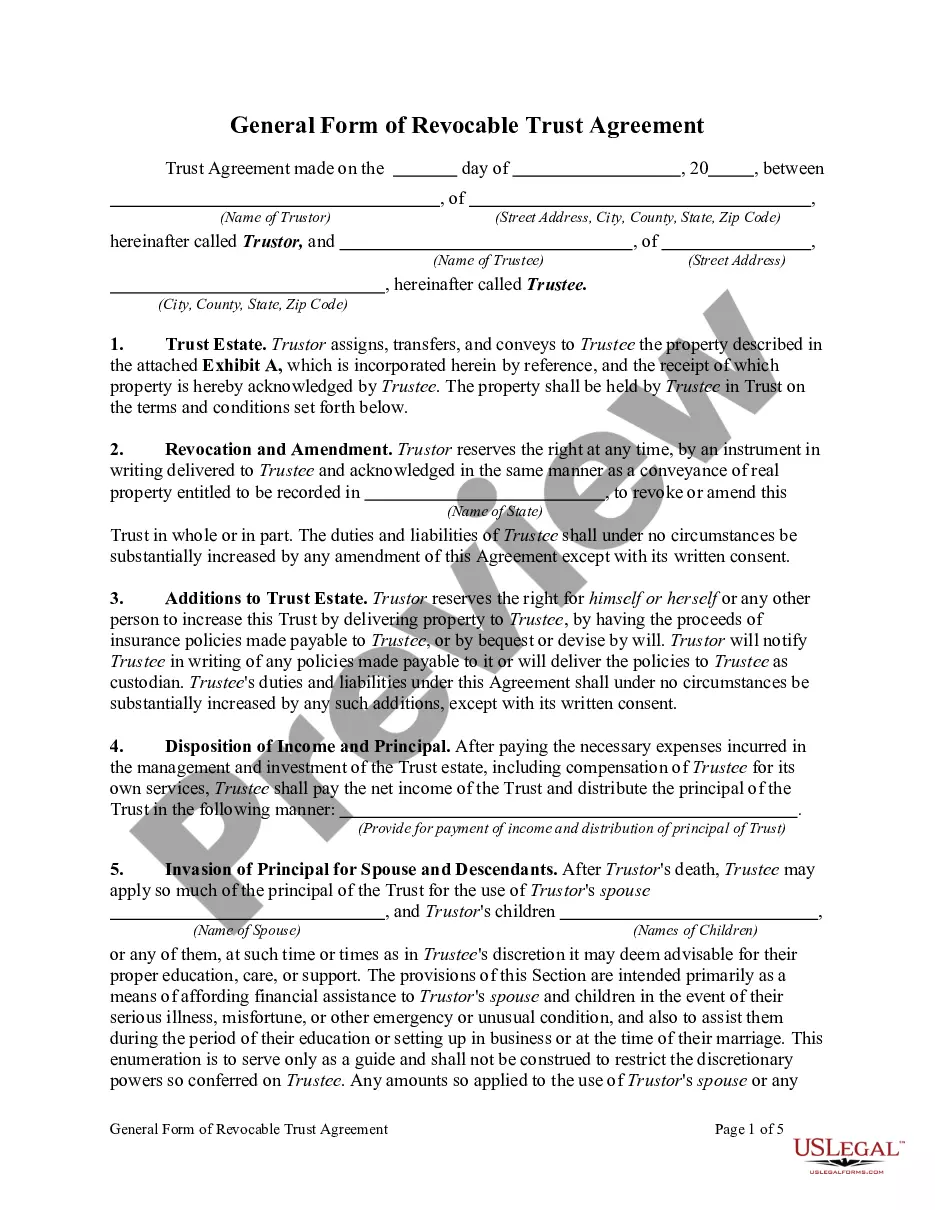
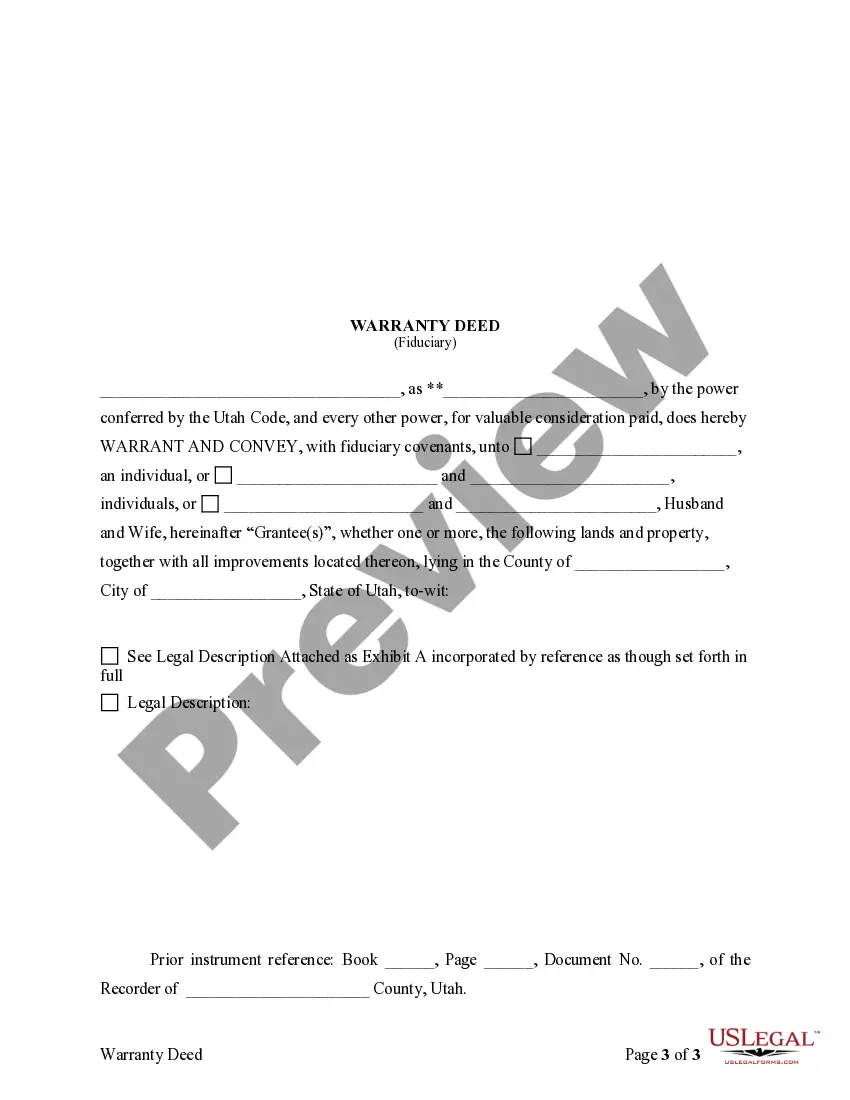
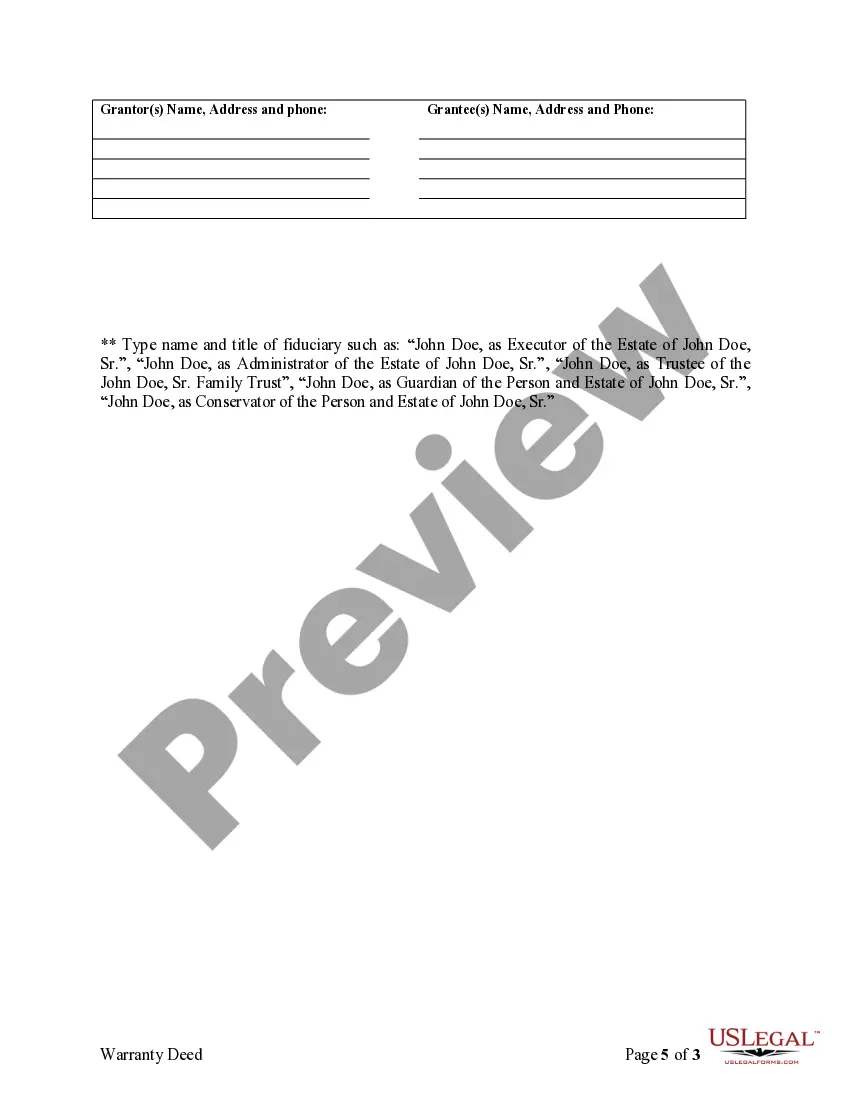
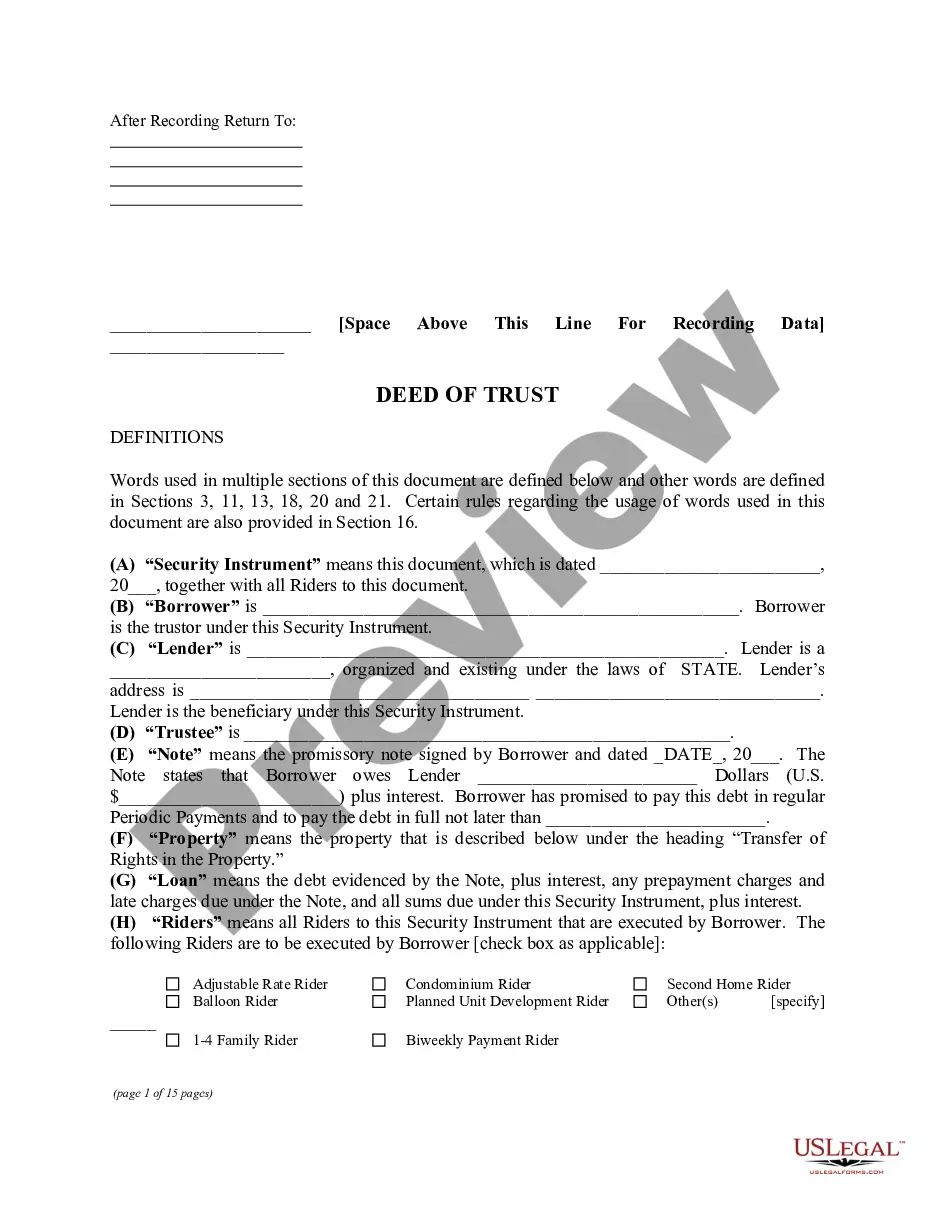
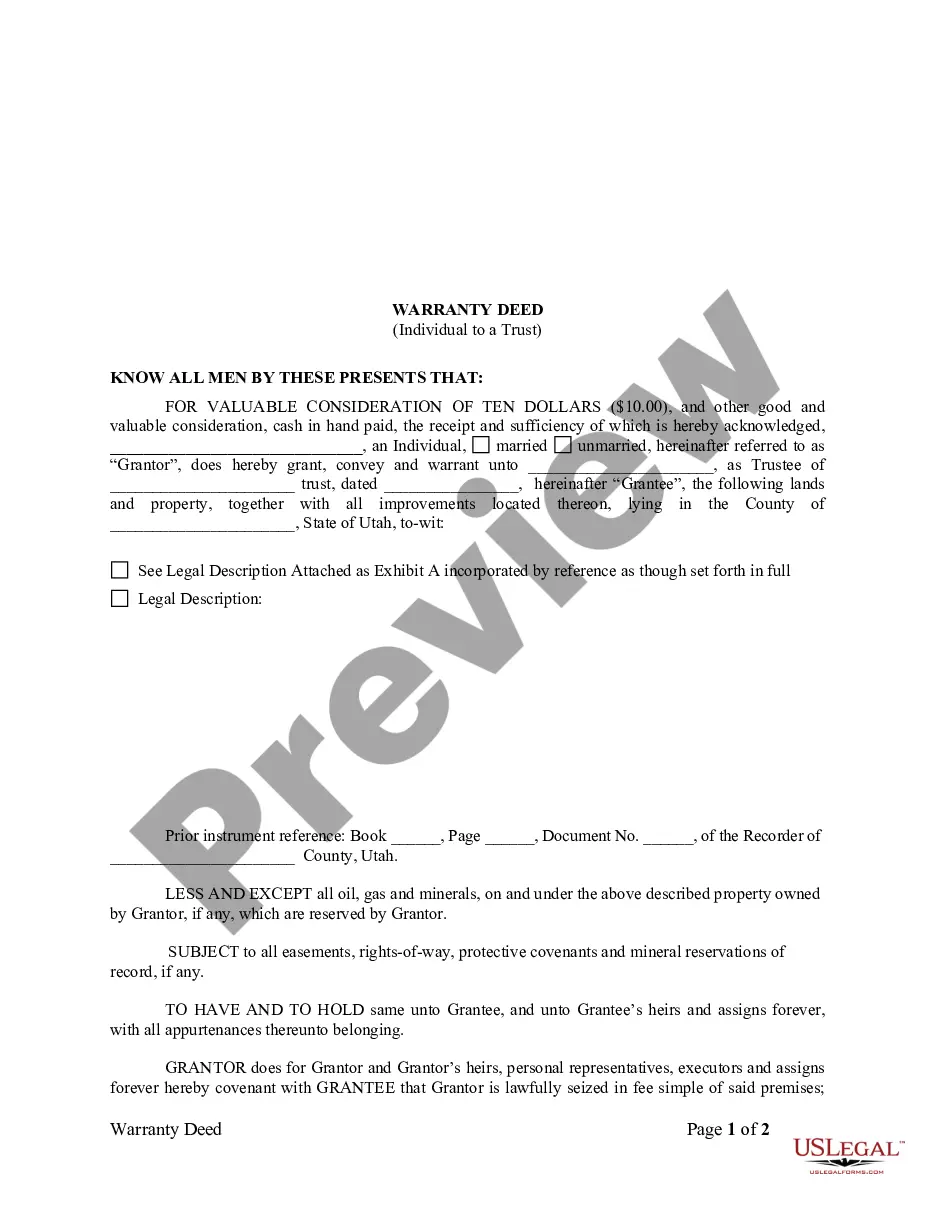
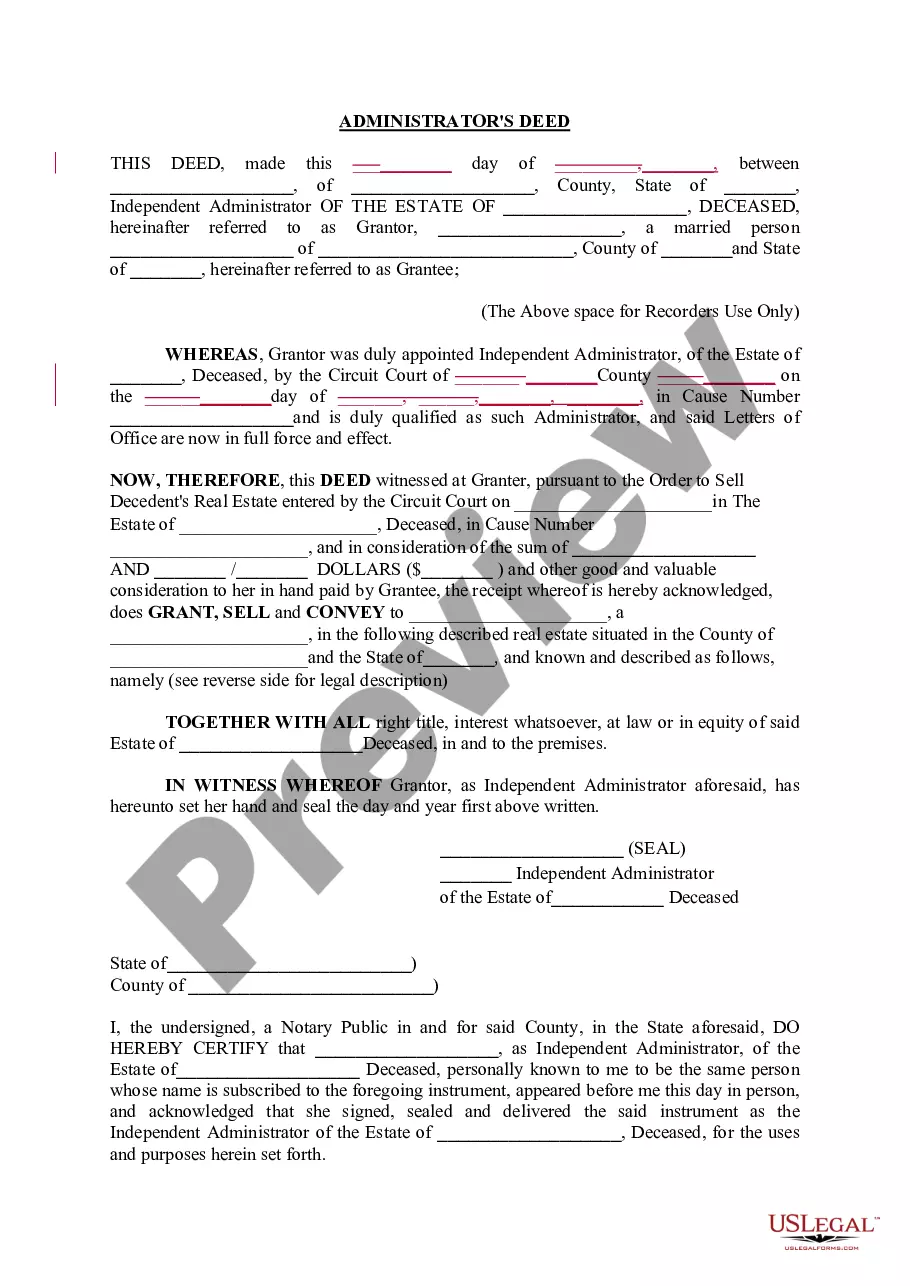
The Fiduciary Deed is a legal document used by fiduciaries such as executors, trustees, or administrators to transfer real estate or property on behalf of another individual. This form differs from other types of deeds by emphasizing the fiduciary relationship, allowing the grantor to act on behalf of beneficiaries, ensuring that property is conveyed according to the wishes of the original owner or trustor. It is particularly relevant in situations involving estates and trusts in the state of Utah.
Key components of this form
- Grantor Identification: Information about the individual or entity transferring the property.
- Grantee Identification: Details of the recipient(s) of the property, including individual names or entities.
- Property Description: A clear legal description of the real estate or property being transferred.
- Fiduciary Covenants: Promises and guarantees made by the grantor regarding the lawful transfer of the property.
- Jurisdiction Compliance: Statement affirming adherence to relevant Utah laws governing the deed.


When to use this form
This form is commonly needed when a fiduciary, such as an executor of a will or a trustee of a trust, is tasked with transferring property in accordance with a deceased's wishes. It may be used in estate settlements, when a guardian or conservator manages assets for someone unable to do so, or whenever a trustor wishes to transfer property as part of a trust arrangement.
Who needs this form
- Executors handling an estate's property distribution.
- Trustees administering trusts and transferring titles.
- Guardians or conservators acting on behalf of others.
- Individuals or entities responsible for managing a deceased person's assets.
Instructions for completing this form
- Identify the grantor by entering their name and role (executor, trustee, etc.).
- Specify the grantee's details, including names and any relevant designations.
- Provide a clear legal description of the property being transferred.
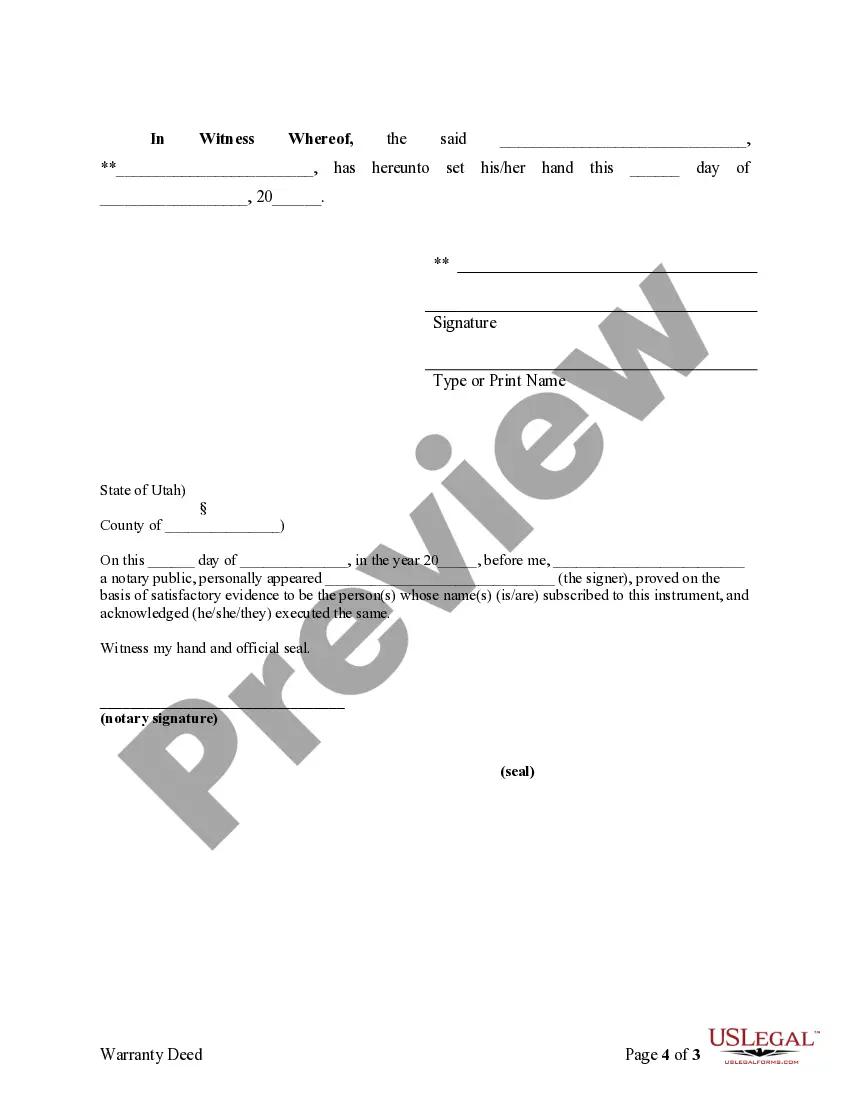
- Fill in the date of the transaction and any additional relevant details.
- Review and ensure all information is correct before finalizing the document.
Does this document require notarization?
This form does not typically require notarization unless specified by local law. However, it is advisable to check the current legal requirements for property transfers in Utah to ensure compliance.
Get your form ready online
Our built-in tools help you complete, sign, share, and store your documents in one place.
Make edits, fill in missing information, and update formatting in US Legal Forms—just like you would in MS Word.
Download a copy, print it, send it by email, or mail it via USPS—whatever works best for your next step.
Sign and collect signatures with our SignNow integration. Send to multiple recipients, set reminders, and more. Go Premium to unlock E-Sign.
If this form requires notarization, complete it online through a secure video call—no need to meet a notary in person or wait for an appointment.
We protect your documents and personal data by following strict security and privacy standards.

Make edits, fill in missing information, and update formatting in US Legal Forms—just like you would in MS Word.

Download a copy, print it, send it by email, or mail it via USPS—whatever works best for your next step.

Sign and collect signatures with our SignNow integration. Send to multiple recipients, set reminders, and more. Go Premium to unlock E-Sign.

If this form requires notarization, complete it online through a secure video call—no need to meet a notary in person or wait for an appointment.

We protect your documents and personal data by following strict security and privacy standards.
Common mistakes
- Failing to provide a complete legal description of the property.
- Omitting key information about the grantor or grantee.
- Not complying with the specific legal requirements of Utah law.
- Neglecting to review the document for accuracy after completion.
Advantages of online completion
- Convenient access to legal forms that can be downloaded and completed at your own pace.
- Editability allows for easy corrections before finalization.
- Reliable templates drafted by licensed attorneys ensure compliance with legal standards.
Legal use & context
- The form is designed to meet the legal requirements for property transfer in fiduciary situations.
- It is enforceable under Utah law when properly completed and filed.
- Failure to comply with fiduciary duties outlined in the form can lead to legal challenges.
Main things to remember
- The Fiduciary Deed is essential for fiduciaries transferring property.
- Ensure all parties' information is accurate and conforms to Utah law.
- Utilizing this form online is convenient and ensures legal compliance.
Looking for another form?

Form popularity
FAQ
Your executor and successor trustee can usually be the same person, and it's actually a quite common arrangement.It helps to understand the roles of the executor and the successor trustee in your estate plan as you make a decision because some of the factors can be personal.
Yes. It's quite common for an executor to be a beneficiary. Consider when one spouse passes away, the living spouse of the decedent is frequently named executor. It's also common for children to be named both beneficiaries and executors of wills/trustees of family trusts.
The Trustees can be the author, domestic members or associates, professionals such as accountants, attorneys, etc. a panel of banks or a Trust company, or any mixture of these people.
Yes, it is possible for the same person to be appointed as both Executor and Trustee. In fact, this is not uncommon. There is no legal reason why the same person cannot be appointed in two or more of these roles, but it's important that they are clear on the specific duties and responsibilities of each.
The personal representative and the trustee named in such wills are sometimes the same person. In the case of a revocable trust containing a testamentary trust, the trustee continues on as the trustee of the trust after your affairs are settled and the trusts are funded.
Expect to pay $1,000 for a simple trust, up to several thousand dollars. You may incur additional costs after the trust has been established if you transfer property in and out or otherwise move things around. However, the bulk of the cost will be setting it up initially.
From a legal standpoint, you can appoint yourself as the Trustee of any trust you create, whether it is a revocable or irrevocable trust.If you become incapacitated, your designated successor Trustee takes over management of the trust assets until you are able to resume as the Trustee.
Open a bank account in the name of the trust. Close out any bank accounts the grantor established for the trust and put the proceeds into the new trust bank account. Cash in any life insurance policies that name the trust as beneficiary and put the proceeds into the trust bank account.
If you fail to receive a trust distribution, you may want to consider filing a petition to remove the trustee. A trust beneficiary has the right to file a petition with the court seeking to remove the trustee. A beneficiary can also ask the court to suspend the trustee pending removal.