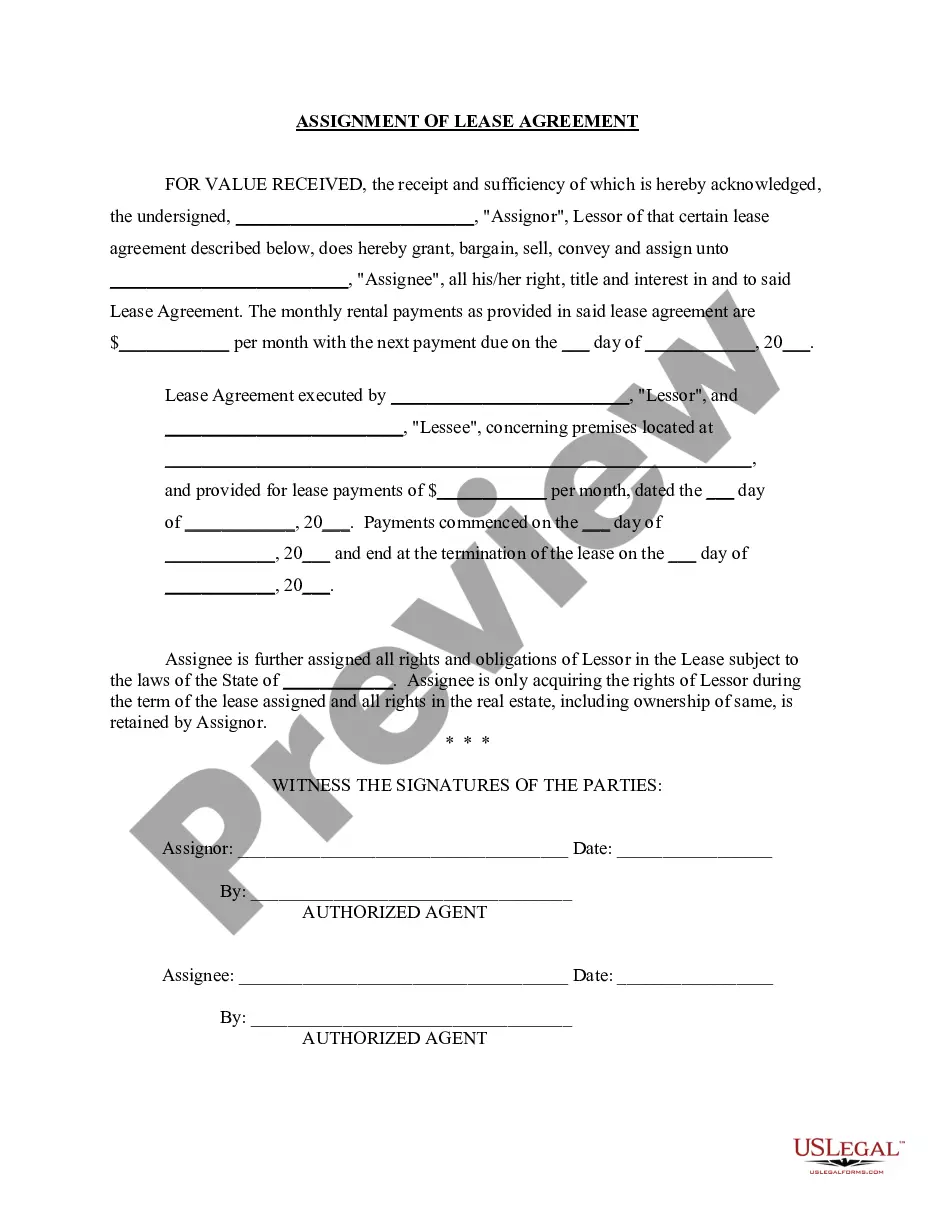
Revocable Trust for Asset Protection
What is this form?
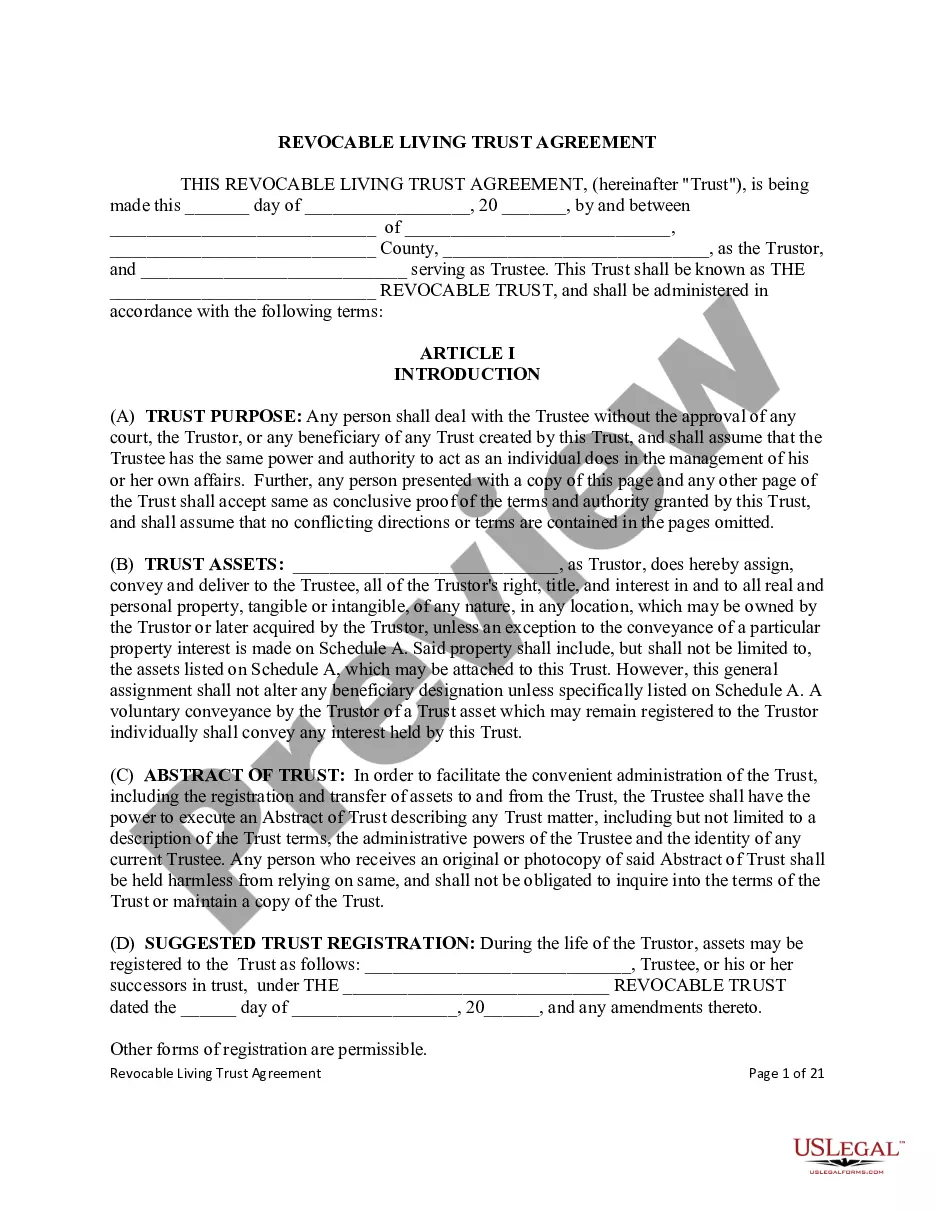
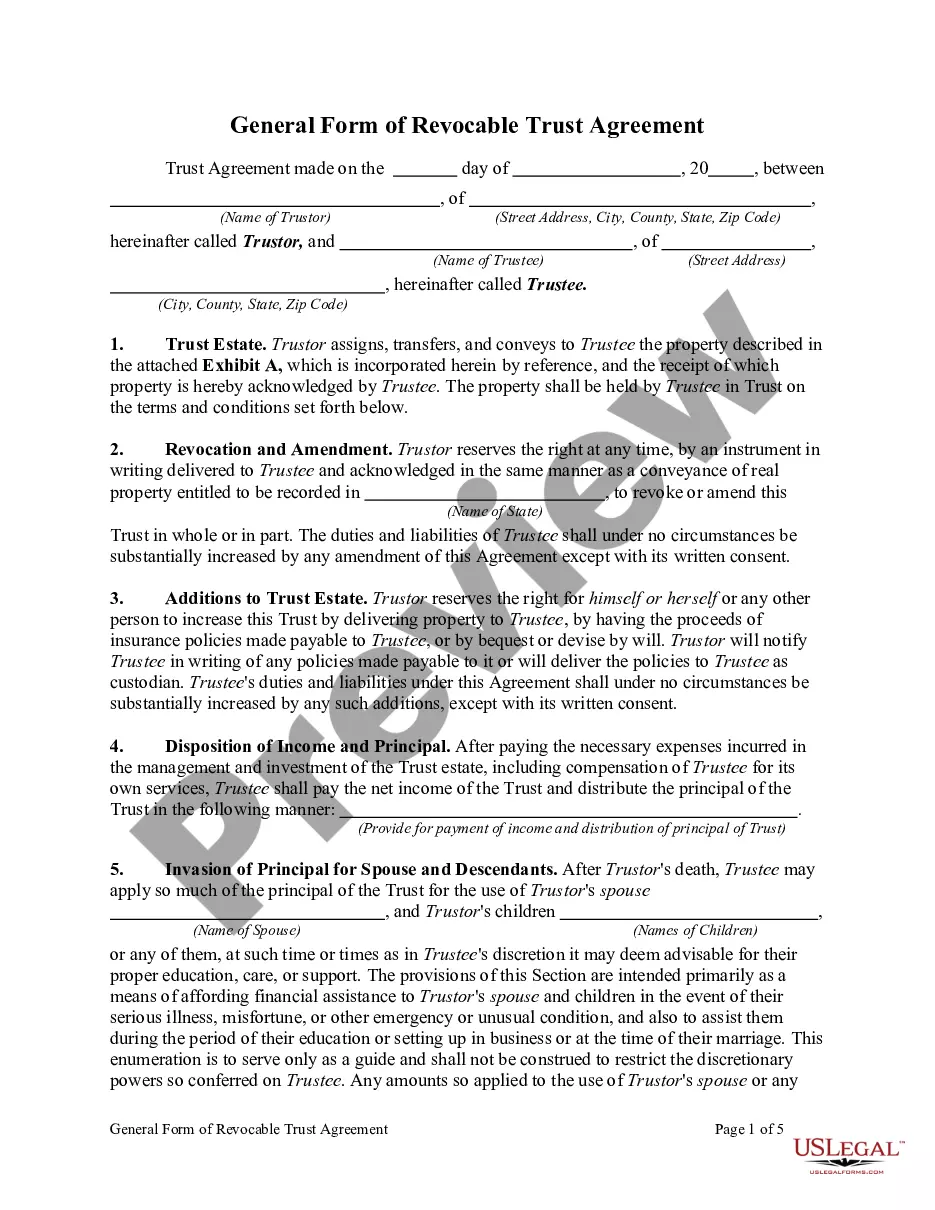
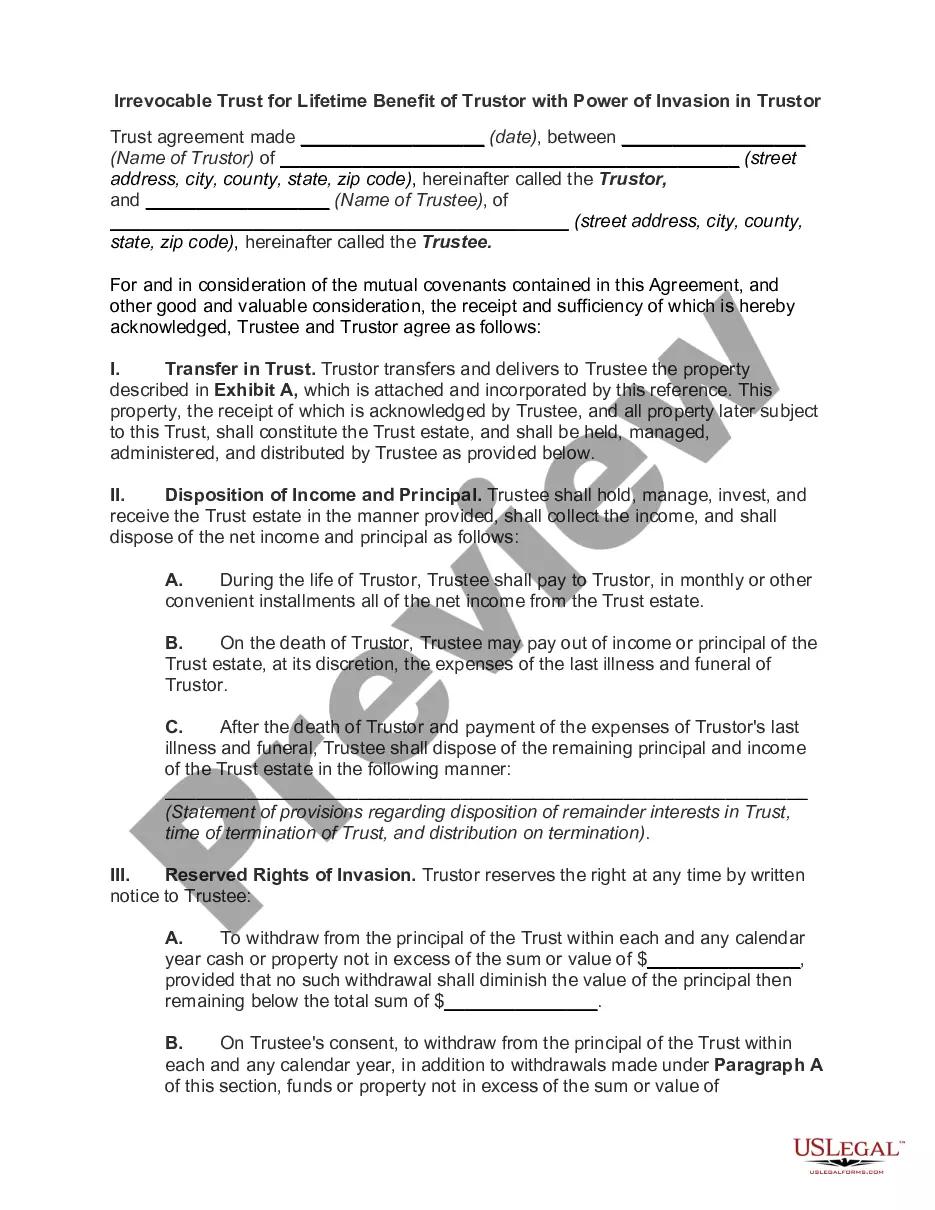
The Revocable Trust for Asset Protection is a legal document that establishes a trust capable of being modified or revoked by the trustor. This type of trust offers flexibility, allowing the trustor to manage their assets during their lifetime, with the ability to amend or terminate the trust as their circumstances change. Unlike an irrevocable trust, the revocable trust provides the trustor with greater control over their assets while also potentially providing some degree of asset protection from creditors or legal judgments.
What’s included in this form
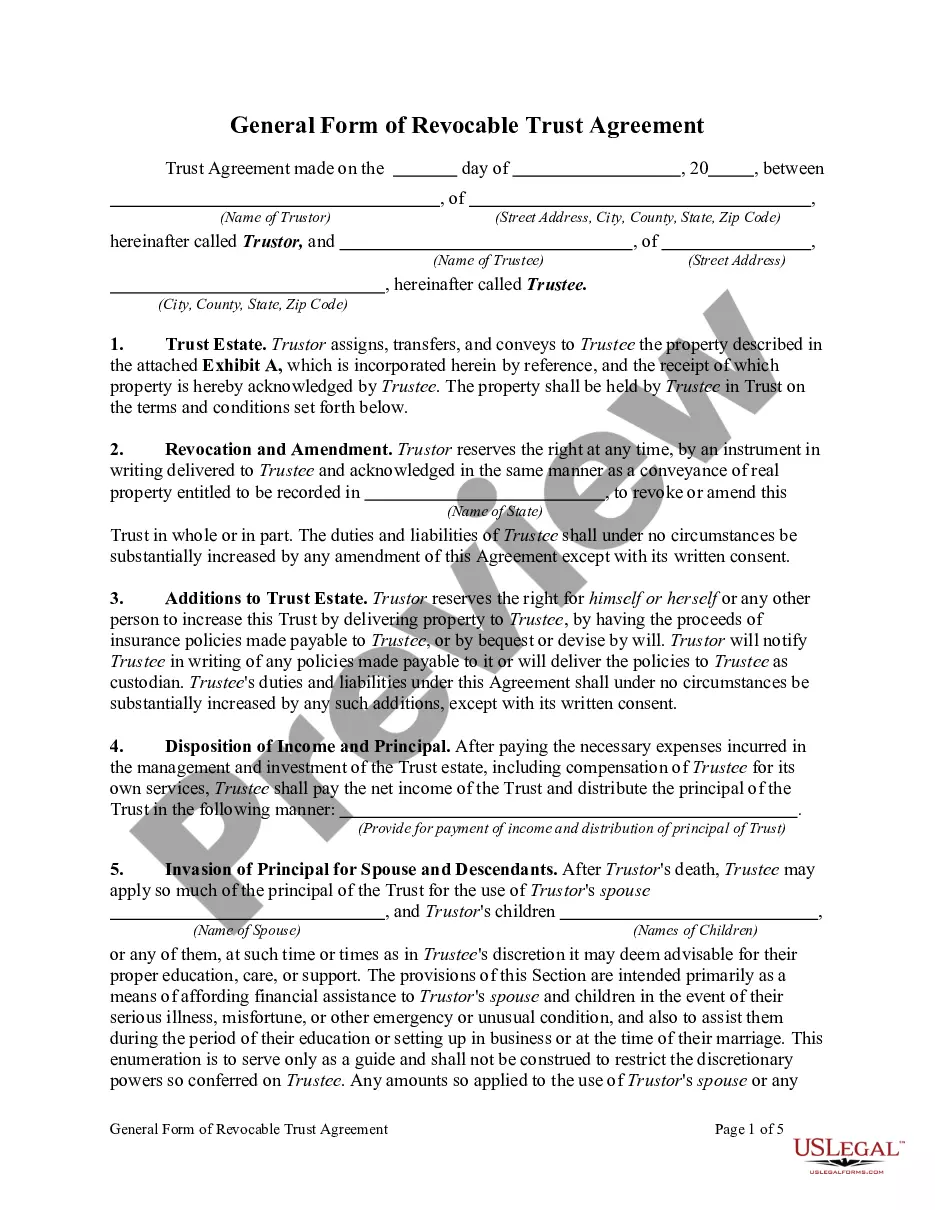
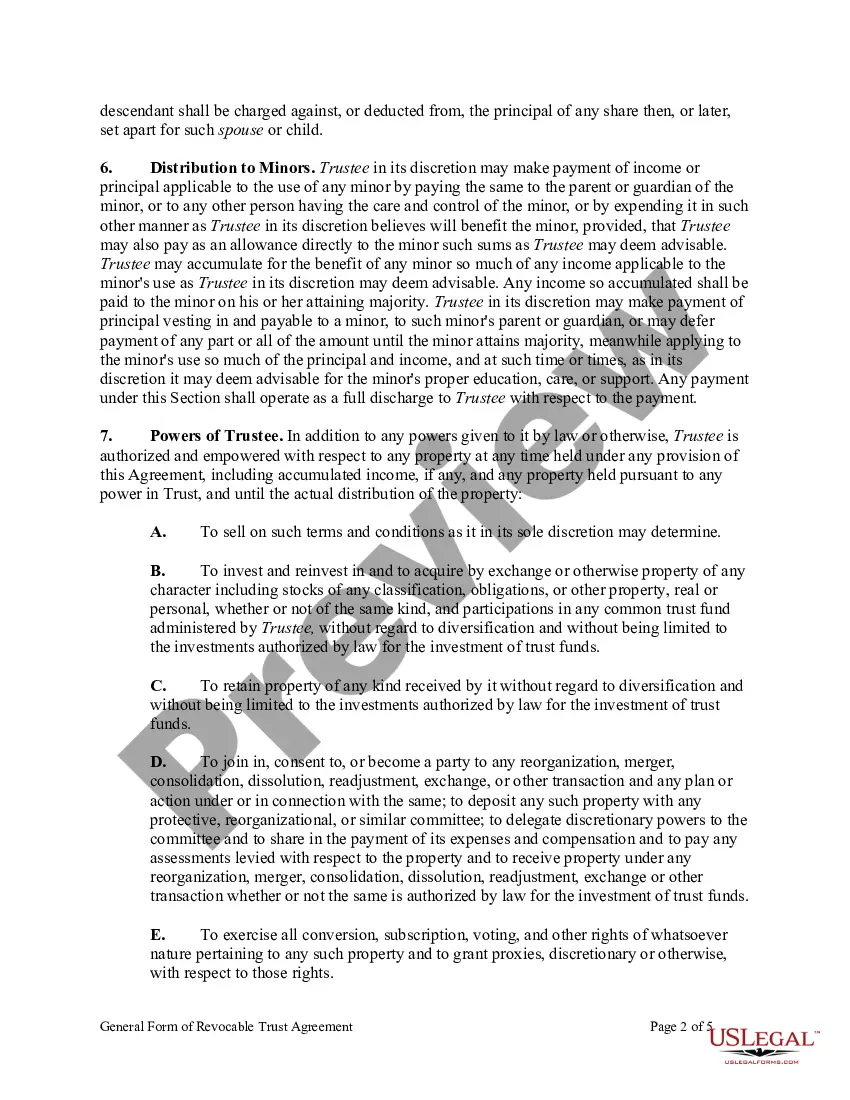
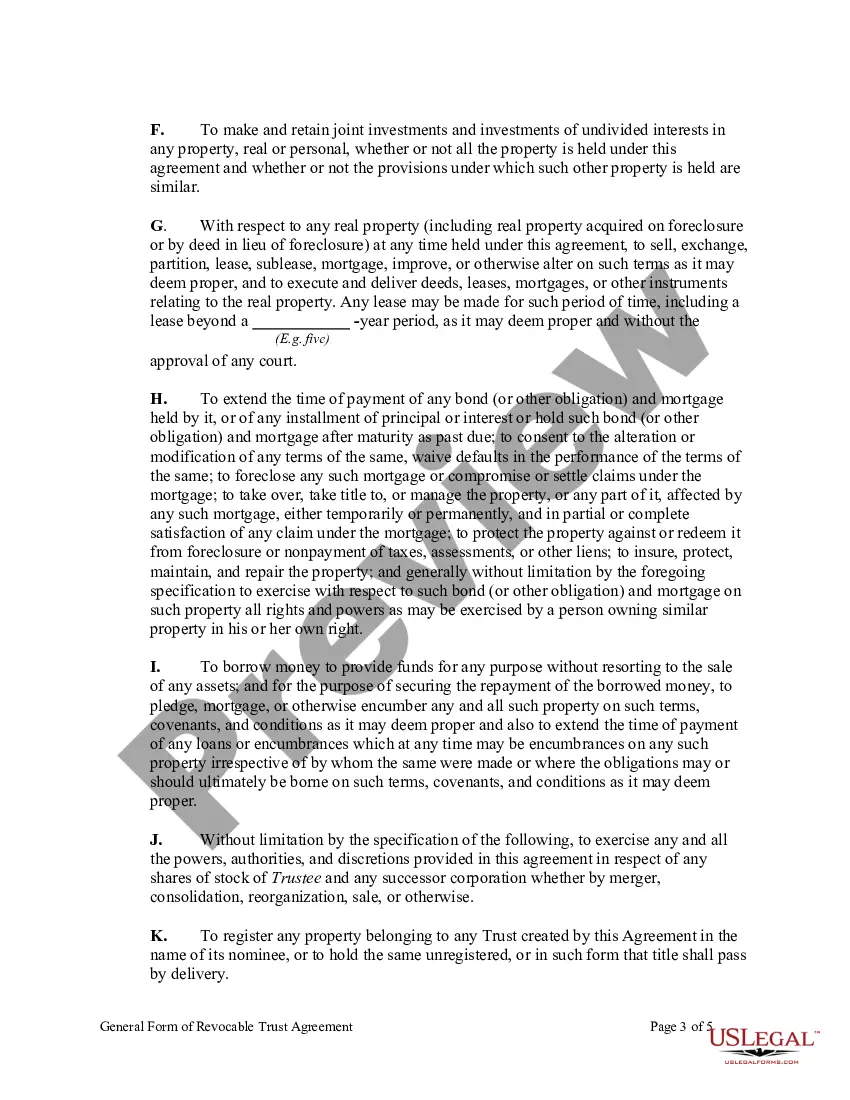
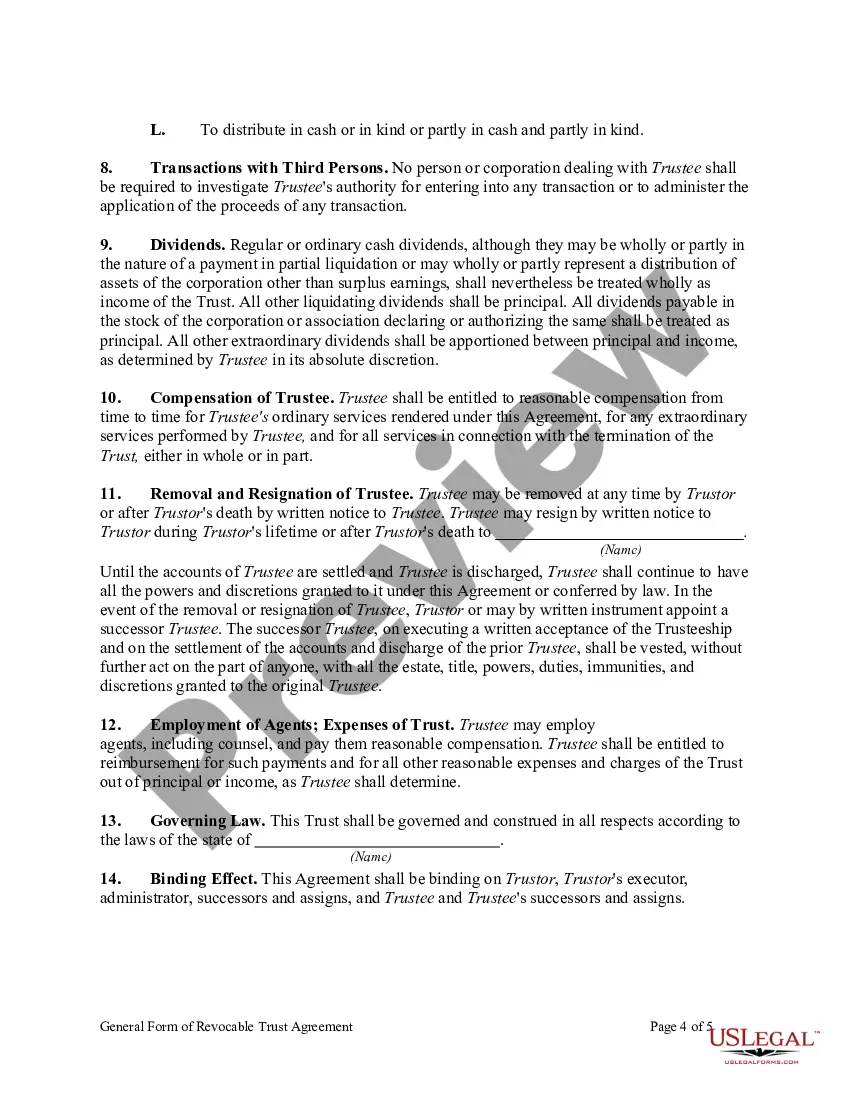
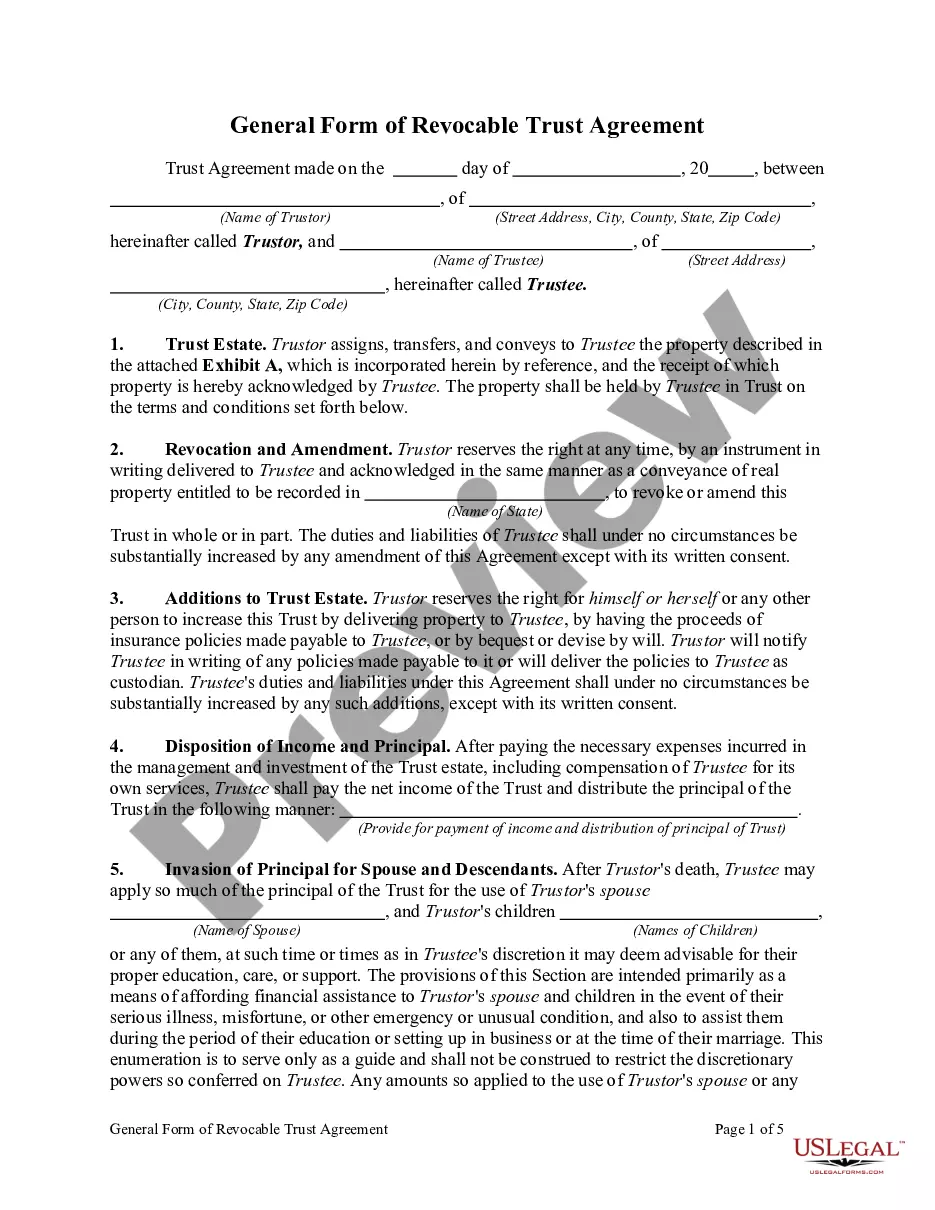
- Additions to Trust Estate: Allows the trustor to enhance the trust by contributing additional property or proceeds from insurance.
- Distribution to Minors: Outlines how income or principal can be distributed for the benefit of minor beneficiaries.
- Powers of Trustee: Details the authorities and duties of the trustee regarding the management of trust assets.
- Transactions with Third Persons: Specifies the authority of the trustee to engage in transactions without needing to verify authority.
- Compensation of Trustee: Establishes the right of the trustee to receive compensation for their services.
When to use this form
This form is suitable for individuals who wish to create a trust that can be modified anytime, allowing for flexibility in asset management. It is particularly useful in scenarios where the trustor is concerned about future changes in their circumstances or wishes to protect their assets while retaining control. Common situations include planning for retirement, managing estate assets for those with minor children, or establishing a safety net against potential creditors.
Who this form is for
This form is ideal for:
- Individuals looking for a flexible estate planning option.
- Parents who want to ensure their minors are provided for without going through a lengthy probate process.
- People seeking to protect their assets from creditors while maintaining control over their estate.
Steps to complete this form
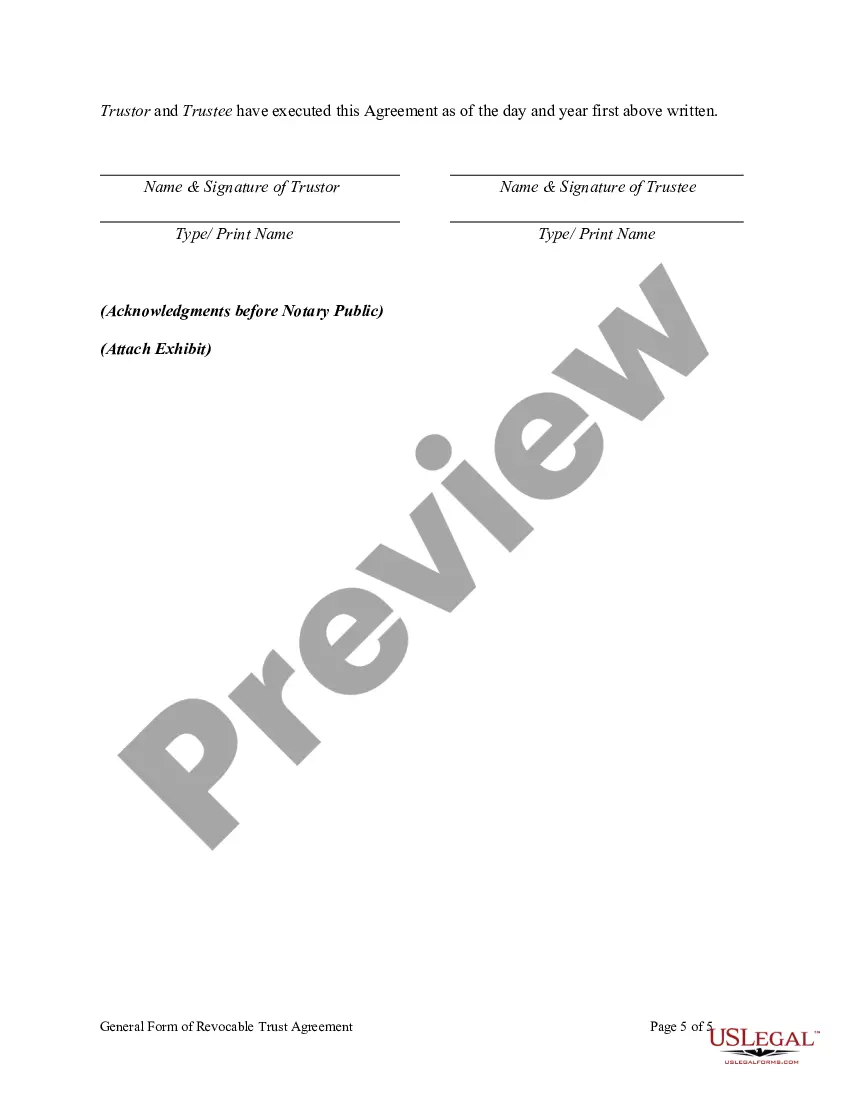
- Identify the parties involved: Clearly define the trustor, trustee, and beneficiaries.
- Specify the property: Detail the assets being included in the trust, including any additional contributions.
- Outline the distribution plans: Explain how and when the assets should be distributed, particularly for minor beneficiaries.
- Define trustee powers: State the authority granted to the trustee for managing the trust assets.
- Review and sign: Ensure all parties review the document and sign to make it legally valid.
Is notarization required?
This form does not typically require notarization unless specified by local law. However, consulting with a legal professional is advisable to confirm the requirements in your jurisdiction.
Get your form ready online
Our built-in tools help you complete, sign, share, and store your documents in one place.
Make edits, fill in missing information, and update formatting in US Legal Forms—just like you would in MS Word.
Download a copy, print it, send it by email, or mail it via USPS—whatever works best for your next step.
Sign and collect signatures with our SignNow integration. Send to multiple recipients, set reminders, and more. Go Premium to unlock E-Sign.
If this form requires notarization, complete it online through a secure video call—no need to meet a notary in person or wait for an appointment.
We protect your documents and personal data by following strict security and privacy standards.

Make edits, fill in missing information, and update formatting in US Legal Forms—just like you would in MS Word.

Download a copy, print it, send it by email, or mail it via USPS—whatever works best for your next step.

Sign and collect signatures with our SignNow integration. Send to multiple recipients, set reminders, and more. Go Premium to unlock E-Sign.

If this form requires notarization, complete it online through a secure video call—no need to meet a notary in person or wait for an appointment.

We protect your documents and personal data by following strict security and privacy standards.
Mistakes to watch out for
- Failing to include all relevant assets in the trust.
- Not updating the trust after significant life events.
- Inaccurately describing the powers of the trustee, which may lead to misunderstandings.
Why use this form online
- Convenience of downloading and completing the form at your own pace.
- Editability to make necessary changes easily.
- Access to legally vetted content prepared by licensed attorneys.
Legal use & context
- The form is enforceable as a revocable trust under applicable state laws.
- This trust allows the trustor to retain control while providing asset protection.
- It may have limitations regarding creditor protection depending on jurisdiction.
Main things to remember
- A revocable trust offers flexibility and control to the trustor.
- It is beneficial for estate management, especially for those with minor children.
- Consult with a legal professional to ensure compliance with state laws.
Looking for another form?
Form popularity
FAQ
As far as the Internal Revenue Service is concerned, trust property belongs to the grantor. The grantor names a trustee to manage the assets, but during their lifetime, most people name themselves in this position. A successor trustee is named to carry on when the grantor dies or becomes incapacitated.
Paperwork. Setting up a living trust isn't difficult or expensive, but it requires some paperwork. Record Keeping. After a revocable living trust is created, little day-to-day record keeping is required. Transfer Taxes. Difficulty Refinancing Trust Property. No Cutoff of Creditors' Claims.
Real property. Bank accounts. Security accounts such as stocks, bonds, and CDs. Business interests (of a limited amount) Patents and copyrights. Antiques and valuable furniture/jewelry.
A Revocable Living Trust Defined Assets can include real estate, valuable possessions, bank accounts and investments. As with all living trusts, you create it during your lifetime.
The process of funding your living trust by transferring your assets to the trustee is an important part of what helps your loved ones avoid probate court in the event of your death or incapacity. Qualified retirement accounts such as 401(k)s, 403(b)s, IRAs, and annuities, should not be put in a living trust.
A revocable living trust will not protect your assets from a nursing home. This is because the assets in a revocable trust are still under the control of the owner. To shield your assets from the spend-down before you qualify for Medicaid, you will need to create an irrevocable trust.