Indiana Interrogatories to Defendant for Motor Vehicle Accident
What is this form?
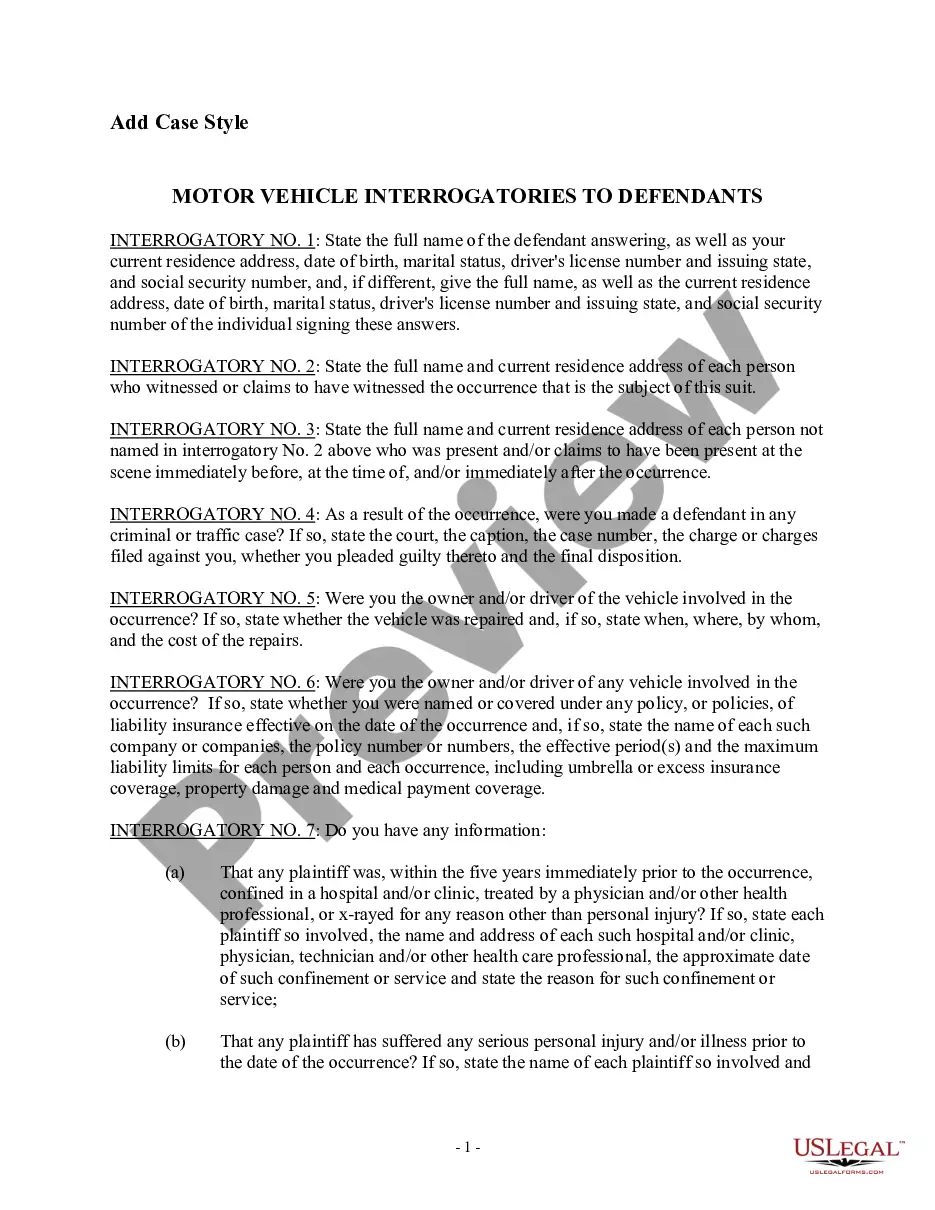
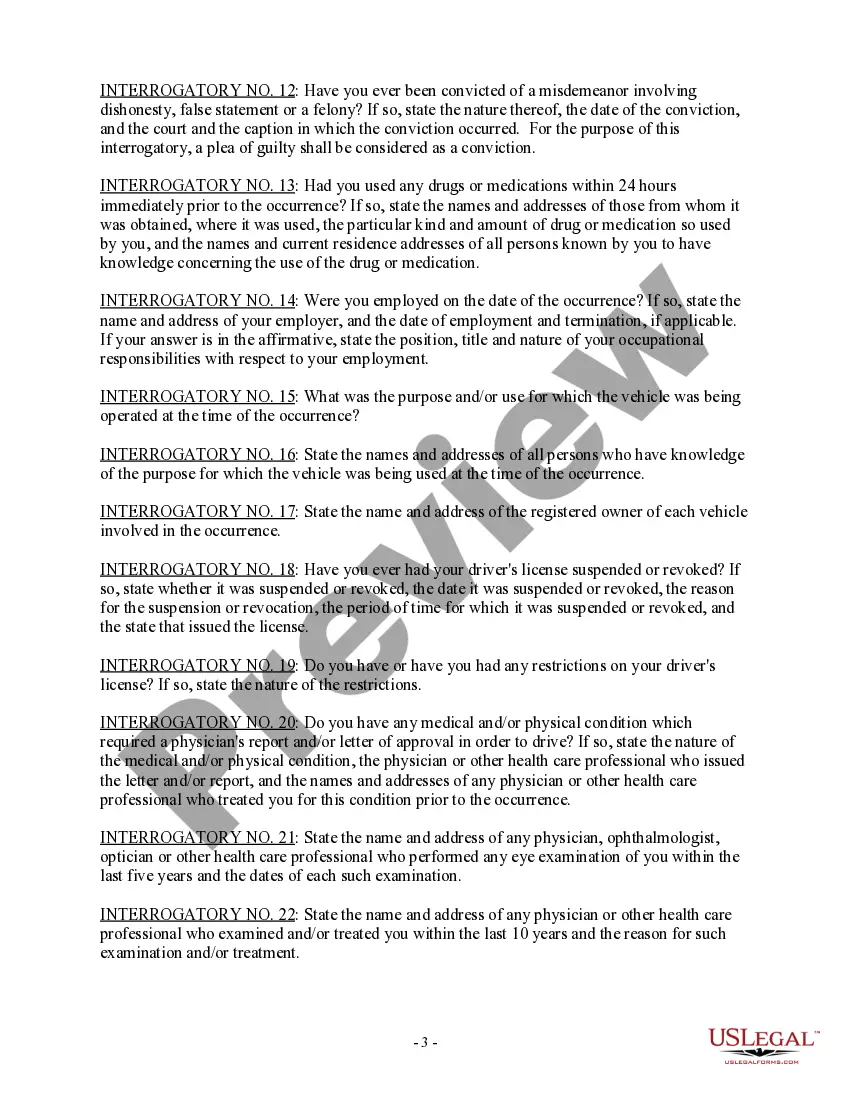
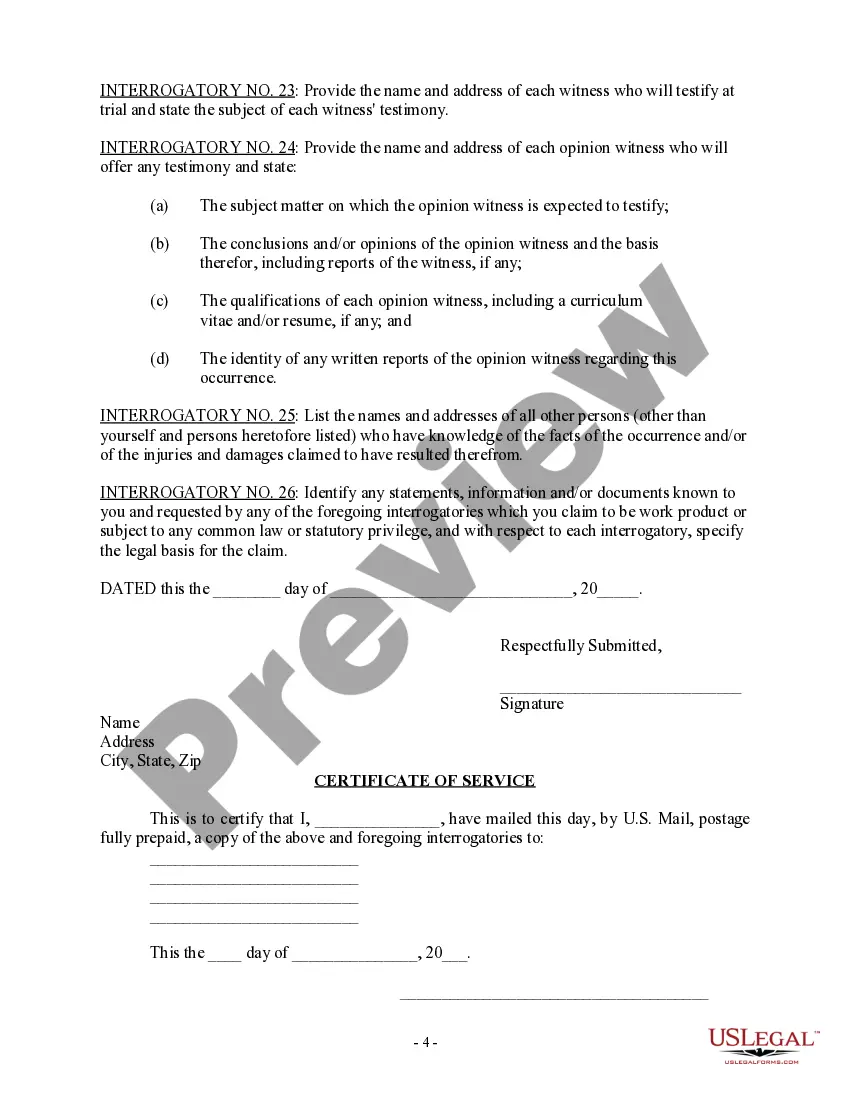
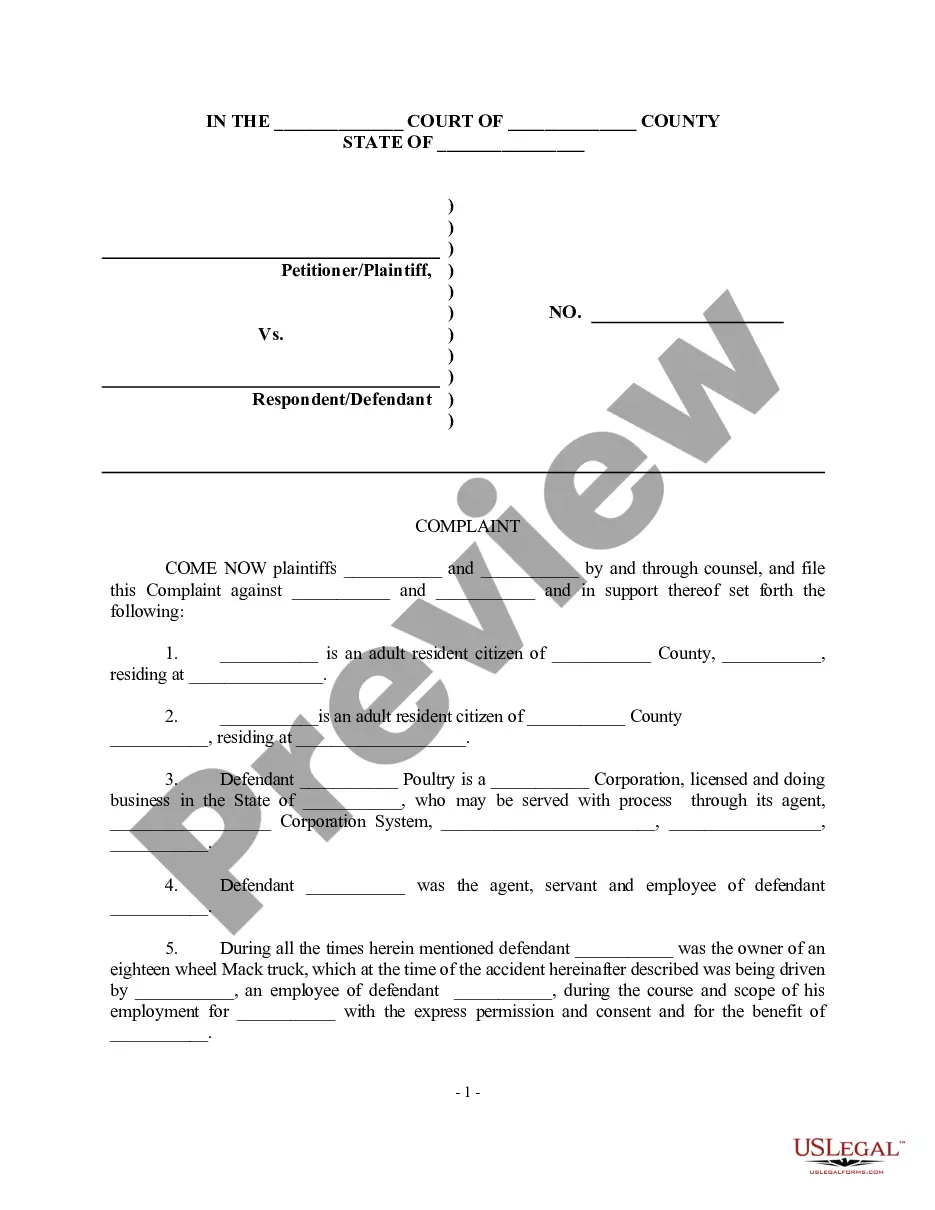
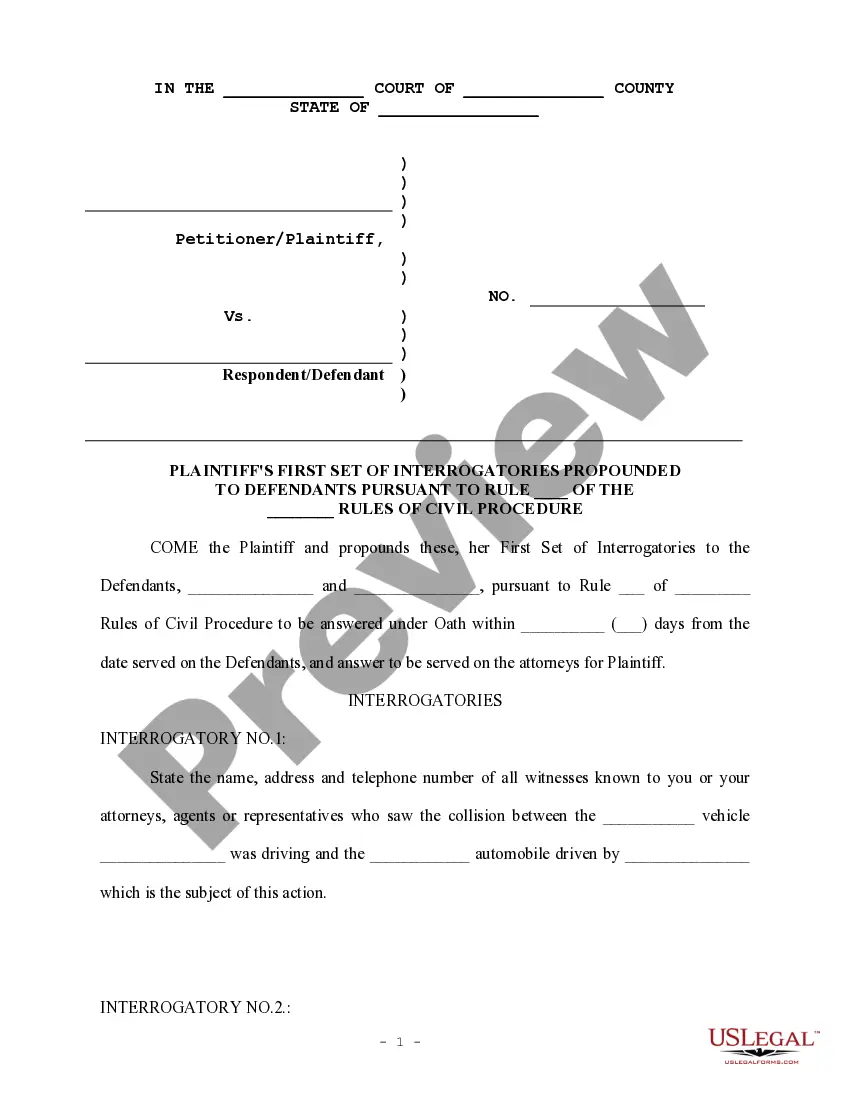
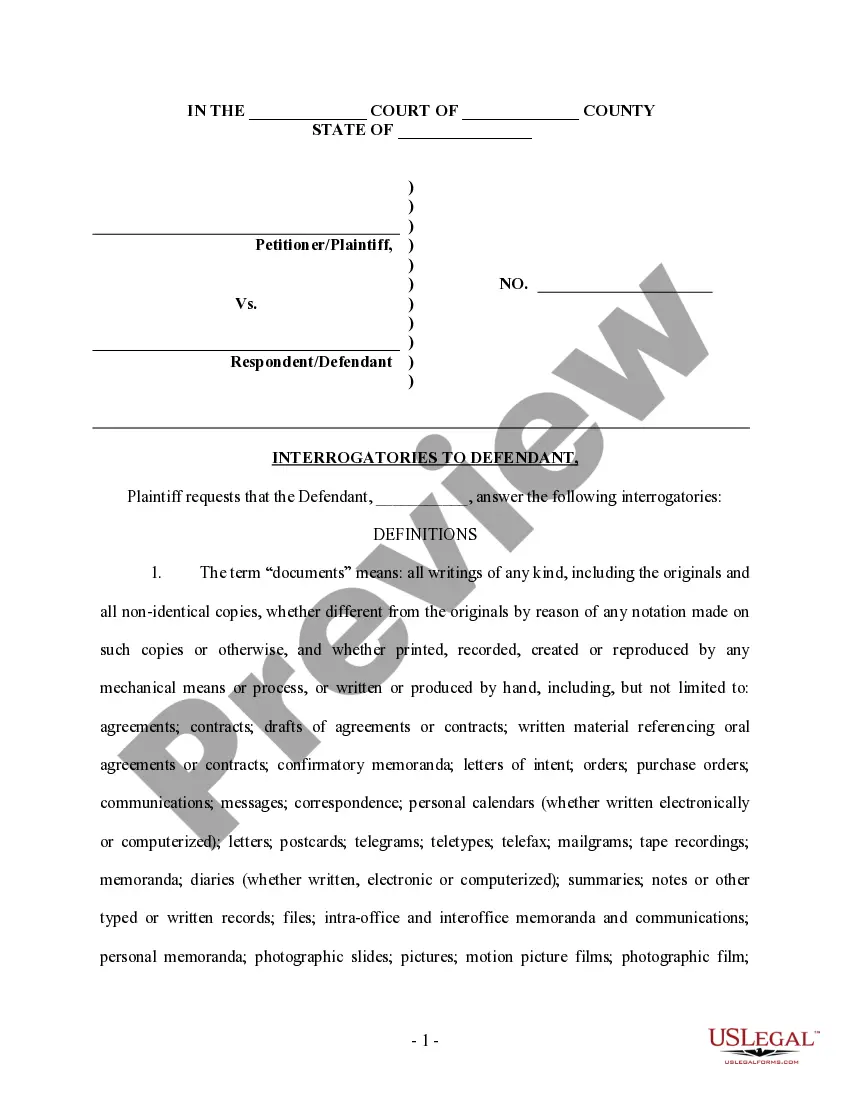
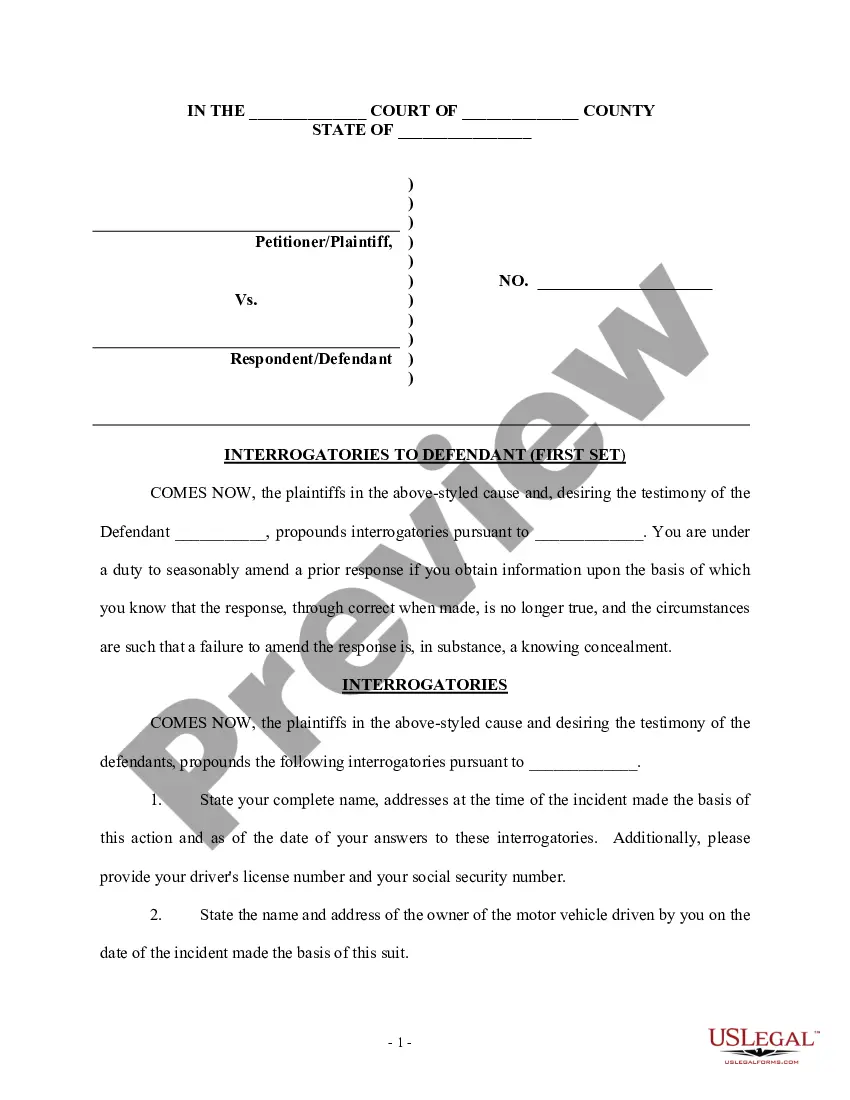
The Interrogatories to Defendant for Motor Vehicle Accident is a legal document used in personal injury litigation resulting from vehicle accidents. This form consists of a series of written questions that one party (the plaintiff) sends to the other party (the defendant) in order to gather factual information relevant to the case. The interrogatories are designed to clarify details about the accident, the parties involved, and any potential defenses. Utilizing this form can help streamline the discovery process while ensuring that both parties have the necessary information for a fair resolution of the case.
Key parts of this document
- Identification of the defendant, including personal information and any relevant background.
- Details about the motor vehicle involved, including ownership and insurance coverage.
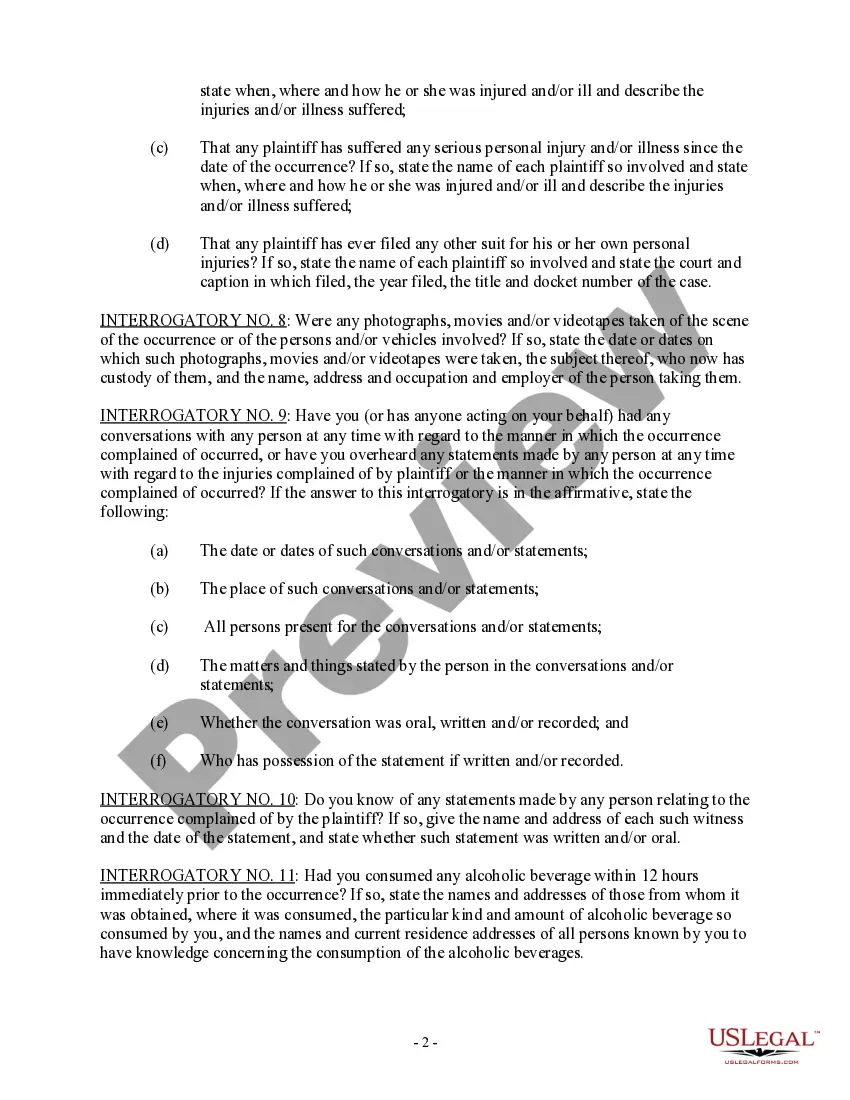
- Information about witnesses to the accident and any statements they made.
- Records of any prior injuries or medical treatment of the plaintiff.
- Information regarding any legal actions or criminal charges resulting from the accident.
- Documentation and evidentiary materials, such as photographs or videos taken post-accident.

Situations where this form applies
This form is essential for parties involved in a motor vehicle accident lawsuit where the plaintiff seeks to obtain more information from the defendant. Use this form when responding to discovery requests or when preparing for court proceedings. It helps to elucidate the details surrounding the accident, including the circumstances, witnesses, and any relevant background that may influence the case outcome.
Who can use this document
- Individuals involved in a motor vehicle accident who are plaintiffs seeking information from defendants.
- Legal representatives or attorneys working on personal injury cases related to vehicle incidents.
- Defendants in a vehicle accident lawsuit who are required to provide detailed responses during discovery.
How to complete this form
- Start by filling in the case style section, which includes your name and the defendant's name.
- Answer each interrogatory question clearly and concisely, providing all requested details.
- Review your responses for accuracy and completeness to avoid any miscommunication.
- Sign and date the form in the designated sections at the end of the document.
- Ensure the form is served to the appropriate parties as required by law.
Does this form need to be notarized?
Notarization is generally not required for this form. However, certain states or situations might demand it. You can complete notarization online through US Legal Forms, powered by Notarize, using a verified video call available anytime.
Get your form ready online
Our built-in tools help you complete, sign, share, and store your documents in one place.
Make edits, fill in missing information, and update formatting in US Legal Forms—just like you would in MS Word.
Download a copy, print it, send it by email, or mail it via USPS—whatever works best for your next step.
Sign and collect signatures with our SignNow integration. Send to multiple recipients, set reminders, and more. Go Premium to unlock E-Sign.
If this form requires notarization, complete it online through a secure video call—no need to meet a notary in person or wait for an appointment.
We protect your documents and personal data by following strict security and privacy standards.

Make edits, fill in missing information, and update formatting in US Legal Forms—just like you would in MS Word.

Download a copy, print it, send it by email, or mail it via USPS—whatever works best for your next step.

Sign and collect signatures with our SignNow integration. Send to multiple recipients, set reminders, and more. Go Premium to unlock E-Sign.

If this form requires notarization, complete it online through a secure video call—no need to meet a notary in person or wait for an appointment.

We protect your documents and personal data by following strict security and privacy standards.
Typical mistakes to avoid
- Failing to provide complete and truthful answers, which can lead to legal penalties.
- Not adhering to jurisdictional rules about the number and type of interrogatories allowed.
- Leaving questions unanswered or providing vague responses, which can hinder the case process.
- Failing to serve the interrogatories properly or missing deadlines for responses.
Benefits of completing this form online
- Convenience of downloading and completing the form at your own pace.
- Editable format allows you to customize the interrogatories to suit your specific case needs.
- Ensures reliability and accuracy by utilizing templates drafted by licensed attorneys.
- Reduces the risk of errors by providing a structured format for response.
Legal use & context
- The interrogatories are a formal part of the discovery process in litigation.
- Responses are expected to be provided under oath, and can be used as evidence in court.
- Failure to answer or improper responses may result in legal consequences, including sanctions.
Quick recap
- The Interrogatories to Defendant for Motor Vehicle Accident is essential for collecting detailed and relevant information from the defendant.
- Proper completion of this form can significantly impact the outcome of a personal injury case.
- Always ensure your responses are thorough, accurate, and submitted on time to avoid complications.
Looking for another form?
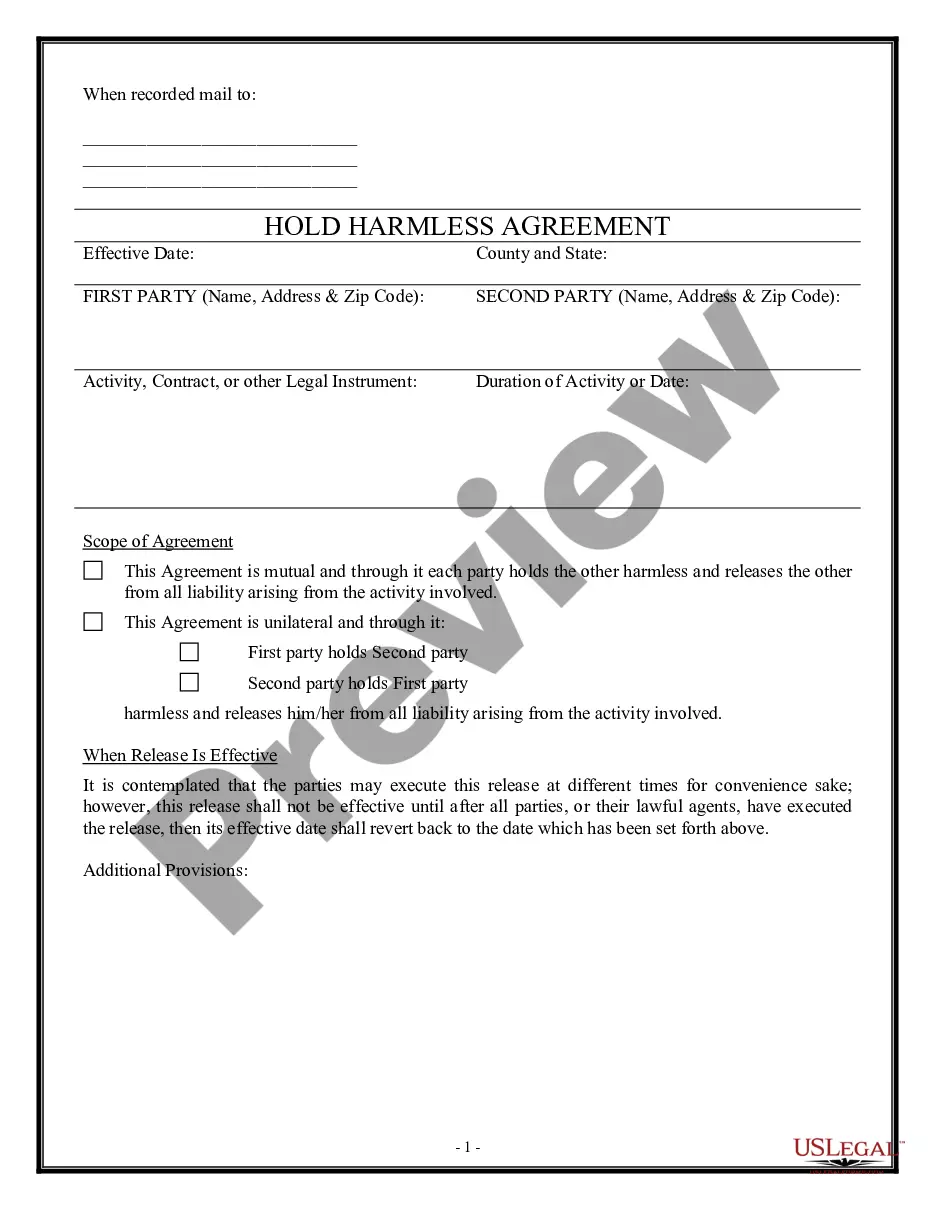
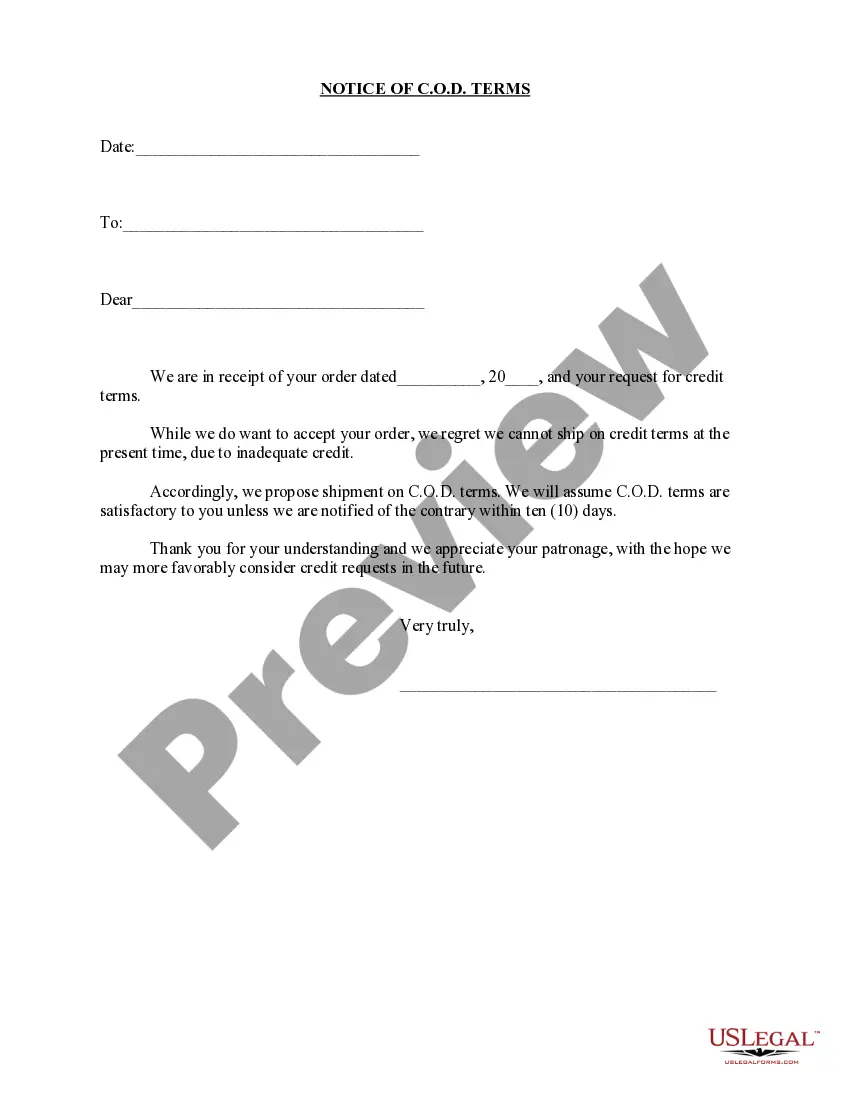

Form popularity
FAQ
So what's the difference? For starters, depositions are an out of court question-and-answer session that must be conducted under oath.Interrogatories are a set of questions sent to an individual to answer and send back to an attorney. These are limited to 30 questions, including subparts of questions.
Personal/Corporate information of opposing party. Identifying information of witnesses. Contact information & background of expert witnesses. Insurance information.
Be alert to possible objections while you're drafting. Ask about particular contentions. Refer to allegations in the pleading. Ask for facts on which the contention is based.
Responding to Form InterrogatoriesAnswer each question, being careful to answer each subpart, if one exists. Read the question carefully, and answer only what it asks. You may attach exhibits, if necessary. The response must be verified, meaning you must swear that the responses given are true.
Written questions submitted to a party from his or her adversary to ascertain answers that are prepared in writing and signed under oath and that have relevance to the issues in a lawsuit.No party can be compelled to answer interrogatories that involve matters beyond the party's control.
Interrogatories Interrogatories are written questions that are sent by one party to another. Generally speaking, the party who receives these questions has 30 days to answer them.If the other party fails to respond on time, within 30 days, then the questions are deemed admitted.
Your answers to the interrogatories should usually be short, clear, and direct and should answer only the question that is being asked. This is not the time to set out your entire case or defense to the other side. Take the time to make sure your answers are correct and truthful.
So, can you refuse to answer interrogatories? The answer is, no, you may not.That answer must either permit inspection of the requested information or object to the production of the information for a specific reason.