Utah Release of Mortgage by Corporation
About this form
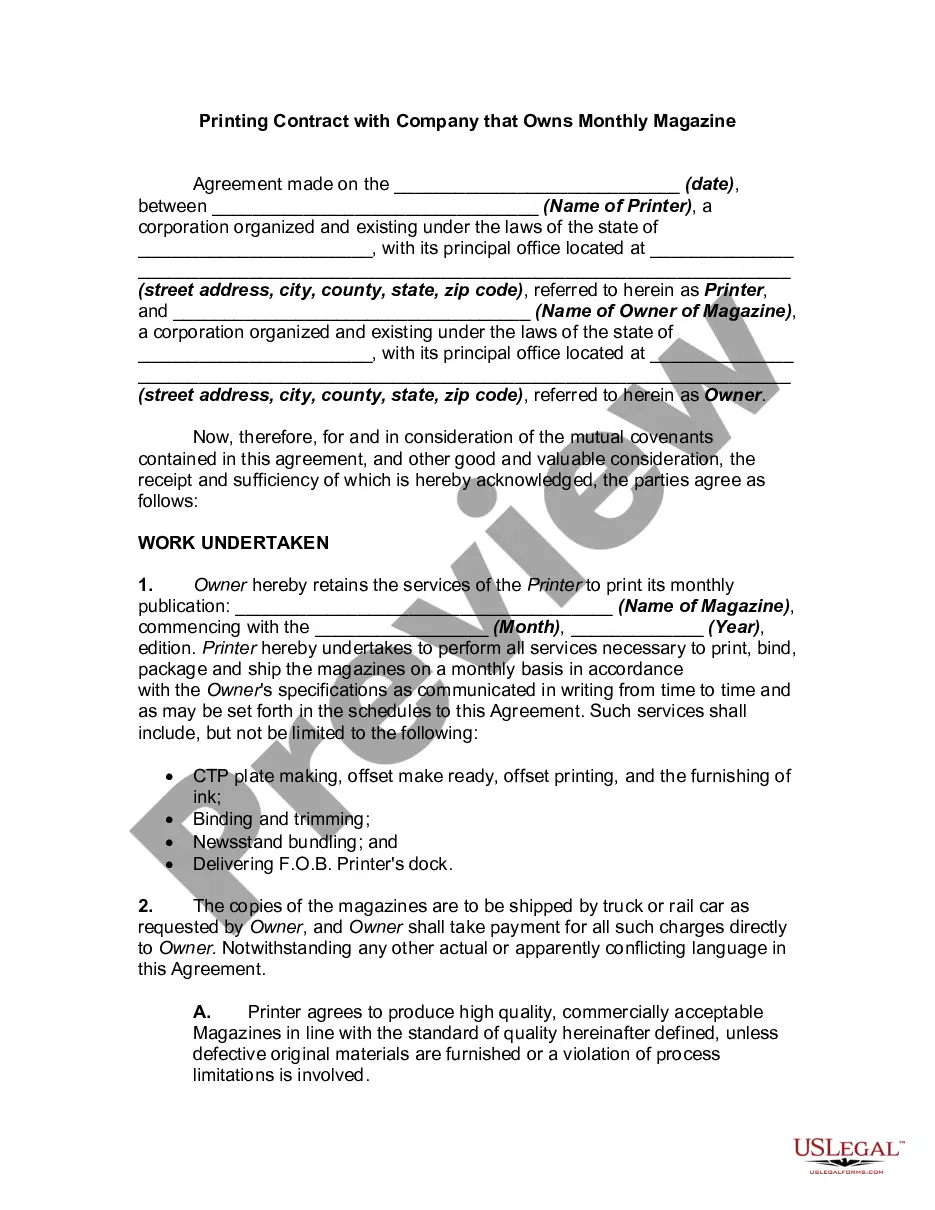
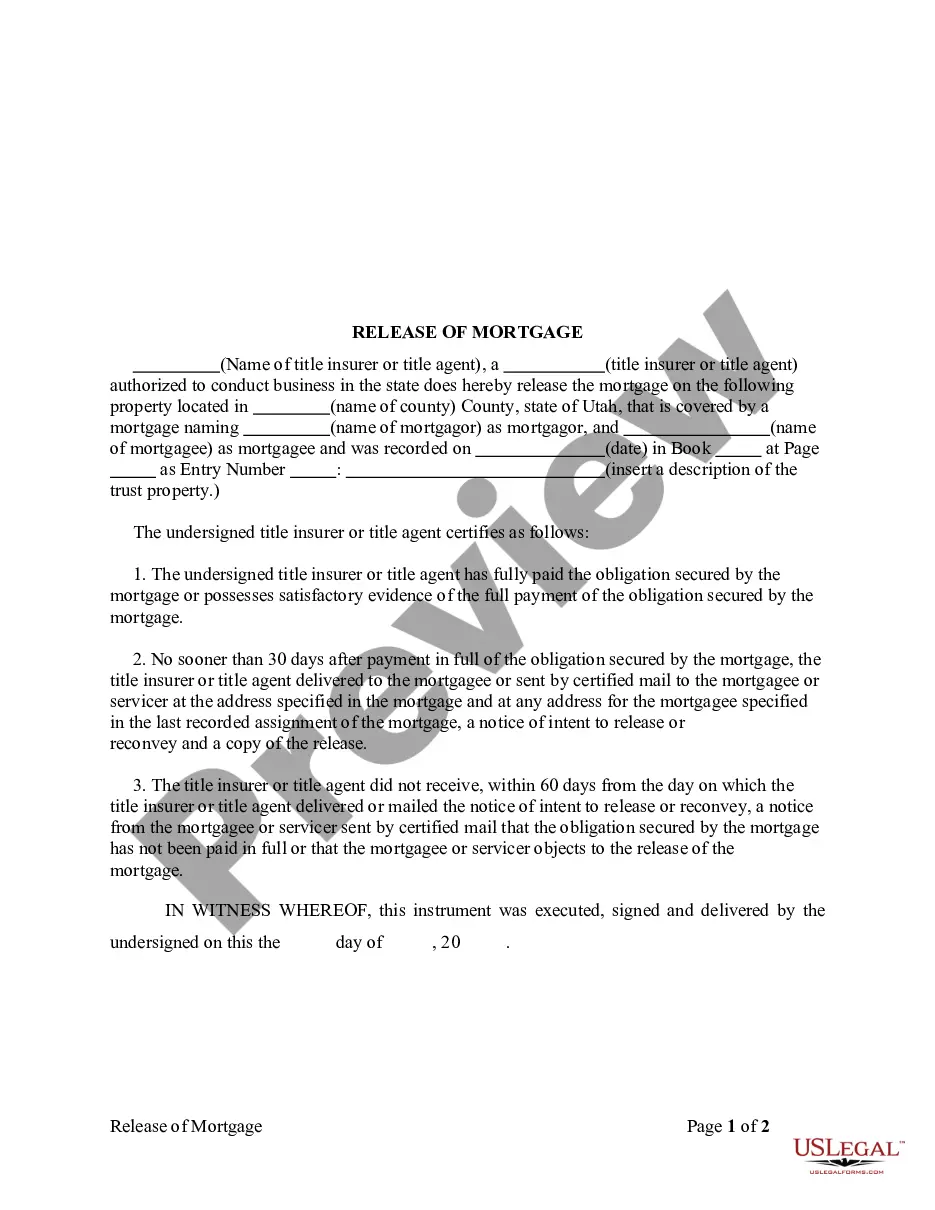
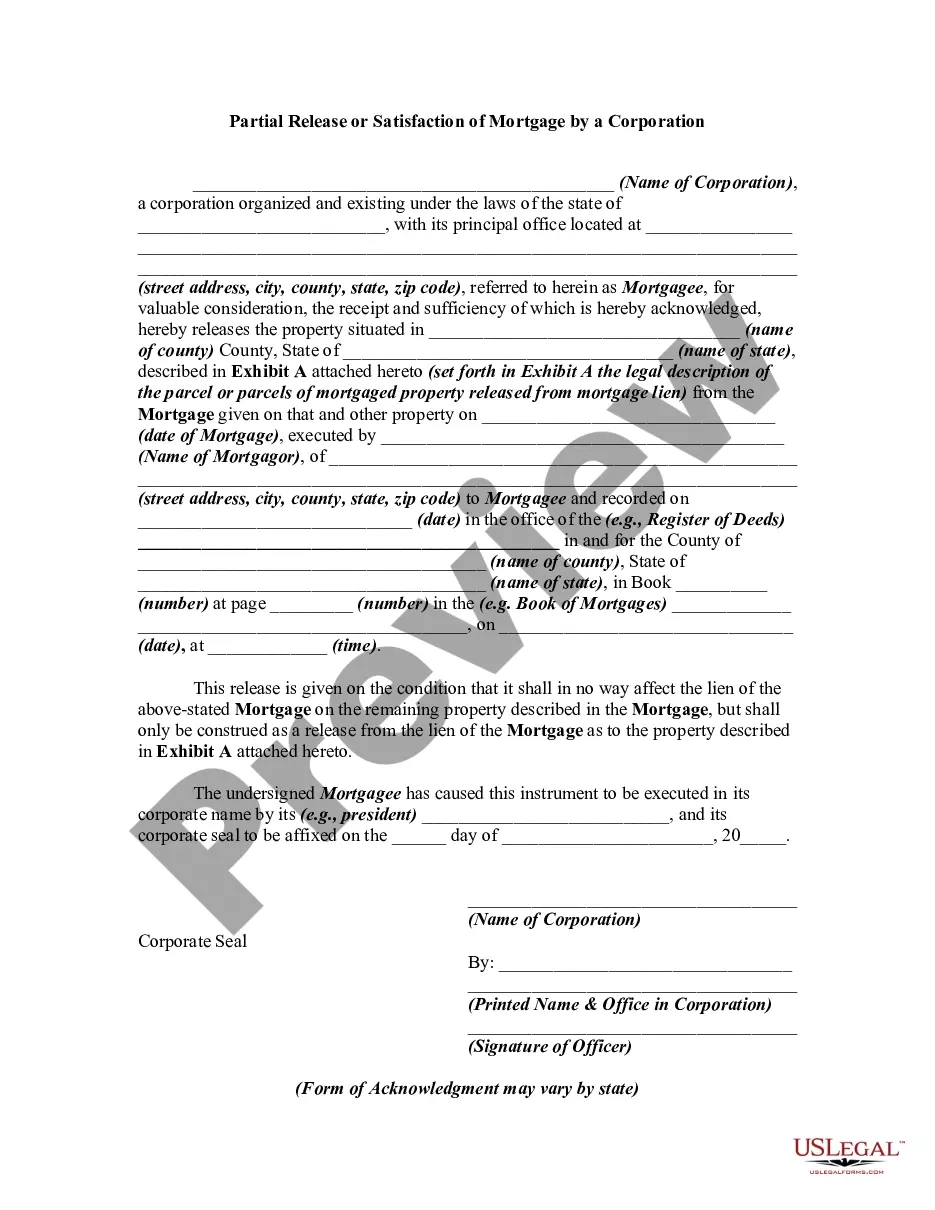
The Release of Mortgage by Corporation is a legal document used when a corporation wants to release a mortgage obligation. This form officially signifies that the mortgage has been fully paid and the lender no longer has a claim against the property. It is crucial for preventing any future claims or encumbrances, distinguishing it from similar forms that may involve conditions or partial releases. This form serves to clear the property title and is an essential step once obligations secured by the mortgage are completed.
Form components explained
- Identification of the corporation releasing the mortgage.
- Details regarding the mortgage, including the date it was originally executed.
- A statement confirming that all obligations have been fulfilled.
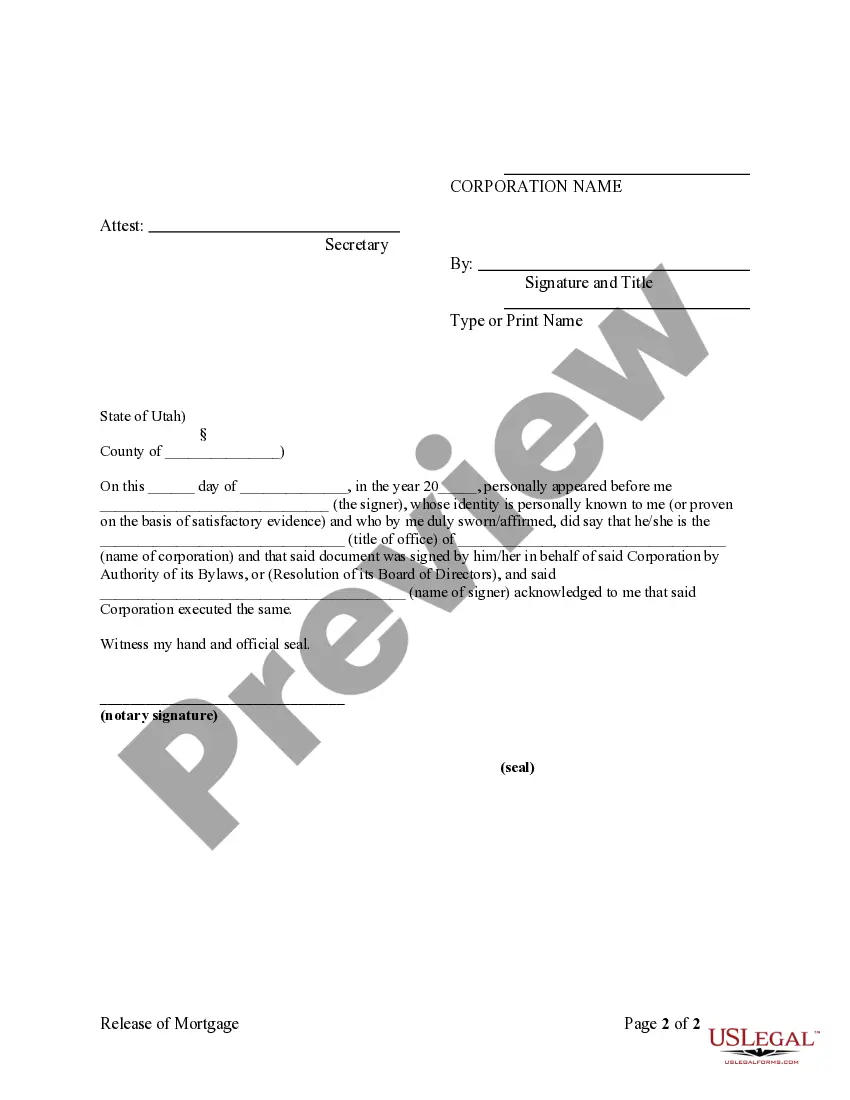
- Section for notarization to verify authenticity and compliance.
- Signatures from authorized representatives of the corporation.
When to use this form
This form should be used when a corporation has fully satisfied its financial obligations related to a mortgage. Common scenarios include the sale of the property after debts have been cleared or the refinancing of a property where the original loan is fully repaid. Utilizing this form is essential to releasing the mortgage from public records and ensuring that the title is clear for future transactions.
Who can use this document
This form is intended for:
- Corporation representatives who have settled all mortgage obligations.
- Title agents or attorneys managing property transactions for corporations.
- Corporations intending to clear mortgage encumbrances from their property titles.
How to complete this form
- Identify the corporation's name and the property involved in the mortgage.
- Include details of the original mortgage and the date it was signed.
- Clearly state that the obligation against the mortgage has been settled.
- Obtain necessary signatures from authorized officials of the corporation.
- Have the document notarized to ensure it is legally valid.
Does this document require notarization?
This form needs to be notarized to ensure legal validity. US Legal Forms provides secure online notarization powered by Notarize, allowing you to complete the process through a verified video call, available anytime.
Get your form ready online
Our built-in tools help you complete, sign, share, and store your documents in one place.
Make edits, fill in missing information, and update formatting in US Legal Forms—just like you would in MS Word.
Download a copy, print it, send it by email, or mail it via USPS—whatever works best for your next step.
Sign and collect signatures with our SignNow integration. Send to multiple recipients, set reminders, and more. Go Premium to unlock E-Sign.
If this form requires notarization, complete it online through a secure video call—no need to meet a notary in person or wait for an appointment.
We protect your documents and personal data by following strict security and privacy standards.

Make edits, fill in missing information, and update formatting in US Legal Forms—just like you would in MS Word.

Download a copy, print it, send it by email, or mail it via USPS—whatever works best for your next step.

Sign and collect signatures with our SignNow integration. Send to multiple recipients, set reminders, and more. Go Premium to unlock E-Sign.

If this form requires notarization, complete it online through a secure video call—no need to meet a notary in person or wait for an appointment.

We protect your documents and personal data by following strict security and privacy standards.
Typical mistakes to avoid
- Failing to provide accurate details about the mortgage can lead to complications.
- Not obtaining the required signatures from all authorized representatives.
- Neglecting to have the document notarized may invalidate the release in some jurisdictions.
Why complete this form online
- Convenience of downloading and completing the form at your own pace.
- Ability to edit the document easily to suit specific circumstances.
- Access to professionally drafted templates, ensuring compliance with legal standards.
Main things to remember
- The Release of Mortgage by Corporation is essential for removing mortgage obligations from property titles.
- Ensure to complete the form accurately and obtain all necessary signatures and notarizations.
- This form supports property transactions by clearly establishing the status of mortgage obligations.
Looking for another form?
Form popularity
FAQ
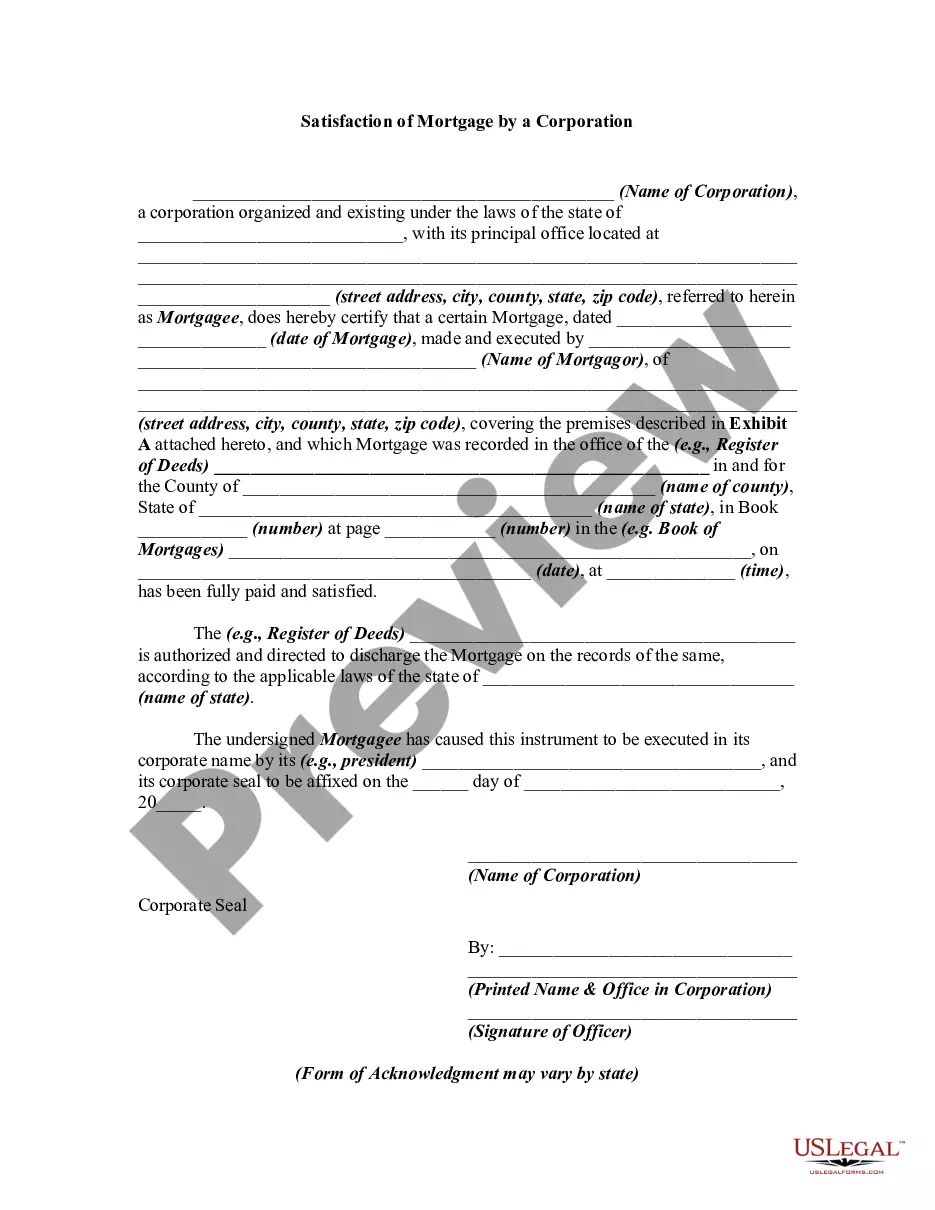
What is Satisfaction of Mortgage? A Satisfaction of Mortgage, also known as a Mortgage Lien Release, is a legal document provided by the mortgagee (financial institution) advising that the mortgage has been paid in full, all terms of the loan have been satisfied and there will no longer be a lien on the property.
The charge can also be called a termination or settlement fee. A recorded mortgage discharge certifies that the mortgage has been satisfied and legally releases the interest of the lender in the property and thereby clears the title.
Releasing a mortgage lien often involves two or three signatures. Depending on your state, the person who's given the mortgage, the borrower, and the lender may be required to sign the release. In many states, a notary public signature and, possibly, a seal, is also needed to have a legal release of lien.
Give your lender reasonable time, possibly two to three weeks, to release its lien. Then call or visit your lender. Advise the lender that you have yet to receive its "release of lien" document.
A Mortgage Release is where you, the homeowner, voluntarily transfer the ownership of your property to the owner of your mortgage in exchange for a release from your mortgage loan and payments.Depending on your situation, you may be required to make a financial contribution to receive a mortgage release.
When you pay off your loan and you have a mortgage, the lender will send you or the local recorder of deeds or office that handles the filing of real estate documents a release of mortgage.On the other hand, when you have a trust deed or deed of trust, the lender files a release deed.
People can just let the home go to foreclosure, and this will affect their scores for seven years. Or they can do a deed in lieu of foreclosure. With a deed in lieu, you voluntarily give your home to the lender in exchange for the cancellation of your loan. This, too, can create a negative mark on your credit history.
When you pay off your loan and you have a mortgage, the lender will send you or the local recorder of deeds or office that handles the filing of real estate documents a release of mortgage. This release of mortgage is recorded or filed and gives notice to the world that the lien is no more.