Service member's Civil Relief Act
Understanding this form
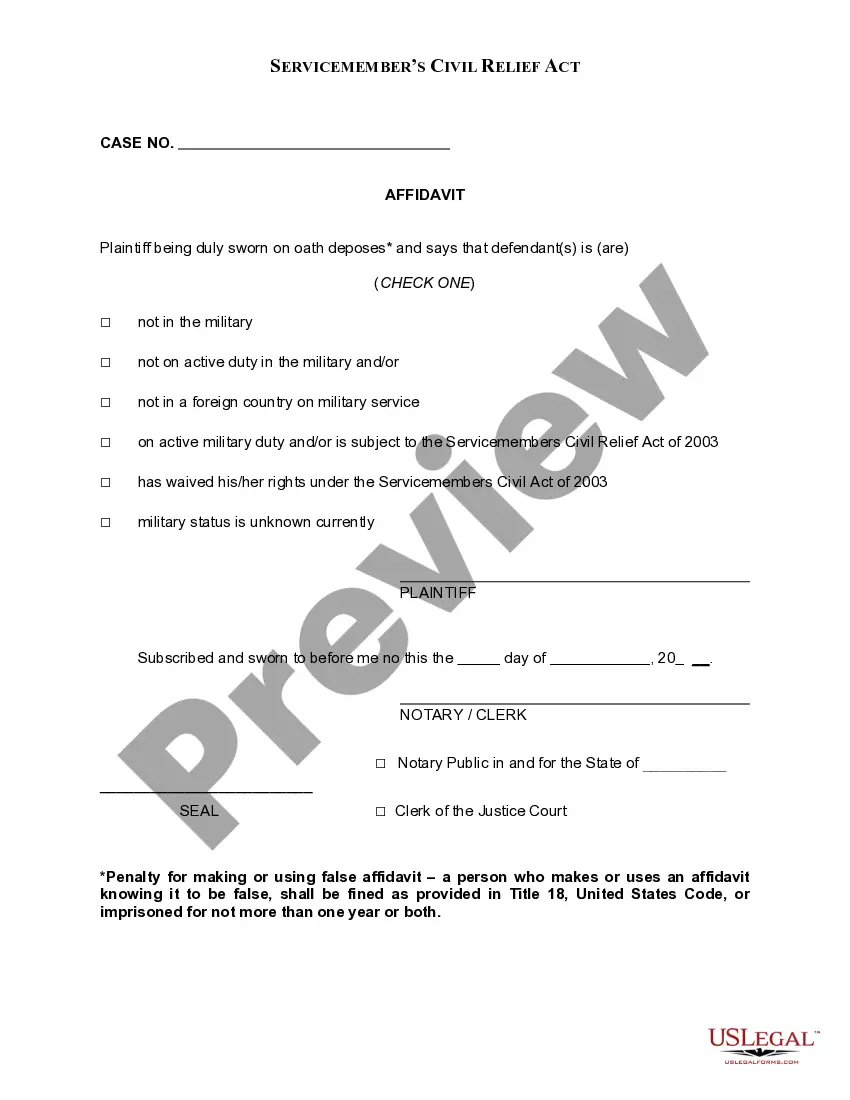
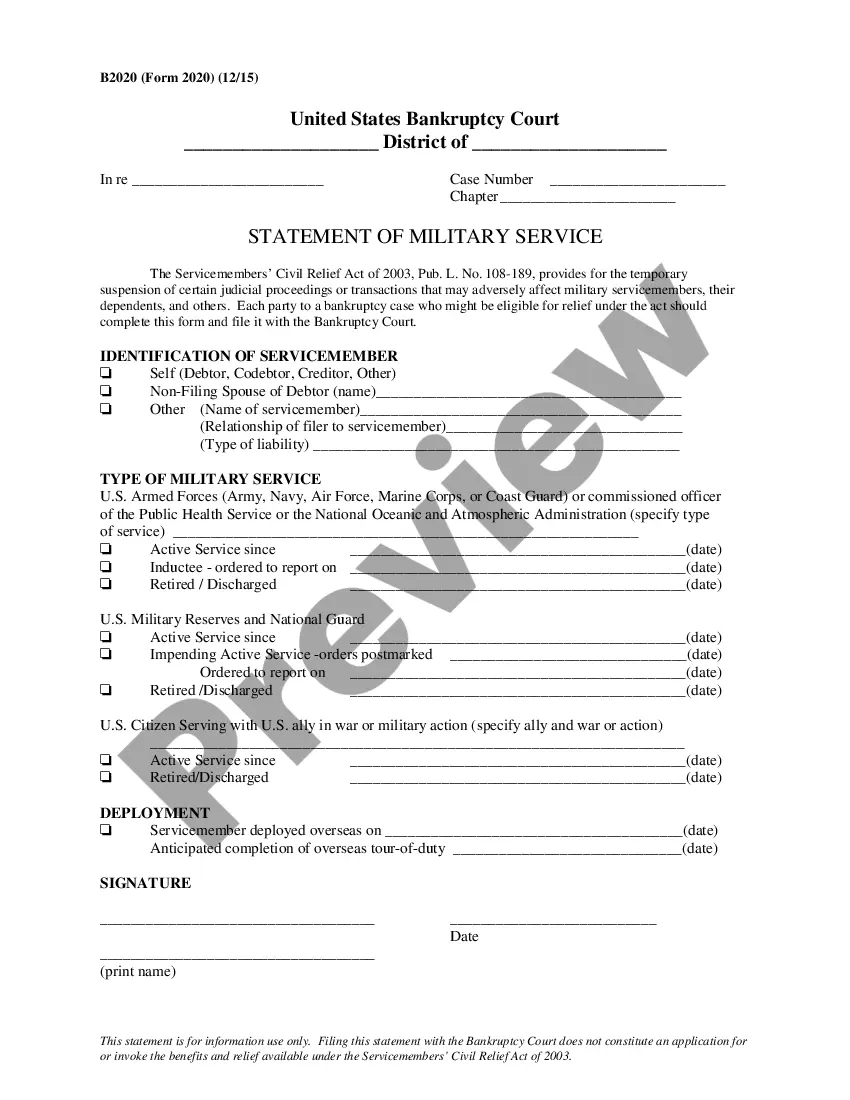
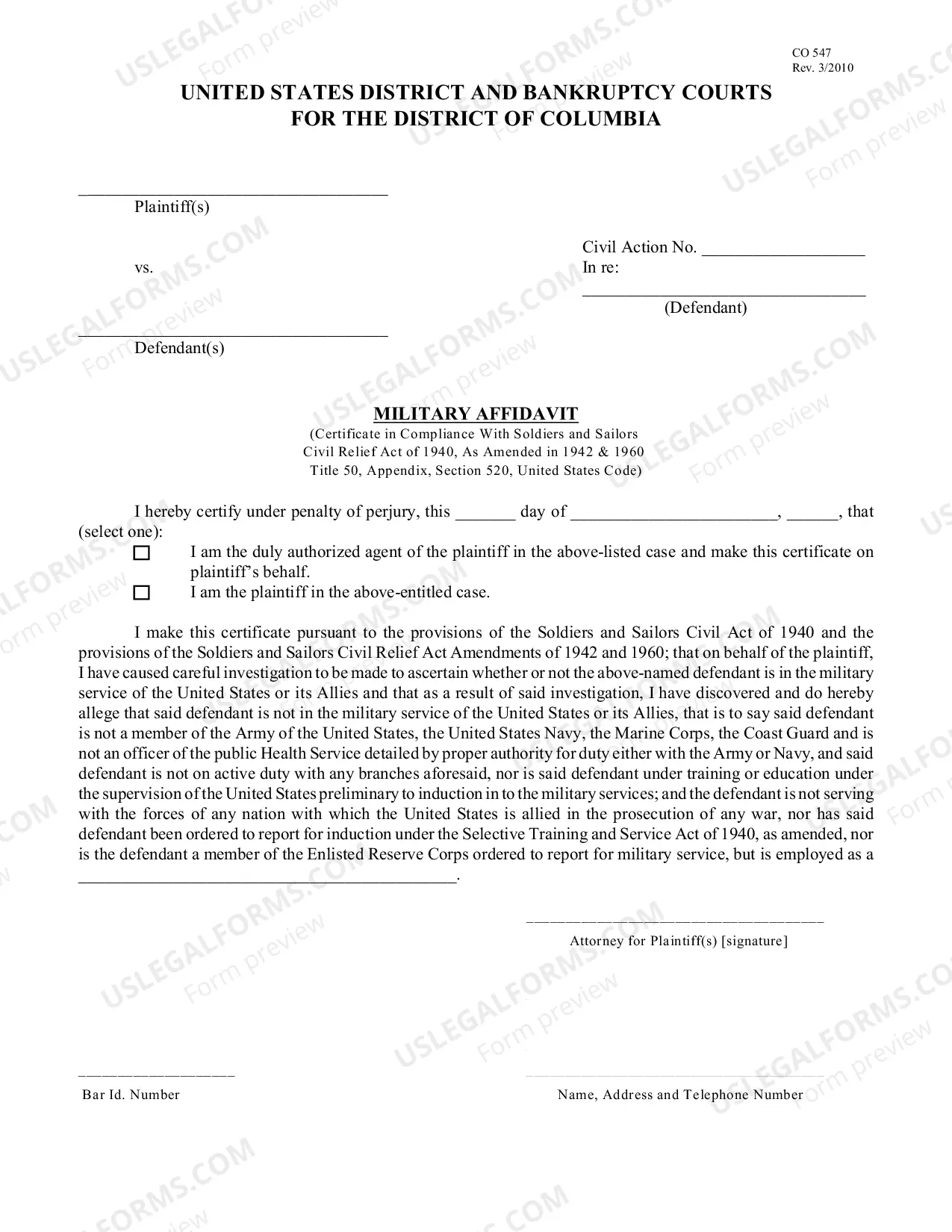
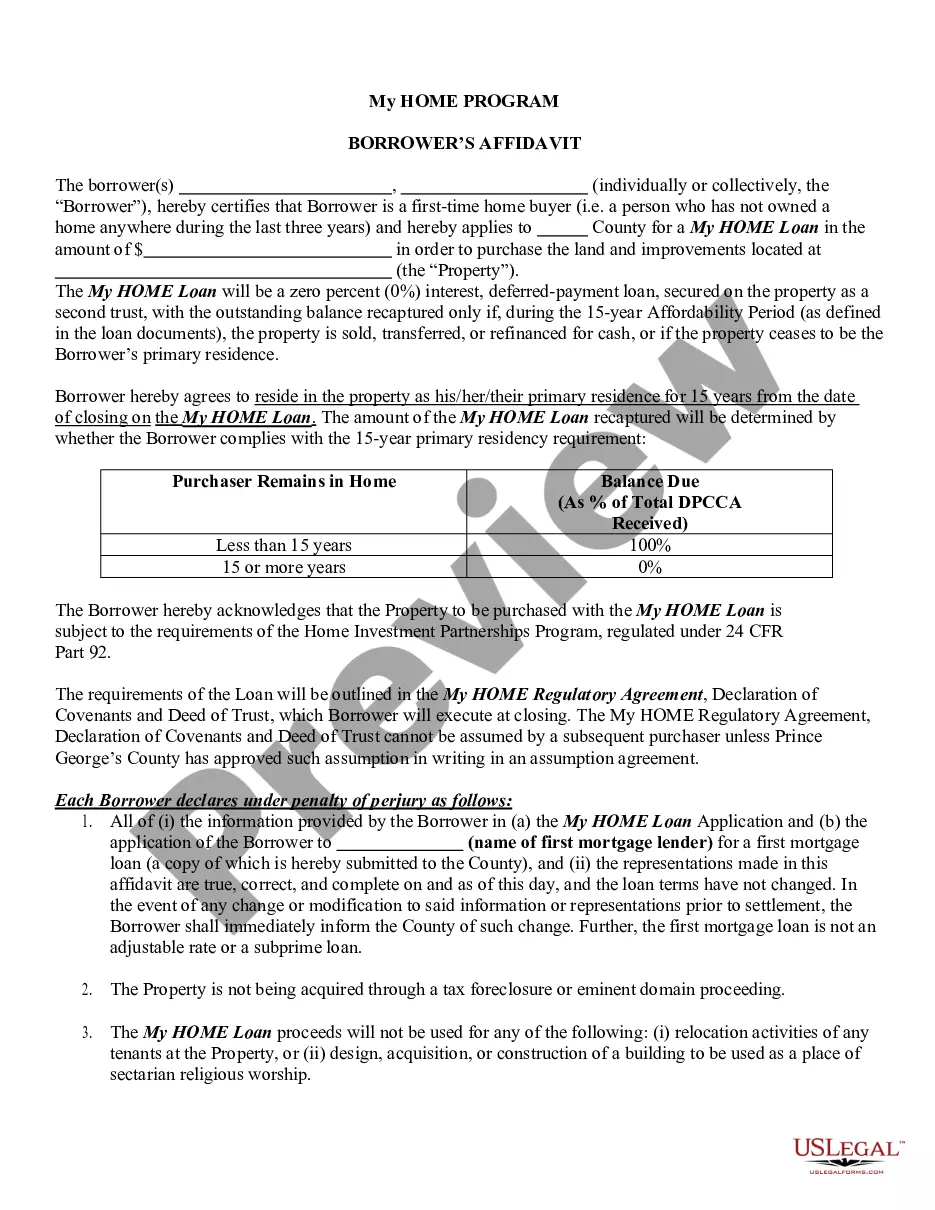
The Service Member's Civil Relief Act form is a legal document that allows active-duty service members to invoke specific protections under federal law. This form differs from other affidavits as it specifically addresses legal rights and privileges afforded to military personnel, such as postponing court proceedings and waiving certain legal fees to ease their financial burdens during service. Incorporating this form ensures that service members can access these benefits effectively and efficiently.
Form components explained
- Affidavit of eligibility: A statement confirming the individualâs status as a service member.
- Details of legal actions: Section for specifying the legal proceedings or obligations affected by the Act.
- Declaration of rights: Outlines specific protections and privileges under the Service Member's Civil Relief Act.
- Signature: Required acknowledgment by the service member affirming the document's accuracy.
- Notary block: Area for notarization to verify the authenticity of the affidavit.

When to use this document
This form should be used when a service member needs to assert their rights under the Service Member's Civil Relief Act. Common scenarios include seeking to postpone court hearings, rental obligations, or other financial commitments while serving in the military. This form is essential for ensuring that legal protections are enforced, allowing service members to focus on their military duties without undue stress from legal obligations.
Who needs this form
The following individuals should consider using the Service Member's Civil Relief Act form:
- Active-duty members of the military.
- Reservists on active duty.
- Members of the National Guard called to active service.
- Dependents of the listed service members seeking to invoke protections in certain situations.
Instructions for completing this form
- Identify the service member: Clearly state the name and military identification details of the service member.
- List the legal obligations: Describe the specific court cases or financial responsibilities affected by this form.
- Declare military status: Include a statement affirming the service member's active duty status and eligibility for protection under the Act.
- Sign the document: The service member must sign the form to verify its accuracy.
- Notarize where applicable: Have the document notarized to confirm authenticity before submission.
Does this document require notarization?
Yes, this form must be notarized to be legally valid. Notarization helps verify the identity of the service member and ensures the authenticity of the document. US Legal Forms offers integrated online notarization, allowing you to easily complete this step via a secure video call, ensuring legal equivalence without the need for travel.
Get your form ready online
Our built-in tools help you complete, sign, share, and store your documents in one place.
Make edits, fill in missing information, and update formatting in US Legal Forms—just like you would in MS Word.
Download a copy, print it, send it by email, or mail it via USPS—whatever works best for your next step.
Sign and collect signatures with our SignNow integration. Send to multiple recipients, set reminders, and more. Go Premium to unlock E-Sign.
If this form requires notarization, complete it online through a secure video call—no need to meet a notary in person or wait for an appointment.
We protect your documents and personal data by following strict security and privacy standards.

Make edits, fill in missing information, and update formatting in US Legal Forms—just like you would in MS Word.

Download a copy, print it, send it by email, or mail it via USPS—whatever works best for your next step.

Sign and collect signatures with our SignNow integration. Send to multiple recipients, set reminders, and more. Go Premium to unlock E-Sign.

If this form requires notarization, complete it online through a secure video call—no need to meet a notary in person or wait for an appointment.

We protect your documents and personal data by following strict security and privacy standards.
Avoid these common issues
- Failing to accurately declare military status or provide identification details.
- Omitting required details about legal obligations or proceedings.
- Not having the form notarized when necessary.
- Submitting the form without checking for state-specific requirements.
Why use this form online
- Convenience of completing and downloading the form at your own pace.
- Editability allows for easy adjustments before finalizing entries.
- Reliable, attorney-drafted content ensures adherence to legal standards.
- Accessibility from anywhere, reducing the need for in-person consultations.
Summary of main points
- The Service Member's Civil Relief Act form is essential for protecting the rights of military personnel.
- Completing the form accurately is crucial for ensuring the benefits are fully realized.
- Notarization is required to validate the document.
- The form reflects specific legal rights that can alleviate stress for service members facing obligations during deployment.
Looking for another form?


Form popularity
FAQ
Under the Servicemembers Civil Relief Act (SCRA), the maximum interest rate that may be charged on an eligible Direct Loan or FFEL Program loan is 6% during the period of the servicemember's qualifying military service.
Those who work in the auto lending industry should be aware of the following rules and regulations: Interest rates ? The SCRA caps interest rate for active-duty servicemembers at 6 percent. Thus, lenders must often adjust interest rates on scra car loan taken out before servicemembers go on active duty.
SCRA and MLA are two different laws that serve to provide financial protection for servicemembers and their families during times of need. The SCRA provides additional protections for those who are already members of the military, while the MLA expands the scope of financial products covered by federal law.
The SCRA permits servicemembers to terminate motor vehicle leases early, and without penalty, after entering military service or receiving qualifying military orders for a permanent change of station or deployment. This protection also applies to the servicemember's dependents who are joint lessees.
Active duty Soldiers are eligible for the Servicemembers' Civil Relief Act starting on the date active duty orders are received and, in limited situations, a Soldier's dependents may also be eligible. Protection generally terminates one year after the date of discharge of active duty.
New loans or debt: Contracts entered into during your service are not protected by the SCRA. This act applies specifically to loans taken out prior to active service.
You can request an interest rate reduction from your lender at any time while you are serving on active duty and up to 180 days after release from active duty. A lender can't revoke your loan or credit account, change the terms of your credit, or refuse to grant you credit just because you exercised your SCRA rights.
It covers such issues as rental agreements, security deposits, prepaid rent, eviction, installment contracts, credit card interest rates, automobile leases, mortgage interest rates, mortgage foreclosure, civil judicial proceedings, and income tax payments.