Motion in Limine - Personal Injury
Overview of this form
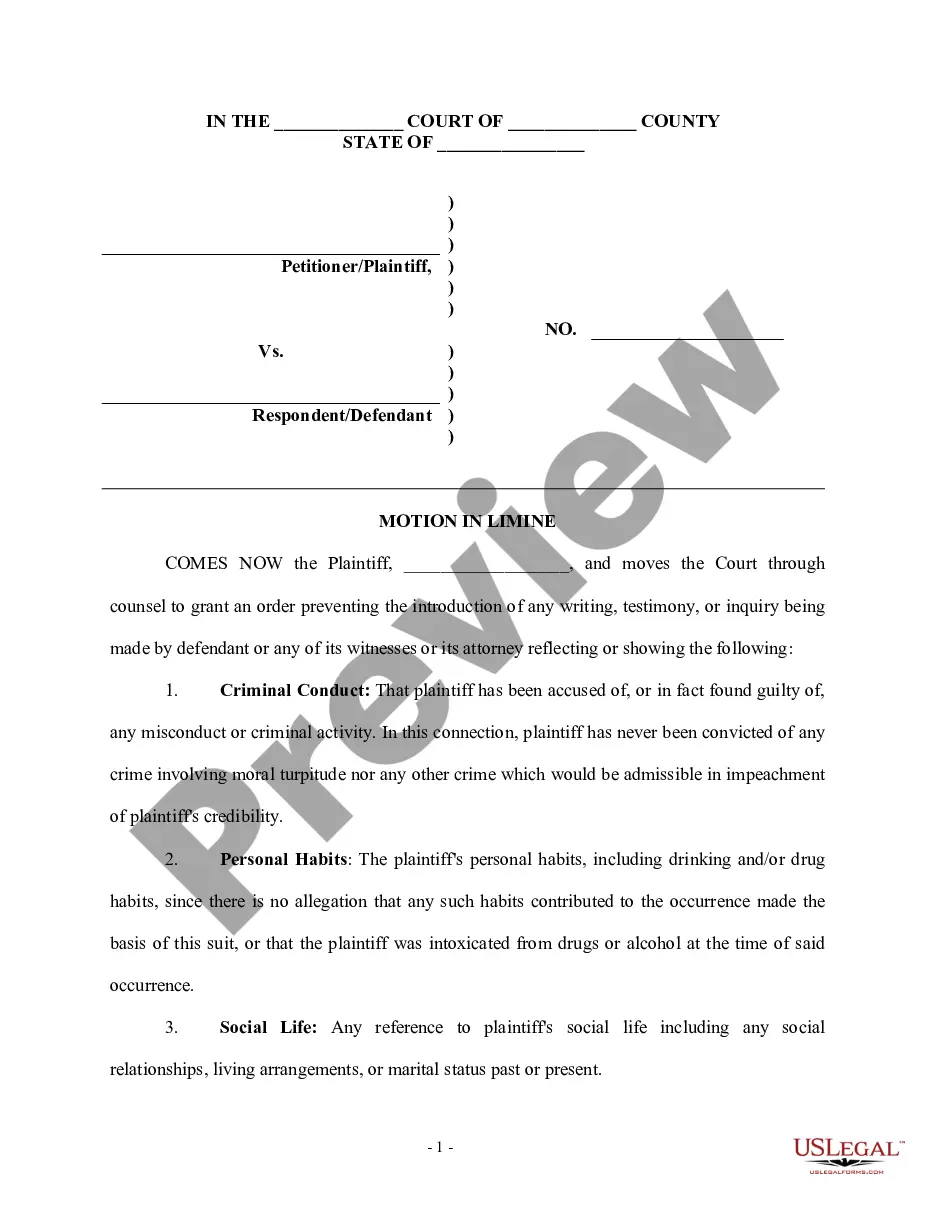
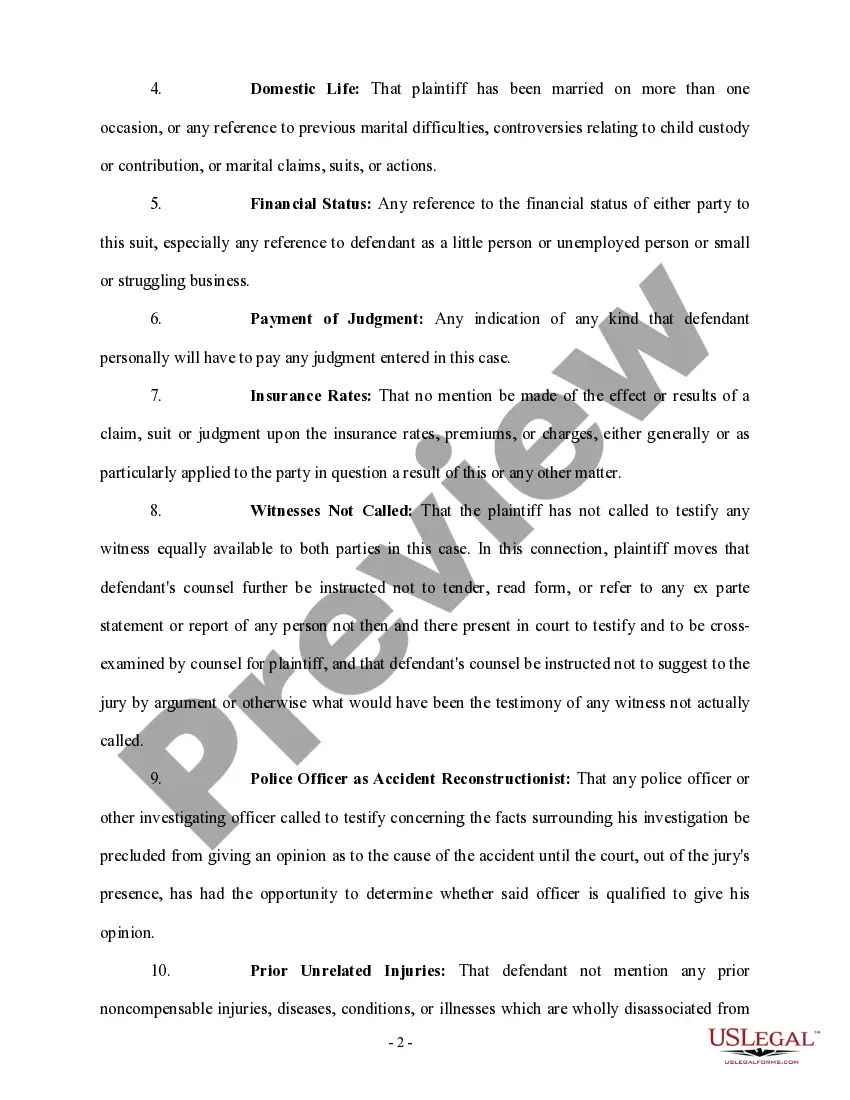
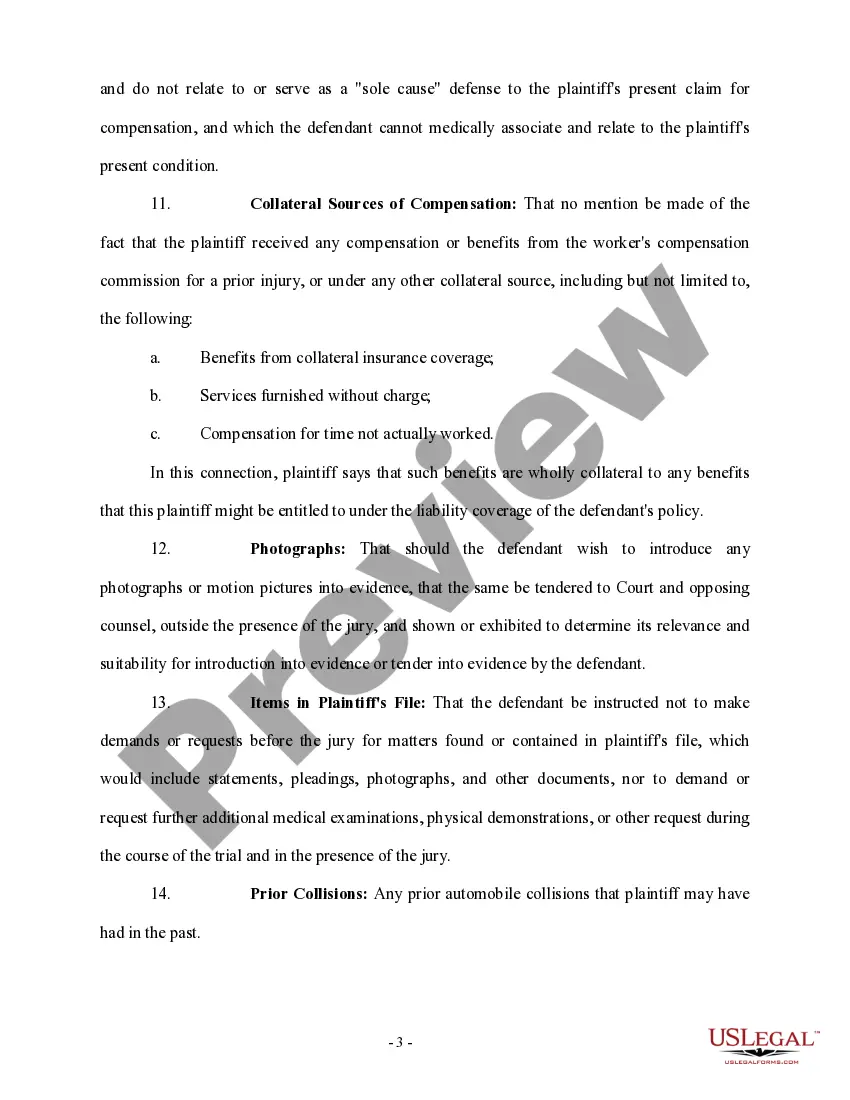
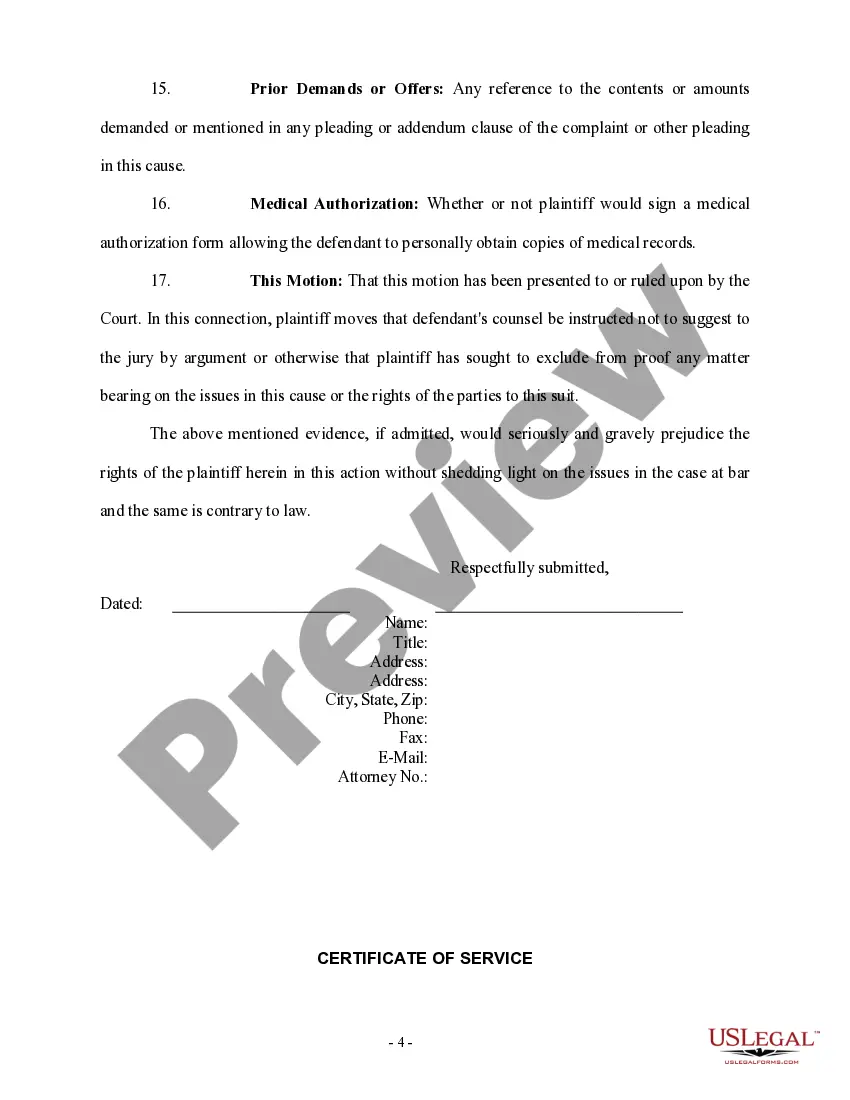
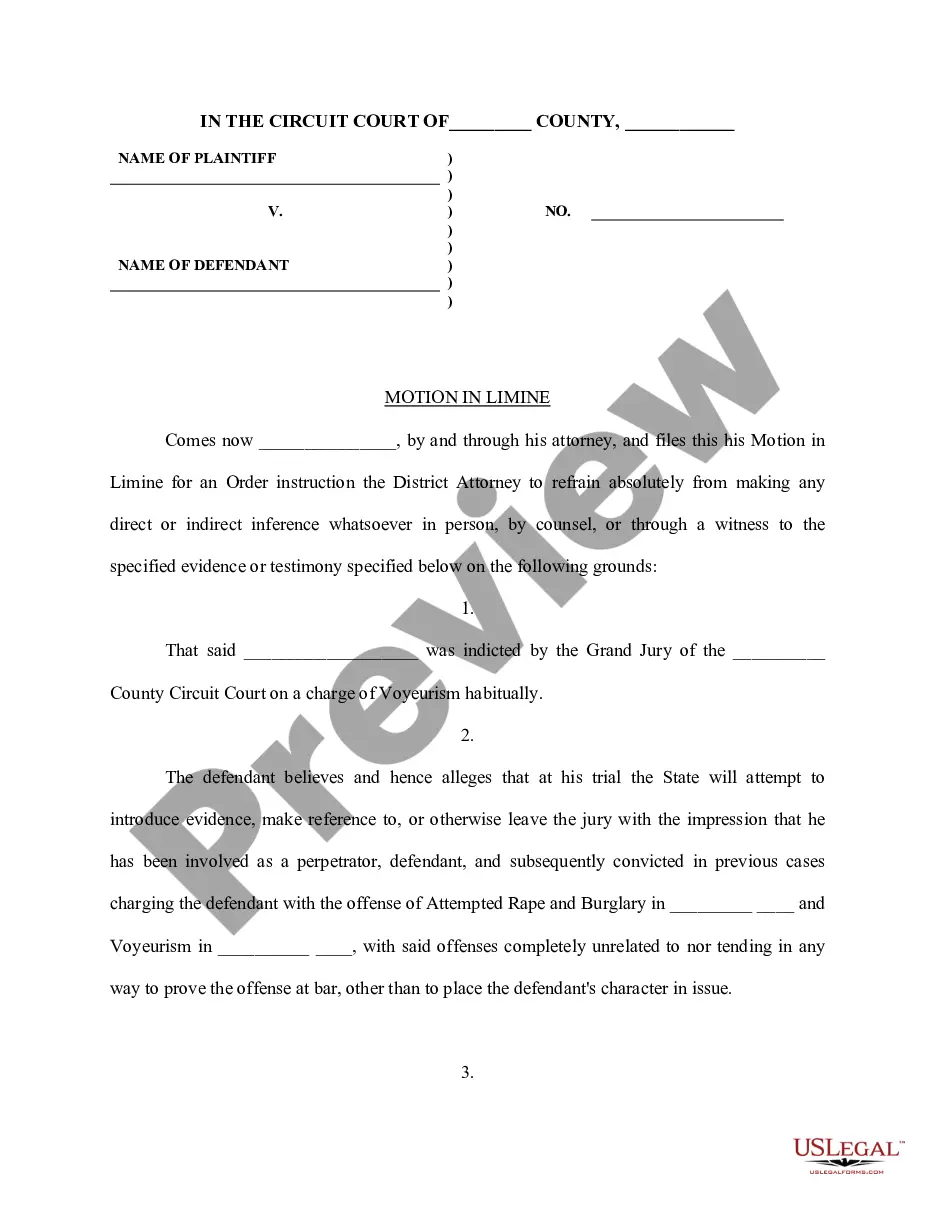
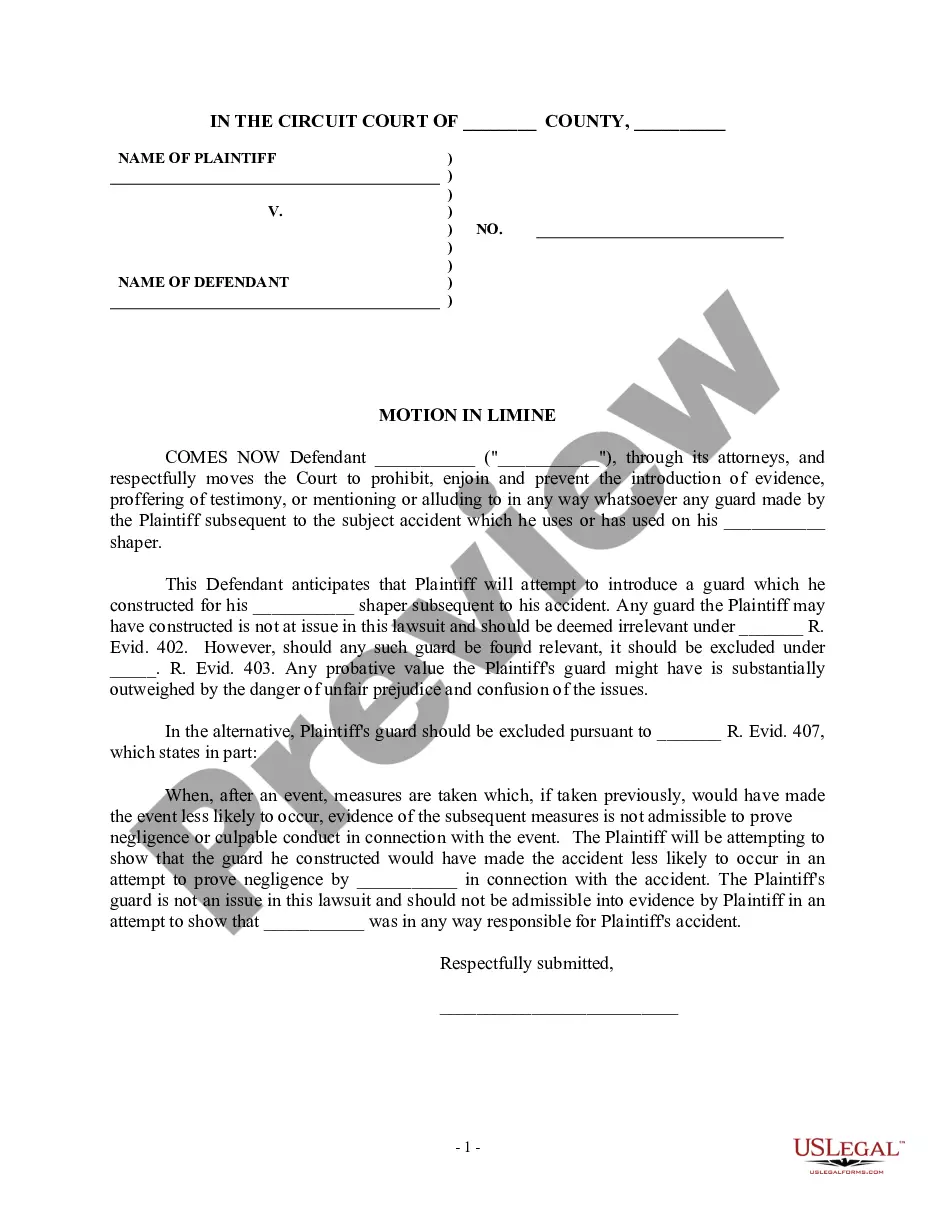
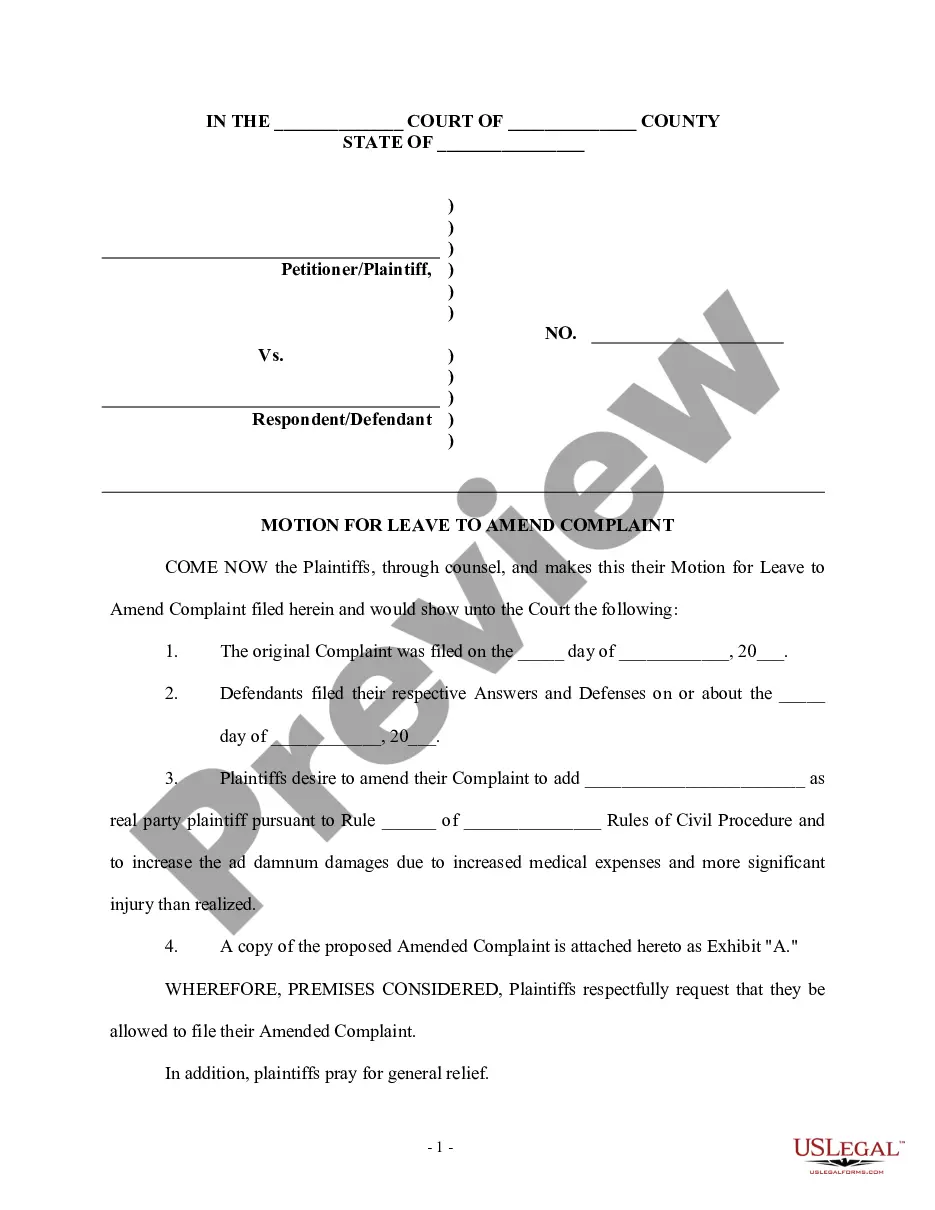
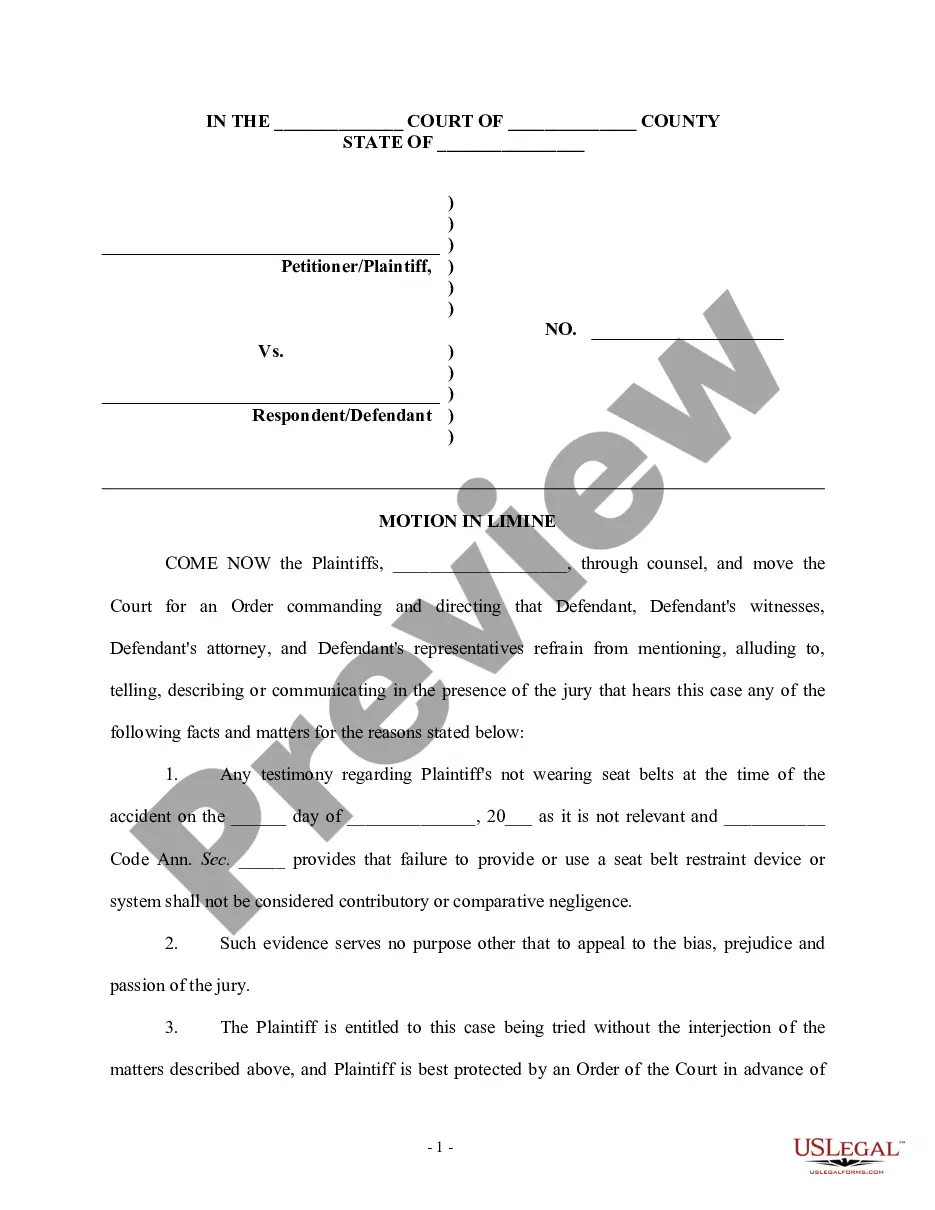
The Motion in Limine for Personal Injury is a legal document filed by the plaintiff in a personal injury lawsuit. Its primary purpose is to request that the court prohibit the introduction of specific evidence that could be prejudicial or irrelevant during the trial. This form helps ensure that the jury only hears evidence that is directly related to the case, thus protecting the integrity of the trial process.
Main sections of this form
- Criminal conduct allegations against the plaintiff
- Details on the plaintiff's personal habits, including substance use
- References to the plaintiff's social life and marital status
- Information on the financial status of the parties involved
- Prohibitions on discussing prior unrelated injuries
- Restrictions on introducing evidence about insurance rates
- Parameters for talking about witness availability
Common use cases
This form is typically used in personal injury cases where there is a concern that certain evidence may negatively impact the jury's perception of the plaintiff. For example, if the defendant intends to introduce irrelevant evidence about the plaintiff's past behavioral habits or financial status that do not pertain to the case at hand, filing this motion is crucial to limit such arguments and maintain fairness in the trial.
Who needs this form
- Individuals filing a personal injury lawsuit as a plaintiff
- Attorneys representing plaintiffs in personal injury cases
- Legal professionals seeking to protect their clients from prejudicial evidence
Steps to complete this form
- Identify the parties involved in the case clearly.
- Detail the types of evidence to be excluded from the trial.
- Specify any relevant facts or justifications for the motion.
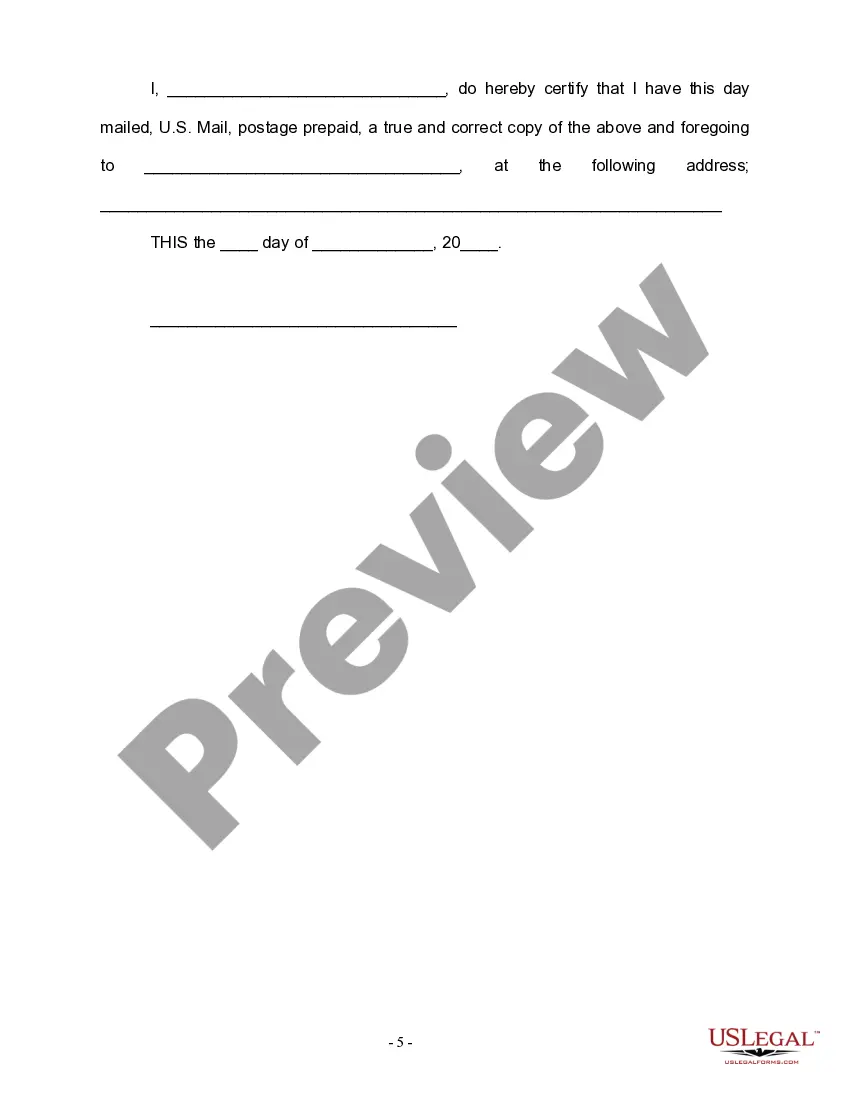
- Sign and date the form appropriately to certify its submission.
- Serve copies of the motion to all parties involved in the lawsuit.
Notarization guidance
Notarization is generally not required for this form. However, certain states or situations might demand it. You can complete notarization online through US Legal Forms, powered by Notarize, using a verified video call available anytime.
Get your form ready online
Our built-in tools help you complete, sign, share, and store your documents in one place.
Make edits, fill in missing information, and update formatting in US Legal Forms—just like you would in MS Word.
Download a copy, print it, send it by email, or mail it via USPS—whatever works best for your next step.
Sign and collect signatures with our SignNow integration. Send to multiple recipients, set reminders, and more. Go Premium to unlock E-Sign.
If this form requires notarization, complete it online through a secure video call—no need to meet a notary in person or wait for an appointment.
We protect your documents and personal data by following strict security and privacy standards.

Make edits, fill in missing information, and update formatting in US Legal Forms—just like you would in MS Word.

Download a copy, print it, send it by email, or mail it via USPS—whatever works best for your next step.

Sign and collect signatures with our SignNow integration. Send to multiple recipients, set reminders, and more. Go Premium to unlock E-Sign.

If this form requires notarization, complete it online through a secure video call—no need to meet a notary in person or wait for an appointment.

We protect your documents and personal data by following strict security and privacy standards.
Common mistakes
- Failing to provide sufficient detail on why evidence should be excluded.
- Submitting the motion without proper legal signatures or dates.
- Neglecting to serve the motion to all necessary parties in a timely manner.
- Using technical legal jargon without proper explanations.
Advantages of online completion
- Convenient access to a legally drafted template, saving time.
- Editability allows users to customize the form to fit specific case needs.
- Reliability in legality, crafted by licensed attorneys to ensure compliance with state laws.
Legal use & context
- This motion is a recognized legal tool to protect the plaintiff's interests during trial.
- Preventing the introduction of improper evidence can significantly influence the jury's decision.
- It is essential for upholding the standards of a fair trial by limiting prejudicial information.
Main things to remember
- The Motion in Limine is crucial for limiting bias against the plaintiff.
- Proper completion and submission of the form can directly impact the trial outcome.
- Understanding local rules is important for effective legal practice.
Looking for another form?
Form popularity
FAQ
There is also authority for the proposition that if a motion in limine is denied, the party opposing the evidence can be the first to offer the objectionable evidence without waiving the merits of the evidentiary objection on appeal.
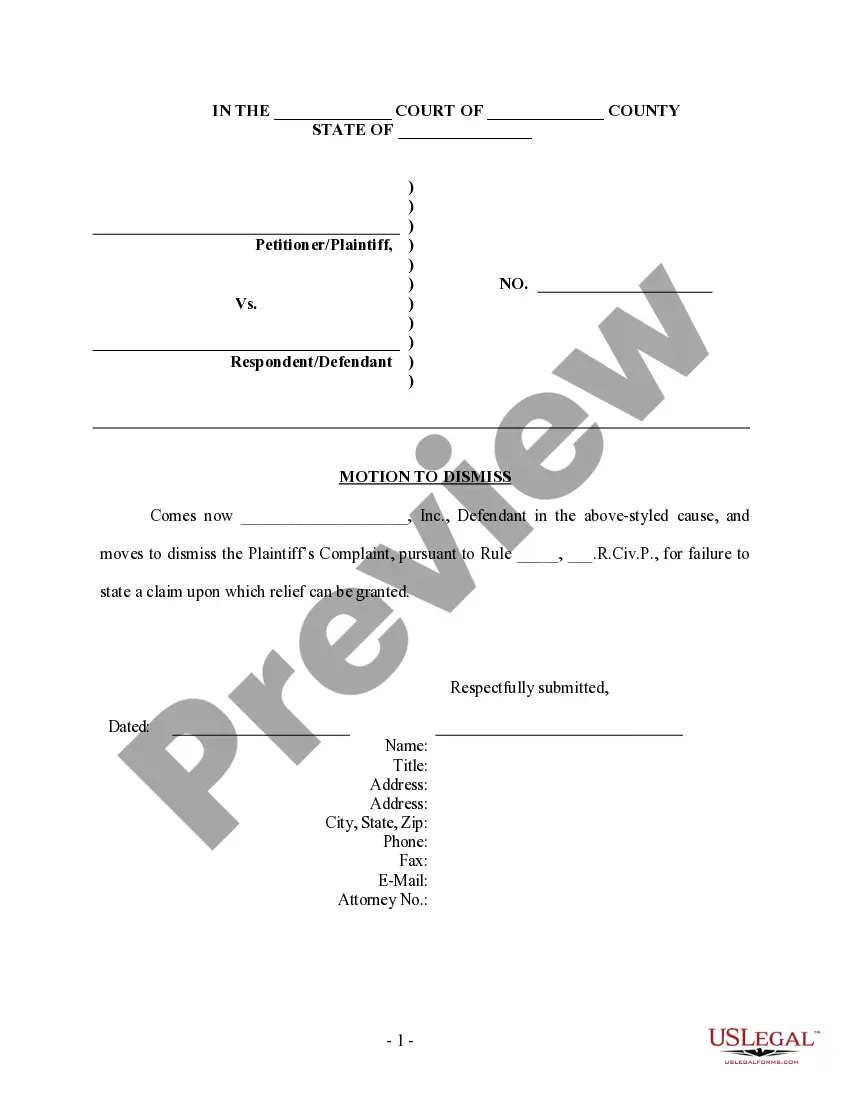
Examples of motions in limine would be that the attorney for the defendant may ask the judge to refuse to admit into evidence any personal information, or medical, criminal or financial records, using the legal grounds that these records are irrelevant, immaterial, unreliable, or unduly prejudicial, and/or that their
Motions in limine should be used only for their original purpose to challenge evidence that is so inadmissible and prejudicial that its mere mention in the presence of the jury would lead to an unfair trial.On appeal this ruling of the trial court was affirmed.
A pretrial motion asking that certain evidence be found inadmissible, and that it not be referred to or offered at trial.
Whereas the motion in limine is based on the trial court's inherent discretion to exclude prejudicial evidence, the motion to suppress is based on the court's duty to exclude evidence which has been im- properly Qbtained.
A motion in limine is a motion filed by a party to a lawsuit which asks the court for an order or ruling limiting or preventing certain evidence from being presented by the other side at the trial of the case.
Stated in the most general terms, a proper motion in limine is an evidentiary motion that seeks a determination as to whether to exclude (or admit) evidence before it is offered at trial.