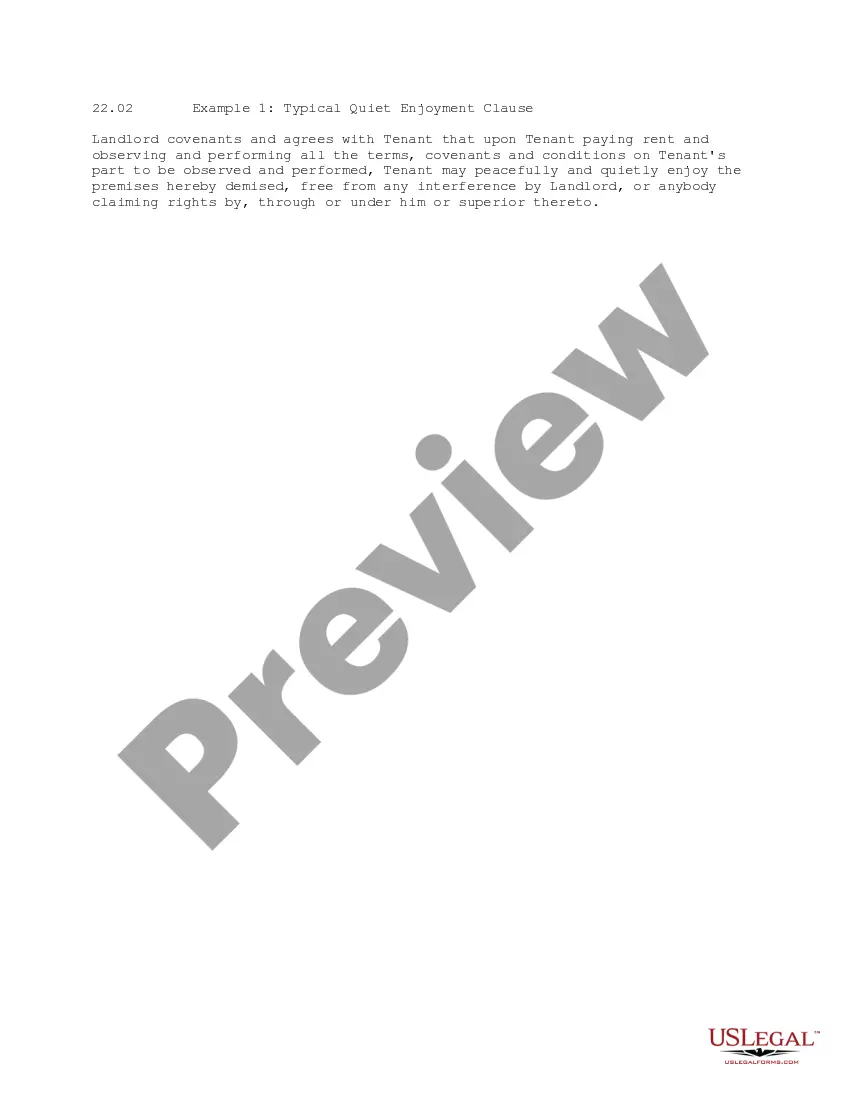
Quiet Enjoyment Clause
What is this form?
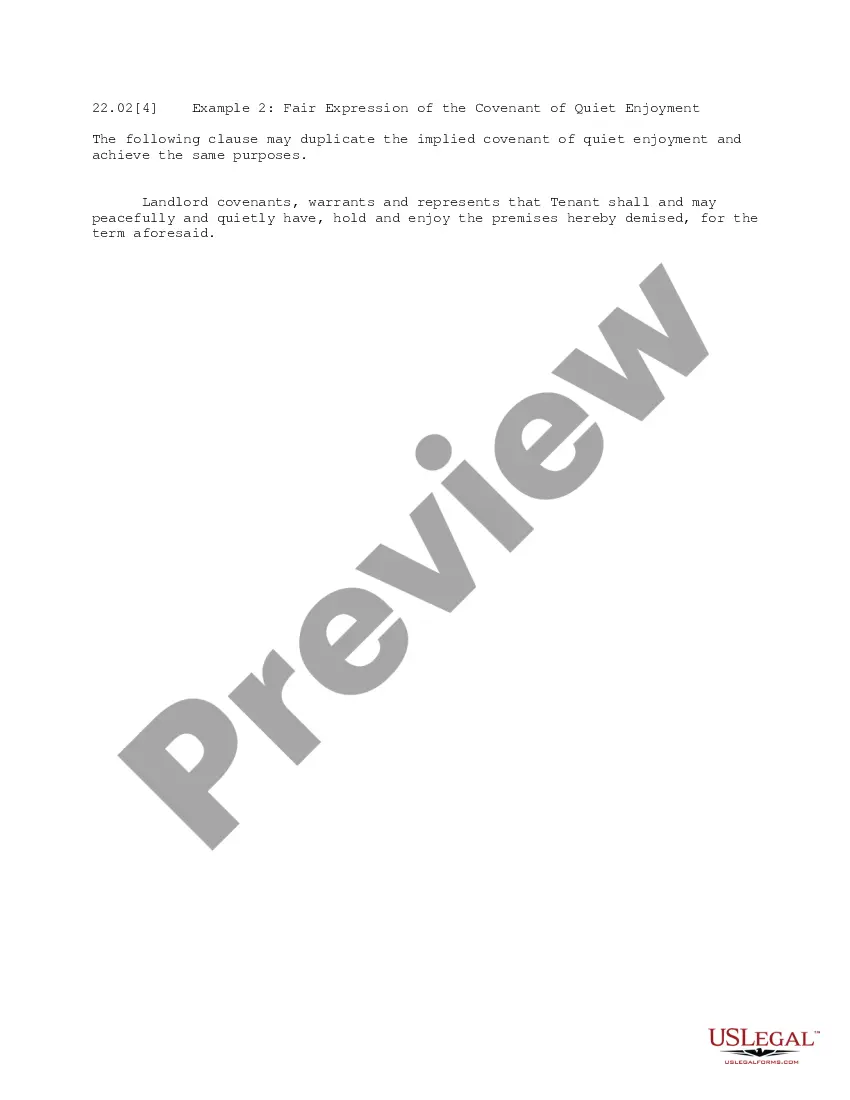
The Quiet Enjoyment Clause is a legal provision included in lease agreements. It ensures that tenants have the right to peaceful enjoyment of the rental property without interference from the landlord or anyone claiming through them. This clause is crucial for preserving tenants' rights and differentiates it from other lease forms, focusing specifically on the tenant's right to use the property without disturbance once they fulfill their obligations, such as paying rent.
Form components explained
- Landlord's covenant to grant peaceful enjoyment to the tenant.
- Conditions for the tenant to assert the right (such as paying rent and performing lease terms).
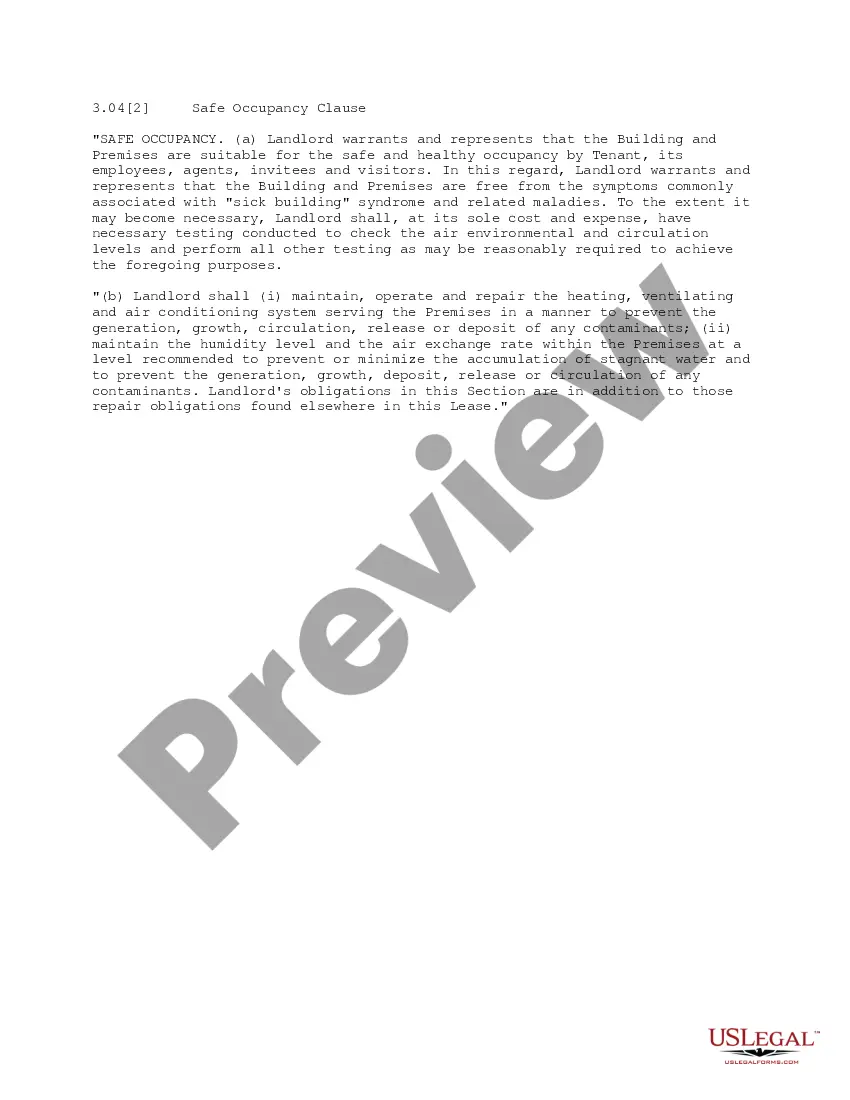
- Protection from interference by the landlord or others claiming through the landlord.
Common use cases
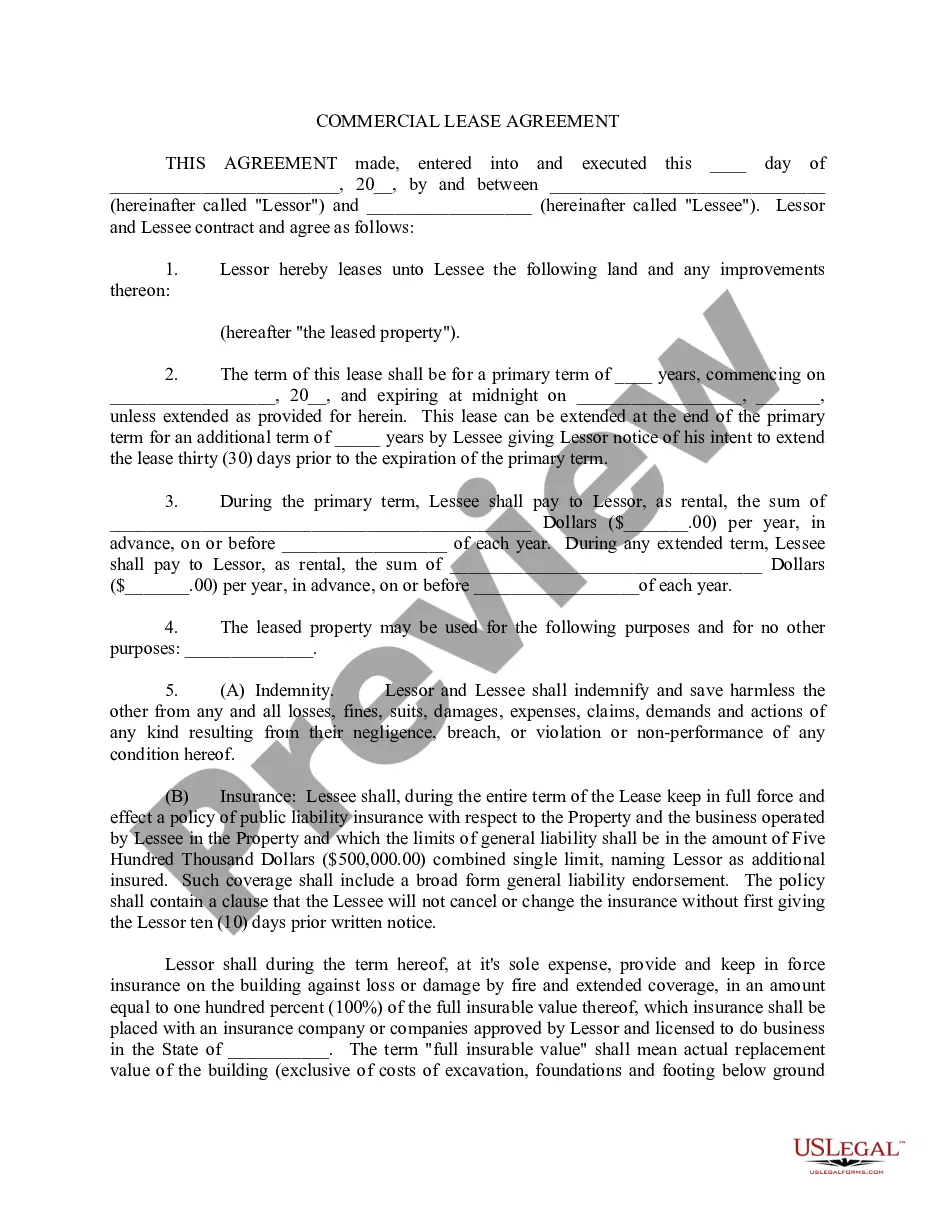
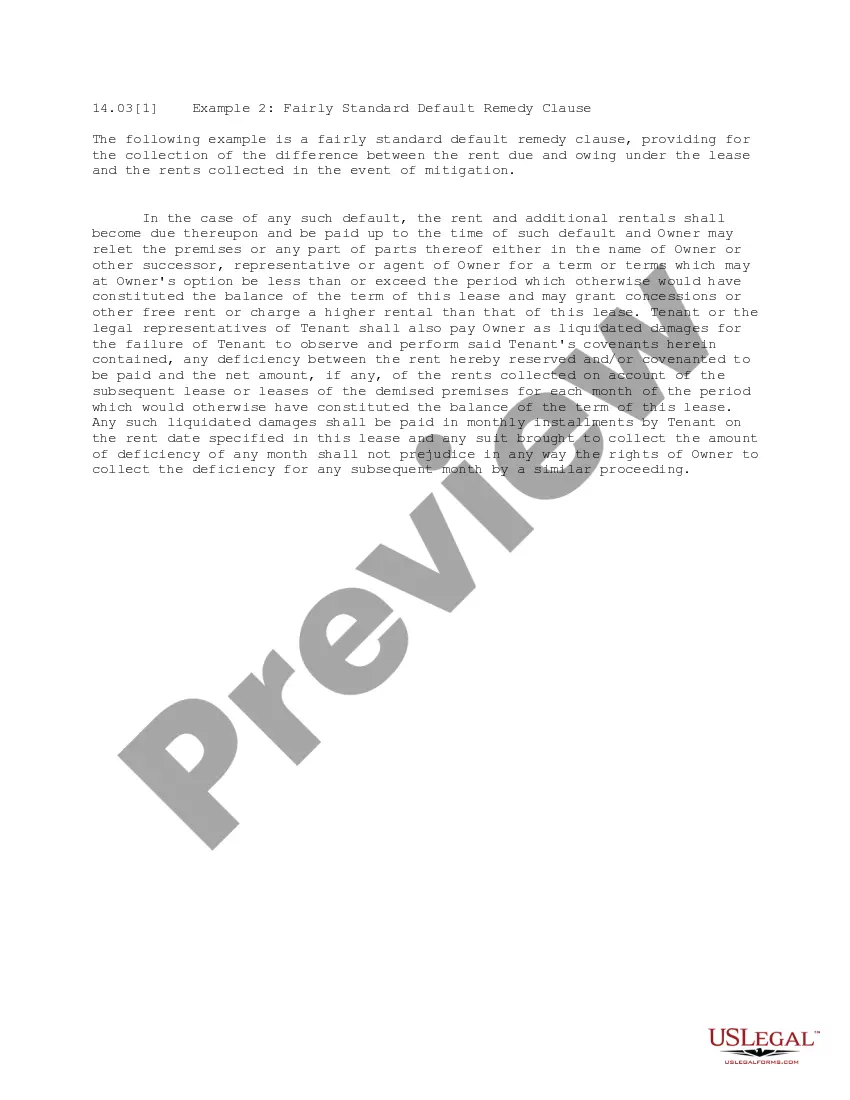
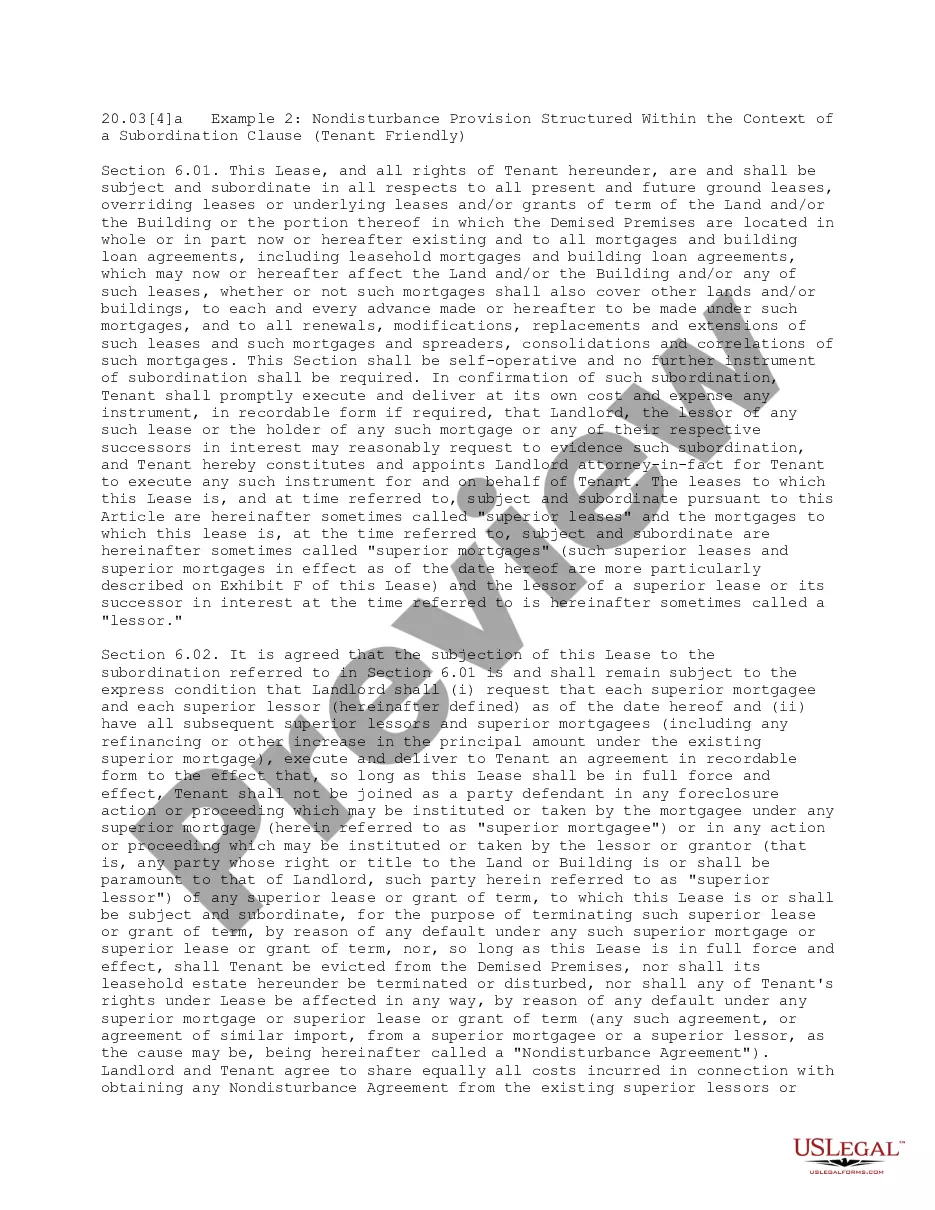
This form should be used in any lease agreement to clearly establish the rights of the tenant to enjoy their rental property without interference. It is especially important when disputes may arise regarding landlord access or tenant rights. Including this clause helps prevent potential conflicts by setting expectations for both parties from the outset.
Who this form is for
This form is suitable for:
- Landlords who want to clarify tenant rights in a lease agreement.
- Tenants seeking assurance of their rights to quiet enjoyment of their rented space.
- Real estate professionals involved in drafting lease agreements.
How to complete this form
To complete the Quiet Enjoyment Clause, follow these steps:
- Identify the parties involved in the lease (landlord and tenant).
- Specify the leased property in question.
- Enter the terms for the tenantâs obligations, including payment responsibilities.
- Include protections against any potential interference from the landlord or third parties.
- Obtain signatures from both parties to formalize the agreement.
Does this document require notarization?
This form does not typically require notarization unless specified by local law.
Get your form ready online
Our built-in tools help you complete, sign, share, and store your documents in one place.
Make edits, fill in missing information, and update formatting in US Legal Forms—just like you would in MS Word.
Download a copy, print it, send it by email, or mail it via USPS—whatever works best for your next step.
Sign and collect signatures with our SignNow integration. Send to multiple recipients, set reminders, and more. Go Premium to unlock E-Sign.
If this form requires notarization, complete it online through a secure video call—no need to meet a notary in person or wait for an appointment.
We protect your documents and personal data by following strict security and privacy standards.

Make edits, fill in missing information, and update formatting in US Legal Forms—just like you would in MS Word.

Download a copy, print it, send it by email, or mail it via USPS—whatever works best for your next step.

Sign and collect signatures with our SignNow integration. Send to multiple recipients, set reminders, and more. Go Premium to unlock E-Sign.

If this form requires notarization, complete it online through a secure video call—no need to meet a notary in person or wait for an appointment.

We protect your documents and personal data by following strict security and privacy standards.
Typical mistakes to avoid
- Failing to include specific obligations of the tenant, such as payment terms.
- Not clearly defining what constitutes interference.
- Omitting signatures or dates, making the clause unenforceable.
Benefits of using this form online
- Conveniently downloadable for quick access.
- Editability allows users to tailor the form to specific requirements.
- Reliability ensured through templates drafted by licensed attorneys.
- The clause is enforceable in most jurisdictions if properly included in a lease agreement.
- While it protects tenant rights, it is essential to understand local landlord-tenant laws for additional protections.
Quick recap
- The Quiet Enjoyment Clause is vital for tenant rights in rental agreements.
- Clearly outline landlord and tenant responsibilities to prevent disputes.
- This form is downloadable, can be customized, and remains reliable due to legal craftsmanship.
Looking for another form?

Form popularity
FAQ
A 'quiet enjoyment letter' is typically an undertaking from a ship's lenders or mortgagee establishing a direct relationship between the mortgagee and the charterer, pursuant to which the relevant mortgagee undertakes not to enforce its rights or security against the ship, provided that the charterer continues to
Under common law tenants have a right to 'quiet enjoyment' of the property. This is an implied term, or covenant, which has been expressed or implied in conveyances and leases of English land for centuries.'Quiet enjoyment' is a term so often misunderstood.
A COVENANT that promises that the grantee or tenant of an estate in real property will be able to possess the premises in peace, without disturbance by hostile claimants. Quiet enjoyment is a right to the undisturbed use and enjoyment of real property by a tenant or landowner.
The covenant of quiet enjoyment states that a tenant has the right to enjoy his or her rental unit without substantial interference from the landlord. It ensures that tenants benefit from the full use and enjoyment of their rental unit.
According to Nolo, quiet enjoyment is The right of a property owner or tenant to enjoy his or her property without interference. Disruption of quiet enjoyment may constitute a legal nuisance.
A Covenant that promises that the grantee or tenant of an estate in real property will be able to possess the premises in peace, without disturbance by hostile claimants. Quiet enjoyment is a right to the undisturbed use and enjoyment of real property by a tenant or landowner.
Lack of Basic Services - If the landlord is responsible for utility bill payments and fails to pay them and any utilities are turned off, the tenant may claim a breach of the covenant of quiet enjoyment. This also includes any issues within common areas of a property.