Transfer Clause Containing a contractual Right for the Landlord to Withhold Consent
Understanding this form
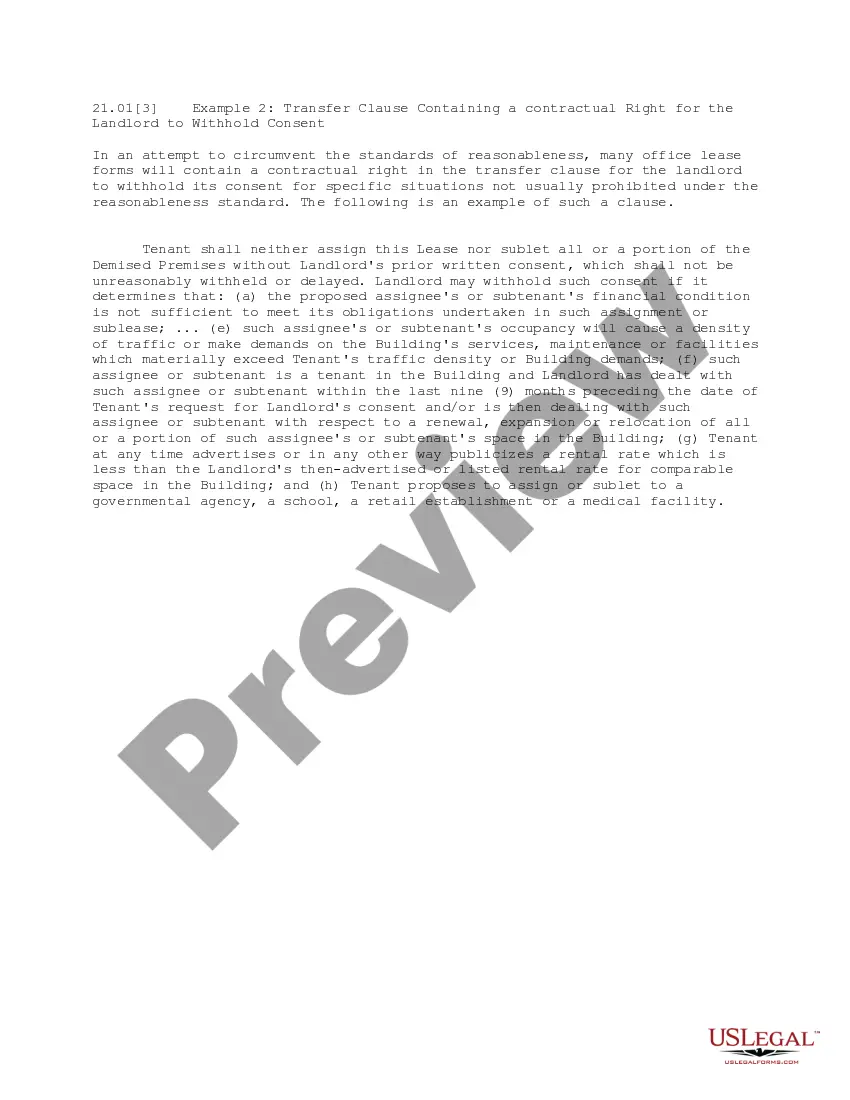
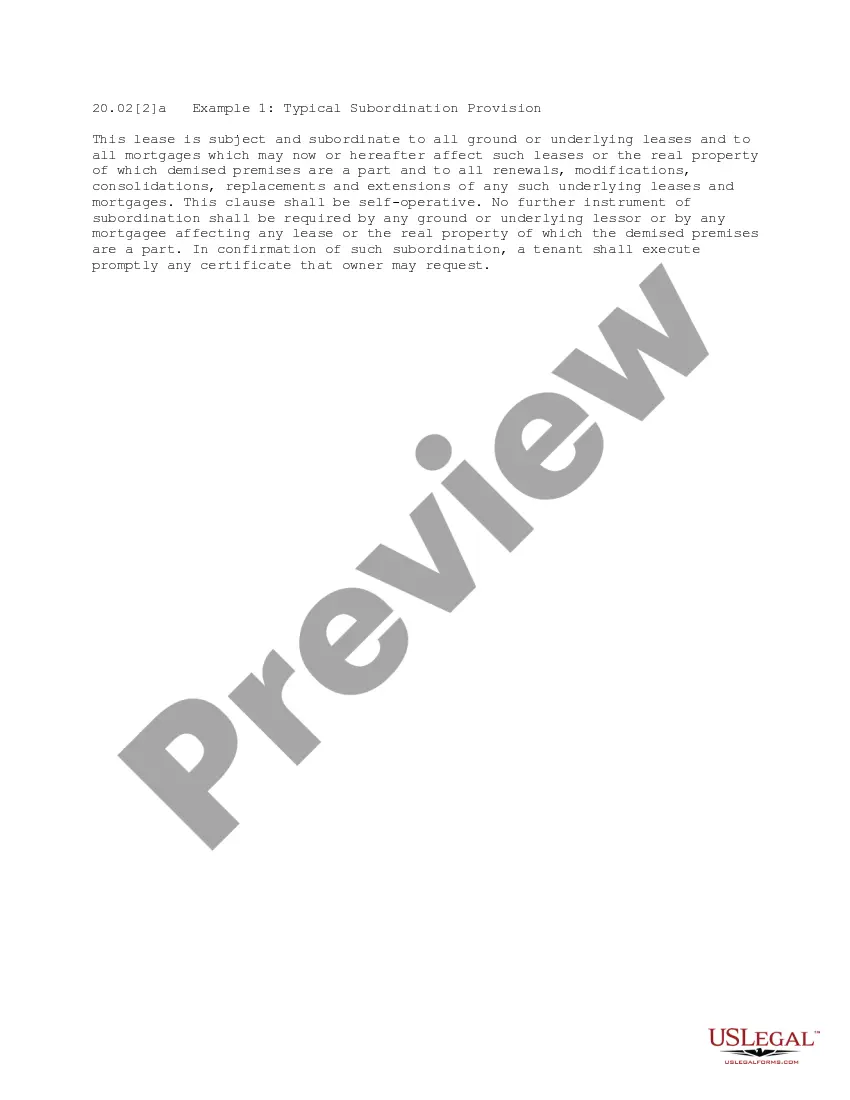
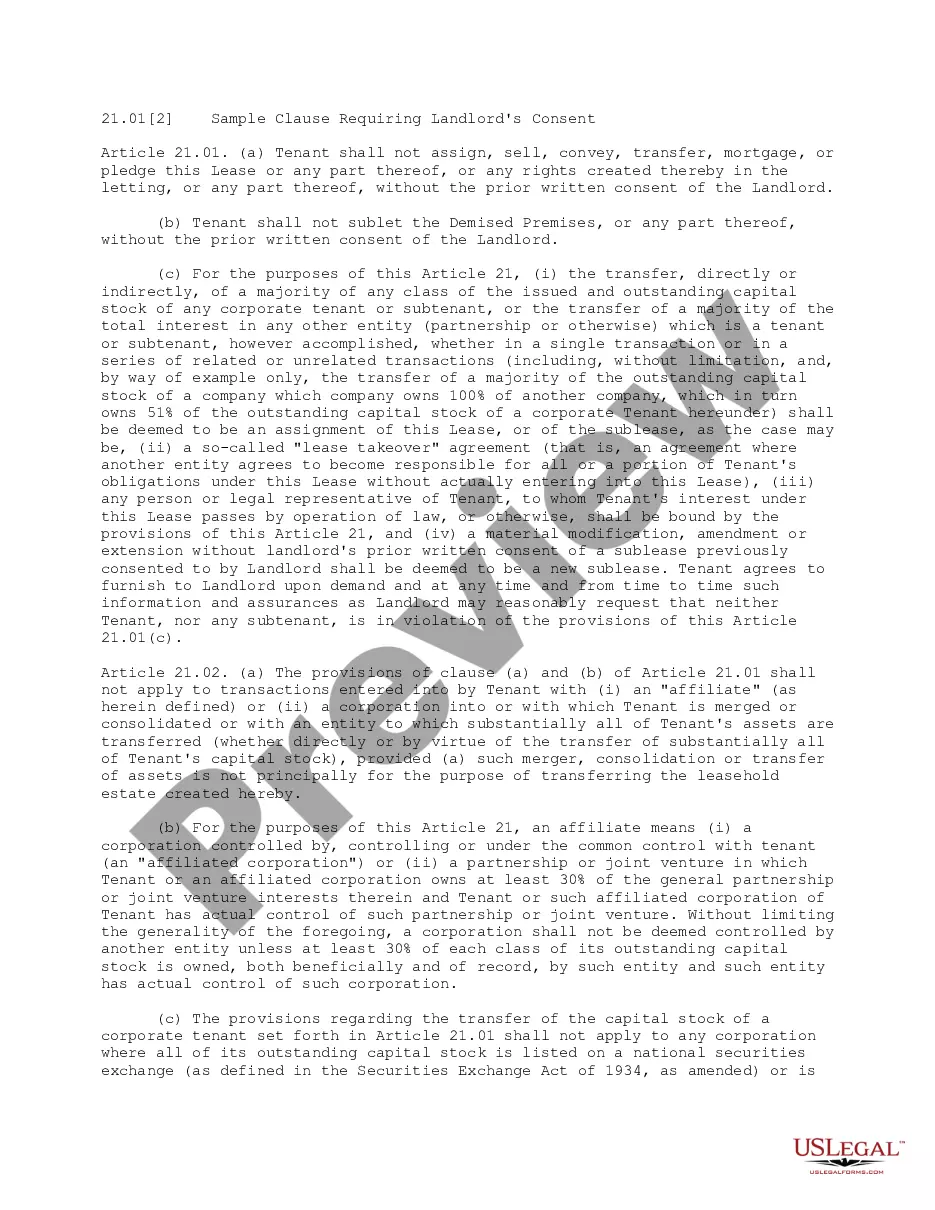
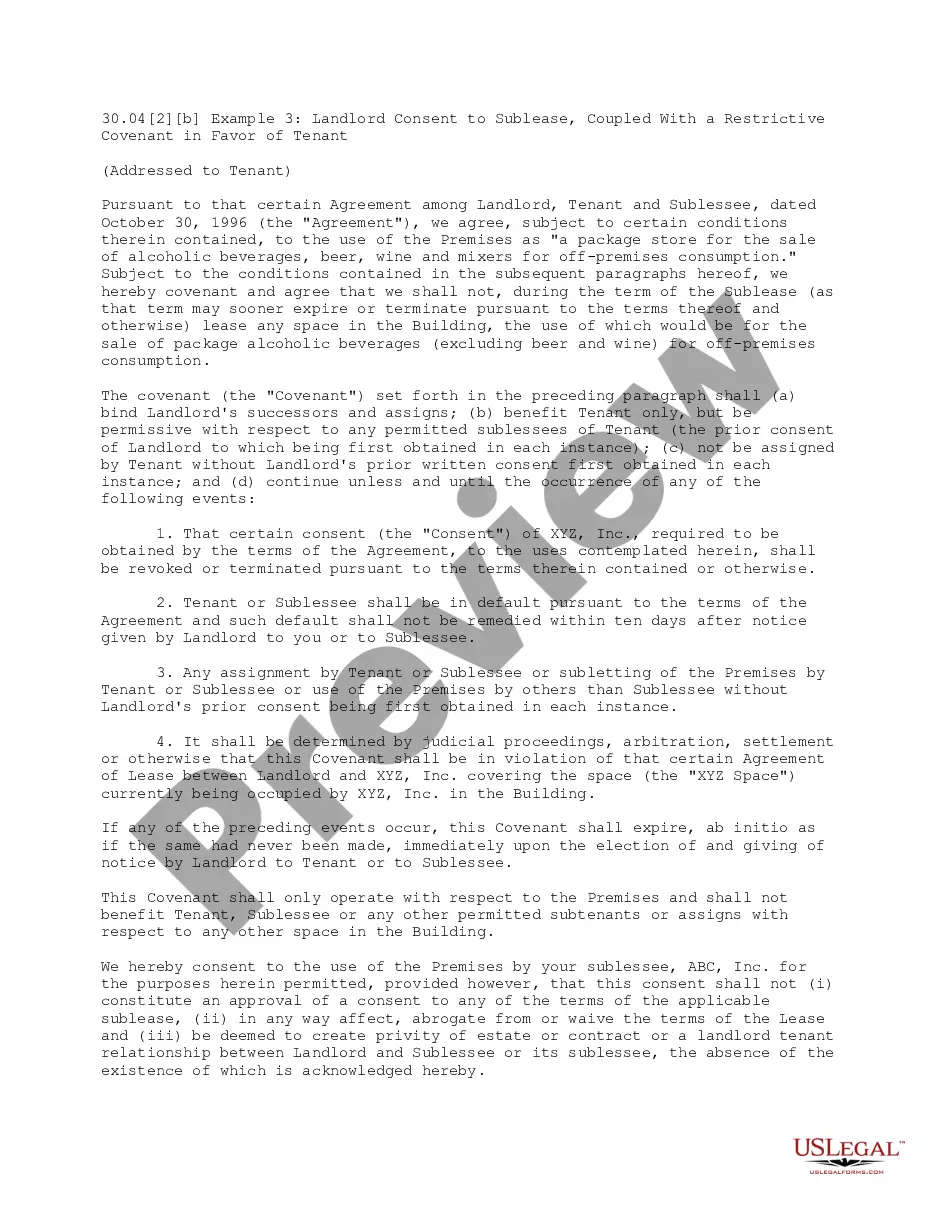
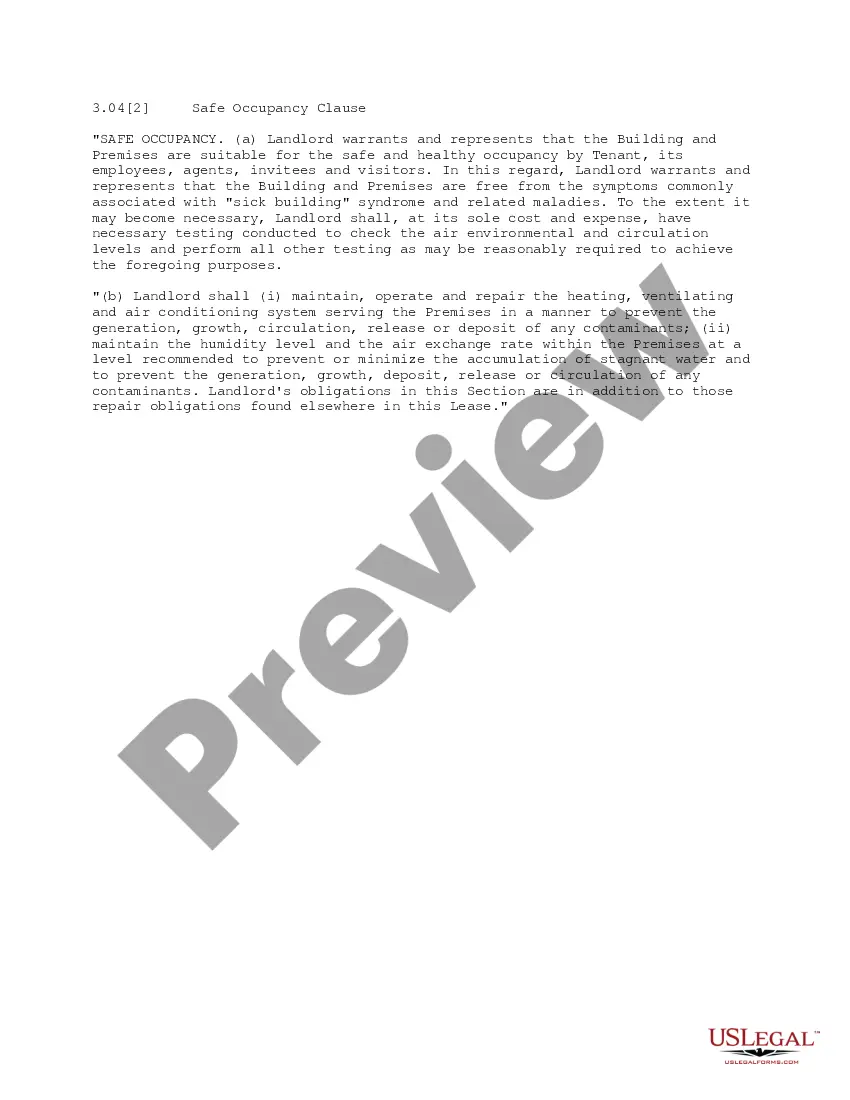
This form is known as a transfer clause containing a contractual right for the landlord to withhold consent. It outlines the specific circumstances under which a landlord can refuse a tenant's request to assign the lease or sublet the premises. Unlike general lease agreements that may only require consent to be reasonable, this form includes detailed conditions that allow the landlord greater control over lease transfers, making it essential for both landlords and tenants to understand its implications.
Main sections of this form
- Definition of tenant obligations regarding lease assignment and subletting.
- Conditions under which the landlord may withhold consent.
- Criteria for evaluating a proposed assignee's financial condition.
- Considerations regarding traffic density and demand on building services.
- Regulations about subletting to certain types of businesses or entities.
Situations where this form applies
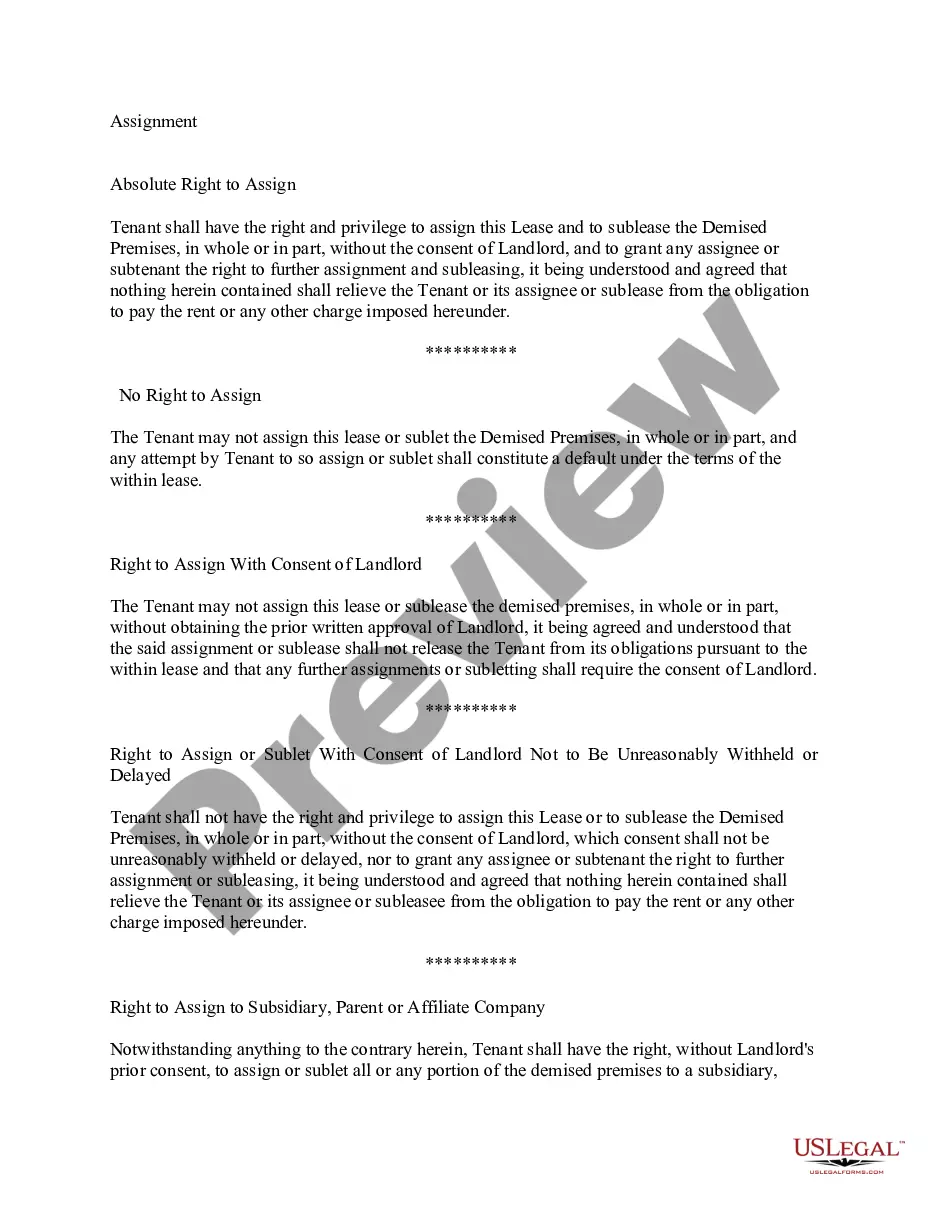
This form should be used when a tenant wishes to assign their lease or sublet part of the rented space. It is particularly relevant in office lease situations where potential subtenants or assignees may not meet the landlord's standards. Scenarios may include a tenant looking to relocate but needing approval to sublet their current premises or to transfer their lease to another party.
Who this form is for
- Landlords wanting to establish precise control over lease transfers.
- Tenants who wish to assign their lease or sublet their premises.
- Property management professionals managing lease agreements.
How to complete this form
- Identify the parties involved, including the landlord and tenant.
- Outline the specific property covered by the lease.
- Specify any proposed assignees or subtenants and provide their details.
- Detail the landlord's conditions for withholding consent as stated in the form.
- Have both parties sign and date the document, ensuring it is retained for future reference.
Is notarization required?
Notarization is generally not required for this form. However, certain states or situations might demand it. You can complete notarization online through US Legal Forms, powered by Notarize, using a verified video call available anytime.
Get your form ready online
Our built-in tools help you complete, sign, share, and store your documents in one place.
Make edits, fill in missing information, and update formatting in US Legal Forms—just like you would in MS Word.
Download a copy, print it, send it by email, or mail it via USPS—whatever works best for your next step.
Sign and collect signatures with our SignNow integration. Send to multiple recipients, set reminders, and more. Go Premium to unlock E-Sign.
If this form requires notarization, complete it online through a secure video call—no need to meet a notary in person or wait for an appointment.
We protect your documents and personal data by following strict security and privacy standards.

Make edits, fill in missing information, and update formatting in US Legal Forms—just like you would in MS Word.

Download a copy, print it, send it by email, or mail it via USPS—whatever works best for your next step.

Sign and collect signatures with our SignNow integration. Send to multiple recipients, set reminders, and more. Go Premium to unlock E-Sign.

If this form requires notarization, complete it online through a secure video call—no need to meet a notary in person or wait for an appointment.

We protect your documents and personal data by following strict security and privacy standards.
Mistakes to watch out for
- Failing to provide complete details about proposed assignees or subtenants.
- Not understanding the conditions under which the landlord can withhold consent.
- Neglecting to retain copies of the completed form for future records.
Advantages of online completion
- Convenience of filling out the form from any location.
- Editability allows for customization based on specific needs.
- Reliability of professionally drafted templates created by licensed attorneys.
Legal use & context
- A transfer clause providing a landlord the right to withhold consent may hold up in court as long as the reasons for withholding consent are clearly defined.
- Landlords must still adhere to any overarching rental laws relevant to lease assignments.
- Tenants should be aware that landlords can refuse based on legitimate business concerns related to their property.
Main things to remember
- This form serves to clarify the rights of landlords regarding lease assignments and subletting.
- Understanding the intricacies of withholding consent can prevent legal disputes.
- Utilizing this online form can streamline the preparation of lease agreements.
Looking for another form?


Form popularity
FAQ
Is that clause is (grammarinformal) a group of two or more words which include a subject and any necessary predicate (the predicate also includes a verb, conjunction, or a preposition) to begin the clause; however, this clause is not considered a sentence for colloquial purposes while section is a cutting; a part cut
Clauses come in four types: main (or independent), subordinate (or dependent), adjective (or relative), and noun. Every clause has at least one subject and one verb.
Read the Original Contract. Read the contract that you wish to amend. Describe the Contract. Define the contract the addendum will change. List the Deletions. List the Modifications. Replace Clauses. Write in New Items. Confirm the Original Contract. Add Signature Blocks.
In essence the clause is a statement which stipulates that the document contains the entire agreement and any preceding statements, negotiations or representations, unless encapsulated by the contract, are of no relevance and it is the contract alone which can be relied upon.
Clauses are specific provisions or sections in your contract that address a specific aspect of the agreement. Clauses clearly define each party's duties, rights, and privileges under the terms of the contract.
A section, phrase, paragraph, or segment of a legal document, such as a contract, deed, will, or constitution, that relates to a particular point. A document is usually broken into several numbered components so that specific sections can be easily located.
Clause noun C (LEGAL DOCUMENT) a particular part of a written legal document, for example a law passed by Parliament or a contract (= an agreement):Clause 4 of the constitution is thought to be the most important section.