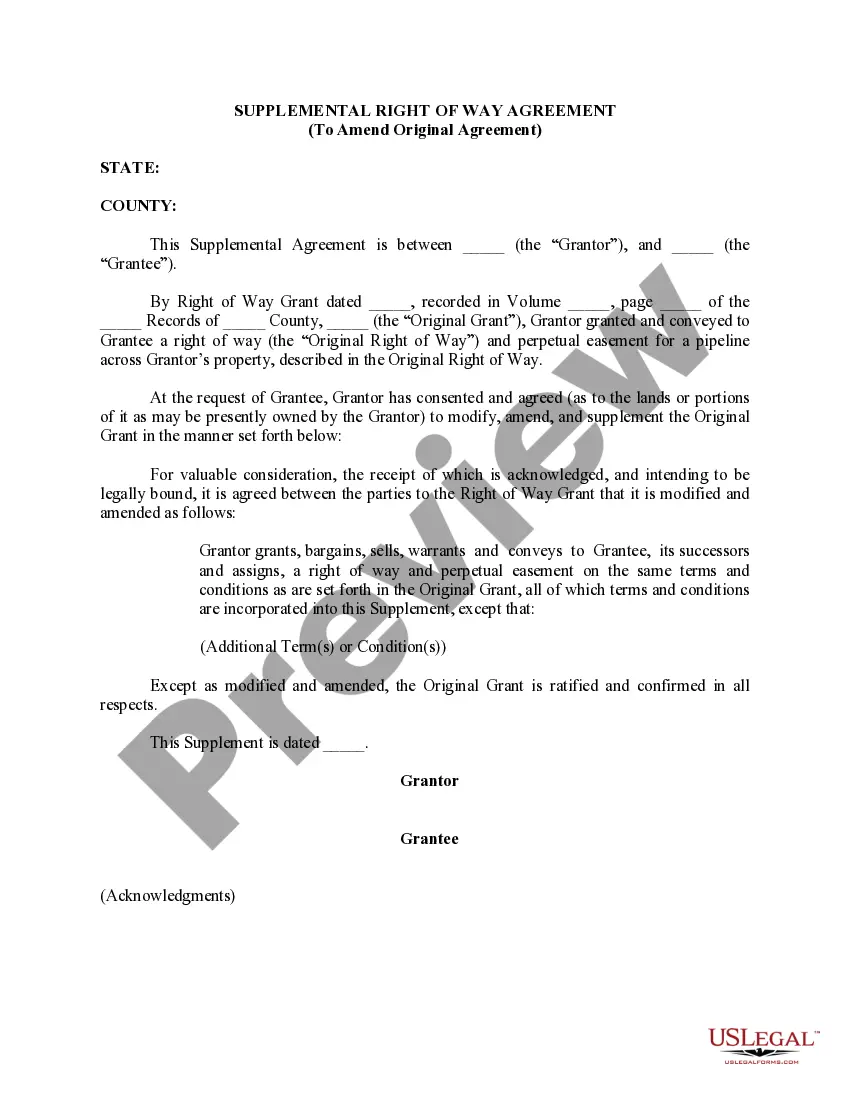
Supplemental Right of Way Agreement (To Amend Original Agreement)
Description
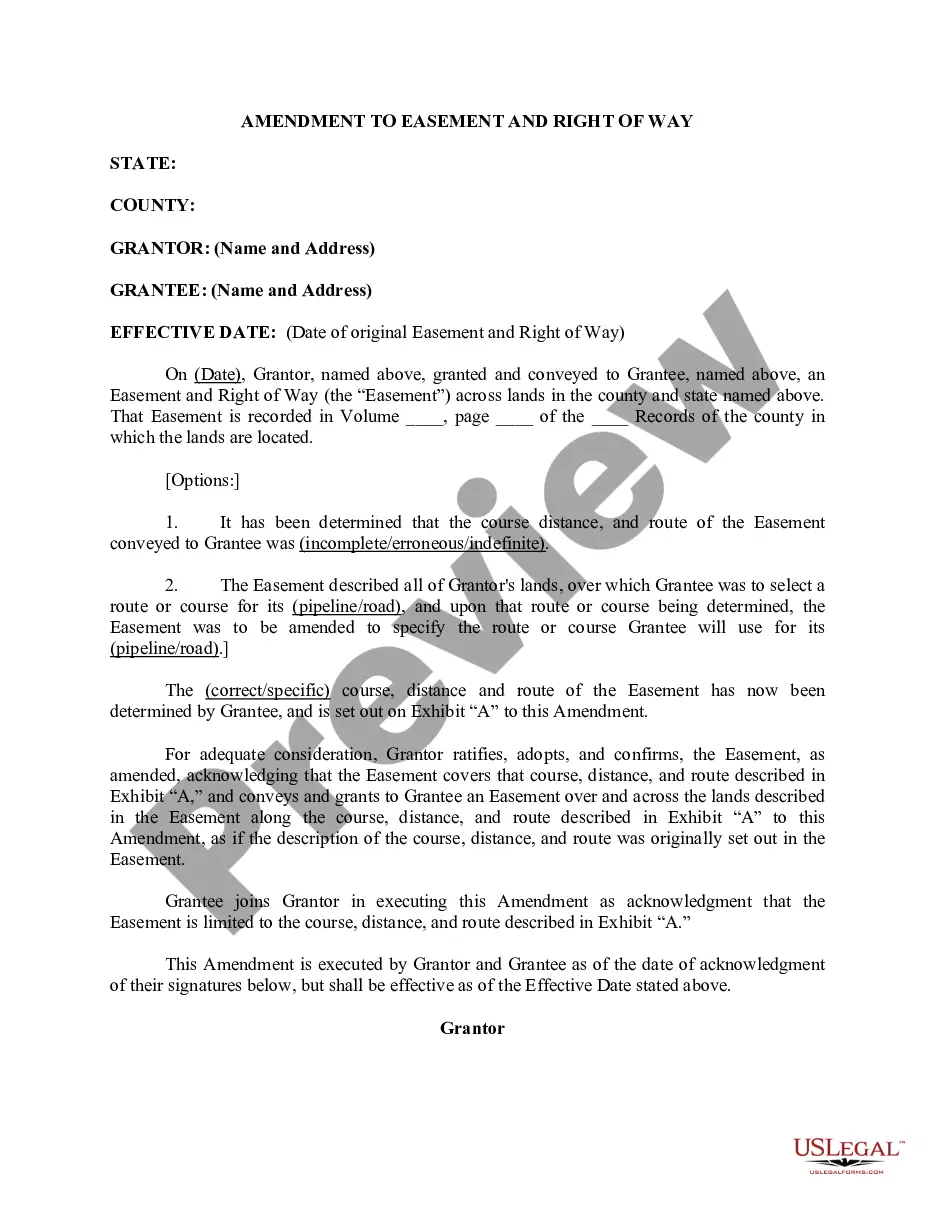
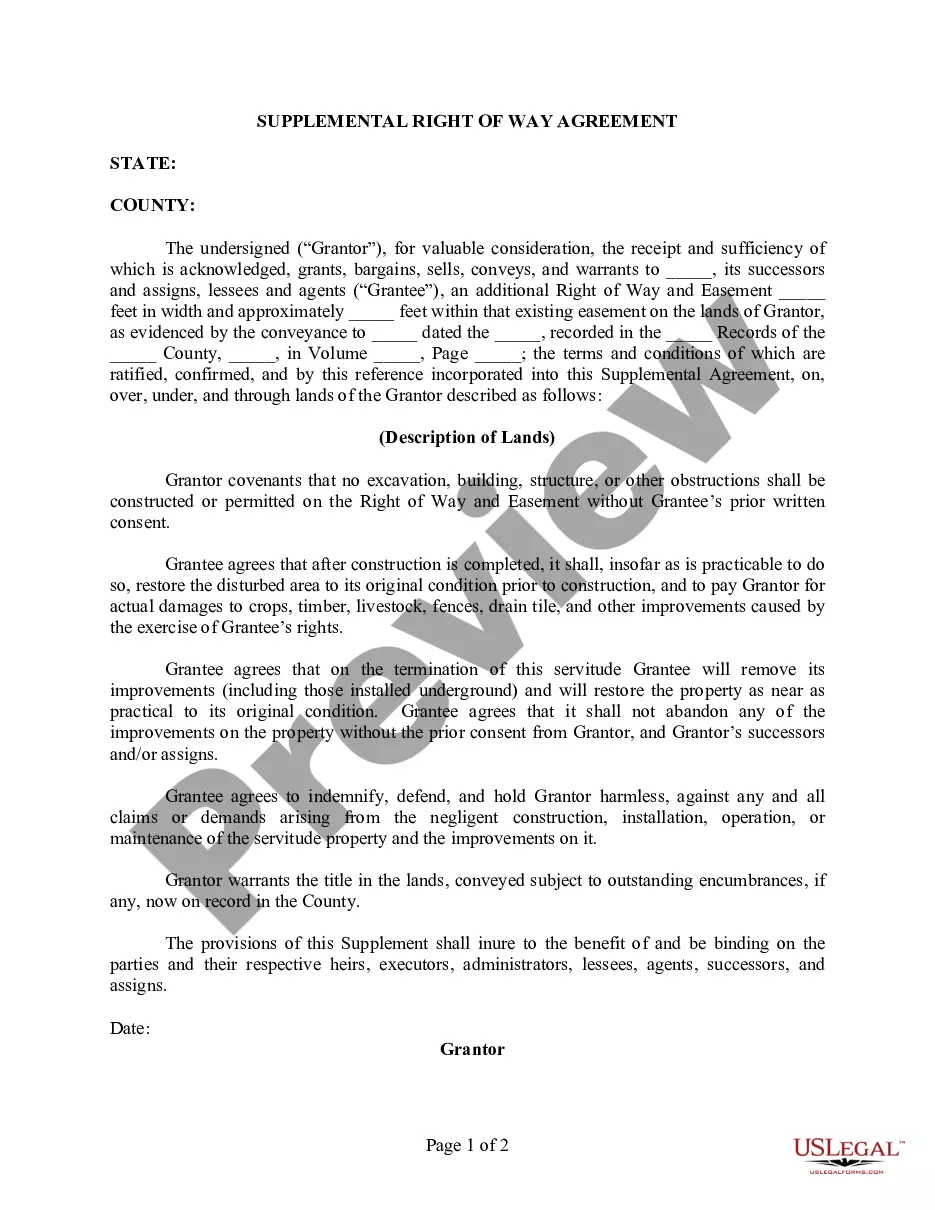
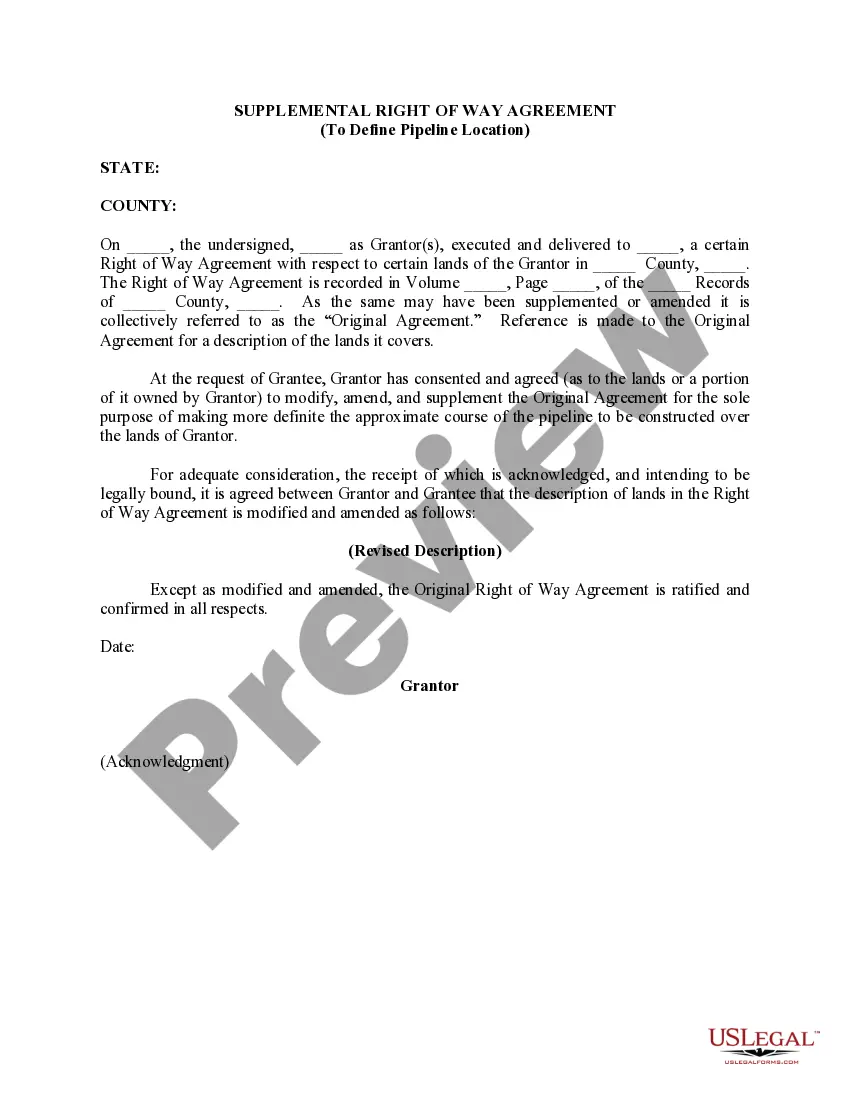
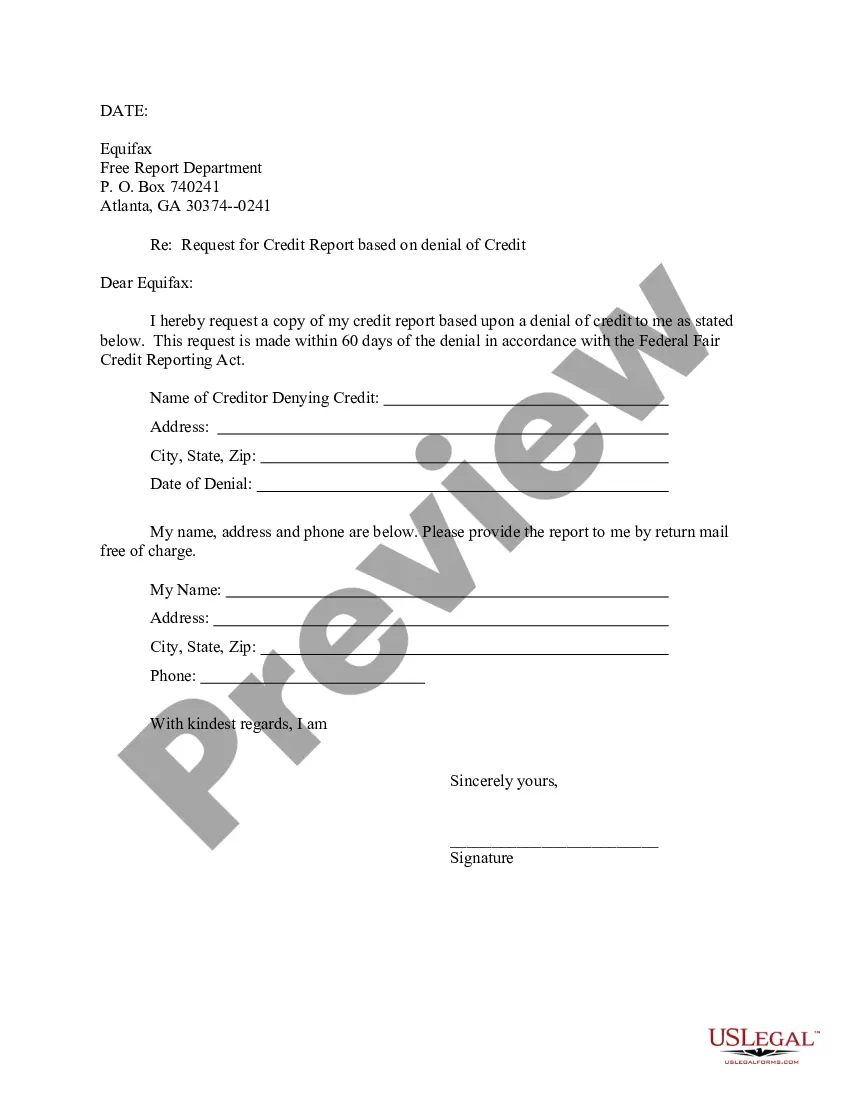
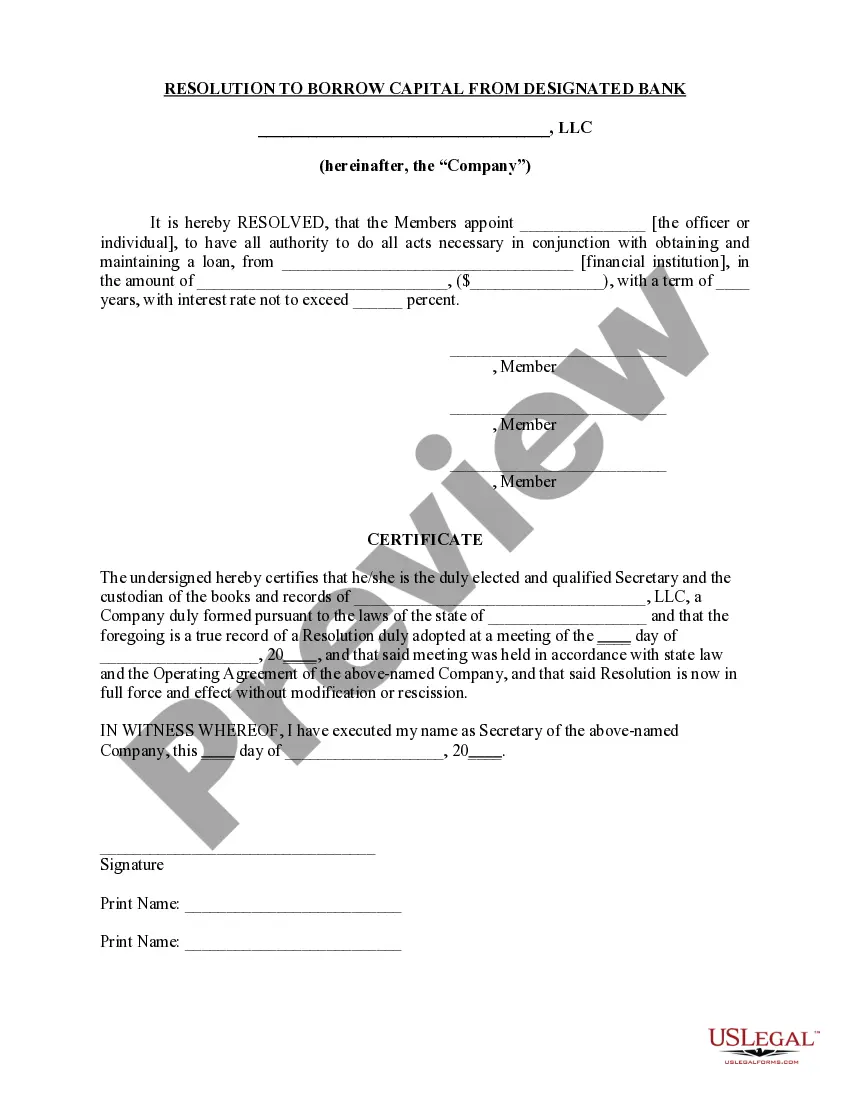
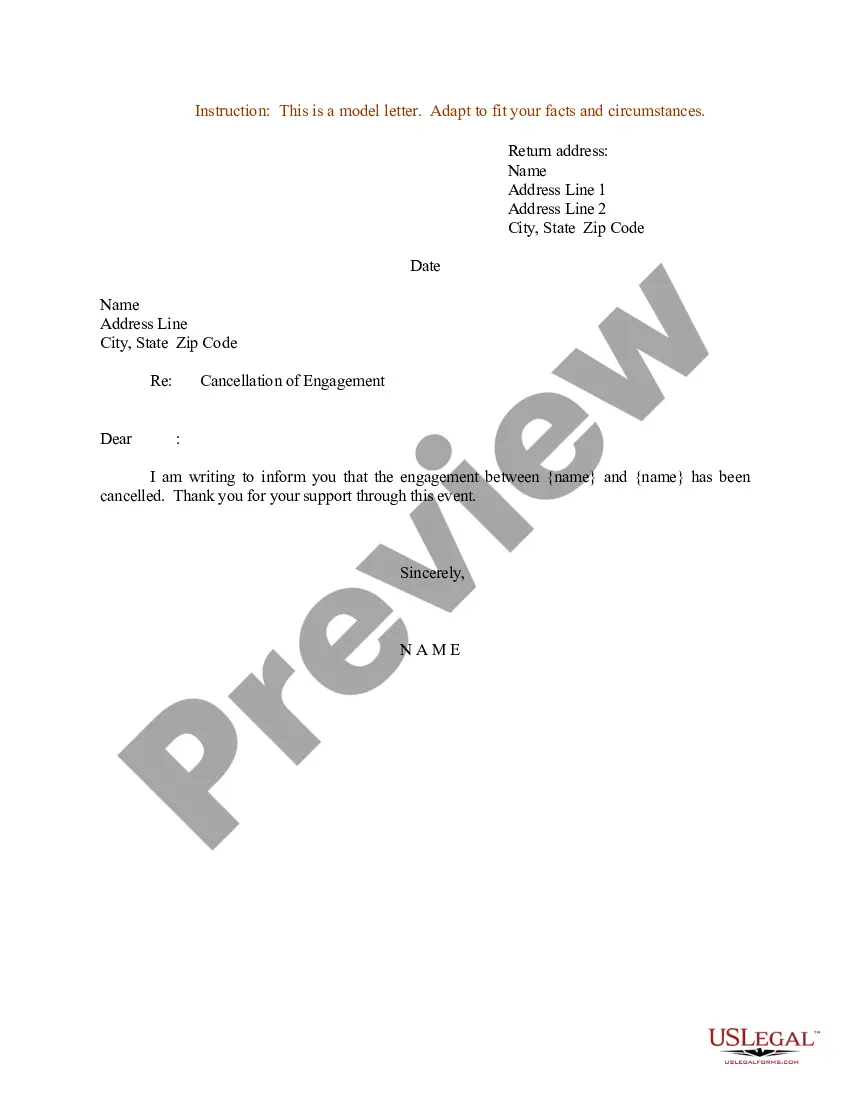
How to fill out Supplemental Right Of Way Agreement (To Amend Original Agreement)?
When it comes to drafting a legal form, it’s easier to leave it to the professionals. However, that doesn't mean you yourself cannot get a sample to use. That doesn't mean you yourself can not get a template to utilize, nevertheless. Download Supplemental Right of Way Agreement (To Amend Original Agreement) straight from the US Legal Forms web site. It provides numerous professionally drafted and lawyer-approved documents and samples.
For full access to 85,000 legal and tax forms, users just have to sign up and choose a subscription. After you are registered with an account, log in, find a certain document template, and save it to My Forms or download it to your device.
To make things less difficult, we have incorporated an 8-step how-to guide for finding and downloading Supplemental Right of Way Agreement (To Amend Original Agreement) promptly:
- Make sure the form meets all the necessary state requirements.
- If available preview it and read the description prior to buying it.
- Press Buy Now.
- Select the suitable subscription for your needs.
- Create your account.
- Pay via PayPal or by credit/visa or mastercard.
- Select a needed format if a number of options are available (e.g., PDF or Word).
- Download the document.
When the Supplemental Right of Way Agreement (To Amend Original Agreement) is downloaded you can fill out, print and sign it in any editor or by hand. Get professionally drafted state-relevant papers in a matter of minutes in a preferable format with US Legal Forms!
Form popularity
FAQ
Creating an addendum will allow you to insert items or information into your contract so that all parties associated with the contract will be on one accord. An addendum to a contract is an additional document that is added to a pre-existing contract to modify the terms of the contract.
A supplemental agreement is a bilateral change order to a contract where the parties agree that specified additional work will be accomplished in return for a specified consideration, normally additional money and/or time.
Don't leave it out include it at the end of your Word document as an addendum. Adding an addendum in Microsoft Word follows almost the same process you're already taking to create your Word documents. End with an addendum to ensure you always get the last word in Word.
An example of an addendum being used would be if the parties wanted to add something to the original document. For instance, an individual who is purchasing a house may not want to purchase all of the furniture that is being left behind. However, after thinking about it further, he changes his mind.
A substituted contract is an agreement between parties that were involved in a previous contract. The substituted contract replaces the original contract, completely taking its place and discharging the terms of the original agreement.
Typically an addendum supersedes that portion of the original contract that the addendum specifically addresses. That's a general rule.
Writing a Contract Addendum Name the parties to the contract. Indicate the addendum's effective date, using the same date format used in the original contract. Indicate the elements of the original contract that the addendum intends to change. Concisely but clearly describe the desired changes.
Gerard Legagneur, Esq. As businesspersons, we amend contracts when they require minor changes, based on a subsequent agreement by the parties.In these instances, it is preferable to fully amend and restate the original agreement (sometimes called the existing agreement, the prior agreement, or something similar).
Always put a contract amendment in writing and make sure both parties sign and date it. Reference the title of the contract, if applicable; its original parties; and original signing date, so that it is clear what document you are amending. Attach the amendment to the original contract.