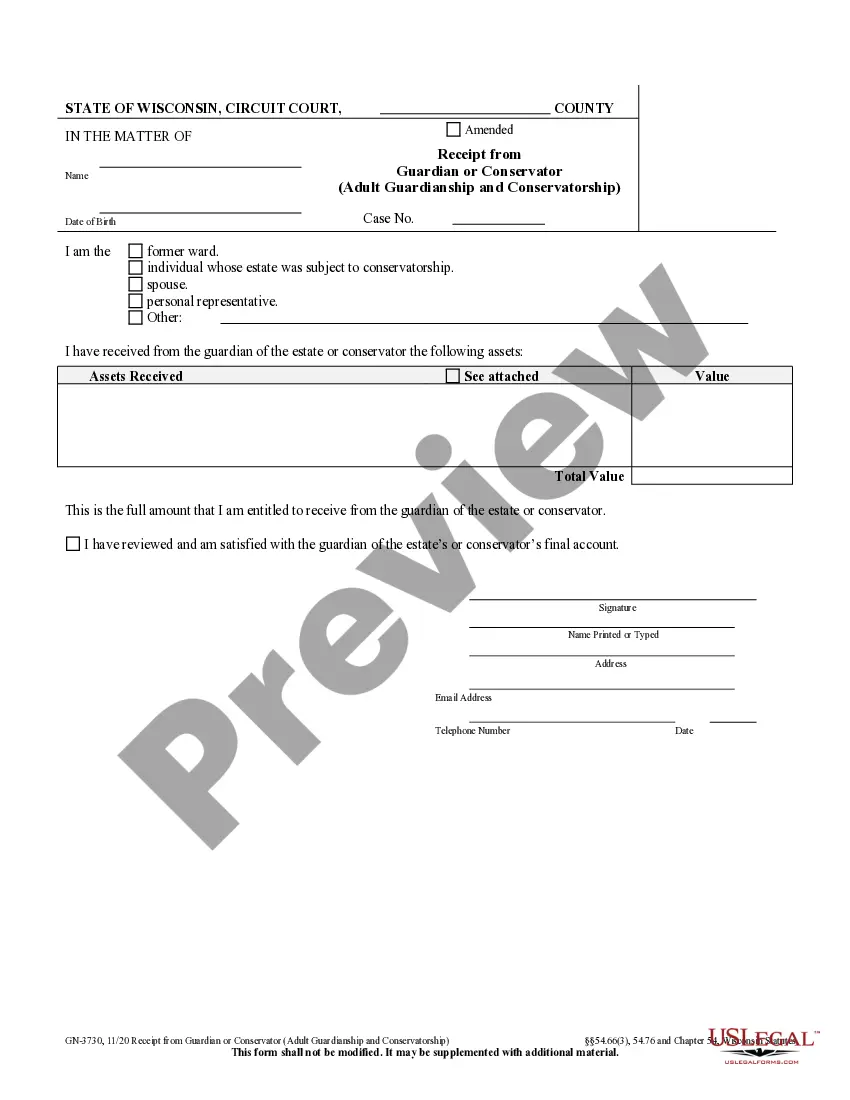
Revocable Trust Agreement when Settlors Are Husband and Wife
About this form
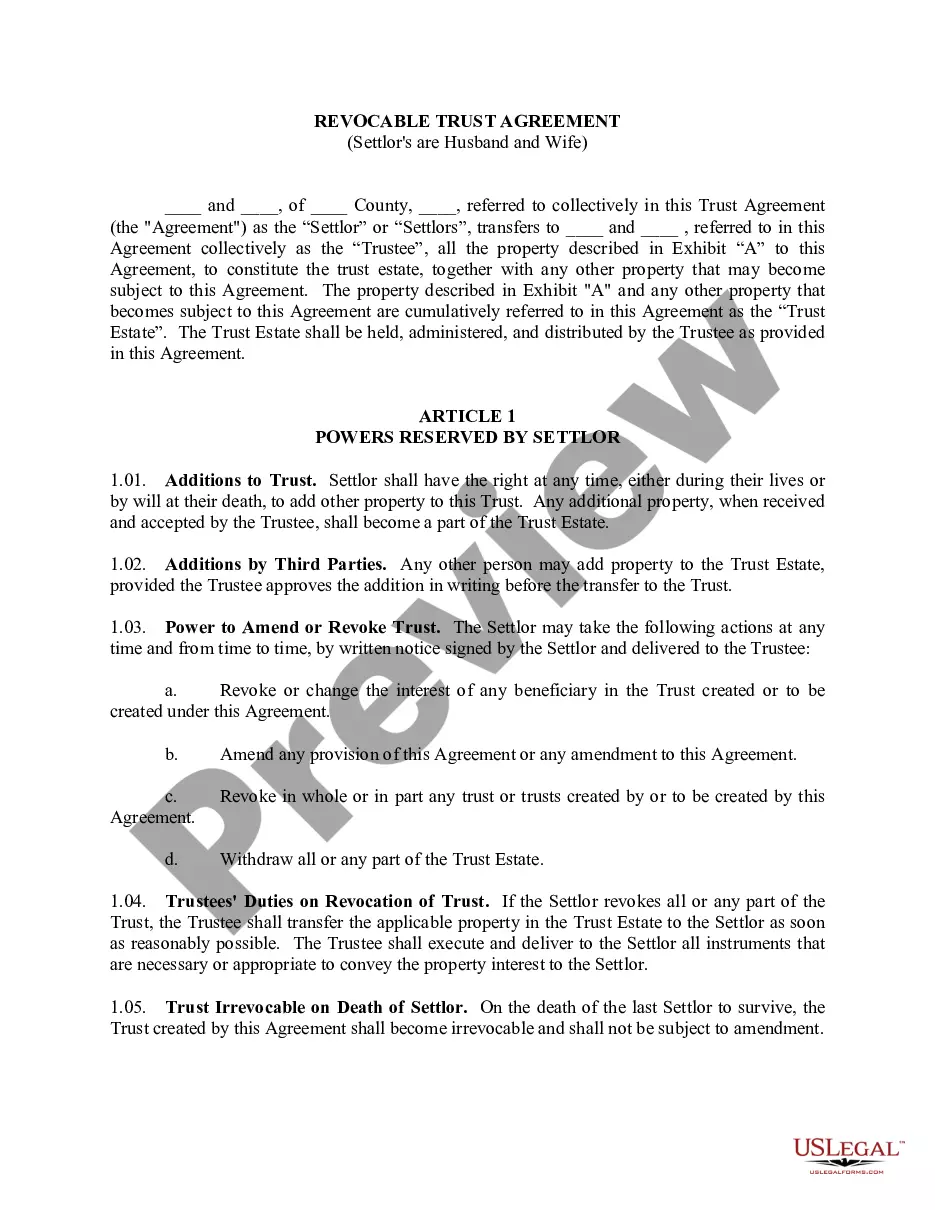
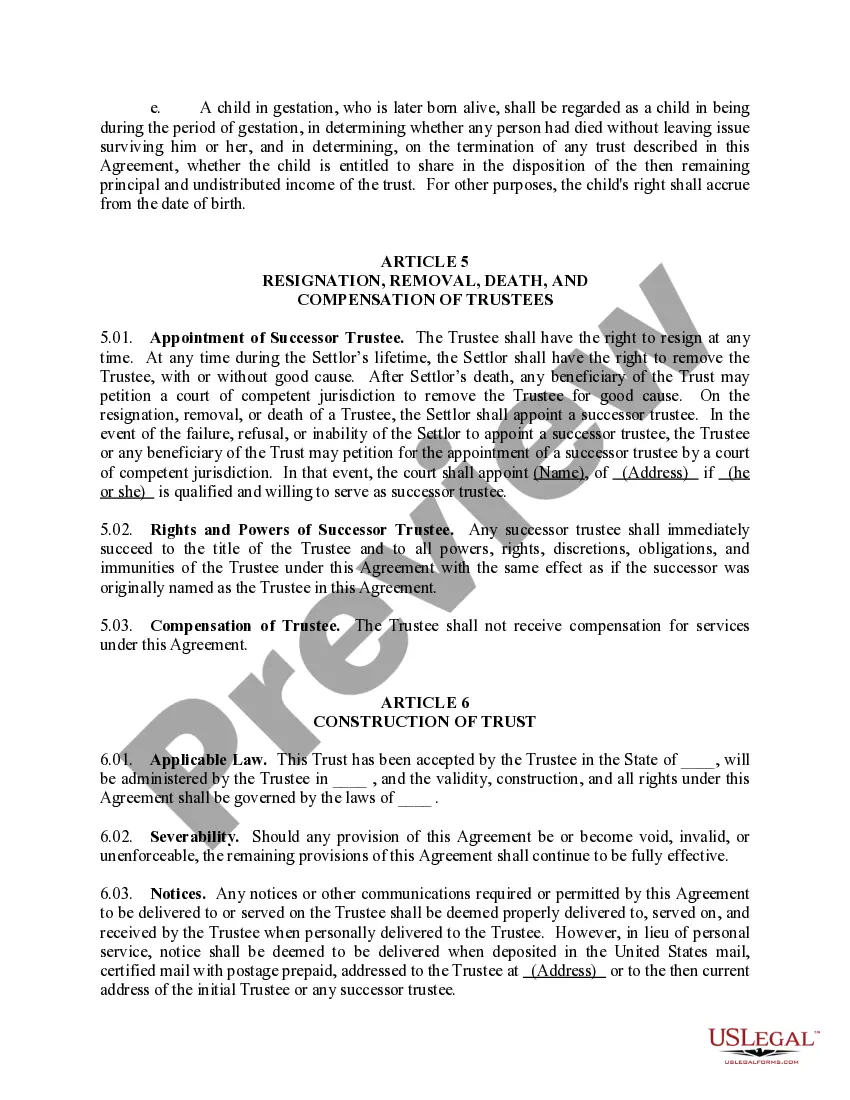
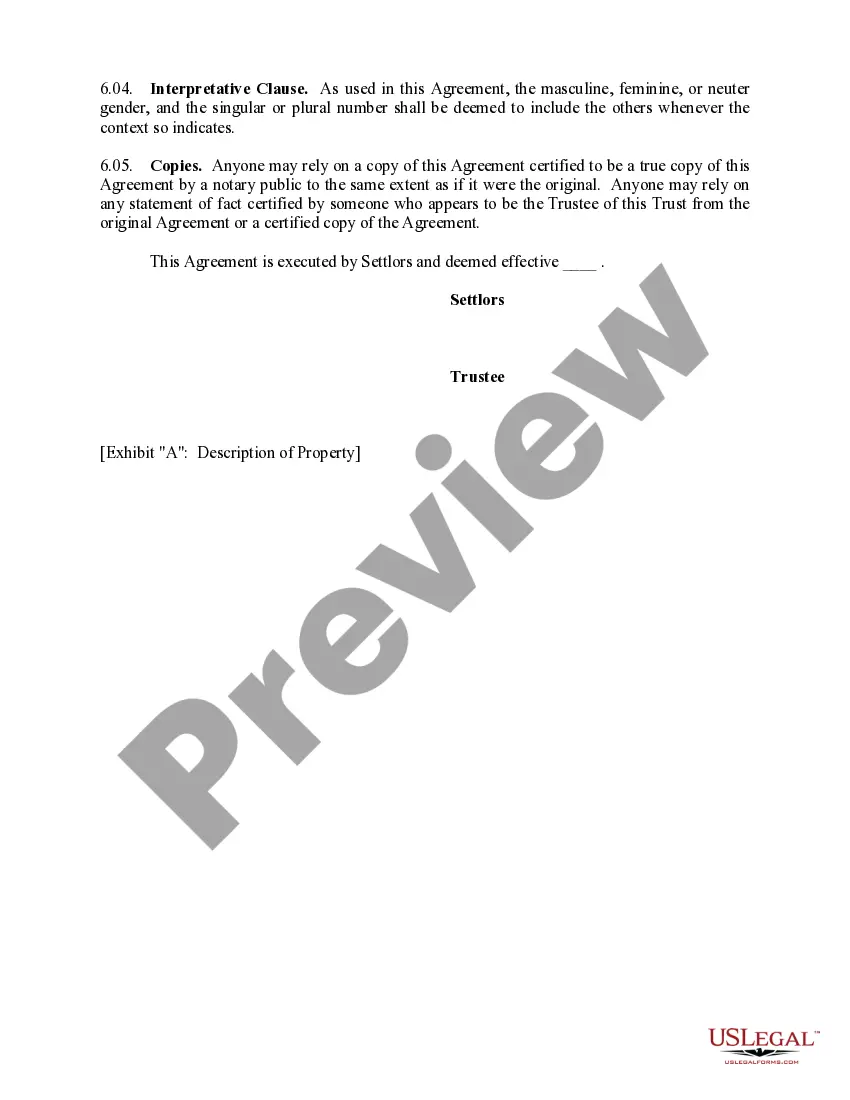
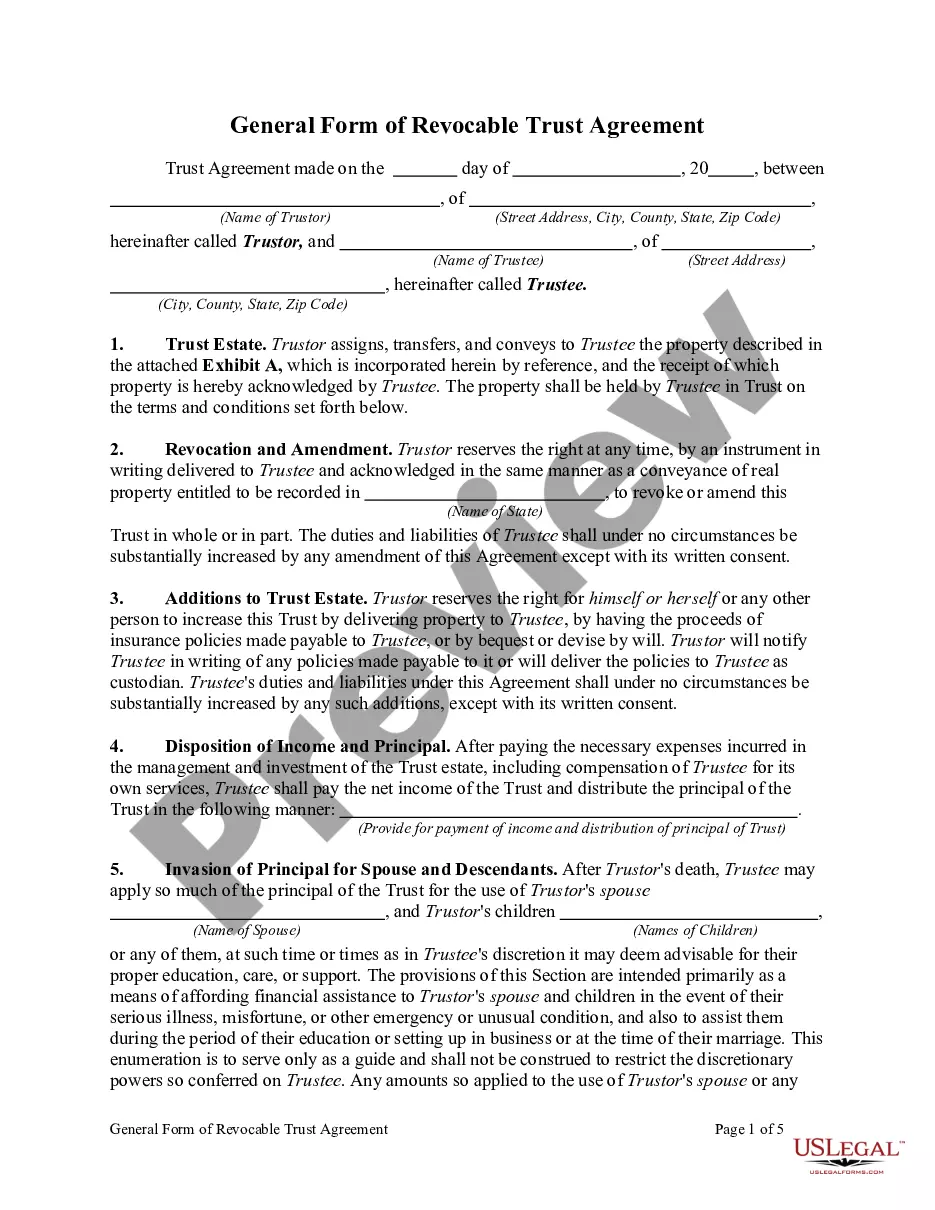
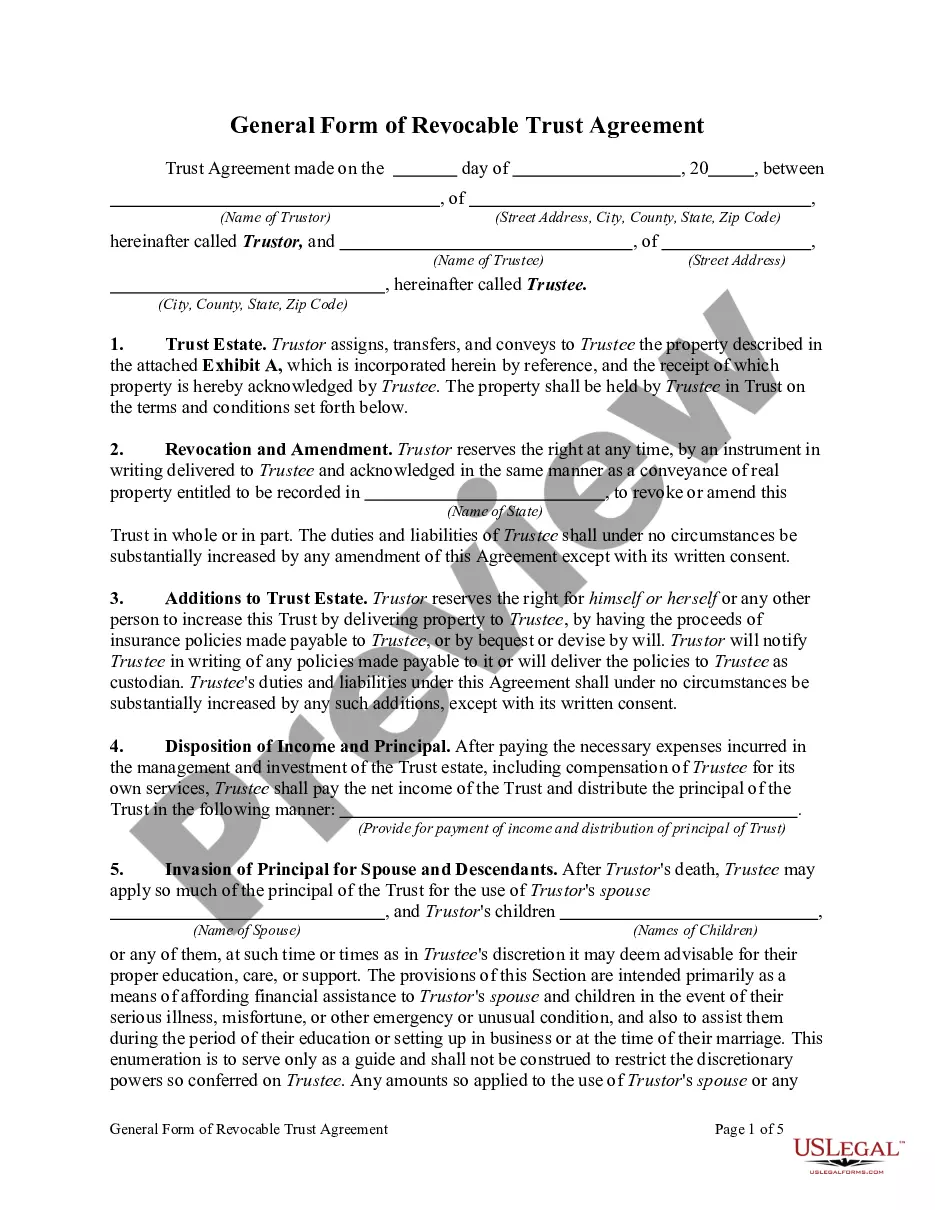
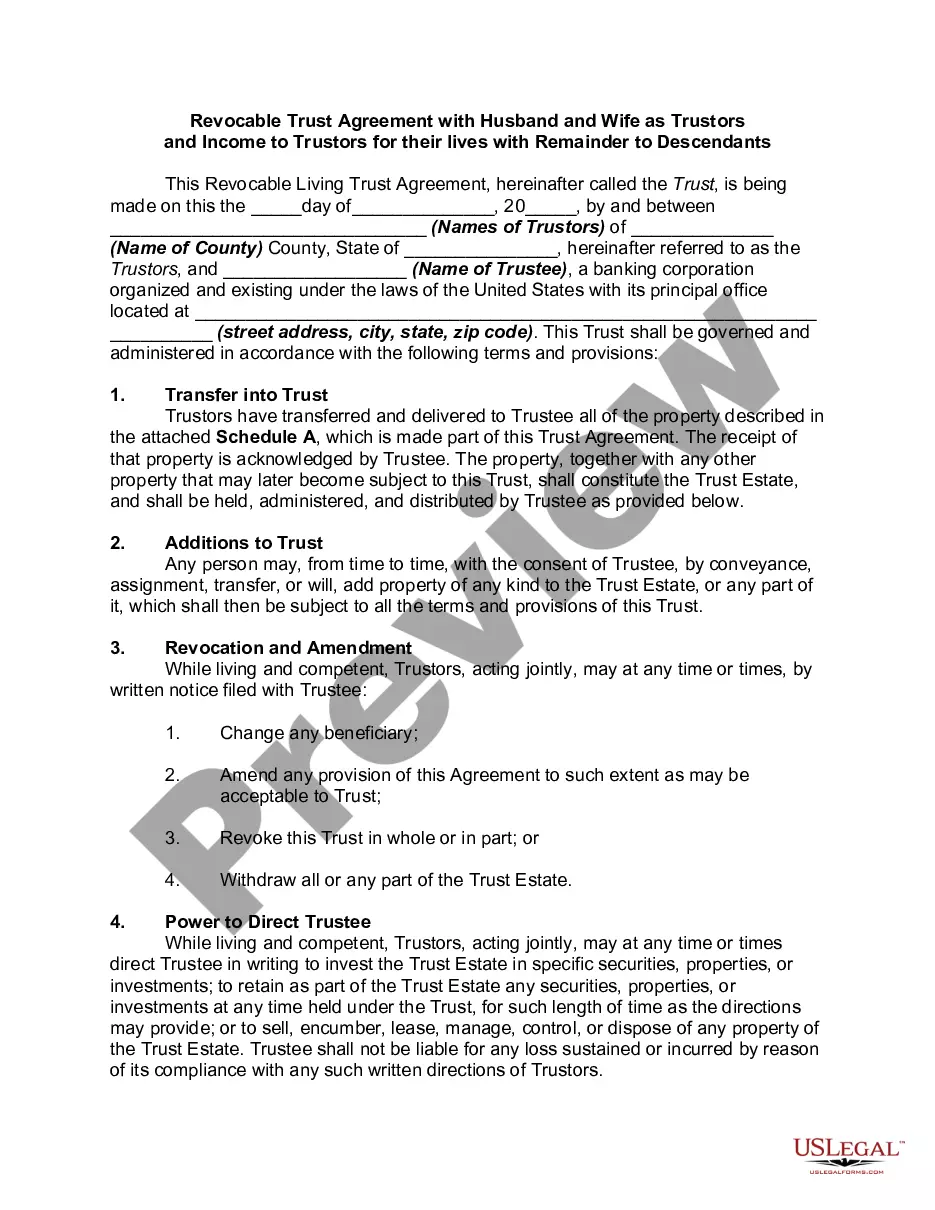
The Revocable Trust Agreement when Settlors Are Husband and Wife is a legal document that establishes a trust, allowing the couple to manage their assets collectively. This type of revocable intervivos trust enables the Settlors to retain control of their assets while outlining the responsibilities of the Trustee and how the assets will be distributed upon their passing. Unlike permanent trusts, this agreement allows the Settlors to modify or revoke the trust as their needs change during their lifetimes.
What’s included in this form
- Identification of Settlors and Trustee
- Details of the Trust Estate and property included
- Rights of the Settlors to add property, amend, or revoke the trust
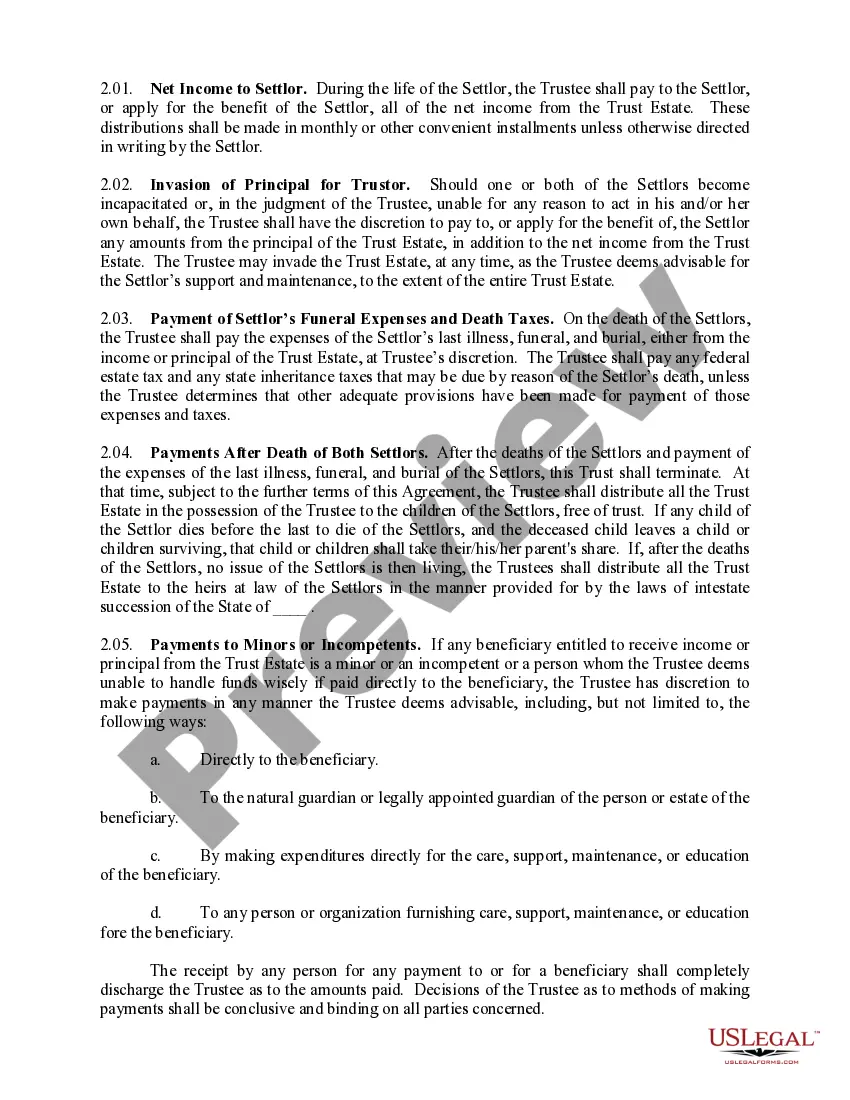
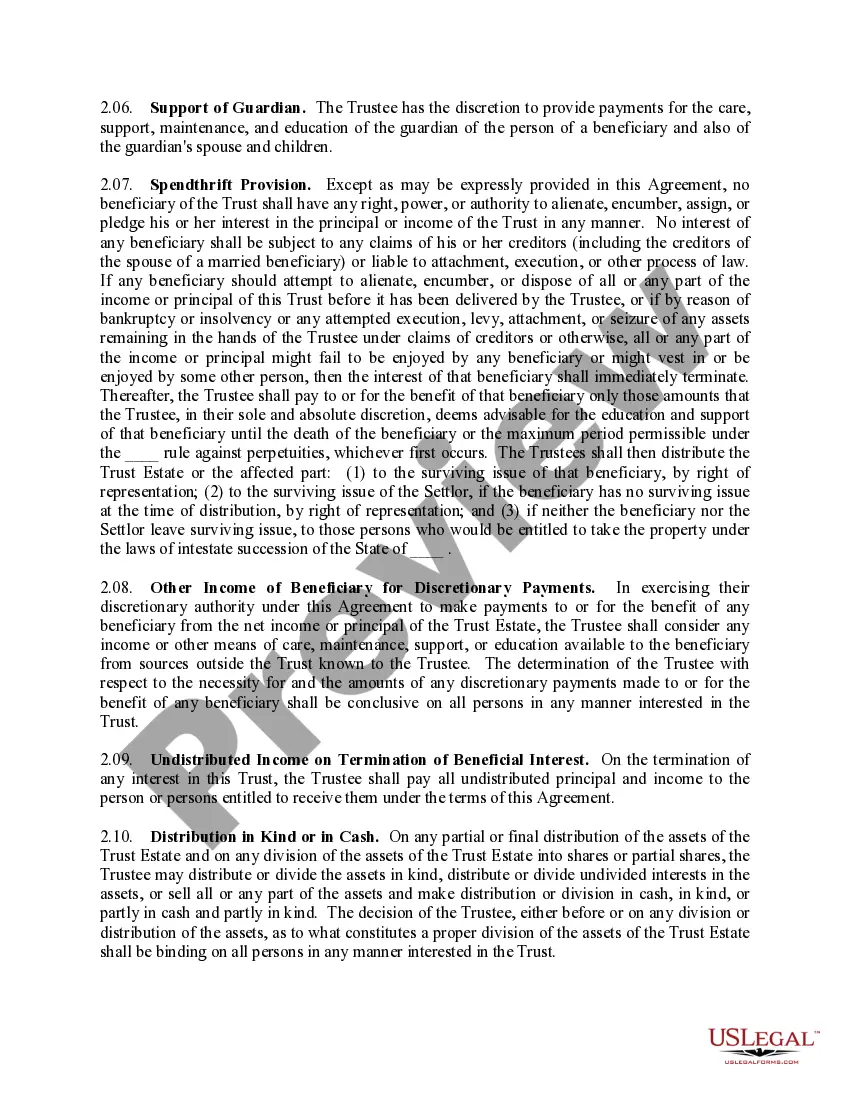
- Distribution terms for the Trust Estate upon the Settlors' death
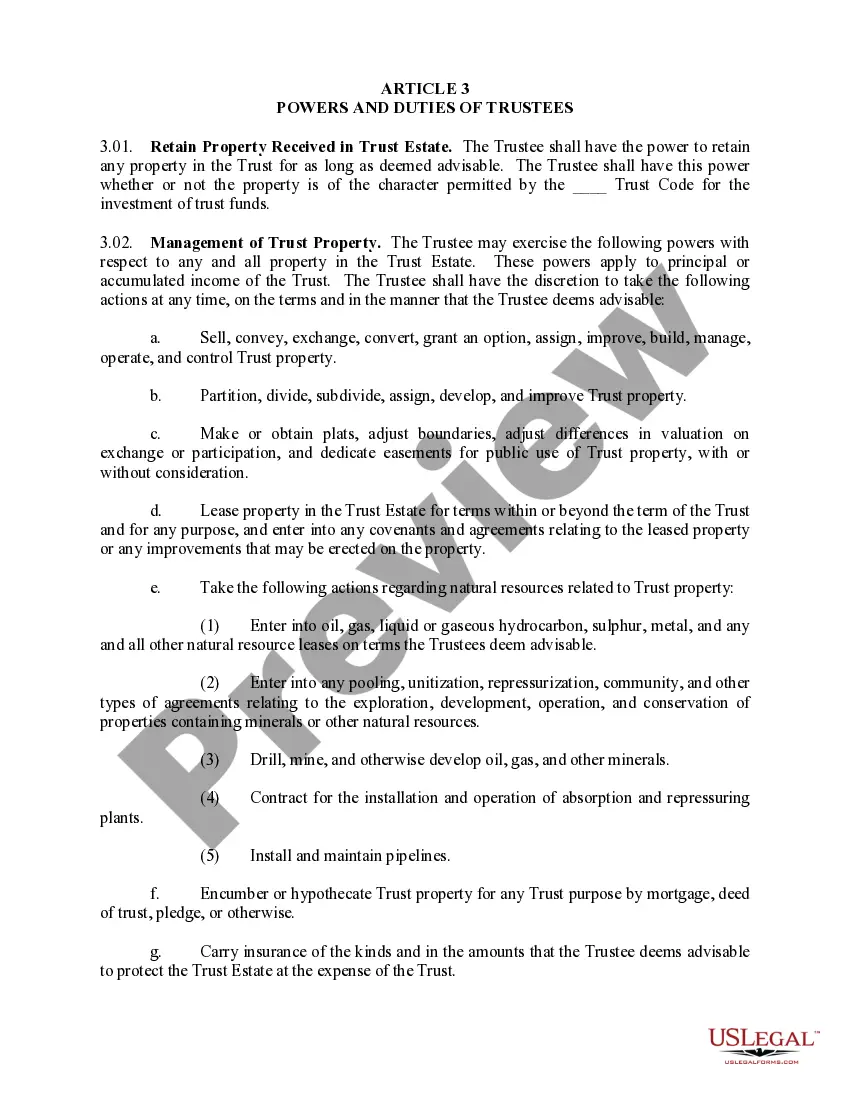
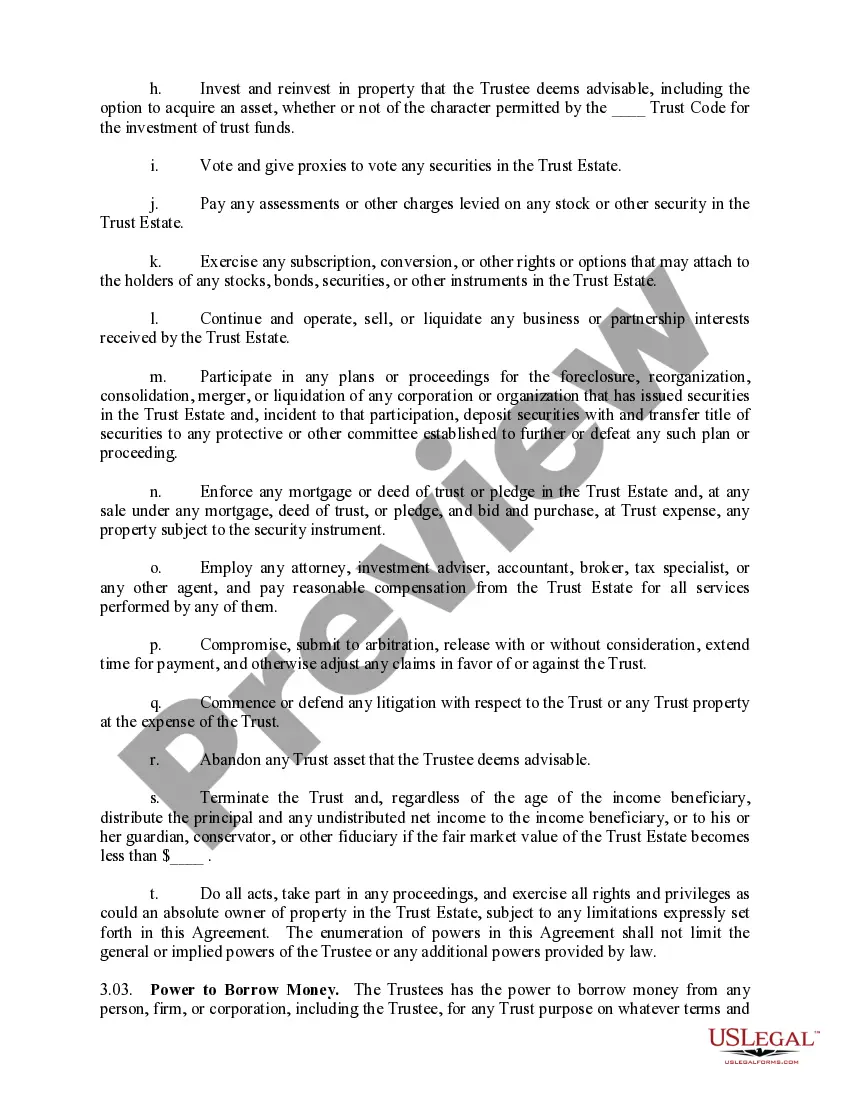
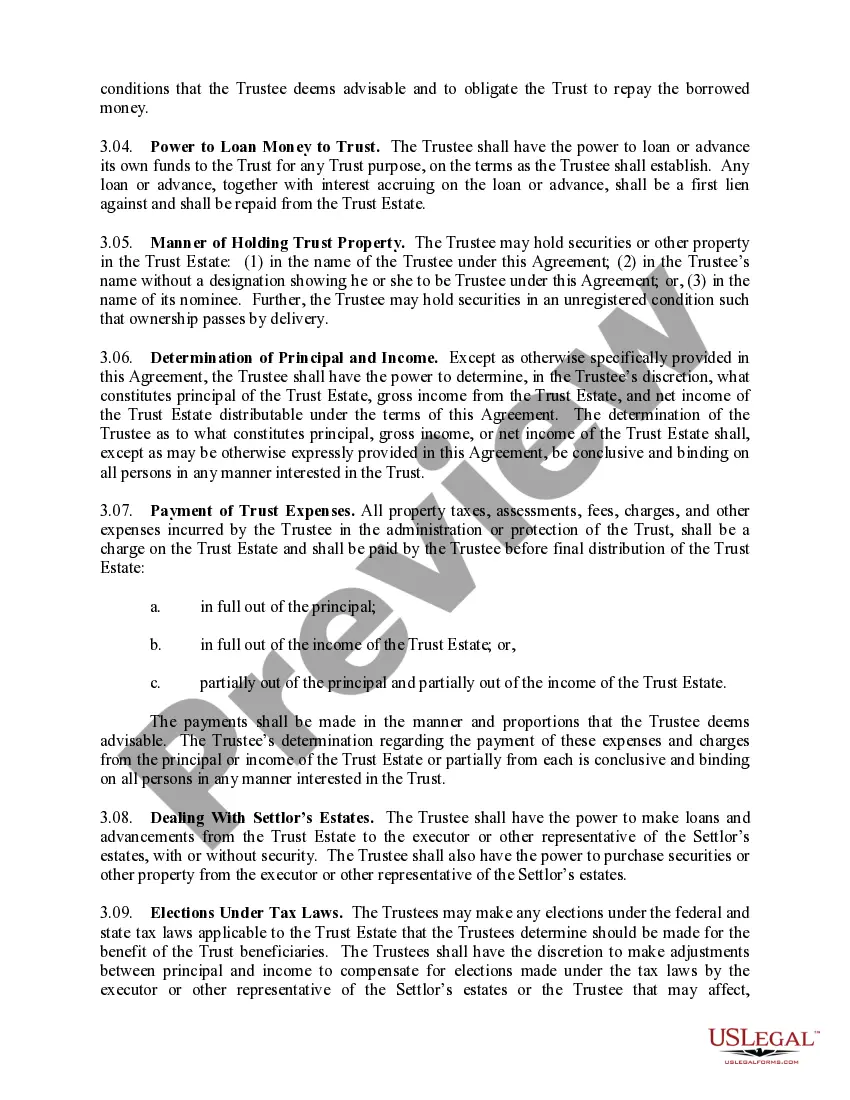
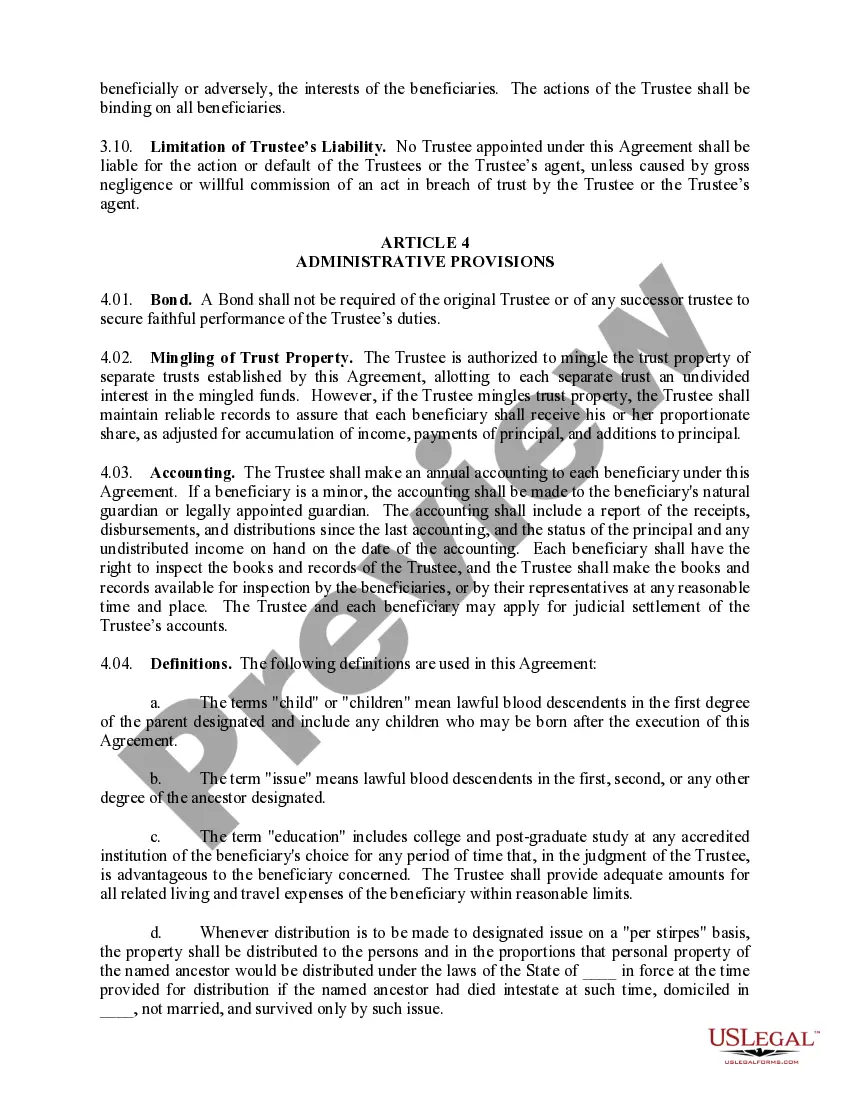
- Trustee's powers and duties concerning trust management
When this form is needed
This form is particularly useful for married couples who wish to manage their assets together while retaining the flexibility to make changes as their circumstances evolve. It is appropriate to use this agreement when both Settlors want to ensure their assets are managed according to their wishes during their lifetimes and upon their death. Common scenarios include planning for incapacity, ensuring heirs receive assets without probate, and providing for family members.
Who this form is for
This trust agreement is intended for:
- Married couples wanting to create a unified management plan for their assets.
- Individuals seeking to simplify the distribution of their estate after death.
- Couples looking to protect their assets from probate when both Settlors pass away.
- Those wanting to retain flexibility over their financial planning through revocability.
How to prepare this document
- Identify the parties by entering the names of the Settlors and the Trustee.
- Specify the property that will be included in the trust in Exhibit A.
- Outline any powers the Settlors wish to retain, including the ability to revoke or amend the trust.
- Ensure all relevant details regarding the distribution of assets are clearly stated.
- Sign and date the agreement, ensuring that it complies with your state laws.
Notarization guidance
Notarization is required for this form to take effect. Our online notarization service, powered by Notarize, lets you verify and sign documents remotely through an encrypted video session, available 24/7.
Get your form ready online
Our built-in tools help you complete, sign, share, and store your documents in one place.
Make edits, fill in missing information, and update formatting in US Legal Forms—just like you would in MS Word.
Download a copy, print it, send it by email, or mail it via USPS—whatever works best for your next step.
Sign and collect signatures with our SignNow integration. Send to multiple recipients, set reminders, and more. Go Premium to unlock E-Sign.
If this form requires notarization, complete it online through a secure video call—no need to meet a notary in person or wait for an appointment.
We protect your documents and personal data by following strict security and privacy standards.

Make edits, fill in missing information, and update formatting in US Legal Forms—just like you would in MS Word.

Download a copy, print it, send it by email, or mail it via USPS—whatever works best for your next step.

Sign and collect signatures with our SignNow integration. Send to multiple recipients, set reminders, and more. Go Premium to unlock E-Sign.

If this form requires notarization, complete it online through a secure video call—no need to meet a notary in person or wait for an appointment.

We protect your documents and personal data by following strict security and privacy standards.
Common mistakes to avoid
- Failing to list all property intended for the trust in Exhibit A.
- Not understanding the implications of revoking or amending the trust.
- Overlooking the necessity of signatures by all Settlors and the Trustee.
- Not updating the trust when significant life changes occur.
Benefits of using this form online
- Convenience of managing and customizing your trust agreement from home.
- Editable templates that allow for adjustments as circumstances change.
- Access to professionally drafted legal forms that comply with best practices.
- Reduced legal costs compared to hiring an attorney for basic trust forms.
Looking for another form?

Form popularity
FAQ
1. Can a trust ever be a joint tenant? Summary Response: Yes, California Civil Code § 683, subdivision (a) specifies that a joint tenancy may be created by grant or devise to trustees as joint tenants.
At the time of your death, the assets in your family trust are protected by the exemption, and the assets in your marital trust are protected by the marital deduction. No estate taxes are due.
A marital trust allows the couple's heirs to avoid probate and take less of a hit from estate taxes by taking full advantage of the unlimited marital deductiona provision that enables spouses to pass assets to each other without tax consequences.
When one spouse dies, the joint trust will continue to operate for the benefit of the surviving spouse as a Survivor's Trust. Any specific gifts of tangible property from the first spouse to beneficiaries (other than the surviving spouse) will be given to those people.
Joint trusts are easier to fund and maintain.In a joint trust, after the death of the first spouse, the surviving spouse has complete control of the assets. When separate trusts are used, the deceased spouses' trust becomes irrevocable and the surviving spouse has limited control over assets.
Separate trusts provide more flexibility in the event of a death in the marriage. Since the trust property is already divided, separate trusts preserve the surviving spouse's ability to amend or revoke assets held within their own trust, while ensuring that the deceased spouse's trust cannot be amended after death.
The name of the trustee of the trust will be on title of your trust assets. So, if you put a bank account into your trust, you would need to rename the bank account to be your name, as trustee, followed by the name of the trust. For example, if someone named John H.
Typically, when a married couple utilizes a Revocable Living Trust based estate plan, each spouse creates and funds his or her own separate Revocable Living Trust. This results in two trusts. However, in the right circumstances, a married couple may be better served by creating a single Joint Trust.