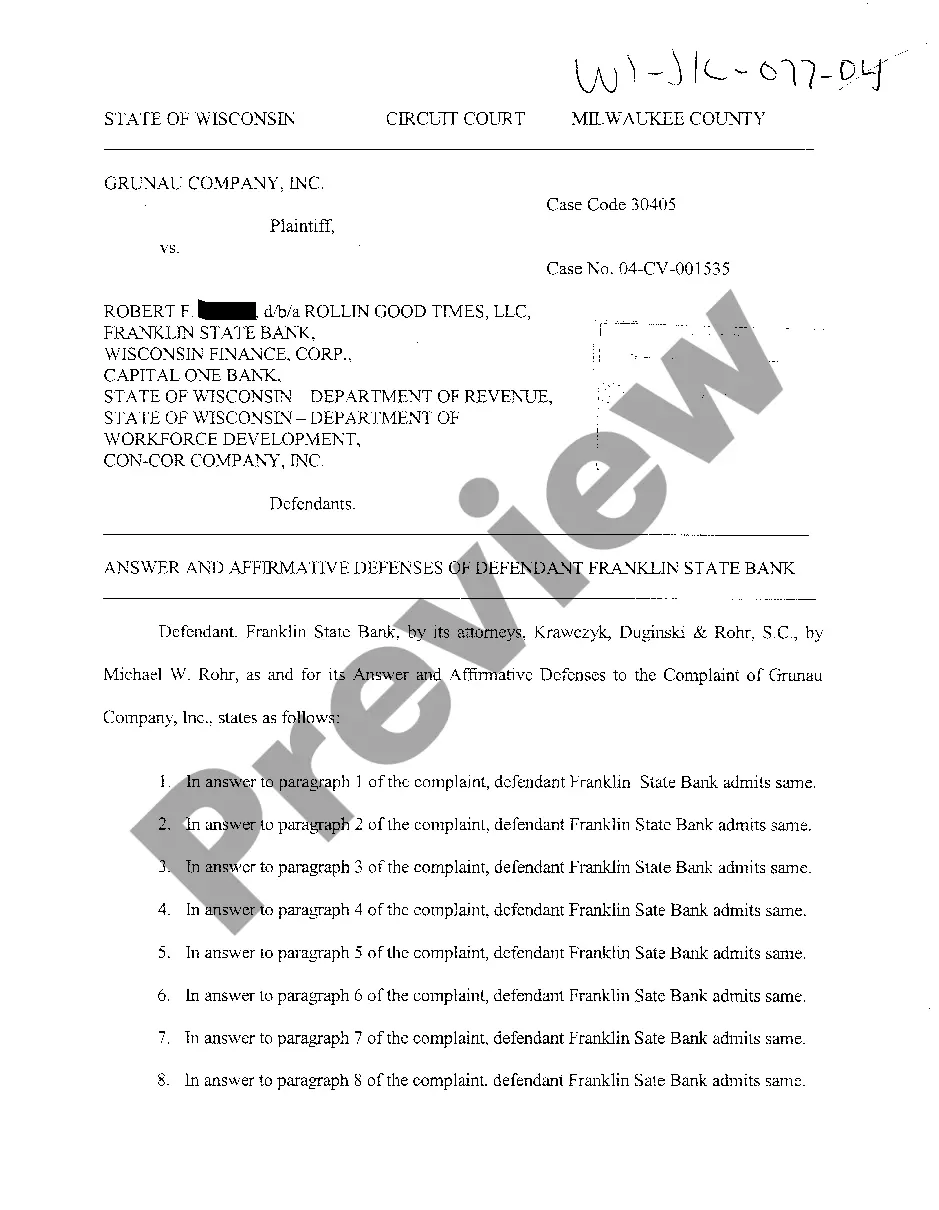
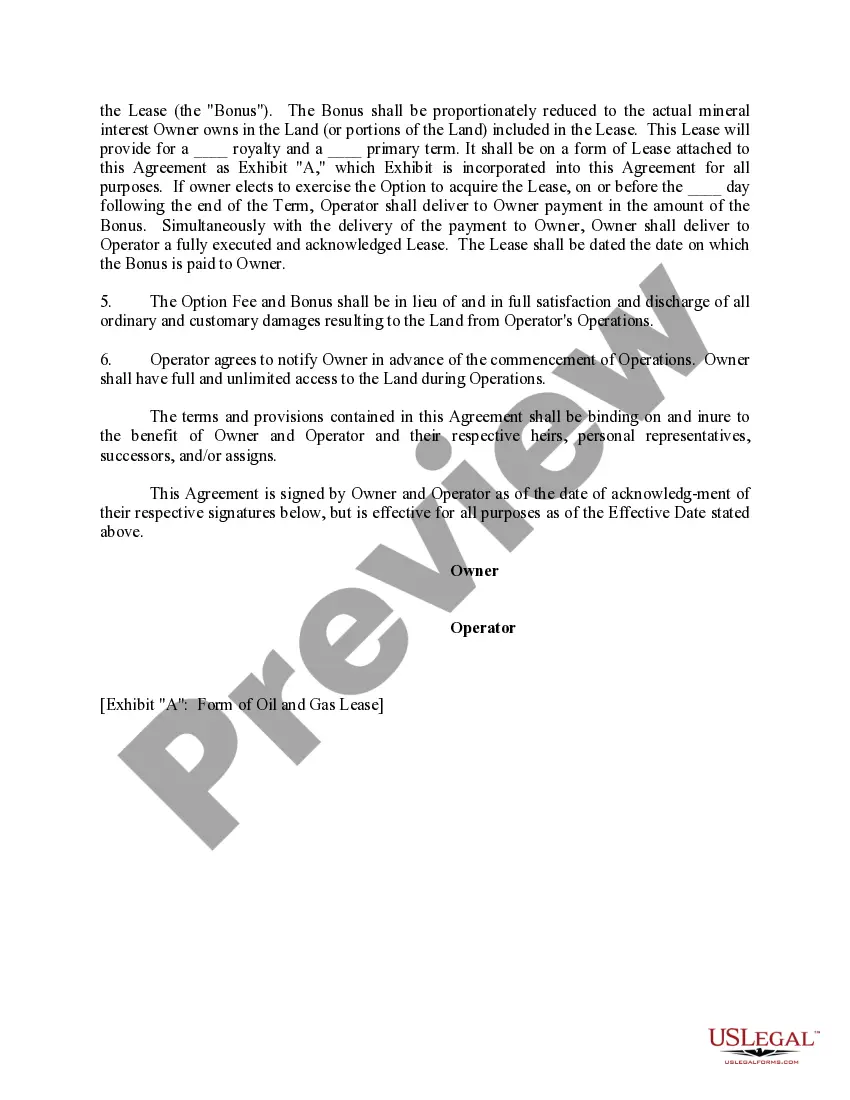
Geophysical Exploration Agreement Between Mineral Owner and Operator, with Option to Purchase Oil and Gas Lease
Understanding this form
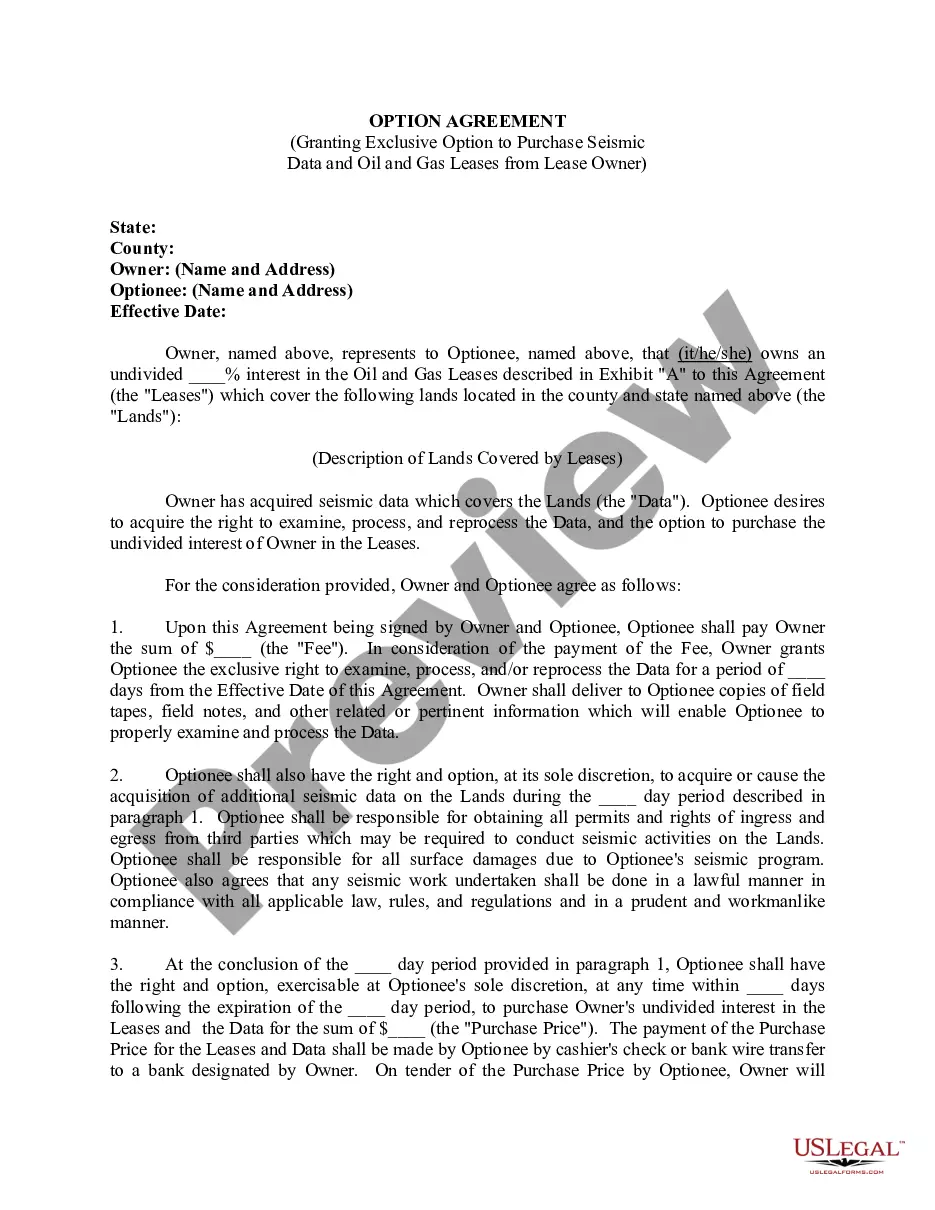
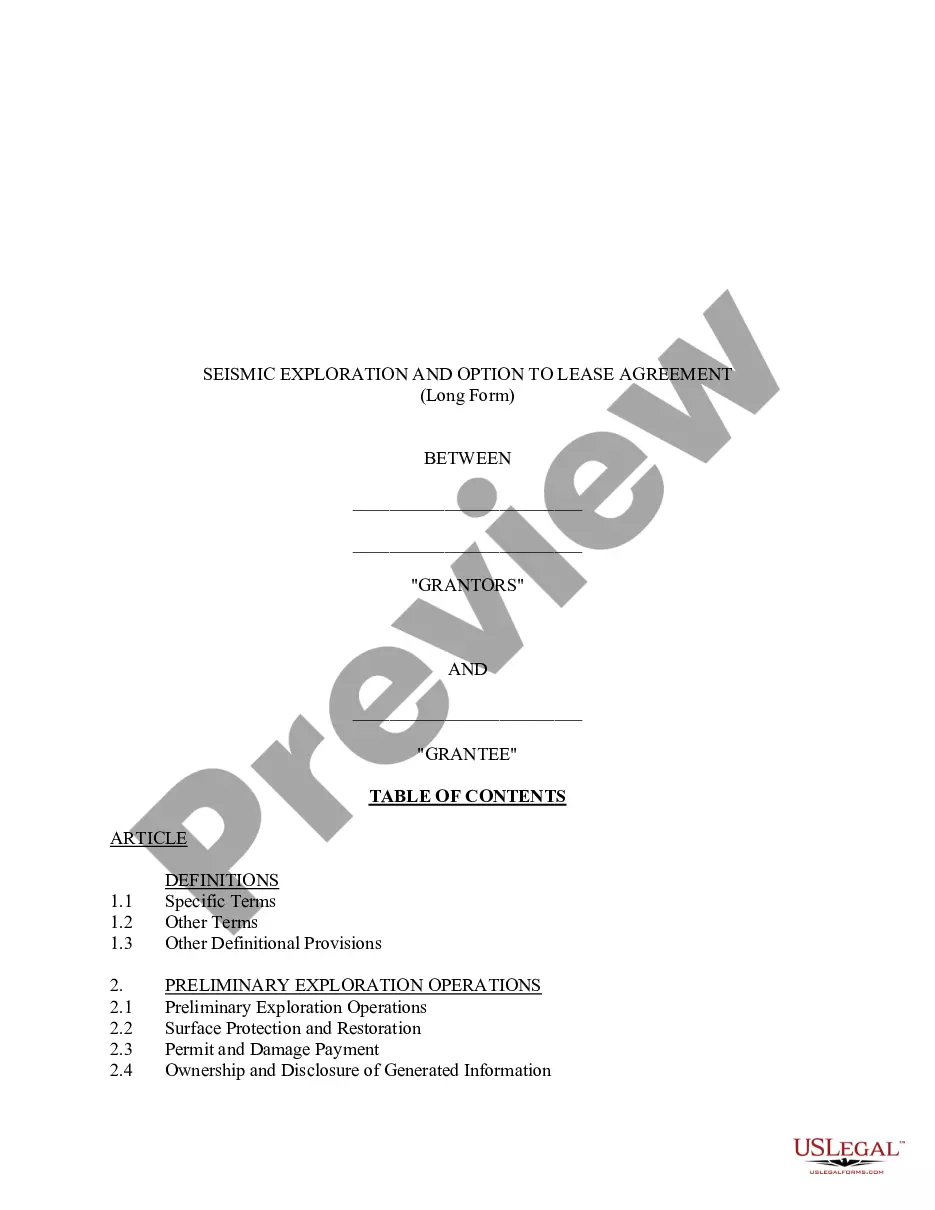
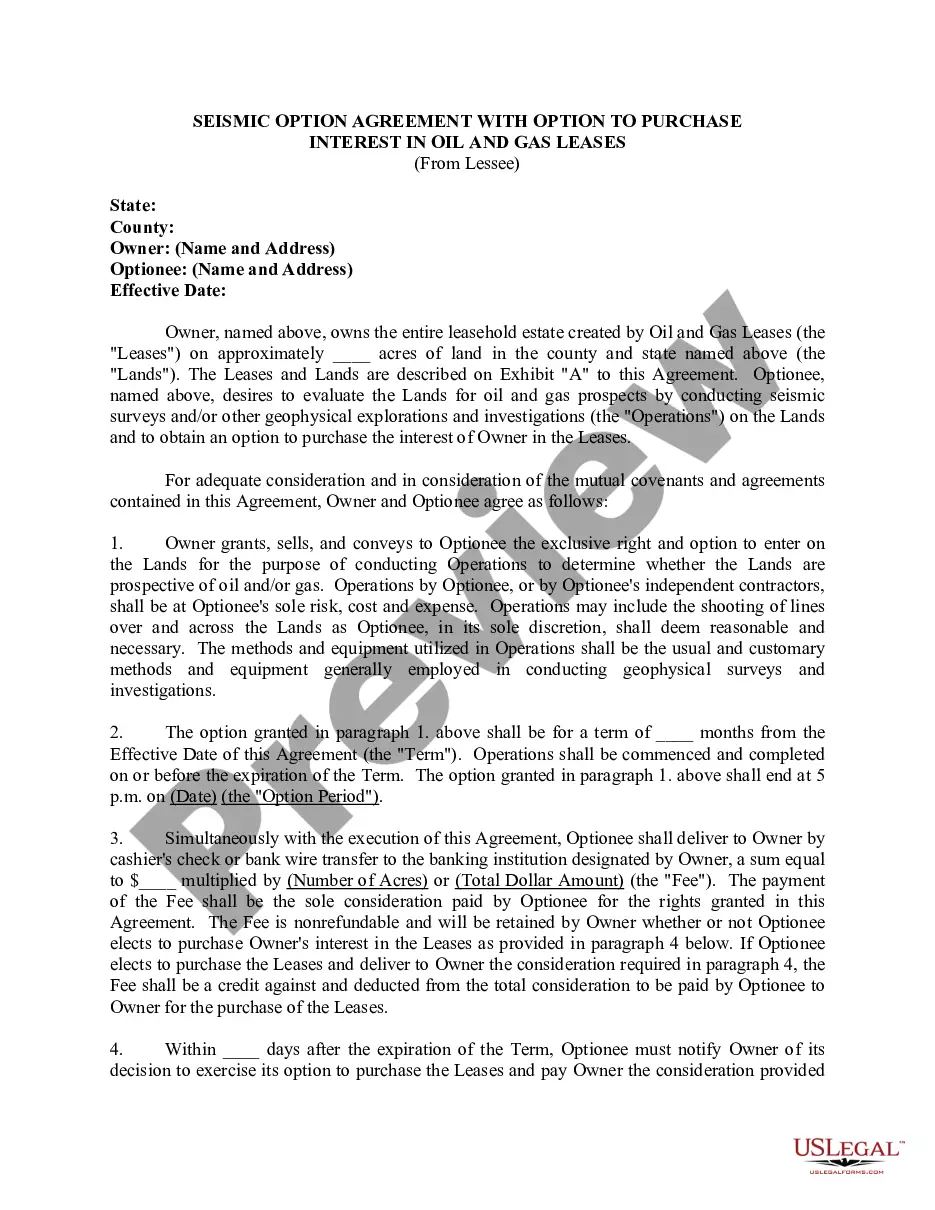
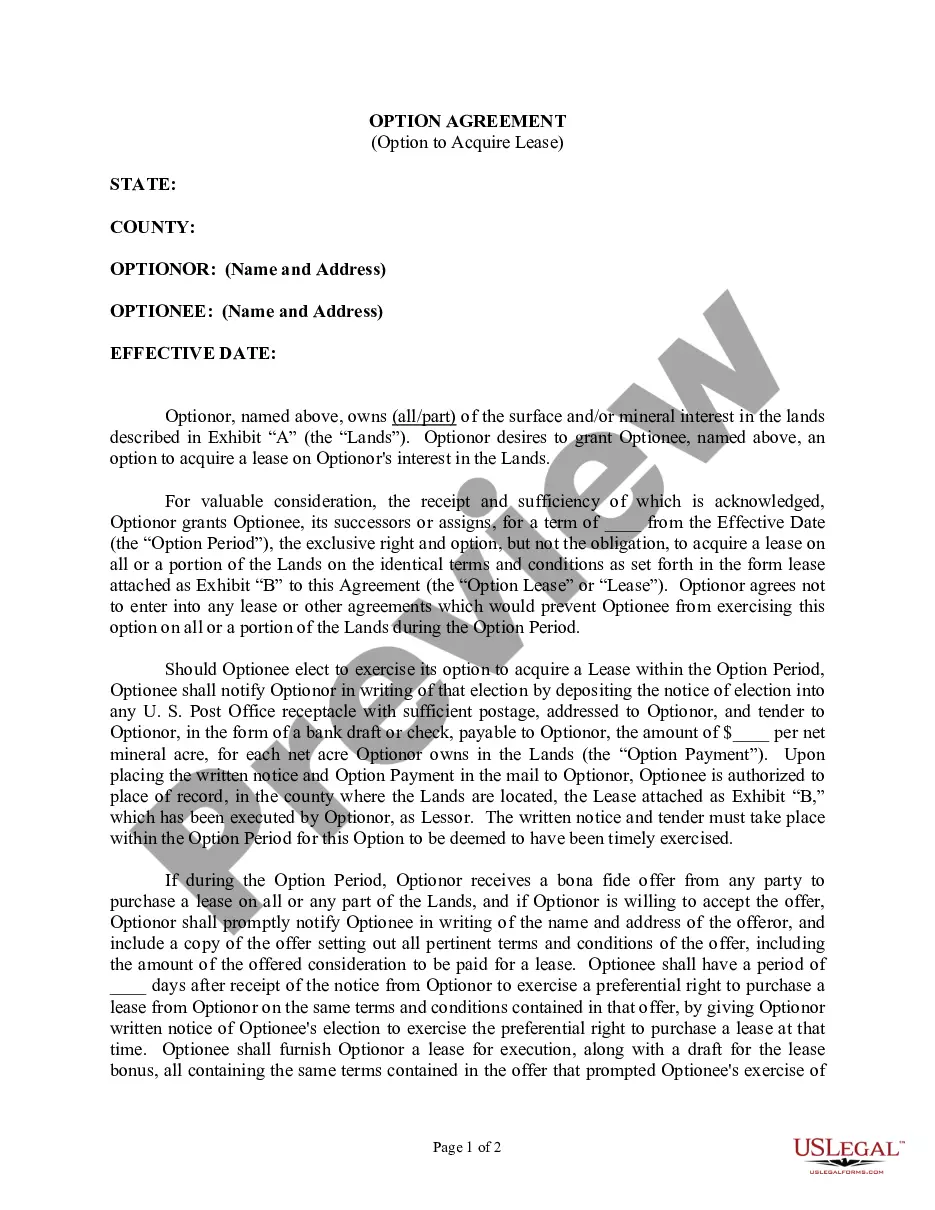
The Geophysical Exploration Agreement Between Mineral Owner and Operator, with Option to Purchase Oil and Gas Lease, is a legal document that establishes the rights of an operator to conduct exploration activities on a mineral owner's land. This agreement specifically allows the operator to evaluate the land for potential oil and gas production and provides the operator with an option to purchase an oil and gas lease. This form is distinct as it acts as a short form of option agreement, catering to mineral owners who may not own all the minerals in the specified area.
What’s included in this form
- Identification of the mineral owner and operator, including names and addresses.
- Effective date for the agreement.
- Details of the mineral interest owned by the owner in the specified land.
- Operator's exclusive right to enter the land for conducting seismic surveys and geophysical explorations.
- Duration of the option to conduct operations.
- Payment terms for the option fee and bonus consideration upon lease acquisition.
- Provisions for the operation's commencement and completion timelines.
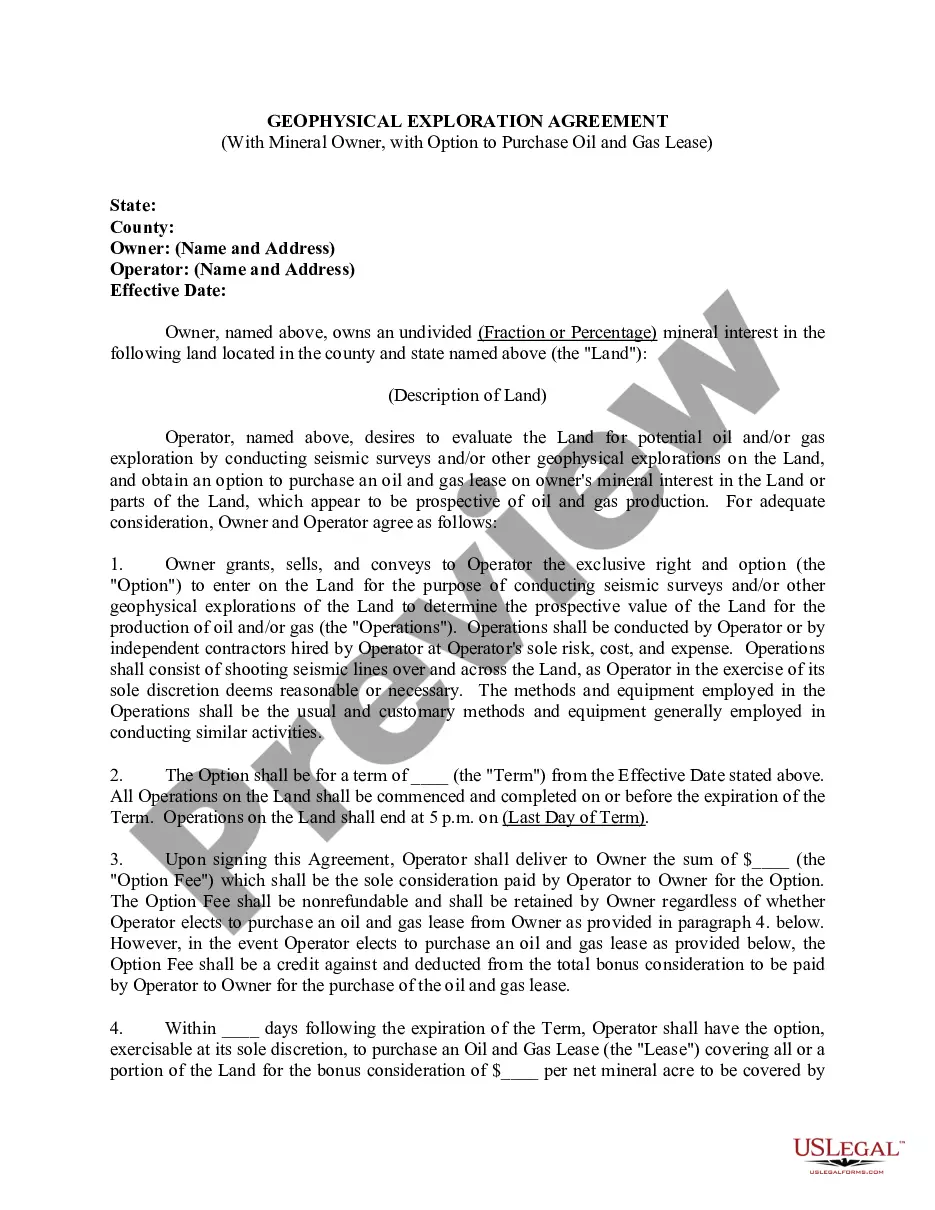
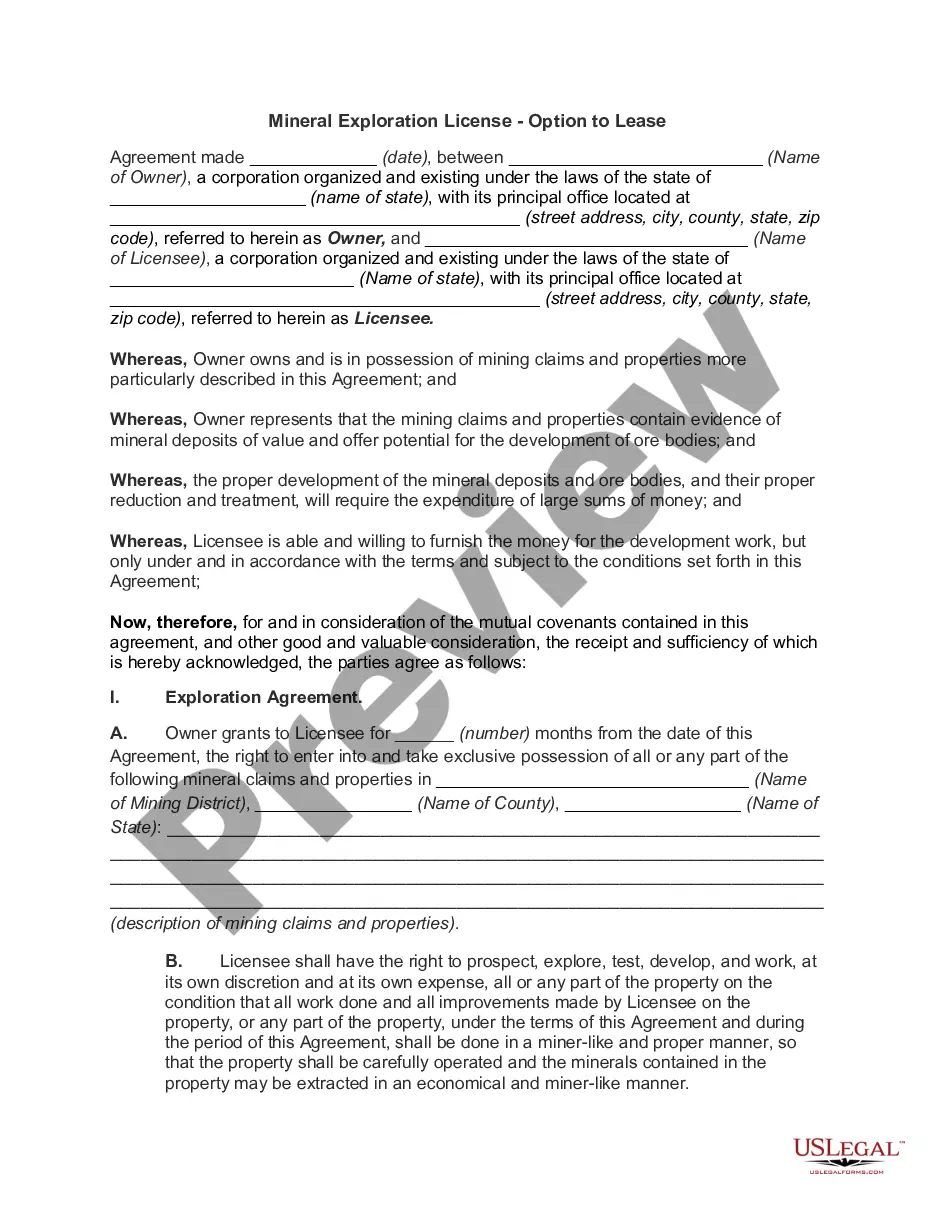
When to use this form
This form should be used when a mineral owner wishes to allow an operator to explore their land for oil and gas potential, while retaining the option to purchase an oil and gas lease. It is applicable when the mineral owner owns a fraction or percentage of the mineral rights and needs an agreement that specifies the rights and obligations of both parties during the exploration process.
Who should use this form
- Mineral owners seeking to lease their land for oil and gas exploration.
- Operators interested in exploring land for potential oil and gas sites.
- Parties involved in negotiating mineral rights and leases with specific exploration objectives.
Instructions for completing this form
- Identify the mineral owner and operator, providing full names and addresses.
- Specify the effective date of the agreement.
- Detail the mineral interest owned, including the fraction or percentage in the described land.
- Outline the term of the agreement and the amount of the option fee.
- Define the bonus consideration and relevant terms for leasing the land.
- Both parties should sign and date the agreement to validate its legality.
Does this form need to be notarized?
This form usually doesn’t need to be notarized. However, local laws or specific transactions may require it. Our online notarization service, powered by Notarize, lets you complete it remotely through a secure video session, available 24/7.
Get your form ready online
Our built-in tools help you complete, sign, share, and store your documents in one place.
Make edits, fill in missing information, and update formatting in US Legal Forms—just like you would in MS Word.
Download a copy, print it, send it by email, or mail it via USPS—whatever works best for your next step.
Sign and collect signatures with our SignNow integration. Send to multiple recipients, set reminders, and more. Go Premium to unlock E-Sign.
If this form requires notarization, complete it online through a secure video call—no need to meet a notary in person or wait for an appointment.
We protect your documents and personal data by following strict security and privacy standards.

Make edits, fill in missing information, and update formatting in US Legal Forms—just like you would in MS Word.

Download a copy, print it, send it by email, or mail it via USPS—whatever works best for your next step.

Sign and collect signatures with our SignNow integration. Send to multiple recipients, set reminders, and more. Go Premium to unlock E-Sign.

If this form requires notarization, complete it online through a secure video call—no need to meet a notary in person or wait for an appointment.

We protect your documents and personal data by following strict security and privacy standards.
Common mistakes to avoid
- Failing to accurately describe the mineral interest owned.
- Not specifying the effective date or term of the option correctly.
- Leaving out signatures, which can render the agreement invalid.
- Overlooking additional state-specific requirements for mineral rights agreements.
Benefits of completing this form online
- Convenient access to legal forms that can be downloaded immediately.
- Editable fields allow for customization to meet specific needs.
- Comprehensive templates drafted by licensed attorneys, ensuring reliability and legal compliance.
- Streamlined process for creating legally binding agreements without the need for in-person meetings.
Main things to remember
- The form facilitates the exploration and possible leasing of mineral rights for oil and gas.
- It caters specifically to situations where the mineral owner holds only a partial interest.
- Complete all relevant sections accurately to avoid common mistakes.
- Ensure both parties understand and agree to the terms outlined in the agreement.
Looking for another form?
Form popularity
FAQ
Call the county where the minerals are located and ask how to transfer mineral ownership after death. They will probably advise you to submit a copy of the death certificate, probate documents (if any), and a copy of the will (or affidavit of heirship if there is no will).
Mineral rights have sold for as high as $40,000 per acre, and usually, the average price can be between $250 and $9,000. If mineral rights buyers and sellers conduct proper due diligence, both parties can negotiate the best mining rights deal and avoid future legal quagmires.
A mineral owner's rights typically include the right to use the surface of the land to access and mine the minerals owned. This might mean the mineral owner has the right to drill an oil or natural gas well, or excavate a mine on your property.
A: Mineral rights are the legal rights to the minerals in a property. Whoever owns a property's mineral rights has full legal rights to mine for and profit from those minerals.
If you want to sell the mineral rights to another person, you can transfer them by deed. You will need to create a mineral deed and have it recorded. You should check with the county Recorder of Deeds in the county where the land is located and ask if a printed mineral deed form is available to use.
After a divorce, mineral rights can be transferred by submitting the divorce decree and conveyances to the county (where the minerals are located) for recording. They usually go to the same agency that records titles and property deeds. The county will return the recorded original documents to the new owner.
There are multiple ways to buy minerals, the most common being at auction, from brokers, by negotiated sale, tax sales, and directly from mineral owners. The process of buying minerals varies depending on where you buy them.
As a mineral rights value rule of thumb, the 3X cash flow method is often used. To calculate mineral rights value, multiply the 12-month trailing cash flow by 3. For a property with royalty rights, a 5X multiple provides a more accurate valuation (stout.com).
A deed that names the seller/donor and the purchaser/donee. It states and describes the rights being sold or given. Filing of the notarized conveyance in the county government office which is generally the county clerk's office.