Warranty Provisions
Understanding this form
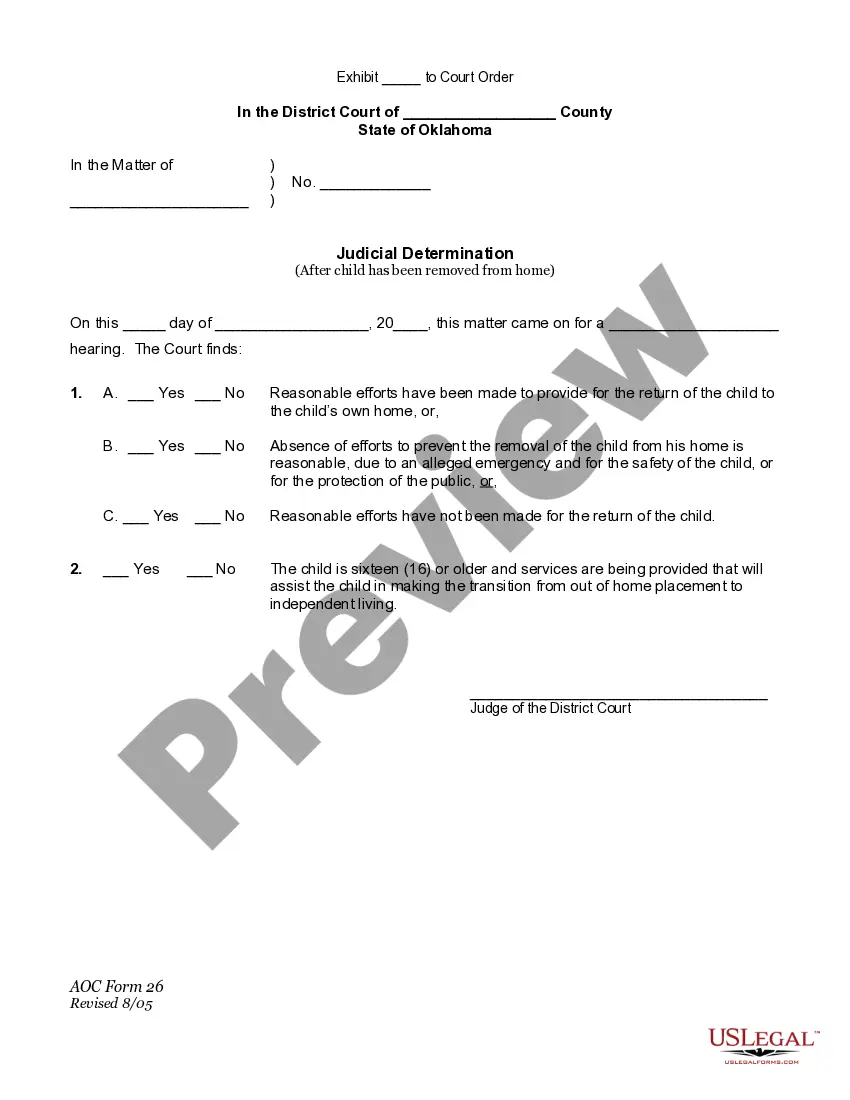
The Warranty Provisions form is a legal template that outlines the disclaimers and limitations regarding warranties under a contract. This form serves to clarify that sellers are not providing certain guarantees about the products being sold, detailing various warranty disclaimers to suit different circumstances. Unlike other purchase agreements, this form specifically focuses on warranty limitations and conditions, ensuring that buyers understand their purchase without depending on implied warranties.
Form components explained
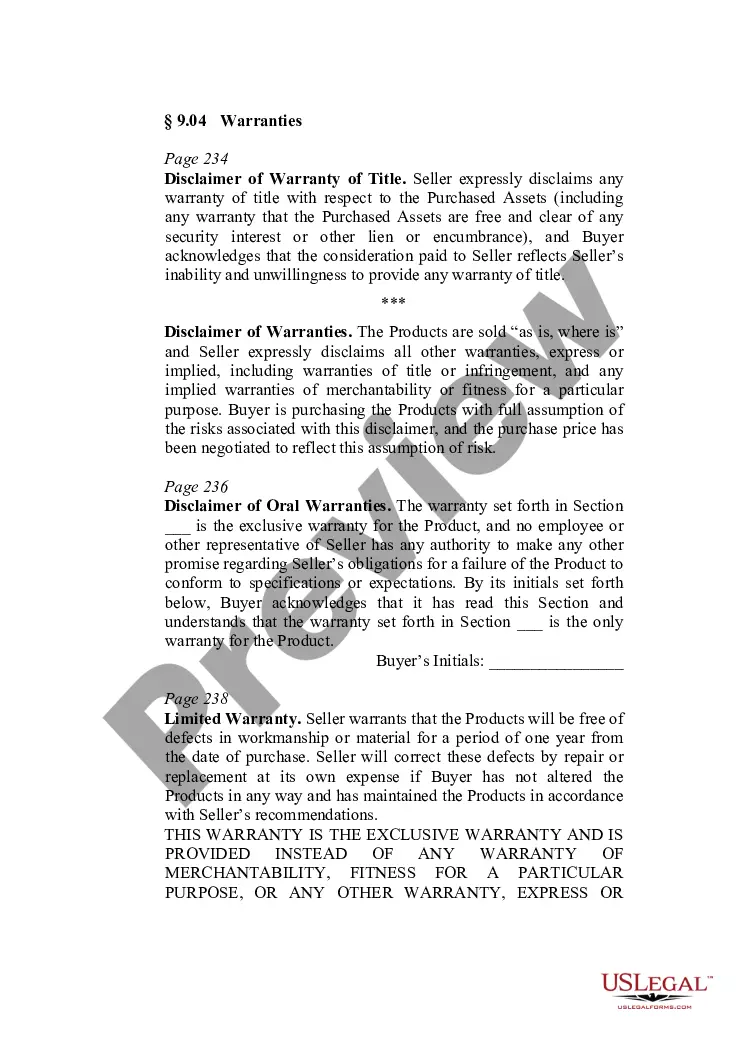
- Disclaimer of warranty of title: States that the seller disclaims any warranties about the title of the products sold.
- Disclaimer of warranties: Specifies that the products are sold "as is" and that the seller does not offer any other warranties, express or implied.
- Disclaimer of oral warranties: Clarifies that only the written warranty is valid and that no verbal assurances should be relied upon.
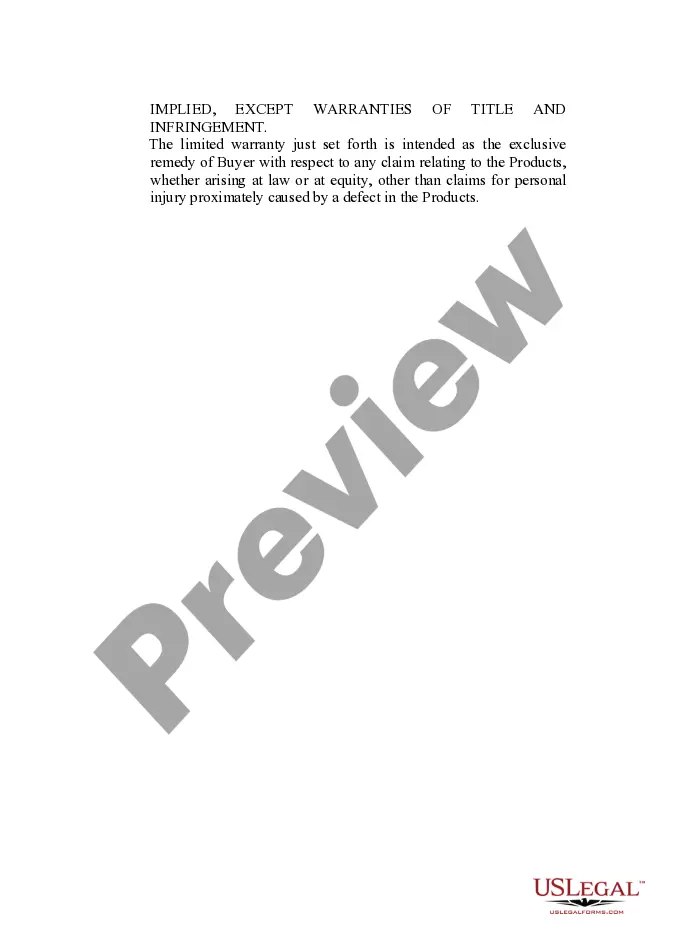
- Limited warranty: Outlines the seller's limited warranty that the products will be free from defects for one year after purchase, with conditions for repair or replacement.
- Buyer's acknowledgment: Requires the buyer to initial to confirm understanding of warranty limitations.
When this form is needed
This form is needed when a buyer wishes to acknowledge and accept the limitations of warranties related to products being purchased. It is particularly useful in transactions where sellers want to limit liability for potential defects and establish clear terms for the sale. Scenarios include the purchase of used goods, machinery, or any product where warranty claims could be a concern.
Intended users of this form
- Sellers wanting to limit their liability regarding warranties on products sold.
- Buyers who want to clearly understand and agree to the terms of the sale concerning warranties.
- Businesses or individuals involved in the sale of goods that may have various warranty considerations.
How to complete this form
- Identify the parties: Enter the names and contact information of the seller and buyer.
- Review warranty clauses: Read each warranty disclaimer section carefully to understand the limitations.
- Initial the acknowledgment: The buyer should initial the designated space to confirm understanding of the terms.
- Sign and date the document: Both parties must sign and date the form to make it legally binding.
- Keep a copy: Ensure both parties retain a copy of the completed form for their records.
Does this document require notarization?
This form does not typically require notarization unless specified by local law. However, it is advisable to check state-specific regulations as some jurisdictions may have requirements.
Get your form ready online
Our built-in tools help you complete, sign, share, and store your documents in one place.
Make edits, fill in missing information, and update formatting in US Legal Forms—just like you would in MS Word.
Download a copy, print it, send it by email, or mail it via USPS—whatever works best for your next step.
Sign and collect signatures with our SignNow integration. Send to multiple recipients, set reminders, and more. Go Premium to unlock E-Sign.
If this form requires notarization, complete it online through a secure video call—no need to meet a notary in person or wait for an appointment.
We protect your documents and personal data by following strict security and privacy standards.

Make edits, fill in missing information, and update formatting in US Legal Forms—just like you would in MS Word.

Download a copy, print it, send it by email, or mail it via USPS—whatever works best for your next step.

Sign and collect signatures with our SignNow integration. Send to multiple recipients, set reminders, and more. Go Premium to unlock E-Sign.

If this form requires notarization, complete it online through a secure video call—no need to meet a notary in person or wait for an appointment.

We protect your documents and personal data by following strict security and privacy standards.
Mistakes to watch out for
- Failing to read and understand the disclaimers before signing.
- Not initialing the acknowledgment section, which can lead to disputes later.
- Leaving out critical details about the parties involved, such as names or contact information.
Advantages of online completion
- Convenient access: Download and fill out the form at your convenience without needing to visit a lawyer.
- Editability: Easily customize the template to suit specific needs.
- Reliability: The form is drafted by licensed attorneys, ensuring compliance with legal standards.
- The disclaimers included in the form provide clarity on the seller's obligations and protect against liability for unanticipated defects.
- Understanding the enforceability of warranty disclaimers can vary by jurisdiction; therefore, awareness of local laws is critical.
- Buyers should carefully consider the terms of the warranty before proceeding with the purchase.
Summary of main points
- The Warranty Provisions form clarifies warranty limitations for sellers and buyers.
- Buyers must acknowledge the terms to avoid misunderstanding regarding product warranties.
- This form is suitable for transactions involving goods that might have unclear warranty conditions.
Looking for another form?
Form popularity
FAQ
Warranties that guarantee product performance for a twelve-month period are classified as current liabilities. Conversely, warranties that guarantee product performance for an extended period are classified as non-current liabilities. This type of provision is unlikely to be part of an undertaking's working capital.
Accounting for warranties is quite similar to accounting for bad and doubtful debts. It is based on matching concept, which requires a company to estimate the expected warranty payable (also called warranty liability or provision for warranty expense) and record it at the time of sale.
Provision for Warranty is allowable as Deduction when the assessee has not made provision on a Scientific basis: Karnataka HC Read Judgment The Karnataka High Court held that the provision for warranty is allowable as deduction when the assessee has not made provision on a scientific basis.
Multiply your warranty claim percentage by the amount of your sales in the current year to calculate your warranty reserve liability for the current year. For example, if you generated $100,000 in sales for the current year, multiply $100,000 by 0.02.
It arises when a company sells products which customers are entitled to return for repair or outright replacement.It is based on matching concept, which requires a company to estimate the expected warranty payable (also called warranty liability or provision for warranty expense) and record it at the time of sale.
A business may have a warranty policy, under which it promises customers to repair or replace certain types of damage to its products within a certain number of days following the sale date.The accrual should take place in the same reporting period in which the related product sales are recorded.
Accrue the warranty expense with a debit to the warranty expense account and a credit to the warranty liability account. As actual warranty claims are received, debit the warranty liability account and credit the inventory account for the cost of the replacement parts and products sent to customers.