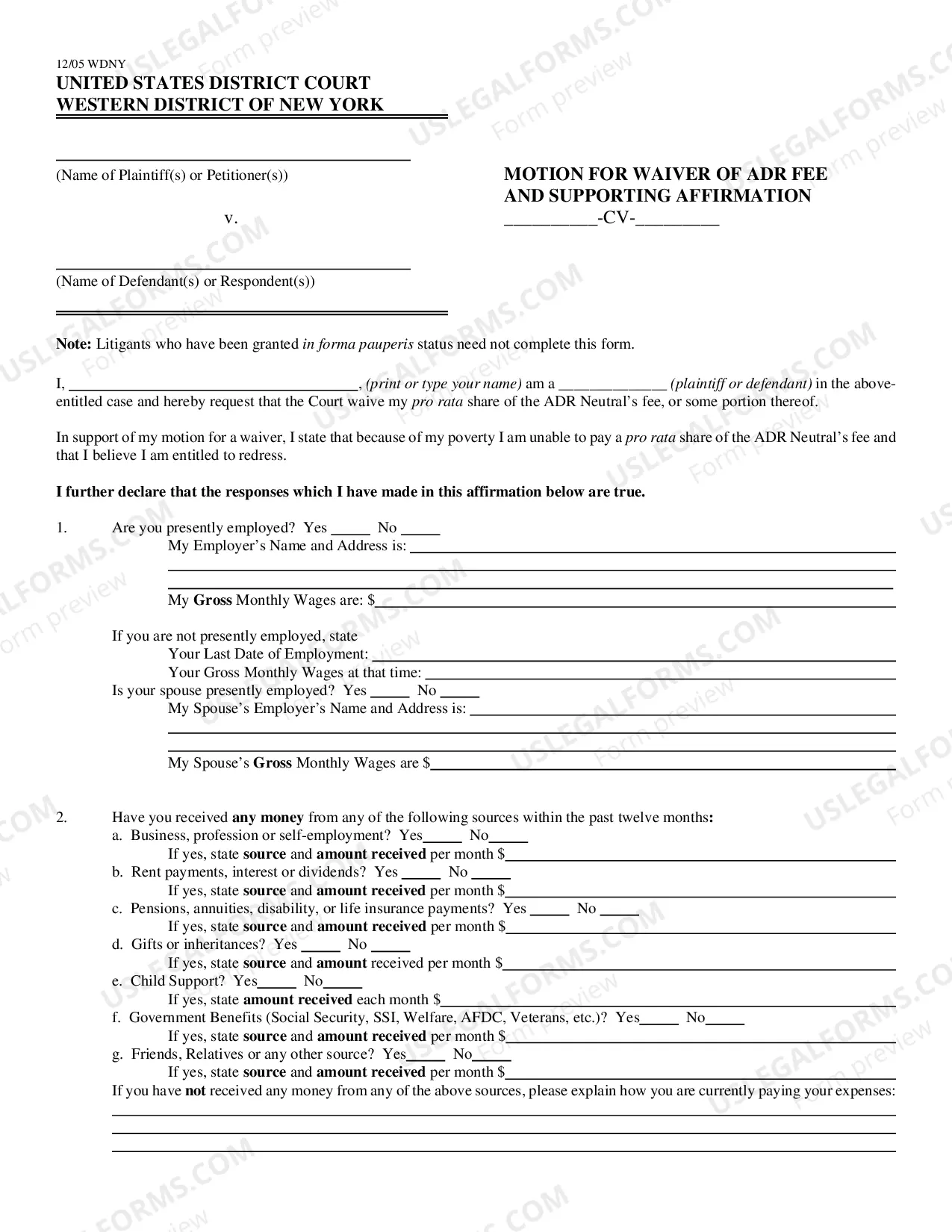
9.3 Alien-Harboring
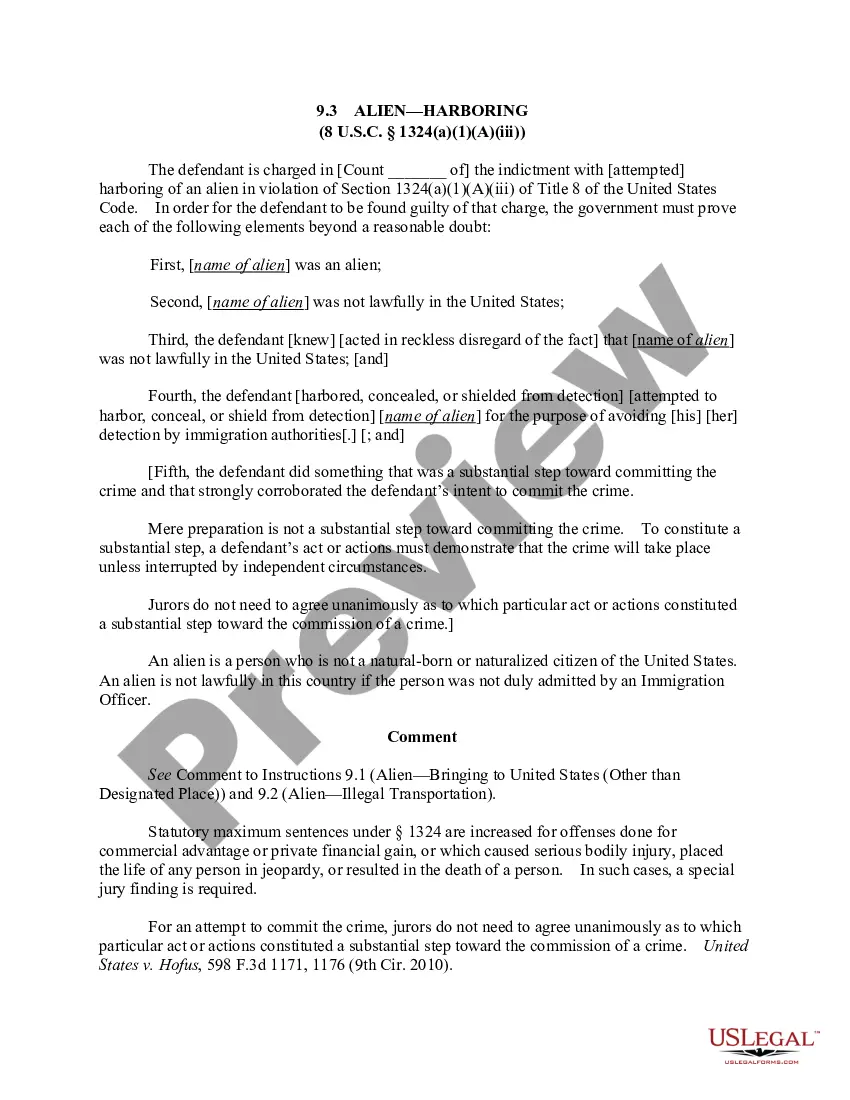

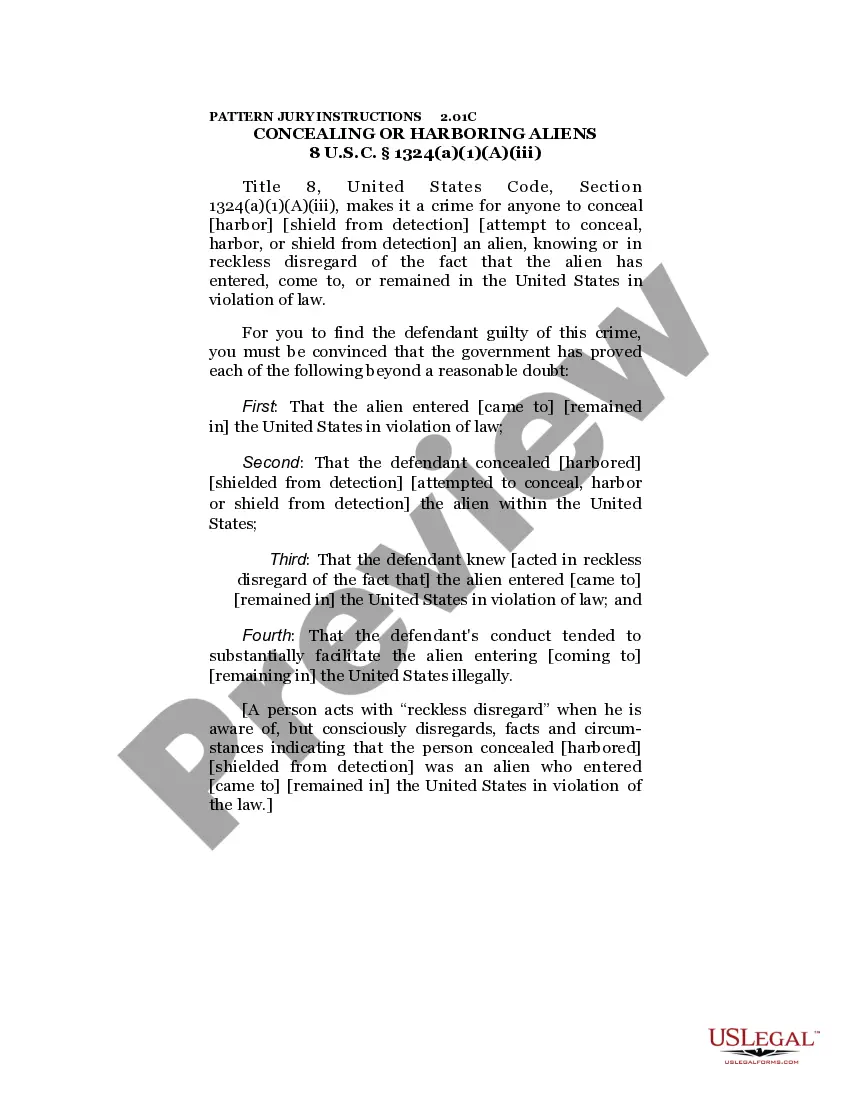
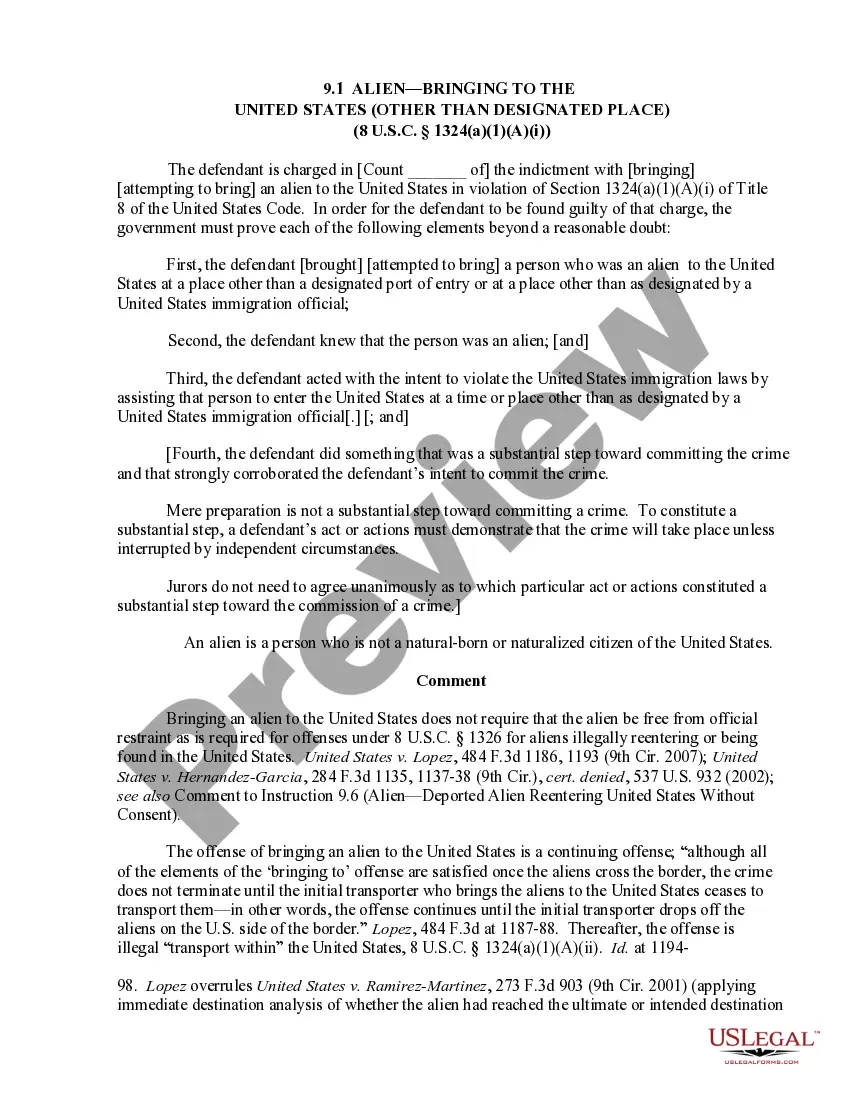
Notarization requirements for this form
Notarization is generally not required for this form. However, certain states or situations might demand it. You can complete notarization online through US Legal Forms, powered by Notarize, using a verified video call available anytime.
Get your form ready online
Our built-in tools help you complete, sign, share, and store your documents in one place.
Make edits, fill in missing information, and update formatting in US Legal Forms—just like you would in MS Word.
Download a copy, print it, send it by email, or mail it via USPS—whatever works best for your next step.
Sign and collect signatures with our SignNow integration. Send to multiple recipients, set reminders, and more. Go Premium to unlock E-Sign.
If this form requires notarization, complete it online through a secure video call—no need to meet a notary in person or wait for an appointment.
We protect your documents and personal data by following strict security and privacy standards.

Make edits, fill in missing information, and update formatting in US Legal Forms—just like you would in MS Word.

Download a copy, print it, send it by email, or mail it via USPS—whatever works best for your next step.

Sign and collect signatures with our SignNow integration. Send to multiple recipients, set reminders, and more. Go Premium to unlock E-Sign.

If this form requires notarization, complete it online through a secure video call—no need to meet a notary in person or wait for an appointment.

We protect your documents and personal data by following strict security and privacy standards.
Looking for another form?

Form popularity
FAQ
Ing to INA section 212(a)(6)(E), alien smuggling is when a person knowingly ?encouraged, induced, assisted, abetted or aided? another person ?to enter or try to enter the United States? in violation of law.
Alien, in national and international law, a foreign-born resident who is not a citizen by virtue of parentage or naturalization and who is still a citizen or subject of another country.
An alien is any individual who is not a U.S. citizen or U.S. national. A nonresident alien is an alien who has not passed the green card test or the substantial presence test.
Any alien, including an alien crewman, not duly admitted by an immigration officer or not lawfully entitled to enter or reside within the United States under the terms of this chapter or any other law relating to the immigration or expulsion of aliens, shall be guilty of a felony, and upon conviction thereof shall be
A series of classifications exist to describe aliens and their relationships to the United States. In the past the government used the terms "resident alien" and "non-resident alien," but the government has replaced these terms with "immigrant" and "non-immigrant." Some aliens also receive "refugee" or "asylee" status.
Harboring -- Subsection 1324(a)(1)(A)(iii) makes it an offense for any person who -- knowing or in reckless disregard of the fact that an alien has come to, entered, or remains in the United States in violation of law, conceals harbors, or shields from detection, or attempts to conceal, harbor, or shield from detection
Section 1072 makes it an offense to willfully harbor or conceal a prisoner after his escape from the custody of the Attorney General or from a Federal penal or correctional institution. An offender is subject to a maximum term of imprisonment of three years, and a fine under Title 18.