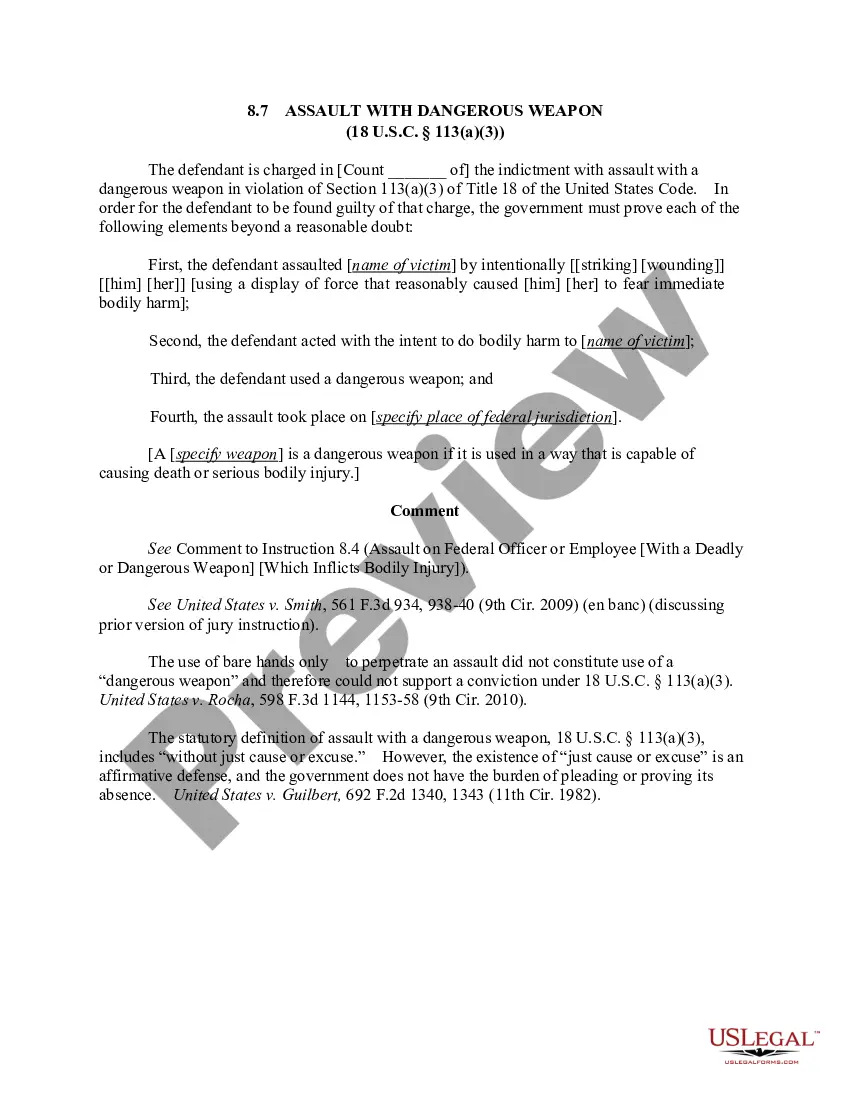
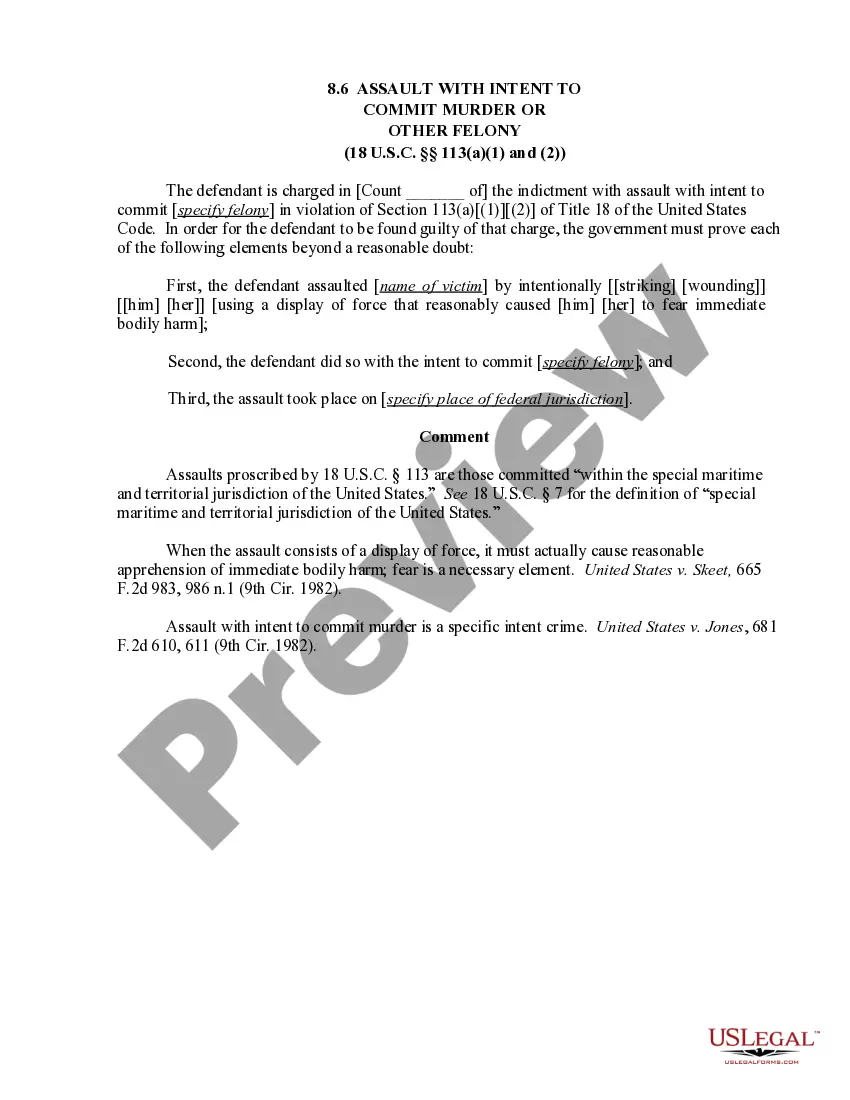
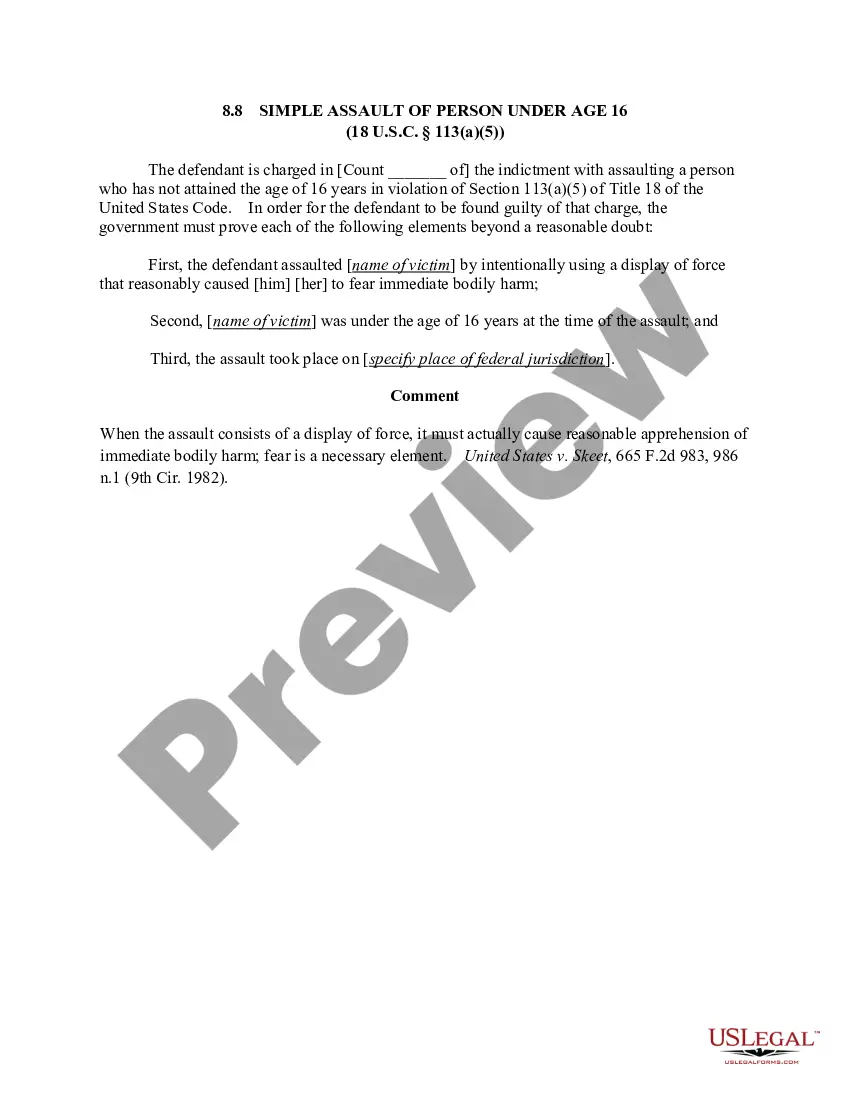
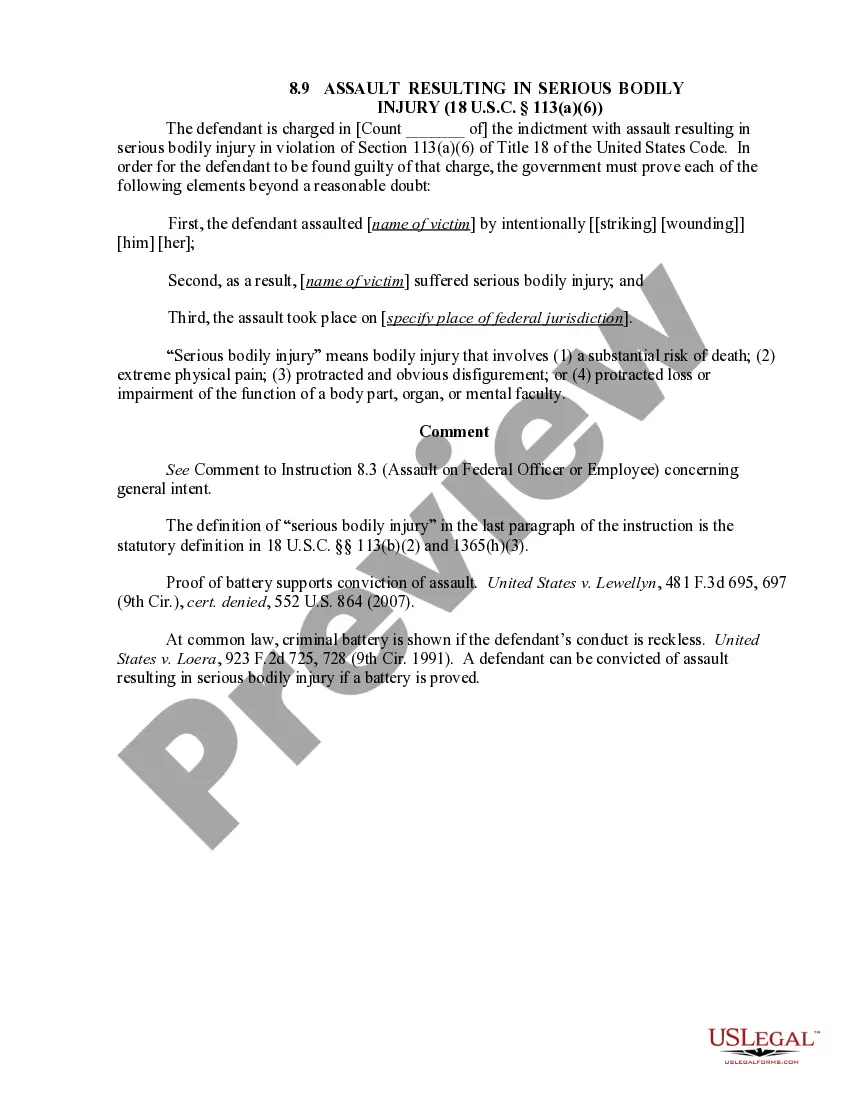
8.7 Assault With Dangerous Weapon (18 U.S.C. Sec. 113(a)(3))
Is notarization required?
Notarization is generally not required for this form. However, certain states or situations might demand it. You can complete notarization online through US Legal Forms, powered by Notarize, using a verified video call available anytime.
Get your form ready online
Our built-in tools help you complete, sign, share, and store your documents in one place.
Make edits, fill in missing information, and update formatting in US Legal Forms—just like you would in MS Word.
Download a copy, print it, send it by email, or mail it via USPS—whatever works best for your next step.
Sign and collect signatures with our SignNow integration. Send to multiple recipients, set reminders, and more. Go Premium to unlock E-Sign.
If this form requires notarization, complete it online through a secure video call—no need to meet a notary in person or wait for an appointment.
We protect your documents and personal data by following strict security and privacy standards.

Make edits, fill in missing information, and update formatting in US Legal Forms—just like you would in MS Word.

Download a copy, print it, send it by email, or mail it via USPS—whatever works best for your next step.

Sign and collect signatures with our SignNow integration. Send to multiple recipients, set reminders, and more. Go Premium to unlock E-Sign.

If this form requires notarization, complete it online through a secure video call—no need to meet a notary in person or wait for an appointment.

We protect your documents and personal data by following strict security and privacy standards.
Looking for another form?
Form popularity
FAQ
Class A misdemeanor: Up to 1 year in jail, fine of up to $4,000. Third-degree felony: Up to 10 years in prison, fine of up to $10,000. Second-degree felony: Between 2 to 20 years in prison, fine of up to $10,000. First-degree felony: Between 5 years to life in prison, plus a fine.
Aggravated assault and aggravated battery carry serious penalties in Georgia, including mandatory minimum sentences ranging from three to 25 years in prison.
Misdemeanor assaults are the least serious among assault and battery crimes and usually don't involve serious injury. This crime might be referred to as simple assault in your state.
Simple assault is usually the least severe assault crime, and it is generally charged as misdemeanor assault.
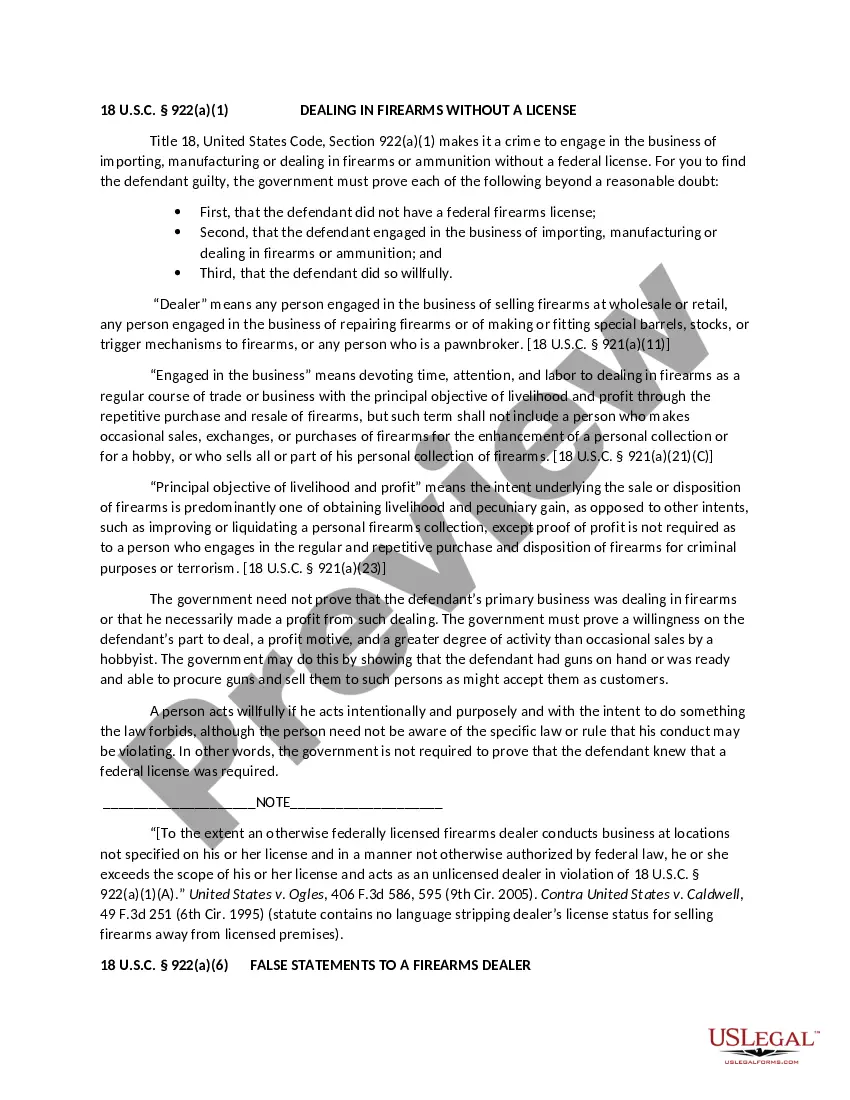
Assault with a dangerous weapon, with intent to do bodily harm, by a fine under this title or imprisonment for not more than ten years, or both. (4) Assault by striking, beating, or wounding, by a fine under this title or imprisonment for not more than 1 year, or both.
Simple assault is a misdemeanor that carries a jail sentence of up to 90 days. Simple assault becomes a gross misdemeanor if the accused has a prior conviction within the last 10 years for a domestic assault on the same victim. Committing a second domestic assault within three years is also a gross misdemeanor.
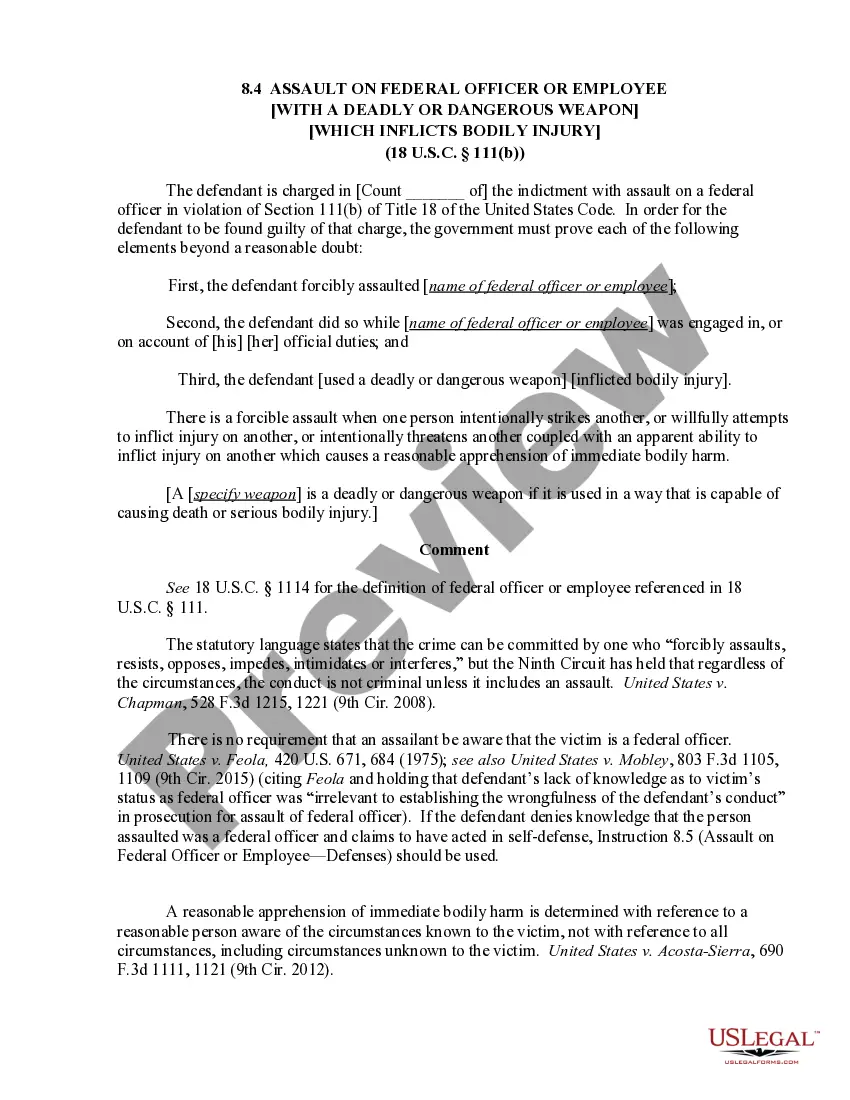
"Whoever forcibly assaults, resists, opposes, impedes, intimidates, or interferes with any person designated in section 1114 of this title while engaged in or on account of the performance of his official duties, shall be fined not more than $5,000 or imprisoned not more than three years, or both.
Self-defense is one of the most common forms of defense any assault attorney will use to reduce charges or have them thrown out altogether. Self-defense in assault cases means that you can prove that the person your client attacked was a threat or form of harm against them.