Merger Agreement
What is this form?
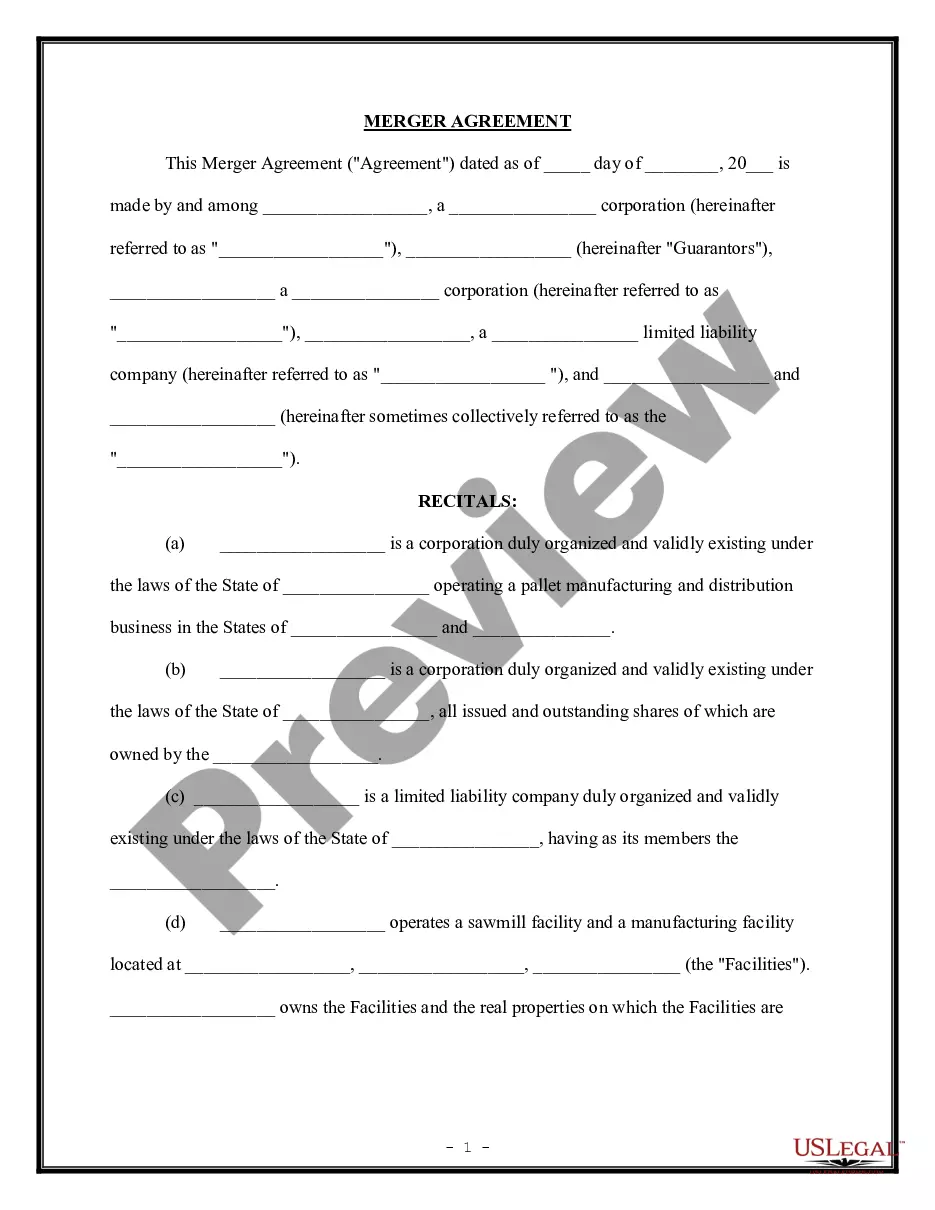
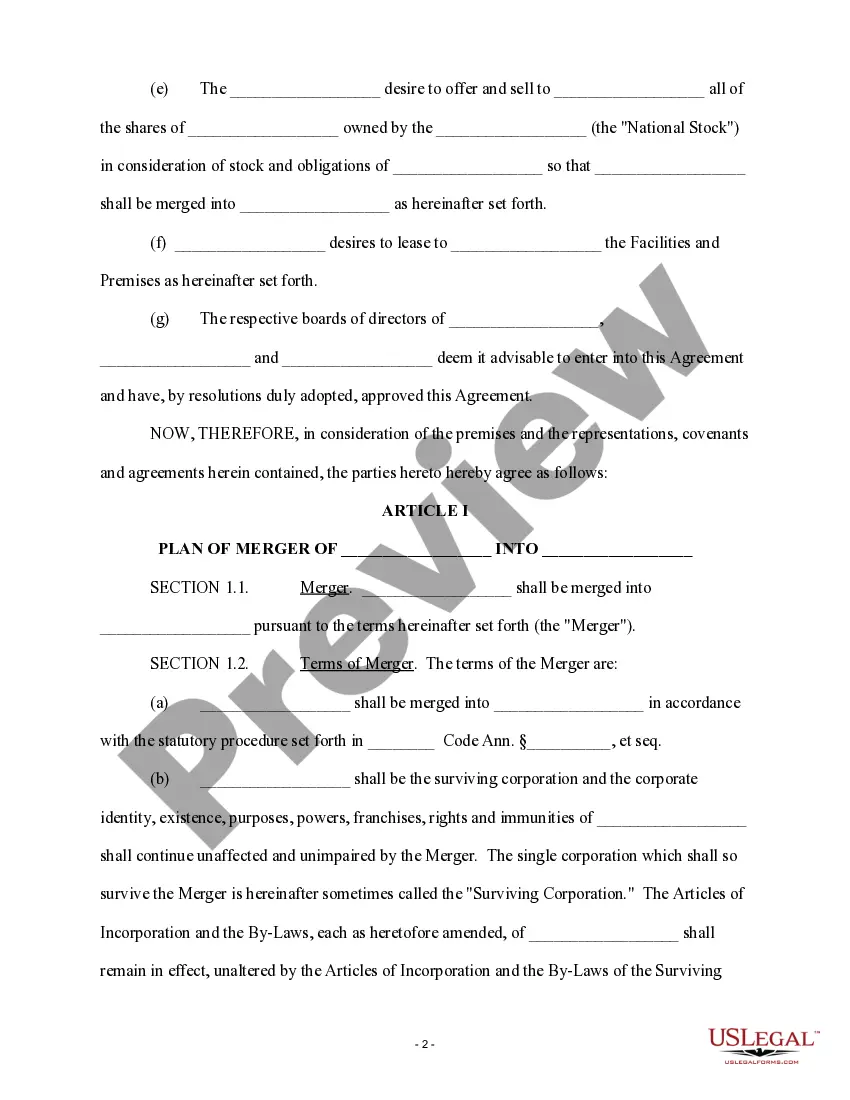
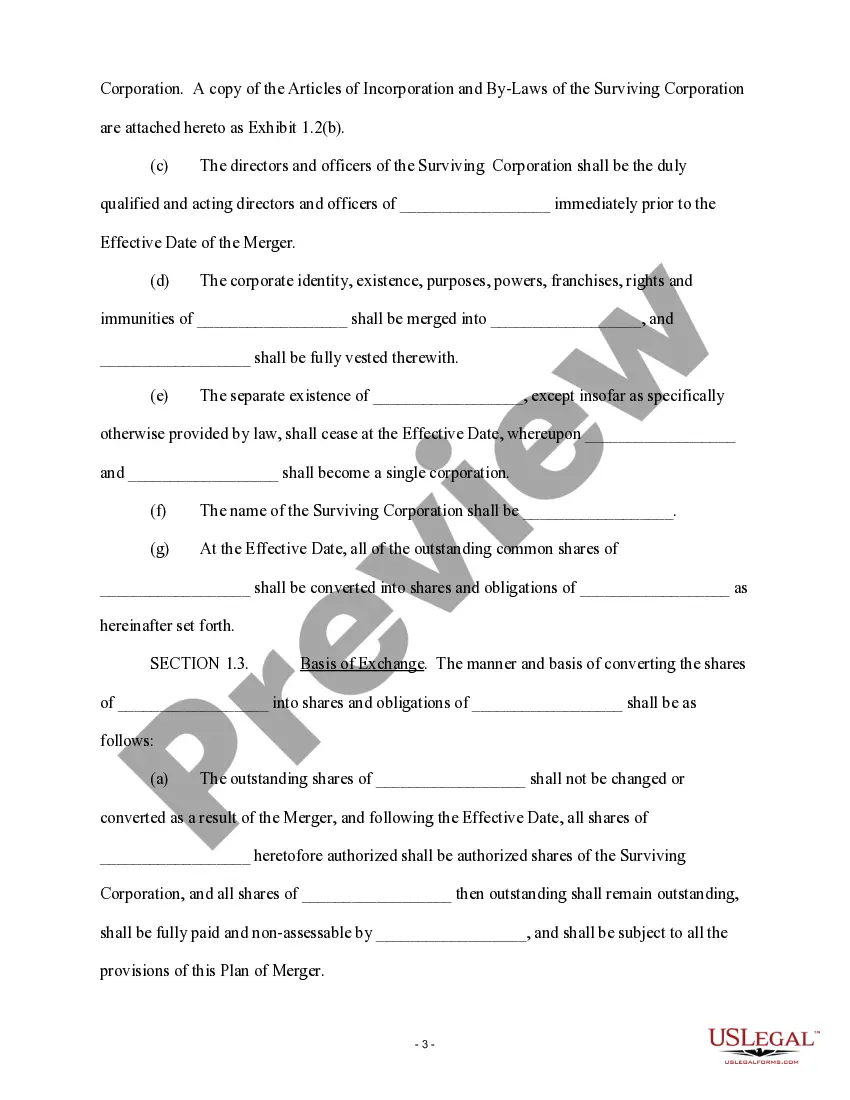
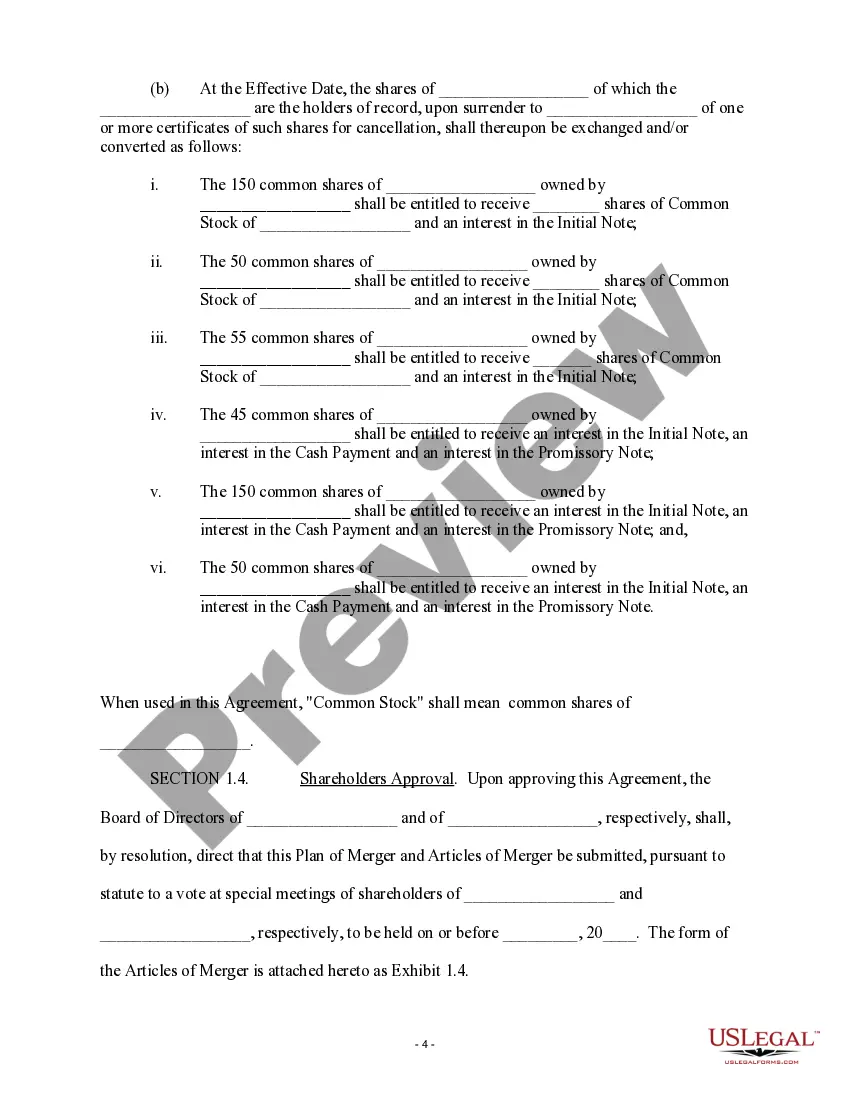
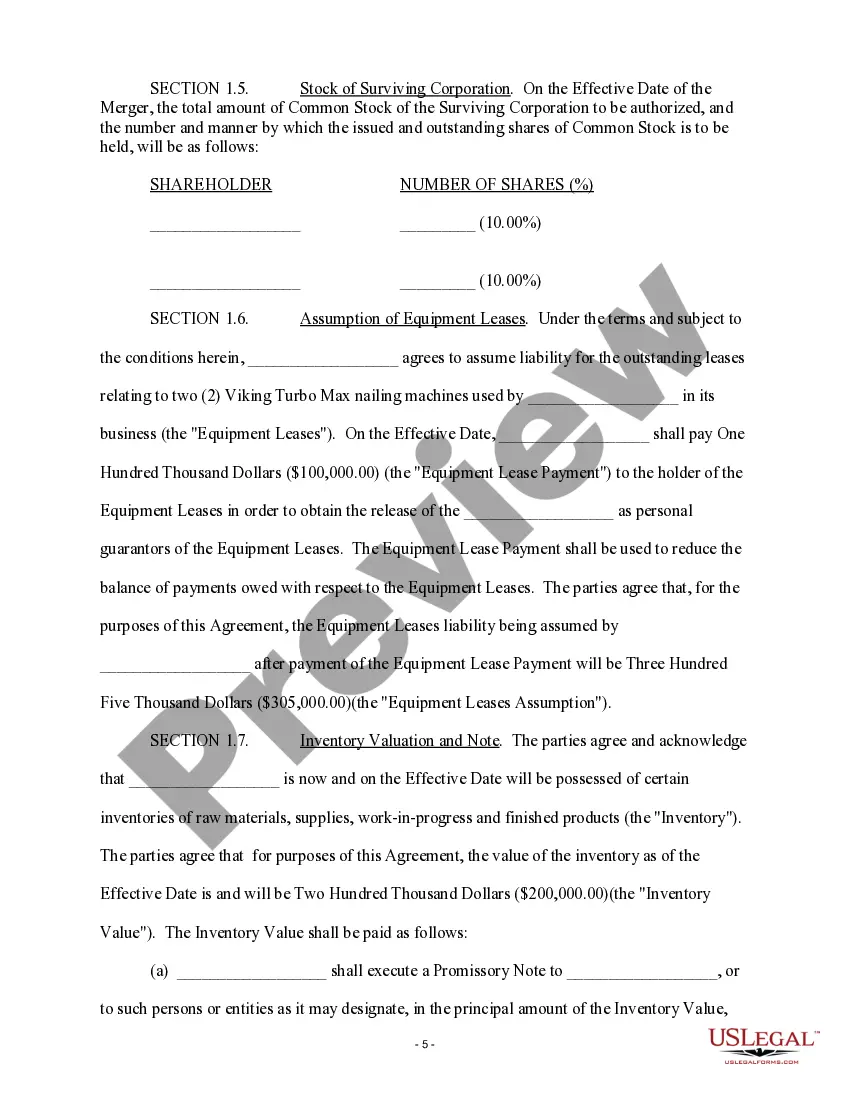
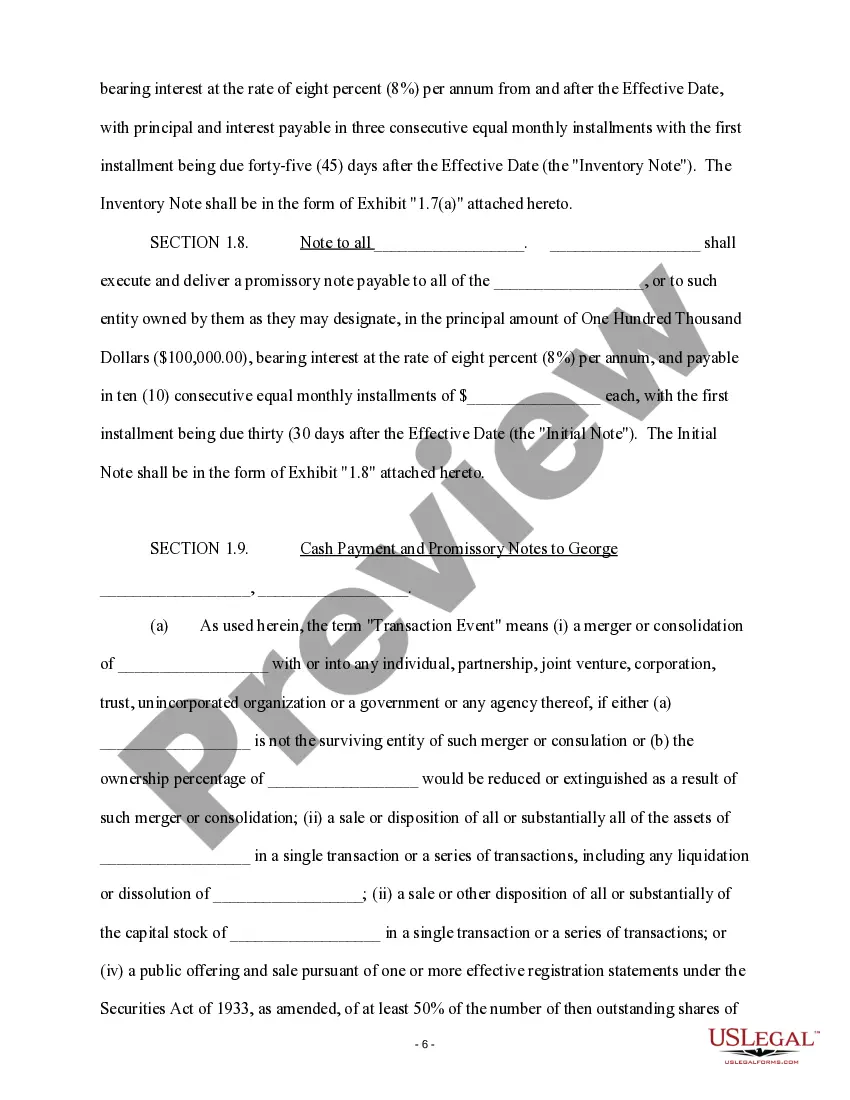
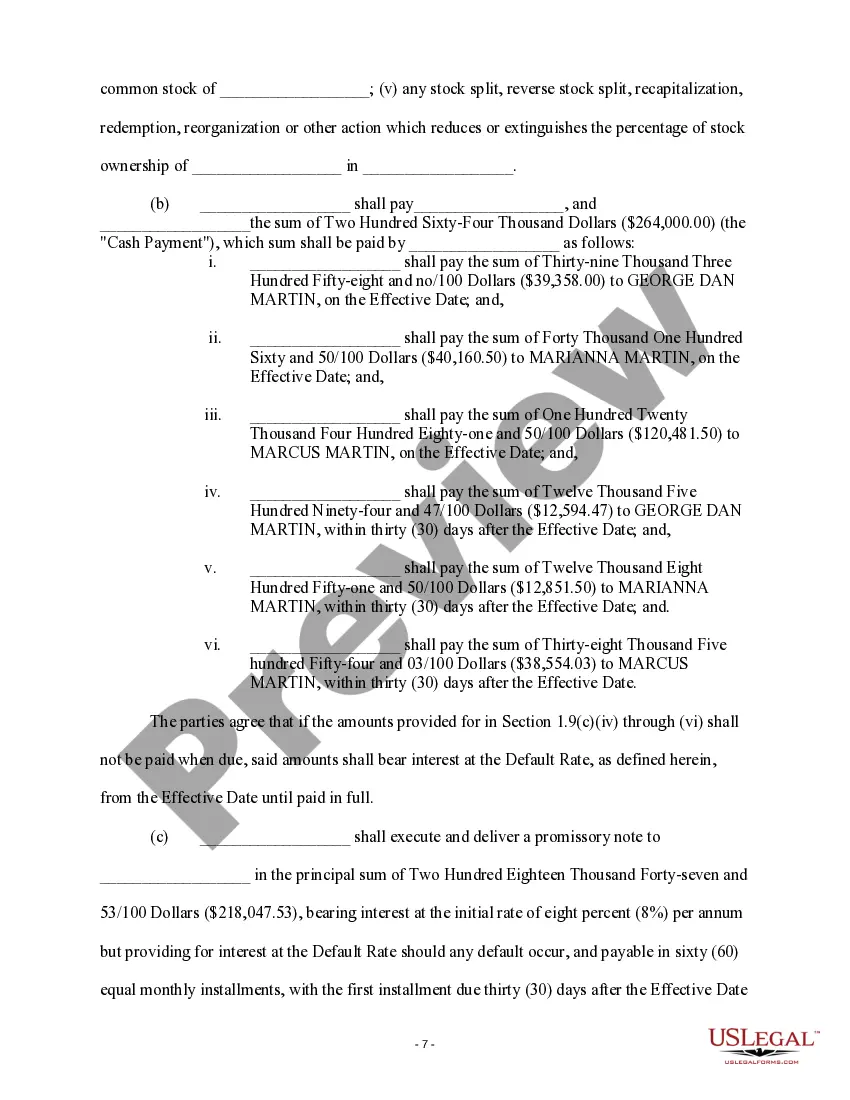
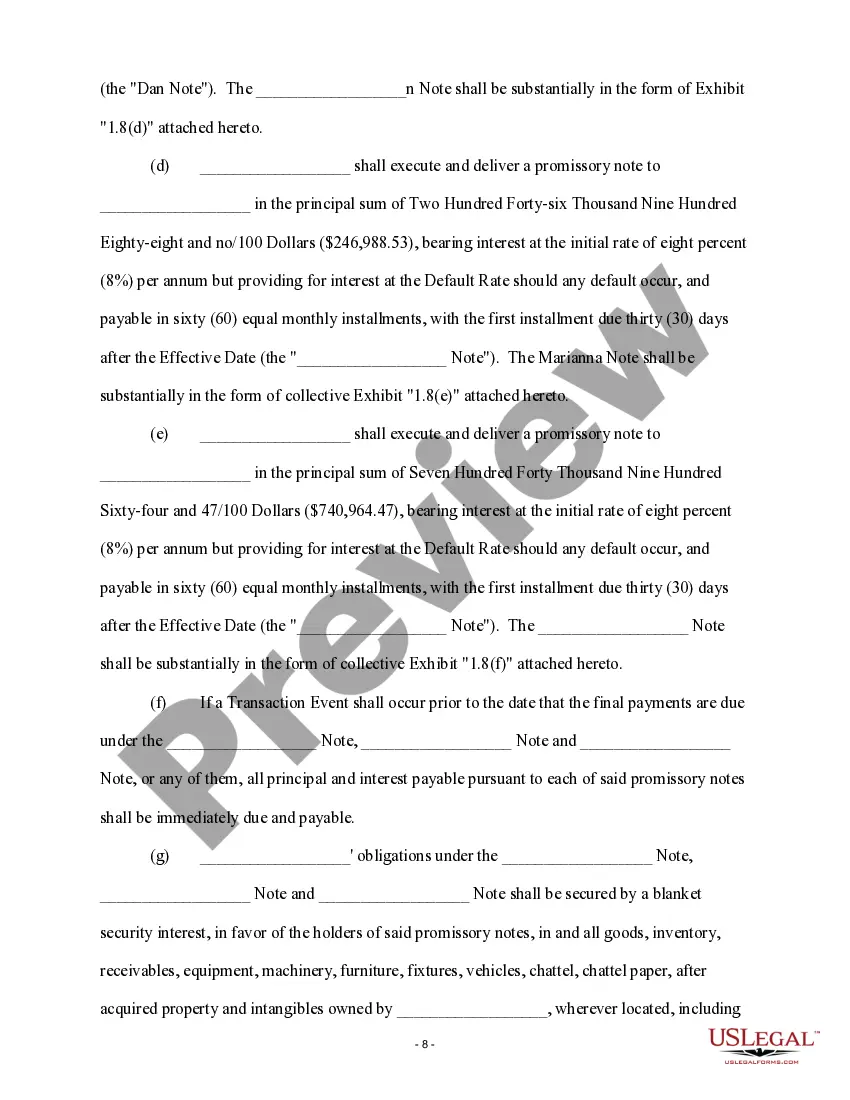
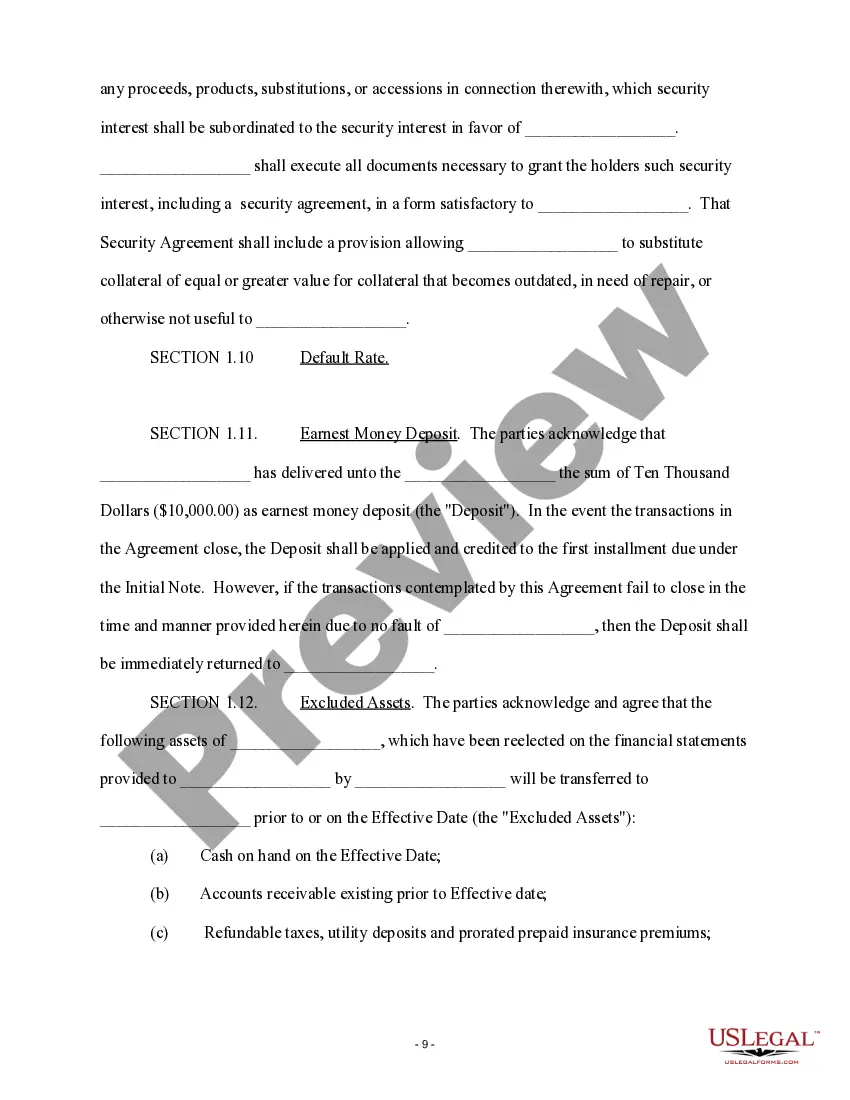
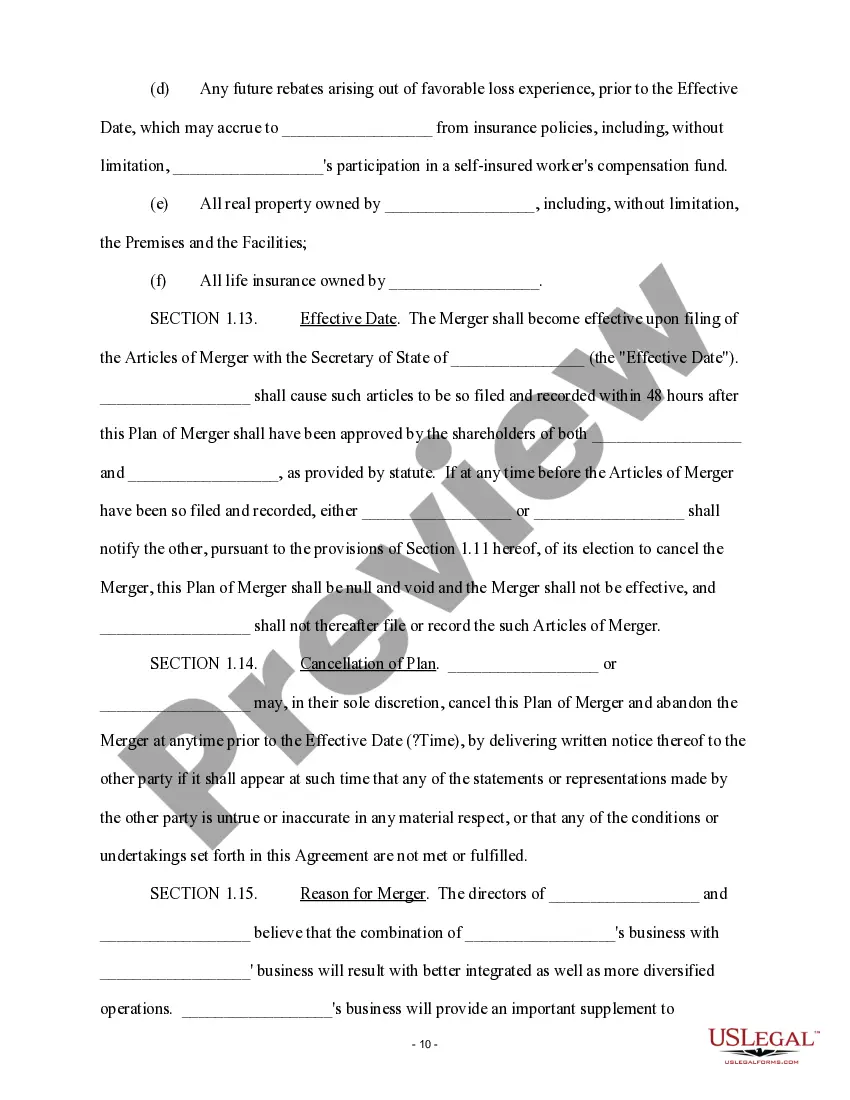
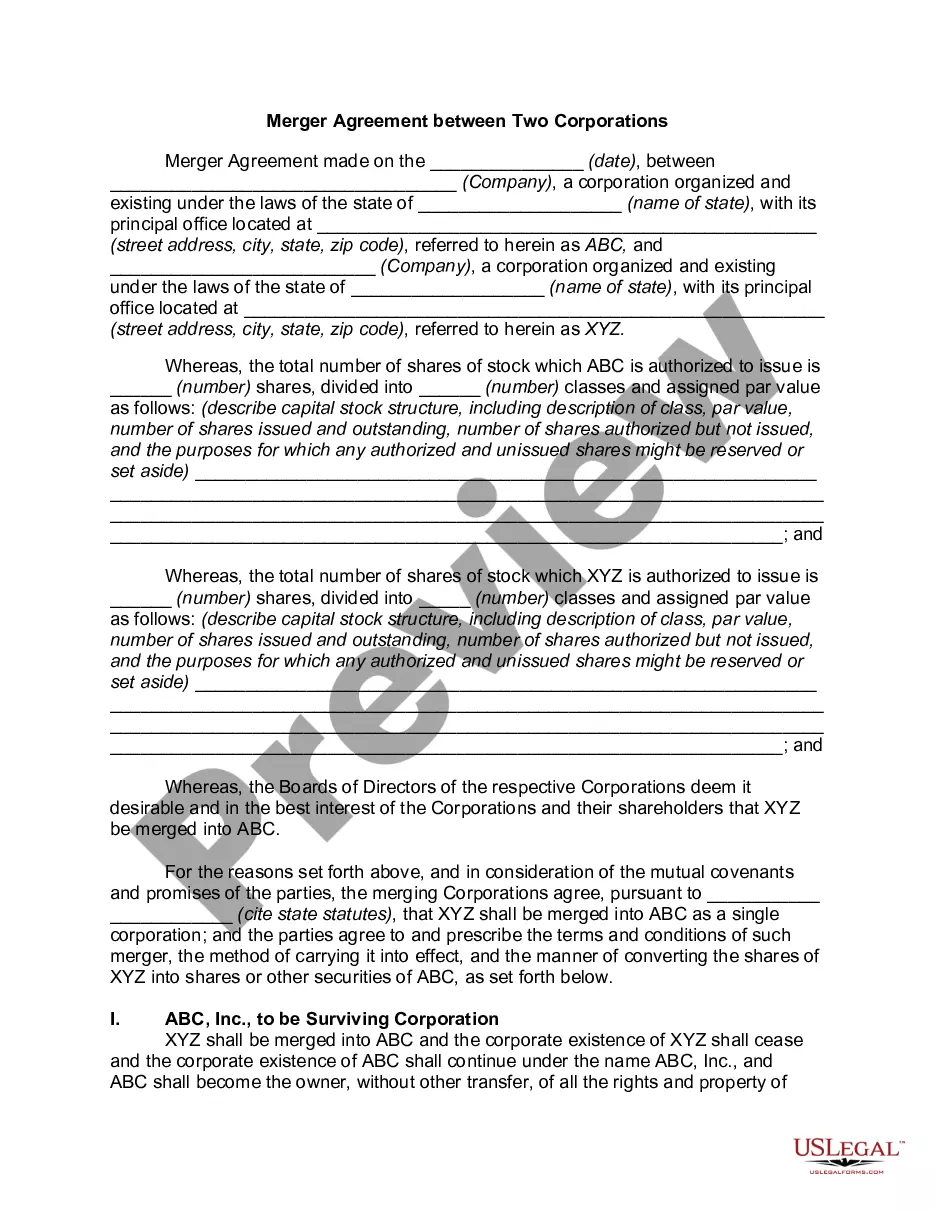
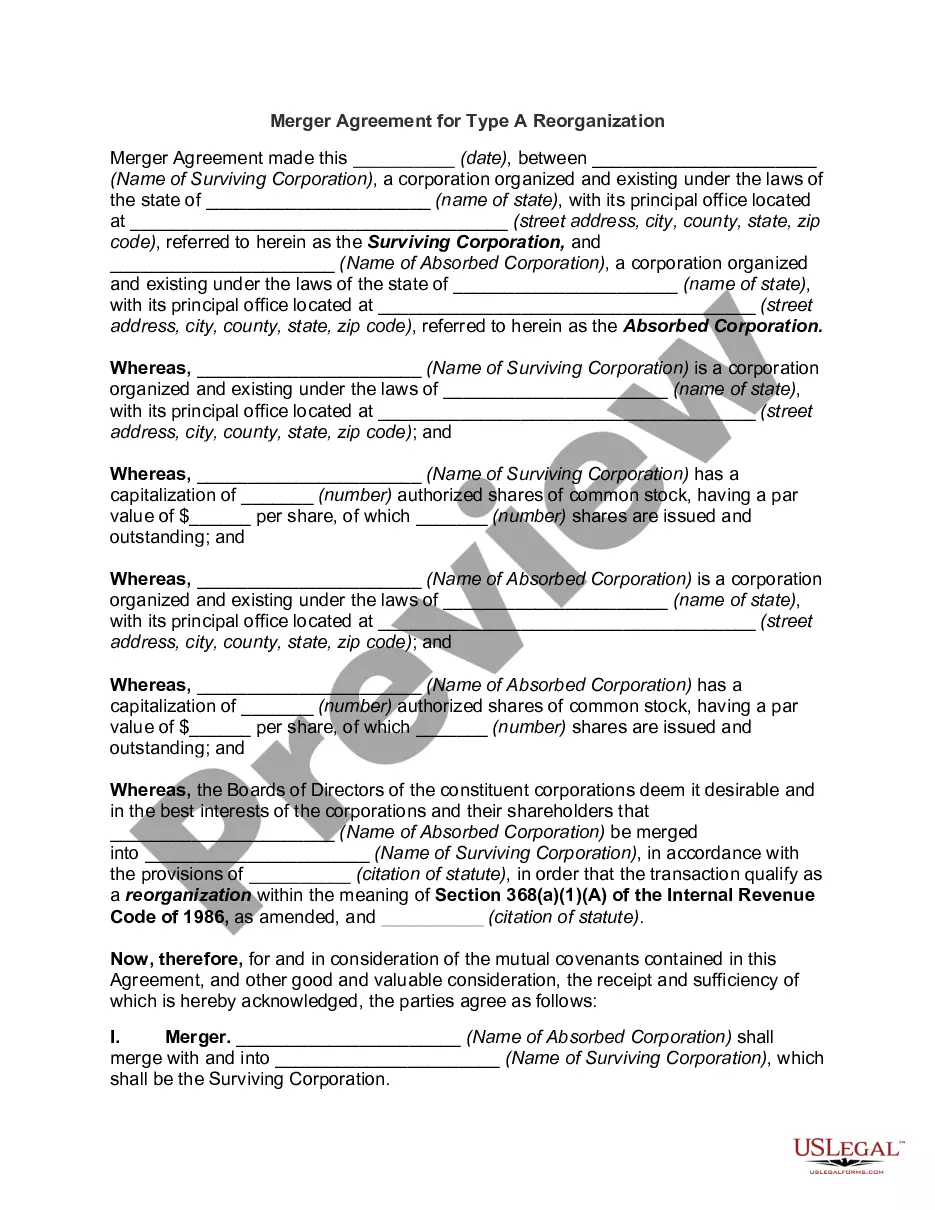
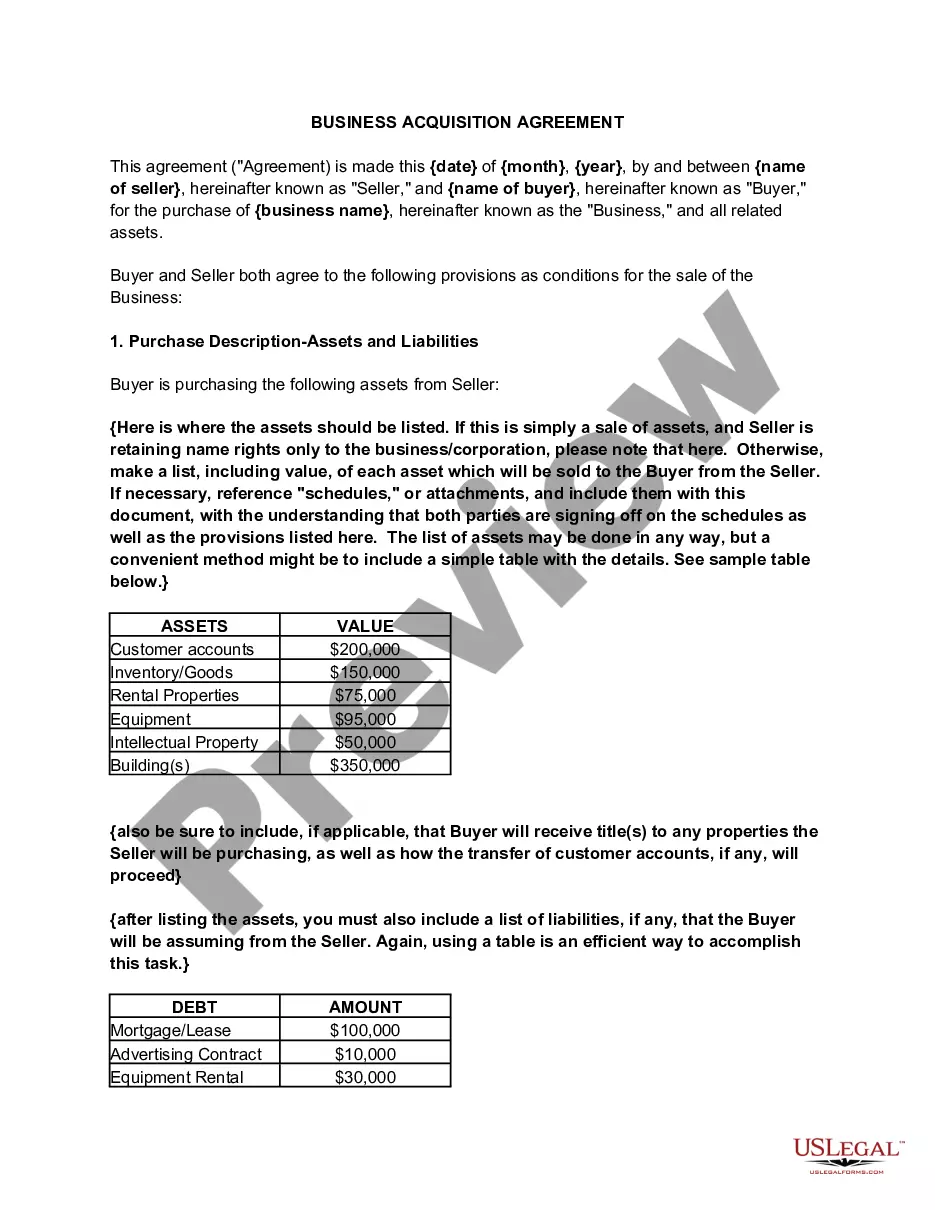
The Merger Agreement is a legally binding document that outlines the terms and conditions under which two or more businesses will merge into a single entity. This form is essential in ensuring that all parties are in agreement about the merger specifics, which includes how shares are exchanged, the company structure post-merger, and any obligations or liabilities that will transfer from one business to another. Unlike simpler contracts, a Merger Agreement includes detailed provisions to manage potential disputes and includes stipulations regarding attorney fees in the event of a legal dispute.
Form components explained
- Parties involved: Identification of all companies participating in the merger.
- Recitals: Background information on the existing companies and their intentions for merging.
- Terms of merger: Specific clauses outlining how the merger will occur and the resulting structure.
- Shareholders approval: Documentation of required approvals from shareholders of the merging companies.
- Indemnification clause: Provisions that protect the parties from certain liabilities post-merger.
- Notarization requirement: Specification that the form must be signed in the presence of a notary public.

When to use this form
This form should be used when two or more corporations or entities intend to combine into a single entity. Typical scenarios for utilizing a Merger Agreement include business expansions through acquisitions, consolidating operations to reduce costs, or pooling resources to enhance market competitiveness. It is also suitable when changing corporate structure to better align with strategic business objectives.
Who this form is for
- Business owners and executives looking to merge with another company.
- Corporations planning to combine operations to enhance efficiency.
- Legal professionals representing businesses in merger transactions.
- Investors seeking to understand the legal implications of a merger.
Instructions for completing this form
- Identify all parties involved, including the names and types of each entity.
- Provide the date of the agreement and the effective date of the merger.
- Fill in the specific terms of the merger, including how shares will be converted or exchanged.
- Obtain necessary approvals from the boards and shareholders of each entity.
- Sign the agreement in the presence of a notary public to ensure its validity.
Notarization requirements for this form
To make this form legally binding, it must be notarized. Our online notarization service, powered by Notarize, lets you verify and sign documents remotely through an encrypted video session.
Get your form ready online
Our built-in tools help you complete, sign, share, and store your documents in one place.
Make edits, fill in missing information, and update formatting in US Legal Forms—just like you would in MS Word.
Download a copy, print it, send it by email, or mail it via USPS—whatever works best for your next step.
Sign and collect signatures with our SignNow integration. Send to multiple recipients, set reminders, and more. Go Premium to unlock E-Sign.
If this form requires notarization, complete it online through a secure video call—no need to meet a notary in person or wait for an appointment.
We protect your documents and personal data by following strict security and privacy standards.

Make edits, fill in missing information, and update formatting in US Legal Forms—just like you would in MS Word.

Download a copy, print it, send it by email, or mail it via USPS—whatever works best for your next step.

Sign and collect signatures with our SignNow integration. Send to multiple recipients, set reminders, and more. Go Premium to unlock E-Sign.

If this form requires notarization, complete it online through a secure video call—no need to meet a notary in person or wait for an appointment.

We protect your documents and personal data by following strict security and privacy standards.
Common mistakes
- Failing to obtain required shareholder approvals before proceeding with the merger.
- Not clearly defining the roles and responsibilities of each party post-merger.
- Overlooking state-specific regulatory requirements related to the merger process.
- Neglecting to address potential liabilities that may arise after the merger.
- Failing to include a mutual release clause in case of disputes.
Advantages of online completion
- Convenience of completing the form from any location without the need for physical paperwork.
- Editability to allow for customization based on unique business needs.
- Legal reliability by using templates drafted by licensed attorneys.
- Immediate access to downloadable agreements that can be quickly filled out and executed.
Looking for another form?
Form popularity
FAQ
A merger is an agreement that unites two existing companies into one new company. There are several types of mergers and also several reasons why companies complete mergers. Mergers and acquisitions are commonly done to expand a company's reach, expand into new segments, or gain market share.
Types of Mergers. The three main types of mergers are horizontal, vertical, and conglomerate. In a horizontal merger, companies at the same stage in the same industry merge to reduce costs, expand product offerings, or reduce competition.
Conglomerate. A merger between firms that are involved in totally unrelated business activities. Horizontal Merger. A merger occurring between companies in the same industry. Market Extension Mergers. Product Extension Mergers. Vertical Merger.
If the company changes owners in whole or in part, it is still the same company and this will not terminate any contracts. If, instead, the company sells its business (which is an asset of the company that it can sell like a car or a building), then the contracts are transferred as part of that sale.
A merger is an agreement that unites two existing companies into one new company.Mergers and acquisitions are commonly done to expand a company's reach, expand into new segments, or gain market share.
Mergers combine two companies into one surviving company. Consolidations combine several companies into a new, larger organization. For instance, if Company ABC and Company XYC were to consolidate, they might create Company MNO.
Mergers combine two separate businesses into a single new legal entity.Unlike mergers, acquisitions do not result in the formation of a new company. Instead, the purchased company gets fully absorbed by the acquiring company. Sometimes this means the acquired company gets liquidated.
A merger is an agreement that unites two existing companies into one new company. There are several types of mergers and also several reasons why companies complete mergers. Mergers and acquisitions are commonly done to expand a company's reach, expand into new segments, or gain market share.