Letter regarding Wage Statement
What this document covers
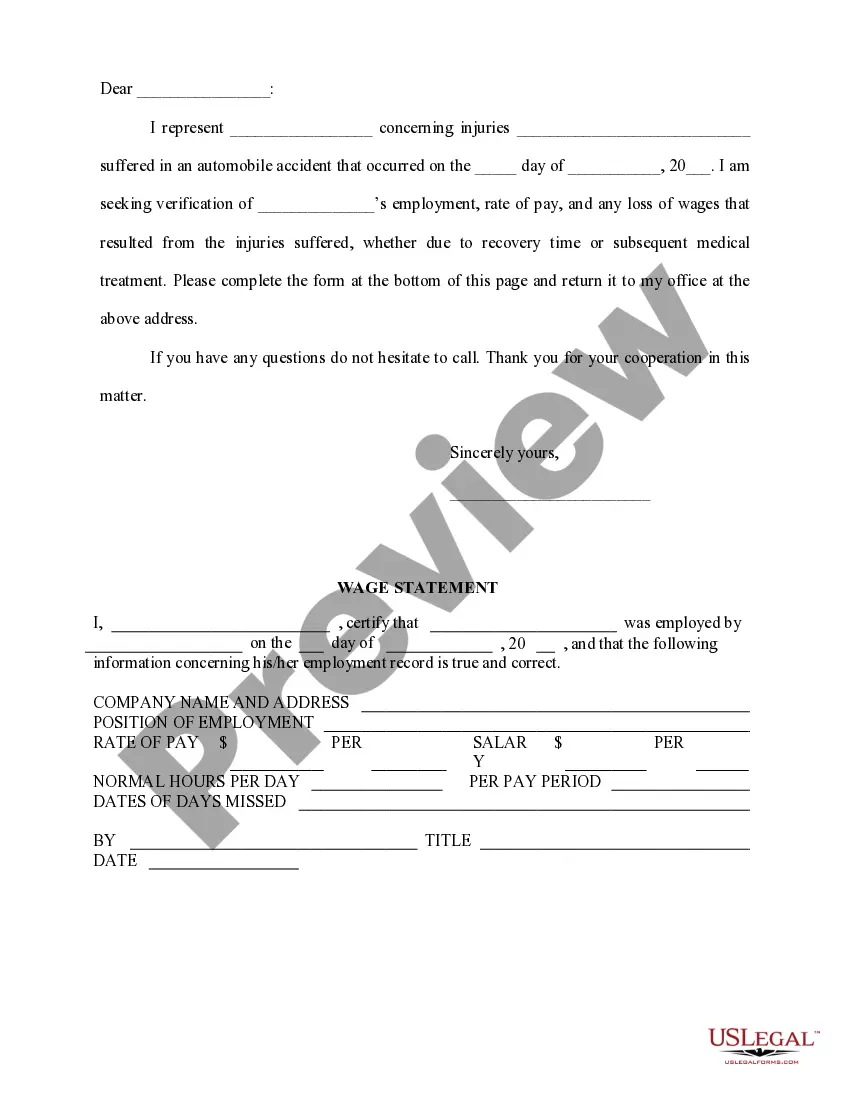
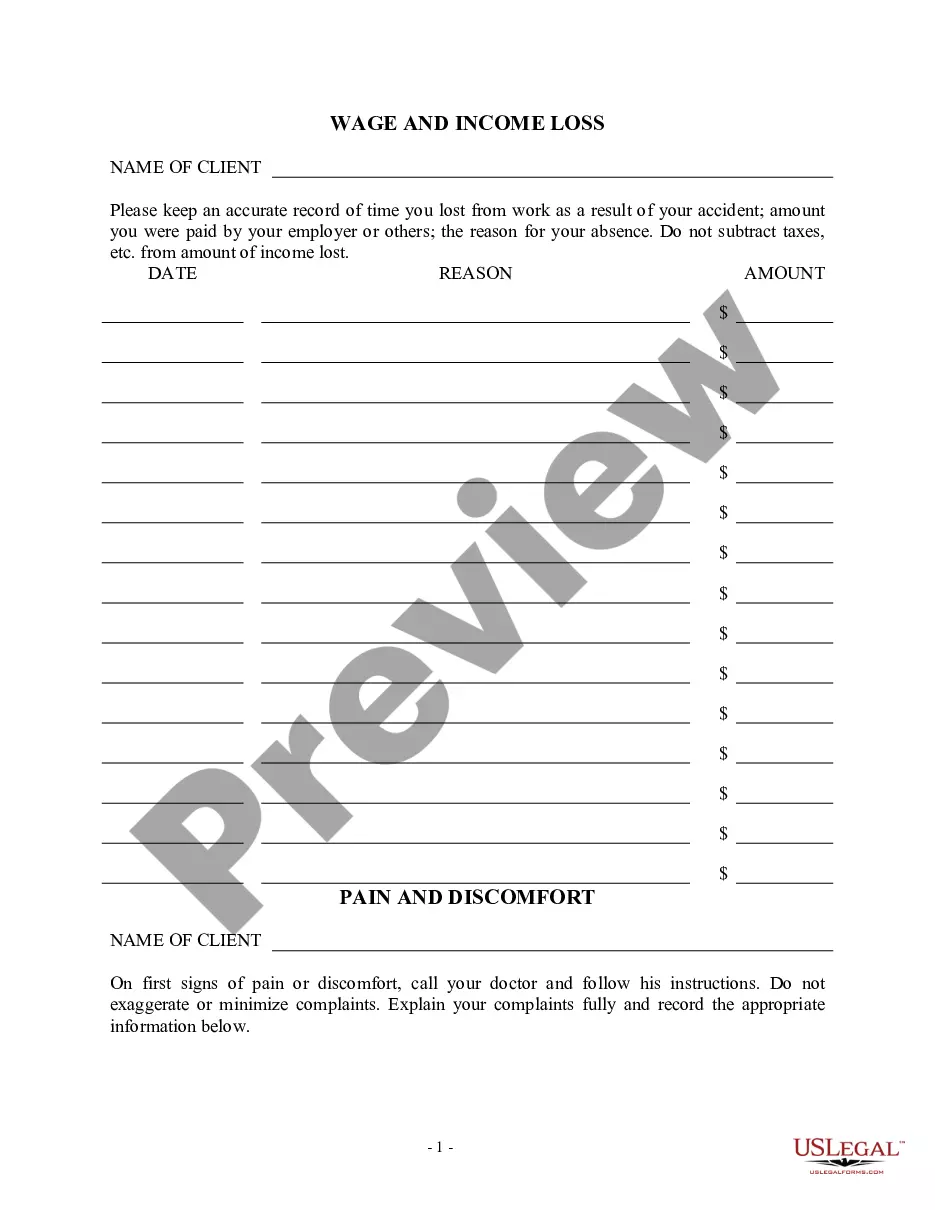
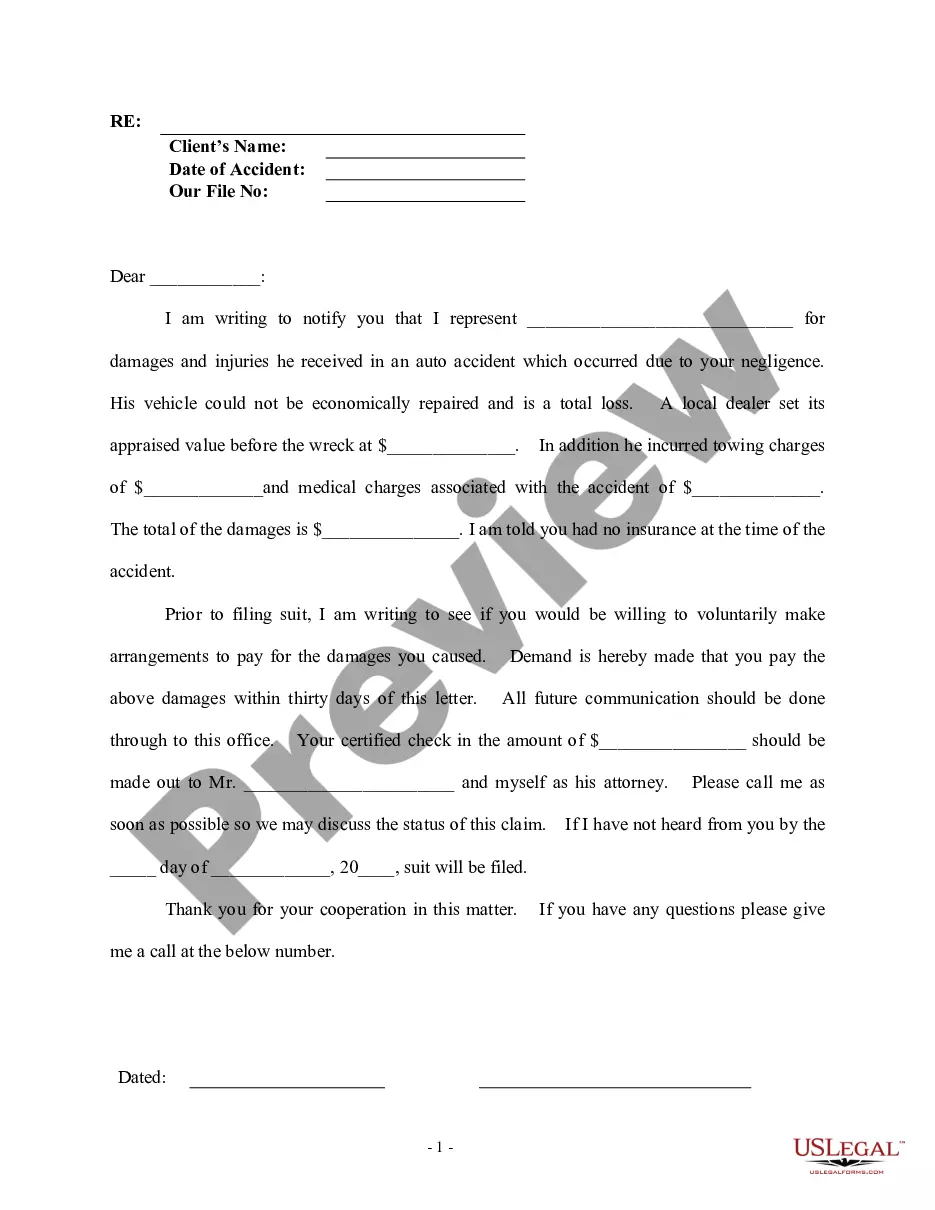
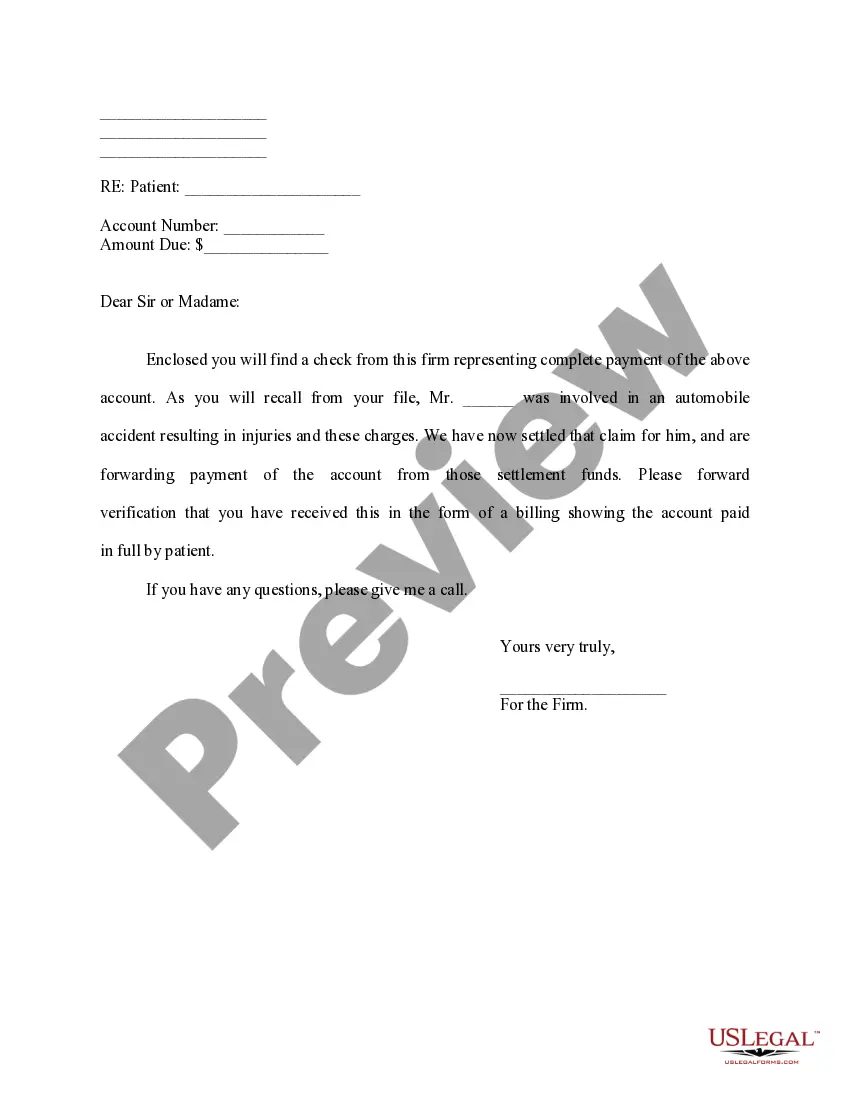
The Letter regarding Wage Statement is a legal form used by attorneys to request official employment and wage information from a client's employer. This document helps verify a client's employment status, pay rate, and any loss of wages due to injuries sustained, particularly in the context of personal injury claims. Unlike general employment verification letters, this form is specifically tailored to support legal cases involving compensation for lost wages and is completed by the employer.
Main sections of this form
- Identification of the client and nature of injury.
- Employer's verification of employment and wage details.
- Explicit request for information regarding any lost wages.
- Details of hours worked and compensation rate.
- Signature of the person completing the verification.
When this form is needed
This form is needed when an attorney seeks to obtain verification of a client's employment and earnings history, particularly after the client has suffered an injury that impacts their ability to work. Common scenarios include accidents leading to medical leave or ongoing treatments that alter wage conditions.
Who needs this form
This form is designed for:
- Attorneys representing clients in personal injury cases.
- Employers who need a structured request for employment verification.
- Clients who are involved in legal disputes over wage compensation.
Steps to complete this form
- Fill in your name and your client's details at the top of the letter.
- Clearly describe the injuries and incident date.
- Request specific employment and wage information to be verified.
- Provide a contact method in case of questions for the employer.
- Include a section at the bottom for the employer to complete, detailing employment and pay information.
- Sign and date the form before sending it to the employer.
Does this document require notarization?
Notarization is not commonly needed for this form. However, certain documents or local rules may make it necessary. Our notarization service, powered by Notarize, allows you to finalize it securely online anytime, day or night.
Get your form ready online
Our built-in tools help you complete, sign, share, and store your documents in one place.
Make edits, fill in missing information, and update formatting in US Legal Forms—just like you would in MS Word.
Download a copy, print it, send it by email, or mail it via USPS—whatever works best for your next step.
Sign and collect signatures with our SignNow integration. Send to multiple recipients, set reminders, and more. Go Premium to unlock E-Sign.
If this form requires notarization, complete it online through a secure video call—no need to meet a notary in person or wait for an appointment.
We protect your documents and personal data by following strict security and privacy standards.

Make edits, fill in missing information, and update formatting in US Legal Forms—just like you would in MS Word.

Download a copy, print it, send it by email, or mail it via USPS—whatever works best for your next step.

Sign and collect signatures with our SignNow integration. Send to multiple recipients, set reminders, and more. Go Premium to unlock E-Sign.

If this form requires notarization, complete it online through a secure video call—no need to meet a notary in person or wait for an appointment.

We protect your documents and personal data by following strict security and privacy standards.
Common mistakes to avoid
- Not specifying the exact employment information required.
- Failing to provide clear contact details for the attorney.
- Omitting the date of the incident and injury.
- Not signing the form before submission.
Why use this form online
- Convenient download and immediate access to the form.
- Editable fields allow for tailored information entry.
- Structured format ensures all necessary details are included.
- Access to attorney-drafted content enhances reliability and compliance.
Looking for another form?

Form popularity
FAQ
Follow business letter format. Use standard business letter format when writing your letter. Keep it concise. Include all requested information. Provide your contact information. Edit and proofread before you send.
Use company stationary to prepare a salary verification letter. Address the contact person by Mr.or Ms. in the salutation. Begin the letter by stating your purpose for writing, including the employee's name, job title, company name and start date. State the employee's base salary in the second paragraph.
Write the company's information. Include a statement verifying that the employee does indeed work at this place of employment, as well as the date he or she began working. Sign the document. Current Employee. Past Employee. Best Practices.
Amount of your wages before any deductions (gross wages) individual amount of any fixed deductions (such as trade union subscriptions) or the total amount of these deductions if you are given a 'standing statement of fixed deductions' as detailed below.
Pay Date and Pay Period. The pay date is the actual day that the employee gets paid, and the pay period is the length of time that the pay date covers. Gross Wages. Hours Worked. Pay Rate. Pretax and After-Tax Deductions. Taxable Wages. Taxes. Year-to-Date Wages and Deductions.
An employment verification letter, also known as a 'proof of employment letter', is a form that verifies the income or salary earned by an employed individual.This type of verification letter is commonly used when someone seeks housing or is applying for a mortgage.
A Salary Verification Letter is used to verify both the employment history and the salary and other compensation received by an employee. This letter can be drafted either by an employer or an employee who then delivers the letter to their employer to sign and send.
Start by writing down your contact information at the very top. Then give an explanation on your letter's purpose. Start your letter using a polite greeting followed by the name of the recipient. Make your introduction and give a longer explanation for your purpose.
Be brief and straightforward, providing only the information requested or required. Information such as company names, job and course titles etc, should be formally noted. Offer to provide further information if required. Sign the letter to further verify the information.