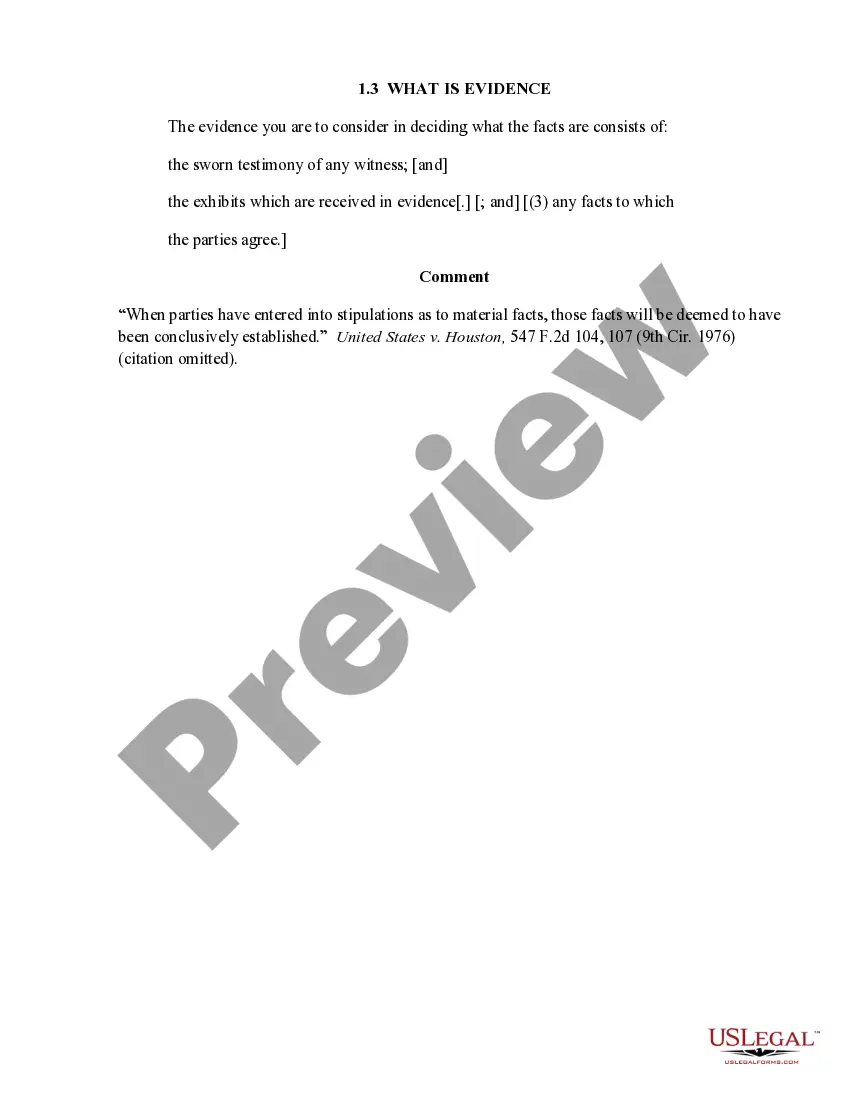
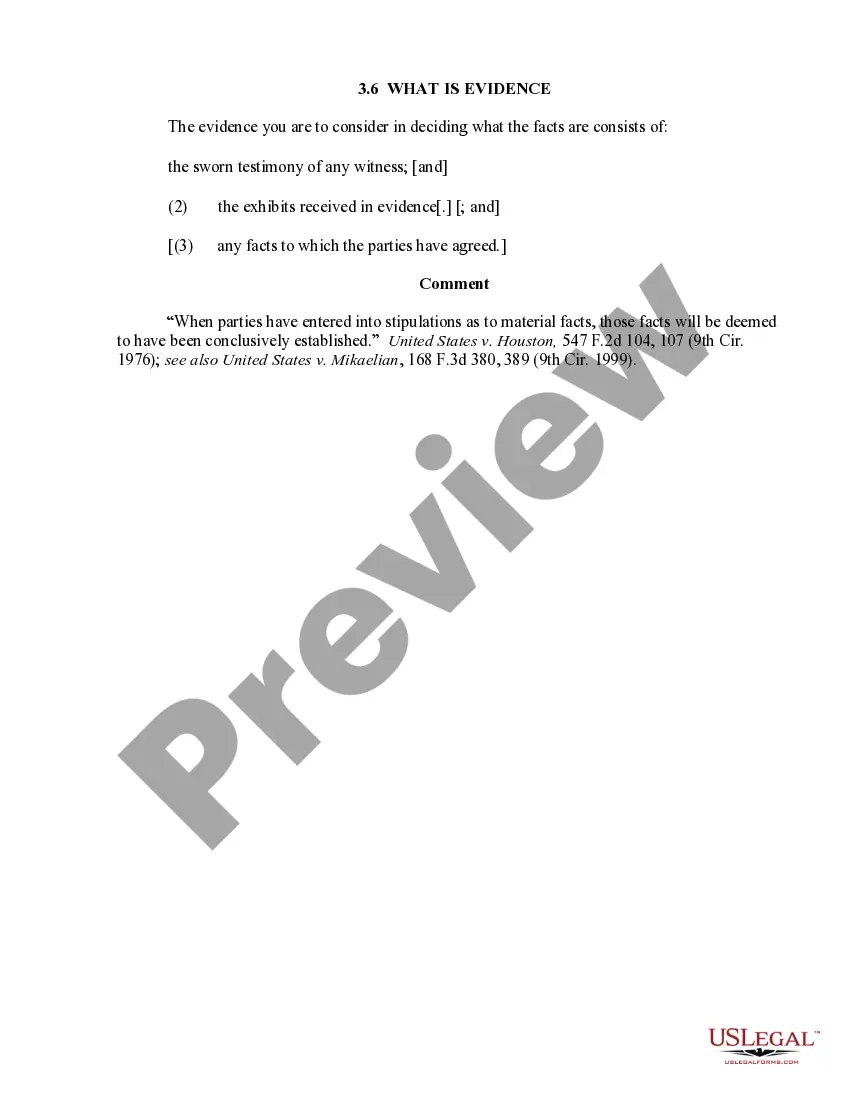
1.3 What is Evidence
Notarization requirements for this form
In most cases, this form does not require notarization. However, some jurisdictions or signing circumstances might. US Legal Forms offers online notarization powered by Notarize, accessible 24/7 for a quick, remote process.
Get your form ready online
Our built-in tools help you complete, sign, share, and store your documents in one place.
Make edits, fill in missing information, and update formatting in US Legal Forms—just like you would in MS Word.
Download a copy, print it, send it by email, or mail it via USPS—whatever works best for your next step.
Sign and collect signatures with our SignNow integration. Send to multiple recipients, set reminders, and more. Go Premium to unlock E-Sign.
If this form requires notarization, complete it online through a secure video call—no need to meet a notary in person or wait for an appointment.
We protect your documents and personal data by following strict security and privacy standards.

Make edits, fill in missing information, and update formatting in US Legal Forms—just like you would in MS Word.

Download a copy, print it, send it by email, or mail it via USPS—whatever works best for your next step.

Sign and collect signatures with our SignNow integration. Send to multiple recipients, set reminders, and more. Go Premium to unlock E-Sign.

If this form requires notarization, complete it online through a secure video call—no need to meet a notary in person or wait for an appointment.

We protect your documents and personal data by following strict security and privacy standards.
Looking for another form?
Form popularity
FAQ
What is evidence? Evidence means testimony, writings, materials objects or other things presented to the senses that are offered to prove the existence or nonexistence of a fact.
Hearsay evidence generally is inadmissible unless it falls within an exception or exclusion set out in the Federal Rules, a federal statute, or a Supreme Court rule.
Primary tabs. The court may exclude relevant evidence if its probative value is substantially outweighed by a danger of one or more of the following: unfair prejudice, confusing the issues, misleading the jury, undue delay, wasting time, or needlessly presenting cumulative evidence.
The two exemptions from the hearsay rule are (1) testimony given by a party during his deposition; and (2) evidence introduced to prove a party admission.
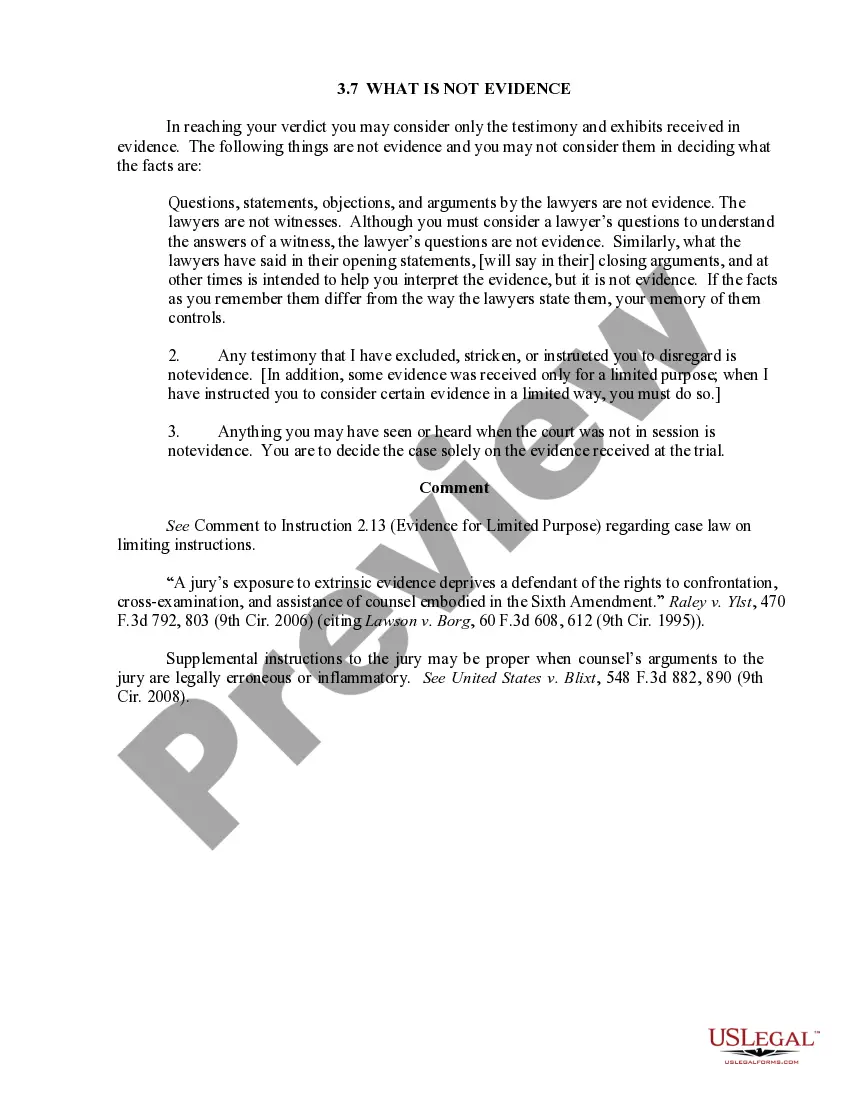
There are two types of evidence; namely, direct evidence and circumstantial evidence.
A defendant's statement is direct evidence only if it constitutes a relevant admission of guilt. . . . ?By contrast, where the defendant makes an admission that merely includes inculpatory acts from which a jury may or may not infer guilt, the statement is circumstantial and not direct evidence. . . .
The exclusionary rule prevents the government from using most evidence gathered in violation of the United States Constitution. The decision in Mapp v. Ohio established that the exclusionary rule applies to evidence gained from an unreasonable search or seizure in violation of the Fourth Amendment.