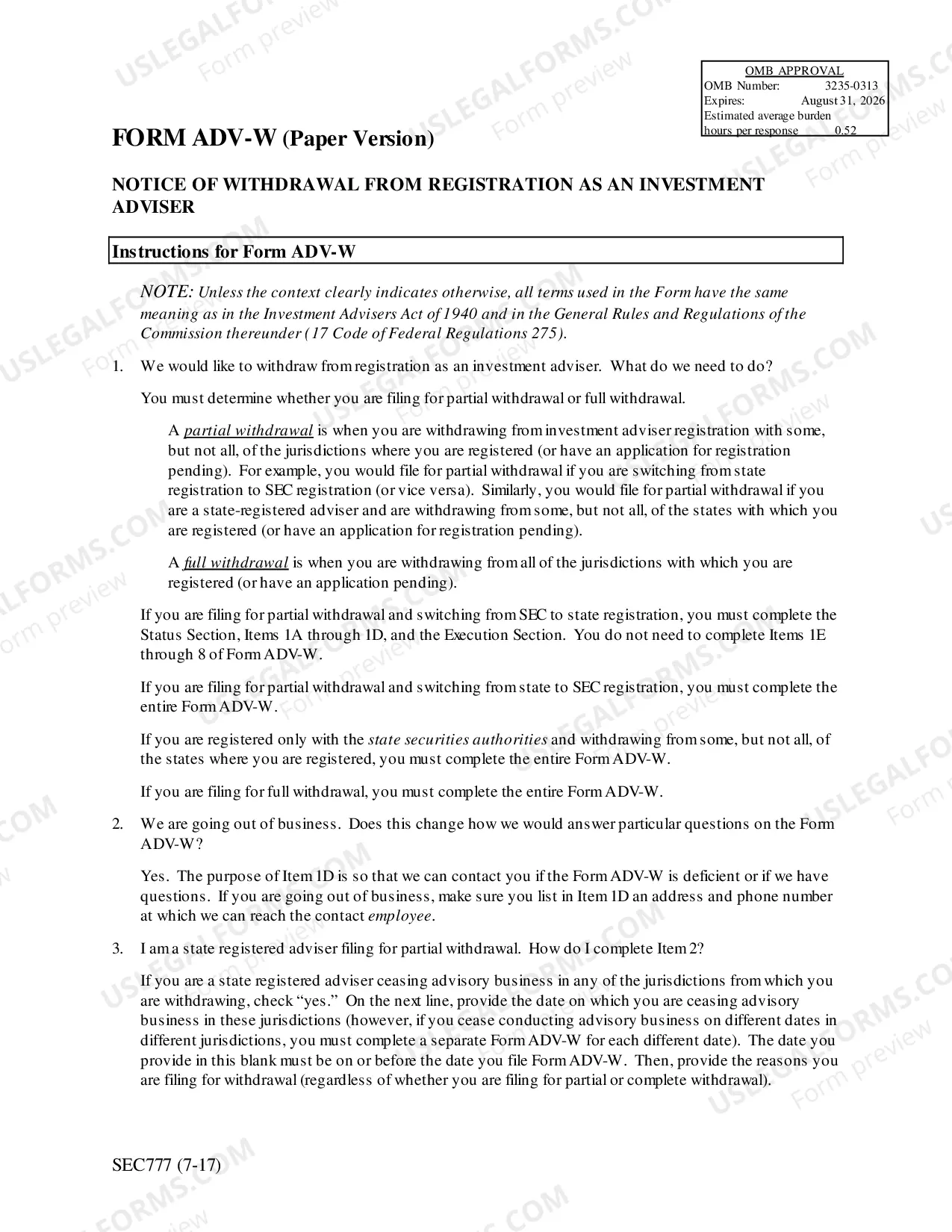
Capital Consortium Due Diligence Checklist
About this form
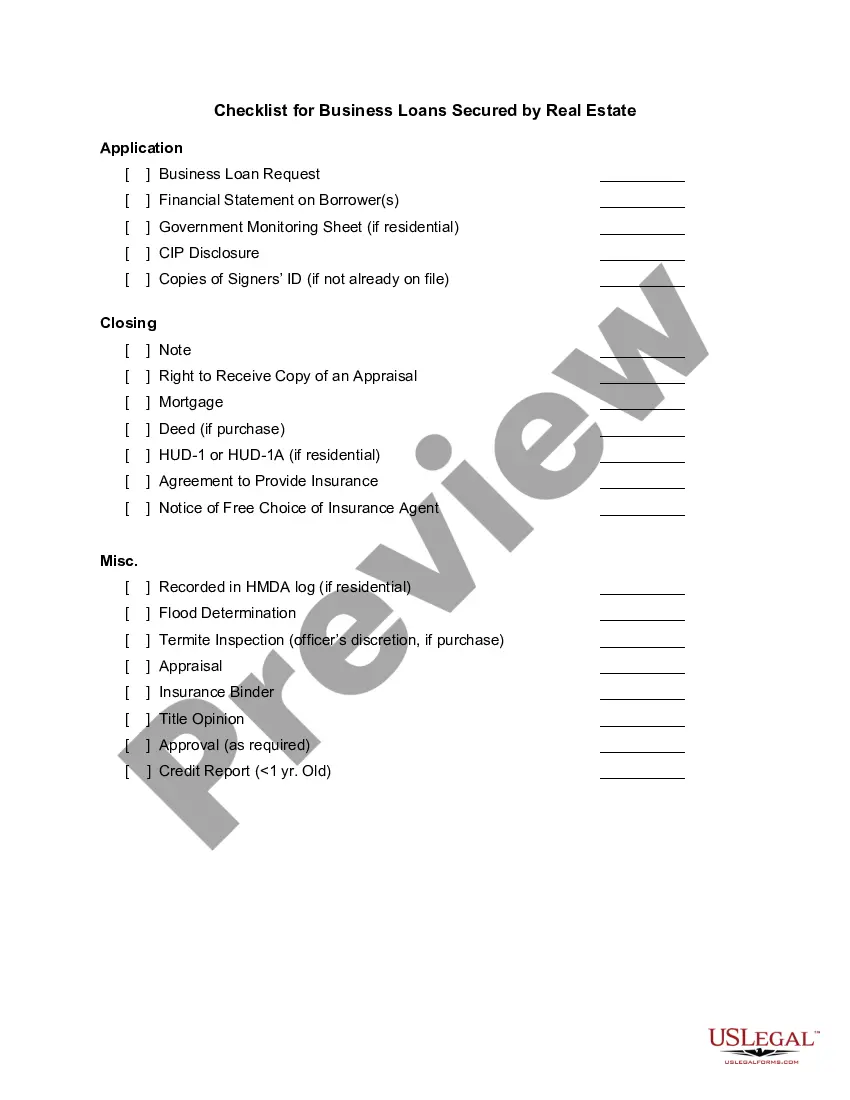
The Capital Consortium Due Diligence Checklist is a comprehensive document that outlines the necessary items to review during the due diligence process of a real estate transaction. Developed by the Mortgage Bankers Association of America, the National Association of Realtors, and the National Realty Committee, this checklist helps ensure that all critical information regarding the borrower and the property is gathered and evaluated. Its structured format distinguishes it from other due diligence forms by providing specific sections dedicated to borrower information, borrower structure, collateral data, and management details.
Key parts of this document
- Borrower/Principal Resume and Credit Report Release.
- Detailed sections for various types of borrower structures, including corporations, partnerships, and limited partnerships.
- Collateral data related to property improvements, including photographs and architectural drawings.
- Management-related documentation, such as management agreements and corporate governance documents.
- General comments section for additional notes or specific considerations.



Situations where this form applies
This form is essential during the due diligence phase of real estate transactions, particularly when assessing the financial and operational viability of a borrower and their associated properties. Use it when evaluating a borrower's creditworthiness, reviewing necessary corporate documentation, or analyzing property conditions before finalizing a loan or investment agreement.
Who this form is for
- Mortgage lenders conducting due diligence on potential borrowers.
- Real estate professionals involved in commercial or residential property financing.
- Investors looking to assess the financial stability of property-associated borrowers.
- Legal professionals assisting clients with real estate transactions.
Instructions for completing this form
- Identify the property and borrower, entering their respective names and details at the top of the checklist.
- Complete Section I by compiling general borrower information, such as resumes and credit reports.
- Fill out Section II to provide details about the borrower's structure including incorporation documents and qualifications.
- Document collateral data in Section III, including photographs, architectural drawings, and property inspection reports.
- Review and comment on any additional items in the General Comments sections to capture unique considerations or findings.
Is notarization required?
This form does not typically require notarization unless specified by local law. Always verify your local regulations to ensure compliance with any notarization requirements.
Get your form ready online
Our built-in tools help you complete, sign, share, and store your documents in one place.
Make edits, fill in missing information, and update formatting in US Legal Forms—just like you would in MS Word.
Download a copy, print it, send it by email, or mail it via USPS—whatever works best for your next step.
Sign and collect signatures with our SignNow integration. Send to multiple recipients, set reminders, and more. Go Premium to unlock E-Sign.
If this form requires notarization, complete it online through a secure video call—no need to meet a notary in person or wait for an appointment.
We protect your documents and personal data by following strict security and privacy standards.

Make edits, fill in missing information, and update formatting in US Legal Forms—just like you would in MS Word.

Download a copy, print it, send it by email, or mail it via USPS—whatever works best for your next step.

Sign and collect signatures with our SignNow integration. Send to multiple recipients, set reminders, and more. Go Premium to unlock E-Sign.

If this form requires notarization, complete it online through a secure video call—no need to meet a notary in person or wait for an appointment.

We protect your documents and personal data by following strict security and privacy standards.
Avoid these common issues
- Failing to gather all required documents listed for each section.
- Omitting to provide comments in the General Comments sections, which can lead to incomplete assessments.
- Using outdated information or not updating borrower records with the latest developments.
Advantages of online completion
- Convenience of downloading and filling out the form at your own pace.
- Editability allows for customization as needed based on specific transactions.
- Immediate access ensures that you can efficiently manage due diligence processes without delays.
Legal use & context
- Utilizing this checklist can provide lenders with a structured approach to evaluating borrowers, leading to informed lending decisions.
- It helps mitigate risks associated with lending by ensuring all necessary information is gathered before proceeding with financial commitments.
Quick recap
- The Capital Consortium Due Diligence Checklist is essential for thorough evaluation during real estate transactions.
- It includes specific sections for borrower information, structure, and collateral data.
- Utilizing this form can enhance the efficiency and reliability of the due diligence process.
Looking for another form?

Form popularity
FAQ
A due diligence checklist is an organized way to analyze a company. The checklist will include all the areas to be analyzed, such as ownership and organization, assets and operations, the financial ratios, shareholder value, processes and policies, future growth potential, management, and human resources.
Due diligence refers to being able to prove that your business has done everything reasonably possible to comply with current legislation and regulations. In other words, it helps to prove that you applied all reasonable precautions to avoid committing an offence.
Financial due diligence (often referred to as accounting due diligence) focuses on providing potential investors with an understanding of a company's (i) sustainable economic earnings,3 (ii) historical sales and operating expense trends, (iii) historical working capital needs, (iv) key assumptions used in
Look at past annual and quarterly financial information, including: Review sales and gross profits by product. Look up the rates of return by product. Look at the accounts receivable. Get a breakdown of the business's inventory. Make a breakdown of real estate and equipment.
A Statement describing the subject of research. Documents in support of the research such as corporate reports, legal documents, transaction copies, market research, etc. SWOT Analysis i.e. an overview of the strengths, weaknesses, opportunities, and threats linked with the proposal.
Due Diligence Examples Conducting thorough inspections on a property before buying it in order to make sure that it is a good investment. An underwriter auditing an issuer's business and operations prior to selling it.
Reviewing and auditing financial statements. Scrutinizing projections for future performance. Analyzing the consumer market. Seeking operating redundancies that can be eliminated. Reviewing potential or ongoing litigation. Reviewing antitrust considerations.
The report will include a list of key findings and valid recommendations, as well as a reasoned conclusion with a financial analysis explaining the feasibility of our recommendations, and its impact on the company.
1) Construct an Investment Thesis. 2) Analyze Your Competitive Position. 3) Measure the Strength and Stability of the Acquired Company. 4) Revenue Synergy. 5) Integration. Conclusion.