Estoppel Certificate Clause
About this form
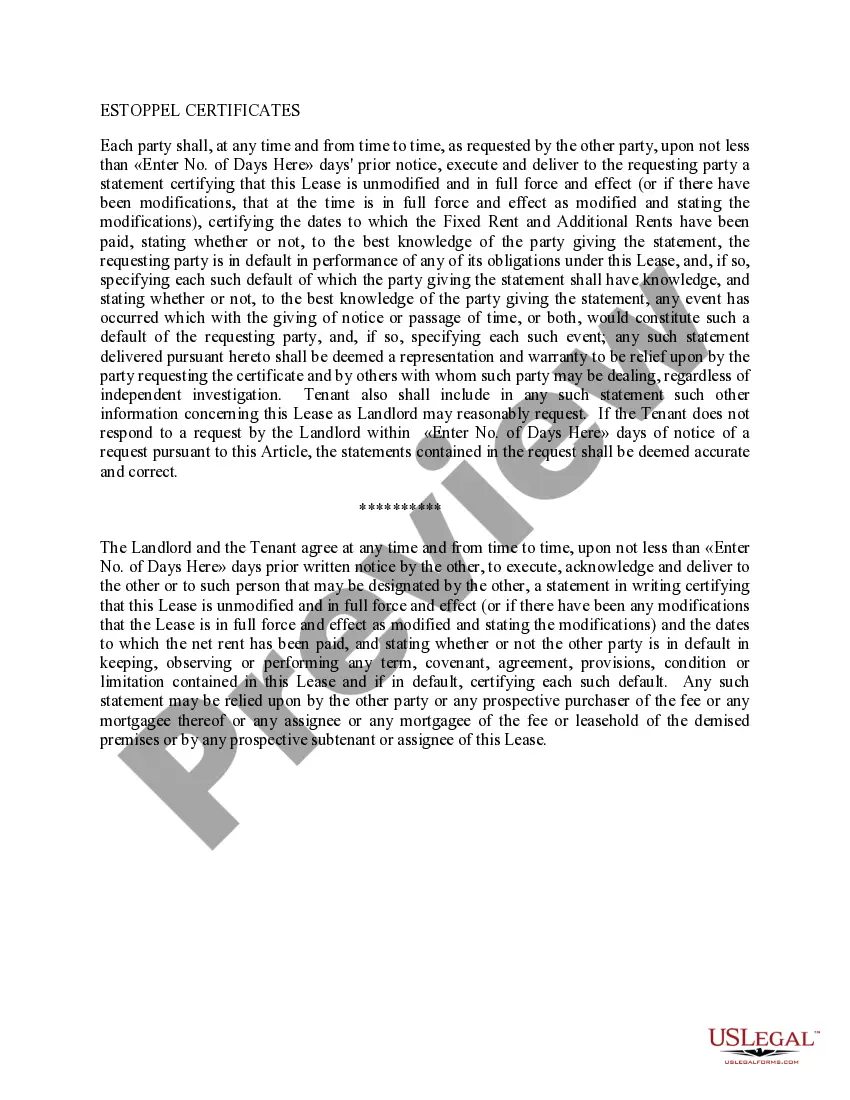
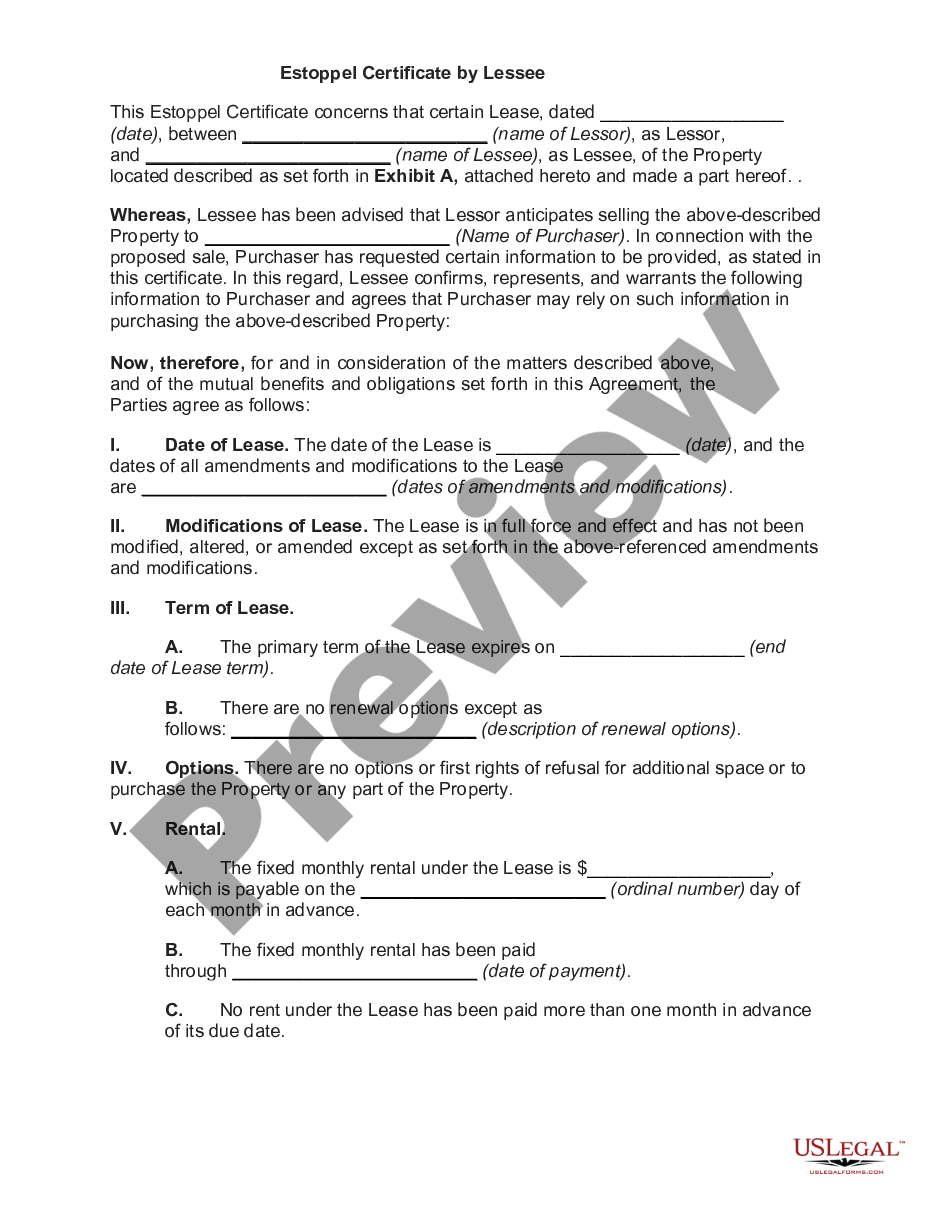
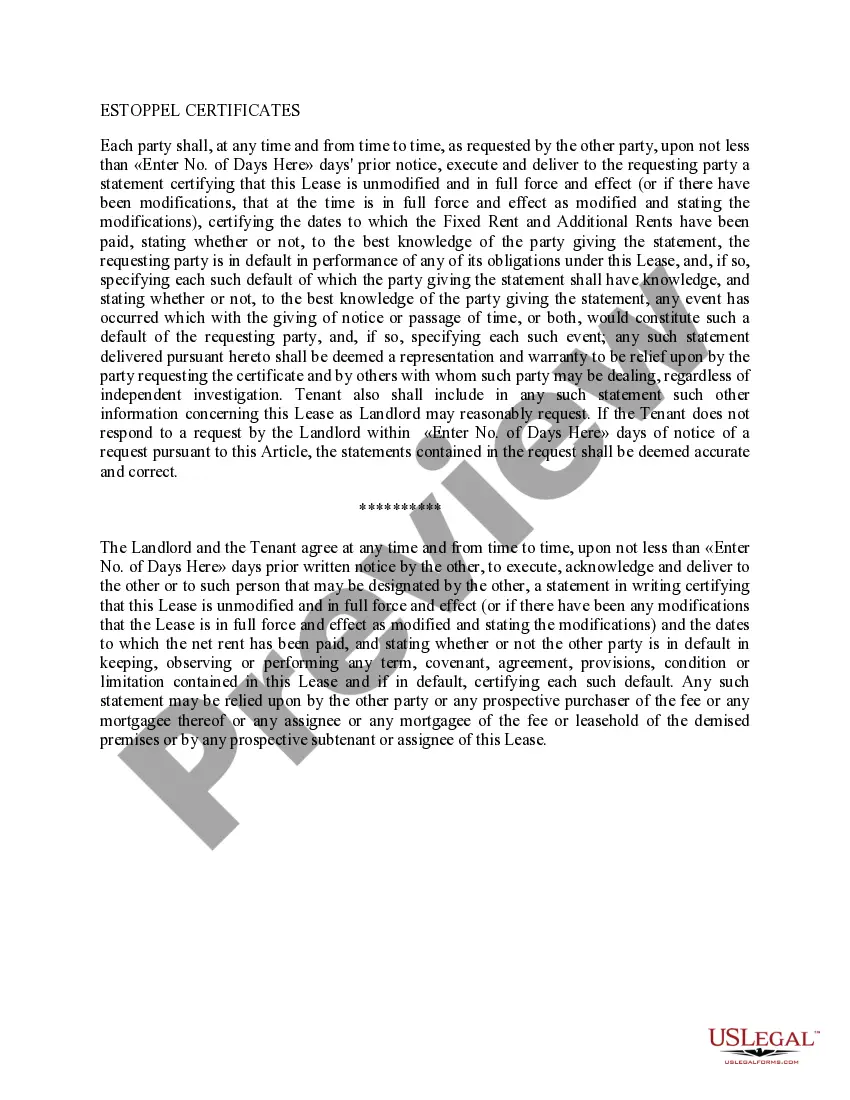
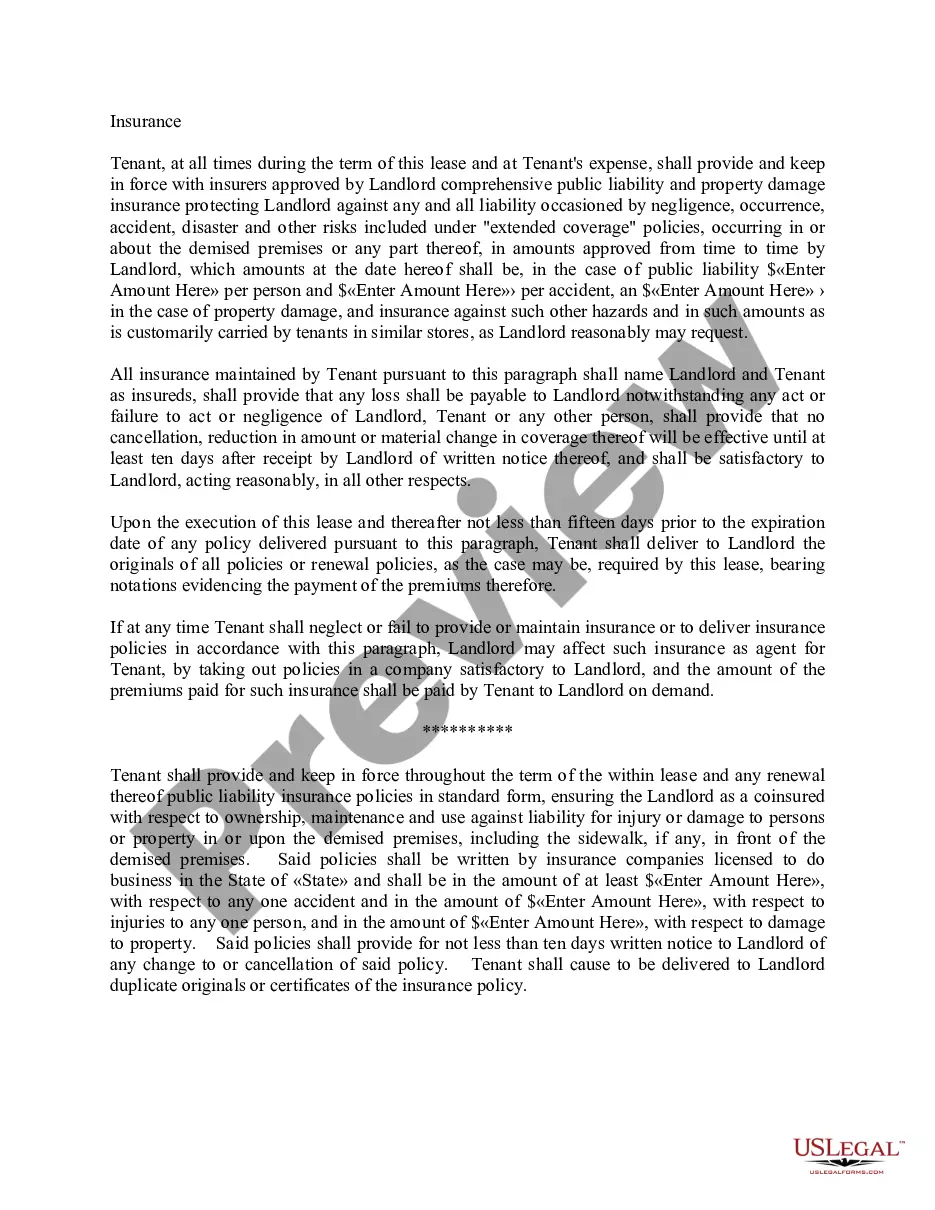
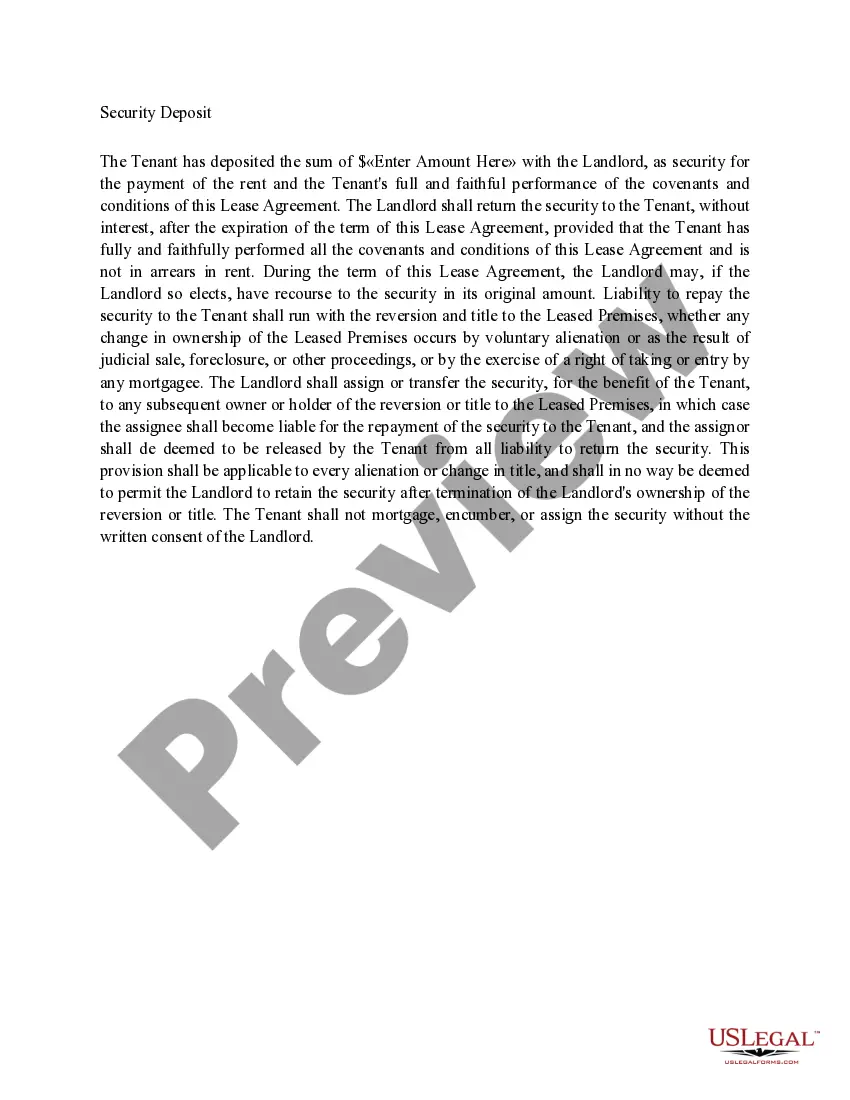
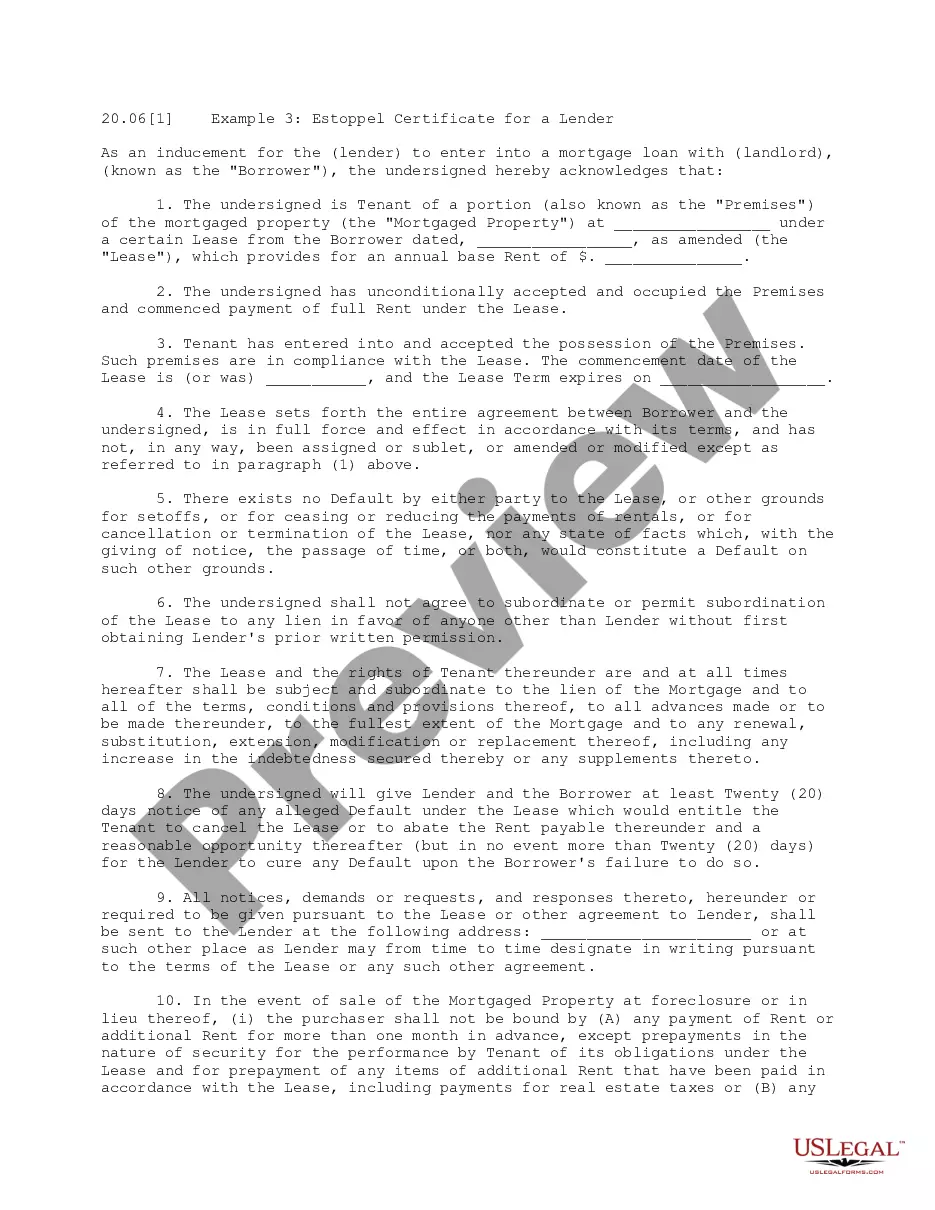
The Estoppel Certificate Clause is a legal document used in real estate transactions. It certifies that a lease agreement is unchanged and in effect or outlines any amendments if applicable. This clause is crucial because it protects the interests of both landlords and tenants by confirming their mutual obligations, which helps to reduce disputes over lease agreements.
Key components of this form
- Certification of lease status â confirms whether the lease is unmodified and in full force.
- Disclosure of rent payments â includes details about fixed and additional rents paid.
- Default statement â specifies if either party is in default or aware of potential defaults.
- Modification acknowledgment â outlines any modifications made to the lease.
- Reliance clause â states that the confirming party can rely on the accuracy of the certificate.
- Response timeframe â establishes a timeline for responding to requests for the certificate.
When to use this form
This form is essential in various situations, such as before financing a property, when selling a property, or at lease renewal negotiations. It ensures that both parties are aware of any changes to the lease terms and can confirm that their obligations are being met. Additionally, it aids in establishing a clear record for future transactions or interactions related to the property.
Who needs this form
- Landlords â to confirm lease details for prospective buyers or lenders.
- Tenants â to establish their current position regarding rent payments and lease compliance.
- Real estate professionals â to facilitate transactions requiring clear lease information.
- Investors â to verify lease statuses before acquiring properties.
Steps to complete this form
- Identify the parties involved â include names of the landlord and tenant.
- Specify the property â provide the address of the leased premises.
- State the lease status â confirm whether the lease is in full force or has been modified.
- Enter rent payment dates â input the dates for which rent has been paid.
- Check for defaults â indicate whether any defaults have occurred or are likely to occur.
- Sign and date the certificate â both parties should sign and date to validate the document.
Does this form need to be notarized?
This form does not typically require notarization to be legally valid. However, some jurisdictions or document types may still require it. US Legal Forms provides secure online notarization powered by Notarize, available 24/7 for added convenience.
Get your form ready online
Our built-in tools help you complete, sign, share, and store your documents in one place.
Make edits, fill in missing information, and update formatting in US Legal Forms—just like you would in MS Word.
Download a copy, print it, send it by email, or mail it via USPS—whatever works best for your next step.
Sign and collect signatures with our SignNow integration. Send to multiple recipients, set reminders, and more. Go Premium to unlock E-Sign.
If this form requires notarization, complete it online through a secure video call—no need to meet a notary in person or wait for an appointment.
We protect your documents and personal data by following strict security and privacy standards.

Make edits, fill in missing information, and update formatting in US Legal Forms—just like you would in MS Word.

Download a copy, print it, send it by email, or mail it via USPS—whatever works best for your next step.

Sign and collect signatures with our SignNow integration. Send to multiple recipients, set reminders, and more. Go Premium to unlock E-Sign.

If this form requires notarization, complete it online through a secure video call—no need to meet a notary in person or wait for an appointment.

We protect your documents and personal data by following strict security and privacy standards.
Common mistakes
- Failing to respond within the specified timeframe can lead to assumptions about the lease status.
- Not including all necessary details, such as rent payment dates or modifications, can render the certificate inadequate.
- Not having both parties sign the document, which is essential for its validity.
Advantages of online completion
- Convenience â access and download the form at any time, from anywhere.
- Editability â customize the form easily based on individual needs.
- Reliability â forms are drafted by licensed attorneys to ensure legal compliance.
Legal use & context
- Estoppel certificates are recognized legally, providing a basis for reliance by parties involved.
- This certificate becomes a significant part of the property transaction, especially in finance and acquisition scenarios.
- Adhering to local laws when using this clause will ensure the validity of the lease documentation.
Looking for another form?




Form popularity
FAQ
Your lease may require you to sign an estoppel certificate, sometimes called the Tenant Estoppel Certificate (?TEC?). The lender or buyer wants these promises because they support whatever the Landlord claims to be true regarding the lease.
What is an estoppel certificate? An estoppel certificate establishes the current status of the lease terms for a third party. Generally, the certificate requests that the Tenant verify that the rent is current or whether the Tenant has any potential claims against the Landlord.
An estoppel certificate is typically requested when the owner of a multifamily property is either selling or refinancing the property. It's an important piece of a buyer or lender's due diligence. A property owner may be required to request an estoppel certificate from their tenants when they're selling the property.
For instance, if a landlord agrees not to terminate a tenant's lease as long as the tenant spends money on improving the property, an estoppel certificate could prevent the landlord from going back on their word and terminating the lease, even when the promise may not have been written into a contract.
Estoppel is an equitable doctrine, a bar that prevents one from asserting a claim or right that contradicts what one has said or done before, or what has been legally established as true. Estoppel may be used as a bar to the re-litigation of issues or as an affirmative defense.
For example, someone selling a piece of real estate at a high price may know nonpublic facts that will decrease the value of the property. By intentionally failing to disclose that information to a prospective buyer, the seller can earn a larger amount from the sale.
Estoppel is common in the mortgage industry and commercial real estate. Also called an estoppel letter or certificate, it entails the use of a document that is signed by a tenant. This document confirms the rental agreement set forth by the landlord.
Estoppel is common in the mortgage industry and commercial real estate. Also called an estoppel letter or certificate, it entails the use of a document that is signed by a tenant. This document confirms the rental agreement set forth by the landlord.