Price to be Fixed by Appraisal Clauses: Contract for Real Property
What is this form?
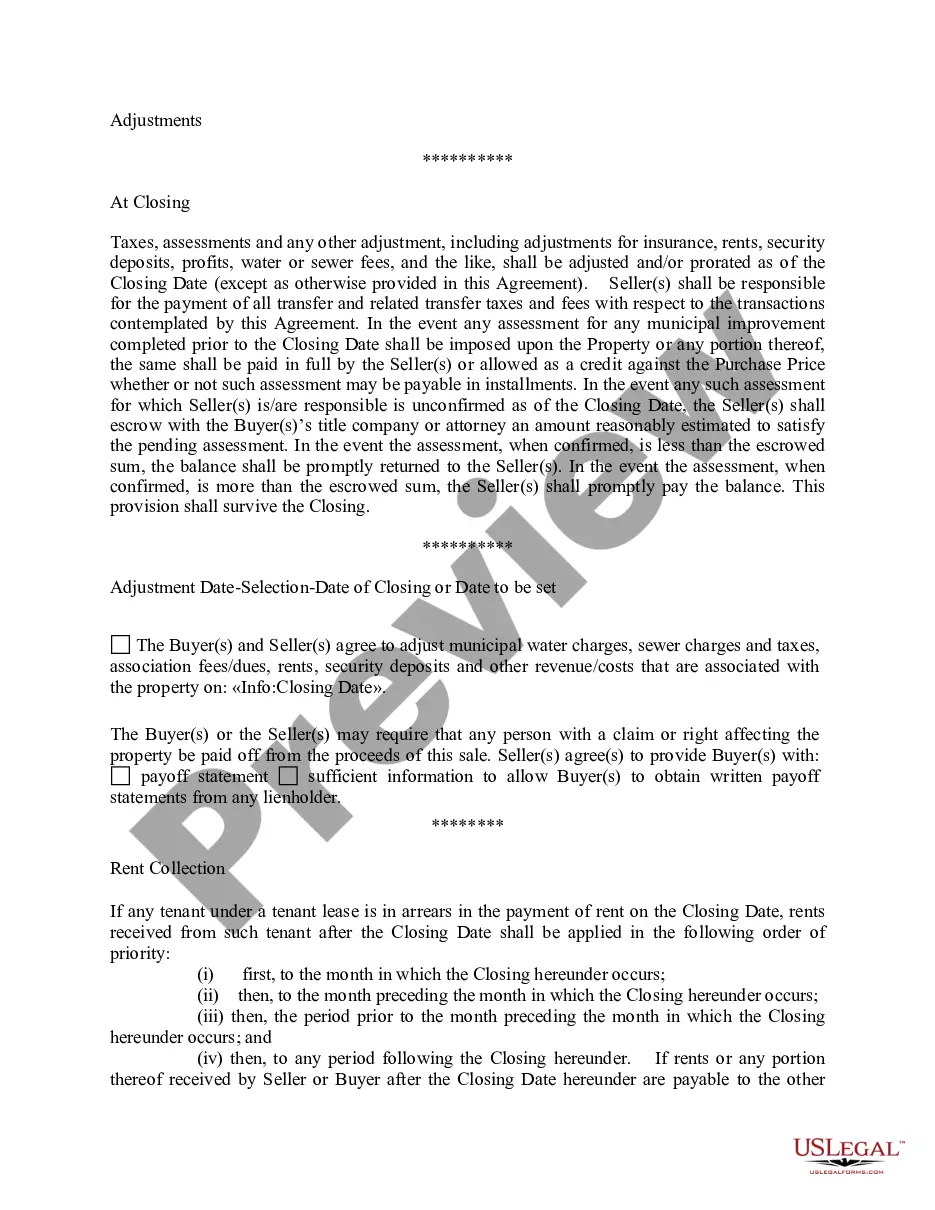
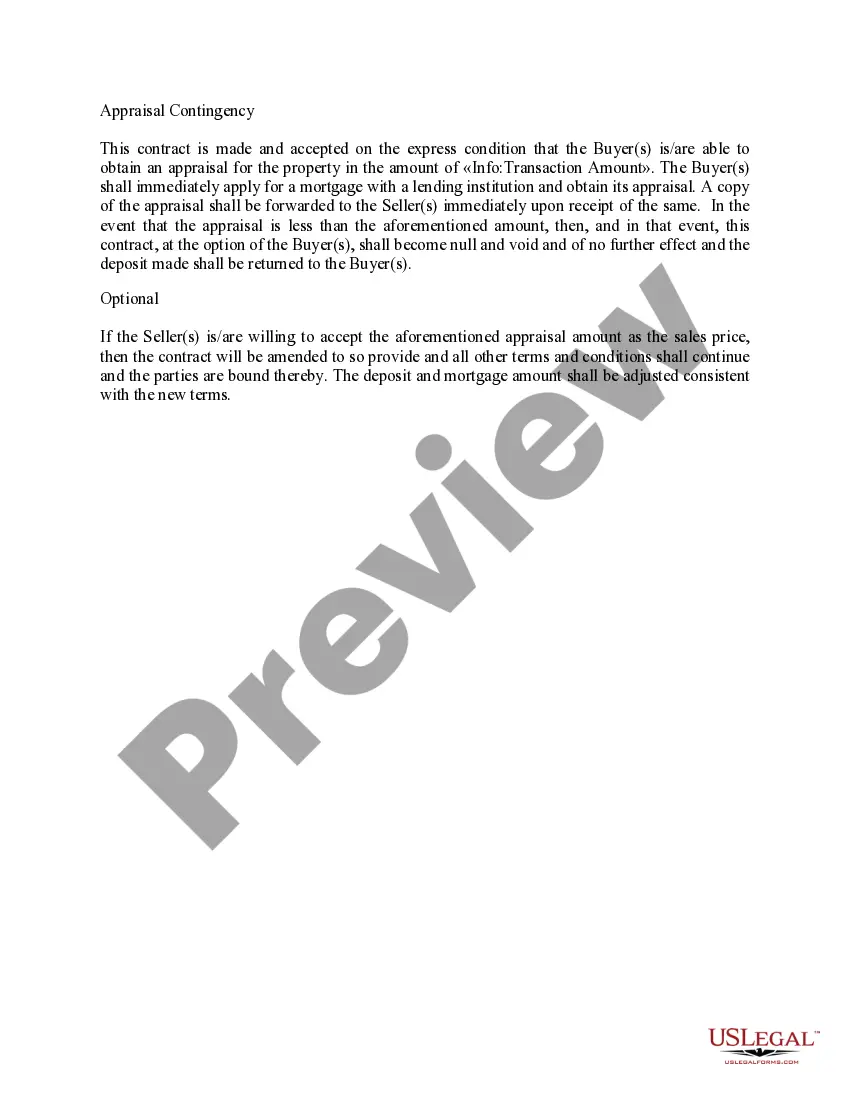
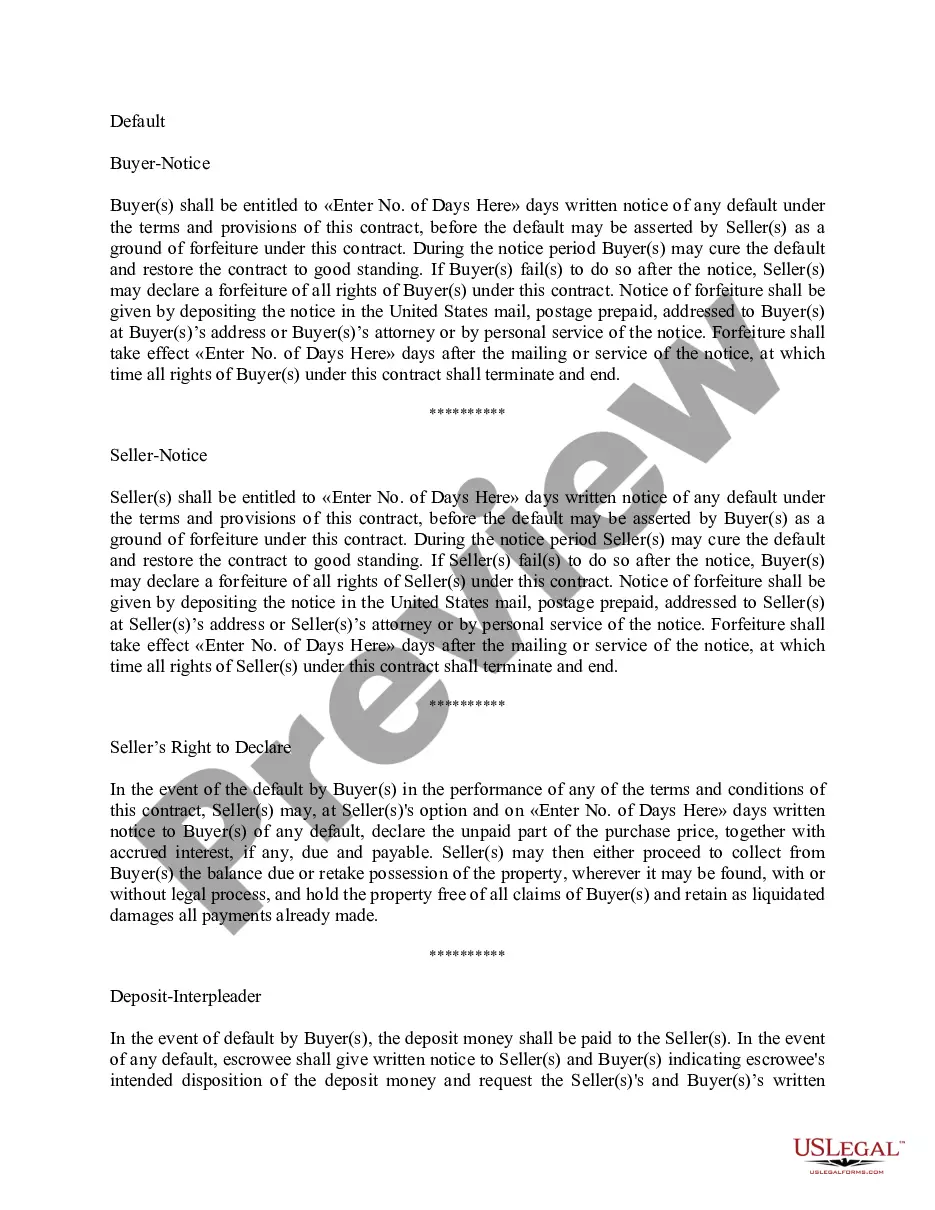
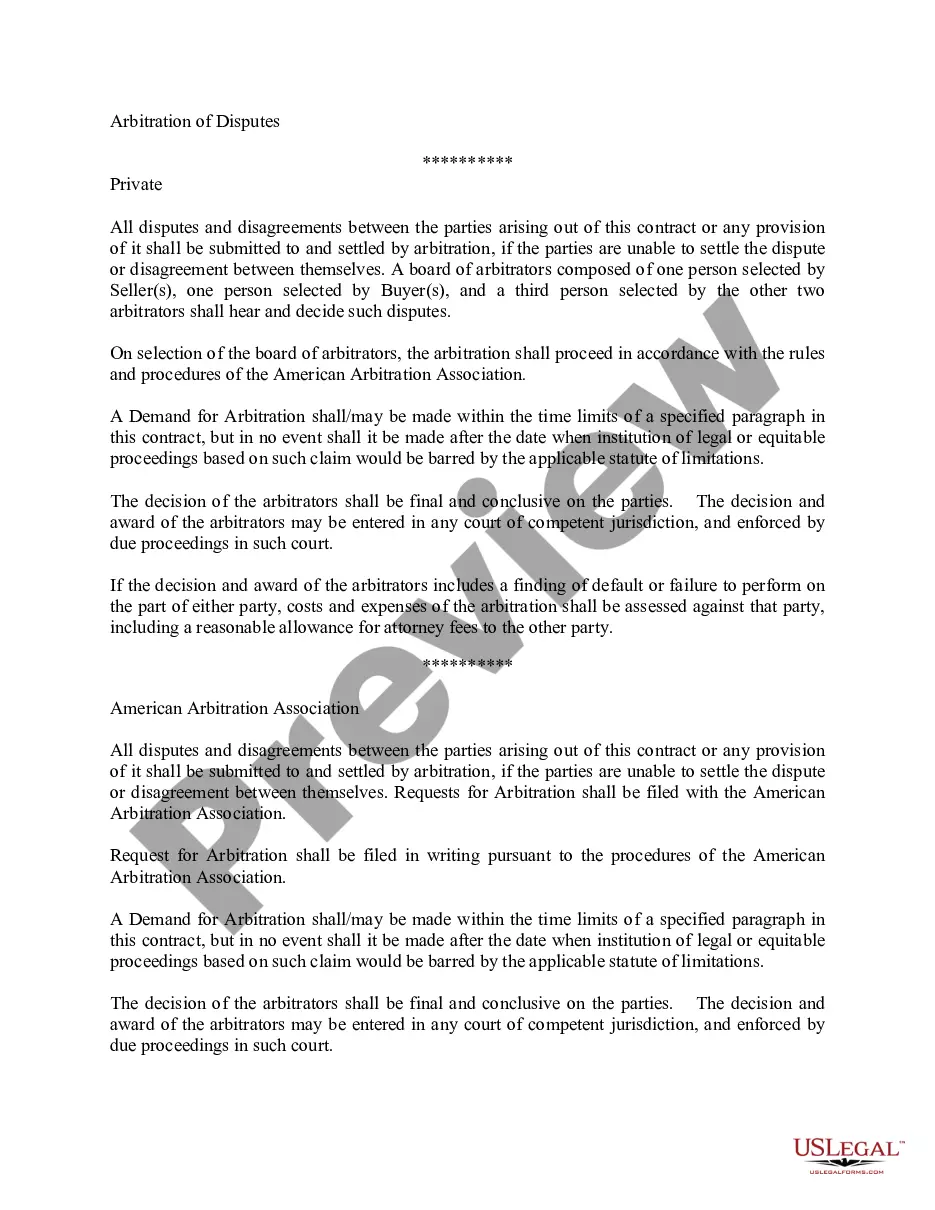
The Price to be Fixed by Appraisal Clauses: Contract for Real Property is a legal document that outlines how the purchase price of a property will be determined based on appraisal values. This clause is essential in real estate transactions, particularly when there might be a difference between the appraised value of a home and the agreed-upon purchase price. It helps establish a clear process to resolve potential appraisal gaps, ensuring that both the buyer and seller have a fair and legally enforceable agreement.
Key components of this form
- Identification of the parties involved: The buyer and seller must be clearly named.
- Appraisal process: Details on how the appraisers will be chosen and how they will determine the property value.
- Average of appraisals: The mechanism for calculating the purchase price based on the three appraisals.
- Conditions for enforcement: Outlines what occurs if the appraisal falls short of the purchase price.
When to use this form
This form is typically used in real estate transactions where buyers and sellers want to establish a clear method for determining the sale price through appraisals. It is particularly useful when market conditions suggest possible discrepancies between appraised values and negotiated prices. If you expect an appraisal gap, this contract can protect both parties and ensure the sale progresses smoothly.
Intended users of this form
- Homebuyers seeking to protect themselves against appraisal discrepancies.
- Home sellers who want to provide transparency in the pricing process.
- Real estate agents facilitating transactions between buyers and sellers.
- Investors planning to finalize property purchases with defined appraisal clauses.
How to complete this form
- Begin by entering the names of the buyer and seller in the designated sections.
- Specify the property details and any necessary descriptions to identify the asset.
- Provide a clear method for selecting the three appraisers and their qualifications.
- Indicate how the average of the three appraisals will be calculated.
- Include any conditions regarding how to handle an appraisal gap if it appears.
Notarization requirements for this form
This form does not typically require notarization unless specified by local law. However, it is advisable to check with a local attorney to determine if notarization is necessary in your specific jurisdiction.
Get your form ready online
Our built-in tools help you complete, sign, share, and store your documents in one place.
Make edits, fill in missing information, and update formatting in US Legal Forms—just like you would in MS Word.
Download a copy, print it, send it by email, or mail it via USPS—whatever works best for your next step.
Sign and collect signatures with our SignNow integration. Send to multiple recipients, set reminders, and more. Go Premium to unlock E-Sign.
If this form requires notarization, complete it online through a secure video call—no need to meet a notary in person or wait for an appointment.
We protect your documents and personal data by following strict security and privacy standards.

Make edits, fill in missing information, and update formatting in US Legal Forms—just like you would in MS Word.

Download a copy, print it, send it by email, or mail it via USPS—whatever works best for your next step.

Sign and collect signatures with our SignNow integration. Send to multiple recipients, set reminders, and more. Go Premium to unlock E-Sign.

If this form requires notarization, complete it online through a secure video call—no need to meet a notary in person or wait for an appointment.

We protect your documents and personal data by following strict security and privacy standards.
Mistakes to watch out for
- Failing to clearly define the appraisal process and criteria for appraiser selection.
- Not including the specifics of how to address appraisal gaps.
- Neglecting to have both parties sign the agreement.
- Overlooking local laws that might impact the enforceability of the contract.
Why use this form online
- Convenient access to legally vetted templates drafted by licensed attorneys.
- Flexible and editable format to tailor the agreement to specific needs.
- Cost-effective solution compared to hiring an attorney for standard forms.
- Quick download process allows users to complete transactions promptly.
Looking for another form?
Form popularity
FAQ
An appraisal contingency clause is a provision included in purchase contracts that allows homebuyers to back out of their contract if a home is appraised for less than the purchase price included in the contract.
As an appraisal contingency example, if you agree to buy a home for $200,000, but the appraised value comes in at only $190,000, the lender will not give you a loan for the property unless you cover the difference.
The seller can then demand that the difference be paid by you, the buyer. If you don't have the extra cash and there is no appraisal contingency, you are in breach of contract and can lose your earnest money deposit.
An example of an appraisal gap is if you want to purchase a property that is on sale for $300,000 and you offer $325,000 with a 5% down payment, as a means of standing out from the crowd. After your offer is accepted, the appraisal comes back at $305,000.
Contingencies can include details such as the time frame (for example, ?the buyer has 14 days to inspect the property?) and specific terms (such as, ?the buyer has 21 days to secure a 30-year conventional loan for 80% of the purchase price at an interest rate no higher than 4.5%?).
Here's an example of an appraisal gap clause as written into a sales contract: ?If the property does not appraise for the purchase price, the buyer agrees to pay up to $20,000.00 above the appraised value, but not to exceed the purchase price.?
An appraisal contingency clause is a provision included in purchase contracts that allows homebuyers to back out of their contract if a home is appraised for less than the purchase price included in the contract.
An appraisal contingency clause is a condition built into a real estate contract that gives the buyer the right to walk away from the transaction if the appraised value of the property is lower than the agreed-upon purchase price.