Mississippi Responses - Objections to Requests for Productions of Documents
What this document covers
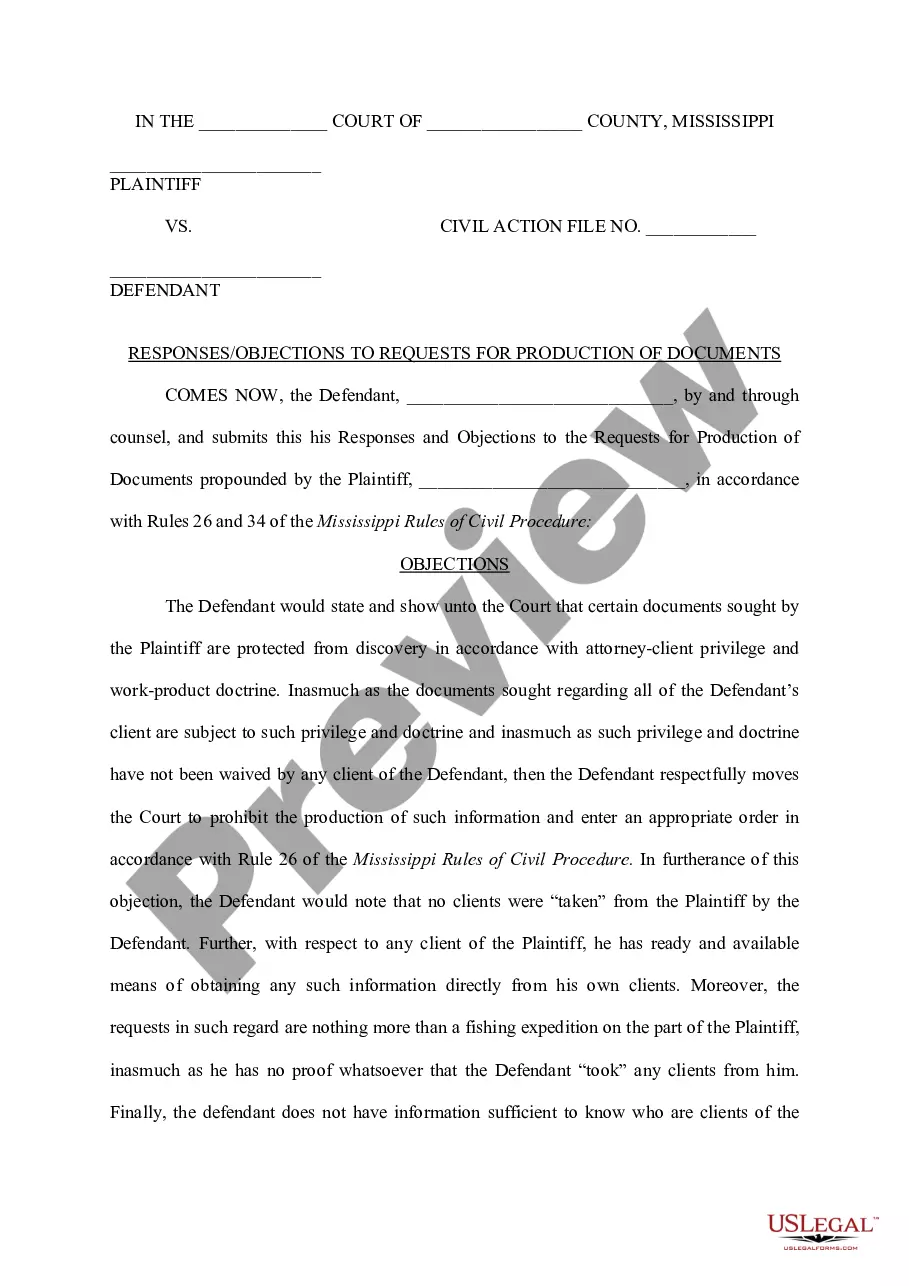
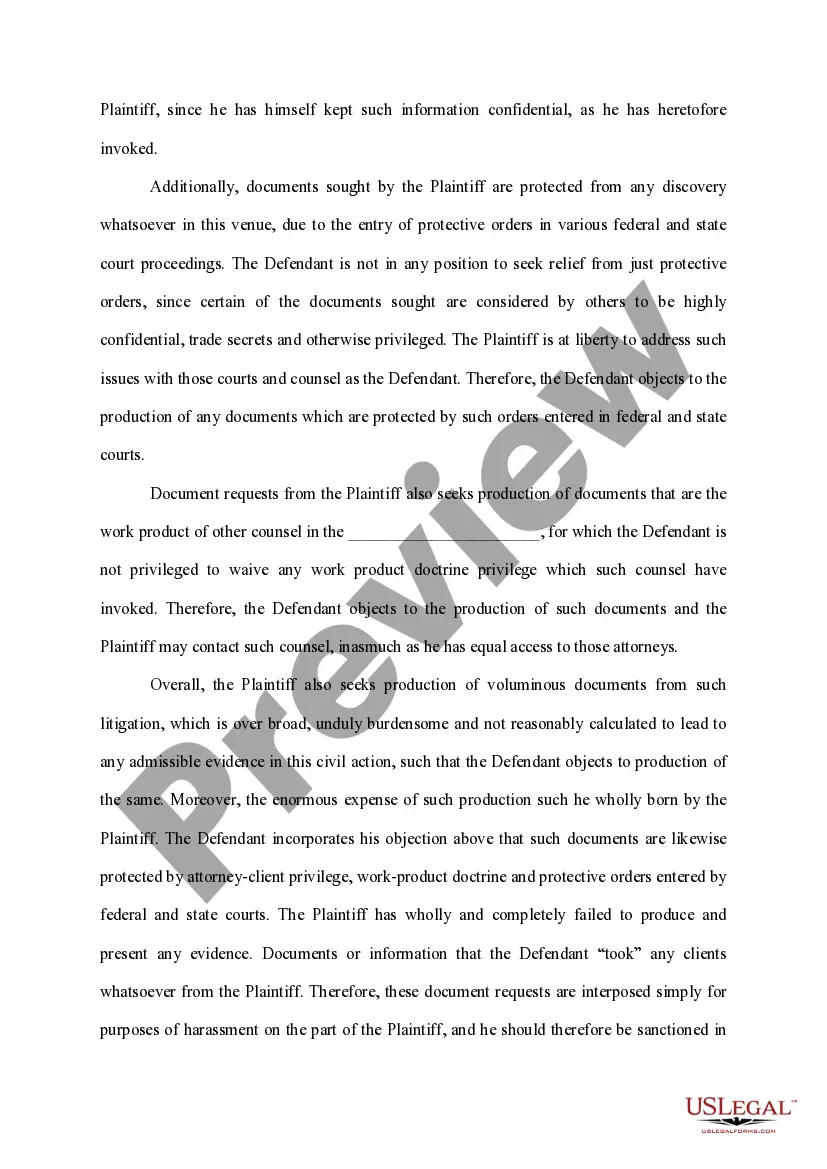
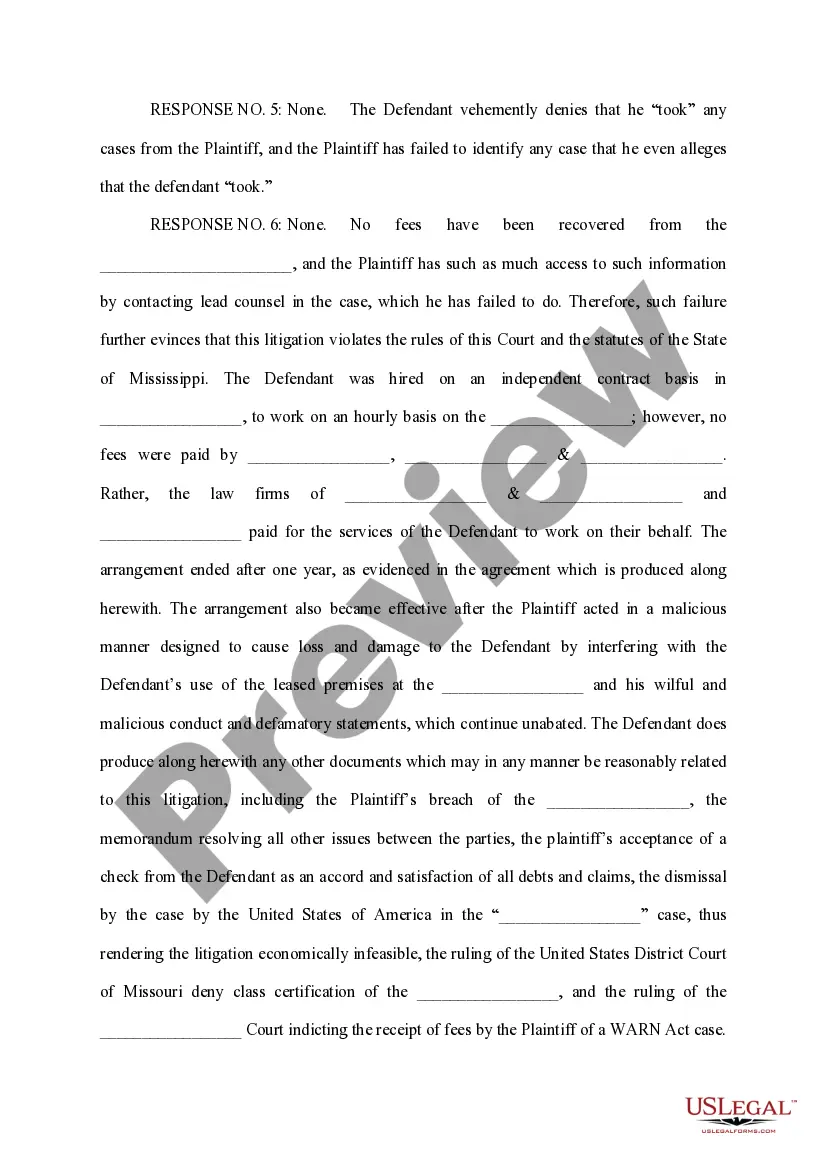
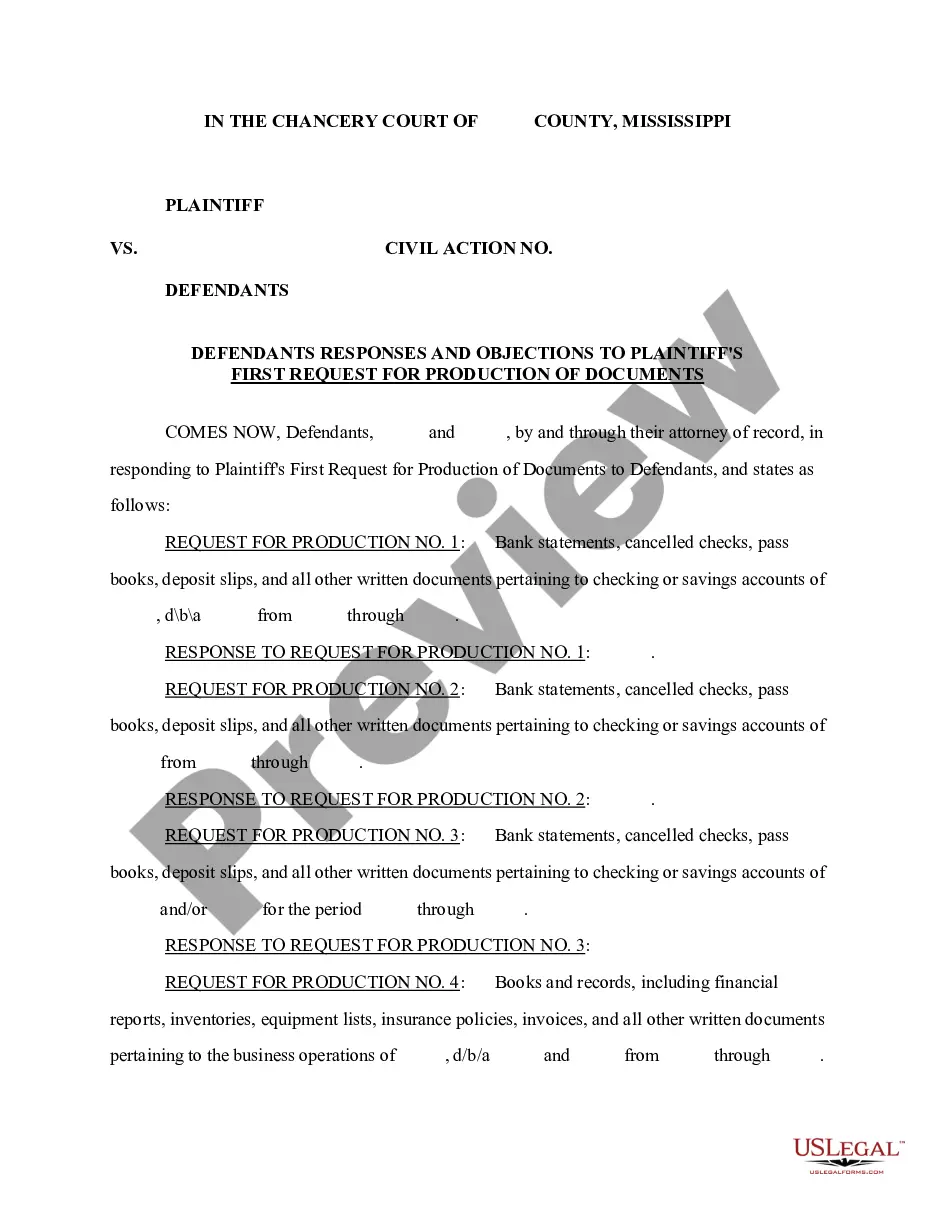
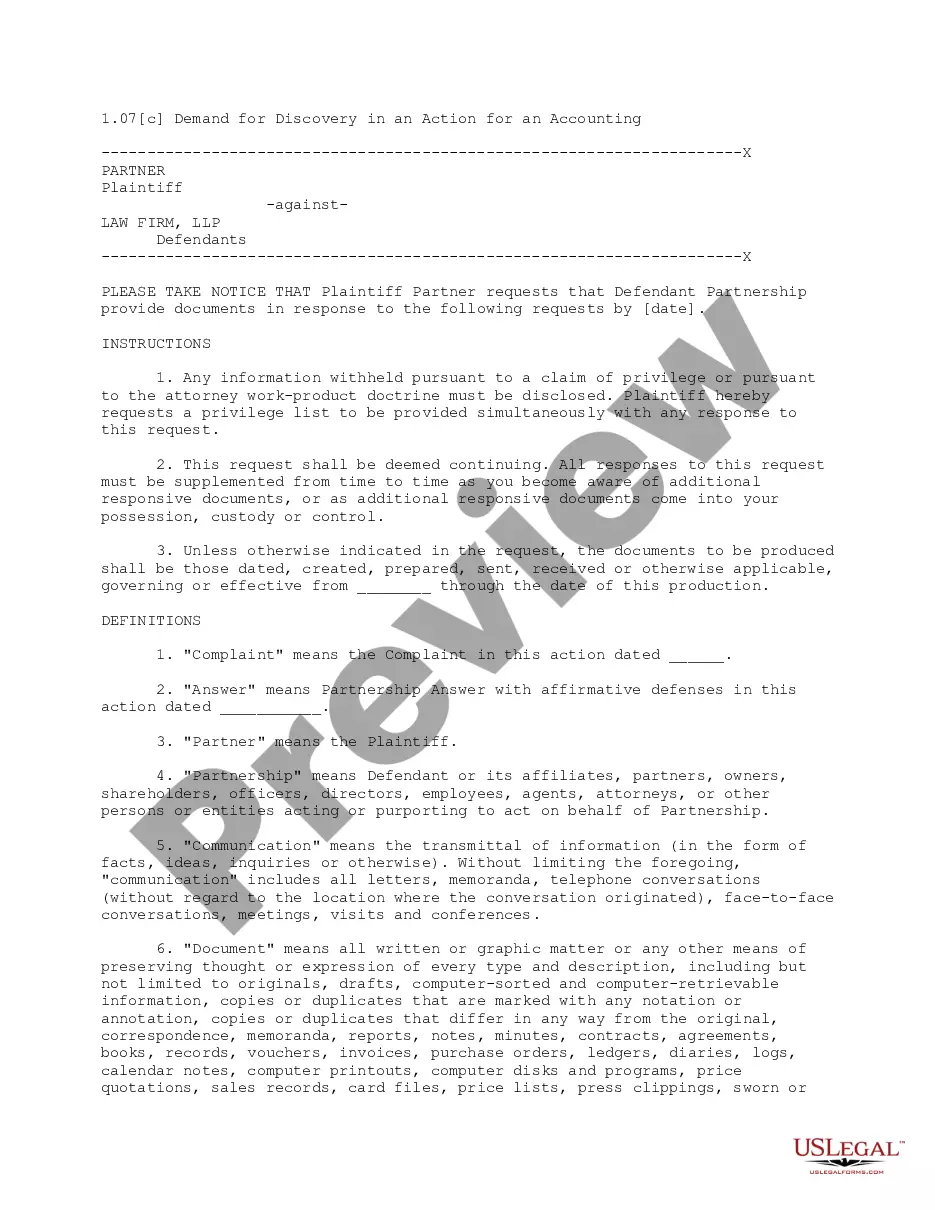
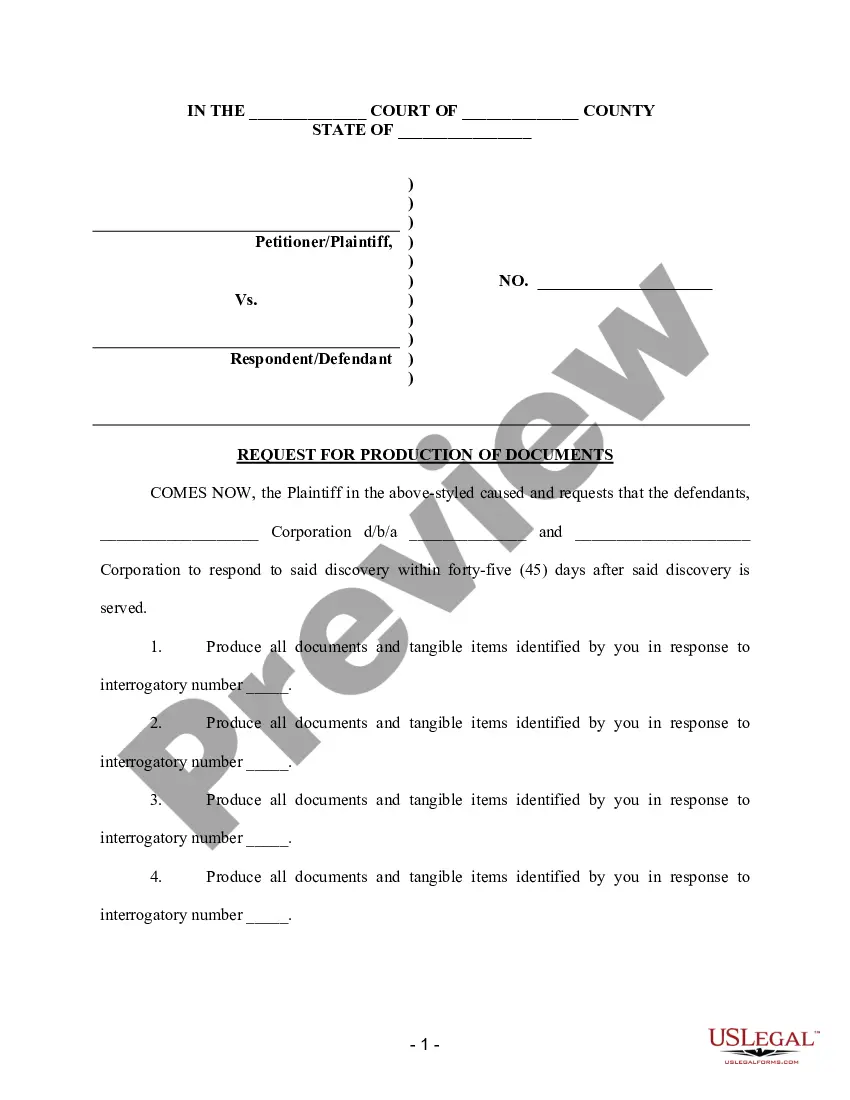
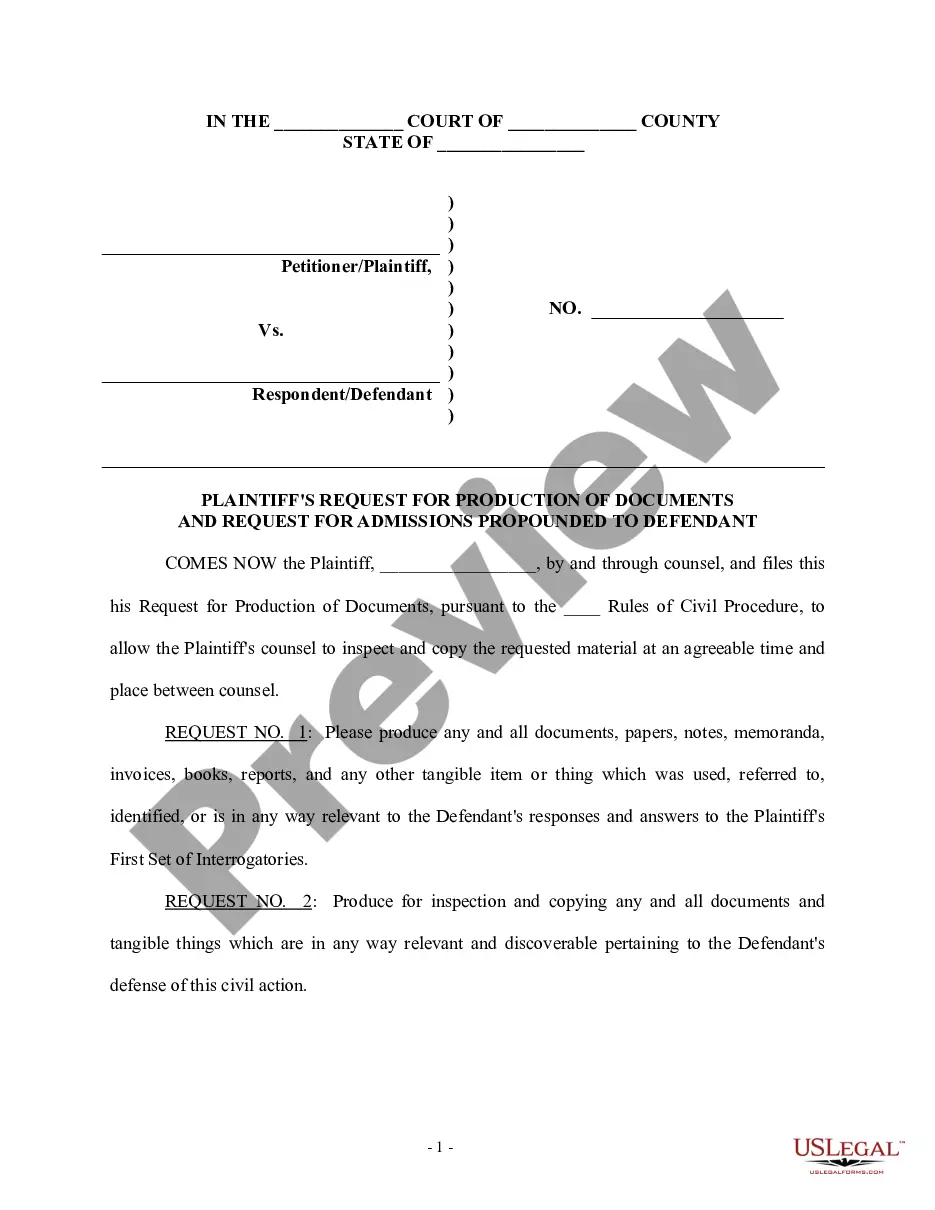
The Responses - Objections to Requests for Productions of Documents form allows a defendant to formally respond to a plaintiff's requests for document production in a civil action. This form highlights objections based on legal privileges such as attorney-client communication and work product, as well as concerns over the breadth and burden of the requests. It aims to protect sensitive information while responding to discovery demands in compliance with applicable rules.
Main sections of this form
- Identification of the court, case number, and parties involved.
- Sections for listing specific objections to the requests for documents.
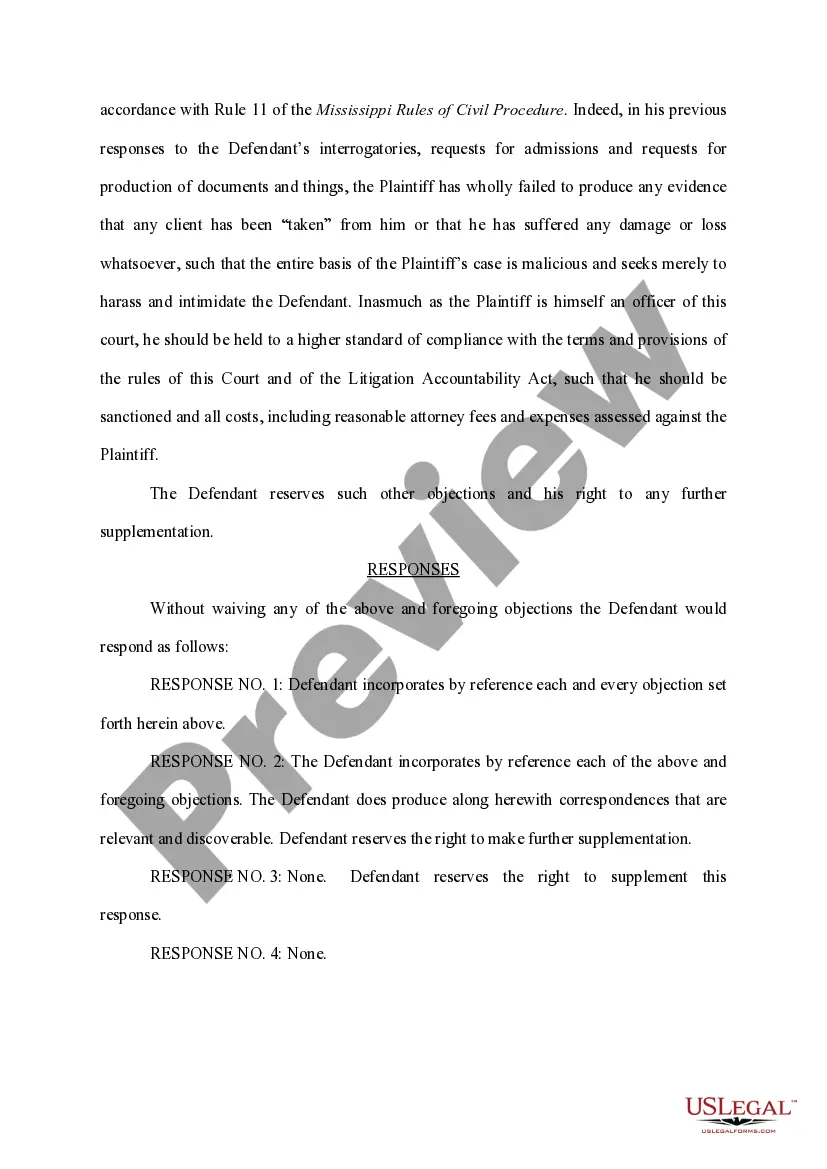
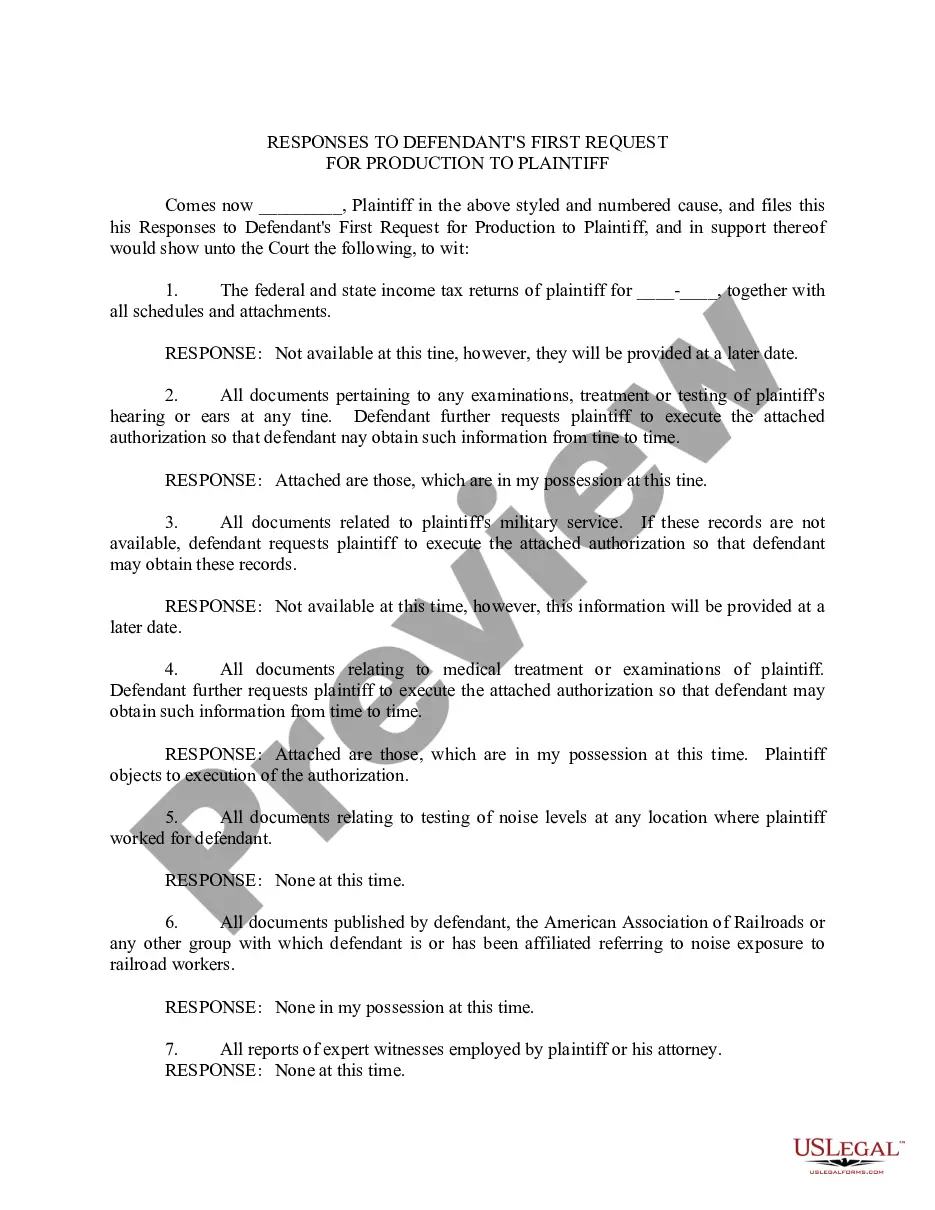
- Responses to individual requests, including statements of privilege and burden.
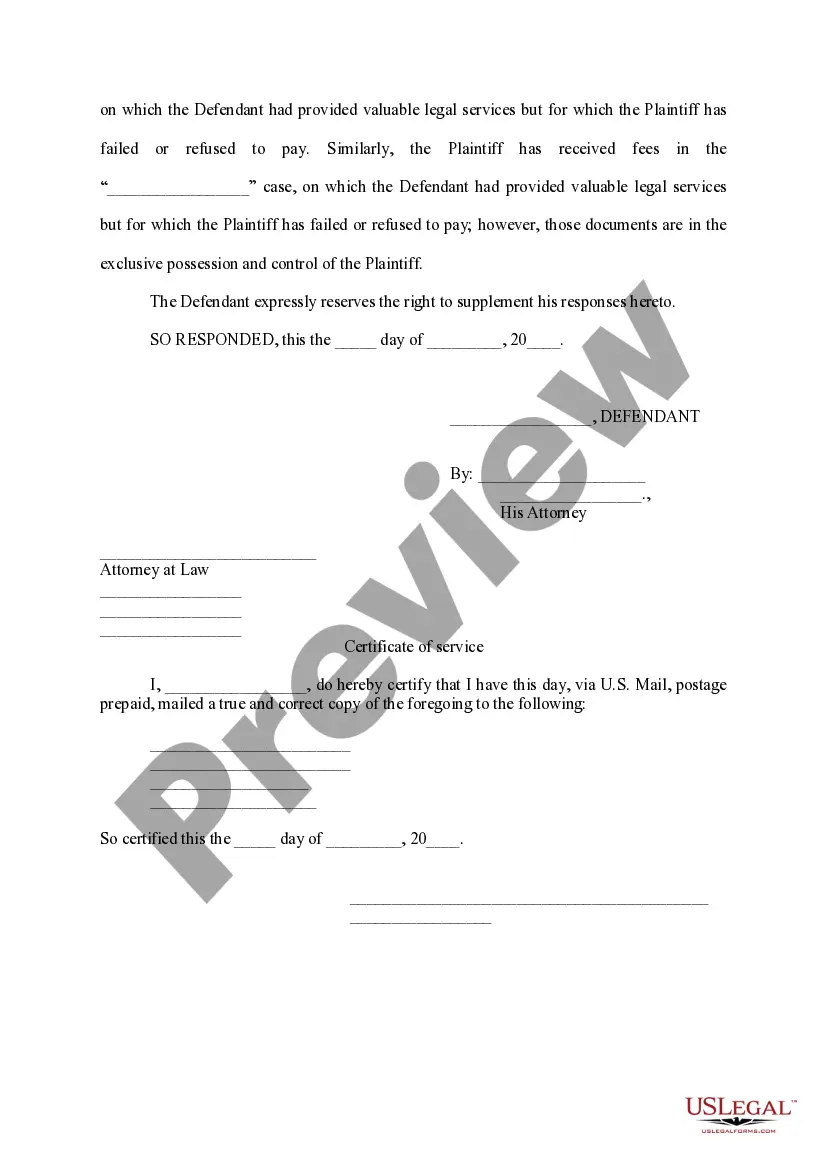
- A reservation of the right to supplement responses as necessary.
- A certificate of service indicating that copies have been sent to the other party.
When to use this document
This form is typically used when a defendant in a civil case receives a request from the plaintiff for the production of documents. It is essential in situations where the defendant believes that the requested documents fall under attorney-client privilege, are protected by work product doctrine, or are simply irrelevant and overly burdensome. This form helps articulate specific legal grounds for refusing to produce the documents requested.
Who needs this form
- Defendants in civil litigation who receive document production requests from a plaintiff.
- Legal counsel representing defendants who need to assert privileges or object to requests.
- Individuals or entities seeking to protect confidential information during legal proceedings.
How to complete this form
- Enter the court's name, county, and the civil action file number at the top of the form.
- Fill in the names of the plaintiff and defendant as indicated.
- Clearly articulate objections in the designated section, specifying the legal grounds for each objection.
- Respond to each document request by providing relevant information or stating the specific objection, as appropriate.
- Sign and date the form at the bottom, ensuring representation by an attorney if applicable.
- Complete the certificate of service to confirm that copies have been sent to other involved parties.
Notarization requirements for this form
In most cases, this form does not require notarization. However, some jurisdictions or signing circumstances might. US Legal Forms offers online notarization powered by Notarize, accessible 24/7 for a quick, remote process.
Get your form ready online
Our built-in tools help you complete, sign, share, and store your documents in one place.
Make edits, fill in missing information, and update formatting in US Legal Forms—just like you would in MS Word.
Download a copy, print it, send it by email, or mail it via USPS—whatever works best for your next step.
Sign and collect signatures with our SignNow integration. Send to multiple recipients, set reminders, and more. Go Premium to unlock E-Sign.
If this form requires notarization, complete it online through a secure video call—no need to meet a notary in person or wait for an appointment.
We protect your documents and personal data by following strict security and privacy standards.

Make edits, fill in missing information, and update formatting in US Legal Forms—just like you would in MS Word.

Download a copy, print it, send it by email, or mail it via USPS—whatever works best for your next step.

Sign and collect signatures with our SignNow integration. Send to multiple recipients, set reminders, and more. Go Premium to unlock E-Sign.

If this form requires notarization, complete it online through a secure video call—no need to meet a notary in person or wait for an appointment.

We protect your documents and personal data by following strict security and privacy standards.
Avoid these common issues
- Failing to specify the legal basis for objections, which can weaken the response.
- Neglecting to answer all requests, even if some objections apply.
- Not signing the document or misplacing signatures, which invalidates the submission.
- Overly vague objections that do not provide sufficient detail to support claims.
Advantages of online completion
- Convenient access to legal form templates that can be downloaded and customized.
- Increased efficiency in preparing a legal response with guided prompts.
- Less risk of errors, as forms are drafted by licensed attorneys and can be easily revised.
- Quick turnaround time to meet legal deadlines in ongoing litigation.
Legal use & context
- This form is vital for protecting sensitive attorney-client communications during litigation.
- Proper use of the form may protect a party from compelled disclosure of critical documents.
- Objections raised must be legitimate and supported by evidence of privilege or undue burden.
Looking for another form?
Form popularity
FAQ
When responding to Requests for Admissions, remember to answer as follows: Admit: If any portion of the Request for Admission is true then you must admit to that portion of the request. You are also allowed to have a hybrid response admit the part of the request that is true while denying another part.
Similar to responses to Requests for Production, responses to Requests for Admissions do not have to be verified. It is critical to respond to Requests for Admissions because failure to respond results in the requests being deemed admitted without the need for a motion to have the responses established as admitted.
If a request asks for a document, make a copy of the document; in your response, describe the document and say that a copy is attached; and attach a copy of the document to the responses you send back to the other side.
SUMMARY: Failure to timely answer discovery or refusal to answer discovery has two important and potentially catastrophic consequences. You may waive your right to object to the discovery even if the other party has no right to the information requested. In other words, you may be forced to give it to them.
Each request must be numbered consecutively. The first paragraph immediately shall state he identity of the party requesting the admissions, the set number, and the identity of the responding party. Each request shall be separately set forth and identified by letter or number. C.C.P.
Proper Objections A responding party has four options: (1) admit; (2) deny; (3) admit in part and deny in part; or (4) explain why the party is unable to answer. It is possible to object to all or part of a request as well, but courts do not like parties who play word games to avoid responding.
ANSWER: A fictional document. A non-existent objection neither based in statutory authority nor found in case law. A statement by a party during the discovery phase that they will neither be held to the Code of Civil Procedure nor the rules of evidence.
If you admit the request, write admit for your response. If you deny the request, write deny. If you have to qualify an answer or deny only a part, you must specify the part that is true and deny the rest.
So, can you refuse to answer interrogatories? The answer is, no, you may not. You must answer a Rule 33 interrogatory within 30 days of being served with it. That answer must either permit inspection of the requested information or object to the production of the information for a specific reason.