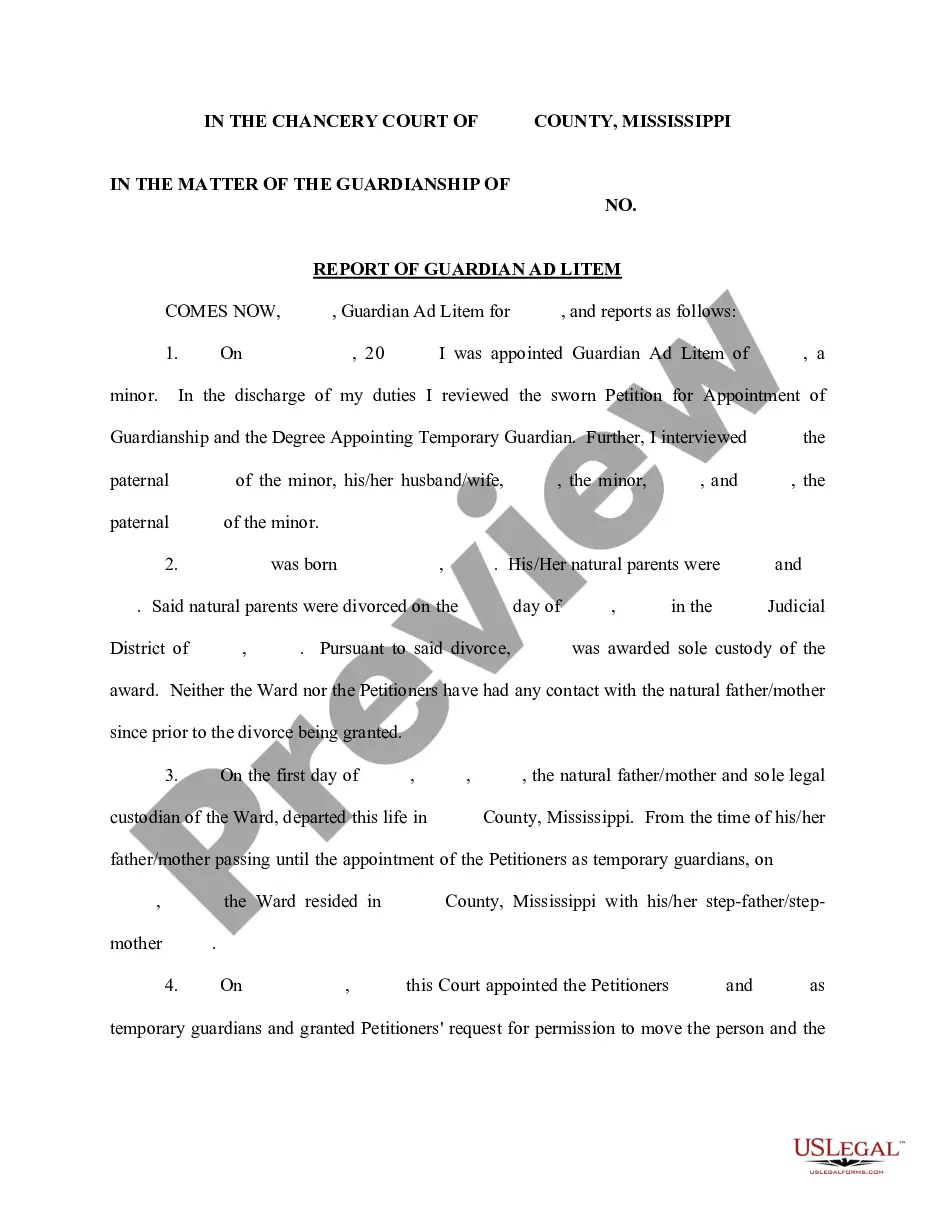
Bankruptcy Client Interview Form
About this form
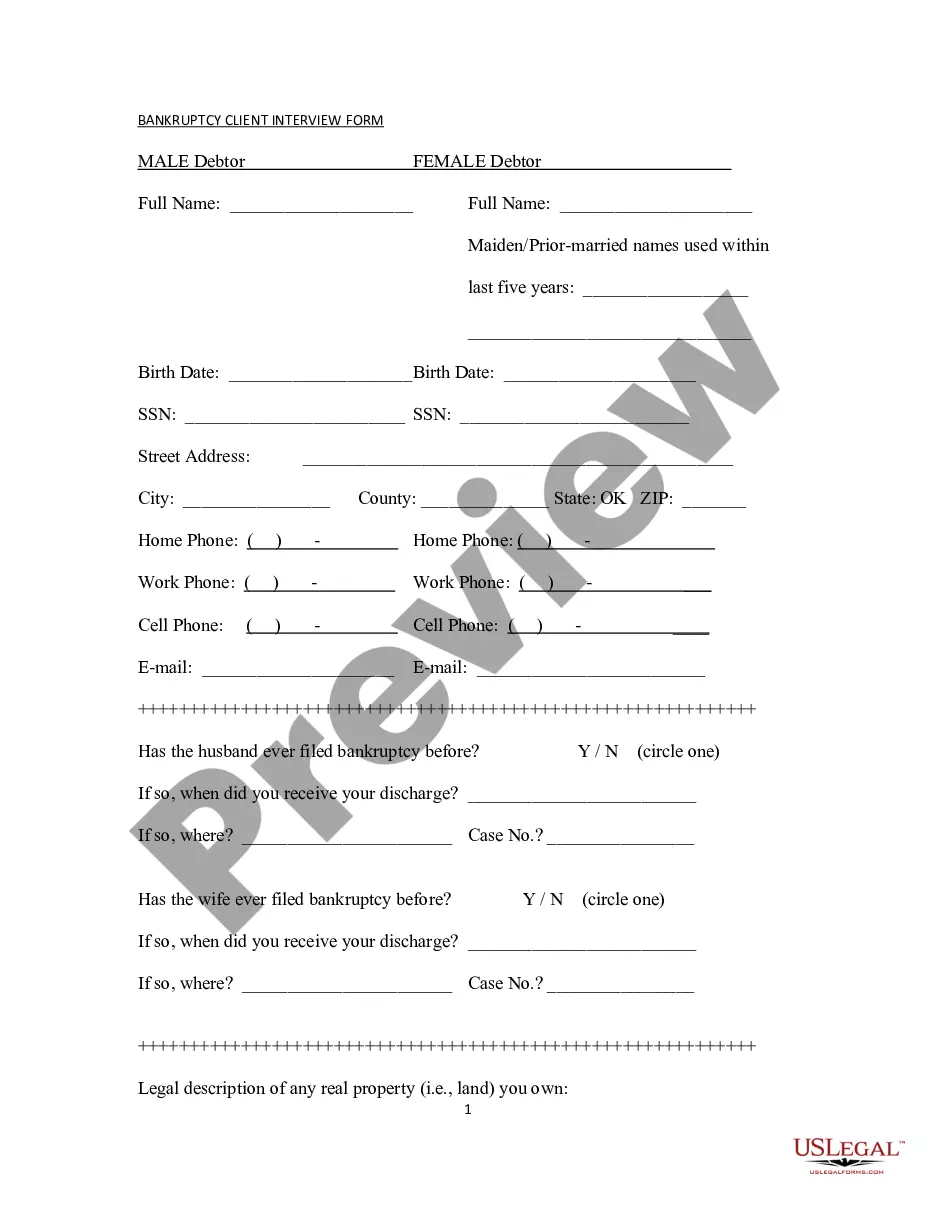
The Bankruptcy Client Interview Form is designed to help attorneys collect essential information from debtors considering filing for bankruptcy. This form gathers personal, financial, property, employment, and debt-related details, making it crucial for the bankruptcy process. Unlike other legal forms, this interview form specifically focuses on understanding the debtor's situation and ensuring all necessary information is accurately documented before proceeding with a bankruptcy filing.
Form components explained
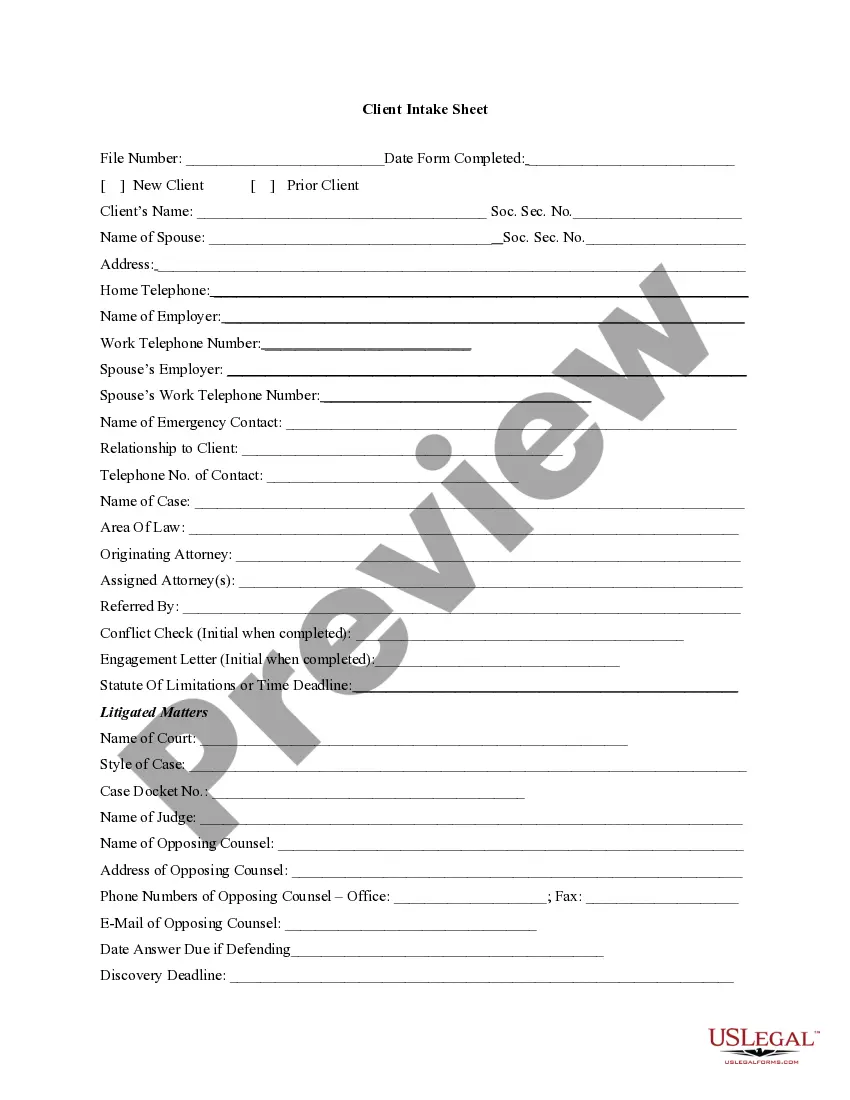
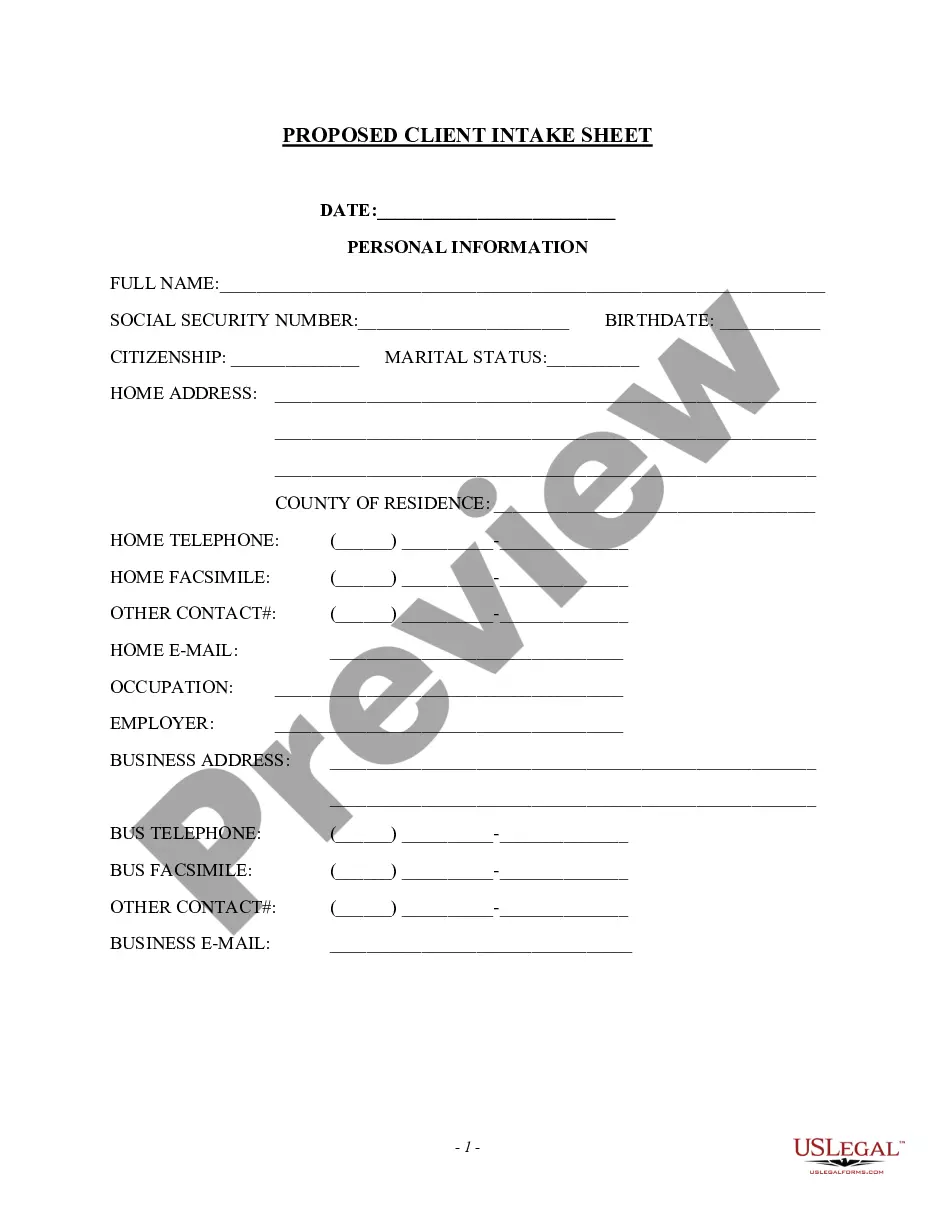
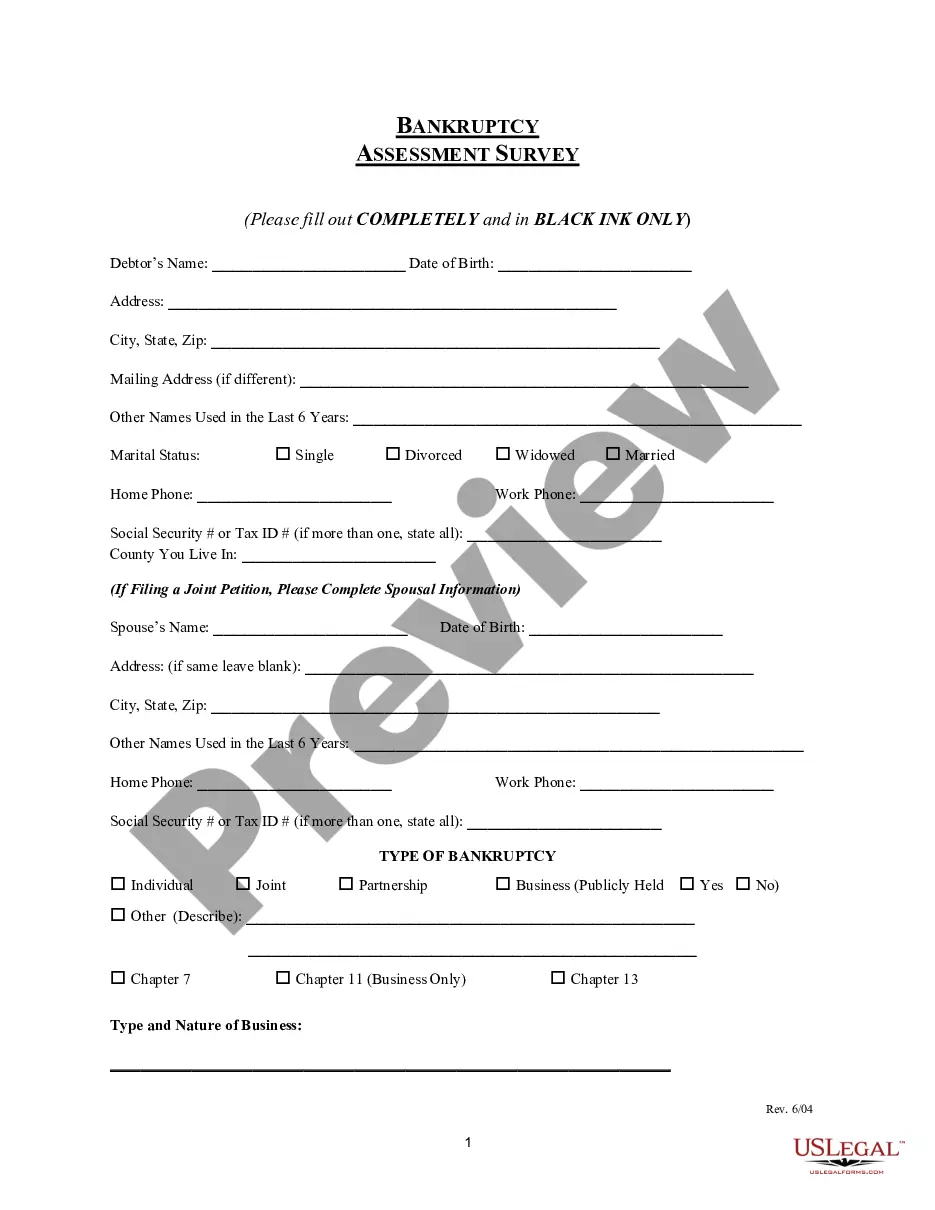
- Personal information of the debtor, including full names, birth dates, and contact details.
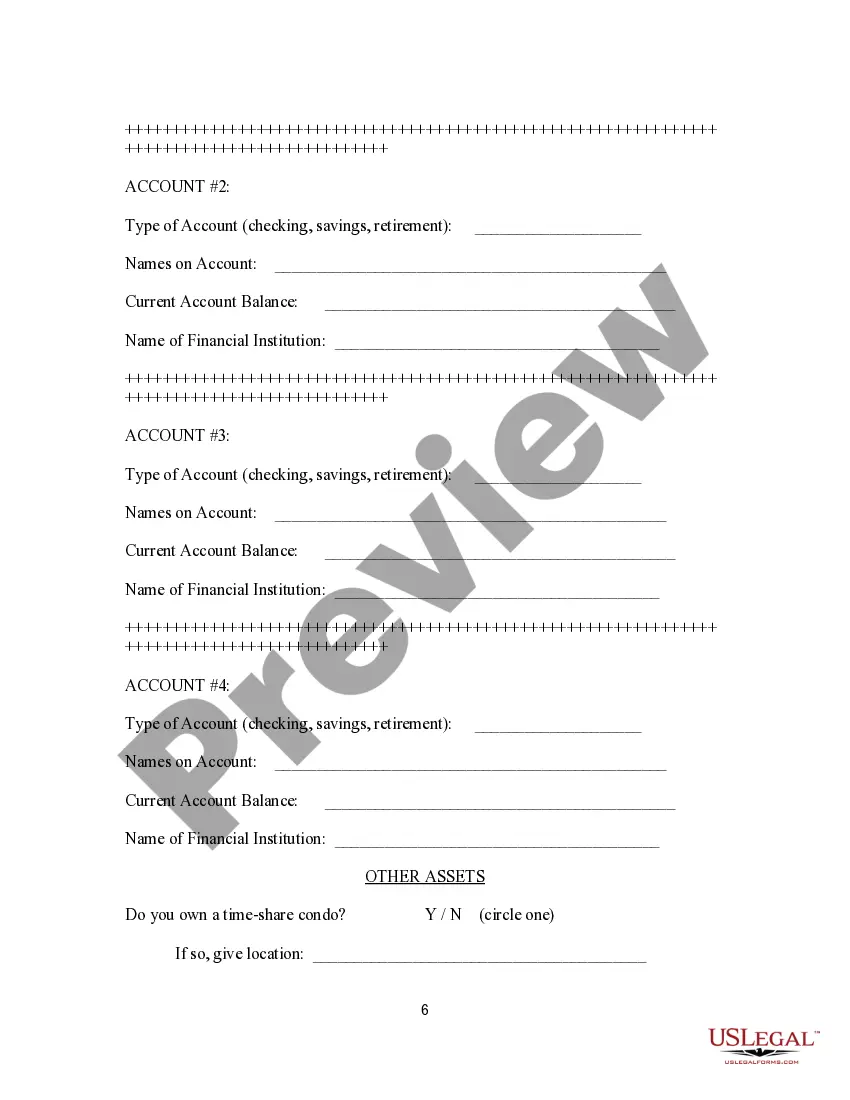
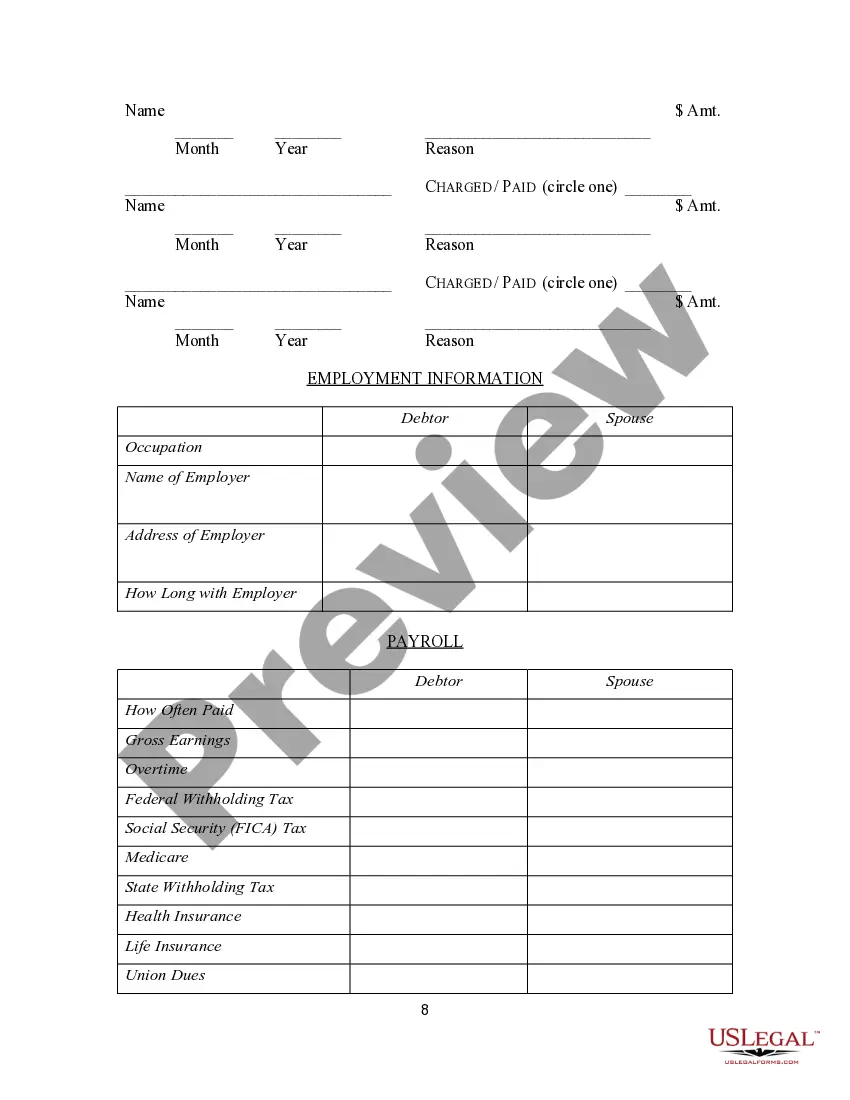
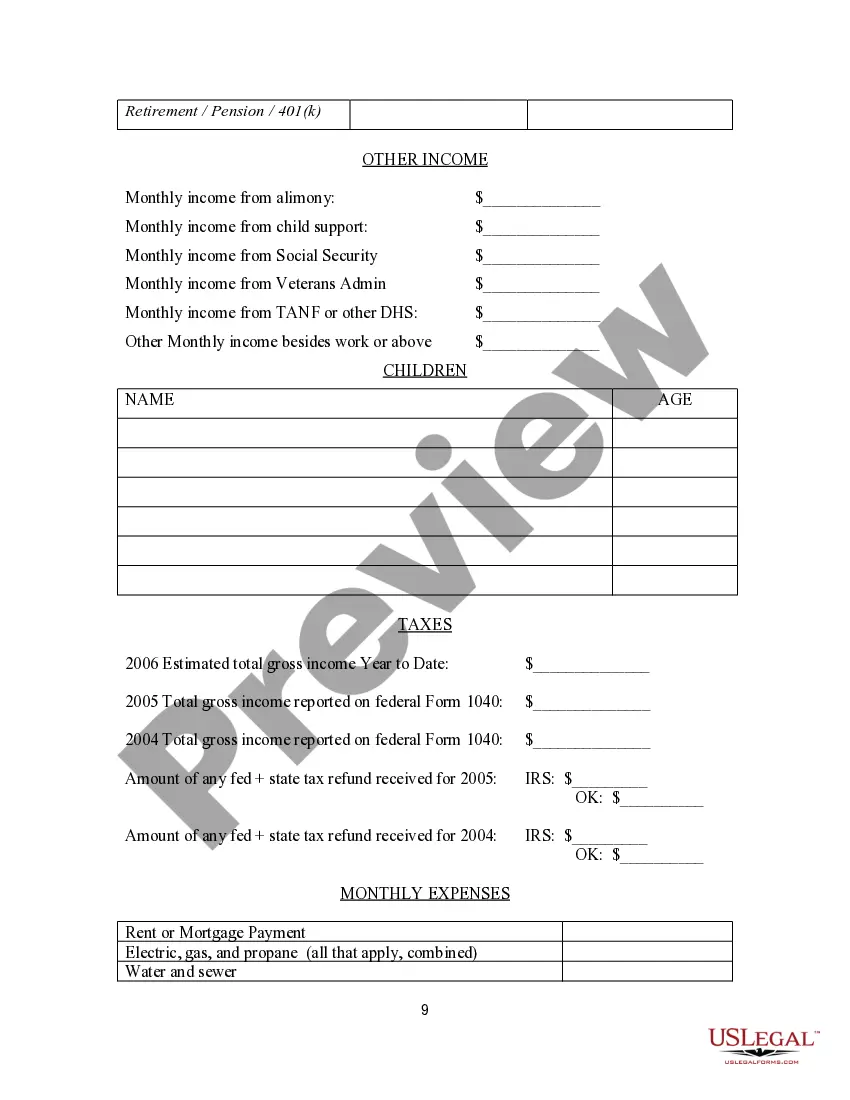
- Financial details such as income, employment history, and sources of income.
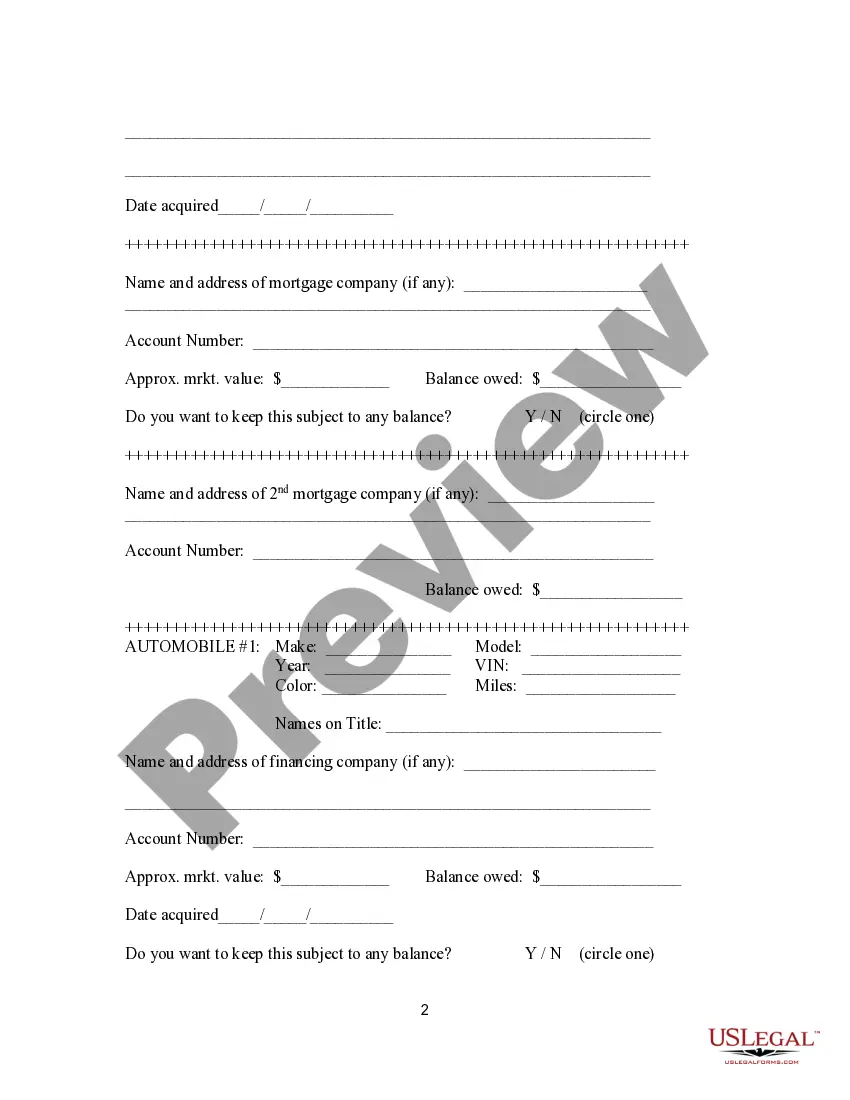
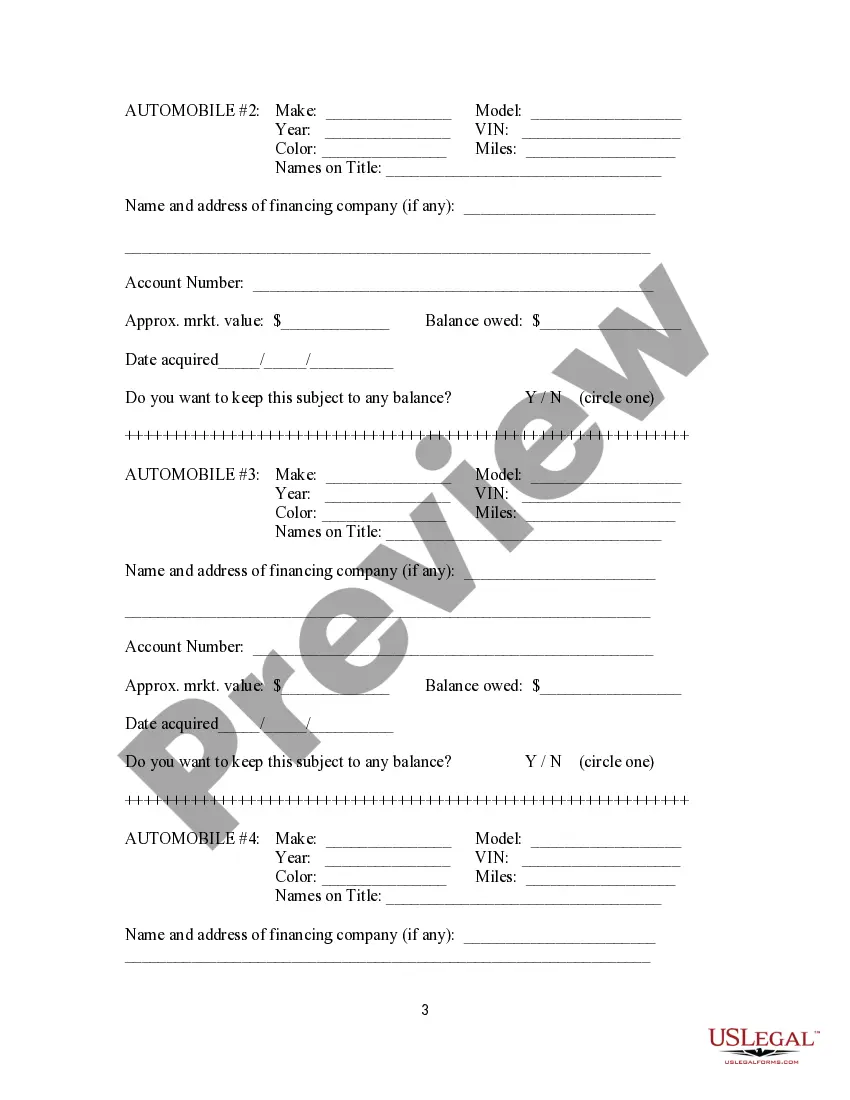
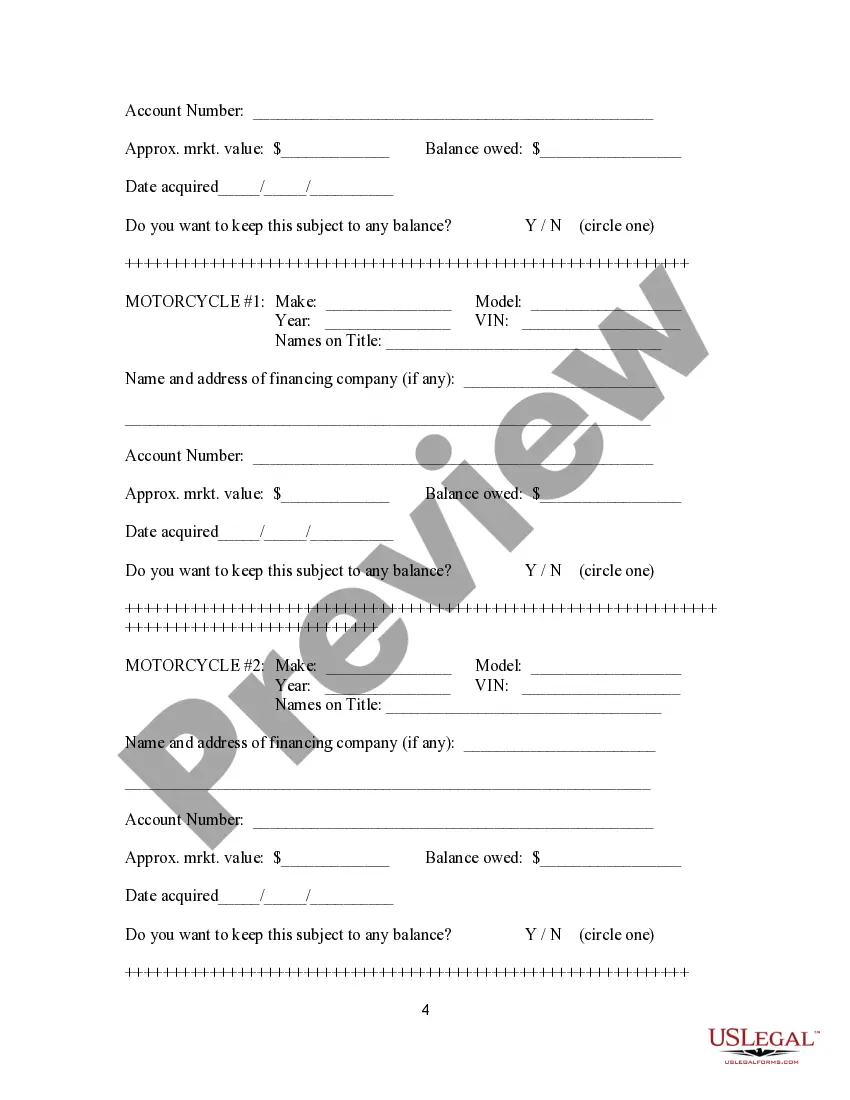
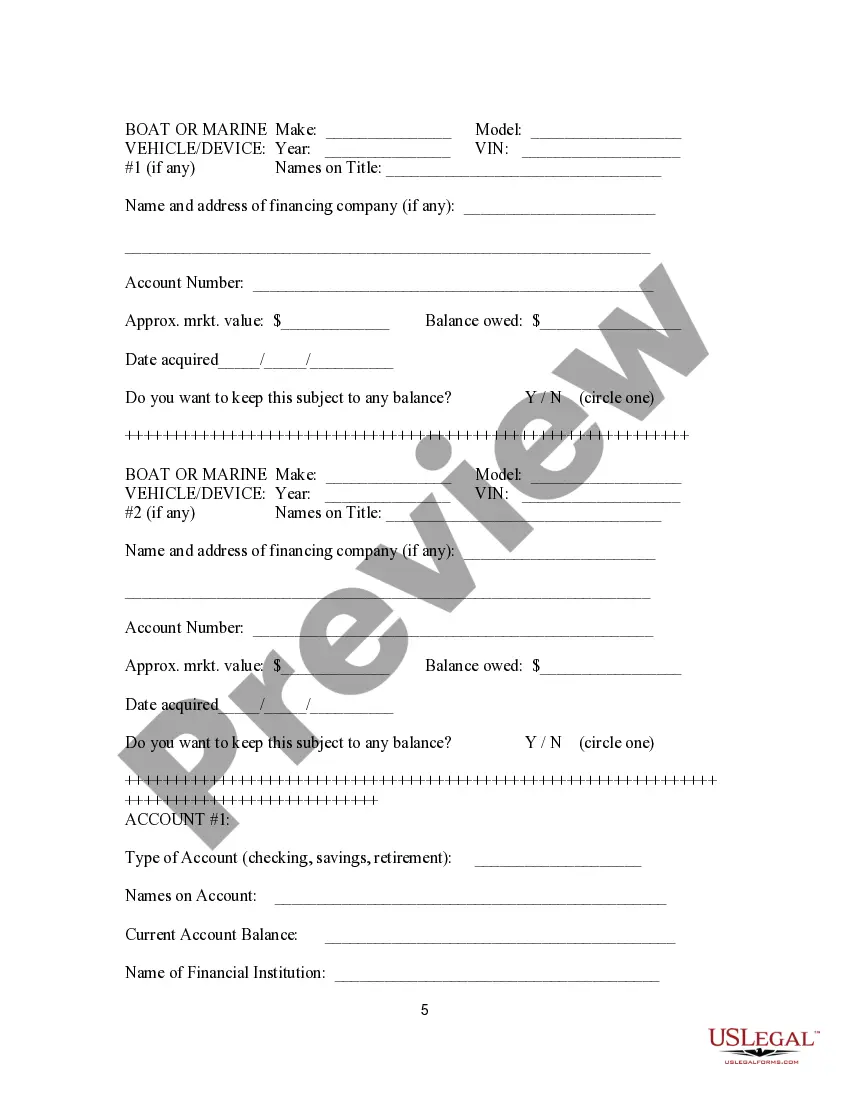
- Property details, including real estate and vehicles owned by the debtor.
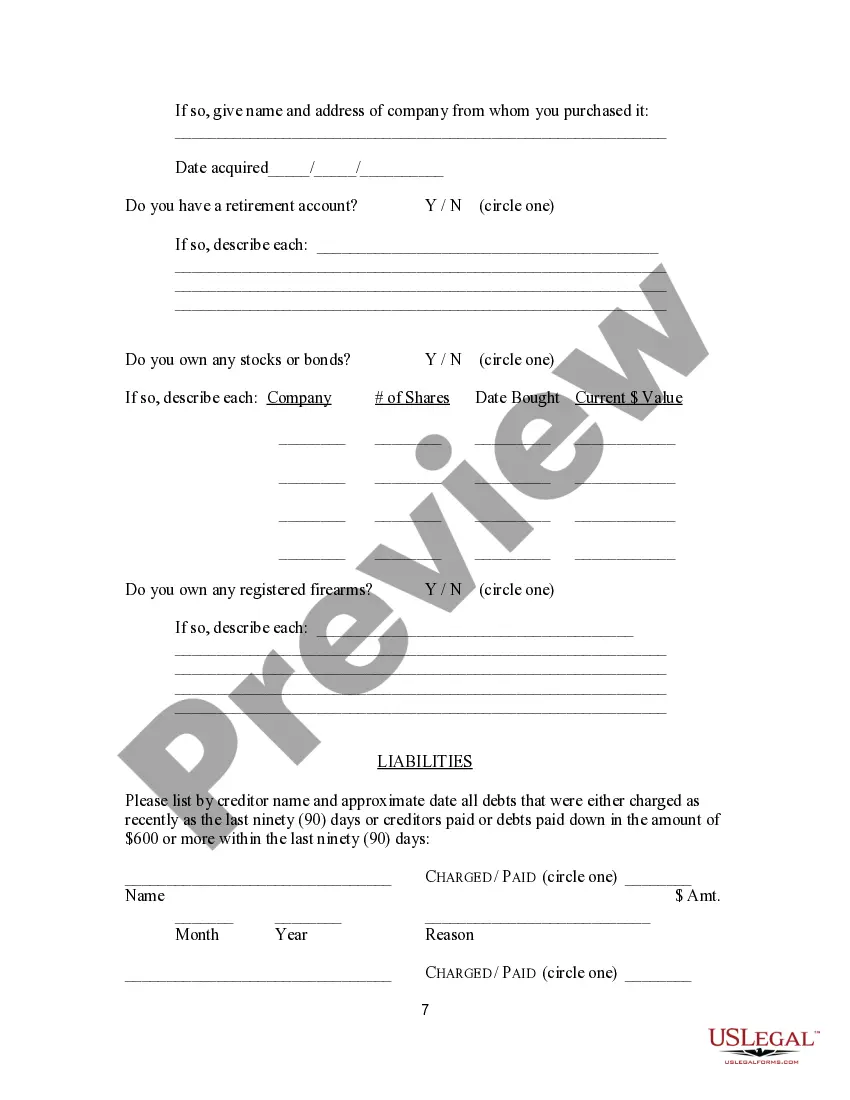
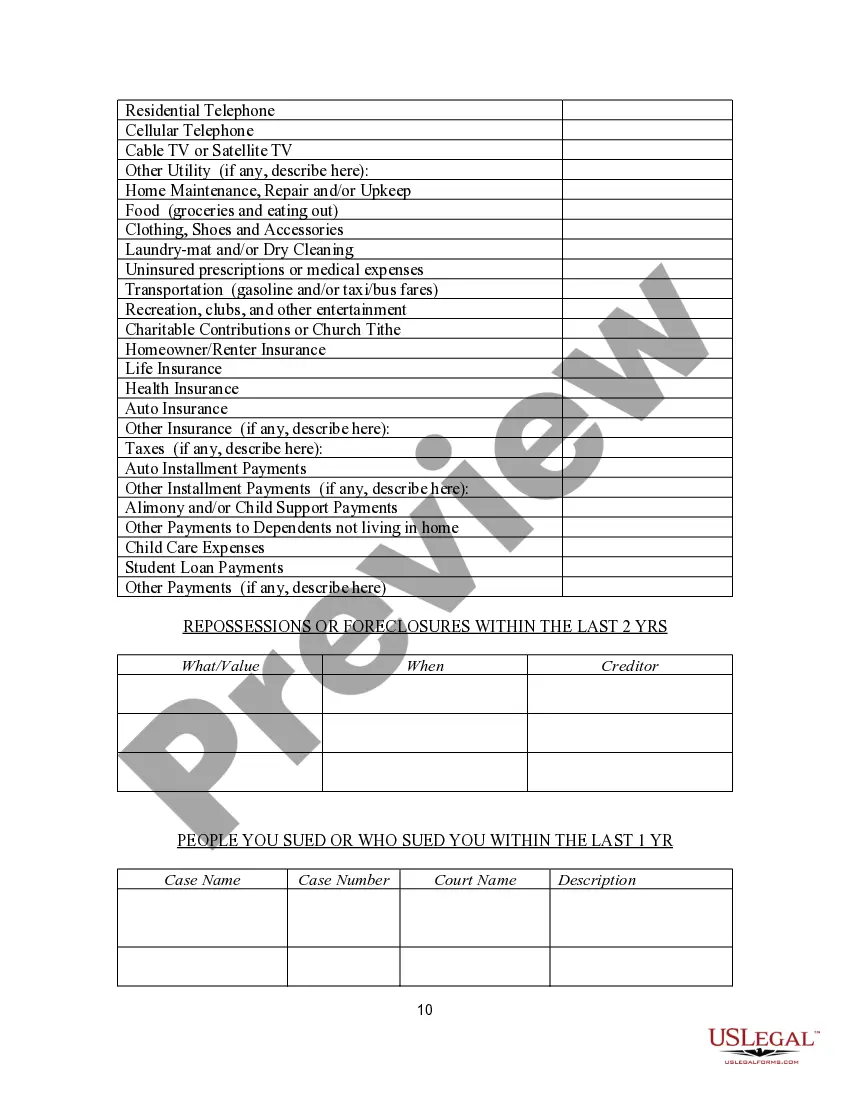
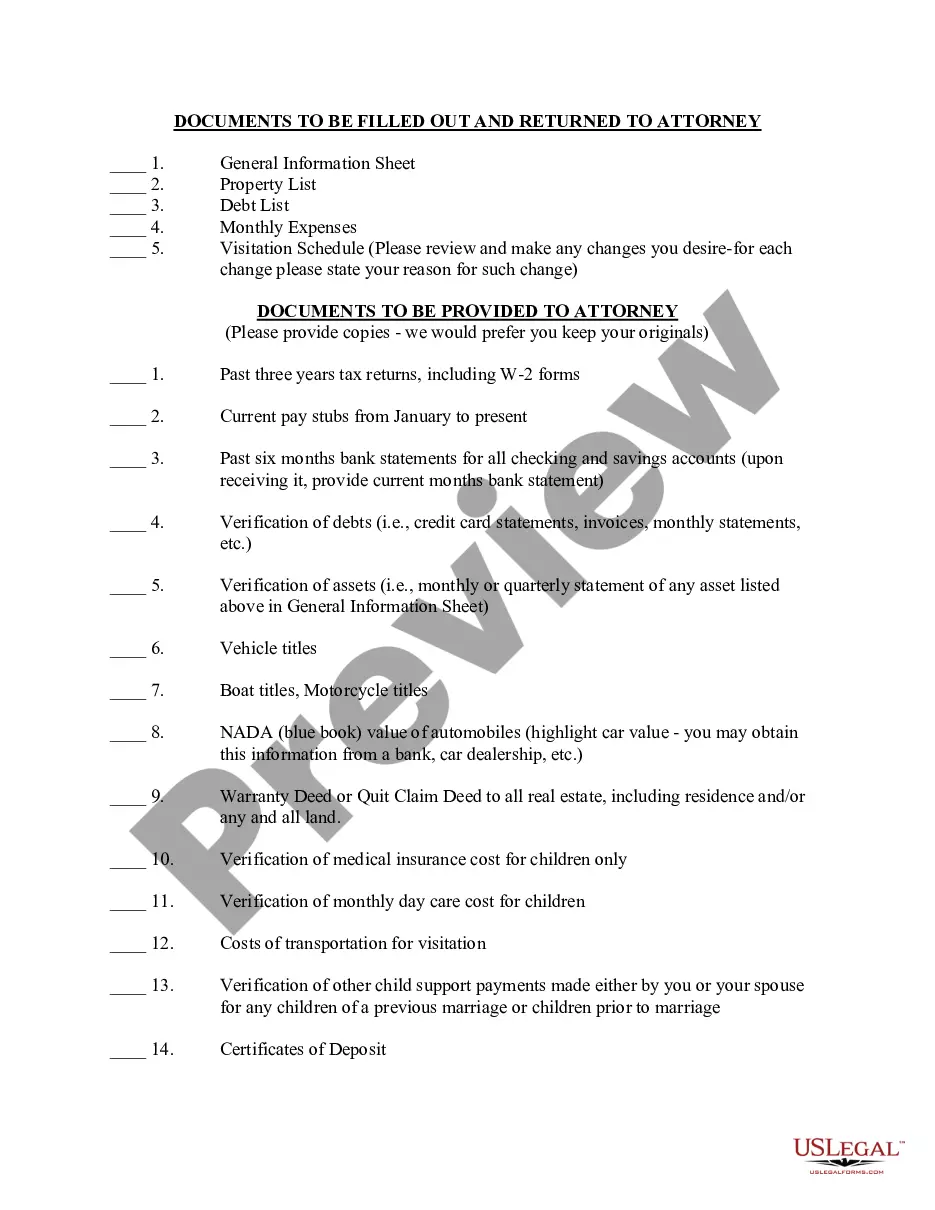
- List of debts and liabilities, including amounts owed and creditor information.
- Information on prior bankruptcy filings, if applicable.
- Declarations and agreements regarding attorney fees and responsibilities.

Common use cases
This form is needed when a debtor is considering filing for bankruptcy under Chapter 7. It is crucial for accurately assessing the debtor's financial situation and ensuring that the attorney is fully informed. The form should be completed prior to the initial consultation with the attorney to streamline the filing process and avoid any potential delays.
Who should use this form
Eligible users include:
- Individuals or couples looking to file for Chapter 7 bankruptcy.
- Those who have previously filed for bankruptcy and need to provide updated information.
- Debtors who wish to clarify their financial positions and obligations before seeking legal counsel.
How to complete this form
Steps to complete this form:
- Fill in personal details such as names, contact information, and birth dates for all debtors.
- Document financial information, including employment history, salary, and other income sources.
- List all assets, including real estate and vehicles, along with their corresponding values and outstanding balances.
- Detail all liabilities, noting each creditor and the amount owed.
- Review the form for accuracy and sign, acknowledging that the information is correct.
Does this document require notarization?
This form does not typically require notarization unless specified by local law. Users can complete and submit the form without the need for a notary, ensuring a streamlined preparation process.
Get your form ready online
Our built-in tools help you complete, sign, share, and store your documents in one place.
Make edits, fill in missing information, and update formatting in US Legal Forms—just like you would in MS Word.
Download a copy, print it, send it by email, or mail it via USPS—whatever works best for your next step.
Sign and collect signatures with our SignNow integration. Send to multiple recipients, set reminders, and more. Go Premium to unlock E-Sign.
If this form requires notarization, complete it online through a secure video call—no need to meet a notary in person or wait for an appointment.
We protect your documents and personal data by following strict security and privacy standards.

Make edits, fill in missing information, and update formatting in US Legal Forms—just like you would in MS Word.

Download a copy, print it, send it by email, or mail it via USPS—whatever works best for your next step.

Sign and collect signatures with our SignNow integration. Send to multiple recipients, set reminders, and more. Go Premium to unlock E-Sign.

If this form requires notarization, complete it online through a secure video call—no need to meet a notary in person or wait for an appointment.

We protect your documents and personal data by following strict security and privacy standards.
Common mistakes
- Omitting prior bankruptcy filings, which can lead to complications.
- Failing to list all assets, resulting in a potential loss of property during the bankruptcy process.
- Not providing complete contact information, hindering communication with the attorney.
- Incorrectly filling out income details, which could affect eligibility for bankruptcy relief.
Benefits of completing this form online
- Convenient access to fill out the form from anywhere, at any time.
- Easy to download and save for future reference or adjustments.
- Professionally drafted by licensed attorneys to ensure compliance with legal standards.
- Editable fields allow users to provide precise information, reducing errors.
Looking for another form?
Form popularity
FAQ
Secured creditors like banks are going to get paid first. This is because their credit is secured by assets?typically ones that your business controls. Your plan and the courts may consider how integral the assets are that secure your loans to determine which secured creditors get paid first though.
Key Takeaways. Companies can file for either Chapter 7 or Chapter 11 bankruptcy if they're unable to pay their debts. Chapter 7 simply liquidates the company's assets, while Chapter 11 allows the business to continue to operate under a reorganization plan.
Severance pay is a predetermined salary you can receive after being terminated or laid off due to a company shutdown. The amount and length of time you may receive severance pay often varies, depending on your employer's policies and your individual employment contract.
Be sure to carefully examine every aspect of your financial history before entering your meeting. The bankruptcy trustee appointed to your case will be thorough and will likely ask you very personal financial questions. Be prepared to answer these questions honestly and openly as you are under oath during the hearing.
In Chapter 7 bankruptcy, the wages you earn after filing your case are not considered property of your bankruptcy estate. This means that the bankruptcy trustee can't take them to pay your creditors. As a result, you are entitled to keep all wages you earn for work performed after your filing date.
You should probably not quit your job. Quitting your job before filing for bankruptcy will raise the suspicions of the bankruptcy trustee, who takes the means test seriously. The bankruptcy trustee may dismiss your case, which means you'll need to resort to filing a Chapter 13 bankruptcy.
Employees are laid off, and those who are owed wages and benefits become creditors. A ?case trustee? is appointed to liquidate (sell or otherwise reduce to cash) all of the company's assets and property and review the claims filed by the company's creditors.
Conducting the lawyer-client interview Make the client feel comfortable.Observe non-verbal communication.Listen, listen, listen during your initial consultation.Integrate with your practice management software.Track potential clients by their stage in the client intake process.