Employee Evaluation Form for Police Officer
What this document covers
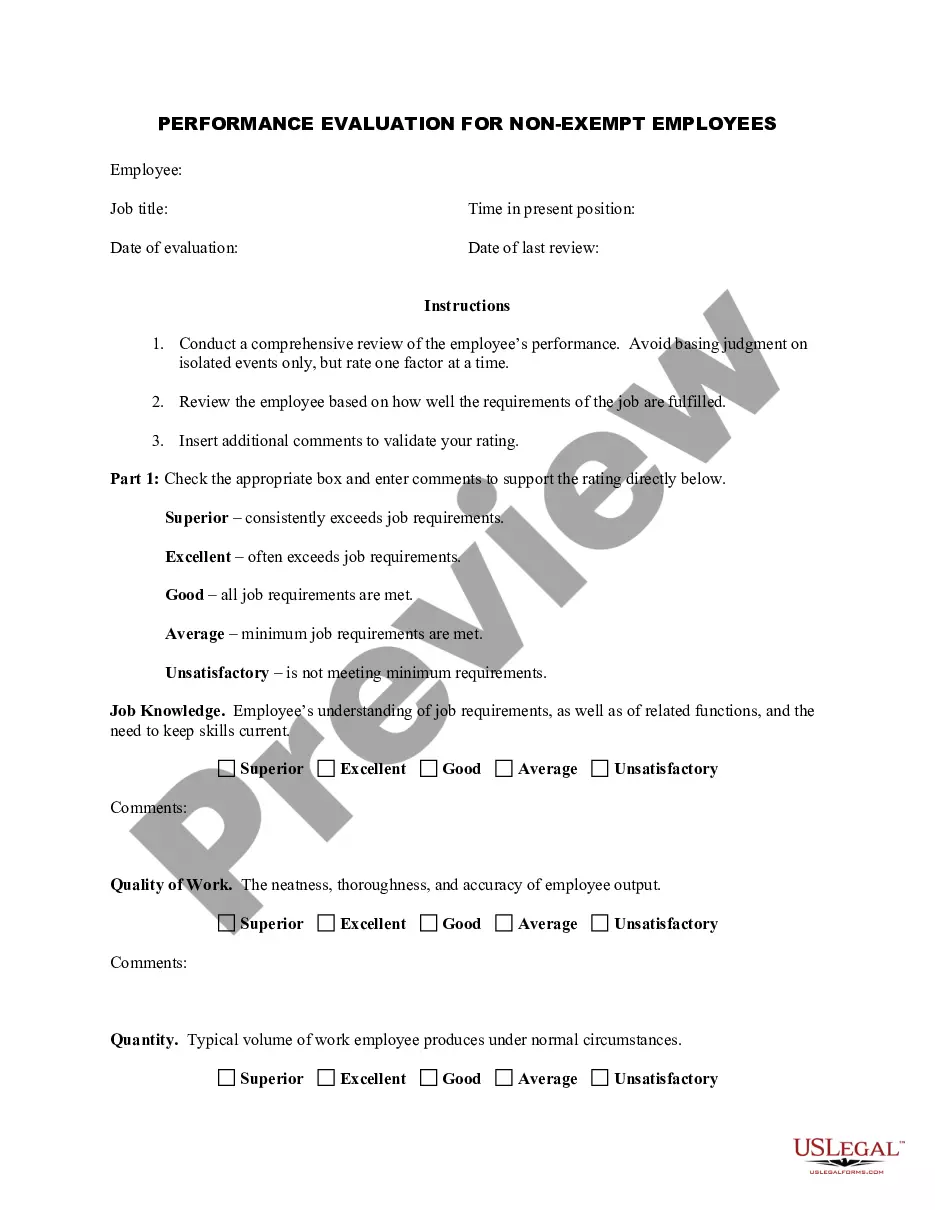
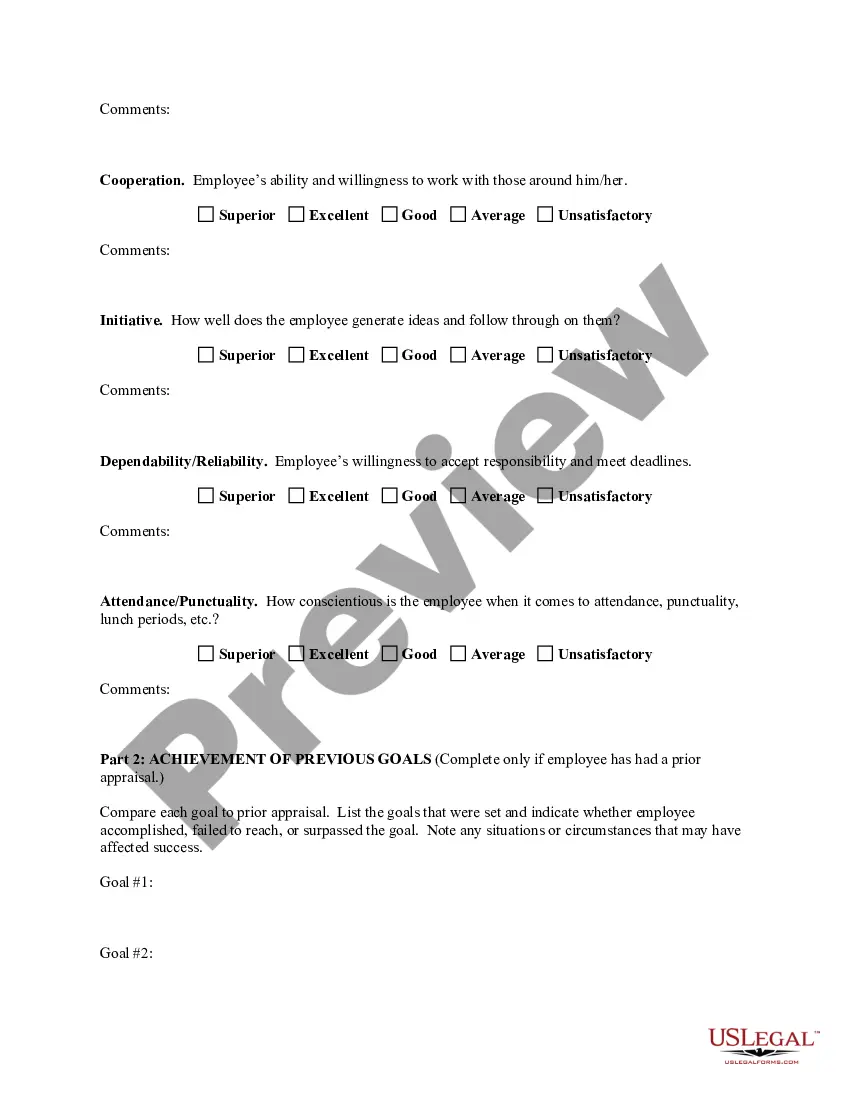
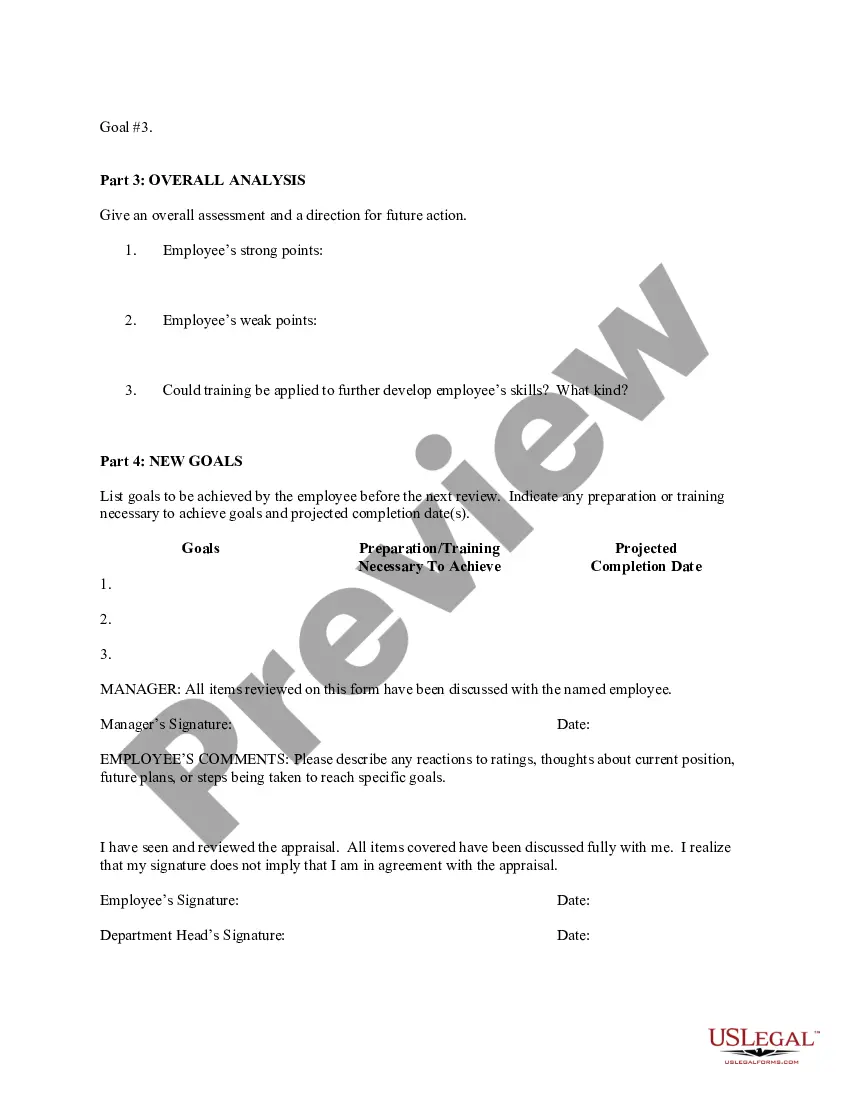
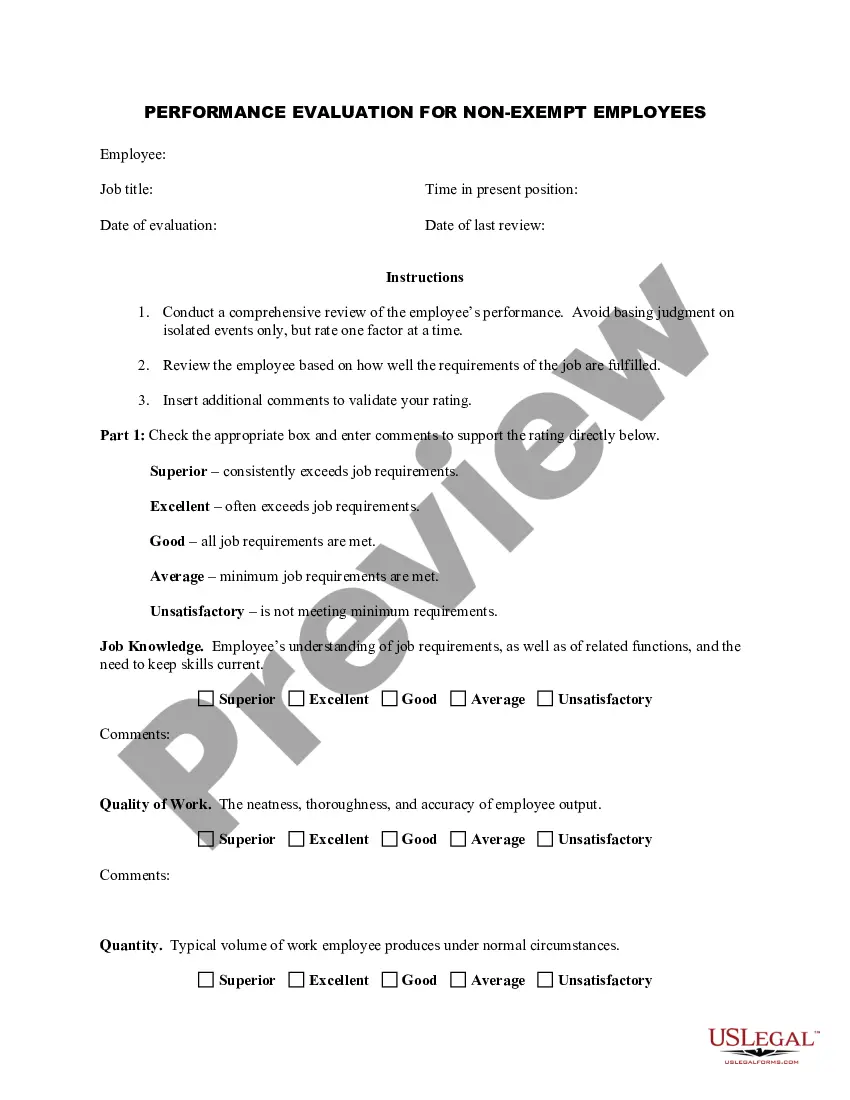
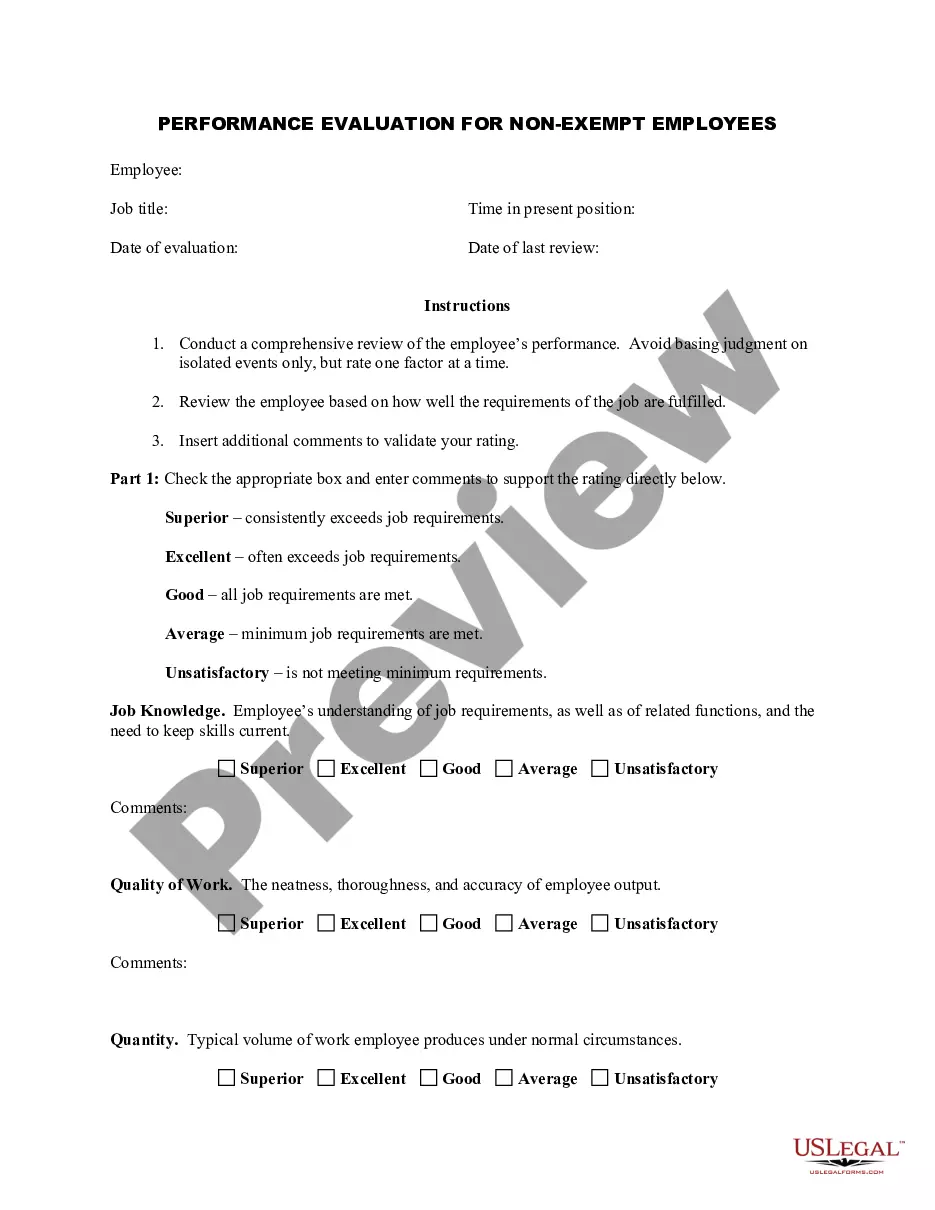
The Employee Evaluation Form for Police Officer is a performance review tool designed to assess the competencies and effectiveness of police officers in their duties. This form helps supervisors systematically evaluate an officer's job performance, identify strengths and areas for improvement, and set goals for future performance. It serves as both a record of performance and a foundation for professional development, differentiating itself from general employee review forms by focusing specifically on law enforcement duties and responsibilities.
What’s included in this form
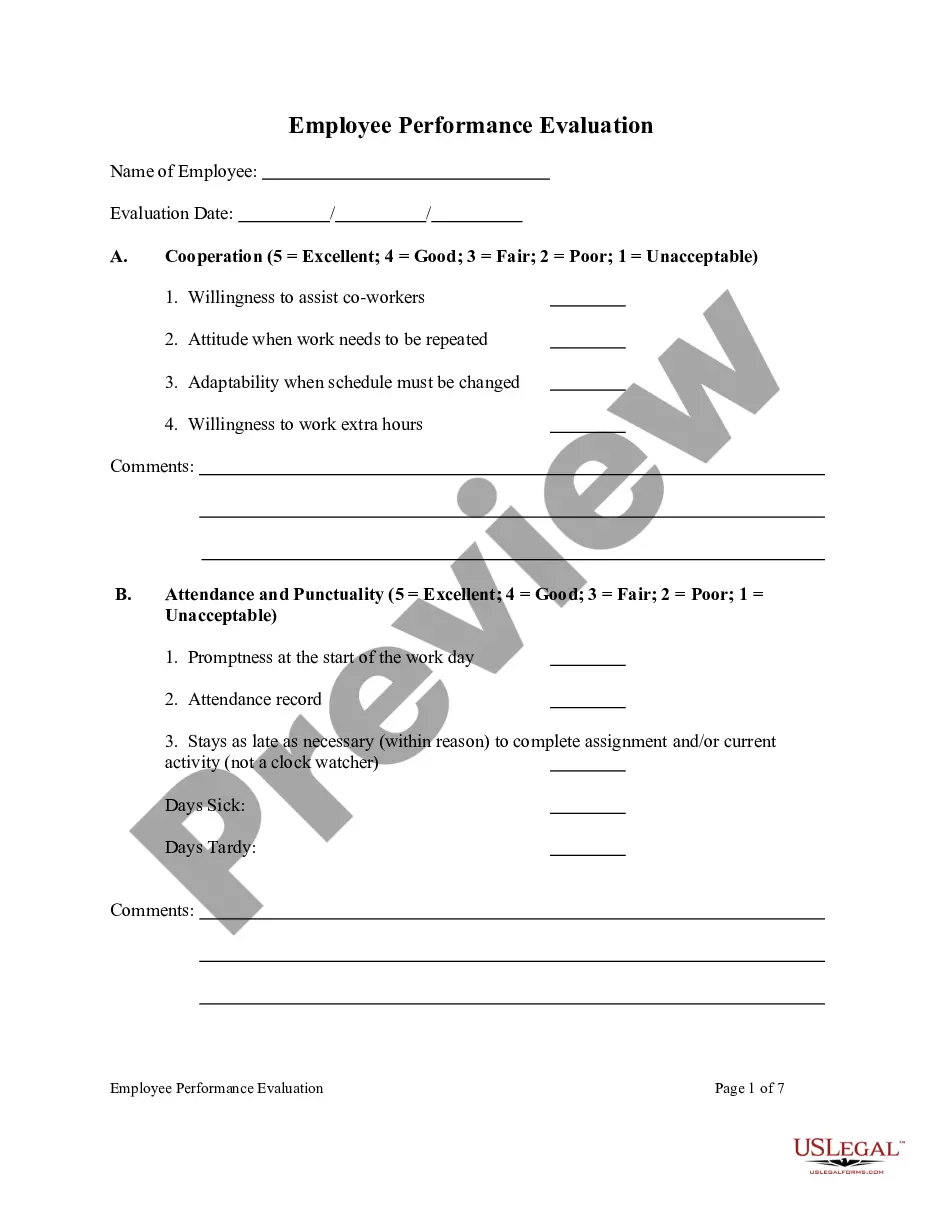
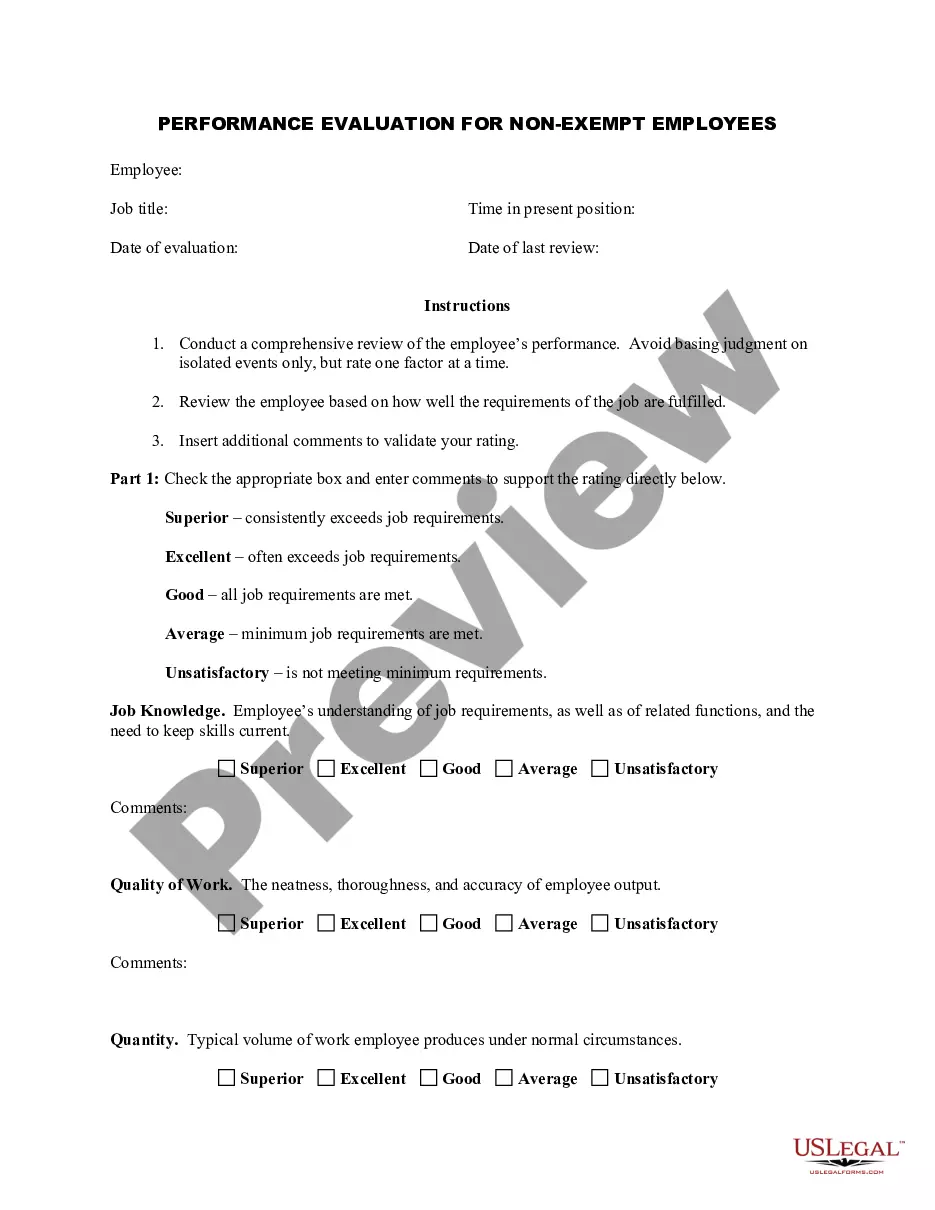
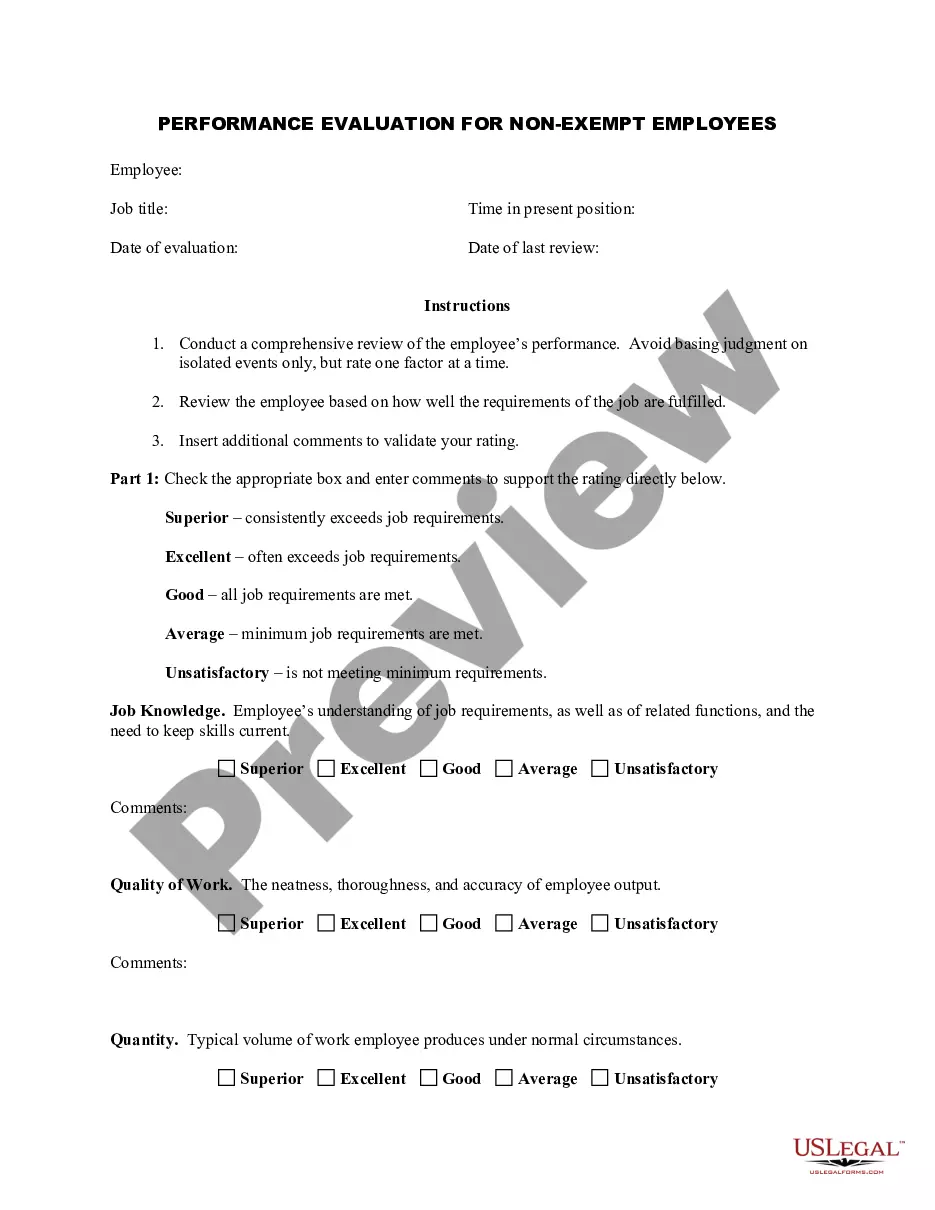
- Job Knowledge: Assessing the officer's understanding of law enforcement procedures and regulations.
- Quality of Work: Evaluating the thoroughness and accuracy of the officer's performance.
- Cooperation: Gauging the officer's ability to work collaboratively with peers and the community.
- Dependability: Reviewing the officer's reliability in performing duties as assigned.
- Initiative: Observing the officer's proactive behaviors and decision-making skills.
- Attendance/Punctuality: Monitoring the officer's adherence to work schedules and attendance requirements.
Common use cases
This form should be utilized during regular performance evaluations, typically on an annual or semi-annual basis, to review an officerâs work performance. It is particularly useful in instances of promotional assessments, after critical incidents, or when setting specific performance goals. The evaluation process can benefit from this form in fostering transparent communication between supervisors and officers regarding performance expectations and achievements.
Intended users of this form
- Supervisors or managers in law enforcement agencies who are responsible for conducting performance evaluations.
- Human Resource personnel tasked with overseeing employee performance documentation.
- Police officers undergoing performance review processes.
How to prepare this document
- Identify the officer being evaluated, including their job title and duration in the current role.
- Rate the officer's performance using the specified criteria in each section, providing detailed comments to justify ratings.
- Specify any previous goals and assess whether they were achieved, outlining the context of success or challenges faced.
- Provide an overall analysis, highlighting strengths, weaknesses, and recommendations for future development.
- Ensure both the manager and the employee sign the form to document that the evaluation has been discussed.
Does this form need to be notarized?
This form does not typically require notarization unless specified by local law. However, it is recommended to maintain a secure and validated copy within your department records.
Get your form ready online
Our built-in tools help you complete, sign, share, and store your documents in one place.
Make edits, fill in missing information, and update formatting in US Legal Forms—just like you would in MS Word.
Download a copy, print it, send it by email, or mail it via USPS—whatever works best for your next step.
Sign and collect signatures with our SignNow integration. Send to multiple recipients, set reminders, and more. Go Premium to unlock E-Sign.
If this form requires notarization, complete it online through a secure video call—no need to meet a notary in person or wait for an appointment.
We protect your documents and personal data by following strict security and privacy standards.

Make edits, fill in missing information, and update formatting in US Legal Forms—just like you would in MS Word.

Download a copy, print it, send it by email, or mail it via USPS—whatever works best for your next step.

Sign and collect signatures with our SignNow integration. Send to multiple recipients, set reminders, and more. Go Premium to unlock E-Sign.

If this form requires notarization, complete it online through a secure video call—no need to meet a notary in person or wait for an appointment.

We protect your documents and personal data by following strict security and privacy standards.
Common mistakes to avoid
- Failing to provide specific examples to support ratings on the evaluation form.
- Being overly lenient or harsh in assessments without justifiable reasons.
- Neglecting to review performance against set goals from previous evaluations.
- Not discussing the form and evaluation outcomes with the officer prior to finalization.
Benefits of using this form online
- Convenience: Easily accessible from any device, allowing for quick and efficient completion.
- Editability: Fill out, save, and modify evaluation details as needed before final submission.
- Reliability: Ensures compliance with standard evaluation practices recognized in law enforcement.
Looking for another form?
Form popularity
FAQ
The test of police efficiency is the absence of crime and disorder, not the visible evidence of police action in dealing with it.
Direct measures of police performance commonly used include crime rates, number of arrests and fines issued, clearance rates, and calls for service response time. Some indirect measures of police performance include surveys, direct observations of social behaviour, situational studies and independent testing.
Gather information. List employee responsibilities. Use objective language. Use action verbs. Compare performance ratings. Ask open-ended questions.
Reductions in the number of serious crimes reported, most commonly presented as local comparisons against an immediately preceding time period. Clearance Rates. Response times. Enforcement productivity (number of arrests, citations, stop-and-search frisks, etc.)
Police performance appraisal is one of the most important components of law enforcement managementaffecting the quality of the services a department delivers as well as the satisfaction of its employees.From this information, best practices can be identified to improve the system of any police organization.
Be proud. One major goal of the self-evaluation is to highlight your accomplishments and recollect milestones in your professional development. Be honest and critical. Continuously strive for growth. Track your accomplishments. Be professional.
Communication. Collaboration and teamwork. Problem-solving. Quality and accuracy of work. Attendance, punctuality and reliability. The ability to accomplish goals and meet deadlines.
Police performances, as well as some other public services, are extremely difficult to measure (Lipsky, 1980).Crime rates and community satisfaction as traditional indicators are admittedly insufficient to create a reliable measure of police performance (Dadds & Scheide, 2000).