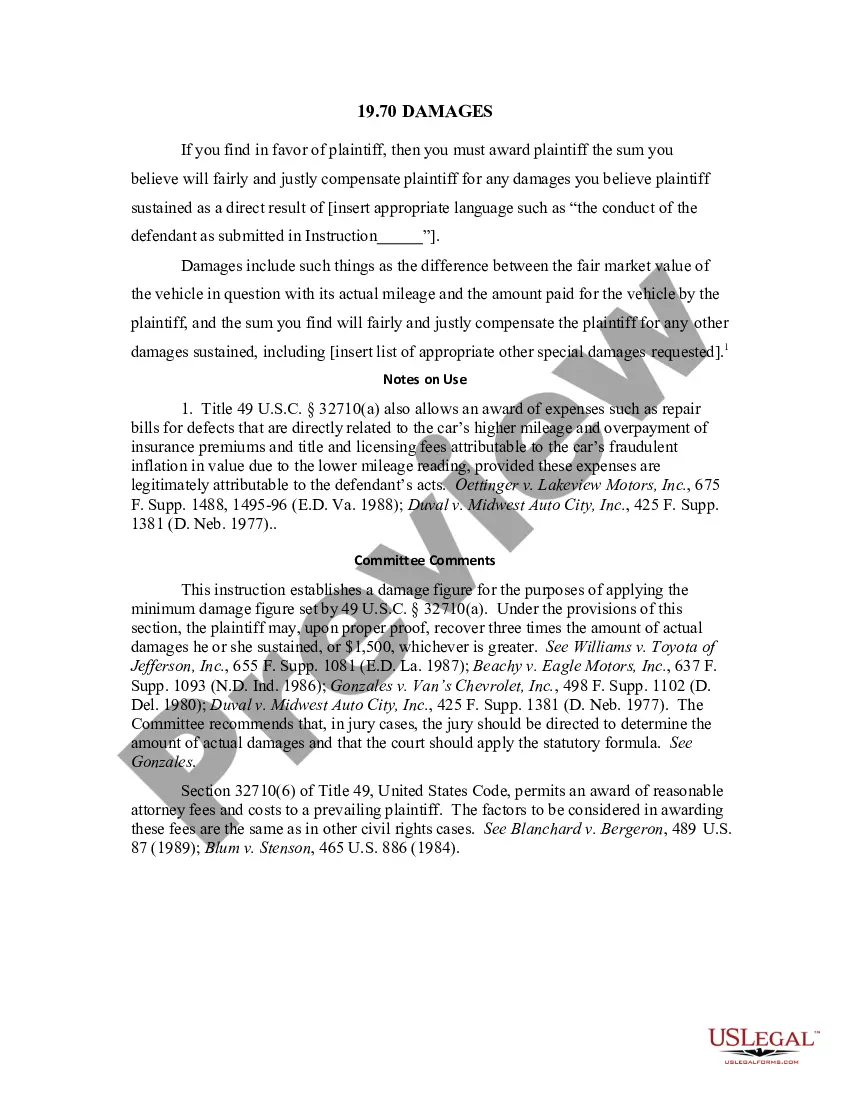
19.00 Odometer Fraud
Understanding this form
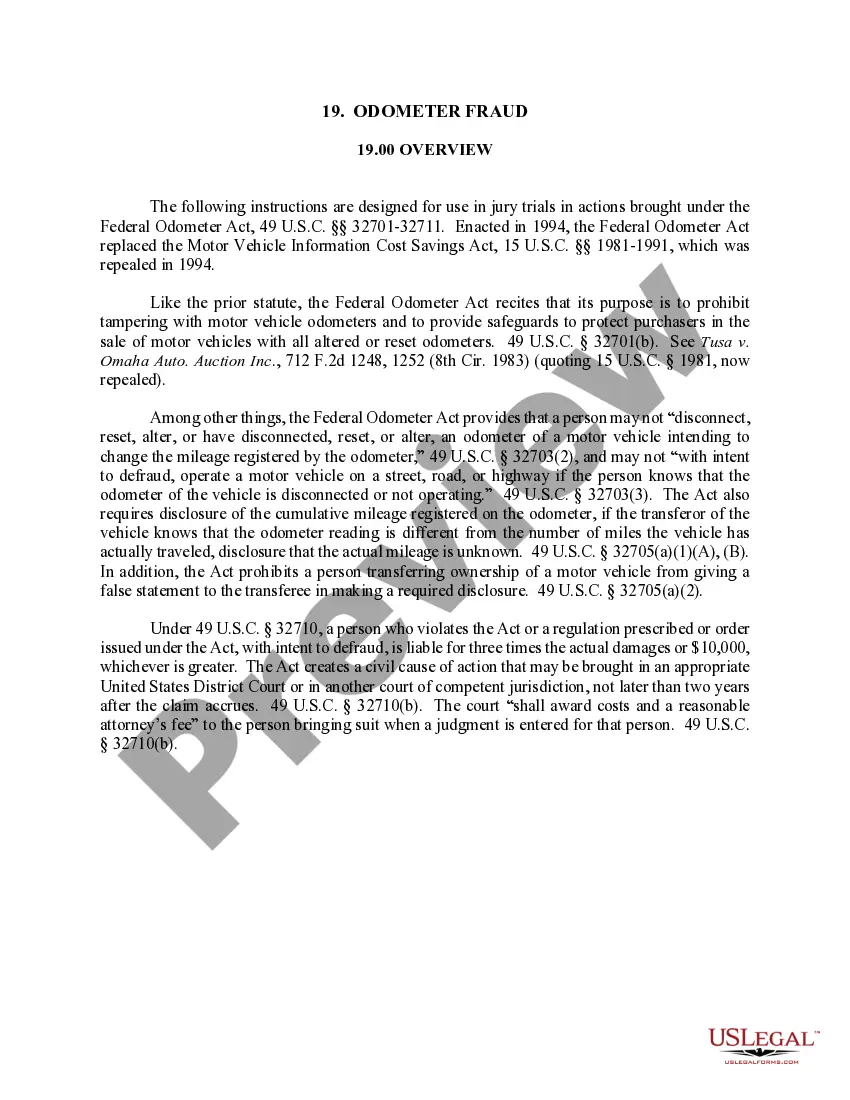
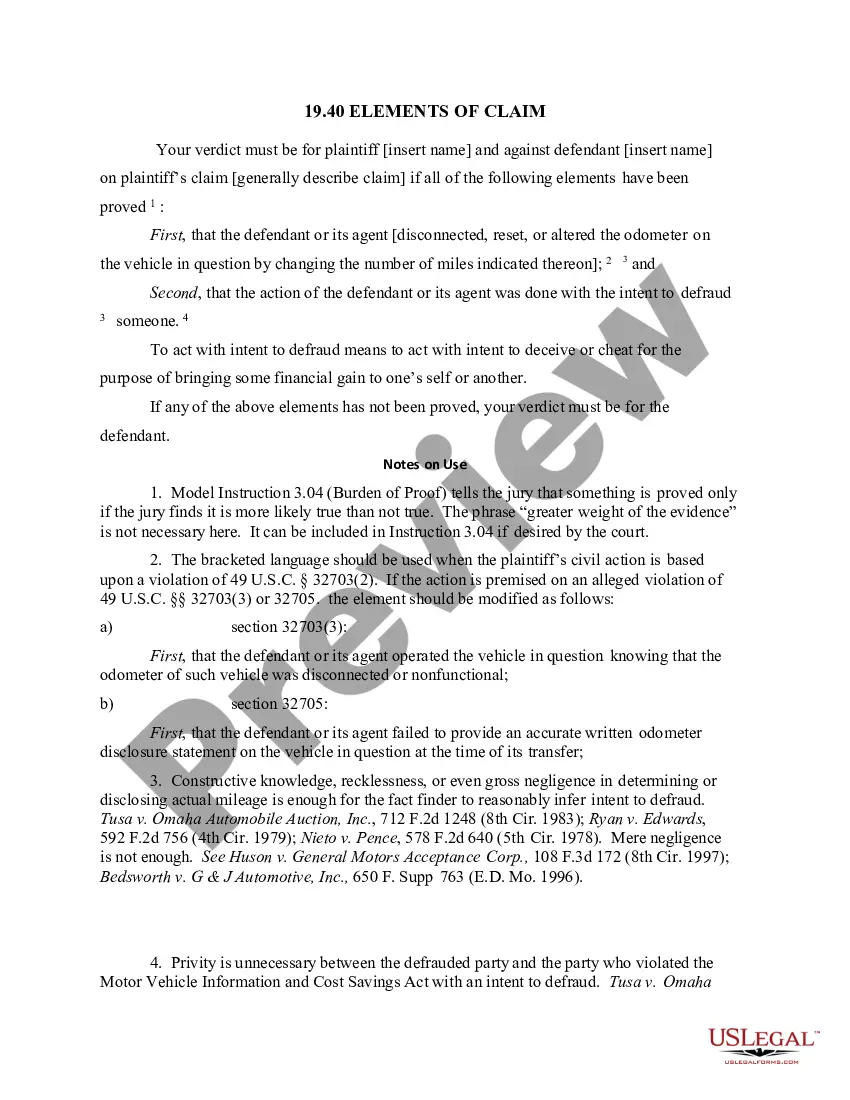
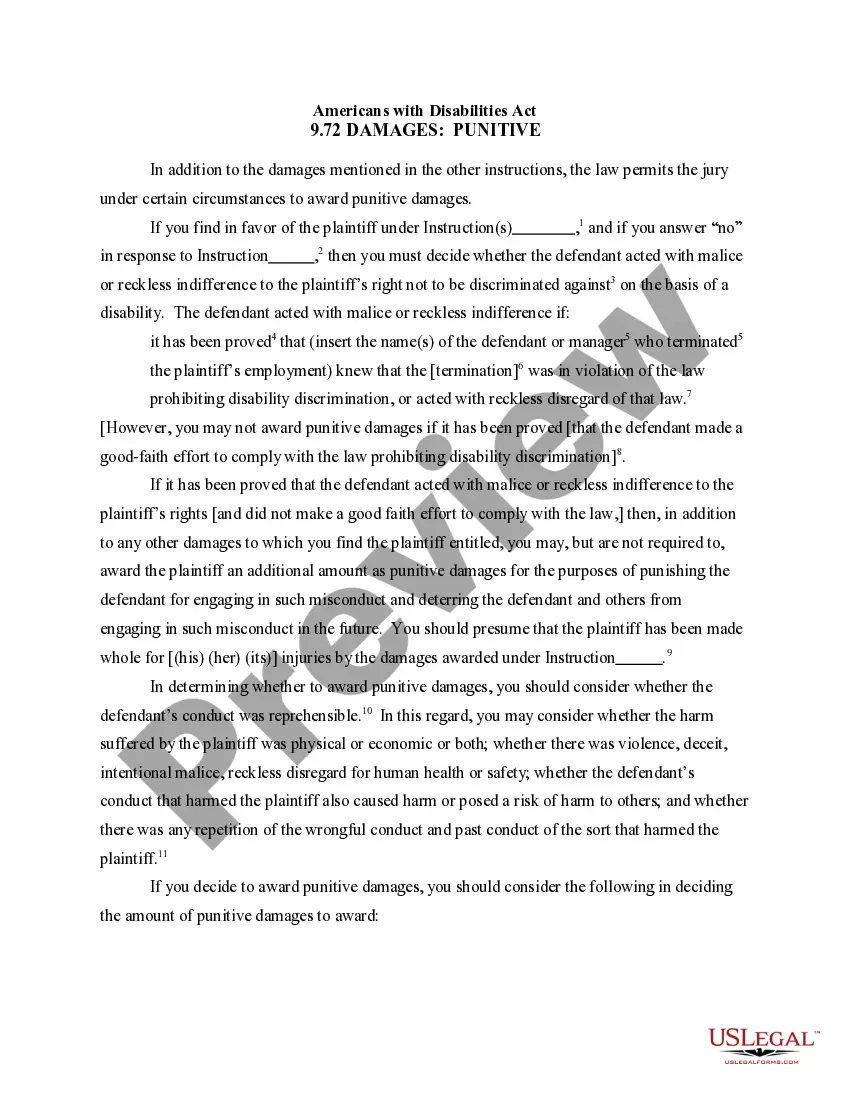
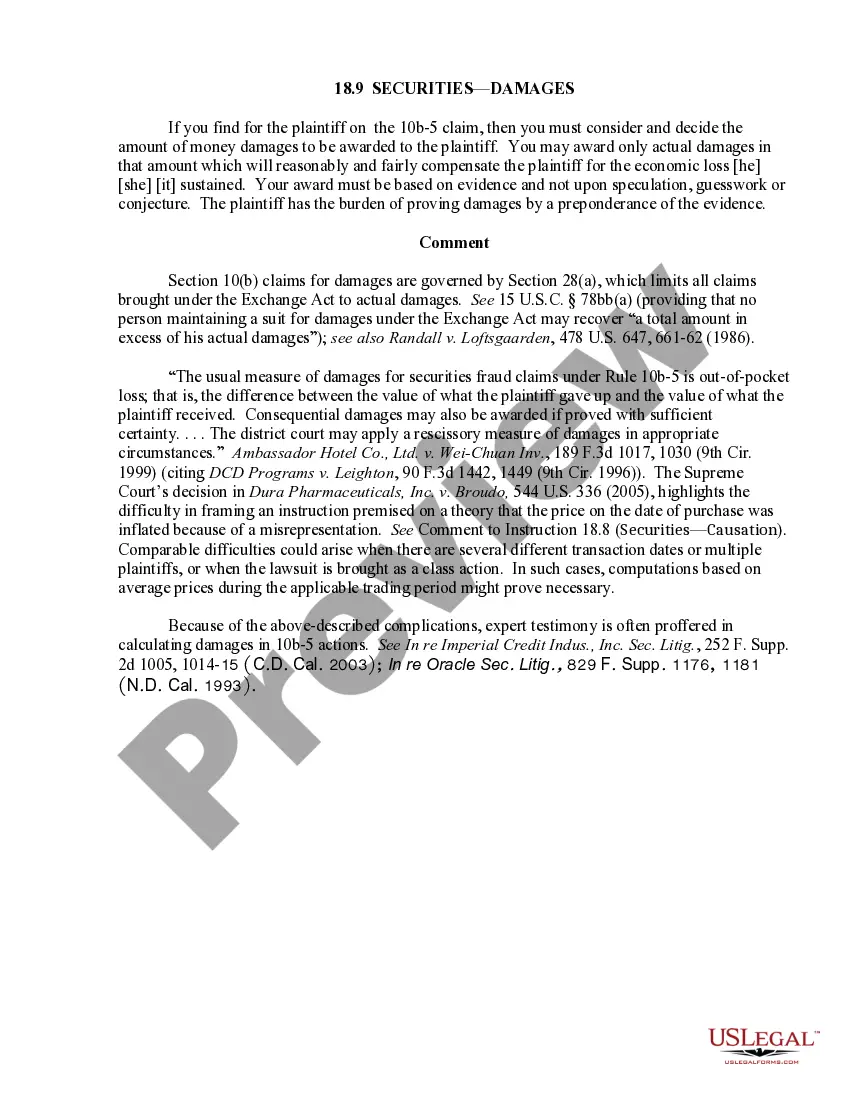
The Odometer Fraud form is a legal document that addresses violations related to odometer tampering under the Federal Odometer Act. This act prohibits the alteration of vehicle mileage readings and protects purchasers from fraudulent sales involving altered odometers. Unlike other vehicle sale agreements, this form specifically outlines the legal implications and penalties for those who engage in odometer fraud, making it essential for consumers and sellers to understand their rights and responsibilities.
Key parts of this document
- Definition of odometer fraud and its legal basis.
- Requirements for disclosing accurate mileage information during vehicle sales.
- Liability clauses outlining penalties for engaging in odometer tampering.
- Guidelines for filing a civil cause of action for violations.
- Provision for recovery of damages and attorney's fees.
Situations where this form applies
This form should be used in situations where there is suspected odometer fraud, such as when a buyer notices discrepancies in the mileage reported during the purchase of a vehicle. It can also be used by sellers to ensure compliance with legal requirements regarding odometer disclosures. Additionally, it is useful for individuals seeking to file a lawsuit against someone who has altered vehicle mileage with the intent to defraud.
Intended users of this form
- Individuals purchasing a used vehicle and suspecting mileage discrepancies.
- Sellers of vehicles who want to protect themselves from liability.
- Legal professionals assisting clients with cases of alleged odometer fraud.
- Consumers who need to file a complaint regarding odometer tampering.
Instructions for completing this form
- Identify the parties involved in the sale or transaction.
- Document the odometer reading accurately at the time of sale.
- State any known discrepancies in the odometer reading.
- Sign and date the form to validate the transaction.
- Provide copies to all relevant parties for their records.
Does this document require notarization?
This form does not typically require notarization unless specified by local law. It is advisable to check with local regulations or consult a legal professional to confirm.
Get your form ready online
Our built-in tools help you complete, sign, share, and store your documents in one place.
Make edits, fill in missing information, and update formatting in US Legal Forms—just like you would in MS Word.
Download a copy, print it, send it by email, or mail it via USPS—whatever works best for your next step.
Sign and collect signatures with our SignNow integration. Send to multiple recipients, set reminders, and more. Go Premium to unlock E-Sign.
If this form requires notarization, complete it online through a secure video call—no need to meet a notary in person or wait for an appointment.
We protect your documents and personal data by following strict security and privacy standards.

Make edits, fill in missing information, and update formatting in US Legal Forms—just like you would in MS Word.

Download a copy, print it, send it by email, or mail it via USPS—whatever works best for your next step.

Sign and collect signatures with our SignNow integration. Send to multiple recipients, set reminders, and more. Go Premium to unlock E-Sign.

If this form requires notarization, complete it online through a secure video call—no need to meet a notary in person or wait for an appointment.

We protect your documents and personal data by following strict security and privacy standards.
Mistakes to watch out for
- Failing to disclose known discrepancies in mileage.
- Not signing the form, which can invalidate the disclosure.
- Ignoring state-specific requirements for odometer disclosure.
Benefits of completing this form online
- Convenience of downloading and filling the form from home.
- Editability allows customization to meet specific needs.
- Access to legally vetted forms ensures compliance with regulations.
Looking for another form?


Form popularity
FAQ
Engaging in a conspiracy to alter odometers and falsify mileage records can get you charged under 49 U.S.C. § 32703(4). The federal penalty for odometer tampering is up to $10,000 and/or 3 years in prison.
Odometer fraud is becoming more prevalent in the used car market, fooling car buyers. With computer displays, changing an odometer is as easy as hacking a computer.
Of course, ?resetting? an odometer is generally illegal in the United States. There is a Federal statute forbidding it and many states have laws outlawing it as well.
Odometer fraud on the rise Are mileage blockers illegal? ? Yes. ing to the Federal statute 49 U.S. Code § 32703. It states that: A person cannot ?disconnect, reset, alter, or have disconnected, reset, or altered, and odometer of a motor vehicle intending to change the mileage registered by the odometer.?
Any electronic interference or voltage spike can cause a stray signal, and yes, cause the odometer to skip a beat and/or alter mileage. The signal is called EMI (electronic magnetic interference). There are multiple electronic signals in the airwaves and some can cause all kinds of issues.
It is also illegal to knowingly provide a falsified odometer statement. When these laws are violated, title fraud and grand theft, both felonies, are also added to the list of arrest charges. These violations each carry a fine as much as $5,000 and/or five years in prison.
Request a vehicle history report to check for odometer discrepancies in the vehicle's history. If the seller does not have a vehicle history report, use the car's VIN to order a vehicle history report online. If you suspect fraud, contact your state's enforcement agency.
In the United States, changing or altering an odometer reading is a federal offense, and it's one that costs consumers over $1 billion annually. Referred to as odometer fraud or odometer rollback, it's something that many car dealerships and individuals selling used cars are, unfortunately, guilty of committing.