Right of Way-Four-Way Stop Intersection
Understanding this form
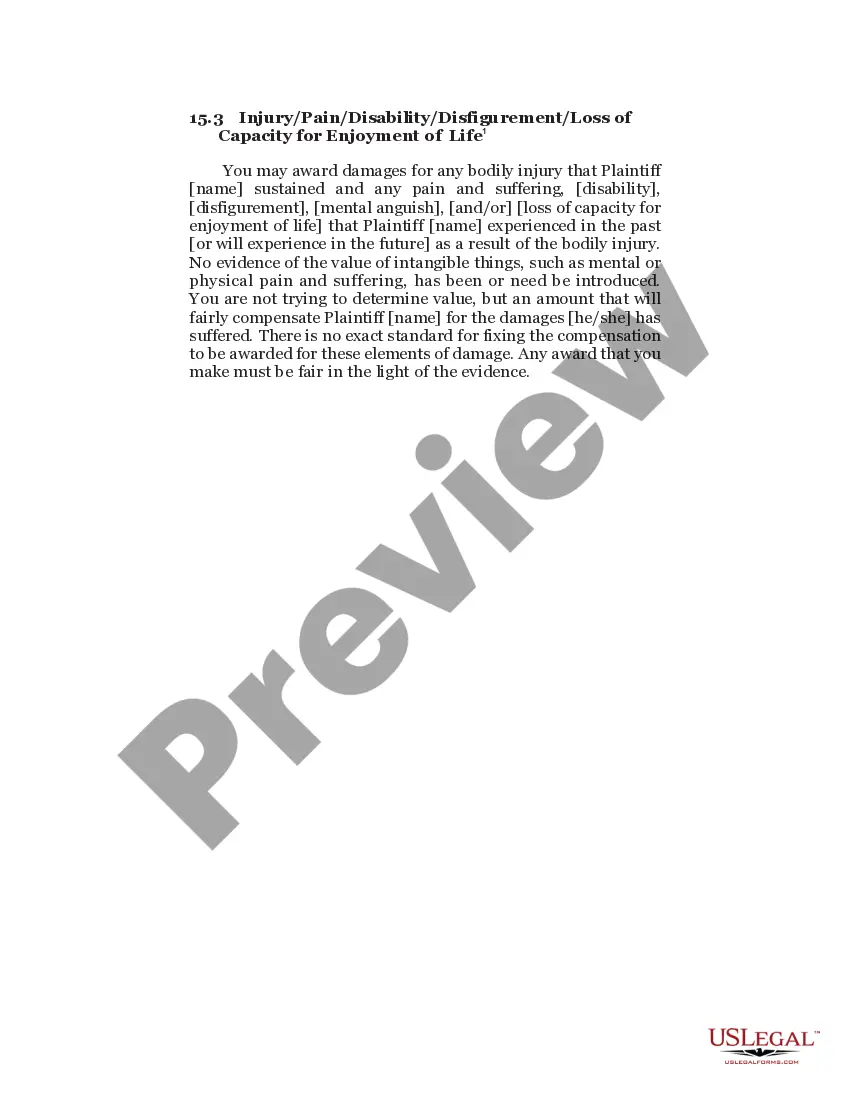
The Right of Way-Four-Way Stop Intersection form is a legal document designed to clarify the rules of right-of-way at intersections with four-way stop signs. This form sets forth the responsibilities of drivers, helps determine liability in case of an accident, and provides a clear framework for assessing damages. It is essential for resolving disputes related to traffic incidents at four-way stops, ensuring all parties understand their obligations and rights under the law.
Key components of this form
- Identification of parties involved: names of the plaintiff and defendant.
- Description of the accident and surrounding circumstances.
- Liability assessment guidelines for determining fault.
- Instructions on how to evaluate and award damages.
Situations where this form applies
This form is typically used in situations involving traffic accidents at four-way intersections where understanding right-of-way is crucial. If you are involved in an accident at such an intersection and need to establish fault or claim damages, this form will provide the necessary structure to proceed with your case.
Who should use this form
- Individuals involved in a traffic accident at a four-way stop.
- Attorneys representing clients in traffic-related disputes.
- Insurance claims adjusters needing documentation for claims processing.
- Any party seeking to clarify responsibilities regarding right-of-way rules.
How to prepare this document
- Identify and enter the names of the plaintiff and defendant at the top of the form.
- Describe the incident in detail, including date, time, and location of the accident.
- Assess and document the liability based on the right-of-way rules applicable at a four-way stop.
- Calculate potential damages to specify what the plaintiff may be entitled to recover.
- Ensure all parties involved review and sign the document to validate its authenticity.
Notarization guidance
This form does not typically require notarization unless specified by local law. However, having it notarized can provide an additional layer of verification and legitimacy to the document.
Get your form ready online
Our built-in tools help you complete, sign, share, and store your documents in one place.
Make edits, fill in missing information, and update formatting in US Legal Forms—just like you would in MS Word.
Download a copy, print it, send it by email, or mail it via USPS—whatever works best for your next step.
Sign and collect signatures with our SignNow integration. Send to multiple recipients, set reminders, and more. Go Premium to unlock E-Sign.
If this form requires notarization, complete it online through a secure video call—no need to meet a notary in person or wait for an appointment.
We protect your documents and personal data by following strict security and privacy standards.

Make edits, fill in missing information, and update formatting in US Legal Forms—just like you would in MS Word.

Download a copy, print it, send it by email, or mail it via USPS—whatever works best for your next step.

Sign and collect signatures with our SignNow integration. Send to multiple recipients, set reminders, and more. Go Premium to unlock E-Sign.

If this form requires notarization, complete it online through a secure video call—no need to meet a notary in person or wait for an appointment.

We protect your documents and personal data by following strict security and privacy standards.
Avoid these common issues
- Failing to provide complete details about the accident.
- Omitting the names of all involved parties.
- Neglecting to clarify the right-of-way situation adequately.
- Miscalculating damages due to lack of supporting evidence.
Why complete this form online
- Convenient access to legal documentation from anywhere.
- Easy to download and customize for specific needs.
- Reliability through templates created by licensed attorneys.
- Quick updates reflecting current laws and regulations.
Looking for another form?
Form popularity
FAQ
If all four drivers arrive at the intersection at the same time, the drivers who plan on going straight are allowed to proceed through the intersection first. If all four drivers are turning right at the intersection, they may proceed simultaneously.
At four-way, three-way, or two-way stop intersections, the car that reaches and stops at the intersection first has the right of way. When two cars arrive at the same time, the car on the right has the right of way. Any car turning left must yield right of way to cars going straight or turning right.
?The first vehicle to reach the intersection should move forward first. If two vehicles reach the intersection at the same time, the driver on the left yields to the driver on the right.?
Always yield to the right When two vehicles arrive at a 4-way stop at the same time side-by-side, the vehicle furthest to the right has the right of way. If three vehicles arrive at the same time, the car furthest left should continue to yield until both of the other cars to the right of them have passed.
The first car to pull up to the stop sign is the first car that gets to proceed. If cars are all stopping at the intersection at different times, each should proceed through in the order they arrived. It doesn't matter which direction a car is going either.
?The first vehicle to reach the intersection should move forward first. If two vehicles reach the intersection at the same time, the driver on the left yields to the driver on the right.?
At a four-way stop, you should yield to the driver who got to the intersection first. If you reach the intersection and come to a stop at the exact same time, yield to the driver on the right.