Right of Way-Yield Intersection
About this form
The Right of Way-Yield Intersection form is a legal document used to establish the rights for yielding at intersections where right-of-way is a concern. This form helps clarify responsibilities for drivers, thereby preventing disputes related to traffic accidents. Unlike other traffic-related forms, this specific document focuses solely on yield rules at intersections, making it essential for managing situations where multiple vehicles may encounter each other at the same time.
What’s included in this form
- Parties involved: Identifies the drivers and vehicles in question.
- Definition of yield: Clearly outlines what it means to yield at an intersection.
- Conditions for right of way: Specifies the circumstances under which each party must yield.
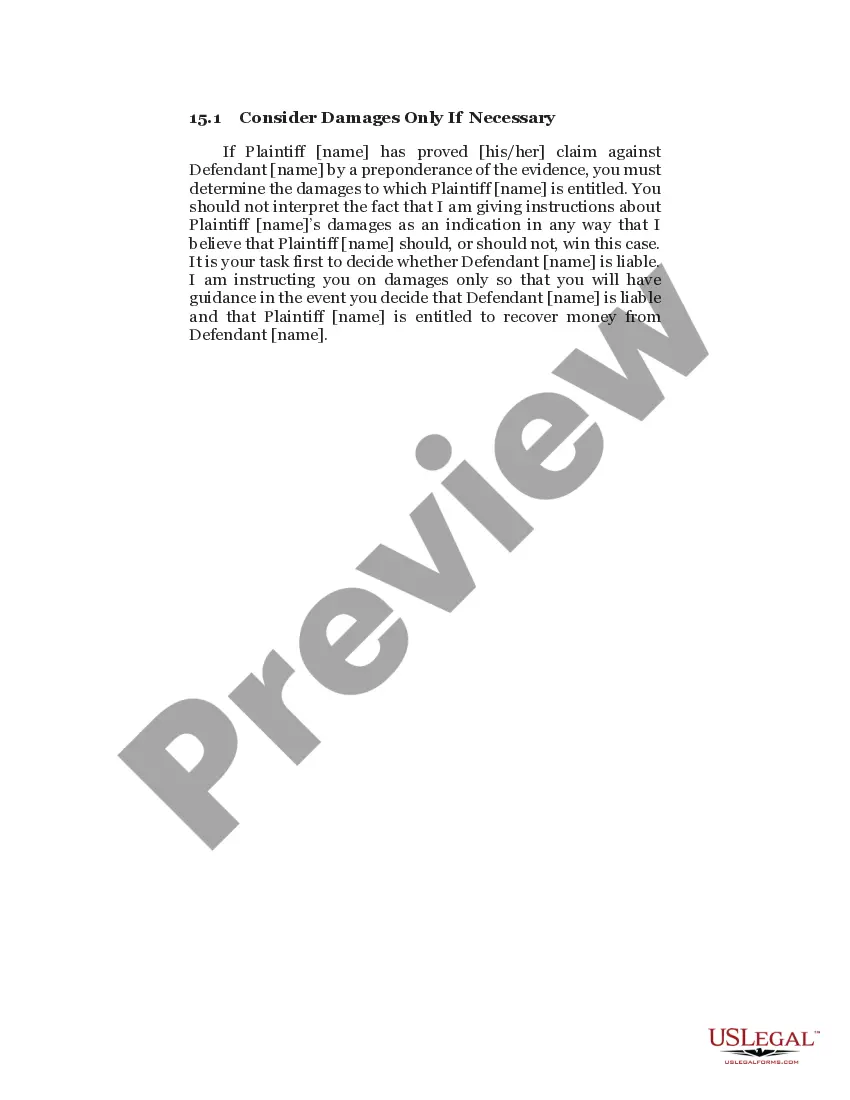
- Compensation for damages: Describes the process of determining compensation for injuries sustained.
When this form is needed
This form should be used in scenarios where traffic accidents occur at intersections, specifically those involving yield signs. It is applicable when determining fault in an accident or when filing an insurance claim regarding damages incurred due to neglecting to yield. Drivers involved in such incidents should complete this form to clarify the intended actions of each party and resolve potential disputes about liability.
Who should use this form
This form is intended for:
- Drivers involved in a traffic accident at a yield intersection.
- Insurance companies handling claims related to such accidents.
- Legal representatives advocating for clients in traffic-related cases.
- Individuals seeking to understand their obligations when encountering yield signs.
Steps to complete this form
- Identify the parties: Fill in the names and contact information of all involved drivers.
- Detail the incident: Describe the circumstances of the accident, including location and time.
- Define the conditions: Clearly state the conditions under which each driver was required to yield.
- Specify damages: Enter any damage amounts being claimed for injuries or vehicle damage.
- Sign and date: Ensure all parties involved sign and date the document to validate it.
Does this document require notarization?
This form usually doesn’t need to be notarized. However, local laws or specific transactions may require it. Our online notarization service, powered by Notarize, lets you complete it remotely through a secure video session, available 24/7.
Get your form ready online
Our built-in tools help you complete, sign, share, and store your documents in one place.
Make edits, fill in missing information, and update formatting in US Legal Forms—just like you would in MS Word.
Download a copy, print it, send it by email, or mail it via USPS—whatever works best for your next step.
Sign and collect signatures with our SignNow integration. Send to multiple recipients, set reminders, and more. Go Premium to unlock E-Sign.
If this form requires notarization, complete it online through a secure video call—no need to meet a notary in person or wait for an appointment.
We protect your documents and personal data by following strict security and privacy standards.

Make edits, fill in missing information, and update formatting in US Legal Forms—just like you would in MS Word.

Download a copy, print it, send it by email, or mail it via USPS—whatever works best for your next step.

Sign and collect signatures with our SignNow integration. Send to multiple recipients, set reminders, and more. Go Premium to unlock E-Sign.

If this form requires notarization, complete it online through a secure video call—no need to meet a notary in person or wait for an appointment.

We protect your documents and personal data by following strict security and privacy standards.
Common mistakes to avoid
- Failing to include all parties involved in the incident.
- Leaving out critical details about the accident's circumstances.
- Not signing the form, which could render it invalid.
- Misunderstanding the yield rules applicable for the intersection.
Why use this form online
- Convenient access to legally vetted form templates anytime.
- Easily editable format allows customization to fit individual situations.
- Reliable source, drafted by licensed attorneys, ensuring legal compliance.
Looking for another form?
Form popularity
FAQ
You must yield to those who have already arrived at the intersection and proceed cautiously. If another vehicle arrives at the same time, the right-most vehicle has the right of way.
Uncontrolled intersections. At an intersection where there are no stop signs, yield signs, traffic lights or police directing traffic, and two vehicles arrive at the intersection at approximately the same time, the driver of the vehicle on the left must yield the right of way to the driver of the vehicle on the right.
Drivers turning left must yield to oncoming vehicles going straight. At a four-way stop, the driver reaching the intersection first may proceed before the other drivers (after coming to a complete stop). Drivers entering a road from a driveway, alley, or roadside must yield to vehicles already on the main road.
Without STOP or YIELD signs: The vehicle that arrives to the intersection first has the right-of-way. However, if a vehicle, pedestrian, or bicyclist gets to the intersection at the same time as you, give the right-of-way to the vehicle, pedestrian, or bicyclist on your right.
Seeing the yield sign, the driver must slow down and yield their right to other vehicles and pedestrians approaching from different directions. If you notice other cars or pedestrians, you need to stop and let them go, or you can proceed with the movement if you do not see anybody or they are still at a safe distance.
What are the penalties if a driver fails to yield? Drivers that violate California Vehicle Code Sections 21800-21804 CVC will receive: A fine of $238; and, One point assessed to the driver's DMV driving record.
Right of Way at Intersections However, if two cars arrive at the intersection at the same time, the vehicle on the right has the right of way. If you are turning left at an intersection, you must yield the right of way to oncoming vehicles and to any pedestrians crossing the street.