Sample Letter for Spouse Signature
About this form
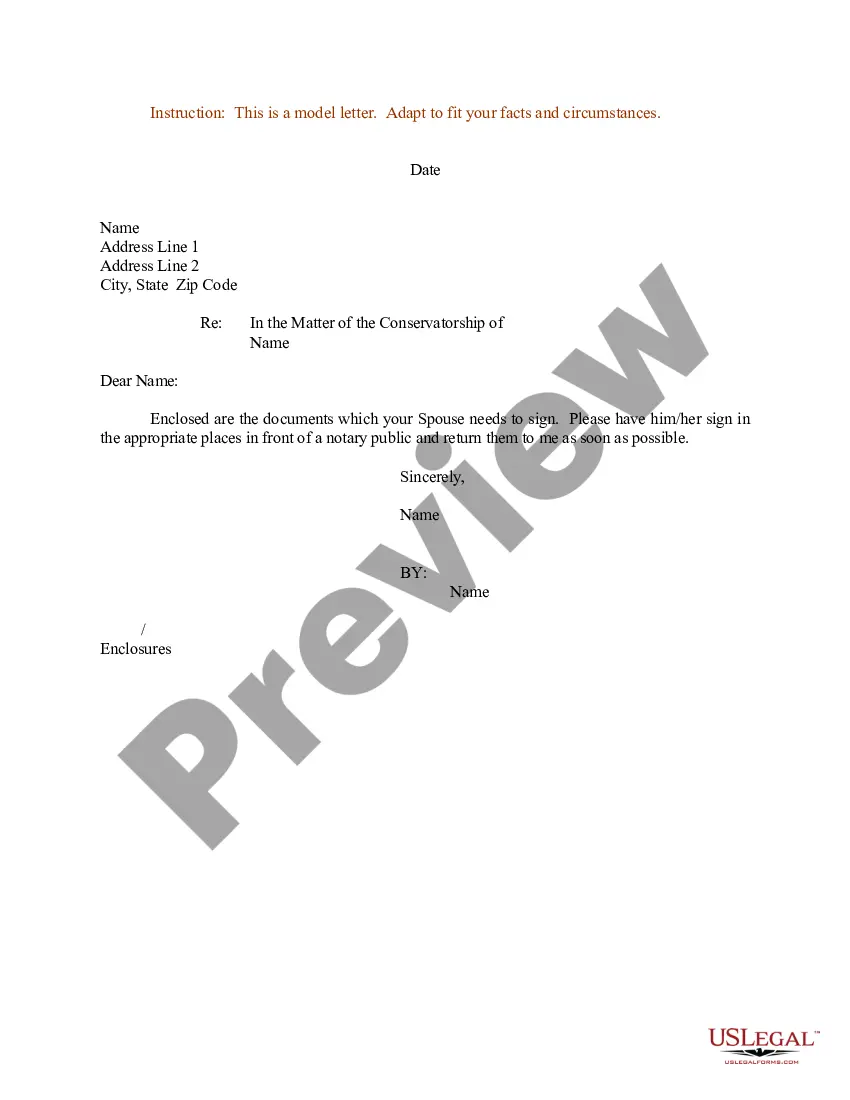
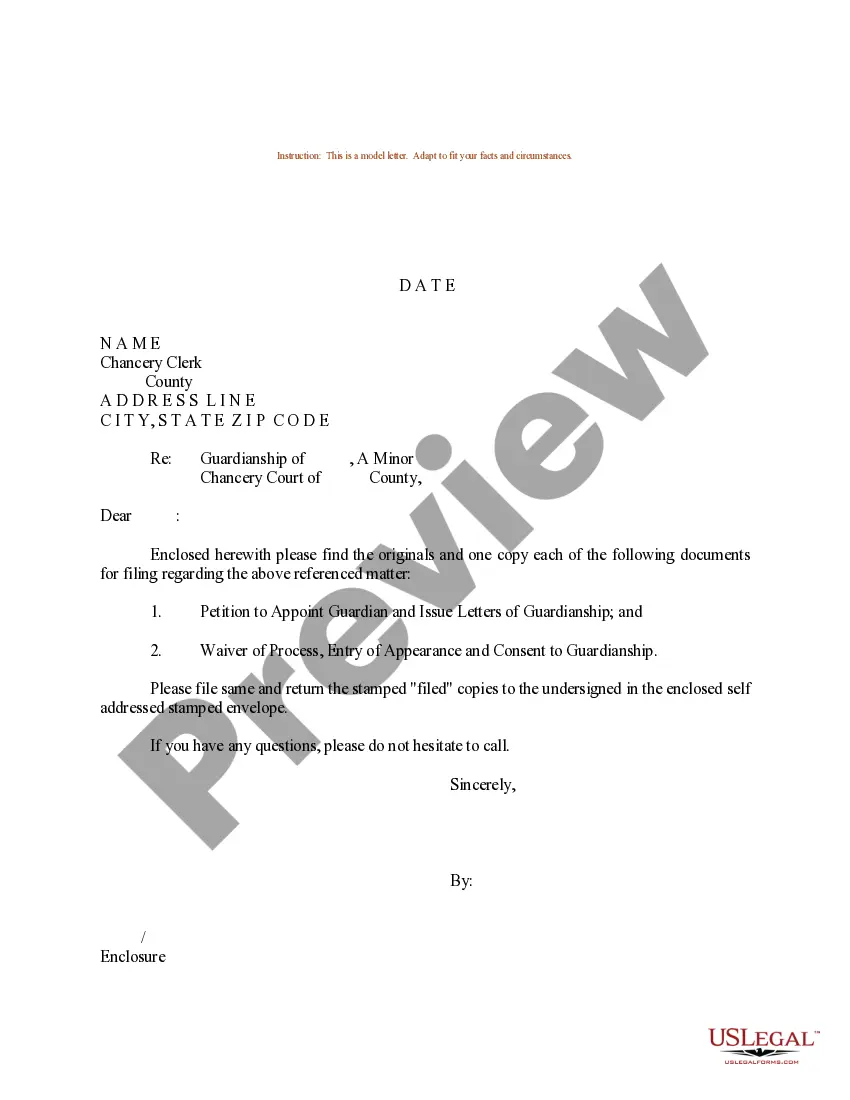
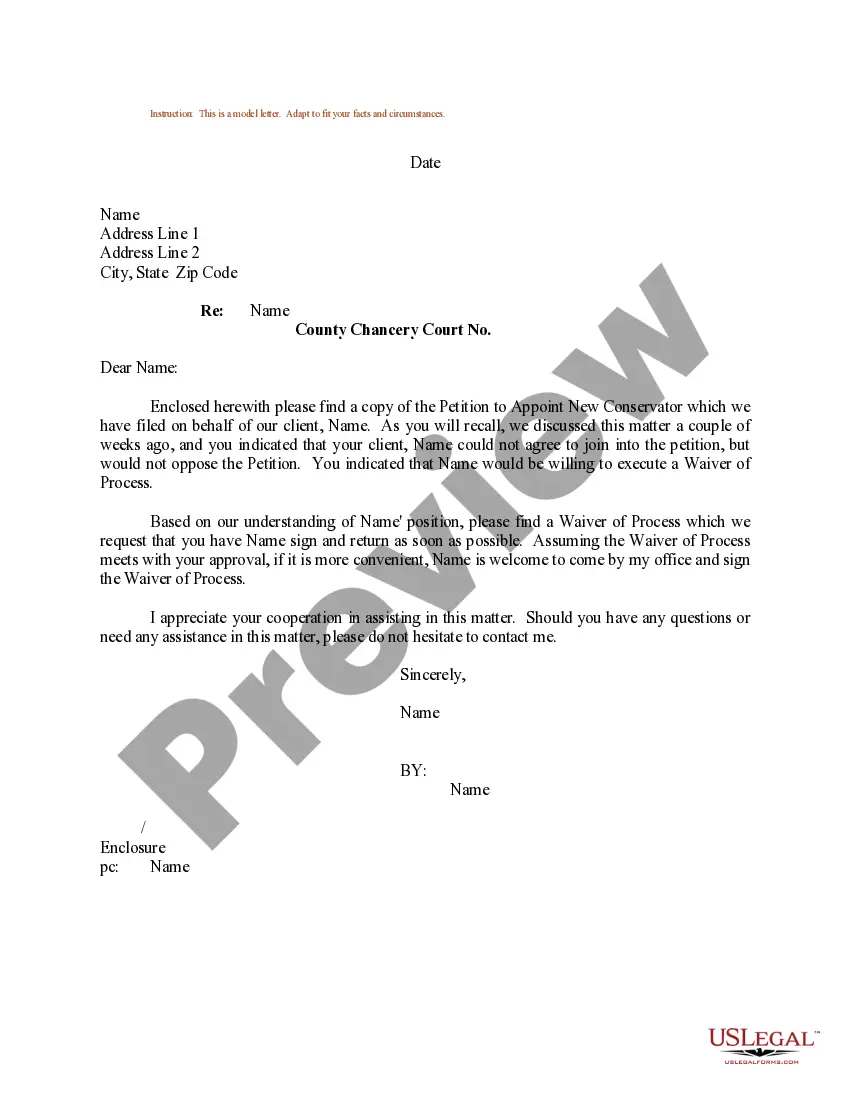
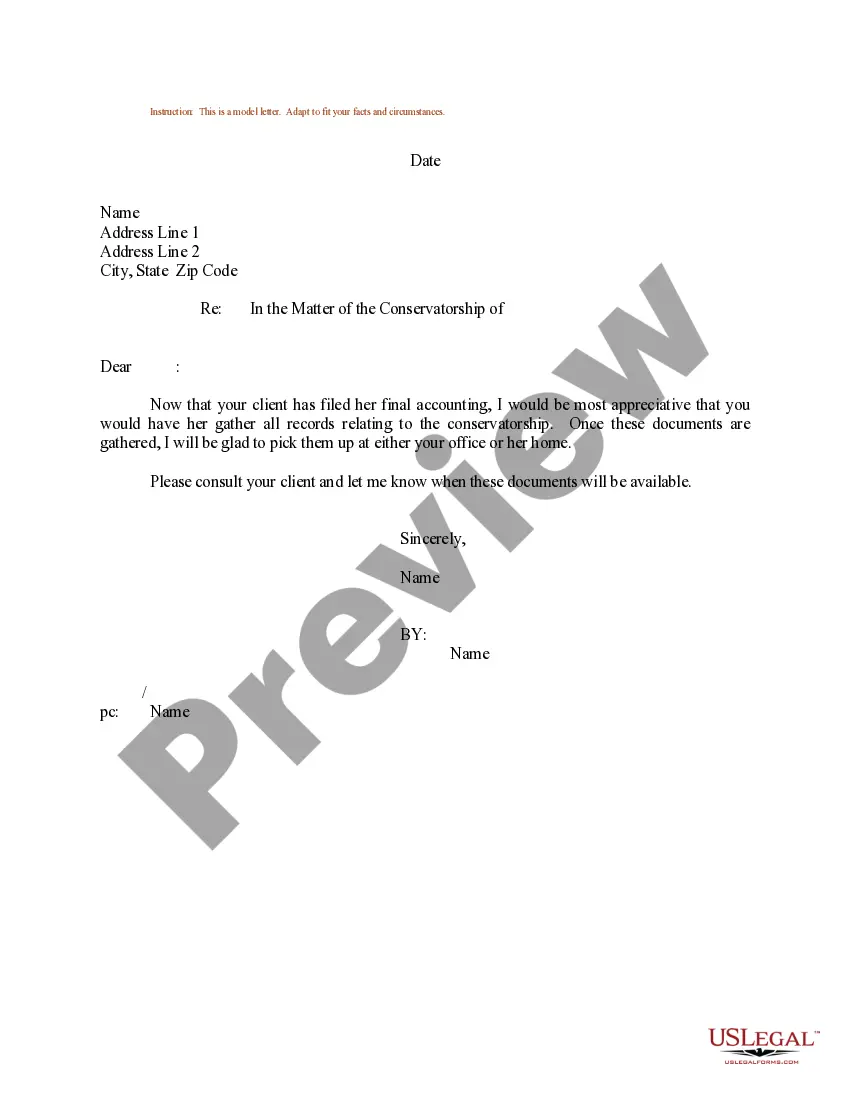
The Sample Letter for Spouse Signature is a customizable document used to request the signature of a spouse in various legal matters. This form provides a template that can be adapted for specific situations, ensuring that your request is clear and formal. Unlike other informal requests, this letter establishes a professional tone and can help facilitate the necessary agreements or approvals from your spouse.
Form components explained
- Date: The date on which the letter is written.
- Recipient's information: Name and address of the spouse being addressed.
- Subject line: A clear statement regarding the purpose of the letter.
- Salutation: A respectful greeting to the recipient.
- Body: A detailed explanation of what is requested and any relevant context.
- Closing: A professional sign-off with spaces for signatures.
Situations where this form applies
This form is useful in situations where you need your spouse's signature for legal documents or agreements, such as during a conservatorship case, property transactions, or other binding contracts. It helps ensure the request is communicated formally, which can aid in legal proceedings or negotiations.
Who this form is for
- Individuals involved in legal matters requiring spousal consent.
- Anyone needing to formalize a request for a spouse's signature.
- Parties managing conservatorship or property agreements.
- People unfamiliar with legal letter writing seeking a structured template.
Instructions for completing this form
- Identify the correct date when the letter is being sent.
- Provide the name and address of your spouse in the designated fields.
- Format a clear subject line that indicates the purpose of the letter.
- Write a concise body explaining the request and the context for signature.
- End with a respectful closing, leaving room for your signature and the date.
Notarization guidance
Notarization is not commonly needed for this form. However, certain documents or local rules may make it necessary. Our notarization service, powered by Notarize, allows you to finalize it securely online anytime, day or night.
Get your form ready online
Our built-in tools help you complete, sign, share, and store your documents in one place.
Make edits, fill in missing information, and update formatting in US Legal Forms—just like you would in MS Word.
Download a copy, print it, send it by email, or mail it via USPS—whatever works best for your next step.
Sign and collect signatures with our SignNow integration. Send to multiple recipients, set reminders, and more. Go Premium to unlock E-Sign.
If this form requires notarization, complete it online through a secure video call—no need to meet a notary in person or wait for an appointment.
We protect your documents and personal data by following strict security and privacy standards.

Make edits, fill in missing information, and update formatting in US Legal Forms—just like you would in MS Word.

Download a copy, print it, send it by email, or mail it via USPS—whatever works best for your next step.

Sign and collect signatures with our SignNow integration. Send to multiple recipients, set reminders, and more. Go Premium to unlock E-Sign.

If this form requires notarization, complete it online through a secure video call—no need to meet a notary in person or wait for an appointment.

We protect your documents and personal data by following strict security and privacy standards.
Typical mistakes to avoid
- Failing to include a complete recipient address.
- Writing a vague subject line that does not clearly state the request.
- Using informal language instead of a professional tone.
- Neglecting to leave space for the signature.
Benefits of using this form online
- Convenience of downloading and customizing the letter at any time.
- Editable template that allows for personalization according to your situation.
- Reliability of using a form drafted by licensed attorneys.
Looking for another form?

Form popularity
FAQ
Service connection for an injury or illness seems easy to prove; medical records documenting that the injury or illness occurred or was first treated while in service is enough to show service connection. Some are easy such as falling off a ladder and connecting that with later back problems.
Be clear about your relationship with the veteran. In the first section of the buddy letter, state your name and how you know the veteran. Include as many details as possible. Include only the information you know. Remember to sign and date the letter.
Full name (of the veteran/beneficiary) Veteran's social security number (SSN) VA file number. Date of birth. Veteran's service number. Telephone number (including area code) Email address. Mailing address.
Begin writing about your deepest thoughts and feelings regarding your PTSD or the traumatic event you experienced. If possible, write for at least 20 minutes. (Note, this is ideal, but again, any amount of time is often helpful, especially if you find it hard isolating this amount of time every day.)
Write very clearly, or type on a computer if you can. Describe the traumatic events in the order that they happened. Tell where the event happened, what unit you were in at the time, and when it happened (as best you can). Provide as much detail as you can and also describe the feelings you had about what happened.
Keep it short. Remember that the person processing the claim has to read through a lot of information. Include contact information. Include a closing statement. Use the VA Form. Don't spoon-feed the author.
Write very clearly, or type on a computer if you can. Describe the traumatic events in the order that they happened. Tell where the event happened, what unit you were in at the time, and when it happened (as best you can). Provide as much detail as you can and also describe the feelings you had about what happened.
What not to say: It wasn't even life-threatening. What not to say: People have been through worse. What not to say: Stop over-reacting. What not to say: You're faking it. What not to say: I've been through something similar and I don't have PTSD, so you don't have it either.
I see you're in pain. Your symptoms make sense given what you've been through. It isn't happening right now. You are not alone. I am a better person today because of your friendship. You didn't deserve that.