Covenant Not to Sue by Widow of Deceased Stockholder

State:
Multi-State
Control #:
US-0624BG
Format:
Word; 
Rich Text
Instant download

Understanding this form

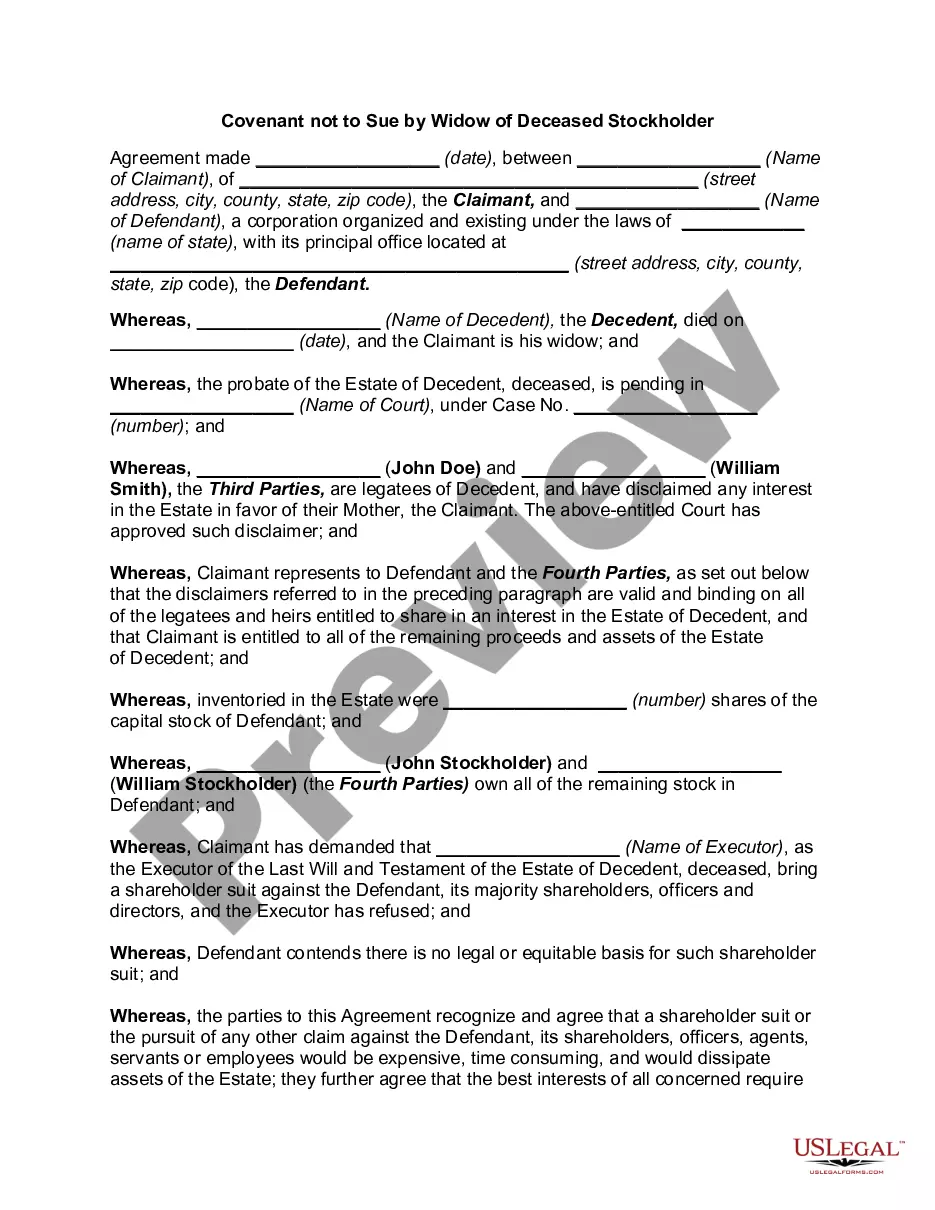
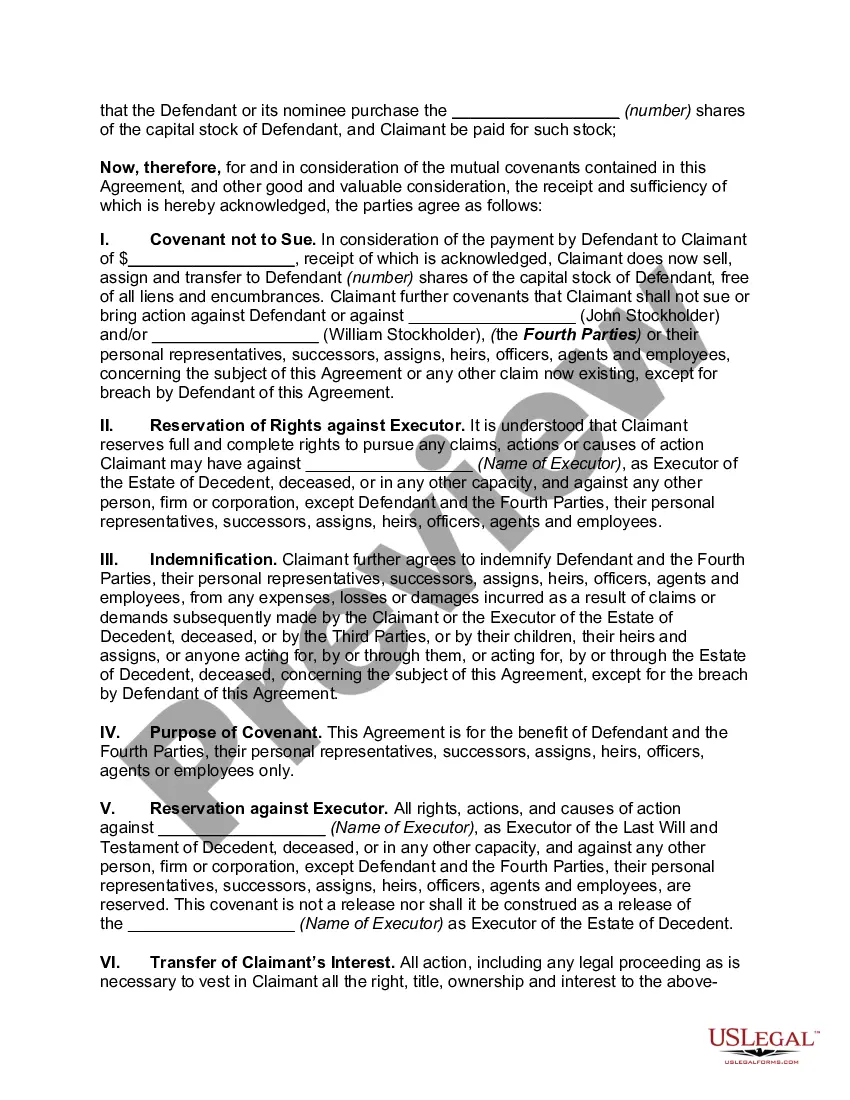
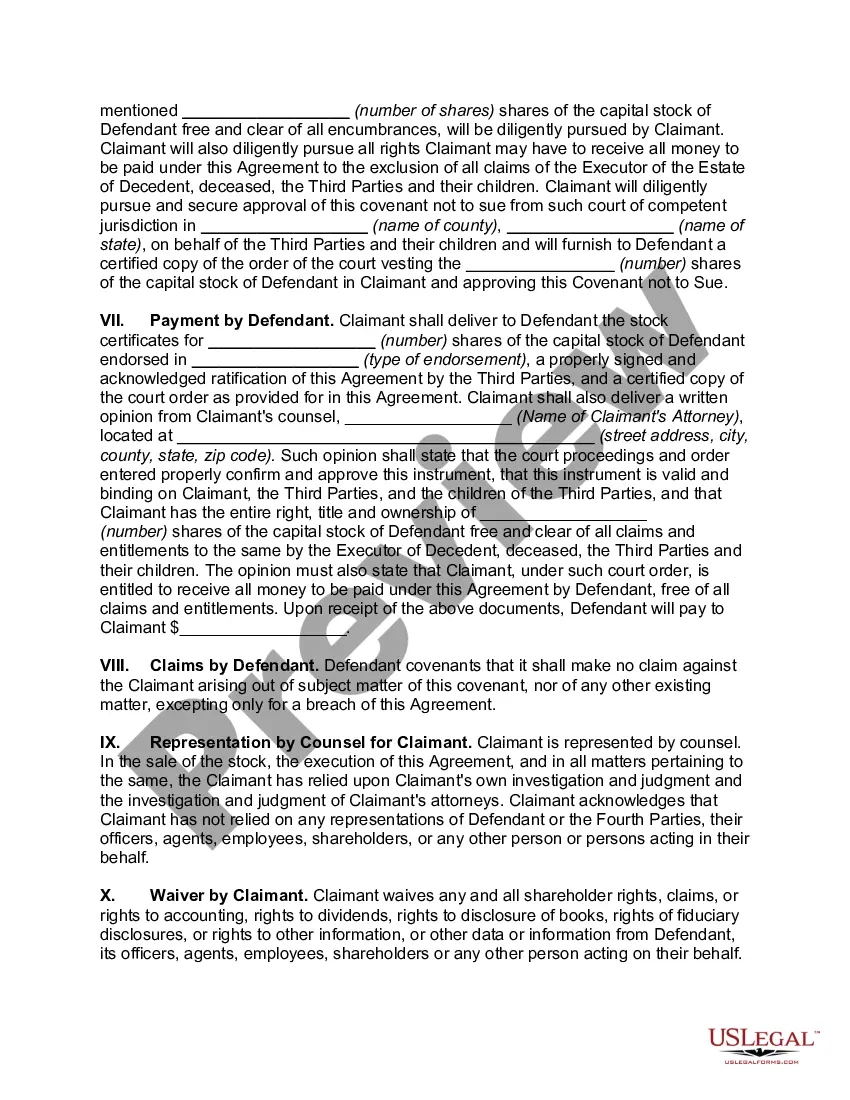
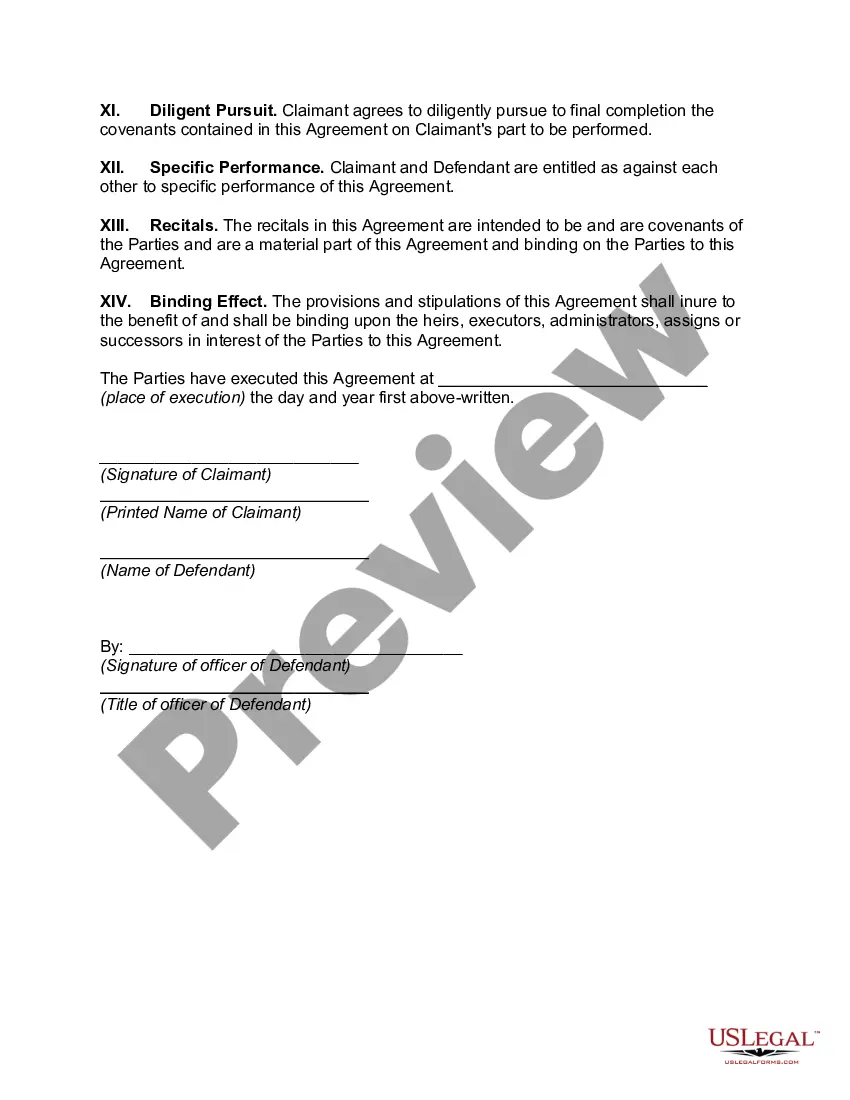
The Covenant Not to Sue by Widow of Deceased Stockholder is a legal agreement in which a widow agrees not to pursue legal claims against a corporation related to shares owned by her deceased husband. This document ensures that the widow receives compensation for the shares without engaging in potentially costly and time-consuming lawsuits, thereby protecting the interests of all parties involved. Unlike other legal agreements, it specifically details the terms under which the widow agrees to forgo legal action in exchange for the acquisition of stock proceeds.

Key parts of this document

  • Date of the agreement and parties involved.
  • Details of the deceased stockholder and the widow's claim.
  • Terms of the covenant not to sue.
  • Indemnification clauses protecting the corporation.
  • Provisions regarding the transfer of shares and payment details.
  • Reservation of rights and specific performance clauses.
Free preview
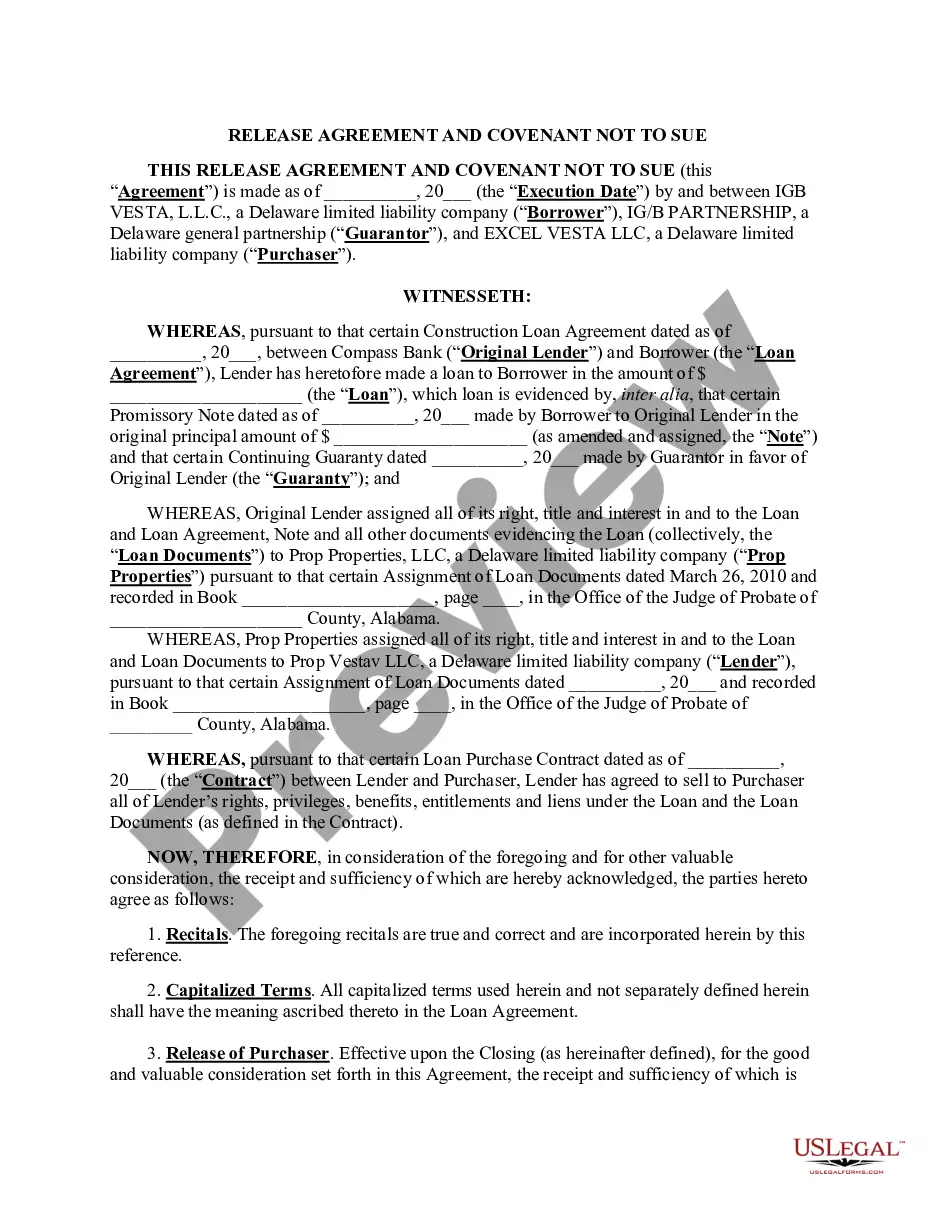
  • Preview Covenant Not to Sue by Widow of Deceased Stockholder
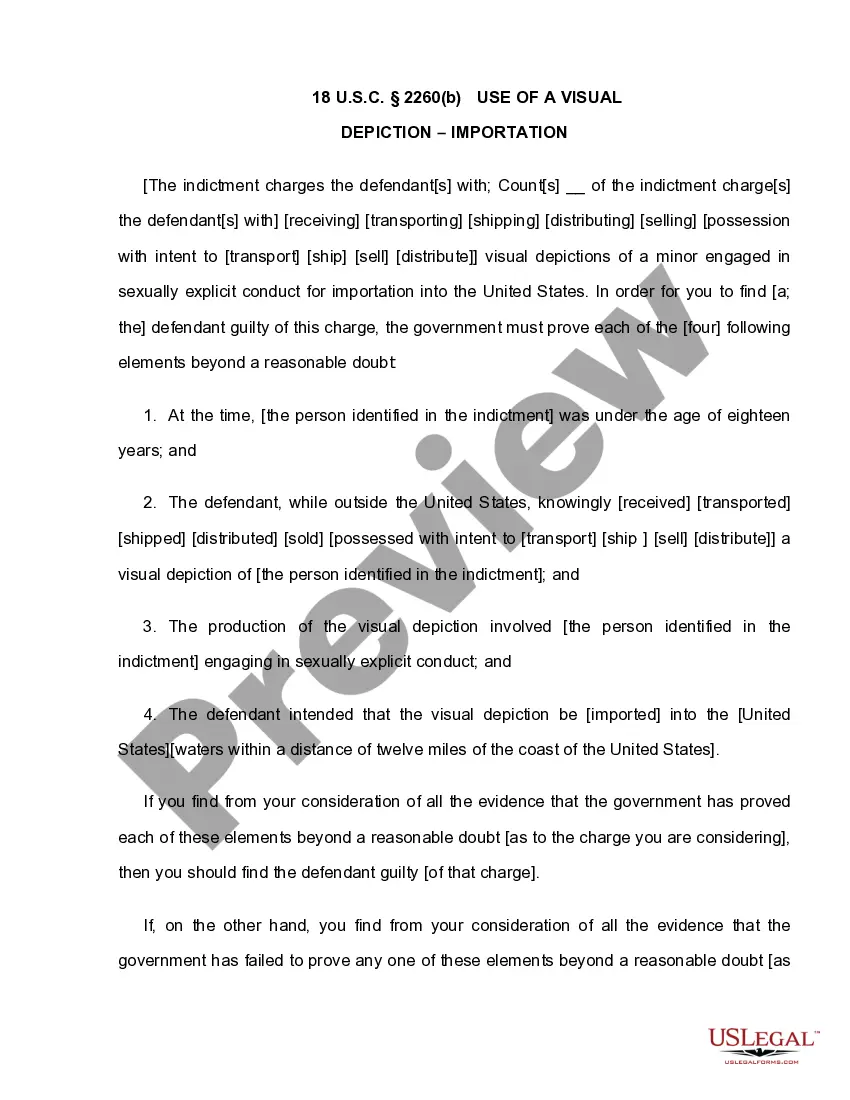
  • Preview Covenant Not to Sue by Widow of Deceased Stockholder
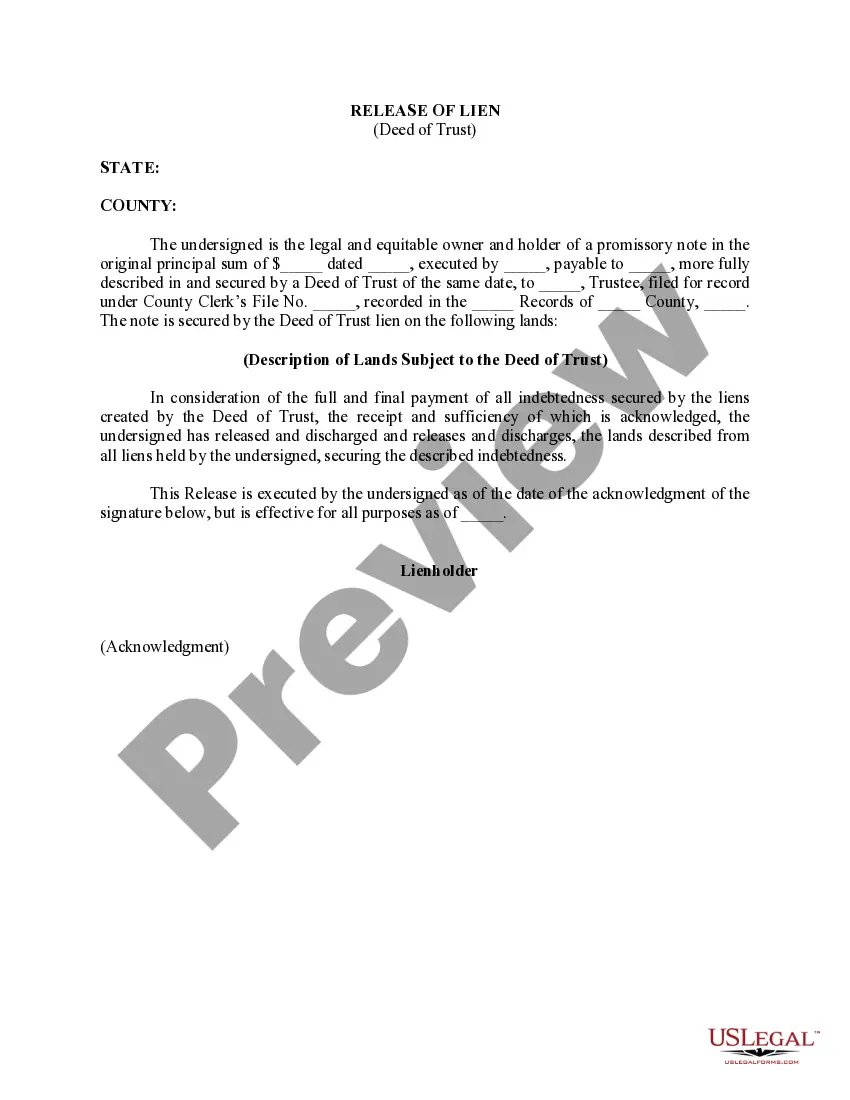
  • Preview Covenant Not to Sue by Widow of Deceased Stockholder
  • Preview Covenant Not to Sue by Widow of Deceased Stockholder

When to use this document

This form is typically used when a widow wants to resolve a claim related to her deceased husband's stock in a corporation. It is especially relevant when the estate is involved in probate, and the widow has received disclaimers from other heirs regarding their interests in the estate. This agreement allows for a smoother transfer of stock and reduces potential legal disputes by formally relinquishing the right to sue the corporation or other relevant parties.

Who can use this document

  • Widows of deceased stockholders who wish to manage or liquidate inherited shares.
  • Executors of estates handling shares of a corporation held by the deceased.
  • Legal professionals assisting clients in estate and business matters.

Completing this form step by step

  • Enter the date of the agreement and full names and addresses of the Claimant (widow) and Defendant (corporation).
  • Fill in details about the decedent and the probate case number.
  • Specify the number of shares involved in the agreement.
  • Indicate the amount to be paid to the Claimant for the stock transfer.
  • Ensure all parties sign the agreement in front of a witness if required.
  • Submit necessary documentation, such as court orders and legal opinions from counsel.

Notarization guidance

This form does not typically require notarization unless specified by local law. Always check state regulations or consult with an attorney to ensure compliance with jurisdictional requirements.

Get your form ready online

Our built-in tools help you complete, sign, share, and store your documents in one place.

Built-in online Word editor

Make edits, fill in missing information, and update formatting in US Legal Forms—just like you would in MS Word.

Export easily

Download a copy, print it, send it by email, or mail it via USPS—whatever works best for your next step.

E-sign your document

Sign and collect signatures with our SignNow integration. Send to multiple recipients, set reminders, and more. Go Premium to unlock E-Sign.

Notarize online 24/7

If this form requires notarization, complete it online through a secure video call—no need to meet a notary in person or wait for an appointment.

Store your document securely

We protect your documents and personal data by following strict security and privacy standards.

Form selector

Make edits, fill in missing information, and update formatting in US Legal Forms—just like you would in MS Word.

Form selector

Download a copy, print it, send it by email, or mail it via USPS—whatever works best for your next step.

Form selector

Sign and collect signatures with our SignNow integration. Send to multiple recipients, set reminders, and more. Go Premium to unlock E-Sign.

Form selector

If this form requires notarization, complete it online through a secure video call—no need to meet a notary in person or wait for an appointment.

Form selector

We protect your documents and personal data by following strict security and privacy standards.

Avoid these common issues

  • Failing to include all necessary parties in the agreement.
  • Not providing accurate details about the decedent and their estate.
  • Overlooking to obtain required legal advice or court approval.
  • Forgetting to sign and date the agreement correctly.

Advantages of online completion

  • Convenience of accessing the form anytime, without the need to visit a legal office.
  • Editability allows for quick adjustments to specific sections as needed.
  • Reliability of using a document prepared by licensed attorneys tailored to your situation.

Quick recap

  • The Covenant Not to Sue serves as a protective agreement for the widow while facilitating the transfer of shares.
  • It limits future claims against the corporation but reserves rights against the estate's executor.
  • This form streamlines the process of settling estate matters involving stock ownership.

Looking for another form?

This field is required
Virginia
Select state

Form popularity

FAQ

While courts typically frown upon adhesiontype (i.e., take it or leave it) contracts where the weaker party is unrepresented and asked to give up certain rights they would otherwise have without fully understanding the consequences, No Sue Agreements have been found to be enforceable by various courts in a variety of

The covenant not to execute is a promise by the plaintiff not to seek further damages from the insured. Insurance claim lawsuits involve three main parties: the insured, the insurer, and the claimant.In this case, the insured and claimant may agree to limit the judgment so that the claimant can go after the insurer.

California law doesn't permit covenants not so sue if it is to exempt someone from fraud, willful injury or violation of the law. The court determined that that wasn't the case here. consultation over a two-year period, militates against a conclusion that the covenant not to sue is procedurally unconscionable.

Trusted and secure by over 3 million people of the world’s leading companies

Covenant Not to Sue by Widow of Deceased Stockholder