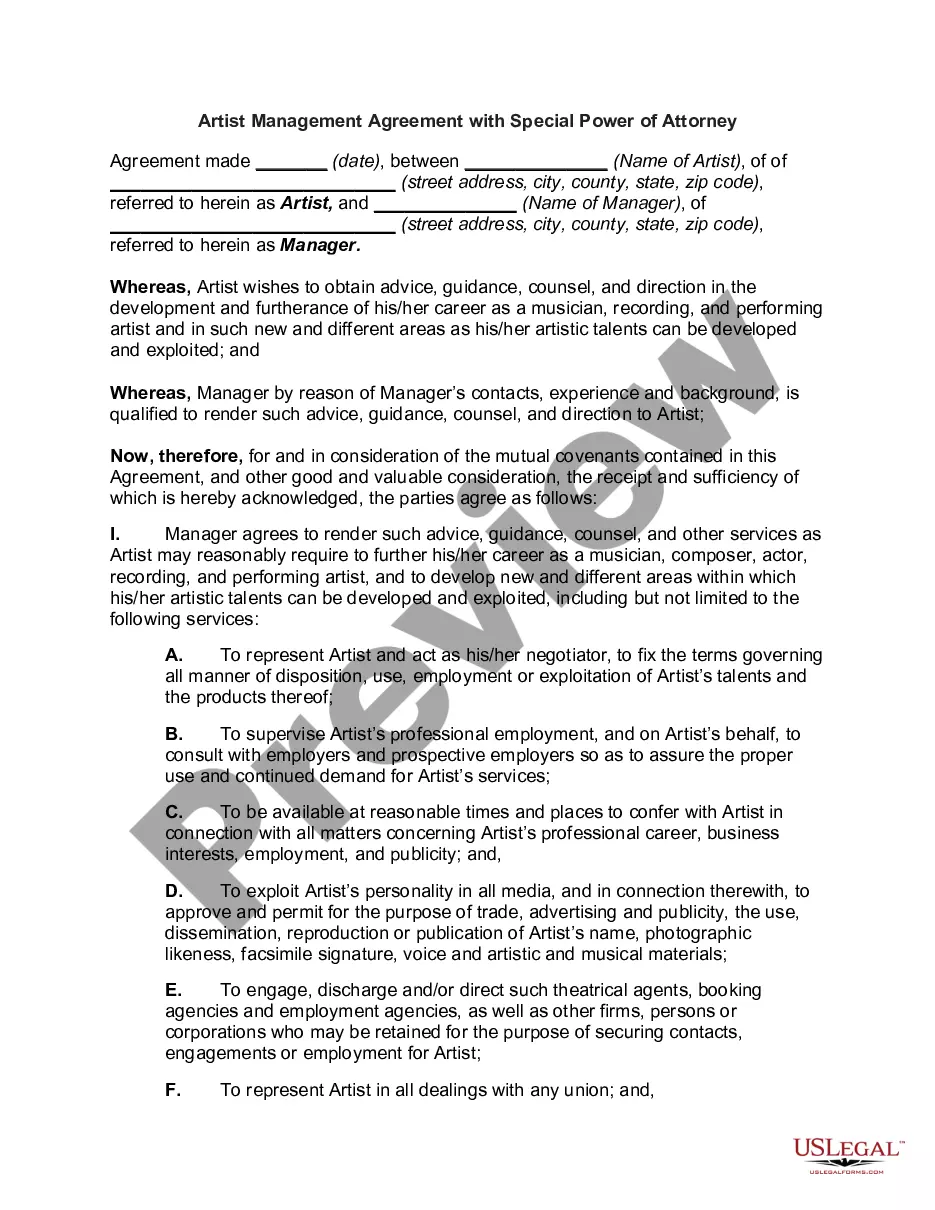
Georgia Subcontractor's Agreement
Overview of this form
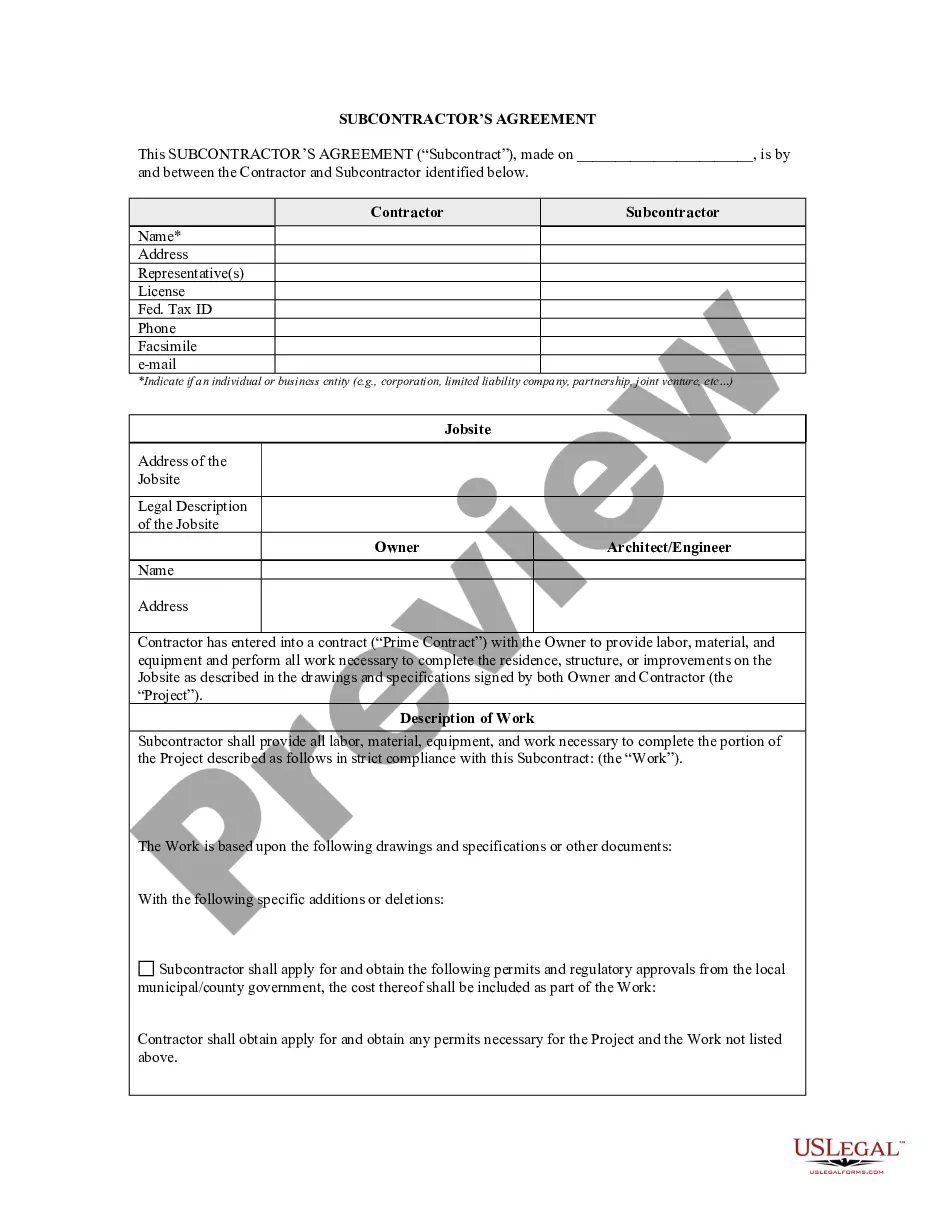
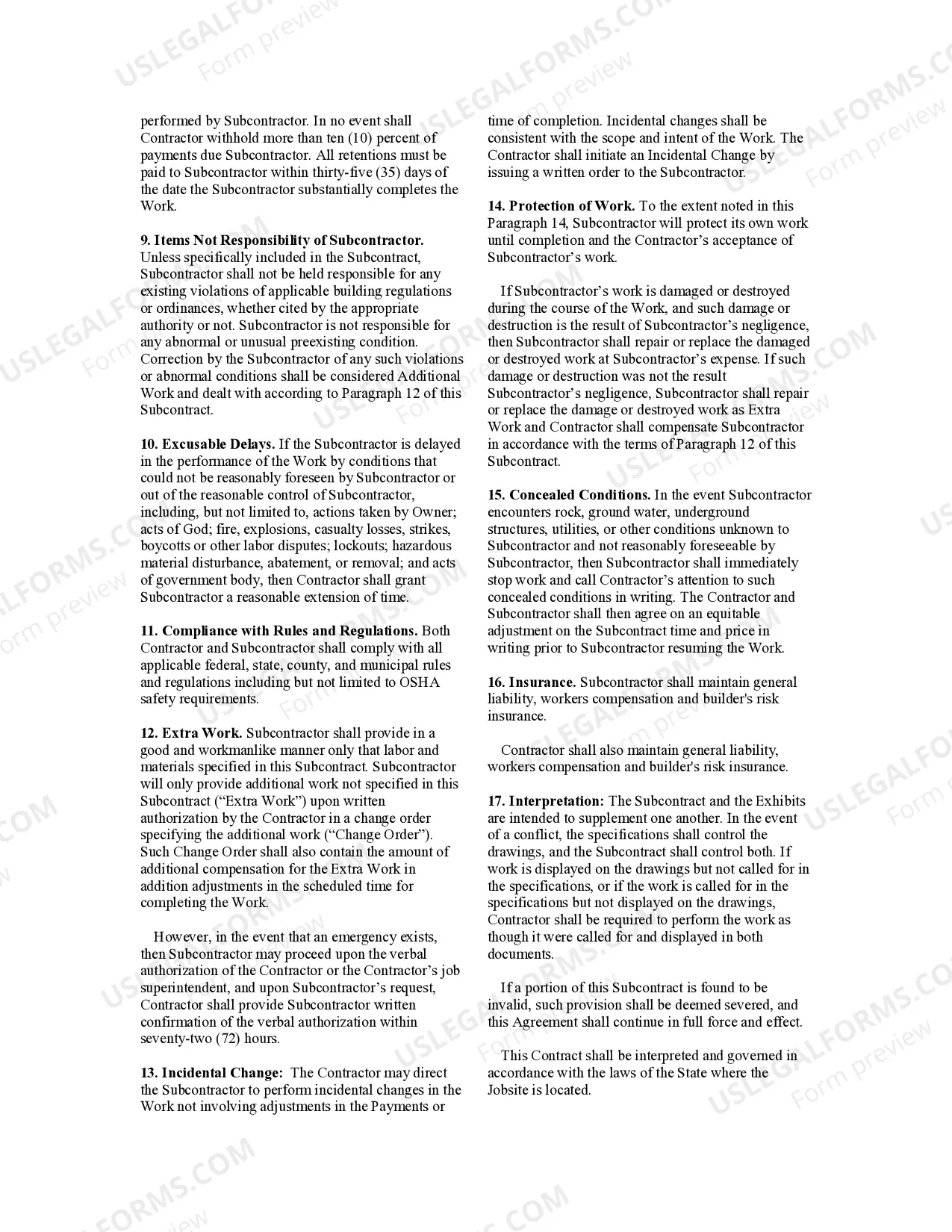
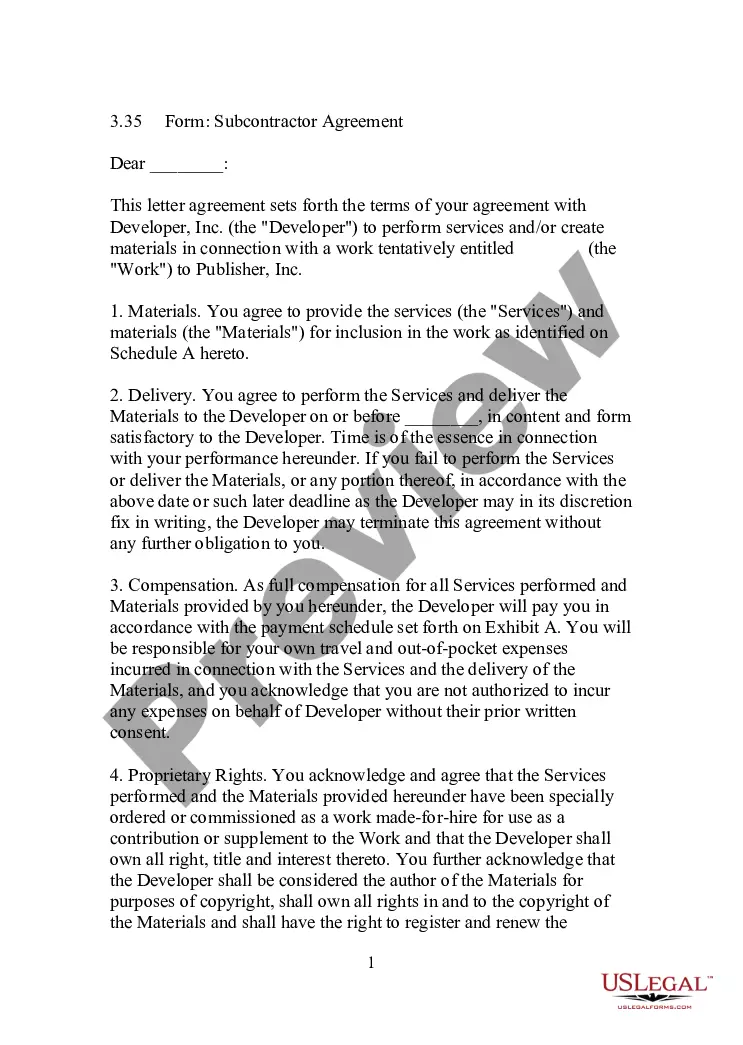
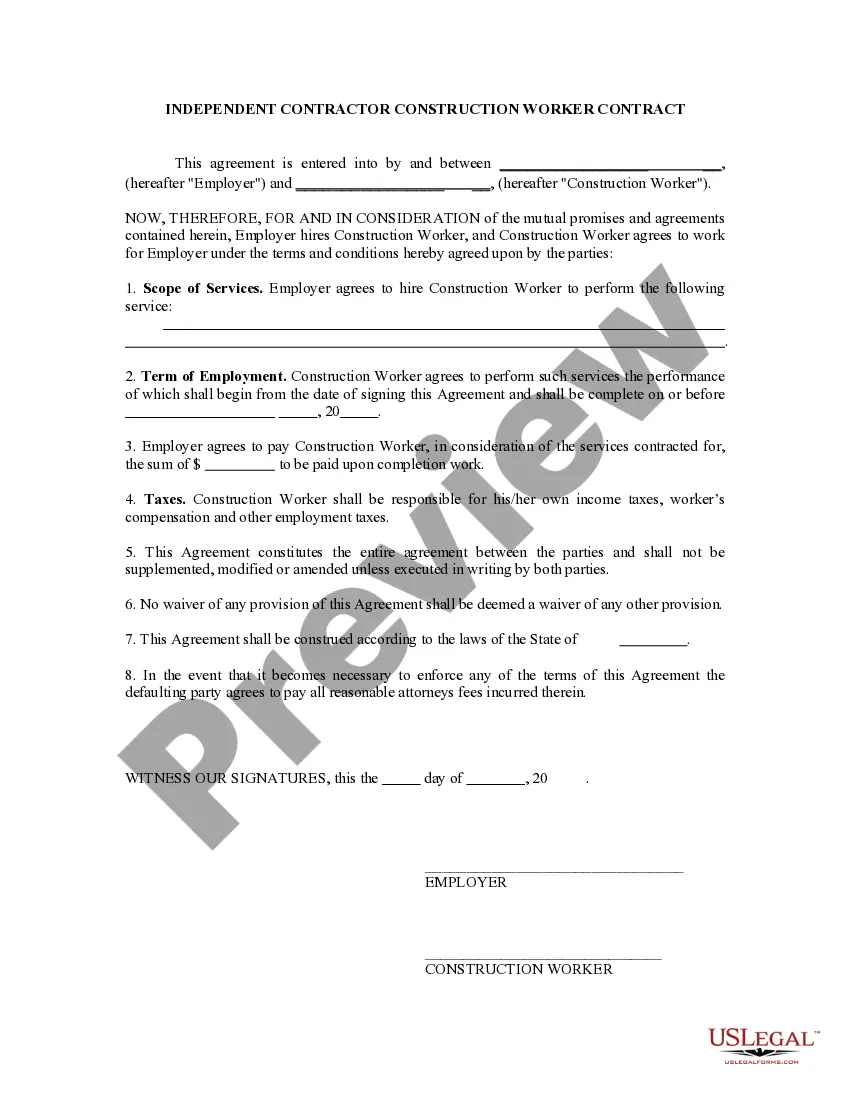
The Subcontractor's Agreement is a legal document that outlines the terms and conditions for subcontracting specific work under a primary contract. This agreement defines each party's responsibilities, payment schedules, and dispute resolution mechanisms. Unlike general contracts, it specifically addresses subcontractor arrangements, ensuring clarity in roles and expectations.
Key parts of this document
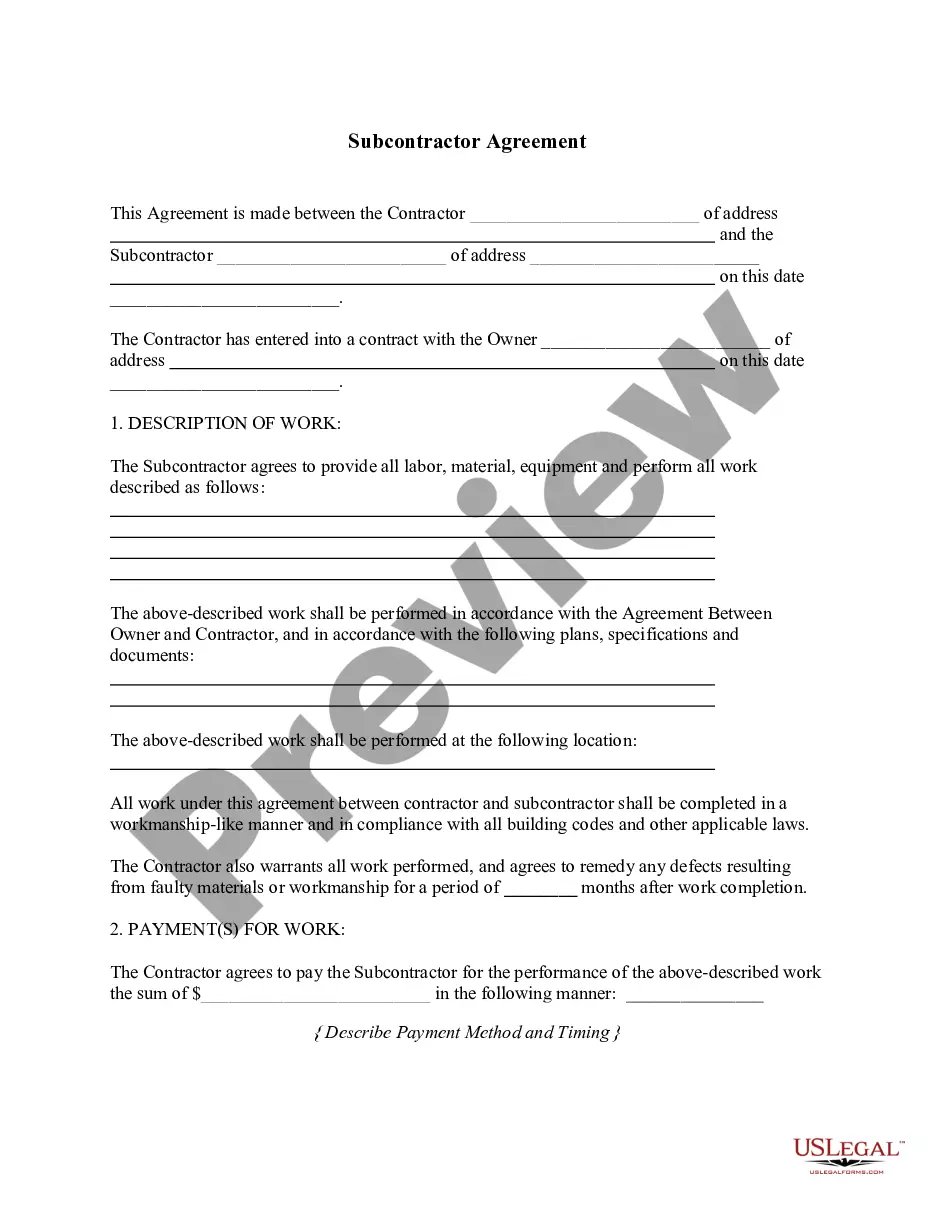
- Identification of the parties involved
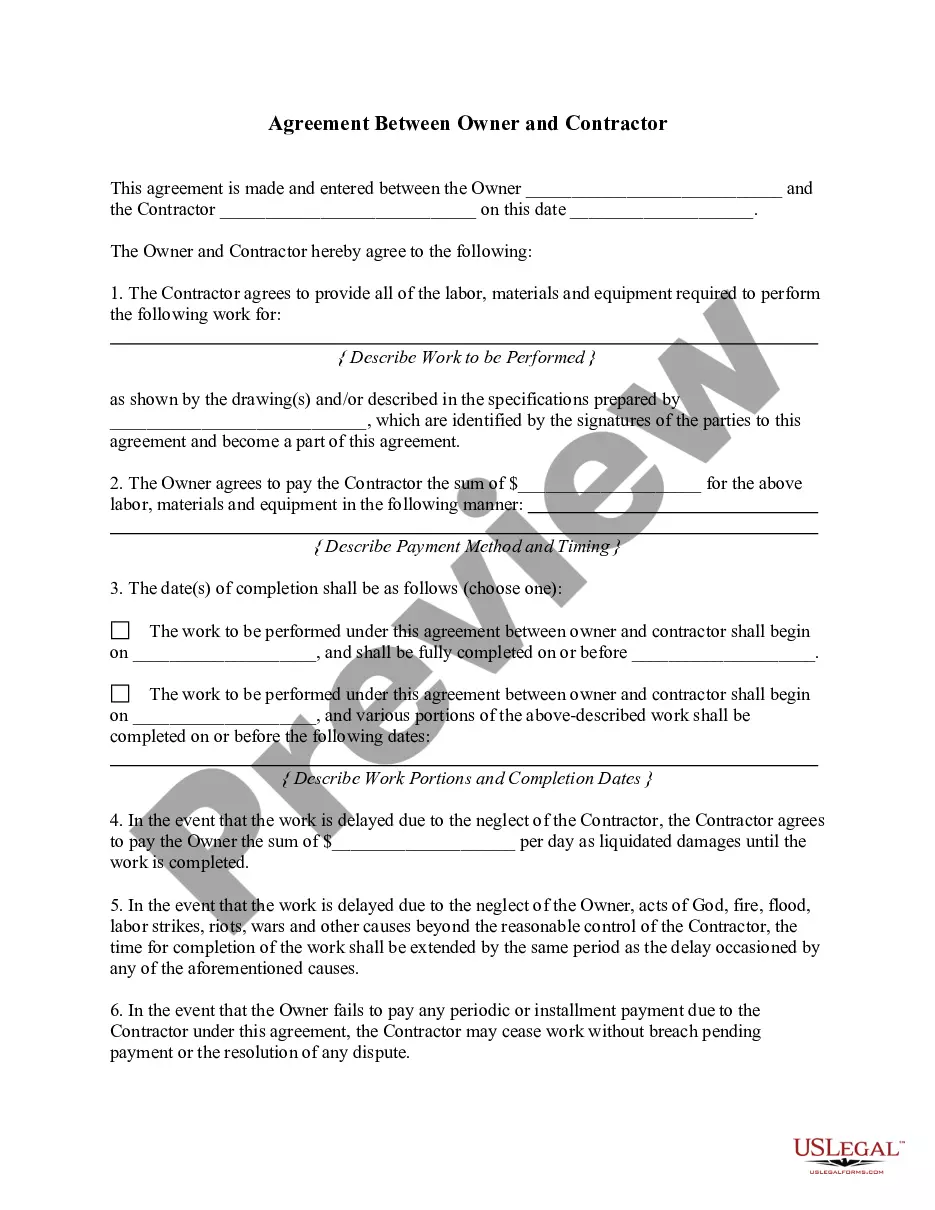
- Description of the job site and work to be performed
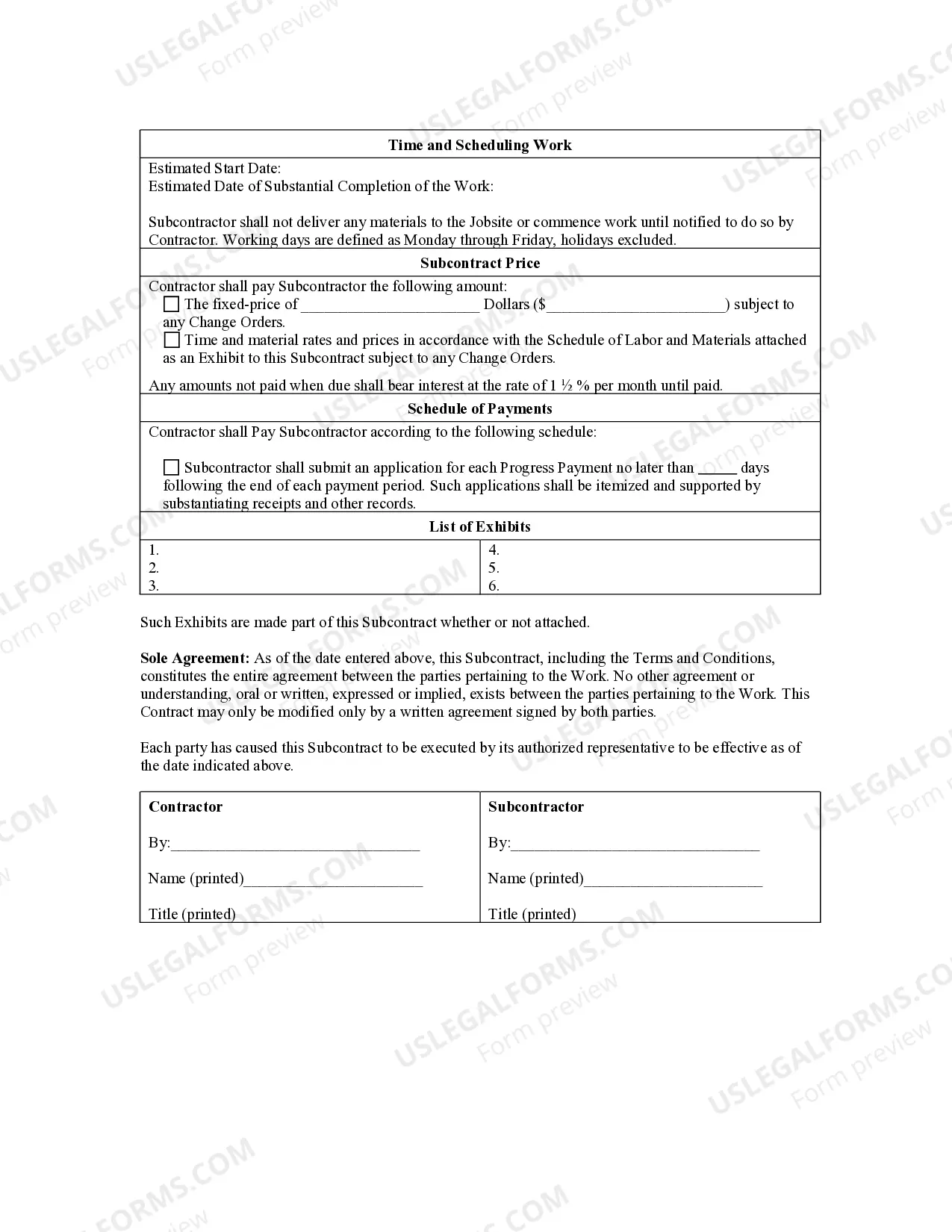
- Payment amount and schedule, including provisions for change orders
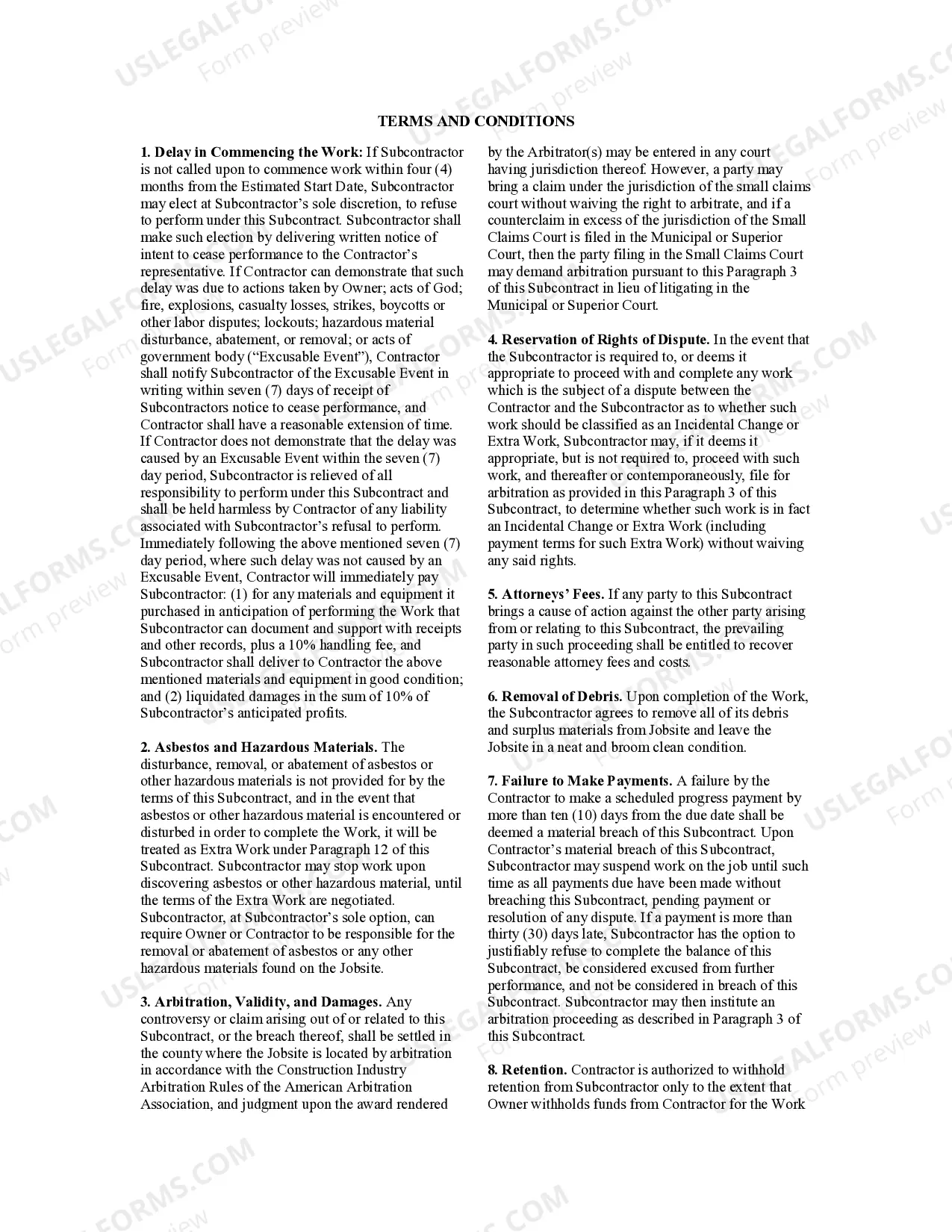
- Terms regarding delays and dispute resolution
- Requirements for insurance and compliance with regulations

When to use this document
You should use the Subcontractor's Agreement when entering into an arrangement with a subcontractor for specific tasks on a construction project. It is essential when you need to clarify expectations, payment terms, and the scope of work. This form protects both the contractor and subcontractor by providing a clear framework for their working relationship.
Who can use this document
- Contractors who need to hire subcontractors
- Subcontractors seeking formal agreements before starting work
- Parties involved in construction projects requiring clear legal terms
How to complete this form
- Identify and enter the names of the contractor and subcontractor.
- Specify the job site location and detailed description of the work required.
- Outline the fixed-price agreement and any time and material rates involved.
- Include the payment schedule and conditions related to change orders.
- Ensure all parties sign and date the agreement to make it enforceable.
Is notarization required?
In most cases, this form does not require notarization. However, some jurisdictions or signing circumstances might. US Legal Forms offers online notarization powered by Notarize, accessible 24/7 for a quick, remote process.
Get your form ready online
Our built-in tools help you complete, sign, share, and store your documents in one place.
Make edits, fill in missing information, and update formatting in US Legal Forms—just like you would in MS Word.
Download a copy, print it, send it by email, or mail it via USPS—whatever works best for your next step.
Sign and collect signatures with our SignNow integration. Send to multiple recipients, set reminders, and more. Go Premium to unlock E-Sign.
If this form requires notarization, complete it online through a secure video call—no need to meet a notary in person or wait for an appointment.
We protect your documents and personal data by following strict security and privacy standards.

Make edits, fill in missing information, and update formatting in US Legal Forms—just like you would in MS Word.

Download a copy, print it, send it by email, or mail it via USPS—whatever works best for your next step.

Sign and collect signatures with our SignNow integration. Send to multiple recipients, set reminders, and more. Go Premium to unlock E-Sign.

If this form requires notarization, complete it online through a secure video call—no need to meet a notary in person or wait for an appointment.

We protect your documents and personal data by following strict security and privacy standards.
Avoid these common issues
- Failing to specify the scope of work adequately, leading to disputes.
- Not including proper payment terms, which can result in financial issues.
- Omitting signature lines or dates, making the contract unenforceable.
Benefits of completing this form online
- Easy access to legal templates drafted by licensed attorneys.
- Convenience of completing forms at your own pace.
- Editability to tailor the form to your specific needs.
Legal use & context
- This agreement is legally binding once signed by both parties.
- Ensures clarity and protects the interests of both contractor and subcontractor.
- May be subject to state-specific contract laws and regulations.
Main things to remember
Key takeaways:
- Using a Subcontractor's Agreement clarifies roles and responsibilities in construction projects.
- Accurate documentation helps prevent disputes between contractors and subcontractors.
- Being familiar with state-specific regulations is crucial for enforceability.
Looking for another form?



Form popularity
FAQ
Subcontractor agreements outline the responsibilities of each party, to ensure that if a claim were to arise, the responsible party is accountable. A subcontractor agreement provides protection to the company that hired the vendor or subcontractor by transferring the risk back to the party performing the work.
Each subcontractor should complete Form W-9 before they begin any work. On the form, the subcontractor identifies their business structure type (sole proprietorship, corporation, etc.). Form W-9 also asks for the subcontractor's name and Taxpayer Identification Number (TIN).
Start with procurement standards. Execute all subcontracts prior to starting your projects. Help those who help you. Award the job to the lowest fully qualified bidder. Use contract scope checklists. Make sure you have tight clauses. Meet to review the proposed subcontract.
Scope of the Project. Timing for Completion: Duration of Work Clause. Payment and Billing Clause. Independent Contractor Notice. Non-Disclosure Agreement. Non-Complete Clause. Work for Hire Inclusion. Responsibilities for Insurance for Accidental Damages.
The disadvantages contractors doing this work lie in costs: The hourly expenses are high, and the professionals are independent in that they don't report to supervisors inside the company. These factors make it challenging to control the costs of these subcontracts.
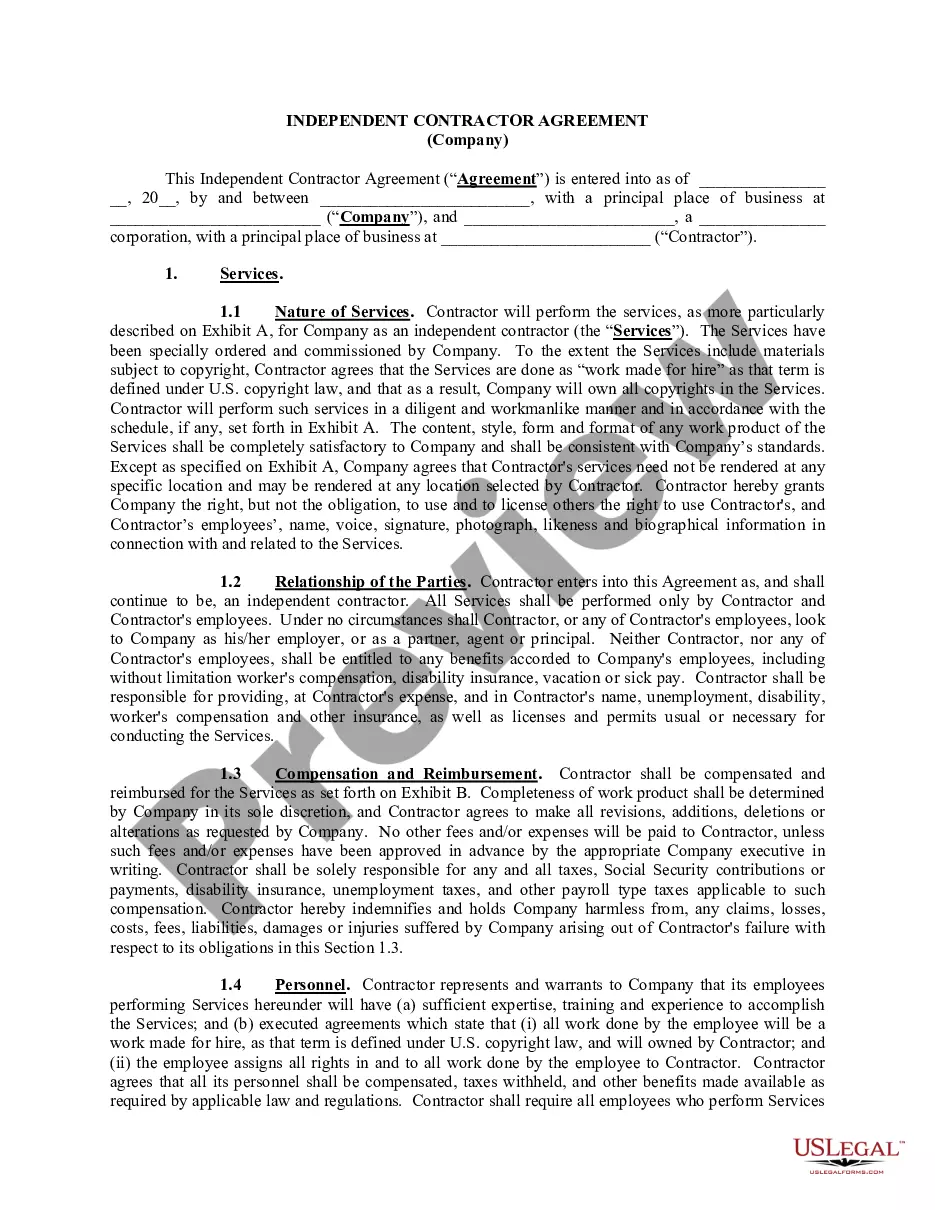
A subcontractor agreement is a contract between contractors or project managers and subcontractors. This solidifies any agreement between the two parties and assures work. Subcontractors should read the subcontractor agreement and assure specifics to protect themselves from unfair risk.
Just like on private jobs, the general contractor needs to post on the public works construction job site itself the notice of commencement, and file it with the clerk of the superior court in the county in which the site is located.
A subcontractor has a contract with the contractor for the services provided - an employee of the contractor cannot also be a subcontractor.