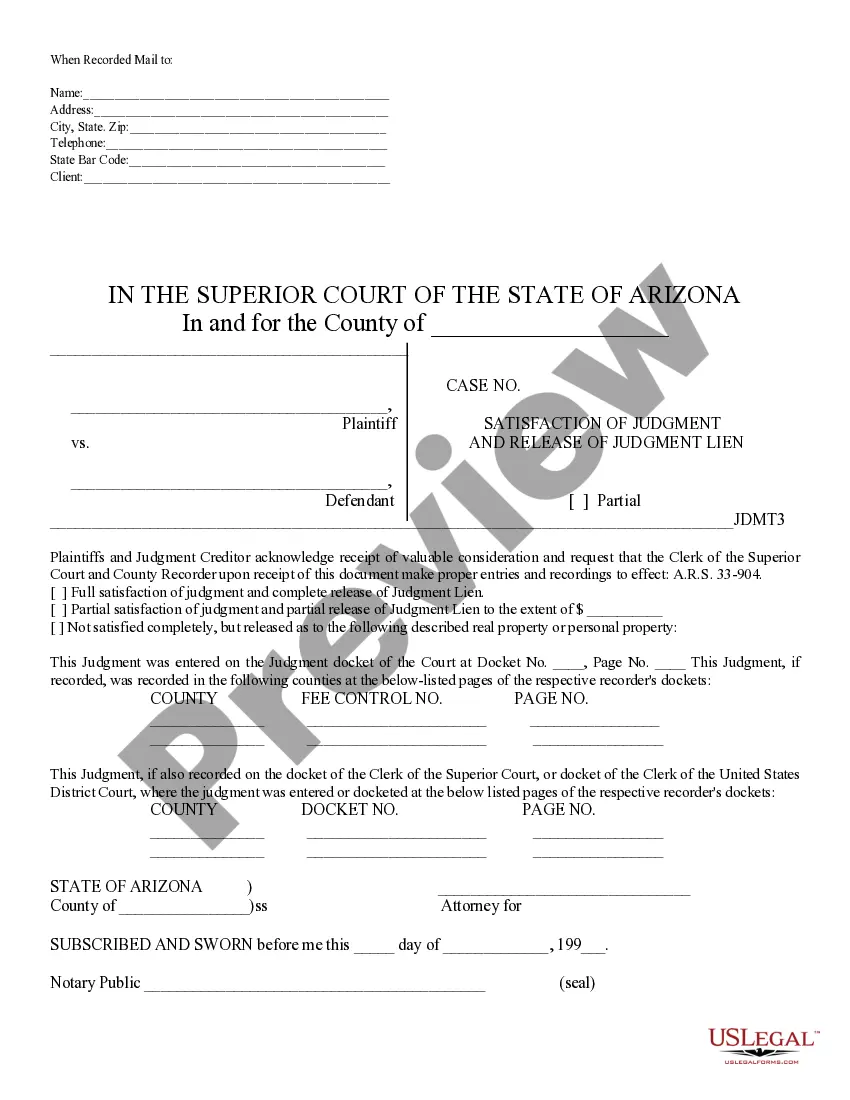
Detailed Character Reference in Support of Application for Gun Permit
What is this form?
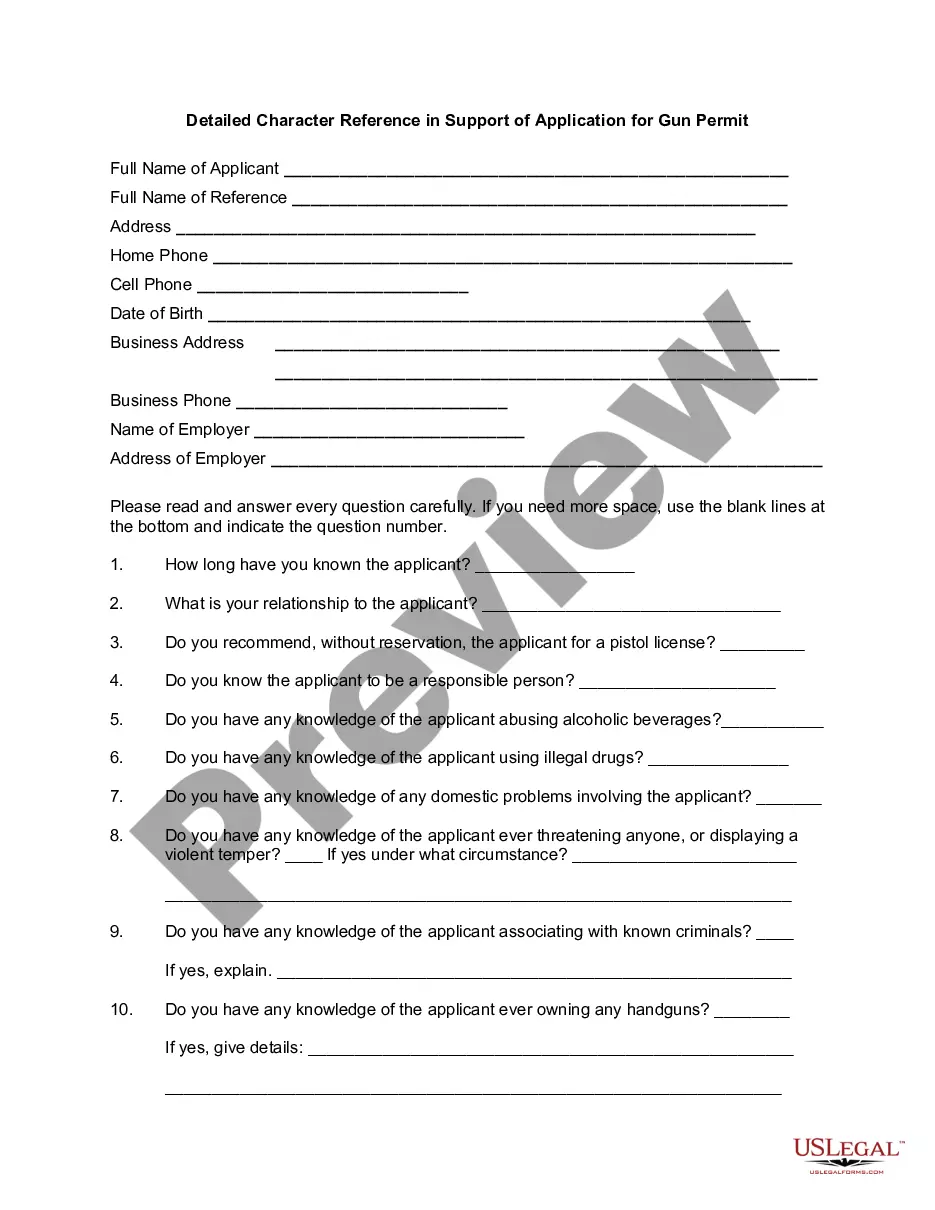
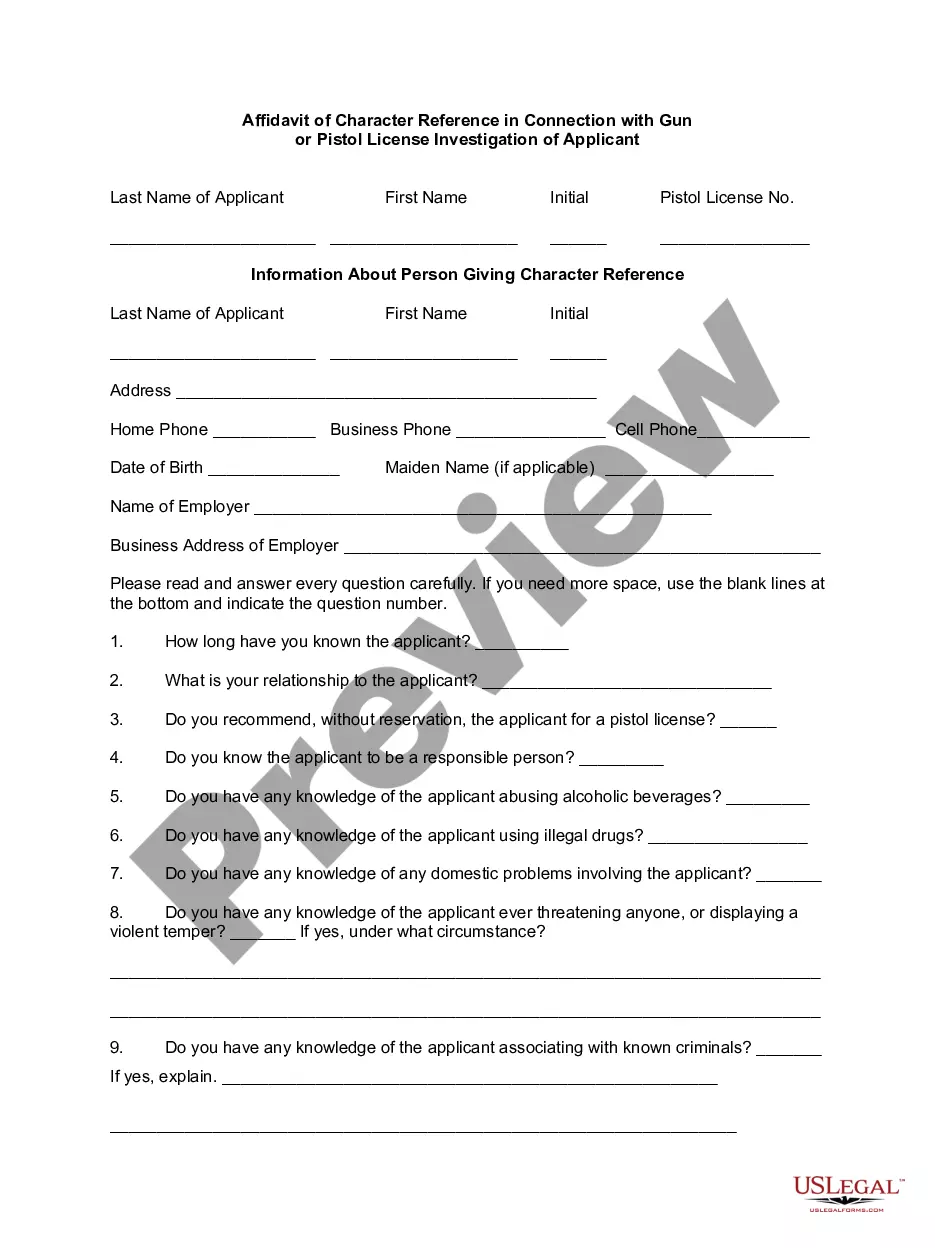
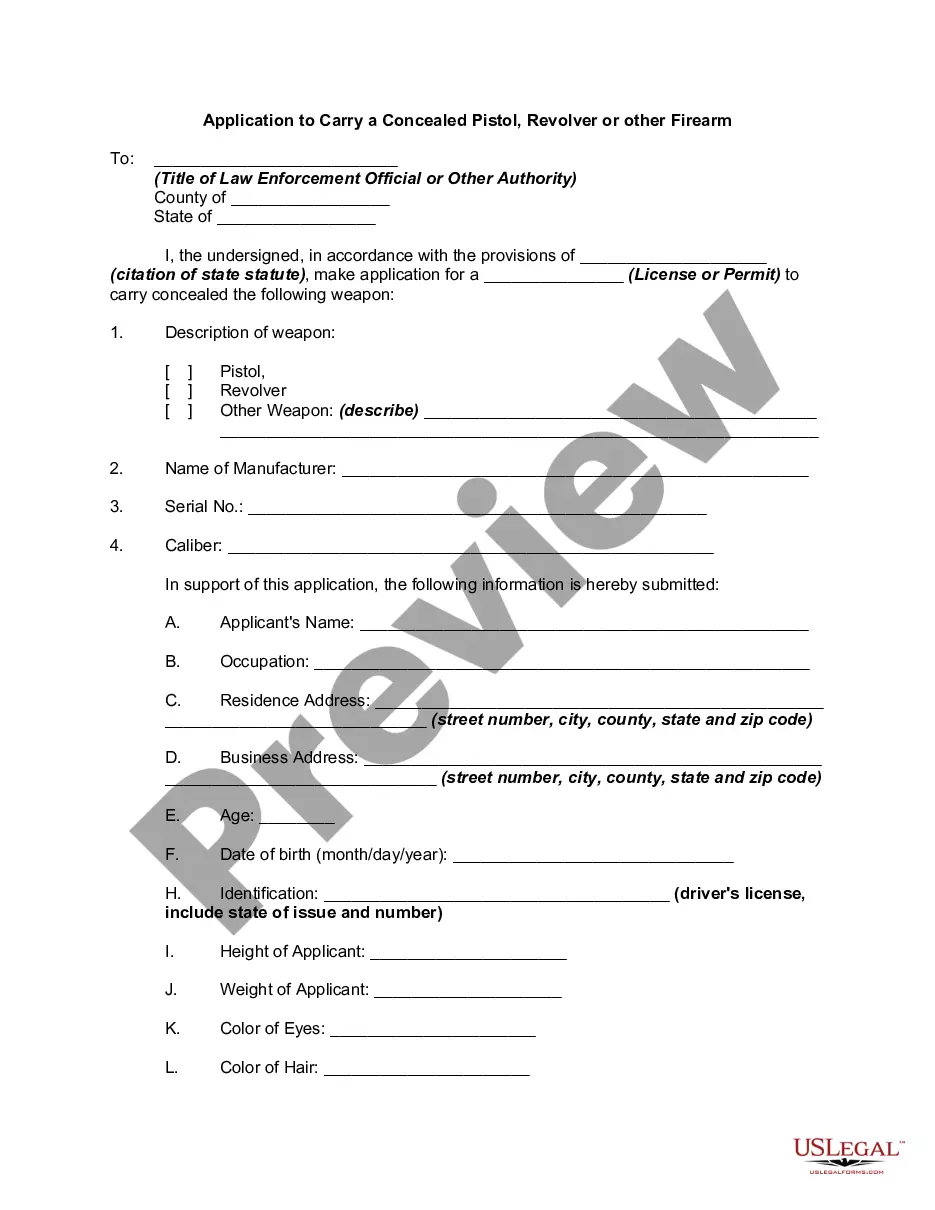
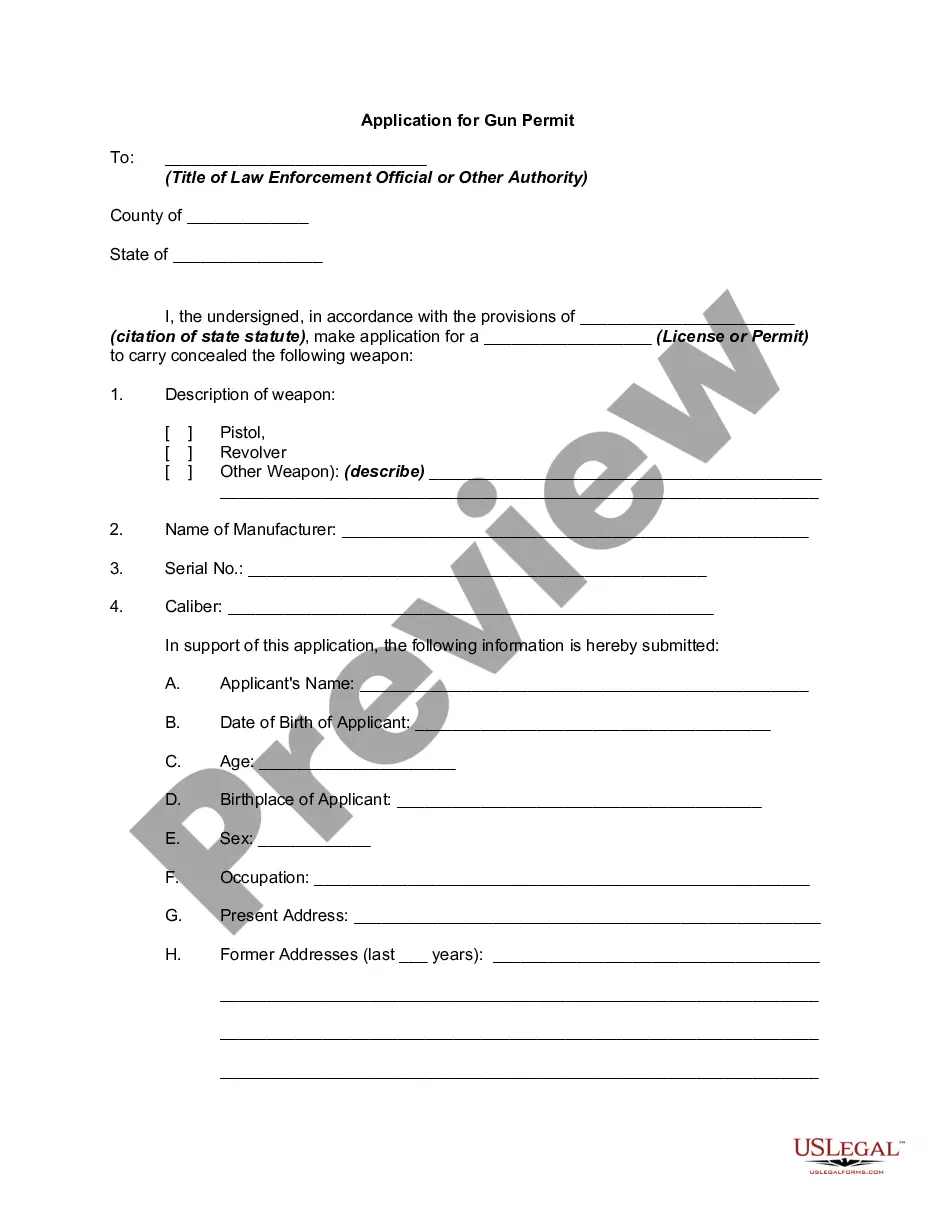
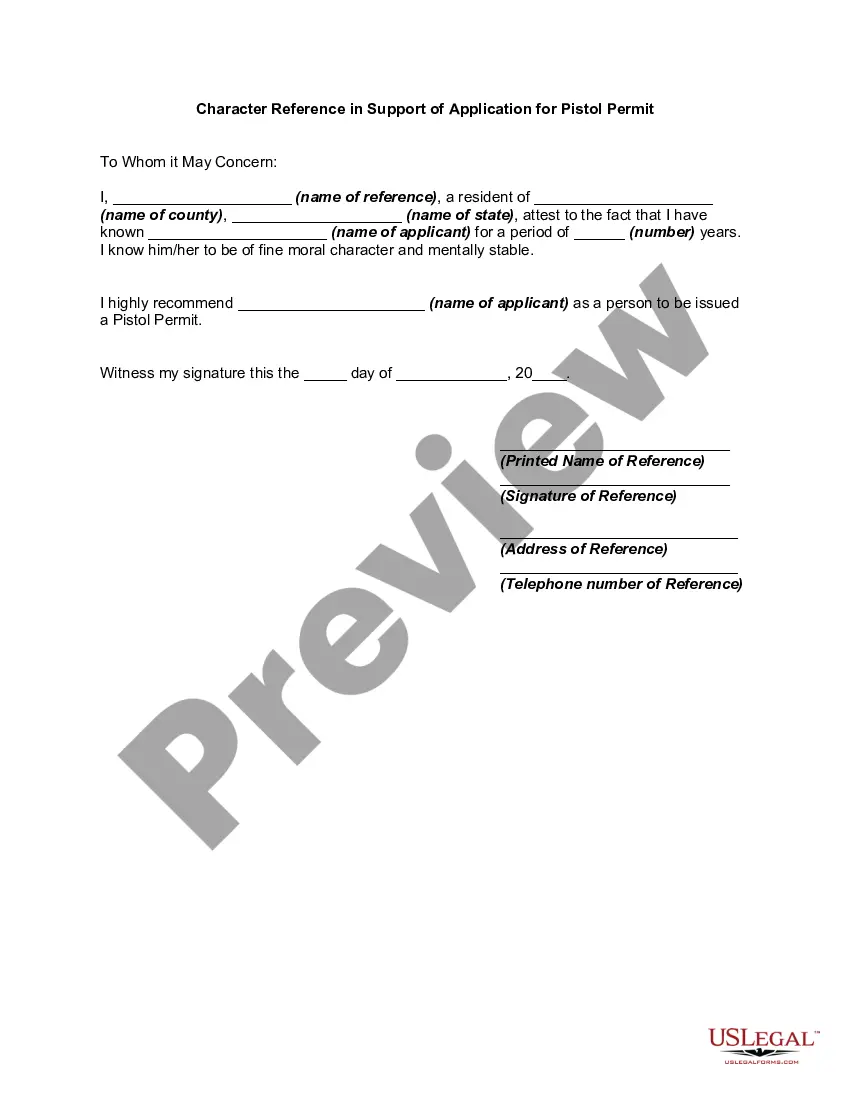
The Detailed Character Reference in Support of Application for Gun Permit is a form designed for individuals to provide character references for someone seeking a gun permit. This form collects personal information about both the applicant and the reference, along with detailed questions that assess the applicant's character and suitability for a firearms license. Unlike generic recommendation letters, this form includes specific questions relevant to firearm ownership, ensuring a comprehensive evaluation of the applicantâs reliability and background.
Key components of this form
- Full Name of Applicant and Reference: Identifies the individual seeking the permit and the person providing the reference.
- Address and Contact Information: Provides necessary details for both parties, including phone numbers.
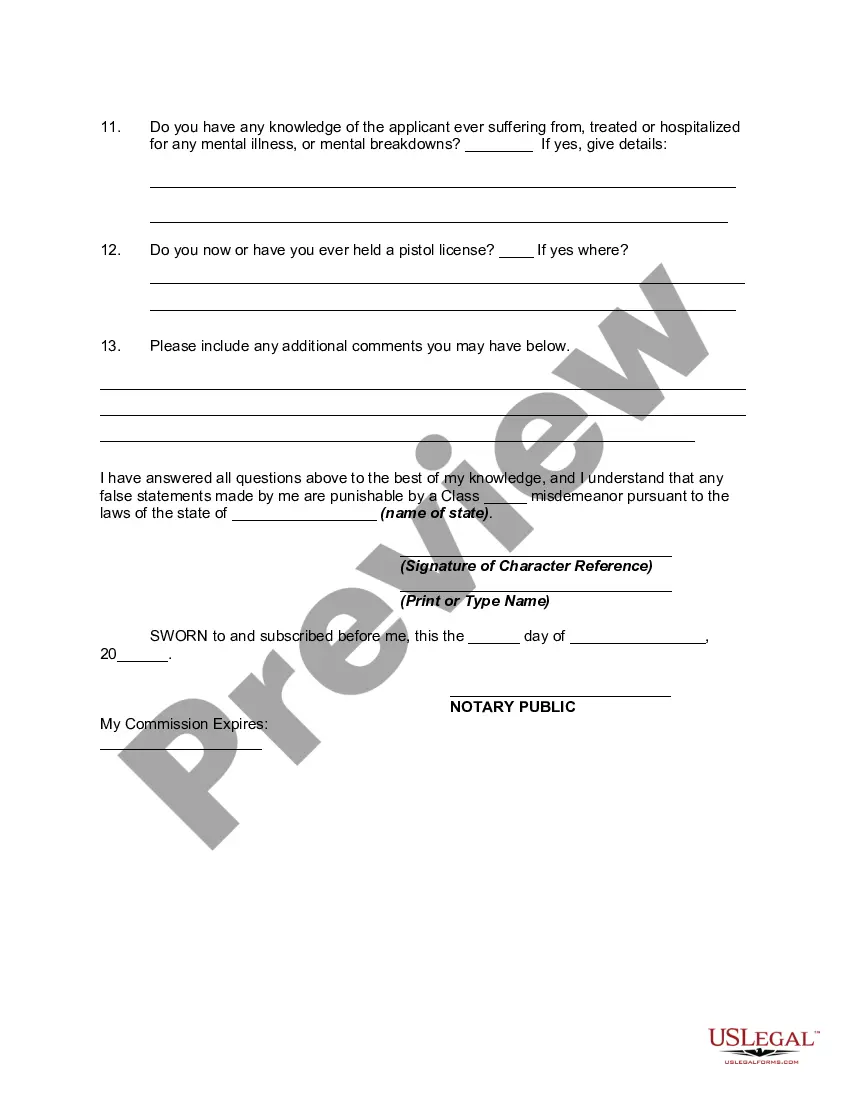
- Questions Regarding the Applicant: Covers the duration of the relationship, recommendations, and background information related to alcohol, drugs, domestic issues, and history with firearms.
- Signature of the Reference: Confirms that the information provided is accurate and truthful.
- Notary Section: Verifies the authenticity of the reference's signature and statements.
When to use this document
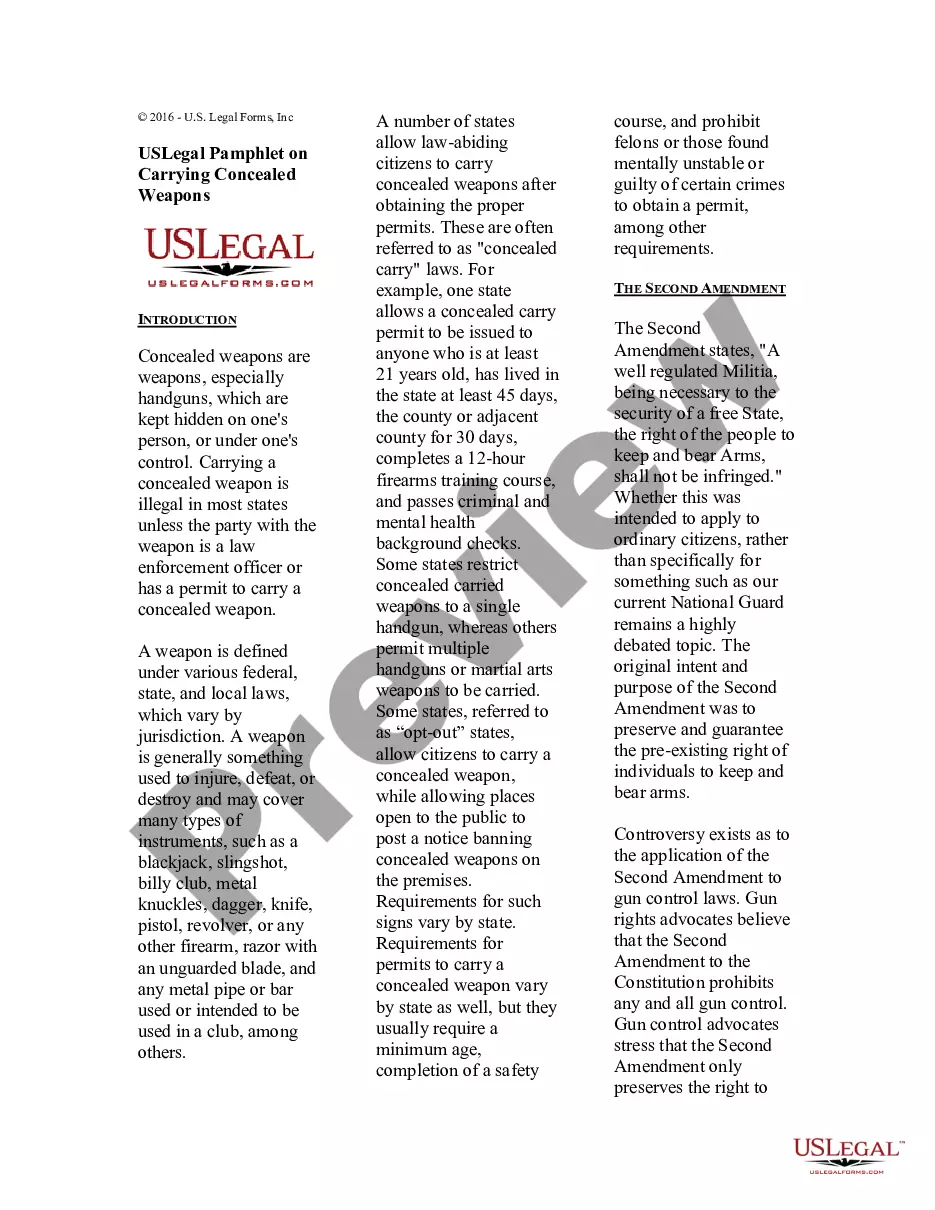
This form should be used when a person applying for a gun permit needs to submit character references as part of their application process. It is often required by local authorities to help assess the applicant's suitability for owning or carrying a firearm. This form can be crucial in jurisdictions that mandate background checks and character assessments for gun permit applications.
Who this form is for
- Individuals applying for a gun permit who need to submit references.
- Friends, family members, or colleagues of the applicant willing to provide a character reference.
- Anyone seeking to comply with local regulations regarding firearm ownership.
Steps to complete this form
- Start by filling in your personal details as the reference, including your name, address, and contact information.
- Provide information about the applicant, including their full name and background information.
- Carefully answer each question regarding your relationship with the applicant, their character, and any knowledge of their behavior relevant to gun ownership.
- Include your signature and date the document to affirm the truthfulness of your responses.
- Ensure the form is notarized, if required, to validate the authenticity of the information provided.
Notarization guidance
This form must be notarized to be legally valid in most jurisdictions. Notarization serves to confirm the identity of the reference and the authenticity of their statements. US Legal Forms provides integrated online notarization services, available 24/7 via secure video calls, ensuring a straightforward process without needing to travel.
Get your form ready online
Our built-in tools help you complete, sign, share, and store your documents in one place.
Make edits, fill in missing information, and update formatting in US Legal Forms—just like you would in MS Word.
Download a copy, print it, send it by email, or mail it via USPS—whatever works best for your next step.
Sign and collect signatures with our SignNow integration. Send to multiple recipients, set reminders, and more. Go Premium to unlock E-Sign.
If this form requires notarization, complete it online through a secure video call—no need to meet a notary in person or wait for an appointment.
We protect your documents and personal data by following strict security and privacy standards.

Make edits, fill in missing information, and update formatting in US Legal Forms—just like you would in MS Word.

Download a copy, print it, send it by email, or mail it via USPS—whatever works best for your next step.

Sign and collect signatures with our SignNow integration. Send to multiple recipients, set reminders, and more. Go Premium to unlock E-Sign.

If this form requires notarization, complete it online through a secure video call—no need to meet a notary in person or wait for an appointment.

We protect your documents and personal data by following strict security and privacy standards.
Mistakes to watch out for
- Failing to fully complete all questions or leaving sections blank.
- Providing inaccurate or misleading information about the applicant.
- Not having the form signed and dated properly before submission.
- Neglecting to fulfill the notarization requirement when needed.
Why use this form online
- Convenient access to the form allows for easy downloading and completion at your own pace.
- The structured format helps ensure that all necessary information is included without confusion.
- Provides a reliable way to comply with local laws regarding gun permit applications.
Legal use & context
- This form is used as part of the application process for obtaining a gun permit and serves to establish the character of the applicant.
- It may be included in the documentation review by local authorities tasked with issuing gun permits.
- Providing inaccurate or false information can have legal consequences as stated in the form.
Quick recap
- The Detailed Character Reference is essential for supporting gun permit applications.
- Accurate and honest responses are crucial for the legality of the reference.
- Consult your local laws to ensure compliance with specific state requirements.
Looking for another form?

Form popularity
FAQ
The Detailed Character Reference in Support of Application for Gun Permit is a fillable form used to provide structured character references for someone applying for a gun permit. It collects the applicant’s and reference’s names and contact details and asks specific questions about character and suitability for firearm ownership. It includes a signature line and a notary section for verification.
Include details that help the reviewing authority assess the applicant’s reliability and fitness to own a firearm. The form asks for how you know the applicant and how long you’ve known them, your overall recommendation, and any observations about alcohol or drug use, domestic issues, or history with firearms. Also provide your contact information and sign; the notary verification may be required by local rules.
The form collects the names of the applicant and reference, their addresses and contact information, and the reference’s signature. It also records the relationship duration and contains questions about the applicant’s background (alcohol, drugs, domestic issues) and history with firearms, plus a notary section to verify the statements.
The reference signs to certify the information provided is accurate. The form includes a Notary Section to verify the reference’s signature and statements, providing authenticity for the submission. Local requirements may vary, so confirm whether notarization is needed in the relevant jurisdiction.
The Questions Regarding the Applicant section asks about the duration of the relationship, the reference’s recommendation, and background information relevant to firearm ownership, including any history with alcohol or drugs, domestic issues, and past experiences with firearms.
This form is tailored for gun permit applications by including specific questions about the applicant’s background related to alcohol, drugs, domestic issues, and firearms history, plus a required signature and a notary verification. A generic letter typically lacks these structured questions and formal verification features.